
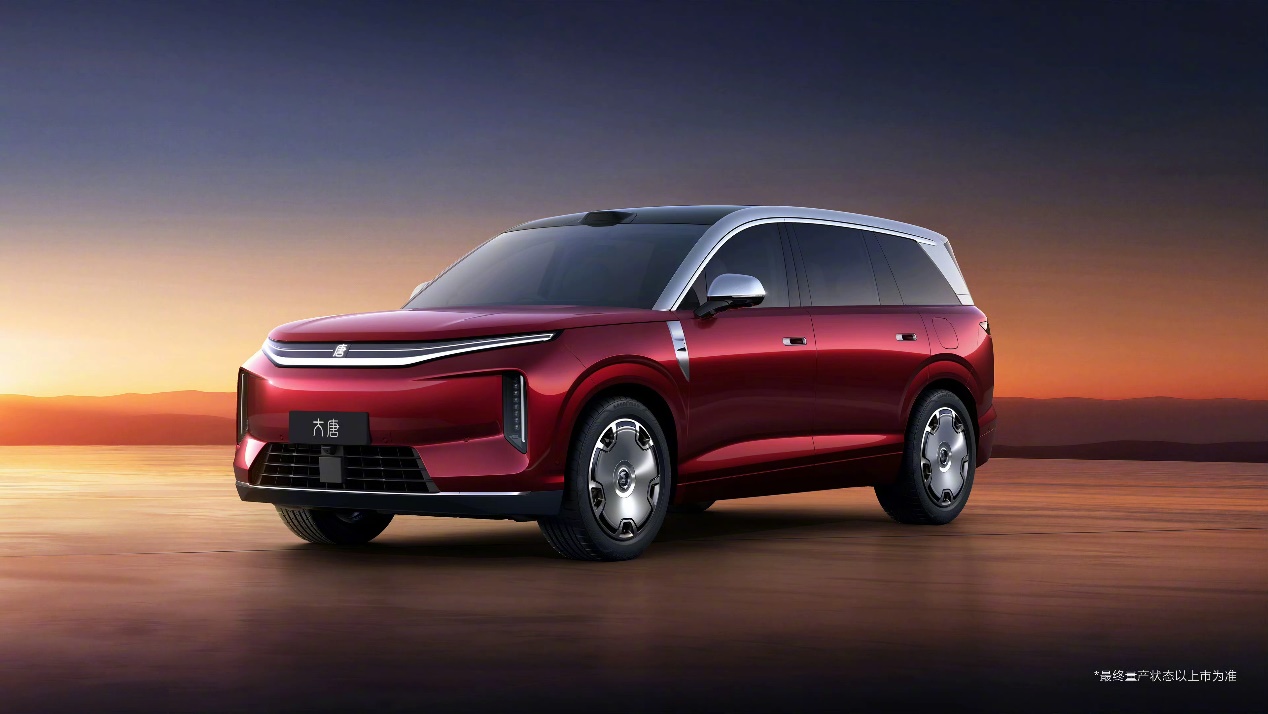
比亚迪大唐

Search documents
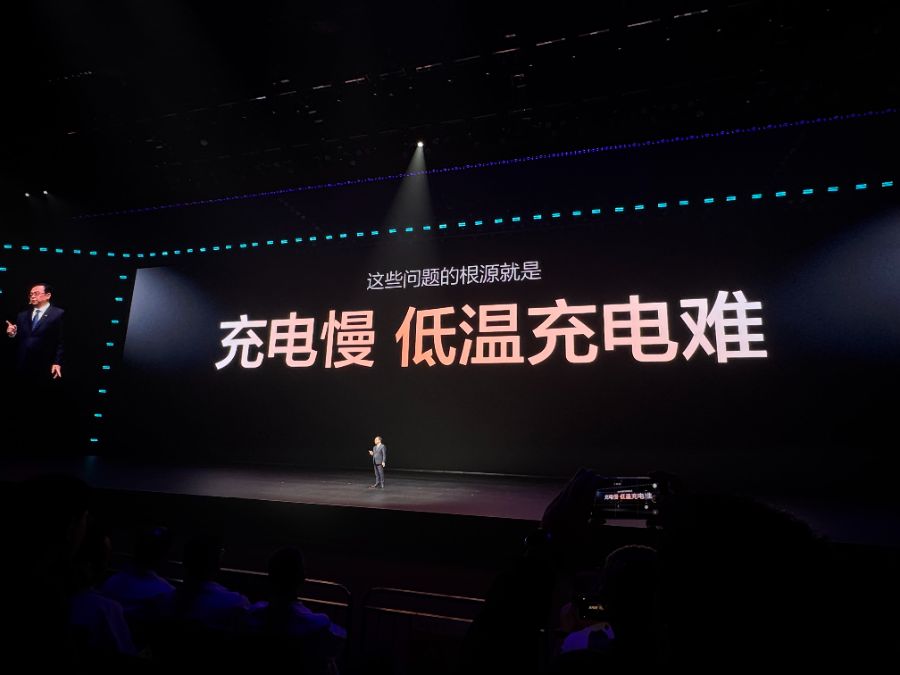
21记者实测比亚迪低温充电,零下20度大唐10分26秒充饱
2 1 Shi Ji Jing Ji Bao Dao· 2026-03-08 15:29
Core Insights - BYD's second-generation blade battery addresses the critical issue of low-temperature charging, which has been a significant challenge in the electric vehicle (EV) sector, particularly in northern regions during winter [1][2] Group 1: Charging Performance - In a real-world test conducted in Harbin at -20°C, the BYD Tang charged from 20% to 97% in just 10 minutes and 26 seconds, while the Tengshi Z9GT achieved the same charge in 10 minutes and 23 seconds [2][3] - All ten vehicles tested in extreme cold conditions completed charging within 12 minutes [3] - In Beijing, at 4°C, the charging speed improved further, with the Tang charging from 20% to 97% in 10 minutes and 1 second, and the Tengshi Z9GT in 10 minutes and 19 seconds [3] Group 2: Charging Infrastructure - BYD's flash charging station features a unique sliding rail suspension T-type design, achieving a single-gun power output of 1.5 megawatts, which is three times the power of Tesla's current V4 supercharging stations [3] - The advancements in the second-generation blade battery and flash charging technology signify a breakthrough in the electrification field, potentially making charging as convenient as refueling in the near future [2][3]


21记者实测比亚迪低温充电 零下20度大唐10分26秒充饱
2 1 Shi Ji Jing Ji Bao Dao· 2026-03-08 15:23
Core Insights - BYD's second-generation blade battery addresses the critical issue of low-temperature charging, which has been a significant challenge in the electric vehicle (EV) sector, particularly in northern regions during winter [2] Group 1: Charging Performance - In a real-world test conducted in Harbin at -20°C, the BYD Tang charged from 20% to 97% in just 10 minutes and 26 seconds, while the Tengshi Z9GT achieved the same charge in 10 minutes and 23 seconds [4] - All ten vehicles tested in the extreme cold environment completed charging within 12 minutes [4] - In Beijing, at 4°C, the charging times improved further, with the Tang charging from 20% to 97% in 10 minutes and 1 second, and the Tengshi Z9GT in 10 minutes and 19 seconds [4] Group 2: Charging Infrastructure - BYD's flash charging station features a unique sliding rail suspension T-type design, achieving a single-gun power output of 1.5 megawatts, which is three times the power of Tesla's current V4 supercharging stations [4] - The advancements in the second-generation blade battery and flash charging technology signify a breakthrough in the electrification field, potentially making charging as convenient as refueling in the near future [4]
一周新车盘点 | 比亚迪大唐正式亮相 小鹏G6增程版正式上市
Xin Lang Cai Jing· 2026-03-08 12:49
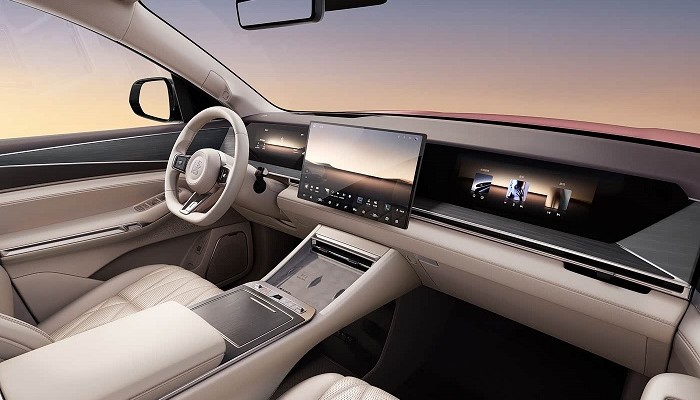
Group 1: BYD Tang Launch - BYD officially launched its new large SUV, Tang, on March 5, positioning it as the flagship model of the Dynasty series with a 7-seat layout and equipped with the latest megawatt-level fast charging technology, set to be released in the first half of this year [1][5] - The exterior design follows the family design language of the Dynasty series, featuring a dual-layer through-type light strip and a simplified style that aligns with current large SUV trends, with dimensions of 5263/1999/1790 mm and a wheelbase of 3130 mm [1][3] - The interior features a new three-screen layout, including a fully digital instrument panel, a floating central control screen, and a passenger entertainment screen, along with advanced comfort features in the seating arrangement [3][5] Group 2: BYD Tang Specifications - The Tang will offer both plug-in hybrid (DM-i) and pure electric (EV) versions, with the DM-i model having a maximum power of 408 horsepower and the EV model reaching a peak power of 796 horsepower, achieving 0-100 km/h in 3.9 seconds and a CLTC pure electric range of 950 km [5][7] - The vehicle supports BYD's latest megawatt-level fast charging technology, allowing for rapid charging from 10% to 70% in about 5 minutes and from 10% to 97% in approximately 9 minutes, even under extreme cold conditions [5][7] Group 3: Market Positioning and Pricing - As the new flagship of BYD's Dynasty series, the Tang aims to enhance the brand's technological image, with pricing considerations to avoid internal competition with the higher-end Tengshi N8L, which starts at around 300,000 yuan [7] - The entry price for full-size new energy SUVs has dropped below 200,000 yuan, with mainstream pricing in the range of 230,000 to 270,000 yuan, indicating that the Tang may enter a similar price range, potentially impacting the market space of the lower-positioned Tang L [7] Group 4: Xpeng G6 Launch - Xpeng Motors announced the launch of the G6 Super Range Extender model on March 6, priced at 186,800 yuan, featuring a CLTC pure electric range of 430 km and a comprehensive range of 1704 km, equipped with an 800V high-voltage platform and 5C supercharging capability [9][11] - The G6's design remains consistent with the recently updated 2026 pure electric model, with minor adjustments to the front bumper and new LED daytime running lights, and dimensions of 4771/1920/1650 mm with a wheelbase of 2890 mm [9][11] Group 5: G6 Specifications and Market Competition - The G6 is powered by a 1.5T range extender engine with a maximum power of 150 horsepower, paired with a 55.8 kWh lithium iron phosphate battery, and a driving motor with a maximum power of 296 horsepower [11][18] - The G6 enters the highly competitive compact hybrid SUV market, with expected competitors including models from BYD, Leap Motor, and Lynk & Co, indicating a challenging landscape for market share [11][18] Group 6: GAC Aion i60 Entry Model - GAC Aion introduced a new entry-level configuration for the AION i60 series, priced at 102,800 yuan, featuring a 1.5L range extender system with a pure electric range of 210 km and a comprehensive range of 1240 km [16][18] - The new model maintains the design of existing versions, with dimensions of 4685/1854/1660 mm and a wheelbase of 2775 mm, while simplifying several comfort features compared to the standard version [16][18] Group 7: GAC Toyota BZ7 Pre-sale - GAC Toyota's new pure electric mid-large sedan, BZ7, officially began pre-sales on March 5, with a starting price of 179,800 yuan, and potential discounts bringing the price down to 156,800 yuan [21][23] - The BZ7 features a modern design with a focus on intelligent technology, including the HarmonyOS cockpit and advanced driving assistance systems, with dimensions of 5130/1965/1506 mm and a wheelbase of 3020 mm [21][23]
比亚迪发布第二代刀片电池及闪充技术 单枪功率达1500kW
Xin Lang Cai Jing· 2026-03-06 06:51
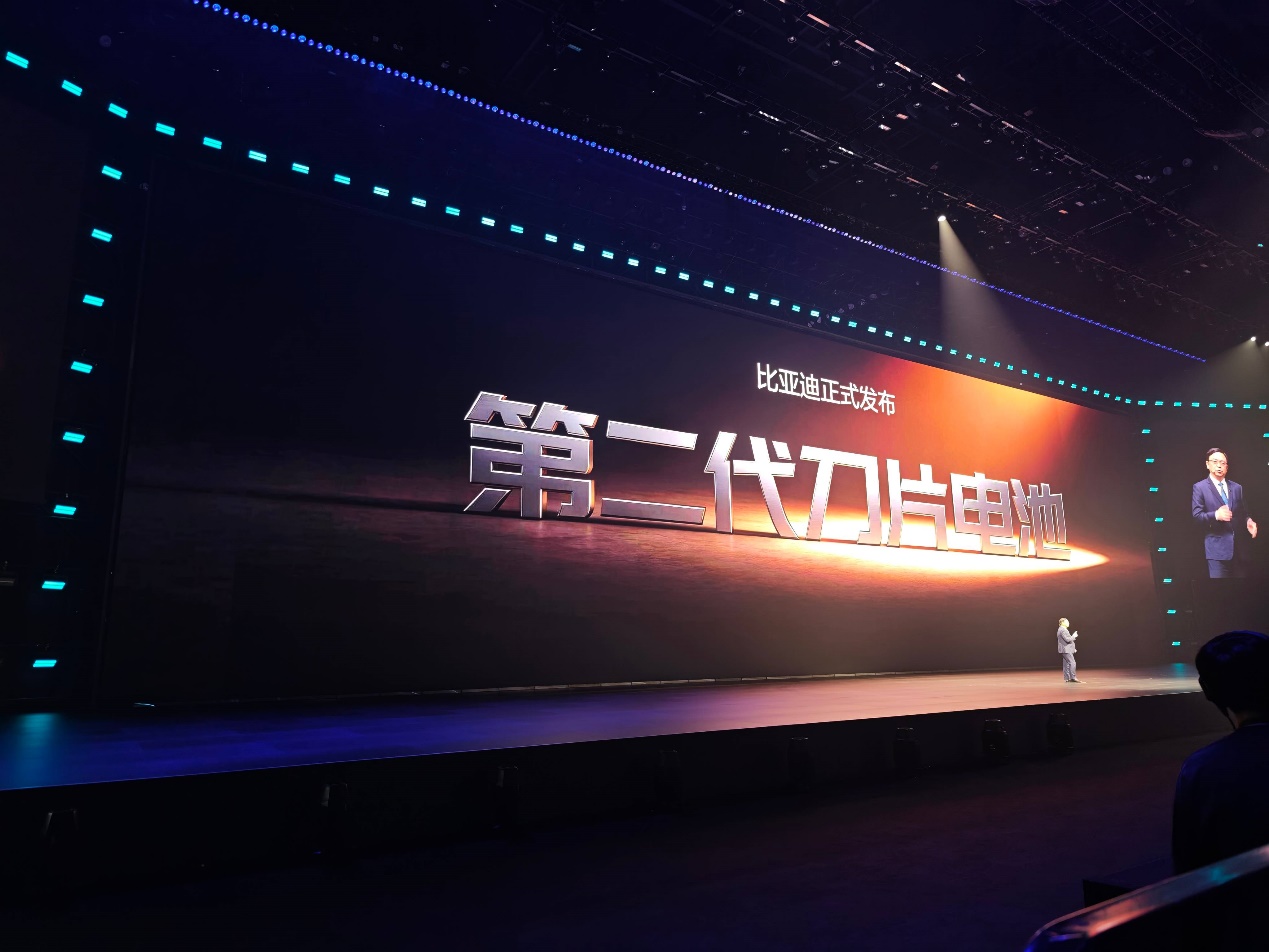
Core Viewpoint - BYD has launched its second-generation blade battery and fast charging technology, introducing the "Fast Charging China" strategy, which aims to build 20,000 fast charging stations nationwide by the end of the year, marking a significant advancement in electric vehicle charging convenience [1][10]. Group 1: Product Launch and Features - The second-generation blade battery offers improved fast charging capabilities, allowing for a full charge in 5 minutes at normal temperatures and only 3 additional minutes at -30 degrees Celsius [5]. - The energy density of the second-generation blade battery has increased by over 5% compared to the first generation, while also ensuring that fast charging does not negatively impact battery lifespan [5]. - The new battery comes with a warranty policy that enhances the capacity retention rate by 2.5%, maintaining a lifetime warranty on the battery cells [5]. Group 2: Charging Infrastructure - BYD plans to construct 20,000 fast charging stations across China, with 18,000 of these stations expected to be completed by the end of the year, ensuring coverage within 3 to 6 kilometers in urban areas [10][12]. - The fast charging stations will also be strategically placed along highways, with 2,000 stations planned to be built, ensuring that there is a station approximately every 100 kilometers [12]. - The new fast charging piles will have a charging power of 1500 kW, designed to overcome grid capacity limitations and provide a user-friendly charging solution [8]. Group 3: User Benefits and Experience - All owners of vehicles equipped with the second-generation blade battery will receive one year of free fast charging at the new stations, enhancing the user experience [3]. - The fast charging stations will feature a user-friendly design, allowing for easy access and "no-sense payment" through the BYD fast charging app [8]. - BYD has initiated a "Dream Station Building" plan, allowing users to propose new charging stations based on demand, ensuring that infrastructure meets user needs [12]. Group 4: Future Plans - BYD aims to expand its fast charging network internationally, with plans to establish fast charging stations overseas by the end of 2026, contributing to global electric vehicle development [13]. - The company continues to innovate in electric vehicle technology, showcasing new models equipped with the second-generation blade battery and fast charging capabilities, including the Tengshi Z9GT and other models [15][16].
比亚迪发布D级旗舰SUV大唐:纯电续航950公里,预计上半年上市
Feng Huang Wang· 2026-03-05 13:37
Core Viewpoint - BYD officially launched its first D-class flagship SUV, the Tang, at a technology conference, with plans for release in the first half of the year, offering both pure electric and plug-in hybrid versions [1] Group 1: Vehicle Specifications - The Tang features a body length of 5.3 meters and a wheelbase of 3130 millimeters [1] - The interior layout includes a 2+2+3 seven-seat configuration, with a dedicated screen for the front passenger and independent seats in the second row [1] - The pure electric version boasts a range of 950 kilometers, utilizing the second-generation blade battery [1] Group 2: Performance and Technology - The vehicle can accelerate from 0 to 100 km/h in as little as 3.9 seconds, with a top speed of 240 km/h [1] - It incorporates rear-wheel steering technology, achieving a minimum turning radius of 5.2 meters [1] - The Tang is equipped with the Yun Nian-A chassis system, featuring a dual-chamber air suspension and road preview capabilities [1] Group 3: Charging Technology - The pure electric version is built on a 1000V high-voltage architecture, supporting a 10C charging rate [1] - It can handle a maximum charging current of 1000A and a charging power of 1000kW, enhancing fast charging efficiency for large-capacity batteries [1]

比亚迪大唐亮相
Zhong Guo Zhi Liang Xin Wen Wang· 2026-03-04 04:21
Group 1 - The vehicle dimensions are 5263 (5302) × 1999 × 1790/1800 mm, with a height of 1790 mm when equipped with air suspension, and a length increase to 5302 mm with an optional rear bumper, while the wheelbase is 3130 mm [2] - The design of the vehicle follows the "Dragon Face" aesthetic of the Dynasty family, featuring a closed front design with a continuous LED light strip that rises from the center to the sides, and a relief-style "唐" logo below the light strip, complemented by silver accents on the fenders [3] - The pure electric version is built on the Super e-platform, utilizing a 1000V high-voltage architecture, with a maximum charging power of 1 megawatt from the 10C fast-charging battery. It offers single motor versions of 300 kW and 370 kW, as well as a dual motor version of 585 kW. The plug-in hybrid version may feature a 2.0T engine combined with three motors, achieving a total power exceeding 500 kW, and will also include a rear-wheel steering system [5]
比亚迪2月销量同比下滑36%,多家新势力逆势增长,2026年上半年新车密集上市潮将至
Jin Rong Jie· 2026-03-01 12:35
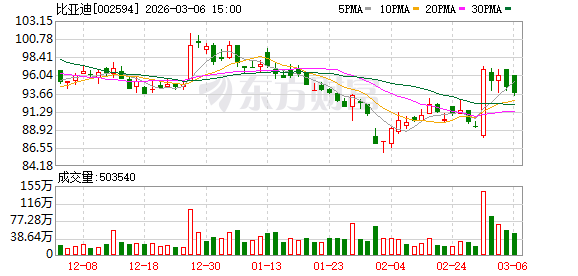
Group 1 - BYD's passenger car sales in February 2026 were 187,782 units, a year-on-year decline of 36.00% [1] - The sales of pure electric passenger vehicles were 79,539 units, down 35.00% year-on-year, while plug-in hybrid vehicle sales were 108,243 units, down 36.70% [1] - Plug-in hybrid models accounted for approximately 57.6% of BYD's passenger vehicle sales, indicating their continued importance in the sales structure [1] Group 2 - Total sales of BYD's new energy vehicles in February reached 190,190 units, reflecting a year-on-year decrease of 35.80% [1] - In the overseas market, BYD exported a total of 100,600 new energy vehicles in February [1] - The total installed capacity of new energy vehicle power batteries and energy storage batteries in February was approximately 18.773 GWh, with a cumulative total of about 38.960 GWh for the first two months of 2026 [1] Group 3 - Leap Motor delivered 28,067 units in February, representing a year-on-year growth of approximately 11% [1] - Li Auto delivered 26,421 units in February, with a historical cumulative delivery of 1,594,304 units [1] - NIO delivered 20,797 units in February, showing a year-on-year increase of 57.6% [1] Group 4 - GF Securities highlighted the performance of BYD's Qin PLUS and Tang models, noting the strong market share of the Sea Lion 06 and Galaxy A7 since their launch [2] - China Galaxy Securities anticipates a recovery in market demand as the first A-level auto show in Beijing approaches, with several flagship new models expected to launch in the first half of 2026 [2]
404批新车公告:小鹏首款6座SUV全系搭载中创新航电池
高工锂电· 2026-02-25 10:14
Core Viewpoint - The article discusses the emerging competition in the 6-seat SUV market, highlighting the increasing focus of various automakers on this segment, which offers larger space and comfort compared to traditional 5-seat SUVs [2][5]. Group 1: New Vehicle Announcements - The Ministry of Industry and Information Technology announced 88 new vehicles, with notable contributions from brands like Volvo, Zeekr, BYD, Geely, Haval, and Xpeng [2]. - Key new models include the Xpeng GX, BYD Tang, Li Auto L9, AITO M8, and Leap Motor D19, all of which are 6-seat SUVs [2]. - Volvo leads with 14 new models, surpassing domestic brands, and all new vehicles are equipped with batteries from CATL, with 12 models using ternary batteries [2][3]. Group 2: Battery Supply and Technology - CATL remains the leading battery supplier, providing nearly half of the new vehicle battery configurations, followed by companies like Honeycomb Energy and Aodong [4]. - The Xpeng GX will feature various versions, including pure electric and range-extended models, marking a significant step in Xpeng's strategy to offer a dual-energy vehicle lineup [4]. - The shift to 6-seat SUVs necessitates larger battery capacities to maintain comfort and trunk space, leading to an upgrade in battery configurations [6]. Group 3: Market Trends and Implications - The market share of 5-seat SUVs is projected to be nearly 90% by 2025, while 6-seat SUVs are beginning to show growth [6]. - The transition from 5-seat to 6-seat SUVs impacts battery companies by requiring larger battery capacities, which in turn influences the choice of battery materials and configurations [6][8]. - The demand for 6-seat SUVs drives innovation in battery technology, as manufacturers seek batteries that are long-lasting, fast-charging, safe, and lightweight [8]. Group 4: Competitive Landscape - Major battery manufacturers, including CATL, Aodong, and LG, are accelerating efforts to secure clients in the 6-seat SUV market, indicating a new competitive landscape [9].


中国银河证券:以旧换新政策优化提升购车均价 3月乘用车消费有望回暖
智通财经网· 2026-02-25 01:29
Core Viewpoint - The optimization of the trade-in policy is effectively guiding consumers to purchase higher-priced vehicles, which is expected to enhance the effectiveness of the trade-in policy and provide favorable support for automotive market consumption [1][2]. Group 1: Trade-in Policy Impact - The trade-in policy has already stimulated automotive consumption exceeding 100 billion yuan, with the average purchase price for trade-in vehicles rising to over 164,000 yuan [2]. - As of February 19, 2026, the trade-in policy has benefited 28.88 million consumers, generating sales of 198.02 billion yuan, with 612,000 vehicles traded in, leading to new car sales of 100.53 billion yuan [2]. - The optimized subsidy standards include a 12% subsidy (up to 20,000 yuan) for new energy vehicles and a 10% subsidy (up to 15,000 yuan) for fuel vehicles with an engine size of 2.0 liters or less [2]. Group 2: Market Trends and Forecasts - In January 2026, China's automotive sales decreased by 3.2% year-on-year to 2.346 million units, with domestic sales down 14.8% to 1.665 million units, primarily due to the expiration of the new energy vehicle purchase tax exemption and the impact of the trade-in policy [3]. - The export of automobiles in January 2026 saw a significant increase of 44.9% year-on-year, with 681,000 units exported, indicating strong demand in overseas markets [3]. - The upcoming Beijing Auto Show (April 24 - May 3) and the launch of several flagship new energy products are expected to drive market demand recovery post-Spring Festival [4].

中国银河证券:节后多款旗舰新能源产品有望陆续上市,汽车市场消费有望回暖
Mei Ri Jing Ji Xin Wen· 2026-02-25 00:31
Group 1 - The core viewpoint of the article indicates that domestic automobile sales in China have experienced a temporary decline due to the traditional Spring Festival consumption lull and the impact of policy withdrawal [1] - The report anticipates a recovery in market demand following the Spring Festival, as production and work resumption progresses in an orderly manner [1] - The upcoming Beijing Auto Show, scheduled from April 24 to May 3, is expected to stimulate market activity as automakers prepare to launch flagship new models in the first half of 2026 [1] Group 2 - Several new models are expected to be launched, including the Li Auto L9 Livis, Xpeng GX, BYD Datang, Xiaomi YU7 GT, new SU7, AITO M6, Wey V9X, Zhiji V9, and Zeekr 8X [1] - The influx of new vehicle supply is likely to drive a rebound in market demand, with the penetration rate of new energy vehicles expected to hit a bottom and then recover [1]