
瑞幸咖啡

Search documents
存量博弈 消费破局新十年——十个关键词,看懂中国消费存量竞争
Mei Ri Jing Ji Xin Wen· 2025-12-13 00:33
Core Insights - The consumption market in China is entering a golden period characterized by innovation resilience and value insight, despite ongoing economic challenges [1] - The "14th Annual Development Conference of Listed Companies" highlighted the shift from resource expansion to quality improvement and the importance of optimizing existing resources in the context of stock competition [5][4] Group 1: Economic Trends - The "14th Five-Year Plan" emphasizes high-quality development, focusing on optimizing increments and revitalizing existing resources [4] - In 2025, Hainan's retail sales of consumer goods reached 222.67 billion yuan, a year-on-year increase of 7.8%, significantly outperforming the national growth rate of 4.3% [5] Group 2: Industry Dynamics - The coffee and tea beverage sector is becoming a focal point for capital, with increased IPO and merger activities in 2025, indicating a trend towards resource integration and industry upgrading [7] - The domestic tea beverage market is projected to reach 374.9 billion yuan by 2025, with a compound annual growth rate exceeding 16% from 2023 to 2028 [14] Group 3: Capital and Market Strategies - Starbucks is shifting its strategy in China by forming a joint venture with Boyu Capital, allowing for localized operations and a projected retail business value exceeding 13 billion dollars [10] - The trend of "capital localization" is becoming crucial for foreign brands to adapt to the competitive landscape in China, as evidenced by Starbucks' partnership [12] Group 4: Consumer Behavior and Preferences - The demand for travel and tourism is robust, with nearly 5 billion domestic trips taken in the first three quarters of 2025, reflecting an 18% year-on-year increase [7] - The rise of "reverse tourism" indicates a shift in consumer preferences towards less crowded, value-oriented destinations, with significant growth in county-level tourism [29] Group 5: Digital and Supply Chain Innovations - New tea beverage brands are focusing on digital capabilities and supply chain enhancements post-IPO, aiming to optimize product development and operational efficiency [15] - The integration of digital and intelligent operations is becoming essential for brands to improve efficiency and user experience in the competitive landscape [19] Group 6: Cultural and Emotional Engagement - The emergence of "accompanying services" in tourism reflects a shift towards emotional and experiential value, indicating a growing market potential in the "accompanying economy" [38] - The integration of sports events with tourism is creating new consumption scenarios, as seen with the "Su Super" football league, which significantly boosted local tourism and spending [32][40] Group 7: Future Outlook - The competition in the consumption market will increasingly focus on supply chain depth, digital precision, emotional value, and IP collaboration, as brands seek to navigate the new economic landscape [42] - The resilience and vitality of China's consumption market will continue to be released through innovative strategies and a deep understanding of user demand changes [42]

中国咖啡崛起,云南咖啡和瑞幸的双向奔赴
Bei Ke Cai Jing· 2025-12-12 13:47
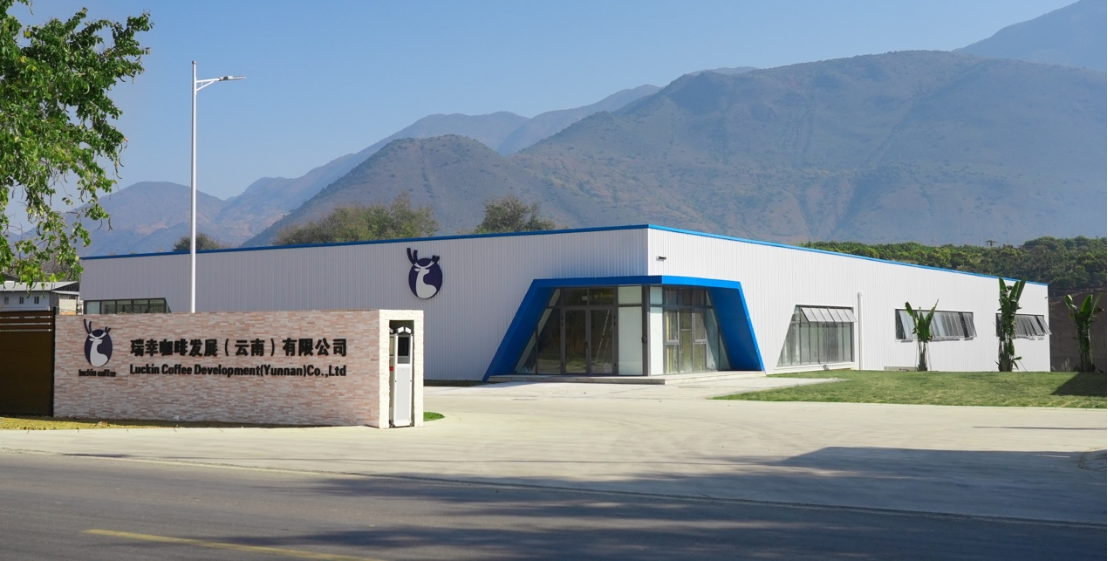
Core Insights - Coffee is one of the most popular beverages globally, with daily consumption exceeding 1.5 billion cups, supported by around 25 million farmers across over 80 countries, contributing to an annual production of over 10 million tons [1] - In China, coffee is becoming a daily beverage for consumers, with Yunnan province and brands like Luckin Coffee emerging as significant players in the market [1][2] Group 1: Yunnan Coffee Development - Yunnan coffee has undergone a transformation, moving from being viewed as a "cheap raw material" to a focus on high-quality production, with the export volume reaching 32,500 tons in 2024, a 358% increase year-on-year [2][11] - The quality of Yunnan coffee has improved significantly, with the proportion of specialty coffee rising from less than 8% in 2021 to 31.6% in 2024, reflecting a shift towards premium products [3][5] - The local government has implemented supportive policies, such as the "Six Coffee Policies," to promote the development of high-quality coffee and deep processing [5][11] Group 2: Role of Luckin Coffee - Luckin Coffee has played a crucial role in the rise of Yunnan coffee by integrating ecological protection, technological innovation, and collaborative value creation [2][5] - The company has introduced products like the Yunnan Red Honey SOE series and the "Little Black Cup" SOE, which have helped change public perceptions of Yunnan coffee from instant raw materials to premium offerings [5][11] - Luckin's processing facility in Baoshan employs micro-water treatment technology, achieving near-zero industrial wastewater discharge, setting a benchmark for green processing [7] Group 3: Collaborative Efforts and Sustainability - The transformation of Yunnan coffee is a result of collaboration among local government, farmers, coffee brands, and research institutions, creating a symbiotic network for development [10] - Luckin Coffee collaborates with the World Wildlife Fund (WWF) to implement ecological responsibility initiatives, enhancing the health of local ecosystems while improving coffee quality [7][10] - The introduction of intercropping techniques by Luckin's agronomists has helped farmers increase their income during the initial years of coffee cultivation, promoting sustainable agricultural practices [6][10] Group 4: International Recognition and Future Challenges - Yunnan's Baoshan small-grain coffee has been included in the Ministry of Foreign Affairs' gift catalog, symbolizing its representation of Chinese coffee on the global stage [12] - The CoE (Cup of Excellence) competition, known as the "Olympics of Coffee," will be held in Yunnan, marking the region's entry into international evaluation systems [13] - The Chinese coffee industry, represented by Yunnan and Luckin, faces challenges in brand recognition and competition in mature markets, necessitating continued collaboration and innovation [15]

外卖大战熄火,茶饮品牌谁裸泳,谁狂奔?
凤凰网财经· 2025-12-12 13:08
Core Viewpoint - The article discusses the impact of a subsidy war in the takeaway tea beverage market, highlighting the contrasting fortunes of different brands as the subsidies end and the industry faces a seasonal downturn [3]. Group 1: Impact of Subsidy Withdrawal - After the cessation of subsidies, many tea shops experienced a dramatic drop in orders, with some reporting as few as ten orders a day compared to previous highs of 70-100 orders [4][6]. - The decline in orders is attributed to seasonal factors and consumer fatigue, with some brands managing to stabilize their sales while others face significant challenges [5][6]. - The overall takeaway market saw a significant shift, with brands like "茉莉奶白" and "一点点" also feeling the effects of reduced consumer interest post-subsidy [6]. Group 2: Winners and Losers in the Market - "古茗" emerged as a notable winner during the subsidy war, rapidly expanding its store count from approximately 9,914 to over 12,000, but is now facing operational pressures as daily sales struggle to meet previous highs [7][8]. - "蜜雪冰城" is identified as the biggest winner, reporting a 39.3% year-on-year revenue increase to 14.87 billion yuan and a net profit growth of 44.1% to 2.72 billion yuan, benefiting from efficient cost management [8]. - Conversely, "奈雪的茶" illustrates the "increased revenue without increased profit" dilemma, with 48.1% of its revenue reliant on takeaway orders, leading to a 14.4% decline in overall revenue [9][10]. Group 3: Industry Dynamics and Challenges - The tea beverage industry is undergoing a rapid transformation, with a net increase of 26,000 stores in the third quarter, while approximately 150,000 stores have closed in the past year, indicating a significant shakeout [10]. - The competitive landscape has intensified, with brands forced to expand rapidly and engage in price wars, leading to a phenomenon of "internal competition" that threatens profitability [10]. - The article emphasizes that while the subsidy war temporarily reshaped consumer price expectations, the long-term sustainability of such strategies remains questionable as brands grapple with high operational costs and market saturation [10].

中国本土第四个万店咖啡品牌诞生
中国基金报· 2025-12-12 10:21
Core Viewpoint - Nova Coffee has surpassed 10,000 stores, becoming the fourth local coffee brand in China to achieve this milestone, following Luckin Coffee, Kudi Coffee, and Lucky Coffee. However, its brand presence among consumers is relatively weak compared to its competitors due to its "parasitic store" model [2][4]. Group 1: Business Model - Nova Coffee operates under a "parasitic store" model, embedding its coffee business into existing commercial entities like convenience stores and esports cafes, rather than establishing independent stores. This approach allows for rapid expansion with minimal costs [4][5]. - As of November 3, 2025, 7,235 of Nova Coffee's stores (91.9%) are parasitic stores, with convenience stores being the primary location type. Notably, 3,635 of these stores are embedded within the 40,000+ locations of the convenience store chain Meiyijia, accounting for 46.2% of Nova's total stores [5]. Group 2: Brand Image Challenges - The "parasitic store" model presents a dual-edged sword, creating rapid expansion while hindering brand identity. The brand's perception is heavily influenced by the host stores, making it difficult to establish a distinct and high-quality brand image [7][9]. - Consumer purchasing behavior is primarily driven by location or price rather than brand loyalty, resulting in low customer retention and minimal brand premium [10]. Group 3: Strategic Initiatives - In response to brand image challenges, Nova Coffee is implementing a "light store" strategy, maintaining a large number of parasitic stores while gradually opening a few delivery-focused and brand image stores to enhance brand recognition [10]. - The company has completed multiple rounds of financing since its establishment in 2019, with the latest B++ round in September 2024 raising several hundred million yuan, aimed at building a coffee industry base and dedicated factory in Ningbo [13][15]. Group 4: Future Outlook - As Nova Coffee achieves its store count goals, the focus is shifting from the number of stores to the profitability and long-term brand value of each location. The challenge lies in transforming its extensive network into a brand with strong consumer loyalty and mental connection [16].

库迪回应“禁带竞品入座”风波,门店激进行为折射增长压力
Xi Niu Cai Jing· 2025-12-12 09:55
Core Viewpoint - The controversy surrounding Kudi Coffee's recent signage reflects the intense competition in the coffee market and highlights the challenges the company faces amid its aggressive expansion strategy [5][6]. Group 1: Company Actions and Responses - A photo of a sign at Kudi Coffee's store, which prohibited customers from bringing in a competitor's coffee, sparked significant public discussion [2]. - Kudi Coffee's official response clarified that the company did not issue any such directive and would investigate the matter, labeling it as an isolated incident by a specific store [5]. Group 2: Market Position and Strategy - Since its establishment in 2022 by Lu Zhengyao, Kudi Coffee has rapidly expanded in the Chinese coffee market, aiming to open 50,000 stores by the end of 2025 through aggressive pricing and franchise policies [5][6]. - The company has adopted a "store-in-store" model to lower investment thresholds for franchisees, allowing them to set up mini-counters in various locations, which has led to issues with brand image and quality control [6]. Group 3: Financial and Operational Challenges - Kudi Coffee faces significant financial pressure as the cost of producing a cup of coffee approaches or exceeds its selling price, relying on subsidies from both headquarters and franchisees [6]. - As of November 2025, Kudi Coffee's total store count is approximately 15,000, falling short of its ambitious target of 50,000 stores [6]. Group 4: Competitive Landscape - Competitors like Luckin Coffee have nearly 30,000 stores and are achieving stable profitability, while other brands are also intensifying their presence in the market, eroding Kudi's initial price advantage [6]. - The recent controversy over the sign reflects the desperation of some stores to maintain customer traffic and sales amid fierce competition [6]. Group 5: Future Outlook - Kudi Coffee's future success may depend on its ability to shift from a rapid growth strategy to a more stable approach, focusing on supply chain management, franchisee support, product differentiation, and brand value [7].
X @Bloomberg
Bloomberg· 2025-12-12 09:51
From Pop Mart’s Labubus to Shein, Temu and Luckin, Chinese brands have become global consumer favorites and cultural ambassadors. With much of the credit going to TikTok, shoppers are hungry for more. https://t.co/XvOD6xXtFQ https://t.co/F6y9nCWcMa ...
退市5年走上逆袭道路!瑞幸狂赚58亿,再次上市能成功么?
Sou Hu Cai Jing· 2025-12-12 09:41
Core Viewpoint - Luckin Coffee, which once collapsed due to financial fraud, is set to return to NASDAQ, showcasing a remarkable turnaround in just six years, surpassing Starbucks in China [1] Group 1: Financial Fraud and Initial Collapse - In April 2020, Luckin Coffee disclosed a financial fraud of 2.2 billion yuan, leading to an 80% drop in stock price and a market value loss of over 35 billion yuan, resulting in a forced delisting from NASDAQ and a hefty fine of 180 million USD from the SEC [3][4] - The company faced a severe financial crisis, with a reported sales revenue of 4 billion yuan in 2020 but a net loss of 2.59 billion yuan, marking its darkest year [5] Group 2: Recovery and Restructuring - The recovery journey can be divided into three phases: "survival" in 2020, "system rebuilding" from 2021 to 2022, and "full sprint" starting in 2023 [7][9] - In 2021, the company restructured 1.8 billion USD in debt and achieved operational breakeven, with a revenue of 7.97 billion yuan, a 97.5% increase year-on-year, and a reduced loss of 540 million yuan [13] - By the first quarter of 2022, Luckin achieved its first quarterly profit, with revenue of 2.4 billion yuan, an 89.5% year-on-year growth, and a net profit margin close to 30% [15] Group 3: Expansion and Market Position - By June 2023, Luckin had opened 8,034 new stores, reaching a total of 16,248 locations, with a revenue of 24.9 billion yuan, an 87.3% increase year-on-year, surpassing Starbucks in China [17] - The company plans to expand internationally, with its first overseas store in Singapore in March 2023 and plans to enter Malaysia and the U.S. by 2025 [19] Group 4: Challenges Ahead - Despite growth, the company faces challenges such as a price war initiated by competitors, leading to a 16.7% decline in same-store sales and a net loss of 83.2 million yuan in early 2024 [21] - The reliance on a single product, the "生椰拿铁" (Coconut Latte), raises concerns about sustainability, as no new blockbuster products have emerged since its launch [27] - The upcoming NASDAQ listing is seen as a means to secure funding for ongoing competition, but the company must overcome the stigma of past fraud and prove its financial integrity to investors [25][29]

X @Bloomberg
Bloomberg· 2025-12-12 09:00
From Pop Mart’s Labubus to Shein, Temu and Luckin, Chinese brands have become global consumer favorites and cultural ambassadors. With much of the credit going to TikTok, shoppers are hungry for more. https://t.co/XvOD6xXtFQ https://t.co/BwCGPY0j3D ...
大行评级丨招银国际:对明年中国可选消费行业持“与大市同步”评级
Ge Long Hui· 2025-12-12 06:29
Core Viewpoint - CMB International maintains a "market perform" rating for China's discretionary consumption sector for 2026, expecting overall retail sales growth of approximately 3.5% with a cautious outlook [1] Sector Summaries Preferred Sub-sectors - The company is optimistic about the following sub-sectors: 1) Tea and coffee, 2) Trendy toys, 3) Apparel, 4) Textiles [1] Neutral Outlook Sub-sectors - The company maintains a "market perform" view on the following sub-sectors: 5) Dining, 6) Sports goods, 7) Travel and hotel, 8) Home appliances [1] Consumption Types - In a basic scenario, the company favors: 1) Survival consumption (frugality, low price, high cost-performance), with related companies including: Guoquan, Yum China, Luckin Coffee, Dashihua, Bosideng [1] - 2) Compensatory consumption (small pleasures, affordable entertainment, emotional value, experiential) [1] - 3) Defensive consumption (gold, silver, high dividends), with related companies including: Bosideng, Jiangnan Buyi, Li Lang, Tabo [1] Optimistic Scenario - In an optimistic/bull market scenario (strong stock market, stabilizing real estate), large-ticket consumption will benefit more, with related companies including: Haier Smart Home, Midea Group, Hai Di Lao, Anta Sports [1]
招银国际:对中国可选消费行业持“同步大市”评级 展望偏向谨慎
智通财经网· 2025-12-12 05:53
Core Viewpoint - The report from CMB International indicates a cautious outlook for China's discretionary consumption sector in 2026, with an expected overall retail sales growth of approximately 3.5%, a slight decrease from about 4% in 2025, influenced by factors such as the delayed Spring Festival, extended holidays, potential recovery in the real estate sector, and a thriving stock market [1] Group 1: Industry Overview - The industry valuation is likely to have bottomed out this year, currently at around 15 times the price-to-earnings ratio, which is still not expensive compared to the average of about 20 times over the past eight years [1] - The overall view remains conservative due to potential slowing growth in the next 12 months and high geopolitical risks, suggesting that valuations may not rise quickly without significant positive policies or a clear recovery in real estate [1] Group 2: Subsector Ratings - CMB International prioritizes the following subsectors for 2026: 1) Tea and coffee, 2) Trendy toys, 3) Apparel, 4) Textiles; maintaining a "market perform" rating for: 5) Dining, 6) Sports goods, 7) Travel and hotel, 8) Home appliances [2] - The ratings for the tea and coffee sector and trendy toys are maintained at "outperform," while the apparel and textile sectors have been upgraded to "outperform" [2] Group 3: Investment Themes - The investment themes are categorized into different types of consumption, with a focus on: 1) Essential consumption (frugality, low price, high cost-performance), related companies include: Guoquan (02157), Yum China (09987), Luckin Coffee (LKNCY.US), Dashihua (01405), Bosideng (03998) [2] - Other themes include compensatory consumption (small pleasures, affordable entertainment, emotional value, experiential) and defensive consumption (gold, silver, high dividends), with related companies such as Bosideng (03998), Jiangnan Buyi (03306), Li Lang (01234), and Taobo (06110), all rated as "buy" [2] Group 4: Large-ticket Consumption - CMB International is less optimistic about large-ticket consumption (durables, real estate-related, luxury goods, high-end tourism), but in a bullish scenario (if wealth effects are strong with a thriving stock market and stabilizing real estate), it could benefit large-ticket consumption, with related companies including Haier Smart Home (06690, 600690.SH), Midea Group (00300, 000300.SH), Haidilao (06862), and Anta Sports (02020), all rated as "buy" [3]