Momenta

Search documents
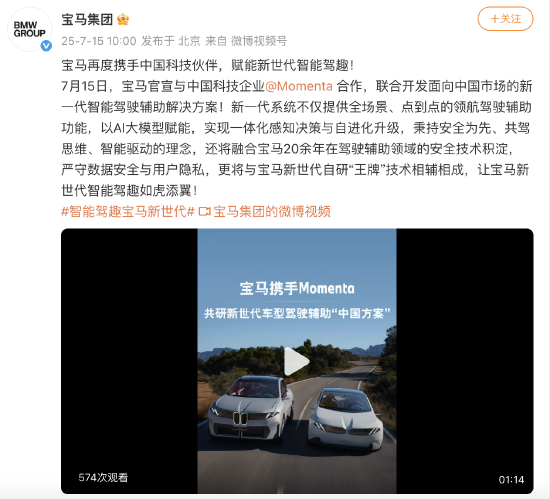
宝马与Momenta达成合作,将推出中国专属高阶辅助驾驶
Xin Lang Ke Ji· 2025-07-15 02:16
Group 1 - BMW has partnered with Momenta to develop AI-based driving assistance software for various domestic models, including the new generation vehicles [1][2] - The driving assistance solution is specifically designed for the Chinese market, supporting full-scenario, point-to-point navigation assistance, enabling cross-city travel from parking to destination [1] - The new system will integrate over 20 years of BMW's safety technology in driving assistance, emphasizing safety, co-driving philosophy, and intelligent driving while ensuring data security and user privacy [1] Group 2 - The bidding for the driving assistance project will begin in early 2025, with several domestic smart driving technology companies participating, including leading firms like Qingtian Zhihang and Yuanrong Qihang [2] - Momenta, established in 2016, won the bid and has been involved in mass production of driving assistance and autonomous robotaxi, collaborating with over ten global automakers and producing more than 100 mass-produced models [2]

4000人的自动驾驶黄埔军校,死磕技术分享与求职交流~
自动驾驶之心· 2025-07-12 14:43
Core Viewpoint - The smart driving industry is experiencing significant growth, with companies willing to invest heavily in research and talent acquisition, indicating a robust job market and opportunities for new entrants [2][3]. Group 1: Industry Trends - The smart driving sector continues to attract substantial funding for research and development, with companies offering competitive salaries to attract talent [2]. - There is a noticeable trend of shorter technology iteration cycles in the autonomous driving field, with a focus on advanced technologies such as visual large language models (VLA) and end-to-end systems [7][11]. Group 2: Community and Learning Resources - The "Autonomous Driving Heart Knowledge Planet" aims to create a comprehensive community for knowledge sharing, focusing on academic and engineering challenges in the autonomous driving industry [3][11]. - The community has established a structured learning path covering various aspects of autonomous driving technology, including perception, planning, and control [13][15]. Group 3: Educational Offerings - The community offers a range of educational resources, including video courses, hardware tutorials, and live sessions with industry experts, aimed at both newcomers and experienced professionals [3][15]. - There are dedicated modules for job preparation, including resume sharing and interview experiences, to help members navigate the job market effectively [5][12]. Group 4: Technical Focus Areas - Key technical areas of focus include visual language models, world models, and end-to-end autonomous driving systems, with ongoing discussions about their integration and application in real-world scenarios [11][36]. - The community emphasizes the importance of understanding the latest advancements in algorithms and models, such as diffusion models and generative techniques, for future developments in autonomous driving [16][36].
4000人的自动驾驶黄埔军校,死磕技术分享与求职交流~
自动驾驶之心· 2025-07-12 05:41
Core Insights - The autonomous driving industry is experiencing significant changes, with many professionals transitioning to related fields like embodied intelligence, while others remain committed to the sector due to strong funding and high salaries for new graduates [2][6] - The article emphasizes the importance of networking and community engagement for knowledge acquisition and job preparation in the autonomous driving field [3][4] Group 1: Industry Trends - The autonomous driving sector continues to attract substantial investment, with companies willing to offer competitive salaries to attract talent [2] - The technology iteration cycle in autonomous driving is becoming shorter, indicating rapid advancements and a focus on cutting-edge technologies such as visual large language models (VLM) and end-to-end systems [8][12] Group 2: Community and Learning Resources - The "Autonomous Driving Heart Knowledge Planet" is highlighted as a leading community for professionals and students in the autonomous driving field, offering resources such as video courses, technical discussions, and job opportunities [4][14] - The community provides a structured learning path covering various aspects of autonomous driving technology, including perception, planning, and machine learning [19][21] Group 3: Technical Focus Areas - Key technical areas identified for 2025 include VLM, end-to-end systems, and world models, which are crucial for the future evolution of autonomous driving technology [8][43] - The community emphasizes the integration of advanced algorithms and models, such as diffusion models and 3D generative simulations, to enhance autonomous driving capabilities [15][22]
今日新闻丨尚界首款车型预告图发布!别克至境ELECTRA首款轿车预告图发布!
电动车公社· 2025-07-11 16:41
Group 1 - Buick's new high-end electric sub-brand, Electra, has unveiled the teaser image of its first sedan, showcasing a closed front grille design and starry elements in the headlights, with a sporty overall style [1][3] - The Electra model is built on a new architecture that supports three types of powertrains: pure electric, plug-in hybrid, and range-extended, along with three drive layouts: front-wheel drive, rear-wheel drive, and all-wheel drive [6] - The Electra brand signifies Buick's attempt to establish a higher-end brand positioning and a comprehensive technology self-sufficiency in the new energy era, representing a shift for joint venture brands towards a "systematic vehicle manufacturing" approach [8] Group 2 - The new brand "Shangjie" under Huawei's HarmonyOS has released a teaser image of its first model, set to launch in the third quarter of this year [9] - Shangjie's first vehicle emphasizes a sporty design with rounded body lines and is expected to feature Huawei's latest ADS 4.0 driving assistance technology [11] - The collaboration between SAIC Group and Huawei has expanded to over 5,000 team members, with a total investment of 6 billion yuan, highlighting its strategic importance in the smart electric vehicle market [13]

从科研到落地,从端到端到VLA!一个近4000人的智驾社区,大家在这里报团取暖~
自动驾驶之心· 2025-07-11 11:23
Core Viewpoint - The article emphasizes the establishment of a comprehensive community for autonomous driving, aiming to gather industry professionals and facilitate rapid responses to challenges, with a target of building a community of 10,000 members within three years [2]. Group 1: Community Development - The community aims to integrate academic research, product development, and recruitment, creating a closed-loop system for education and technical discussions [2][5]. - It has already attracted notable figures from the industry, including talents from Huawei and leading researchers in autonomous driving [2]. - The community will provide resources such as video courses, hardware, and practical coding experiences related to autonomous driving [2][3]. Group 2: Learning Resources - A structured learning roadmap is available, covering essential topics for newcomers, including how to ask questions and access weekly Q&A sessions [3][4]. - The community offers a variety of courses on foundational topics like deep learning, computer vision, and advanced algorithms in autonomous driving [4][21]. - Members can access exclusive content, including over 5,000 resources and discounts on paid courses [19][21]. Group 3: Industry Engagement - The community collaborates with numerous companies in the autonomous driving sector, providing direct recruitment channels and job postings [5][6]. - It aims to connect students and professionals with industry leaders, enhancing networking opportunities and knowledge sharing [5][6]. - The community is positioned as a hub for both academic and industrial advancements in autonomous driving technology [12][14]. Group 4: Technological Focus - The article highlights the rapid evolution of technology in autonomous driving, with a focus on end-to-end systems and the integration of large models [7][24]. - Key areas of interest include visual language models, world models, and closed-loop simulations, which are critical for the future of autonomous driving [7][24]. - The community plans to host live sessions with experts from top conferences to discuss practical applications and research advancements [23][24].
苏州市首次发布“十大产业科技成果”和“十大产业科技提名成果”
Su Zhou Ri Bao· 2025-07-11 00:27
Core Insights - The city of Suzhou has released its first "Top Ten Industrial Technology Achievements" and "Top Ten Industrial Technology Nominations," highlighting significant technological advancements and innovations in various sectors [1][2]. Group 1: Achievements - One achievement has been recognized as part of the "Top Ten Scientific Advances in China" for 2024, specifically the radiation photovoltaic micro-nuclear battery developed by Suzhou University [2]. - Several achievements have broken international monopolies, with multiple products holding the highest market share in their respective niche sectors within China [1][2]. - The average number of invention patents per achievement is 45, indicating a strong emphasis on innovation [1]. Group 2: Companies Involved - The achievements involve contributions from seven (proposed) listed companies, ten specialized and innovative enterprises, seven unicorn cultivation companies, and sixteen high-tech enterprises [1]. - The average revenue per company last year was 7.1 billion yuan, with an average R&D investment of 640 million yuan [1]. Group 3: Notable Technology Achievements - The notable achievements include: - The world's first and only approved GCG/GLP-1 natural dual-target weight loss drug by Innovent Biologics [2]. - The first domestic artificial heart entering clinical trials in the U.S. by Tongxin Medical [2]. - The first commercial 200kV field emission transmission electron microscope by Bozhong Instruments [2]. - The leading market share in voice interaction products for new energy vehicles by Sibilite [2]. - The mass production auxiliary driving system by Momenta, a unicorn in the autonomous driving sector [2]. - The PECVD equipment by Maiwei Technology, achieving global market leadership [2]. - The submarine optical cable communication system by Hengtong Huahai, ranking first in China and third globally [2]. - The GaN chip production line by InnoSilicon, the first of its kind globally [2]. - The perovskite photovoltaic modules by GCL-Poly, which have set multiple world records for conversion efficiency [2]. Group 4: Nominated Achievements - The nominated achievements include: - Intelligent six-legged guide dog by the Suzhou Innovation Institute of Shanghai Jiao Tong University [3]. - Tunnel boring machine by China Communications Construction Company [3]. - Large liquid launch vehicle by Tianbing Technology [3]. - Domestic heterogeneous liquid-cooled intelligent computing server by the Chinese Academy of Sciences [3]. - High-performance solid-state power battery by Qingtai Energy [3]. - Quantum-resistant encryption chip by Guoxin Technology [3]. - Integrated modeling and simulation platform by Tongyuan Soft Control [3]. - High-power semiconductor laser chip by Changguang Huaxin [3]. - Electric drive system for heavy-duty mining trucks by Kaibo Yikong [3]. - Non-oriented silicon steel by Shagang Group [3].
从“技术验证”转向“场景落地”自动驾驶赛道万亿级市场开启
Shang Hai Zheng Quan Bao· 2025-07-08 17:46
Group 1: Industry Overview - The autonomous driving market is projected to reach a total scale of $1.2 trillion by 2040, with a significant shift from "technology verification" to "scene implementation" expected by mid-2025 [1][2] - The penetration rate of L2 autonomous driving is increasing, while L3 products are gradually being introduced [1][3] - The release of international standards for autonomous driving testing reflects the global consensus on testing verification technology and highlights the growth of China's autonomous driving industry [1] Group 2: Company Developments - Major automakers such as BYD, Changan, Geely, and others are intensifying their smart driving strategies, with BYD's intelligent driving model sales reaching 231,000 units in May [2] - Huawei and SAIC Group are collaborating on the "Shangjie Automobile," aiming for a 2025 launch, while Momenta has partnered with multiple brands to produce over 130 models [2][3] - The rapid development of the autonomous driving industry is driving capacity increases among upstream and downstream enterprises, with Hesai Technology planning an annual production capacity exceeding 2 million units by 2025 [2] Group 3: Market Trends - The autonomous driving sector is experiencing a "listing boom," with over 10 companies seeking to enter the capital market, including Yikong Zhijia and Yushi Technology [4] - The domestic autonomous driving sector has seen nearly 80 significant financing events in the first half of 2025, with disclosed financing exceeding 13.5 billion yuan [4] Group 4: Specific Applications - L4 autonomous driving companies focusing on mining, ports, and logistics are receiving both policy and financial support, with companies like New Stone and White Rhino making significant progress in logistics applications [5] - The commercial deployment of mining autonomous driving solutions is accelerating, with Yikong Zhijia reporting a 264% revenue increase in 2024 compared to 2023 [5] Group 5: Robotaxi Expansion - 2025 is viewed as the "expansion year" for Robotaxi, with companies like Baidu and Xiaoma Zhixing significantly increasing their fleet sizes and operational areas [6][7] - Xiaoma Zhixing has obtained Robotaxi licenses in multiple countries and plans to expand its services to 15 international cities over the next five years [7] - The commercial viability of Robotaxi hinges on overcoming challenges related to technology, regulations, production capacity, and operational capabilities [8]


高通,被中国车圈“卷”飞
虎嗅APP· 2025-07-04 13:50
Core Insights - Qualcomm's historical performance in specific sectors often depends on external factors, as seen in the smartphone and PC markets, where partners like Samsung and Xiaomi played crucial roles in establishing Snapdragon's dominance [1][2] - In the smart automotive sector, the decision-making power has shifted to numerous Chinese players in the intelligent driving space, indicating a change in the dynamics of industry leadership [2][4] Qualcomm's Position in the Automotive Industry - Qualcomm's recent Automotive Technology and Cooperation Summit showcased a comprehensive map of the Chinese smart automotive industry, highlighting the involvement of various key players from OEMs to software partners [4] - Unlike its previous role in the smartphone era, Qualcomm now finds itself propelled by the strength of its Chinese partners, who are becoming the main drivers of the ecosystem [4] Chip Development and Market Dynamics - The newly released Snapdragon 8797 chip represents a shift from Qualcomm's traditional product positioning, serving as a flexible "integrated central computing platform" rather than a dedicated driving chip [7] - The Snapdragon 8797 boasts an estimated sparse equivalent computing power exceeding 700 TOPS, meeting the performance needs for both cockpit and driving functions [7] - Chinese partners are pushing for stronger AI performance, leading some to adopt the more powerful 8797 chip for cockpit solutions instead of the previously announced 8397 [7][10] Competitive Landscape - The competitive landscape is characterized by a mix of Qualcomm's and Nvidia's offerings, with Qualcomm's 8620 and 8650 chips becoming popular choices among traditional automakers seeking cost-effective solutions [12][14] - Despite Qualcomm's slower product rollout compared to competitors, its mid-tier advantages in cost and energy efficiency are notable, especially in the 100-250 TOPS range [14][15] Innovation and Market Strategy - The intense competition in the Chinese market is driving a global automotive revolution, with local companies rapidly advancing in areas like urban navigation assistance [18][19] - Major global players are increasingly focusing on the Chinese market, with strategies that involve local partnerships and independent operations to enhance competitiveness [20][21]

Robotaxi,真被资本做局了?
和讯· 2025-07-02 10:22
Core Viewpoint - The article discusses the emerging trend of Robotaxi in the transportation sector, highlighting the significant capital investment despite ongoing losses in the industry. It emphasizes the strategic importance of Robotaxi for companies like 哈啰 as they seek to innovate and expand their business models [3][9]. Company Overview - 哈啰 has recently announced its entry into the Robotaxi market, securing over 3 billion RMB in financing from investors including 蚂蚁集团 and 宁德时代. The company aims to focus on L4 level autonomous driving technology development and commercialization [4][5]. - 哈啰's business primarily consists of shared two-wheeled vehicles and ride-sharing services, with the former generating over 5.5 billion RMB in revenue in 2020, accounting for over 90% of total revenue [6]. Market Dynamics - The shared bicycle market is experiencing intense competition among 哈啰, 美团, and 青桔, with no significant differentiation in user penetration rates. The shared bicycle business faces growth limitations due to regulatory constraints on vehicle deployment and financial pressures from asset-heavy models [6][7]. - The ride-sharing market, where 哈啰 holds a 47.9% market share, is significantly smaller than traditional taxi and ride-hailing markets, with a market share of only 4.4% in 2023 [7][8]. Strategic Moves - 哈啰's acquisition of 永安行, a leading shared bicycle company, for 1.5 billion RMB is seen as a strategic move to build capital channels and enhance its market position [8]. - The company is under pressure to break through traditional business valuation ceilings and is positioning Robotaxi as a disruptive growth opportunity [9]. Industry Trends - The article notes a broader trend of companies in the transportation and autonomous driving sectors investing in Robotaxi, with several firms preparing for public listings and commercial launches [9][10]. - A report predicts that the Robotaxi market could reach nearly 500 billion RMB by 2030, representing a 22-fold increase from 2027, with a projected market penetration of 32% in the smart transportation sector [11]. Challenges Ahead - The high costs associated with Robotaxi operations, including expensive sensors and the need for fleet ownership, pose significant financial challenges for operators [11]. - Regulatory frameworks are crucial for the successful deployment of Robotaxi services, with China showing a positive trend in policy support but lacking a comprehensive legal framework for autonomous driving [12][13].
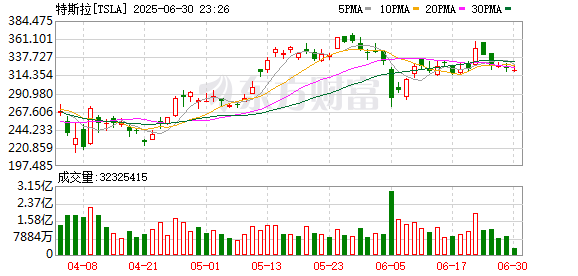
特斯拉完成全自动驾驶交付,Robotaxi的未来已至?
Guang Zhou Ri Bao· 2025-06-30 15:25
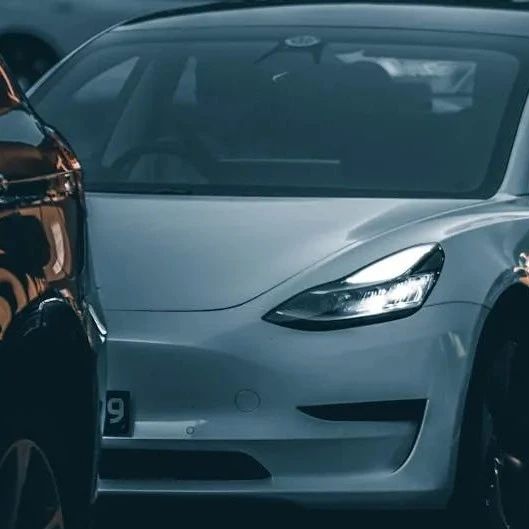
近期,特斯拉官方账号发布了一则视频:一辆Model Y从特斯拉得州超级工厂出发,以全自动驾驶形 式,将自己交付给新车主,这在汽车历史上尚属首次。哈啰也于近期宣布进军Robotaxi赛道,成为国内 该领域又一新秀。诸多消息显示,当前Robotaxi市场竞争已进入白热化阶段,成本控制、自动驾驶技术 突破等商业化落地过程中的诸多挑战,正逐步被攻克。主机厂、自动驾驶企业、平台等多方合力推动 Robotaxi规模化发展,加速其商业化进程。 车企加速自动驾驶商业化落地 特斯拉成功交付具备完全自动驾驶能力的新车,为实现Robotaxi(自动驾驶出租车)目标迈出了关键一 步。此次交付的Model Y车内完全无人,且无须远程操作员干预,这意味着马斯克力推的Robotaxi愿景 正在加速照进现实,基于Robotaxi场景的完全自动驾驶商业化进程显著加快。 与此同时,多个海外传统主机厂纷纷加码Robotaxi。大众汽车近期首次公布Robotaxi战略目标,计划于 2026年推出基于ID.Buzz打造的自动驾驶车型 ID.Buzz AD,Uber将成为首批客户之一。按照计划,该服 务将于2026年在洛杉矶启动带安全员的运营,并于20 ...