纽威股份

Search documents
关税转向,出口何去何从
2025-05-12 15:16
Summary of Key Points from Conference Call Industry Overview - The conference call primarily discusses the impact of the US-China trade war on various industries, particularly focusing on tariffs and their implications for manufacturing and export dynamics. Core Points and Arguments - **Tariff Rates**: The US has imposed a general 30% tariff on Chinese goods, with additional tariffs on specific products like solar panels, automobiles, and steel. Some electronic and semiconductor products have been exempted from these tariffs [1][3][4]. - **Trade War Dynamics**: The trade war is characterized not only by tariffs but also by the US's attempt to negotiate trade imbalances through bilateral talks, potentially undermining the WTO framework and forming new trade alliances that could disadvantage China [1][6]. - **Supply Chain Shifts**: The trade war has accelerated the relocation of Chinese manufacturing supply chains to third countries to avoid tariffs, diminishing China's role as a global manufacturing hub and focusing more on serving its domestic market [1][7]. - **US Policy**: The "America First" policy manifests in trade and investment restrictions against China, including export controls and market access limitations, with a predominant focus on competition [1][10]. - **China's Countermeasures**: China has implemented reciprocal tariffs and non-tariff measures, including a list of 131 exempted items, although it is expected that certain controls, like those on rare earth exports, will remain in place [1][5][11]. - **Future Trade Alliances**: There is a potential for new trade alliances led by the US that may include unfavorable terms for China, with ongoing negotiations involving countries like the UK and Japan [1][8][9]. - **Impact on Manufacturing**: The trade war has led to a significant outflow of manufacturing from China, with companies considering relocating production to mitigate tariff impacts. This trend is expected to continue as firms adapt to the new trade environment [1][7][21][22]. - **Sector-Specific Effects**: Different sectors are experiencing varying levels of impact from tariffs. For instance, leading engineering machinery companies are less affected due to their overseas production capabilities, while smaller domestic firms face greater challenges [4][34]. - **Long-term Strategies**: Chinese manufacturing must focus on global expansion and entering high-end markets to sustain profitability. Companies with strong brand recognition and global supply chain capabilities are better positioned to navigate trade uncertainties [26][30]. Additional Important Content - **Export Trends**: There is an expectation of a surge in exports from China in the short term as companies rush to ship goods before potential tariff increases, reminiscent of past trade war behaviors [18][20]. - **Sectoral Recommendations**: The engineering machinery sector is projected to grow at a compound annual growth rate of approximately 20% over the next 3-5 years, with specific companies like SANY Heavy Industry and XCMG recommended for investment [35]. - **Comparative Analysis**: Companies like Giant Technology are noted for their advantageous supply chain management compared to competitors like Stanley Black & Decker, highlighting the importance of global production distribution [28][29]. This summary encapsulates the critical insights from the conference call, focusing on the implications of the US-China trade war across various sectors and the strategic responses from both countries.



出口链系列02:关税调整影响及企业近况解读
2025-05-12 15:16
Summary of Conference Call Records Industry and Companies Involved - **Industry**: Mechanical and Export Industry - **Companies**: - Spring Wind Power (春风动力) - Jiechang Drive (捷昌驱动) - Zhejiang Dingli (浙江鼎力) - Haomai Technology (豪迈科技) - Nuo Wei Co., Ltd. (纽威股份) Key Points and Arguments Spring Wind Power - Significant contribution from four-wheeled vehicle sales in the U.S., accounting for approximately 20% of total revenue and contributing about 30% to gross profit [1][2] - Implemented measures to mitigate tariff risks, including: - Surge exports starting Q4 2024 to capture market share before tariff increases [4] - Prepared six months of inventory to ensure supply chain stability [4] - Increased production capacity in Mexico, currently producing 1,000 to 2,000 units monthly, with plans to raise annual capacity to 60,000 to 70,000 units if tariffs escalate [5][2] - Long-term growth driven by expansion in North American four-wheeled vehicle business and global market share in large-displacement motorcycles [3] Jiechang Drive - Exposure to U.S. tariffs primarily in linear drive products, with less than 10% of revenue directly affected [2][3] - Core valuation driven by humanoid robot business, particularly linear actuators and dexterous motor modules [6] - Measures taken to counter tariff impacts include: - Overseas production in Malaysia and the U.S. [6] - Price negotiations with clients to offset additional costs from tariffs [6] - Expected profit for 2025 is projected between 450 million to 480 million yuan, with a valuation of 34 times PE [3] Zhejiang Dingli - As a leading aerial work platform company, it faced significant impacts from U.S.-China tariffs, with stock prices still below pre-tariff levels despite recent recoveries [1][9] - Primarily domestic production with no current plans for overseas factories, focusing on increasing shipments to the U.S. to mitigate tariff impacts [1][11] - The company’s U.S. revenue is projected to be around 30% in 2024, but net profit from the U.S. is expected to be less than 10% due to tariffs and operational costs [9] Hardware Tools Industry - The hardware tools sector has the highest exposure to the U.S. market within the mechanical sector, with 80% of global demand concentrated in Europe and the U.S. [14] - Chinese companies primarily act as OEMs, with limited penetration into the U.S. market [14] - Recent shifts in production capacity towards Southeast Asia due to tariff policies, with leading companies likely to capture market share from smaller manufacturers [15] Tariff Policy Impacts - Tariff changes have led to a shift in production strategies, with companies moving equipment from China to Southeast Asia rather than merely expanding existing facilities [15] - Potential for price increases in the U.S. market due to inventory depletion, which may suppress demand [15] - ODM businesses are relocating to Southeast Asia, while OBM businesses face challenges in price transmission due to tariffs [16][17] European Market Dynamics - Improved geopolitical relations between China and Europe may enhance market demand for European exports [20][21] - European countries are expected to increase military and infrastructure spending, potentially boosting demand for exports [21][22] - Companies like Juxing Technology and Zhejiang Dingli have significant revenue from Europe, indicating a growing importance of the European market in the context of U.S.-China trade relations [22] Other Important Insights - Increasing challenges for companies establishing factories in Mexico due to local labor requirements and production efficiency issues [18] - The trend of companies preferring Southeast Asia over the U.S. or Mexico for new factories is driven by cost considerations and geopolitical risks [19] - The overall sentiment indicates a cautious optimism regarding the recovery of export chains as tariff conditions improve [20][22]


外骨骼机器人消费场景应用可期,美的人形机器人进厂“打工”
AVIC Securities· 2025-05-12 15:00
Investment Rating - The industry investment rating is "Overweight" [3][30]. Core Viewpoints - The humanoid robot industry is expected to see significant growth, with a projected cumulative demand of approximately 2 million units by 2030, indicating a critical breakthrough phase from 0 to 1 [6][24]. - The report highlights key companies to watch in the humanoid robot supply chain, including Tier 1 suppliers and core component manufacturers [6][24]. - The report emphasizes the importance of technological advancements in various sectors, including photovoltaic equipment, energy storage, semiconductor equipment, automation, and hydrogen energy, suggesting a favorable outlook for leading companies in these areas [6][25][26]. Summary by Sections Humanoid Robots - Recent developments include the launch of the first domestic AI-powered exoskeleton robot by Zhiyuan, which features advanced technology for various applications [7]. - The first batch of 220 humanoid robots was delivered by Chery, showcasing their capabilities in customer service and sales guidance [17]. - The World Humanoid Robot Sports Competition is set to take place in August, highlighting the growing interest and innovation in the humanoid robotics field [23]. Photovoltaic Equipment - The penetration rate of N-type photovoltaic technology is accelerating, strengthening the competitive edge of leading companies [25]. - The report suggests focusing on companies that are innovating in cost-reduction technologies and expanding production capacity [25]. Energy Storage - Favorable policies are expected to drive growth in both generation-side and user-side energy storage [25]. - Companies like Xingyun Co. are positioned to benefit from strategic partnerships in the energy storage sector [25]. Semiconductor Equipment - The semiconductor equipment market is projected to reach $140 billion by 2030, with a focus on domestic alternatives due to low current localization rates [26]. - The report recommends monitoring companies that are well-positioned to capitalize on this trend [26]. Automation - The market for industrial tools is expected to grow from approximately 40 billion to 55.7 billion by 2026, with opportunities for leading companies to gain market share through increased concentration and import substitution [26]. Hydrogen Energy - The report highlights the potential of green hydrogen in achieving carbon neutrality, with a focus on companies that integrate the hydrogen supply chain [25].


高频因子跟踪:上周遗憾规避因子表现优异
SINOLINK SECURITIES· 2025-05-12 14:17
Group 1: ETF Rotation Strategy Performance - The ETF rotation strategy, constructed using GBDT+NN machine learning factors, has shown excellent out-of-sample performance with an IC value of 44.48% and a long position excess return of 0.73% last week [3][14] - The annualized excess return of the strategy is 11.88%, with a maximum drawdown of 17.31% [17][18] - Recent performance includes an excess return of 0.20% last week, 1.64% for the month, and 0.35% year-to-date [18][20] Group 2: High-Frequency Factor Overview - Various high-frequency factors have demonstrated strong overall performance, with the price range factor showing a long position excess return of 4.93% year-to-date, while the regret avoidance factor has underperformed with a return of 0.27% [4][22] - The price range factor measures the activity level of stocks within different price ranges, indicating investor expectations for future price movements [5][25] - The regret avoidance factor reflects the impact of investor emotions on stock price expectations, showing stable out-of-sample excess returns [5][37] Group 3: High-Frequency and Fundamental Factor Combination - A combined strategy of high-frequency and fundamental factors has been developed, yielding an annualized excess return of 14.76% with a maximum drawdown of 4.52% [6][59] - The strategy has shown stable out-of-sample performance, with a year-to-date excess return of 3.74% [60] - The integration of fundamental factors with high-frequency factors has improved the performance metrics of the strategy [57][59]
纽威股份收盘上涨1.50%,滚动市盈率17.50倍,总市值213.74亿元
Jin Rong Jie· 2025-05-09 11:48
Group 1 - The core viewpoint of the news is that Nuwai Co., Ltd. has seen a recent increase in stock price, but its price-to-earnings (PE) ratio is significantly lower than the industry average, indicating potential undervaluation [1] - As of May 9, Nuwai's stock closed at 27.81 yuan, up 1.50%, with a rolling PE ratio of 17.50, marking a new low in 24 days and a total market capitalization of 21.374 billion yuan [1] - The average PE ratio for the general equipment industry is 78.78, with a median of 40.37, placing Nuwai at the 60th position in the industry ranking [1] Group 2 - Nuwai Co., Ltd. specializes in the research, manufacturing, and sales of industrial valves, with key products including gate valves, globe valves, check valves, ball valves, butterfly valves, forged steel valves, oil and gas extraction equipment, safety valves, and castings [1] - The company received a "Five-Star Equipment Supplier" performance evaluation certificate from China General Nuclear Power Group for 2024, reflecting high recognition of its product quality and service in the nuclear power industry [1] - In the first quarter of 2025, Nuwai reported revenue of 1.556 billion yuan, a year-on-year increase of 14.44%, and a net profit of 263 million yuan, up 33.52%, with a gross profit margin of 35.38% [1]

纽威股份(603699) - 纽威股份关于控股股东部分股份质押的公告
2025-05-06 08:00
证券代码:603699 证券简称:纽威股份 公告编号:临 2025-038 苏州纽威阀门股份有限公司 关于控股股东部分股份质押的公告 本公司董事会及全体董事保证本公告内容不存在任何虚假记载、误导性陈述 或者重大遗漏,并对其内容的真实性、准确性和完整性承担个别及连带责任。 重要内容提示: 截至本公告日,苏州纽威阀门股份有限公司(以下简称"公司")总股本 为 768,573,661 股,控股股东、实际控制人及其一致行动人持股情况如下: | 股东名称 | 持股数量(股) | 持股比例 | | --- | --- | --- | | 王保庆 | 121,564,912 | 15.82% | | 程章文 | 121,564,912 | 15.82% | | 陆斌 | 83,545,482 | 10.87% | | 席超 | 83,545,482 | 10.87% | | 北京恒德时代私募基金管理有限公司- 注 1 恒德智信 20 号私募证券投资基金 | 38,019,430 | 4.95% | | 北京恒德时代私募基金管理有限公司- 2 恒德远征金锐 号私募证券投资基金注 1 | 38,019,430 | 4.95% ...
智慧水务新基建:十大企业智能阀门系统应用案例精选
Sou Hu Cai Jing· 2025-05-06 06:33
Core Viewpoint - The article highlights the advancements and applications of smart valve systems in various sectors, particularly in smart water management, energy, and environmental protection, showcasing significant improvements in efficiency and sustainability. Group 1: Smart Water Management - Far East Valve Group has introduced a remote-controlled smart pressure regulating valve with IoT technology, achieving an 18% reduction in leakage rates during the renovation of old pipelines [1] - Shanghai Qizhong Valve has deployed over 2000 IoT valves in the Shenzhen Maozhou River governance project, resulting in a fault response time of 15 minutes and a pipeline leakage rate of less than 5% [3] - The Southeast Asia smart city project features a remote control system that covers the entire lifecycle of the water supply network, leading to a 30% reduction in energy consumption [4] - Crown Dragon Valve has implemented edge computing technology in smart water management, enhancing response speed to water level changes by five times with a latency of less than 50ms [5] Group 2: Energy and Industrial Applications - Suzhou Neway Valve has developed a 28-inch underwater ball valve for deep-sea oil and gas applications, certified by DNV, with a cost reduction of 40% compared to imported products [6] - LNG ship valves equipped with edge computing technology optimize the low-temperature operation cycle, achieving a global coverage rate of 40% for new LNG ships [7] - China Nuclear Su Valve Technology has established an intelligent processing workshop for forged steel valve bodies, utilizing industrial robots and 5G technology, achieving over 90% localization rate for nuclear-grade valves and a 20% reduction in labor costs [8] - Jiangsu Shentong Valve has integrated an AI fault diagnosis module in the metallurgical blast furnace gas recovery system, improving energy efficiency by 25% [9] Group 3: Environmental and New Energy Innovations - DI Intelligent Control Technology has applied AI health monitoring technology in the smart pipeline network of Beijing's sub-center, achieving a 98% accuracy rate in early warnings and a 90% reduction in burst pipe incidents [10] - In the Xiong'an New Area underground pipeline corridor project, adaptive pressure regulating valves achieve dynamic pressure balance in the pipeline network [11] - Shandong Oubiao has developed a worm gear self-locking control module that allows for millimeter-level adjustment of gate positions, saving over 100,000 yuan in cable costs for solar power supply systems [12] Group 4: Cross-Industry Innovations - The oil and chemical industry has achieved a 45% coverage rate of IoT technology, with corrosion-resistant smart valves supporting the lifecycle modeling of chemical parks [14] - Sanhua Holdings Group has integrated a temperature-pressure dual feedback mechanism in the smart valve for lithium battery cooling systems, resulting in a 35% reduction in failure rates in energy storage projects [14] - Key technological trends include edge computing and digital twin models enhancing response speed and predictive accuracy, green energy adaptation promoting carbon neutrality in water facilities, and the integration of blockchain and AIoT for data security and operational transparency [14]


权威发布!中国消费市场国内一线阀门品牌榜单深度解析
Sou Hu Cai Jing· 2025-04-29 18:21
Core Insights - The 2025 Chinese valve industry is characterized by a "dual-track" model, with East China brands leading high-end energy sectors through technology-intensive and globalized strategies, while South China brands focus on smart scene innovations in municipal and emerging markets [18] Group 1: Leading Brands - Suzhou Neway Valve is recognized as a technical benchmark, dominating the deep-sea oil and gas sector with the world's first 1500-meter deep-sea ball valve, certified to withstand 25000 psi [1][13] - China Nuclear Suval Technology is the only domestic company with full qualifications for nuclear-grade valves, achieving over 90% localization in third-generation nuclear power valves [3] - Jiangsu Shentong Valve holds a 53% market share in nuclear butterfly valves and has a 70MPa hydrogen refueling valve certified by Germany's TÜV [5] Group 2: Specialized Brands - Shanghai Guanlong Valve leads in the municipal water sector, with smart control valves covering 80% of municipal water supply projects and IoT technology reducing energy consumption by 30% [7] - Shanghai Qizhong Valve specializes in corrosion-resistant valves made from titanium and Hastelloy, with military products included in national procurement lists [9] - Sanhua Holdings Group dominates the thermal management valve market for new energy vehicles, holding a 38% global market share [11] Group 3: Technological Breakthroughs - The thorium-based molten salt reactor control valve has achieved a 57% reduction in production costs and has received IAEA certification [6] - Jiangsu Shentong's 70MPa hydrogen refueling valve has achieved a significant breakthrough in domestic production and has been certified by Germany's TÜV [14] - The AI health monitoring system from Di Ai Zhi Control has reduced failure rates by 62%, covering the entire lifecycle management of water supply networks [15] Group 4: Market Trends and Regional Competitiveness - High-end technology is concentrated in East China (Yangtze River Delta), where companies dominate nuclear power and deep-sea oil and gas sectors, with leading brands achieving over 40% of overseas revenue [16] - Specialized markets in South China (Pearl River Delta) focus on smart water management and IoT technologies, with municipal project coverage exceeding 80% and accelerating expansion into Southeast Asia [17]
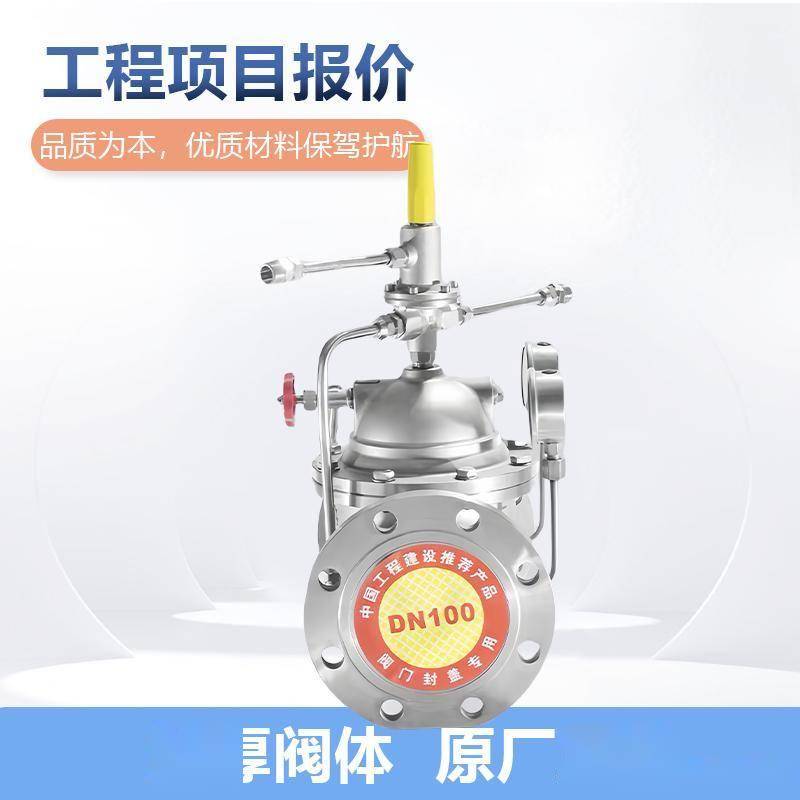
阀门行业洗牌!2025年国内一线阀门品牌排名新格局
Sou Hu Cai Jing· 2025-04-29 18:21
Core Insights - The article discusses the evolving landscape of the valve industry in China, highlighting key players and market dynamics leading up to 2025 [2][3]. Group 1: Industry Restructuring Drivers - Breakthroughs in technology barriers have led to a 60% domestic replacement rate in nuclear power, deep-sea, and hydrogen energy sectors, with Suzhou Neway's deep-sea ball valve breaking the European and American monopoly [2]. - The acceleration of smart technology integration has resulted in a 99.7% quality rate for AI inspections and a 30% reduction in energy consumption for IoT valves [2]. - Emerging markets in Southeast Asia and the Middle East have seen a 40% increase in orders, with Shanghai Guanlong winning contracts for smart water projects through ASEAN free trade agreements [2]. - The imposition of carbon tariffs is pushing for low-carbon technologies, with Far East Valve's low-carbon stainless steel valves reducing carbon footprints by 40% [2]. Group 2: New Brand Landscape in 2025 - The top three companies in terms of comprehensive strength are Suzhou Neway Valve, China Nuclear Su Valve Technology, and Jiangsu Shentong Valve, with significant market shares in their respective fields [2]. - Suzhou Neway Valve holds a global market share in deep-sea ball valves, particularly for LNG ship valves, at 40%, and has a 42% overseas revenue share [2]. - China Nuclear Su Valve is the only domestic company with full qualifications for nuclear-grade valves, achieving over 90% localization in nuclear power valves [2]. - Jiangsu Shentong Valve has a 53% market share in nuclear-grade butterfly valves and has received TÜV certification for its hydrogen valves [2]. Group 3: Sector Leaders in Specific Fields - Shanghai Guanlong Valve leads in municipal and energy-saving sectors, with smart flow control valves covering 80% of municipal projects and reducing pipeline leakage rates to below 5% [2]. - Shanghai Qizhong Valve has seen a 180% annual increase in orders for new energy lithium battery valves and is recognized for its corrosion-resistant titanium alloy valves in military applications [2]. - Zhejiang Chaoda Valve excels in the petrochemical sector, with hydrogen sulfide-resistant valves lasting twice as long as the industry average and ranking among the top three in national export volume [2]. Group 4: Technological Innovation - Sanhua Holdings has a 38% global market share in thermal management valves for new energy vehicles, compatible with Tesla's 4680 battery system, and has reduced CO₂ refrigerant costs by 57% compared to Japanese competitors [3]. - AI monitoring systems from Di Ai Zhi Control Technology have decreased failure rates by 62%, covering smart pipeline networks in Beijing [3]. Group 5: Industry Trends and Procurement Recommendations - In high-end sectors, nuclear power valves should prioritize ASME certification or nuclear-grade qualifications, favoring China Nuclear Su Valve and Neway [3]. - For deep-sea and LNG applications, DNV certification is mandatory, with Neway's deep-sea ball valve setting industry standards [3]. - IoT valves can lower maintenance costs by 30%, while low-carbon valves have a 40% reduction in carbon footprints, with brands like Far East and Sanhua achieving EU certifications [3]. - The acceleration of domestic material substitution is evident, with Tai Steel's super duplex steel showing 30% better corrosion resistance than US standards [3].
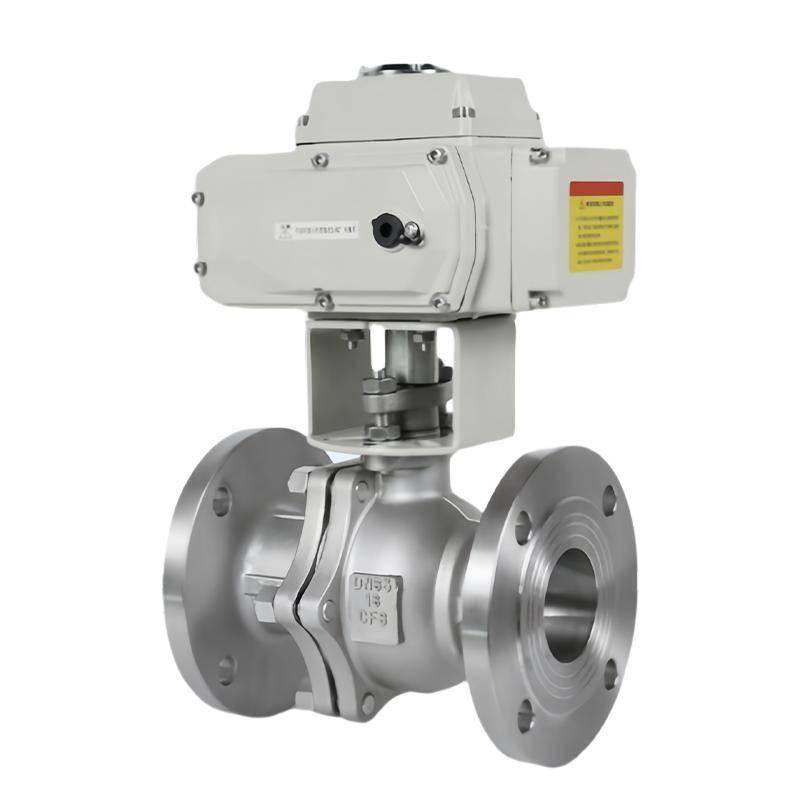
大数据揭秘:国内一线阀门品牌榜单背后的消费趋势
Sou Hu Cai Jing· 2025-04-29 18:21
Core Insights - The competitive landscape of domestic first-line valve brands in China is closely linked to technological iteration, market demand, and industrial upgrades [1] Group 1: Energy Security and Technological Localization - The demand for energy security is driving the localization of technology, with over 90% of key nuclear power valve components being domestically produced [6] - Suzhou Neway's deep-sea ball valve, certified by DNV, has achieved a 40% reduction in import costs by winning contracts for the CNOOC Ling Shui gas field project [6] - Jiangsu Shentong's 70MPa hydrogen valve has received TÜV certification, covering 80% of domestic hydrogen stations, while Shanghai Qizhong's orders for new energy lithium battery valves have increased by 180% annually [6] Group 2: Smart Transformation in Municipal and Industrial Systems - The penetration rate of smart water management is increasing, with Shanghai Guanlong's smart control valve reducing municipal water supply network leakage to 5% [6] - AI quality inspection systems from Yuanda Valve have achieved a 99.7% pass rate, with a cloud warehouse system enabling nationwide delivery within 48 hours [6][7] Group 3: Green Manufacturing and Global Expansion - Low-carbon technology is becoming a competitive barrier, with Yuanda Valve's low-carbon stainless steel valves reducing carbon footprints by 40% [8] - Neway Valve's overseas revenue accounts for 42%, covering energy projects in over 60 countries, while Chao Da's corrosion-resistant valves rank among the top three in national exports, with a 35% market share in the Middle East [9] Group 4: Specialization in Niche Markets - Breakthroughs in extreme working conditions are evident, with Shanghai Qizhong's military-grade supersonic wind tunnel pressure regulating valve being adapted for aerospace projects [10] - Sanhua Holdings' CO₂ refrigerant high-pressure electronic expansion valve has broken the monopoly of Japanese companies, compatible with Tesla's 4680 battery system [11] Group 5: Consumer Trends - The market is shifting from a single price competition to a dual-dimensional competition of "technological barriers + scenario adaptation," with an increase in domestic substitution rates and simultaneous global expansion [11]