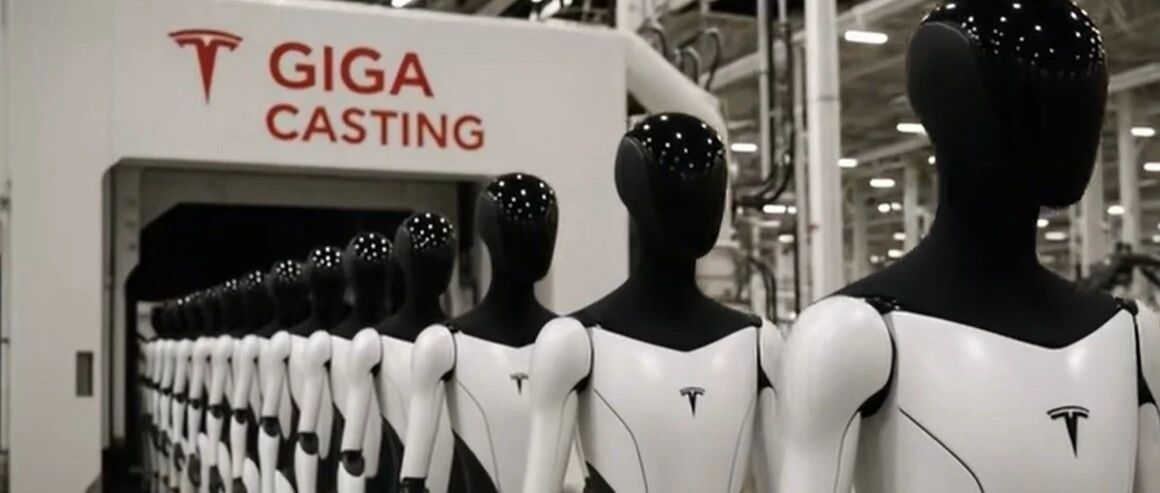
优必选

Search documents
宝武镁业20260112
2026-01-13 01:10
Summary of Baowu Magnesium Industry Conference Call Company Overview - **Company**: Baowu Magnesium Industry - **Industry**: Magnesium Alloy Production Key Points and Arguments Industry Demand and Sales Growth - Magnesium alloy demand has surged, with Baowu Magnesium achieving record sales, increasing monthly sales by 2,000 tons to 24,000 tons since October, primarily driven by orders for electric vehicle components like Geely's electric drive housings [2][3] - The company anticipates magnesium alloy sales to reach 250,000 tons in 2025 and has secured orders for 320,000 tons in 2026, with new production lines in Qingyang and Huizhou [2][4] Automotive Industry Applications - The automotive sector is rapidly adopting magnesium alloys for large components such as dashboard supports, seats, and electric drive housings, with annual production of battery housings increasing from 10,000 units to approximately 1.2 million units since 2023 [6] - The introduction of weight tax policies in the automotive industry is prompting manufacturers to seek lightweight materials like magnesium alloys to reduce vehicle weight and tax burdens [11] Electric Bicycle and Robotics Demand - The electric bicycle sector shows significant demand for magnesium alloys, with potential needs reaching around 300,000 tons for components like frames and hubs [7] - In humanoid and industrial robotics, magnesium alloys are replacing aluminum in critical areas, enhancing heat dissipation and extending battery life [8] Production Capacity and Cost Efficiency - Baowu Magnesium has achieved breakthroughs in mold production, with an annual capacity nearing 1 million cubic meters and average production costs reduced to 16,000 yuan per ton, lower than aluminum costs [9] - The price difference between magnesium and aluminum has widened to 7,000-8,000 yuan, providing a significant cost advantage for magnesium alloy applications [5][19] Future Market Growth - The magnesium alloy market is expected to maintain rapid growth from 2026 to 2028, with annual increases projected at around 100,000 tons [20] - Demand in the electric vehicle and two-wheeler sectors is anticipated to rise sharply, with over 1 million new electric vehicle units expected in 2026, translating to a demand of over 200,000 tons [21] Strategic Partnerships and Innovations - Baowu Magnesium is collaborating with Huawei to explore trends in new energy motor development and is cautiously investing in semi-solid technology, awaiting supply chain maturity and cost reductions [5][38] - The company is also developing integrated magnesium alloy components for major infrastructure projects in collaboration with companies like Seres and Geely [15] Financial Performance and Profit Margins - Current market prices for magnesium alloy components are around 20,000 yuan, with production costs at approximately 16,000 yuan per ton, yielding profits of 3,000-4,000 yuan per ton [29] - The gross margin for magnesium alloy components has decreased to below 20% due to increased competition, while larger components maintain a gross margin of about 30% [31] Challenges and Market Dynamics - The transition from steel to magnesium in electric vehicles faces cost pressures, as magnesium alloys are more expensive than steel, leading to strict cost control from manufacturers [33] - The company is strategically positioned to respond to market demands and cost pressures by promoting material substitution to mitigate long-term risks [24] Conclusion - Baowu Magnesium Industry is well-positioned to capitalize on the growing demand for magnesium alloys across various sectors, particularly in automotive and electric vehicles, while maintaining a focus on cost efficiency and strategic partnerships to drive future growth [37][39]

12交易日12涨停!锋龙股份迎优必选拟入主,乘风人形机器人产业政策资本双东风
Sou Hu Cai Jing· 2026-01-12 20:58
来源:市场资讯 交易所数据显示,2026年1月12日09时25分,锋龙股份涨幅为10.01%,12个交易日内录得12个涨停,最 新价56.17元,总市值122.73亿元,封板资金37.06亿元,成交额0.12亿元,换手率0.10%。开盘价为56.17 元,开盘以高开姿态启动当日交易。 市场炒作锋龙股份的核心逻辑在于优必选拟入主公司,优必选聚焦智能机器人尤其是人形机器人的研发 设计制造与商业化,锋龙股份拥有扎实的精密制造能力、成熟的供应链体系与广泛客户基础,双方业务 协同互补。 消息面上,自变量机器人完成10亿元融资,字节跳动、美团、阿里同时参与投资。工业和信息化部人形 机器人与具身智能标准化技术委员会已成立,将在相关领域制修订行业标准。 政策支持具身智能应用落地,人形机器人产业相关资本端动作频繁,商业化进程持续推进。 声明:本内容由AI生成,数据资料来自于交易所及第三方公开信息,仅供参考,不构成投资建议。 ...

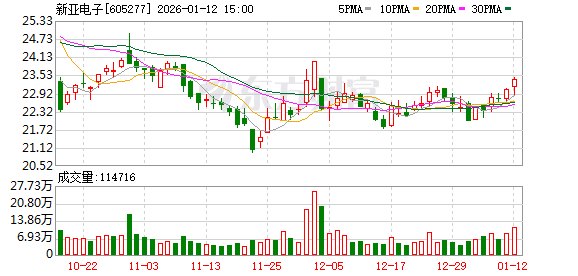
新亚电子:公司的消费电子及工业控制线材产品目前暂无直接供应优必选、小鹏
Mei Ri Jing Ji Xin Wen· 2026-01-12 15:42
Group 1 - The company is currently not supplying products to domestic humanoid robot manufacturers such as UBTECH and Xiaopeng Robotics [2] - The company is actively exploring opportunities in the robotics industry to enhance its market competitiveness [2] - The company's cable products for consumer electronics and industrial control can be applied in industrial control equipment and robotics [2]


万亿人形机器人赛道 ,哪个环节最可能爆发?
3 6 Ke· 2026-01-12 12:57
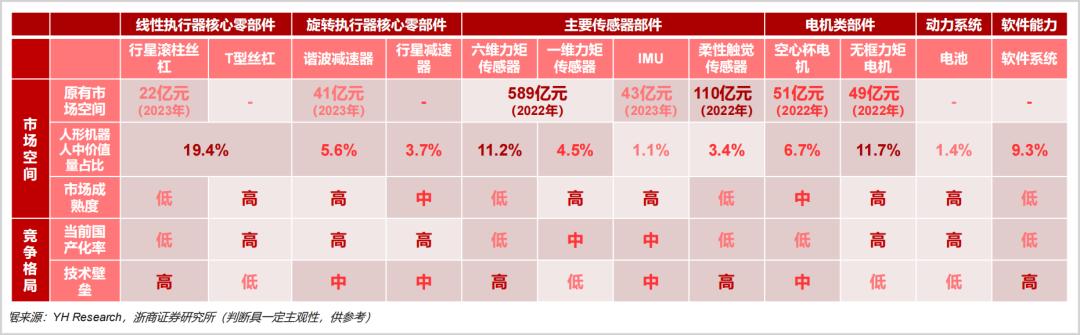
Core Viewpoint - The humanoid robot industry is experiencing significant growth, with a projected commercialization breakthrough in 2025, leading to a surge in production capacity and market demand [1][2][3]. Group 1: Industry Trends - 2025 is identified as the year of commercialization for humanoid robots, with applications expanding across various sectors including entertainment, logistics, and security [2]. - Major players like Tesla and Figure are planning substantial production increases, with Tesla aiming for a production line capable of 1 million units annually by 2026 [2][4]. - The Chinese humanoid robot market is expected to reach nearly 38 billion yuan by 2030, with a compound annual growth rate (CAGR) exceeding 61% from 2024 to 2030 [4]. Group 2: Production Capacity and Cost - Leading companies in China, such as UTree Technology and UBTECH, are projected to achieve production capacities exceeding 10,000 units by 2026, with significant sales growth from millions to billions [3][4]. - The cost of producing a humanoid robot is decreasing, with Tesla's Optimus 03 expected to have a unit cost below $20,000, a reduction of over 60% from earlier prototypes [3][4]. - The BOM cost for a humanoid robot manufactured using Chinese supply chains is approximately $46,000, compared to nearly $130,000 for non-Chinese supply chains [4]. Group 3: Key Components and Market Opportunities - The execution layer of humanoid robots, particularly the screw mechanism, represents a significant cost component, with linear actuators accounting for 19.4% of the overall value [5][6]. - Planetary roller screws are highlighted as a critical component due to their superior performance characteristics, with a projected market value of 22.96 billion yuan by 2030, growing at a CAGR of 154.1% [8][9]. - The market for planetary roller screws is currently dominated by foreign suppliers, presenting substantial opportunities for domestic manufacturers to capture market share [8][9]. Group 4: Company Analysis - Among domestic manufacturers, Hengli Hydraulic is leading in production capacity and is expected to benefit significantly from the industry's growth, with a projected annual industrial output exceeding 3 billion yuan [10][12]. - Wuzhou Xinchun and Beite Technology are also focusing on screw technology, but their production capacity is expected to ramp up more slowly compared to Hengli Hydraulic [10][12]. - Financial performance varies among these companies, with Hengli Hydraulic showing stable profit growth, while Wuzhou Xinchun has faced challenges with revenue stagnation [14][16].


【太平洋科技-每日观点&资讯】(2026-01-13)
远峰电子· 2026-01-12 12:17
Market Overview - Major indices showed positive performance with North Exchange 50 up by 5.35%, Sci-Tech Innovation 50 up by 2.43%, and ChiNext Index up by 1.82% [1] - TMT sector led the gains with SW Marketing Agency increasing by 14.01%, SW Portal Websites by 10.85%, and SW General Publishing by 10.61% [1] - Conversely, TMT sectors that declined included SW Printed Circuit Boards down by 1.82% and SW Discrete Devices down by 0.33% [1] Domestic News - GoerTek plans to establish a fund of 690 million yuan focusing on cutting-edge technology investments including AI, XR, advanced manufacturing, and semiconductors [2] - Huitian Technology announced a breakthrough in high-speed materials and hybrid processing technology, enhancing capabilities in high-end PCB core technology [2] - Shanghai government released a three-year action plan (2026-2028) to support advanced manufacturing, targeting integrated circuit companies for breakthroughs across the entire industry chain [2] - Black Sesame Intelligence raised 568 million HKD, with 90% of the funds allocated for mergers and investments in AI chips and the semiconductor industry [2] Overseas News - MIT team discovered a method to add an extra active device layer in traditional CMOS chips, allowing for a stacked structure that accommodates both logic and storage transistors [3] - The U.S. Department of Commerce quietly announced the withdrawal of a proposal to impose import restrictions on Chinese-made drones, originally set for review in October 2025 [3] - The global smartphone shipment is projected to grow by 2% in 2025, driven by strong demand in emerging markets, although a slowdown is expected in 2026 due to chip shortages [3] - Omdia reported a 10.1% increase in total shipments of desktops, laptops, and workstations in Q4 2025, reaching 75 million units, with an annual growth of 9.2% [3] AI Insights - Gemini partnered with Walmart to enhance customer interaction through AI, providing purchase suggestions based on user intent [4] - AntAngelMed has officially open-sourced a model with 100 billion parameters, applied in various healthcare projects [4] - Tencent released and open-sourced a 3D action model, lowering the barrier for 3D character animation creation [4] - Elon Musk predicted the arrival of general artificial intelligence (AGI) by 2026, with implications for the medical field [4] Industry Tracking - The commercial aerospace sector achieved a successful suborbital flight test with the Zhongke Aerospace Li Hong No.1 vehicle, reaching an altitude of approximately 120 kilometers [5] - In the integrated circuit sector, there is a growing willingness among manufacturers to raise prices due to increased demand and supply constraints [5] - A new generation of ultra-low power brain-machine interface chips was released, significantly improving energy efficiency for long-term implantable systems [5] - The humanoid robot market is expected to see rapid growth, with Omdia projecting shipments to reach 13,000 units by 2025 [5]

2025,AI行业发生了什么?
经济观察报· 2026-01-12 11:48
Core Viewpoint - The AI industry has reached a significant milestone in 2025, marked by technological innovations, business model transformations, and global regulatory dynamics [5]. Group 1: Multi-Modal Integration - AI models have rapidly advanced in text and reasoning but have lagged in multi-modal capabilities, limiting their effectiveness [8]. - By 2025, developers shifted from "assembly-style" models to designing "native multi-modal" models that can process text, images, audio, and video simultaneously [9]. - The development of multi-modal models is becoming a primary battleground for leading AI companies, enhancing the practical application and popularization of AI technology [10]. Group 2: Embodied Intelligence - The focus of embodied AI has shifted from experimental demonstrations to market-ready solutions, with companies announcing mass production of robots [12]. - The cost of humanoid robots has significantly decreased, making them more accessible for commercial use [13]. - The rise of embodied intelligence is driven by advancements in multi-modal AI and increasing labor costs, leading to a growing demand for robotic solutions in various sectors [14]. Group 3: Computing Power Competition - The competition for computing power has evolved from a focus on acquiring GPUs to a more complex, efficiency-driven battle [16]. - Companies are beginning to develop their own chips to reduce reliance on dominant suppliers like NVIDIA [16]. - AI infrastructure is being designed specifically for AI workloads, indicating a shift towards a more integrated approach to computing resources [17]. Group 4: Paradigm Controversy - There is a growing debate in the theoretical community regarding the validity of the "scale law" that has dominated AI development, with some experts suggesting that simply increasing model size may not lead to better outcomes [19]. - Opposing views exist, with some researchers arguing that larger models still play a crucial role in advancing AI capabilities [20]. Group 5: Rise of Agents - The emergence of AI agents, capable of understanding tasks and executing operations autonomously, signifies a shift in human-computer interaction [22]. - This new model allows users to focus on goals rather than navigating complex interfaces, reducing the learning curve [22]. - The rise of agents is facilitated by advancements in large models and standardized protocols for tool integration [23]. Group 6: Open Source Renaissance - Open-source models have become a foundational infrastructure for global innovation, increasingly rivaling closed-source systems in performance and adoption [26]. - The rise of open-source is attributed to the need for rapid customization and community collaboration, making it a practical choice for many developers [27]. Group 7: Business Innovation - The AI industry is transitioning from a focus on technology competition to a clearer division of labor within the ecosystem, with companies finding monetization strategies that align with their capabilities [29]. - The commercialization of AI capabilities is evolving, with a shift towards "Outcome-as-a-Service" models that prioritize task completion over mere functionality [30]. Group 8: Regulatory Dynamics - AI governance has become a critical area of focus, balancing innovation with the need for regulatory frameworks that adapt to evolving technologies [33]. - Different regions are adopting varied approaches to governance, reflecting their unique priorities and regulatory philosophies [34]. Group 9: Great Power Competition - The international competition in AI has escalated to a national level, with countries vying for leadership in defining technological paths and standards [36]. - The competition is characterized by interdependence, as nations rely on each other's capabilities while competing for dominance in AI technology and supply chains [37]. Group 10: Youth Leadership - A trend of young scientists taking on leadership roles in major companies is emerging, reflecting a shift in the industry towards innovative thinking and agile decision-making [39]. - This generational change is crucial as the industry navigates the complexities of AI development and seeks to redefine its future [40].
深职大与优必选签订合作协议 携手共建全国首个职业本科院校具身智能产业学院
Zheng Quan Shi Bao Wang· 2026-01-12 11:21
人民财讯1月12日电,1月9日,深圳职业技术大学(简称"深职大")与深圳市优必选科技股份有限公司(简 称"优必选")签订合作协议,携手共建全国职业本科院校首家具身智能产业学院,深化具身智能与人形 机器人领域产教融合,助力高端技术技能人才培养。 ...
智谱,会重蹈「AI四小龙」覆辙吗?
雷峰网· 2026-01-12 10:08
Core Viewpoint - The article discusses the challenges and potential of AI companies focusing on To G (government) projects, using Zhipu as a case study, and compares it to the previous AI "four dragons" that faced difficulties in profitability and sustainability [2][3]. Group 1: Zhipu's Business Model - Zhipu's revenue structure is heavily reliant on To G AI model privatization deployment, accounting for 84.8% of its total revenue, reminiscent of the previous AI four dragons [6]. - The company has faced significant losses, with cumulative losses exceeding 6.2 billion from 2022 to 2025, while total revenue was only 685 million [8]. - The challenges of To G projects include high delivery costs, low margins, long approval cycles, and slow payment processes, which have led to an accelerated increase in Zhipu's losses [8][10]. Group 2: Comparison with Previous AI Companies - The article highlights that Zhipu's business model mirrors that of the previous AI four dragons, which also struggled with profitability despite initial revenue spikes from government contracts [5][19]. - The previous AI four dragons faced a similar "profit dilemma," where high revenue did not translate into sustainable profits, leading to a retreat from the To G market [9][18]. - Unlike the previous companies, Zhipu has diversified its funding sources by attracting local capital, which may provide a more stable foundation for its operations [20]. Group 3: Market Dynamics and Future Prospects - The article notes that the capital market's perception of To G projects has shifted from enthusiasm to skepticism, raising questions about Zhipu's future performance [15][18]. - Zhipu's strategy of leveraging local partnerships and investments may offer a pathway to navigate the challenges of the To G market, potentially leading to a more sustainable business model [21][22]. - The company is encouraged to explore additional revenue streams beyond To G projects, such as consumer-oriented products, to enhance its market valuation and profitability [29].

电子宠物大爆发的背后:AI机器人能陪人慢慢到老吗?
3 6 Ke· 2026-01-12 07:10
Core Insights - The electronic pet market is experiencing a resurgence, driven by the emotional companionship needs of younger generations [1][3] - The evolution of electronic pets reflects a shift from simple digital interactions to more sophisticated AI-driven companions that can engage in emotional exchanges [9][34] Group 1: Evolution of Electronic Pets - The first electronic pet, Tamagotchi, was launched in 1996 and became a cultural phenomenon among the 80s and 90s generations [3][5] - Sony's AIBO, introduced in 1999, was a pioneer in robotic pets, featuring advanced interaction capabilities and self-learning abilities [10] - Recent products like Moflin and LOVOT combine AI with plush designs, offering emotional responses and interactive features that enhance user engagement [12][13] Group 2: Market Dynamics - The demand for electronic pets is fueled by urbanization and an increase in single-person households in China, which rose from 67.09 million in 2010 to 125 million in 2020 [20][22] - The pet economy is thriving, with China's urban pet consumption market projected to grow from 97.8 billion to over 300 billion yuan from 2015 to 2024, reflecting a compound annual growth rate of 12.98% [24] - Electronic pets serve as ideal alternatives for individuals unable to care for real pets, providing companionship without the responsibilities of traditional pet ownership [26][27] Group 3: Emotional Connection and AI Integration - AI-enabled electronic pets offer personalized emotional support, adapting to user interactions and preferences through advanced algorithms [27][32] - The emotional connection fostered by these pets is significant, as they can recognize and respond to user emotions, enhancing the sense of companionship [32][33] - The global AI pet market is valued at $1.19 billion in 2023, with projections to reach $3.51 billion by 2030, indicating a robust growth trajectory [34] Group 4: Future Prospects - The companion robot market is expected to grow from 75 billion yuan in 2023 to 304.3 billion yuan by 2029, with a remarkable annual growth rate of 25.56% [36] - The aging population in China presents a significant opportunity for companion robots, with an estimated 310 million people aged 60 and above by 2024 [36] - Technological advancements and cost reductions are likely to increase the penetration of companion robots in various sectors, including healthcare and education [38]

特斯拉发包中,T链们周末再传重磅资讯!
Robot猎场备忘录· 2026-01-12 04:33
Core Viewpoint - The T-chain companies are expected to experience a shift from weak to strong performance due to recent positive developments, particularly the IPO guidance of key companies like XJ and SL, which are likely to attract more investor attention [3][4][7]. Group 1: T-chain Companies Performance - During the first trading week of January, T-chain companies did not continue the upward trend from December, showing weak performance despite a rising market [2]. - A notable increase in T-chain stocks was observed on the following Friday, indicating potential for a new upward trend [3]. Group 2: Key Developments - XJ, a core T-chain supplier for Tesla's Optimus, has initiated its IPO process with guidance from CITIC Securities, potentially leading to its listing on the Sci-Tech Innovation Board by late 2026 [4][7]. - SL, another key T-chain company, has successfully communicated with North American partners, maintaining strong performance despite overall weak market conditions [7][8]. Group 3: Market Sentiment and Future Expectations - The recent IPO news for XJ has generated positive sentiment in the robotics sector, particularly for T-chain companies, which are expected to gain more funding attention [7]. - SL's recent research indicates it may replace T1 suppliers like SH and TP, highlighting its growing significance in the market [13]. Group 4: North American Communication - T-chain companies are increasingly focusing on communication with North American partners, which is seen as a critical step towards securing contracts and production agreements [11][12]. - Companies like WX, FS, and KS have reported successful communications, leading to significant stock price increases [12]. Group 5: Upcoming Developments - The T-chain companies are expected to announce more positive developments regarding production milestones and contract signings in the near future, which will likely drive further market interest [10][13].