LG

Search documents
产业报告:三色激光投影仪市场现状及未来发展趋势
Sou Hu Cai Jing· 2025-05-14 11:06
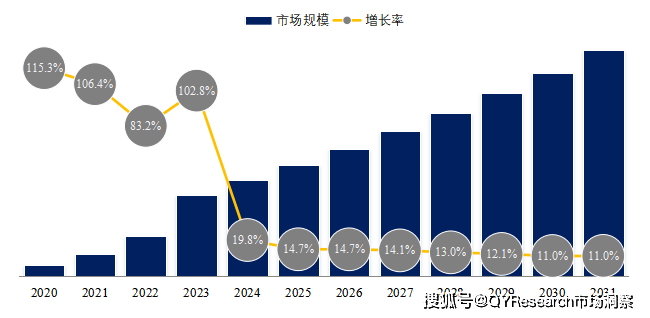
Core Insights - The report indicates that the global market for three-color laser projectors is expected to reach $2.24 billion by 2031, with a compound annual growth rate (CAGR) of 12.6% over the coming years [1]. Market Overview - The three-color laser projector market includes both three-color laser projectors and three-color laser TVs, excluding screens and speakers [1]. - Major brands in the global three-color laser projector market include JmGO, Samsung, Hisense, LG, and XGIMI, with the top five manufacturers holding approximately 48.0% market share in 2024 [4]. Product Segmentation - Three-color laser projectors are categorized into long-focus and ultra-short-focus projectors, with ultra-short-focus projectors expected to account for about 58.0% of revenue share in 2024 [7]. Sales Channel Analysis - The sales channels for three-color laser projectors are divided into online and offline sales, with online sales projected to dominate, capturing approximately 84.3% of revenue share in 2024 [10].

高盛:制成品出口持续推动中国经济增长
Goldman Sachs· 2025-05-14 02:38
Investment Rating - The report indicates an optimistic outlook for China's manufacturing sector, with an increased forecast for export growth and a larger current account surplus expected by 2025 [3][69]. Core Insights - China's manufacturing sector remains the largest globally, with a significant trade surplus, driven by low production costs and strategic investments in high-tech sectors [4][6]. - Despite challenges such as US tariffs and global economic slowdowns, China's policymakers prioritize industrial growth over consumption [3][54]. - The report anticipates that real exports will be roughly flat in 2025, a revision from a previous forecast of a -5% decline, and expects a current account surplus of 2.3% of GDP in 2025 [3][69]. Summary by Sections Manufacturing Sector Overview - China's manufacturing ecosystem is characterized by low costs across production factors, including labor, capital, land, and energy, which collectively enhance competitiveness [19][22][26]. - The report highlights that China's labor costs remain significantly lower than those in developed markets, despite rising over the years [20][24]. Export Dynamics - China's exports are gaining market share in various sectors, particularly mid-to-high tech, while facing challenges in lower-tech sectors [14][15]. - The report notes that China's export success is attributed to a substantial competitiveness gap, especially in emerging markets [15][19]. Policy and Economic Strategy - The Chinese government continues to support "self-reliant" investment and innovation, particularly in high-tech sectors like electric vehicles, robotics, and semiconductors [46][48]. - The "Made in 2025" initiative and recent policy shifts emphasize technological advancement and reducing dependence on foreign supplies [52][53]. Current Account and Currency Outlook - The current account surplus is projected to strengthen, with expectations of a gradual appreciation of the renminbi against the US dollar [69][70]. - The report suggests that the undervaluation of the renminbi provides a competitive edge for exports, with forecasts indicating a shift towards a stronger currency in the coming year [70][71].
美即正义,K-POP闯美背后的 IP 文化经济学
3 6 Ke· 2025-05-13 23:43
Group 1 - The article highlights the rising global influence of K-POP, particularly through the success of groups like BLACKPINK, which have become prominent figures in the fashion industry, evidenced by their appearance at the 2025 Met Gala [1][3] - K-POP artists, including BTS and BLACKPINK, have become favored by major brands across various sectors, leading to collaborations and endorsements that enhance their commercial value [3][5] - Newer K-POP groups like NewJeans are also gaining traction with major brands such as Coca-Cola and McDonald's, indicating a trend where K-POP idols are leveraged for brand marketing [3][5] Group 2 - The emergence of K-Brand, which capitalizes on the popularity of K-POP, is evident with the opening of flagship stores like emis in China, showcasing the commercial potential of K-POP's influence [5][7] - The article discusses the evolution of K-Brand from merely using idol collaborations to establishing their own brand identities, focusing on unique marketing strategies and product designs [16][25] - K-Brand's success is attributed to a well-developed star-making system and the strategic packaging of idols, which enhances their appeal to both fans and brands [14][16] Group 3 - The article notes the rise of experiential marketing, such as idol experience venues, which allow fans to engage with K-POP culture in a commercial setting, further extending the influence of K-POP into consumer experiences [8][11] - The collaboration between BLACKPINK's Lisa and CELINE is highlighted as a significant example of how K-POP idols can drive substantial revenue growth for brands, with CELINE's revenue reportedly doubling from €1 billion to €2 billion [11][14] - The article emphasizes the importance of visual culture and branding in K-POP, where aesthetics play a crucial role in attracting consumers and enhancing brand recognition [27][30] Group 4 - The article discusses the increasing globalization of K-Brand, with Korean beauty brands achieving significant export growth, particularly in the U.S. market, which saw a 57% increase in imports of Korean cosmetics [25] - K-Brand's marketing strategies are evolving to incorporate cultural narratives and consumer psychology, allowing them to resonate with a broader audience beyond just K-POP fans [48][50] - The article concludes that the success of K-POP and K-Brand offers valuable lessons for other markets, particularly in leveraging cultural narratives and social media for brand engagement [49][50]

Magnite (MGNI) FY Conference Transcript
2025-05-13 15:15
Summary of Magnite Conference Call Company Overview - **Company**: Magnite - **Key Executives**: Michael Barrett (CEO), David Day (CFO) Industry Insights - **Industry**: Connected Television (CTV) and Digital Advertising - **Trends**: - Shift towards curation in advertising, moving data from Demand-Side Platforms (DSPs) to Supply-Side Platforms (SSPs) to enhance publisher economics and data protection [6][8][10] - Retail Media Networks (RMNs) are becoming significant, tying ad units to purchase outcomes, with a focus on performance advertising [16][18][21] - The competitive landscape is evolving with fewer players, leading to increased market share for Magnite [12][46] Core Points - **Curation**: - Curation is a new trend where data is attached to SSPs, enhancing the value of inventory and allowing publishers to participate in economics previously dominated by DSPs [6][9][10] - The acceleration of this trend is attributed to the deprecation of cookies, prompting a shift in audience segmentation to first-party data [8][10] - **Retail Media Networks**: - Magnite acts as a supply partner for RMNs, allowing advertisers to access inventory from major retailers like Walmart while maintaining data ownership within their DSPs [18][19][21] - The economics of RMNs are favorable, with higher CPMs (Cost Per Mille) for inventory sold through these networks [19] - **Market Dynamics**: - The industry is witnessing a consolidation trend, with advertisers preferring to work with fewer partners to simplify the buying process [12][51] - Magnite is positioned as a primary partner for many advertisers, benefiting from this consolidation [12][51] - **Google's Market Position**: - The potential breakup of Google's ad server and SSP is viewed as a significant opportunity for Magnite, as it could level the playing field in ad auctions [32][34][44] - A more equitable auction environment would allow Magnite to win more bids, significantly impacting revenue [34][36] - **Live Sports and Streaming**: - Live sports are a critical growth driver for Magnite, with a focus on bundling sports inventory with entertainment to secure better deals [57][58] - The shift towards streaming sports is expected to increase the demand for targeted advertising, which Magnite is well-positioned to capitalize on [63][68] - **Supply Path Optimization (SPO)**: - SPO is benefiting Magnite as advertisers seek simplicity and transparency in their supply chains [71][74] - The industry is moving towards a more streamlined approach, but complete consolidation is unlikely due to the vast scale of the market [82] Financial Metrics - **Take Rates**: - Publisher-sold programmatic ads have a take rate of approximately 3-4%, while Magnite-sold programmatic ads have a take rate of 8-10% [106][108] - The managed service business is declining and is expected to approach zero [108] - **CPM Differences**: - Direct sold inventory typically commands a CPM that is about 50% higher than that of Magnite-sold inventory [118] Future Outlook - **Generative AI**: - Generative AI is expected to play a crucial role in Magnite's product development and operational efficiency, with ongoing investments in AI-driven tools [124][126] - The company is focused on leveraging AI for audience targeting and improving the efficiency of ad placements [125][126] Conclusion - Magnite is strategically positioned to benefit from industry trends towards curation, retail media networks, and the potential restructuring of Google's ad business. The focus on live sports and the integration of AI into operations further enhance its growth prospects in the evolving digital advertising landscape.


今年一季度韩国企业在京投资3.1亿美元,同比增长63.5倍
Xin Jing Bao· 2025-05-13 13:18
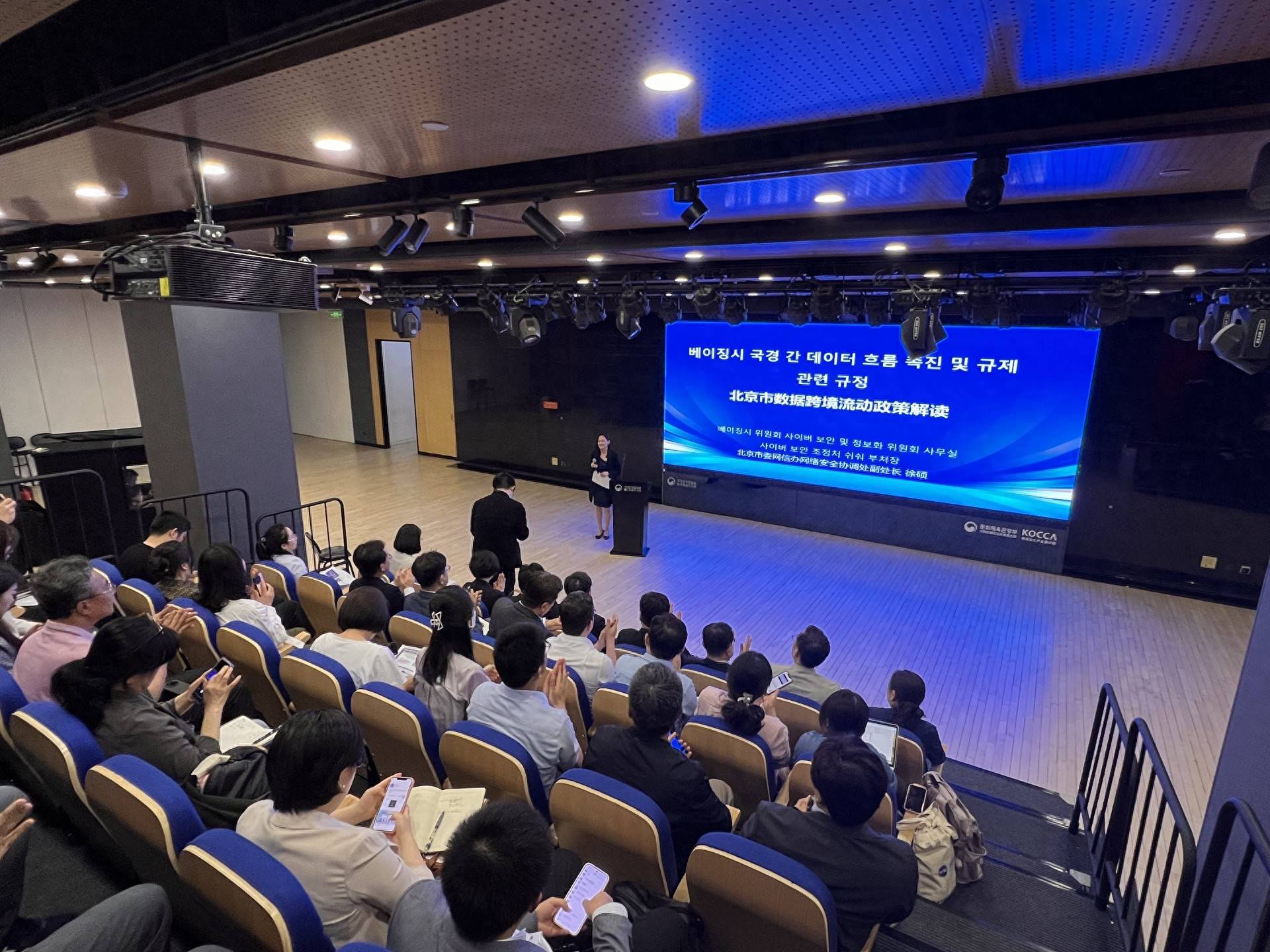
新京报讯(记者陈琳)5月13日,北京市商务局和大韩贸易投资振兴公社北京贸易馆联合主办"2025年在京 韩资企业专场圆桌会"。记者从会上获悉,北京作为中国对外开放的高地,与韩国在技术研发、先进制 造、现代服务等领域合作成果丰硕。今年一季度,韩国企业在京投资3.1亿美元,同比增长63.5倍。 韩国驻华使馆商务官朴大圭表示,中韩两国在经济贸易领域合作紧密。北京市作为首都,是多数在华韩 企中国总部的所在地,更是中韩经济产业合作的核心枢纽。本次活动有助于企业深入了解北京市经济产 业政策与企业扶持措施,为韩企制定对华投资、出口战略提供有效支持。他表示,北京市是中国高端服 务业占比最高的城市,也是人工智能、数字经济、科技创新的前沿阵地。今年一季度,北京市经济增长 率达5.5%,展现了强劲的发展势头。在此背景下,韩国企业立足北京总部,可充分把握北京市产业培 育战略带来的新机遇,通过与中国地方政府及生产法人紧密联动,系统性规划在华业务,实现有机协 同。 "中韩两国一衣带水,经贸合作源远流长。"北京市商务局副局长张华雨介绍,2020年-2024年,韩国累 计在京实际投资9.7亿美元。2025年一季度,韩国在京投资3.1亿美元,同 ...
同比增长63.5倍!一季度韩国企业在京投资3.1亿美元
Sou Hu Cai Jing· 2025-05-13 10:48
Group 1 - The core viewpoint of the news is that Beijing is becoming a significant hub for South Korean investment, with a notable increase in investment figures and a focus on enhancing the business environment for foreign enterprises [1][4][5] - In the first quarter of 2025, South Korean companies invested $310 million in Beijing, marking a year-on-year increase of 63.5 times [1][4] - From 2020 to 2024, South Korean companies are expected to have a cumulative actual investment of $970 million in Beijing [4] Group 2 - The Beijing Municipal Bureau of Commerce emphasizes the importance of foreign investment in driving economic growth, job creation, and industrial transformation [4][5] - Beijing has implemented over 1,000 reform measures to optimize the business environment, including the introduction of the first local foreign investment regulation, the "Beijing Foreign Investment Regulations" [5] - The city has established a roundtable meeting system for foreign enterprises and a "closed-loop" response mechanism to address business needs effectively [5][6]
夏普拟再出售液晶面板厂,买家是?
WitsView睿智显示· 2025-05-13 08:06
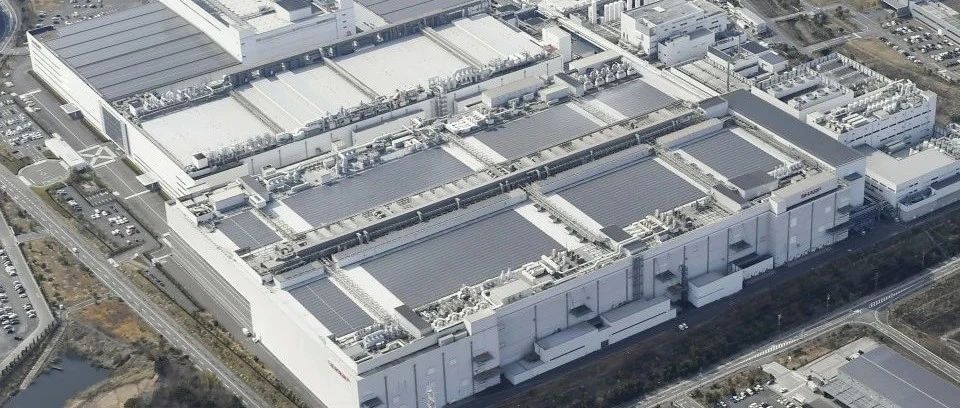
Core Viewpoint - Sharp is strategically divesting its LCD panel production facilities to focus on high-growth, high-margin sectors such as automotive, VR, and AI, amidst a declining profitability trend in the LCD panel market due to increased competition and technological advancements in OLED and Mini/Micro LED technologies [2][3]. Group 1: Business Adjustments - Sharp plans to sell its second LCD panel factory in Kameyama to its parent company Foxconn, marking another step in its strategy to reduce its LCD panel business [1][8]. - The company has reported cumulative losses of 410 billion yen for the fiscal years 2022-2023, prompting a shift from heavy asset reliance in LCD production to a lighter asset model [3][8]. - Sharp aims to transform into a brand-centric enterprise, focusing on high-value sectors while divesting from low-margin LCD production [3][8]. Group 2: Timeline of Asset Sales - On May 14, 2024, Sharp announced the closure of its Sakai 10th generation factory, which primarily produced large LCD TV panels, with full production ceasing by the third quarter of 2024 [4][5]. - Sharp has reached agreements to sell parts of the Sakai factory site to KDDI for an AI data center, expected to be operational by 2026 [6]. - In March 2025, Sharp signed a deal with SoftBank for the sale of the Sakai factory and land for approximately 100 billion yen, aiming to develop a large data center in collaboration with OpenAI [7]. - The company also sold its first factory in Mie Prefecture to Aoi Electronics, which plans to introduce semiconductor packaging lines there by 2027 [7]. Group 3: Financial Performance - Sharp reported a net profit of 36.1 billion yen for the fiscal year ending March 31, 2025, marking its first profit in three years, compared to a loss of 149.98 billion yen in the previous year [9][8]. - The company’s net sales for the fiscal year ending March 31, 2025, were 2,160.15 million yen, reflecting a year-on-year decrease of 7% [9]. Group 4: Industry Trends - The LCD panel industry is undergoing consolidation, with a shift towards higher generation panel production and a focus on improving profitability through strategic mergers and acquisitions [10][11]. - Demand for larger panels is increasing, which is expected to help normalize inventory levels and drive future growth in panel shipments [12]. - The industry is moving towards a more balanced supply-demand dynamic, with manufacturers adjusting production rates in response to market fluctuations [12].
比亚迪和宁德时代:中国电池产业的血战二十年
Xin Lang Cai Jing· 2025-05-12 10:13
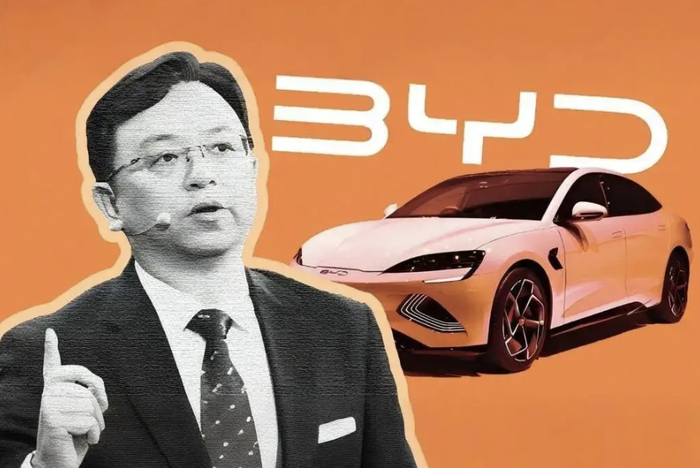
Group 1 - The article highlights the evolution of China's battery industry, showcasing key figures like Wang Chuanfu and Zeng Yuqun, who transformed their companies into leaders in the global market [1][5][7] - The Chinese battery industry initially lagged behind Japan and South Korea, focusing mainly on lead-acid batteries, with little core technology in new energy batteries [7][9] - Government initiatives, such as the "Ten Cities, Thousand Vehicles" project, provided significant subsidies, which catalyzed rapid growth in the electric vehicle sector [9][11] Group 2 - The article discusses the technological advancements that allowed Chinese companies to transition from followers to leaders in the battery sector, including breakthroughs in lithium batteries and cost reductions [13][14][16] - BYD's "blade battery" and CATL's "Kirrin battery" represent significant innovations, with the latter achieving an energy density of 255Wh/kg, surpassing Tesla's 4680 battery [16][18] - Chinese companies now dominate the global battery market, controlling 70% of lithium processing capacity and housing six of the top ten battery manufacturers [23][24] Group 3 - The future of the battery industry is poised for further innovation, with developments in solid-state batteries and sodium-ion batteries, indicating a shift towards higher energy densities and improved performance [21][23] - The article emphasizes the strategic positioning of Chinese companies in the global market, suggesting that they are not just participants but are becoming key players in the new energy landscape [24][27] - The narrative concludes with a reflection on the transformation of the industry, highlighting the shift from internal combustion engines to electric vehicles, marking the rise of a new energy empire [24][27]


诺基亚坟墓里,埋着半套战胜美国的密码本
36氪· 2025-05-11 13:43
Core Viewpoint - The article discusses the rise and fall of Nokia, highlighting how it once dominated the mobile phone market but ultimately succumbed to competition from Apple and other tech giants, illustrating the broader narrative of Europe's struggle in the tech industry against the U.S. [3][10][80] Group 1: Historical Context - Nokia's transformation from a rubber factory to a tech giant took just ten years, showcasing its early strategic advantages in global supply chains and technology [9][10]. - The launch of the iPhone in 2007 marked a pivotal moment, as Nokia recognized the threat posed by Apple's innovative approach to mobile technology [4][5]. Group 2: Leadership and Strategy - Jorma Ollila, Nokia's third-generation leader, took over during a time of crisis and successfully led the company to capture 40% of the global mobile market by focusing on innovation and strategic investments [15][46]. - The leadership styles of Nokia's first two leaders, Björn Westerlund and Kari Kairamo, shaped the company's culture and strategic direction, with Kairamo pushing for a more open and innovative environment [44][30]. Group 3: Technological Advancements - Nokia was instrumental in the development of the GSM standard, which became the dominant mobile communication technology in Europe, allowing it to lead the market in the 1990s [49][50]. - The introduction of the Nokia 1011, the world's first GSM phone, marked a significant milestone, leading to widespread adoption and establishing Nokia as a household name [54][56]. Group 4: Competitive Landscape - The competition between Nokia and Apple represents a shift in the tech landscape, where design and user experience became critical factors for success, contrasting with Nokia's earlier focus on hardware [8][64]. - Nokia's failure to adapt to the smartphone revolution and its reliance on the outdated Symbian OS led to a rapid decline in market share as competitors like Apple and Android gained traction [68][74]. Group 5: Lessons and Implications - The rise and fall of Nokia serve as a cautionary tale for companies about the importance of innovation, adaptability, and understanding market dynamics [80][82]. - The article emphasizes the need for companies to maintain strong relationships with allies, users, and developers to sustain competitive advantages in rapidly changing industries [77][82].



Outbrain (OB) - 2025 Q1 - Earnings Call Transcript
2025-05-09 13:30
Financial Data and Key Metrics Changes - Revenue in Q1 was approximately $286 million, reflecting a 32% year-over-year increase, primarily driven by the acquisition of Teads [16] - X TAC gross profit for the quarter was $103.1 million, an increase of 98% year-over-year, indicating that profit growth is outpacing revenue growth [18] - Adjusted EBITDA for Q1 was $10.7 million, representing a greater than 7x increase year-over-year [20] Business Line Data and Key Metrics Changes - The company closed Q1 with more than 50 Joint Business Partnerships (JBTs), including commitments from major brands like Ferrero and Philip Morris International [9] - CTV revenue grew over 100% year-over-year, now representing approximately 5% of total ad spend [12] - The marketing campaign objectives are balanced, with approximately two-thirds of spend on performance campaigns and one-third on branding campaigns [8] Market Data and Key Metrics Changes - The U.S. business, which represents around 30% of total revenue, showed improvement in trends during Q1 [17] - The company has access to over 300 million TV screens globally, with significant partnerships enhancing its CTV offerings [12] Company Strategy and Development Direction - The vision for the new Teads is to create an open Internet advertising platform that connects fragmented channels to drive real business outcomes [5] - The company is focused on integration, efficiency, and execution post-merger, aiming for $60 million in annualized cost savings by 2026 [13] - The strategy includes leveraging proprietary data and AI to optimize advertising outcomes across various platforms [6][14] Management's Comments on Operating Environment and Future Outlook - Management noted that while there is a shortening of planning and buying cycles, they have not seen a meaningful impact on results due to macroeconomic conditions [27] - The company expects to achieve adjusted EBITDA of at least $180 million for the full year 2025, despite uncertainties in the market [24] - Management expressed confidence in capturing market share as advertisers scrutinize their ad spend, aligning with the company's mission [22] Other Important Information - The company recognized $16 million in acquisition-related costs and $7 million in restructuring charges during the quarter [19] - Free cash flow was a use of cash of approximately $7 million, impacted by acquisition-related costs [21] Q&A Session Summary Question: Can you expand on the macro environment and how advertisers are focusing on brand versus performance? - Management observed improvements in demand levels and a positive trend in the legacy Teads business, with performance holding up better than branding [27][28] Question: How much of the JBT wins are a result of the new combination versus existing pipeline? - The growth in JBTs is attributed to the combined value proposition of performance and branding, with significant excitement from clients [35][36] Question: Can you discuss the trends in the legacy Teads business and the opportunity with larger clients? - Management noted month-over-month improvements in the legacy Teads business since the merger, with a focus on gaining more share of wallet from both large and small clients [42][44] Question: What is the path from meetings to revenue generation? - Management indicated that sales are expected to ramp up exponentially in the second half of the year, with some sales already occurring [49] Question: How does the Google lawsuit ruling impact Teads? - The ruling is seen as a positive for the overall ecosystem, with Teads benefiting from its exclusive supply relationships [60] Question: What is the strategy for expanding the Moments vertical video product? - The strategy includes leveraging vertical video as a significant growth driver, with plans to invest in various vertical video opportunities [63]