
TCL

Search documents
仁信新材(301395) - 2025年11月26日投资者关系活动记录表
2025-11-26 08:30
Group 1: Financial Performance - The company achieved a revenue of 1.641 billion CNY in the first three quarters of 2025, a slight increase of 4.72% year-on-year [3] - The net profit attributable to shareholders was 32.0653 million CNY, a decrease of 2.81% year-on-year, while the net profit after deducting non-recurring gains and losses was 30.5192 million CNY, an increase of 37.64% year-on-year [3] Group 2: Product and Market Position - The company has successfully validated its high-gloss shell HIPS specialized materials with major appliance manufacturers like Midea and Changhong, leading to continued bulk supply in 2025 [3] - The company is among the first in China to adopt the GPPS "1+4" and HIPS "2+4" reaction kettle configuration, enhancing the stability and control of the polymerization process [4] Group 3: Competitive Advantages - The company maintains a low level of unreacted styrene in PS resin, making its products suitable for high sanitary requirements in food and medical fields [4] - The company has established strong customer loyalty due to high switching costs for raw materials, particularly in GPPS and HIPS specialized materials [4] - As of mid-2025, the company has obtained 13 core product formulas, including 2 invention patents and 9 utility model patents, showcasing its unique product formulation and continuous process improvement capabilities [4] Group 4: Customer Relationships - The company's major customers include well-known appliance and lighting companies, with no risk of customer concentration decline or dependency on a single client [4]
客厅里的智能战争
经济观察报· 2025-11-14 15:08
Core Viewpoint - The competition in the home appliance market is intensifying as traditional companies like Midea, Gree, Haier, and Hisense seek new growth through AI technology, product line expansion, and internationalization, while tech companies like Huawei and Xiaomi leverage their established smart ecosystem advantages to increase competition [2][3]. Group 1: Market Dynamics - Traditional home appliance companies are exploring new growth points through AI technology and expanding product lines [2][3]. - Tech companies are intensifying competition in the home appliance market by leveraging their smart ecosystem advantages [2][3]. - The shift towards a fully smart home environment is becoming evident, with consumers increasingly interested in integrated smart solutions [12]. Group 2: Consumer Behavior - Consumers are showing a preference for smart appliances, with features like AI voice control being particularly appealing to families with children and elderly members [6]. - There is a noticeable shift in consumer purchasing habits, with many moving from foreign brands to domestic brands due to the increasing expectations for smart features [6][7]. - Consumers are facing challenges with compatibility between different brands' smart systems, which complicates the integration of smart home devices [7]. Group 3: Technological Advancements - Home appliances are evolving from "single product intelligence" to "whole home intelligence," with systems like Midea's "Xiao Mei AI" integrating various smart functions [9][10]. - The interaction between vehicles and home systems is being developed, allowing for seamless integration and control of home environments from vehicles [11]. - The trend towards smart home integration is expected to continue, with significant growth projected in the smart home market over the next few years [12]. Group 4: Industry Trends - Major players in the home appliance sector, including Gree, Midea, Haier, and Hisense, are adapting to the blurred lines between home appliances and broader home ecosystems [14]. - The retail landscape is shifting, with smart home products being prominently displayed alongside traditional appliances to attract consumer interest [14]. - The release of technological potential in the home appliance sector is expected to reshape global competition, allowing Chinese companies to gain a more advantageous position in the market [15].





哔哩哔哩-W(9626.HK)Q3经调整净利润大增233%:不止盈利,更懂品牌
Ge Long Hui· 2025-11-14 05:31
Core Insights - Bilibili's Q3 2025 financial report shows a revenue of 7.69 billion yuan, a 5% year-on-year increase, and a significant net profit of 470 million yuan, with a net profit margin of 6.1% [1] - The report indicates that Bilibili has established a mature positive cycle from quality content to high user engagement and commercial monetization [1] User Growth and Engagement - Daily active users reached 117 million and monthly active users hit 376 million, both setting historical highs, with an average daily usage time of 112 minutes [1] - Monthly paying users (MPU) surpassed 35 million, a 17% increase year-on-year, indicating a shift from content consumers to value payers [3] Revenue Structure and Advertising Performance - Advertising revenue reached 2.57 billion yuan, a 23% year-on-year increase, driven by improved advertising infrastructure and brand recognition [4] - The number of advertisers grew by 16% year-on-year, with significant revenue increases in the automotive and AI sectors, achieving 35% and 90% growth respectively [4] Operational Efficiency - Gross margin improved for thirteen consecutive quarters, reaching 36.7%, while sales and marketing expenses decreased by 13% year-on-year [4] - Bilibili's profitability breakthrough is attributed to its long-term commitment to quality content, with gaming and AI content viewing times increasing by 22% and nearly 50% respectively [4] Brand Marketing and Consumer Engagement - Bilibili has become a key platform for brands targeting young consumers, as demonstrated by successful marketing campaigns during the Double 11 shopping festival [6] - Brands like Kiehl's achieved a 60% new customer rate through targeted marketing strategies on Bilibili [6][8] Future Growth Potential - Bilibili's unique content ecosystem and the launch of the "Flower Fire" and "Take Off" commercial products indicate ongoing expansion of its commercial boundaries [10] - The platform is increasingly viewed as an essential marketing channel for brands aiming to reach young audiences and build long-term brand recognition [10]

一纸谣传压垮光伏板块?协会企业急辟谣
3 6 Ke· 2025-11-13 08:20
Core Viewpoint - The photovoltaic sector experienced a significant drop due to rumors regarding the cancellation of a storage platform, leading to a collective decline in major stocks such as Canadian Solar and JA Solar, which fell over 6% [1][2]. Group 1: Market Reaction - The photovoltaic sector was already fragile, and any minor disturbance could trigger panic selling, as evidenced by the sharp decline following the rumors [2]. - Major stocks like Canadian Solar saw a drop of over 14%, while JA Solar, LONGi Green Energy, and others fell more than 6% [2]. - The photovoltaic ETF also experienced a decline of over 5%, indicating widespread market panic [2]. Group 2: Rumor and Response - The rumors included claims that a silicon material and component alliance was rejected by authorities and that JA Solar's secretary claimed the storage platform was "dead" [2]. - In response, JA Solar denied the rumors, stating that no such comments were made by executives and emphasized their commitment to supporting the photovoltaic industry's policies [3]. - The China Photovoltaic Industry Association also issued a statement declaring the rumors as false and warned against malicious actions aimed at undermining the industry [3]. Group 3: Importance of Storage Platform - The storage platform is considered a crucial measure for the photovoltaic industry's "anti-involution" strategy, aimed at stabilizing the market [4]. - A proposed joint storage platform involving major companies is in the planning stages, with an estimated fund size of around 70 billion yuan [4]. - The initiative aims to control production by acquiring smaller production lines, which is seen as essential for the recovery of the photovoltaic supply chain [4]. Group 4: Industry Performance and Challenges - The photovoltaic industry is facing significant operational challenges, with a clear divergence in profitability across the supply chain [5]. - JA Solar reported a 24.05% year-on-year decline in revenue for Q3 2025, with a net loss of 11.65 billion yuan, reflecting the struggles of the downstream sector [5]. - In contrast, LONGi Green Energy showed signs of improvement, with a revenue of 509.15 billion yuan for the first nine months of the year, indicating a potential recovery [5]. Group 5: Market Sentiment and Future Outlook - The recent market reaction highlights the industry's sensitivity to policy changes and rumors, reflecting broader concerns about the implementation of the "anti-involution" policies [6]. - The stability of silicon prices and the ability to pass costs down the supply chain are critical factors for the industry's recovery [6]. - The overall market remains under pressure due to high inventory levels and concerns about the balance of interests between upstream and downstream sectors [6].





晶澳科技:公司并无高管说过“收储平台黄了”一事
2 1 Shi Ji Jing Ji Bao Dao· 2025-11-12 09:58
Core Viewpoint - The A-share photovoltaic sector experienced a significant downturn, with major companies like Aters (阿特斯) and JinkoSolar (晶澳科技) facing substantial declines in stock prices due to market rumors regarding the "silicon material and component alliance" being rejected by authorities and concerns over a storage platform's viability [1][3][5]. Group 1: Market Performance - On November 12, the photovoltaic sector saw widespread declines, with Aters dropping over 14% and other companies like JinkoSolar and Longi Green Energy (隆基绿能) falling more than 6% [1][2]. - The photovoltaic concept index decreased by 1.46%, losing 60.292 points [2]. Group 2: Rumors and Clarifications - Market rumors suggested that a storage platform for silicon materials was failing, which was denied by JinkoSolar's staff, stating that the company was not involved in such a platform [3][5]. - The China Photovoltaic Industry Association issued a statement refuting the rumors circulating online, emphasizing the importance of industry self-regulation and combating malicious actions against the sector [5]. Group 3: Industry Developments - The storage platform is part of the photovoltaic industry's efforts to combat "involution," with major companies reportedly signing agreements to collaborate on capacity storage [5][6]. - Recent reports indicated that the total funding required for capacity storage could exceed 200 billion to 300 billion yuan, with plans for a fund of approximately 700 billion yuan to facilitate acquisitions [6]. Group 4: Financial Performance - Some photovoltaic companies have shown signs of recovery, with Longi Green Energy reporting a revenue of 50.915 billion yuan for the first nine months of the year, and a significant reduction in losses in the third quarter [6][7]. - Analysts noted that the profitability of leading photovoltaic companies improved in the third quarter, driven by stabilized prices in the supply chain and reduced inventory impairment losses [6][7].

晶澳科技:公司高管未说过收储平台黄了
2 1 Shi Ji Jing Ji Bao Dao· 2025-11-12 08:57
Core Viewpoint - The A-share photovoltaic sector experienced a significant decline, attributed to market rumors regarding the rejection of a silicon material and component alliance, as well as misleading statements about a storage platform by a senior executive of JA Solar [2][3] Group 1: Market Reaction - Major companies in the photovoltaic sector, including Canadian Solar, JA Solar, Longi Green Energy, and Yichin Photovoltaic, saw stock declines exceeding 6%, with Canadian Solar dropping over 14% [2] - The market was influenced by rumors that the "silicon material and component alliance" was rejected by authorities, leading to panic selling [2] Group 2: Clarification from Companies and Associations - JA Solar denied the rumors regarding the storage platform, stating that the company was not involved in such a platform and that the claims were false [2] - The China Photovoltaic Industry Association issued a statement refuting the rumors and emphasized its commitment to industry self-regulation and combating malicious market behaviors [3] Group 3: Industry Developments - The storage platform is part of the photovoltaic industry's efforts to combat "internal competition," with 17 leading companies reportedly signing agreements to collaborate on capacity storage [3] - Recent reports indicated that the total funding required for capacity storage could exceed 200 billion to 300 billion yuan, with plans for a 700 billion yuan fund to facilitate acquisitions [3] Group 4: Financial Performance - Some photovoltaic companies have shown signs of improved performance, with Longi Green Energy reporting a revenue of 50.915 billion yuan for the first nine months of the year, and a significant reduction in losses over the last two quarters [4] - A report from Ping An Securities noted that the profitability of leading photovoltaic companies improved on a quarter-on-quarter basis, driven by stabilized prices in the photovoltaic supply chain and reduced inventory impairment losses [4] Group 5: Future Outlook - The current efforts to combat internal competition in the photovoltaic industry are expected to yield positive results, with upstream sectors projected to significantly reduce losses in the third quarter [5] - The focus will be on supply-side measures, such as the establishment of the silicon material storage platform and production restrictions, as well as demand-side factors like the support for photovoltaic installation demand and enforcement of pricing regulations [5]
突发利空传闻,光伏板块集体跳水!涉事公司辟谣,协会紧急回应
2 1 Shi Ji Jing Ji Bao Dao· 2025-11-12 08:48
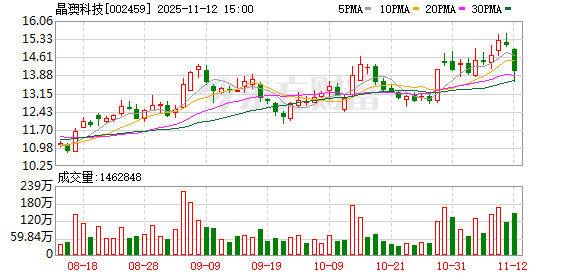
Core Viewpoint - The A-share photovoltaic sector experienced a significant decline, attributed to market rumors regarding the rejection of a silicon material and component alliance, as well as misleading statements about a storage platform by a senior executive of JA Solar [1][4]. Group 1: Market Reaction - On November 12, major stocks in the photovoltaic sector, including Canadian Solar (阿特斯), JA Solar (晶澳科技), Longi Green Energy (隆基绿能), and others, saw declines exceeding 6%, with Canadian Solar dropping over 14% [1]. - The market reaction was influenced by rumors that a silicon material and component alliance was rejected by authorities, leading to a sell-off in related stocks [1]. Group 2: Clarification of Rumors - JA Solar's staff denied the rumor regarding the statement about the storage platform, clarifying that the company is not a participant in the platform and that the information circulating is false [1]. - The China Photovoltaic Industry Association issued a statement confirming that the rumors are untrue and emphasized their commitment to combating malicious actions aimed at undermining the industry [3]. Group 3: Industry Developments - The storage platform is part of the photovoltaic industry's efforts to combat "involution," with 17 leading companies reportedly signing agreements to collaborate on capacity storage [4]. - Reports indicated that the total funding required for capacity storage could exceed 200 billion to 300 billion yuan, with plans for a fund of approximately 700 billion yuan to facilitate acquisitions [4]. Group 4: Financial Performance - Despite the recent downturn, some photovoltaic companies have shown signs of improved performance, with Longi Green Energy reporting a revenue of 50.915 billion yuan for the first nine months of the year, including a significant reduction in losses in the third quarter [4]. - Analysts noted that the profitability of leading photovoltaic companies improved in the third quarter, driven by stabilized prices in the supply chain and reduced inventory impairment losses [5].
突传大变数,光伏全线下跌
Zheng Quan Shi Bao· 2025-11-12 07:33
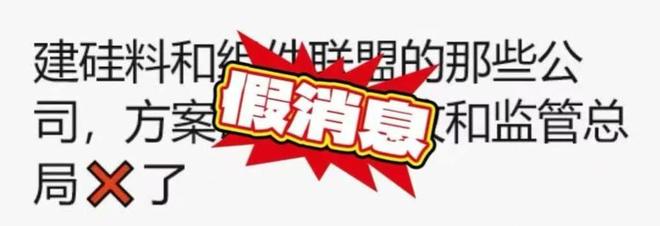
Core Viewpoint - The photovoltaic sector experienced a sudden decline after a rumor circulated about a high-ranking executive from JA Solar stating that the "storage platform has failed" during a monthly meeting, leading to significant stock price drops across the sector [1][4]. Group 1: Market Reaction - On November 12, the photovoltaic sector saw a sharp decline, with stocks like Aters dropping over 17% and the photovoltaic ETF falling more than 4% [1][2]. - Major companies such as Tongwei, Longi Green Energy, and JA Solar approached their daily limit down, indicating widespread panic in the market [1][2]. Group 2: Background and Context - Prior to the decline, there was optimism in the photovoltaic sector due to reports that 17 leading companies had signed agreements for capacity storage, which had driven stock prices up significantly [4]. - The recent comments from JA Solar's executive contradicted earlier positive sentiments, causing confusion and fear among investors [1][4]. Group 3: Industry Insights - JA Solar expressed its commitment to supporting the establishment of the storage platform and emphasized the need for collaboration among industry players to overcome challenges [4]. - The phenomenon of "involution" in the photovoltaic industry, characterized by excessive competition without overall profit growth, has prompted a national policy focus on reversing this trend [6][7]. Group 4: Future Outlook - Analysts from CITIC Securities and Zhongyou Securities suggest that the "involution" in the photovoltaic sector is unlikely to cease soon, as it affects pricing and profit margins while hindering industry upgrades [7]. - The ongoing efforts to address supply and demand imbalances, including the establishment of a silicon material storage platform and measures to limit production, are expected to lead to a recovery in the supply-demand relationship and potentially increase component prices [7].

大湾区对外窗口之“顺”:文旅融合助力成为全球了解中国首站
Nan Fang Du Shi Bao· 2025-10-31 07:27
Core Insights - The Guangdong-Hong Kong-Macao Greater Bay Area (GBA) is experiencing a surge in inbound tourism, driven by policies such as the 240-hour visa-free transit and the upcoming 15th National Games, showcasing its unique resilience and potential [1][9] - The GBA is positioning itself as a premier destination for foreign tourists, offering a seamless blend of business and leisure experiences, which is increasingly appealing to international visitors [2][5] Inbound Tourism Development - The GBA has developed a robust inbound tourism market, with foreign tourists enjoying a "one-stop" experience that combines sightseeing, shopping, and cultural exploration [1][2] - Tour guides report that foreign visitors are increasingly interested in both cultural and modern attractions, with popular itineraries including historical sites and contemporary landmarks [2][3] Business and Leisure Integration - The integration of business and tourism is evident, with foreign business travelers attending trade fairs like the Canton Fair while also exploring local attractions [4][5] - Companies are adapting to this trend by offering tailored services that cater to the dual needs of business and leisure for foreign visitors [5][6] Policy Support and Infrastructure - Recent policy enhancements, such as the Guangdong provincial government's initiatives to improve inbound tourism quality, are facilitating a more comfortable and engaging experience for foreign tourists [4][6] - The GBA's strategic location and visa policies are enabling a more interconnected travel experience across Hong Kong, Macau, and mainland cities [7][8] Economic Impact - Major events and attractions in the GBA are contributing significantly to local economies, with Hong Kong reporting substantial visitor spending and economic growth linked to tourism [6][9] - The GBA aims to become a global tourism hub, leveraging its diverse cultural and economic offerings to attract more international visitors [9]