iRobot

Search documents
X @TechCrunch
TechCrunch· 2025-12-20 16:20
Industry Trend - Hardware companies face a dilemma: overseas manufacturing for survival increases the risk of being copied [1] Company Status - iRobot files for bankruptcy, highlighting the challenges in the hardware industry [1]
美媒大肆炒作,美企CEO坐不住了:是我们求中企救命啊…
Sou Hu Cai Jing· 2025-12-20 14:27
Core Viewpoint - iRobot, once a leader in the global market for robotic vacuum cleaners, has filed for bankruptcy protection and is set to be acquired by Chinese company Picea, raising concerns in the U.S. about data privacy and security risks associated with the ownership change [1][2]. Group 1: Acquisition and Market Dynamics - Picea, iRobot's main creditor, will acquire the company, which has led to media speculation about potential data privacy issues due to the change in ownership to a Chinese firm [1][2]. - The global market for robotic vacuum cleaners is shifting, with Chinese companies projected to dominate the market by 2025, holding nearly 70% of the market share [6][7]. - iRobot's CEO Gary Cohen clarified that the acquisition is a rescue effort rather than a hostile takeover, emphasizing a positive partnership with Picea [2][8]. Group 2: Data Privacy Concerns - U.S. media have raised alarms about data privacy, suggesting that robotic vacuums can collect sensitive household data, but iRobot's privacy policy states that data is not transmitted to servers without user consent [4][5]. - Despite past incidents of data breaches, iRobot has maintained a strong security performance, although its privacy ratings have declined to average levels [4][5]. - The narrative in U.S. media appears to be more about geopolitical tensions rather than genuine concerns for consumer data security, as they call for government action against Chinese technology firms [5][6]. Group 3: Company Performance and Future Outlook - iRobot has faced declining sales and innovation gaps over the past four years, leading to its bankruptcy filing after three consecutive years of net losses [8][9]. - The restructuring process is expected to be completed by February 2024, with iRobot retaining its brand and operational structure in the U.S. [8][9]. - Cohen expressed optimism about the future, stating that the acquisition will preserve the brand and save over 500 jobs, marking a new chapter for iRobot [9][10].

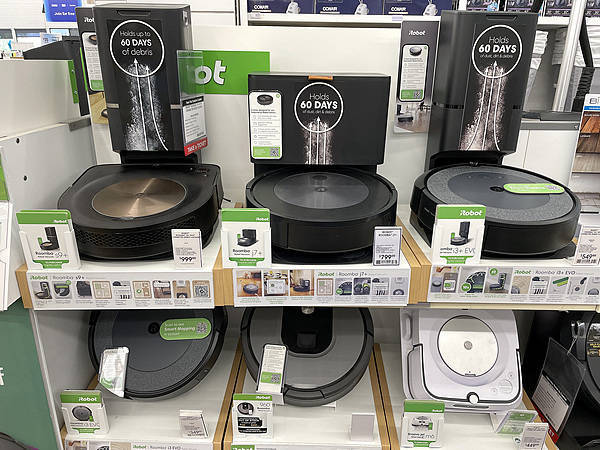
Roomba's bankruptcy may wreck a lot more than one robot vacuum maker
CNBC· 2025-12-20 14:21
Core Insights - iRobot, known for its Roomba vacuum, has filed for bankruptcy, primarily due to competition from cheaper knock-offs and failed acquisition attempts by Amazon, which was blocked by regulators [3][4][5][12] - The bankruptcy highlights the challenges faced by tech companies in the current M&A environment, where regulatory scrutiny can hinder potential rescue deals [7][8][17] Company Overview - iRobot reported assets and liabilities between $100 million and $500 million, with approximately $190 million in debt, and owed around $100 million to its largest creditor, Shenzhen Picea Robotics Co. [4][21] - The company has seen a decline in revenue due to increased competition from lower-priced Chinese rivals and tariffs that added significant costs [20][21] Regulatory Environment - The failed acquisition by Amazon, which was valued at $1.7 billion, is seen as a missed opportunity that could have provided iRobot with a competitive edge [4][5] - Experts argue that regulatory actions prioritizing hypothetical future harms over current financial realities can lead to the destruction of target companies, as seen in iRobot's case [7][9] Market Dynamics - The current M&A landscape is characterized by increased scrutiny from regulators, particularly in Europe, which may lead to more bankruptcies rather than orderly acquisitions that preserve jobs and innovation [17][19] - The situation with iRobot serves as a cautionary tale for other tech companies, indicating that reliance on a single acquisition for survival can be risky [22]

家用电器:iRobot被收购利好国内头部品牌,白电内销高基数承压
Huafu Securities· 2025-12-20 13:46
Investment Rating - The report maintains a rating of "Outperform" for the industry [6] Core Insights - The acquisition of iRobot is beneficial for leading domestic brands, while the white goods domestic sales are under pressure due to high base effects [3][4] - Major home appliance categories have seen a decline in domestic sales due to the high base from last year's national subsidies and previous consumption pull-forward [3][11] - In November, the sales revenue for air conditioners, refrigerators, and washing machines decreased by -34.5%, -34.4%, and -19.2% year-on-year, respectively [3][11] - The sales volume for these categories also dropped significantly, with air conditioners and refrigerators down by -30.65% and -30.79% year-on-year [3][11] - The acquisition of iRobot, which has filed for bankruptcy, may allow brands like Roborock and Ecovacs to capture more market share in North America [4][18] Summary by Sections Domestic Sales Performance - Domestic sales of major home appliance categories are declining due to high base effects from last year's national subsidies [3][11] - November data shows significant year-on-year declines in sales revenue and volume across key categories [3][11] Brand Performance - In November, the market shares for Gree, Midea, and Haier in domestic sales were 32.1%, 29.6%, and 19.7%, respectively, with Haier showing significant growth [4][16] - Midea's export share increased to 40.4%, while Gree's share slightly decreased [4][16] Market Trends - The overall home appliance sector saw a slight increase of +0.2% this week, with white goods and small appliances showing mixed performance [5][19] - The report highlights the impact of raw material prices, with LME copper and aluminum showing fluctuations [5][19] Industry News - The report discusses the implications of iRobot's bankruptcy and acquisition on the competitive landscape in North America [4][18] - It also notes the ongoing trends in ESG ratings among leading home appliance companies, emphasizing their focus on green transformation [39]



280亿,扫地机器人鼻祖宣布破产
Sou Hu Cai Jing· 2025-12-20 04:17
Core Insights - The collapse of iRobot, a pioneer in the robotic vacuum industry, is attributed to regulatory failures, trade policy conflicts, and competition from Chinese firms, leading to its bankruptcy filing and subsequent acquisition by a Chinese supplier [2][6][9]. Company Overview - iRobot was founded in 1990 by three MIT roboticists and initially focused on defense and space applications before launching the Roomba vacuum in 2002, which became a household name [3][4]. - At its peak in 2021, iRobot's valuation reached $3.56 billion, with Roomba capturing 42% of the U.S. market and 65% in Japan, totaling over 50 million units sold [3][4]. Competitive Landscape - iRobot faced increasing competition from Chinese companies like Ecovacs and Roborock, which invested 2-3 times more in R&D and adopted aggressive pricing strategies, undermining iRobot's market position [4][5]. - The introduction of advanced technologies by competitors, such as laser navigation and AI visual recognition, rendered iRobot's existing technology outdated [4][5]. Financial Challenges - iRobot's reliance on manufacturing in Vietnam led to a significant cost increase when punitive tariffs were imposed, resulting in a $23 million rise in expenses [4]. - The cooling real estate market, exacerbated by rising interest rates, negatively impacted sales of home appliances, including robotic vacuums [4]. Acquisition Attempt and Regulatory Impact - In August 2022, Amazon announced a $1.7 billion acquisition of iRobot, which was seen as a lifeline for the struggling company [5]. - Regulatory bodies in the EU and the U.S. blocked the acquisition, citing potential anti-competitive concerns, which ultimately led to iRobot's stock plummeting by 80% and significant layoffs [5][7]. Bankruptcy and Acquisition - iRobot filed for Chapter 11 bankruptcy and sold its assets to Chinese supplier Picea Robotics for $190 million, marking a significant shift in ownership from a U.S. company to foreign control [6][9]. - The regulatory actions intended to protect competition inadvertently facilitated the loss of a key American technology firm to foreign ownership [6][9]. Industry Implications - iRobot's downfall highlights the structural flaws in Western regulatory frameworks, which focus on domestic competition while neglecting the competitive threats posed by foreign firms [9][10]. - The case serves as a cautionary tale for the smart home industry, indicating a shift from single-product success to the necessity of ecosystem integration for survival [11][12]. Future Outlook - The smart home market is transitioning from individual product sales to comprehensive smart home ecosystems, with companies needing to adapt or risk obsolescence [11][12]. - Firms must establish a clear position within the ecosystem, deepen their technological advantages, and maintain financial health to navigate the evolving landscape [15][16].

X @TechCrunch
TechCrunch· 2025-12-20 01:17
iRobot joins the latest string of hardware companies filing for bankruptcy, exposing an impossible problem: build overseas to survive, but risk getting copied.The new episode of @EquityPod breaks it down 🎙️https://t.co/qqMrnyUN4D https://t.co/tB6R0kQuIM ...
Okta Names Rob Bernshteyn and Paul Sagan to Board of Directors
Businesswire· 2025-12-19 21:01
Core Insights - Okta, Inc. announced the appointment of Rob Bernshteyn and Paul Sagan to its board of directors, effective December 19, 2025, to enhance its leadership in identity security and AI integration [1][2] Company Developments - The addition of Bernshteyn and Sagan is aimed at driving Okta's growth, particularly as identity becomes crucial for secure AI applications [2] - Mary Agnes (Maggie) Wilderotter stepped down from the board on December 15, 2025, for unforeseen reasons [3][4] Leadership Background - Rob Bernshteyn has over 30 years of experience in the business software industry, previously serving as CEO of Coupa Software and holding roles at SuccessFactors and Siebel Systems [5][6] - Paul Sagan has a strong background in cloud computing and cybersecurity, having held leadership positions at Akamai Technologies and currently serving on the boards of Moderna and Thomson Reuters [8][9][11]


900亿巨头英雄末路,市值蒸发98%
21世纪经济报道· 2025-12-19 10:36
Core Viewpoint - GoPro, once a dominant player in the action camera market, has seen its market value plummet by 98% from its peak, losing its competitive edge to emerging rivals in the handheld imaging device market [1][3][12]. Group 1: Company Background and Rise - GoPro was founded in 2004 by Nick Woodman, who created a camera solution for surfers, leading to the establishment of a new market for action cameras [6]. - The company capitalized on the gap in the market for compact, durable, and waterproof cameras, particularly appealing to extreme sports enthusiasts [6][7]. - GoPro's revenue skyrocketed from $64 million in 2010 to $986 million in 2013, with a market share exceeding 75% by the time of its IPO in 2014 [7][8]. Group 2: Market Dynamics and Competition - The global handheld imaging device market is projected to grow at a CAGR of 15.9%, reaching a size of 79.93 billion yuan by 2030, while GoPro's market share has drastically declined [3][12]. - Competitors like Insta360 and DJI have emerged, focusing on consumer needs for enhanced image quality and ease of use, effectively capturing market share from GoPro [10][11]. Group 3: Strategic Missteps and Decline - GoPro's failure to innovate and adapt to changing consumer demands, particularly the shift from professional athletes to everyday users, has led to its decline [15]. - The company faced significant setbacks with its drone product, Karma, which was recalled shortly after launch due to design flaws, damaging its reputation and diverting resources from core product innovation [11]. - By 2025, GoPro's market share in the action camera segment fell from 84% in 2022 to 18%, while its share in the consumer-grade panoramic camera market dropped from 21.5% in 2021 to 9.2% in 2023 [11][12]. Group 4: Lessons and Future Outlook - The decline of GoPro serves as a cautionary tale about the importance of continuous innovation and market awareness, as even established leaders can be overtaken by more agile competitors [15][16]. - Companies like DJI and Insta360 are now leading the market, emphasizing the need for a robust ecosystem that integrates hardware, software, and community engagement [15][16].


追觅创始人收购引嘉美包装三连板,公司否认主业将改变
第一财经网· 2025-12-19 06:41
Core Viewpoint - The sweeping robot industry is at a critical juncture of integrating with AI ecosystems, leading to a new round of capital competition [3][6] Group 1: Market Dynamics - The global smart sweeping robot shipment is projected to reach 17.424 million units in the first three quarters of 2025, representing a year-on-year growth of 18.7%, with the company holding a market share of 12.4% [4][6] - The top five global smart sweeping robot market shares are now entirely held by Chinese companies, marking the first time iRobot has been excluded from the top five [6] Group 2: Company Developments - The founder of the sweeping robot company, Yu Hao, plans to acquire a controlling stake in Jia Mei Packaging for over 2 billion yuan, marking his first capital operation in the domestic A-share market [3][4] - Jia Mei Packaging's major business remains focused on food and beverage packaging, with no plans to change its main business in the next 12 months [3] - The company reported a decline in revenue and net profit of 1.93% and 47.25% year-on-year, respectively, due to a decrease in orders [3] Group 3: Competitive Landscape - Competitors like Stone Technology and Ecovacs are also expanding into embodied intelligence and have announced plans for IPOs, indicating a highly competitive environment [6] - The sweeping robot industry is seeing a diversification into other areas such as lawn mowing and window cleaning robots, necessitating significant capital investment [6] Group 4: Financial Position - Yu Hao and his core team are funding the acquisition entirely through their own resources, with no financial impact on the normal operations of the sweeping robot company [4] - The company has maintained a strong cash flow, with approximately 5 billion yuan allocated for share buybacks in recent years [5]

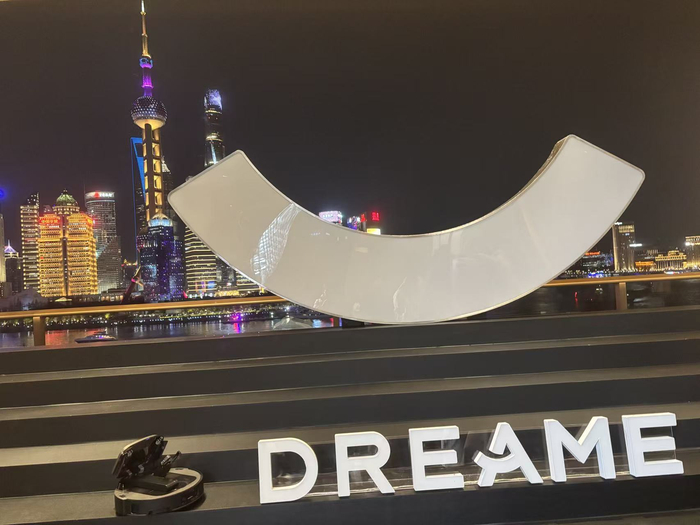
杉川能把iRobot救活吗?
3 6 Ke· 2025-12-19 06:23
Core Viewpoint - The potential acquisition of iRobot by Sugawa involves the forgiveness of over $350 million in debt, but the deal is still in the preliminary stages and subject to legal compliance reviews. iRobot's CEO emphasizes maintaining the Roomba brand and operational functions in the U.S. to distinguish from other Chinese companies, while also addressing data management concerns related to user privacy and compliance risks [1][2]. Group 1: Acquisition Details - Sugawa's acquisition of iRobot is contingent upon addressing data security issues, particularly due to iRobot's past involvement in military applications and the sensitivity of user data [2]. - iRobot's CEO has stated that the company will retain its brand and sales structure while ensuring that data will not be stored on servers in China, indicating a focus on compliance with local regulations [2][3]. - The acquisition is seen as a necessary step for Sugawa to manage its debt, but there are concerns about whether it will enhance operational competitiveness given past challenges faced by the Sugawa+iRobot model [1][2]. Group 2: Financial Implications - iRobot relies heavily on Sugawa as its sole contract manufacturer, with significant operational dependence highlighted in a filing to the U.S. Securities and Exchange Commission [7]. - Sugawa's production capacity for robotic vacuums exceeds 8.5 million units, with iRobot accounting for over 17% of this capacity, making it a critical customer for Sugawa [8]. - iRobot owes Sugawa over $350 million, which constitutes more than 70% of its total liabilities, raising concerns about the financial implications if iRobot were to declare bankruptcy [8][9]. Group 3: Strategic Benefits - The acquisition could provide Sugawa with access to over 2,000 patents held by iRobot, which are crucial for competitive advantage in the robotics industry [11][13]. - Sugawa aims to leverage iRobot's established brand and distribution channels to enhance its market presence, particularly in North America and Europe, where iRobot has a strong foothold [14][15]. - The integration of Sugawa's manufacturing capabilities with iRobot's brand and technology could potentially lead to significant operational synergies and market expansion [13][17]. Group 4: Market Position and Challenges - iRobot's market share has significantly declined, with its global share dropping to 7.9% by the third quarter of 2023, indicating a need for strategic repositioning [16]. - The challenge lies in merging the high-end brand image of iRobot with Sugawa's cost-efficient manufacturing approach, which requires careful management to ensure a successful integration [17][18]. - Cultural integration between the U.S. and Chinese corporate environments, along with retaining key talent from iRobot, will be critical for the success of the acquisition [17][18].