SpaceX

Search documents
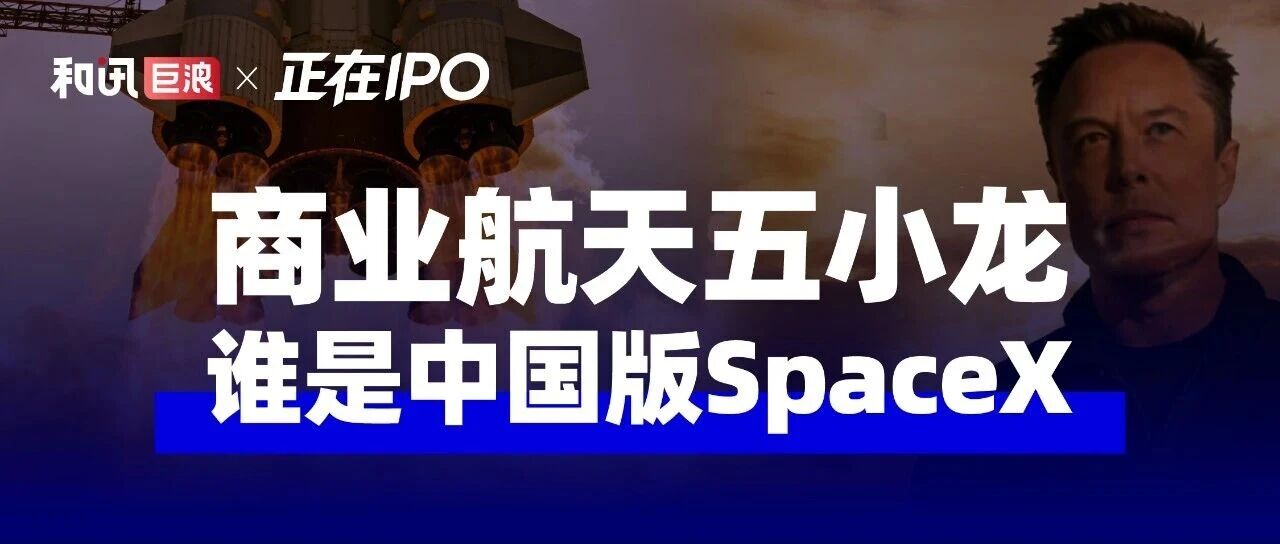
商业航天五小龙,谁会成为中国版SpaceX?
和讯· 2026-03-24 08:55
Core Viewpoint - SpaceX's valuation is approaching $1.8 trillion, significantly outpacing China's five private rocket companies, which collectively exceed 100 billion RMB, highlighting a stark disparity in the commercial space industry [1][2]. Group 1: Challenges in the Rocket Business - The commercial space industry faces three major challenges: high cash burn rates, technological bottlenecks, and capital market perceptions [3][5]. - For instance, Blue Arrow Aerospace reported revenue of 36.43 million RMB in the first half of 2025, but incurred a net loss of 635 million RMB, with R&D expenses alone consuming 360 million RMB, nearly ten times its revenue [4]. Group 2: SpaceX's Success Factors - SpaceX's success is attributed to its ability to create a profitable ecosystem through its Starlink satellite service, which is projected to generate $15.6 billion in revenue by 2026, significantly contributing to its valuation [13]. - The company has also innovated in cost reduction, achieving a marginal launch cost of approximately $15 million through complete rocket reuse, which allows for a gross margin of around 68% after five missions [14]. Group 3: China's Five Dragons' Potential - The five private rocket companies in China, referred to as the "Five Dragons," have a combined valuation that is only 0.8% of SpaceX's, indicating a need for significant advancements to close this gap [2][9]. - These companies are focusing on developing reusable liquid rockets, with Blue Arrow aiming for a launch cost below 20,000 RMB per kilogram, which is one-fifth of traditional rocket costs [16]. Group 4: Market Dynamics and Future Outlook - The Chinese market is characterized by a clear demand for satellite launches, with government projects like the "National Network Constellation" and "Thousand Sails Constellation" expected to create a launch market worth approximately 26.8 billion RMB by 2026 [9]. - The unique advantages of China's supply chain may allow for competitive pricing, with costs potentially decreasing by 50% in the next 3-5 years as reusable technology matures [16][17]. Group 5: Competitive Landscape - The competition among China's private rocket companies is not just about speed but also about who can establish a sustainable business model akin to SpaceX's [18]. - Each company has its unique strengths, such as Blue Arrow's full control over the production chain, Tianbing's use of 3D printing technology, and Zhongke Aerospace's deep technical expertise [19].

2026年建筑春季投资策略:寻找科技产业链中高价值/高通胀/高壁垒环节的高弹性引领者
GUOTAI HAITONG SECURITIES· 2026-03-24 08:27
Investment Rating - The report provides a positive investment rating for the AI industry, indicating strong growth potential and opportunities for investment [12][28]. Core Insights - The AI industry is projected to grow significantly, with an expected market size of 1.2 trillion by 2030, reflecting a compound annual growth rate (CAGR) of 19% from 2026 [5][12]. - The report highlights the increasing demand for AI chips, servers, and related infrastructure, driven by advancements in AI applications across various sectors such as finance, telecommunications, and healthcare [6][20]. - The integration of AI technologies in industries like autonomous driving, smart logistics, and entertainment is expected to enhance operational efficiencies and create new revenue streams [6][20]. Summary by Sections Industry Overview - The AI industry is characterized by a robust supply chain, including upstream components like AI chips and servers, midstream infrastructure such as data centers, and downstream applications across multiple sectors [6][20]. - The report emphasizes the importance of IT infrastructure and cooling systems in supporting AI operations, which are critical for maintaining performance and efficiency [6]. Market Trends - The AI market is witnessing a shift towards more energy-efficient solutions, with a focus on reducing power consumption in AI operations, projected to decrease from 8 kW to 5 kW by 2026 [5][12]. - The report notes a significant increase in the adoption of AI technologies, with IDC services expected to grow by 149.1% by 2025, indicating a strong market demand [12]. Financial Projections - The report forecasts substantial revenue growth for key players in the AI sector, with some companies expected to achieve net profit margins exceeding 30% by 2025 [12][28]. - Specific companies within the AI industry are highlighted for their strong financial performance, with projected revenues reaching billions, showcasing the lucrative nature of the market [12][28].
2 High-Flying Space Stocks Are Expected to Plunge Up to 56% in 2026, According to Select Wall Street Analysts
The Motley Fool· 2026-03-24 08:06
Industry Overview - The space economy is projected to grow from $630 billion in 2023 to approximately $1.8 trillion by 2035, indicating a significant investment opportunity [1] - Retail investors are increasingly interested in space stocks, with AST SpaceMobile and Intuitive Machines being particularly popular [2] AST SpaceMobile - AST SpaceMobile's shares have seen a dramatic increase of 3,070% over the past two years, but analysts predict a potential downside of 56%, with a lowered price target of $41.20 from Scotiabank [2][4] - The company offers a competitive advantage with its BlueBird satellites that are compatible with existing smartphone technology and has partnerships with over 50 mobile network operators globally [5] - AST SpaceMobile's valuation is contingent on timely and cost-effective satellite launches, with inflationary pressures previously increasing cost estimates and delaying launch dates [9] Intuitive Machines - Intuitive Machines has experienced a share price increase of 256% over the last two years, but analysts forecast a potential decline of 50%, with a price target of $9.50 from Bank of America Securities [2][10] - The company secured a Near Space Network contract with NASA, potentially worth up to $4.82 billion, which has bolstered investor interest [12] - Despite government contracts, Intuitive Machines faces challenges as an early-stage company with a net loss of $83.3 million and cash burn of $14.3 million last year, raising concerns about its financial stability [13][14]



马斯克自建全球最大芯片厂,要把80%算力送上太空
21世纪经济报道· 2026-03-24 04:55
Core Viewpoint - Tesla, in collaboration with SpaceX and xAI, announced the TeraFab project aimed at achieving an annual production capacity of 1 terawatt (1 trillion watts) of AI computing power, establishing the world's largest chip manufacturing facility [1][4]. Group 1: TeraFab Overview - TeraFab will be a vertically integrated chip factory covering the entire process from chip design to manufacturing, packaging, and testing [1][4]. - The factory is planned to be located in Austin, Texas, and will focus on advanced 2nm process technology [4][5]. - TeraFab aims to produce 100 billion to 200 billion AI and storage chips annually, with the first mass-produced chip, AI5, expected to launch in 2027 [5]. Group 2: Production and Applications - 20% of TeraFab's chip production will be allocated for Tesla vehicles and the Optimus robot, while 80% will support large-scale computing clusters in space [5]. - The first space computing chip, named D3, will be designed for space environments, featuring radiation protection and unique thermal management strategies [4][5]. Group 3: Challenges and Industry Perspectives - The feasibility of TeraFab is questioned due to the high investment required (estimated between $20 billion and $40 billion) and the long construction timeline of 3 to 5 years [8][9]. - Analysts highlight the challenges of building an advanced chip manufacturing facility, emphasizing the need for decades of engineering and technological expertise [8][9]. - The project is seen as a potential reversal of the semiconductor industry's trend towards specialization, consolidating various processes under one roof [11].

深度|木头姐:Robotaxi五年内主导特斯拉盈利,Optimus将于28年达到人类水平,接力下一个十万亿市场
Z Potentials· 2026-03-24 03:40
Core Insights - ARK Investment Management focuses on disruptive innovation, with a strong emphasis on sectors like AI, robotics, gene editing, blockchain, and autonomous driving [3][4] - The current market sentiment is characterized by significant concerns, particularly regarding geopolitical tensions and economic conditions, which may present both challenges and opportunities for investors [4][6][7] Market Trends - The rise of low-cost autonomous solutions in defense, driven by the Ukraine conflict, is leading to the emergence of venture-backed defense companies [5][12] - Tesla's Robotaxi is expected to dominate its overall story and valuation logic in the next five years, potentially generating substantial cash flow per vehicle [5][14] - The oncology sector is poised for growth as more diagnostic tests gain commercial reimbursement, enhancing pricing power for related companies [5][26] AI and Technology - OpenAI and Anthropic are leading in the AI space, with OpenAI's annual revenue estimated at $25 billion and Anthropic's rapidly growing to $19 billion [19] - Microsoft is lagging in the AI competition, with its productivity applications growing at a low double-digit rate compared to the explosive growth of AI companies [20][21] - The integration of AI with multi-omics is accelerating the commercialization of gene therapies, driven by advancements in AI and regulatory support [24][30] Gene Therapy and Biotech - The market for gene therapies is expanding, with CRISPR Therapeutics showing significant potential in treating common diseases, with a projected total addressable market of $2.8 trillion [35] - Regulatory changes are facilitating the development of innovative therapies, with the FDA streamlining approval processes for rare diseases [31] - The increasing reimbursement for gene therapies is expected to drive market growth, as seen with the CRISPR therapy CasGevi achieving a 90% reimbursement rate for eligible patients [32] Bitcoin and Cryptocurrency - Bitcoin has experienced a significant pullback of approximately 52% since its peak last October, but there are positive signals from regulatory developments and technical analysis indicating a potential rebound [38][39] - The Clarity Act is anticipated to drive new demand for Bitcoin, with regulatory clarity expected to emerge in 2026 [38] - On-chain data suggests a bullish sentiment in the market, with indicators showing a favorable supply-demand balance [39][40]

库克称中国是苹果全球供应链最主要基地;全国首个万吨级光伏制氢项目完成首车充装丨智能制造日报
创业邦· 2026-03-24 03:13
Group 1 - Apple's CEO Tim Cook emphasized that China remains the most important base for Apple's global supply chain, with 80 out of the top 100 core suppliers located in China [2] - The first large-scale photovoltaic hydrogen production project in China has completed its initial hydrogen filling task, achieving a filling volume of 423 kilograms with a purity of 99.999%, marking a new phase in large-scale hydrogen production [2] - Russia's Progress MS-33 cargo spacecraft experienced a malfunction with its antenna, requiring manual control by astronauts on the International Space Station for docking [3] Group 2 - Elon Musk stated that the Terafab facility will consist of two wafer fabs, requiring thousands of acres of land and over 10 gigawatts of power, indicating a significant scale for future chip production [3]


Elon Musk Unwraps $25 Billion Terafab Chip-Building Project
CNET· 2026-03-24 01:40
Core Viewpoint - Elon Musk announced a partnership between Tesla, SpaceX, and xAI to establish a $25 billion semiconductor manufacturing facility named Terafab in Austin, Texas, which aims to address the current chip shortage and potentially become the largest semiconductor plant globally [1] Group 1: Project Overview - The Terafab project is intended to alleviate the semiconductor supply issues by producing chips at a scale of billions, targeting a 2-nanometer process [5] - If realized, Terafab would be the most expensive semiconductor manufacturing facility, significantly enhancing the onshore chip-making infrastructure in the US [3] Group 2: Industry Context - The CHIPS Act of 2022 has led to increased investments in semiconductor facilities in the US, with companies like Nvidia already manufacturing chips in Arizona [2] - Despite the CHIPS Act funding several projects, the establishment of new semiconductor fabs in the US has been slow, highlighting the urgency for projects like Terafab [3] Group 3: Technological Ambitions - The Terafab facility aims to produce chips that will power various technologies, including AI robotics and self-driving cars, with specific chips like AI5, AI6, and D3 being developed for terrestrial and orbital applications [4] - The ambition of the Terafab project aligns with similar goals announced by Nvidia to create orbital AI data centers, indicating a broader trend in the industry towards advanced semiconductor capabilities [4]

Dow Jones Futures: Trump's Iran Comments Spark Stock Market Rally; Micron, Nvidia, Palantir, Tesla Are Big Movers
Investors· 2026-03-24 01:09
Nvidia stock bounced 1.7%, snapping a four-day losing streak. But shares were unable to regain their 200-day line, a resistance level to watch. Palantir stock jumped nearly 7%, hitting its highest level since March 6. Shares are looking to retake their 200-day line for the first time since late January. Dow Jones Futures: Trump's Iran Comments Spark Stock Market Rally | Investor's Business Daily BREAKING: Futures Rise, Oil Prices Fall On Iran Deal Hopes Futures for the Dow Jones Industrial Average and other ...

国内对成品油价进行调控,全球股债遭遇黑色星期一 | 财经日日评
吴晓波频道· 2026-03-24 01:01
Group 1: Oil Price Regulation in China - The National Development and Reform Commission announced temporary measures to regulate domestic refined oil prices due to significant increases in international oil prices caused by escalating conflicts in the Middle East [2] - As of March 23, the domestic gasoline and diesel prices were adjusted down by 1160 RMB and 1115 RMB per ton, respectively, which translates to a reduction of approximately 0.85 RMB per liter for consumers [2] - This is the first price regulation since the current pricing mechanism was implemented in 2013, aimed at alleviating the burden on downstream users and ensuring economic stability [2] Group 2: Trade Growth in Yiwu - Yiwu's total import and export value reached 1735.6 billion RMB in the first two months of the year, marking a 52.8% increase year-on-year [4] - Exports accounted for 1547.2 billion RMB, growing by 52.9%, while imports were 188.4 billion RMB, up by 52.6% [4] - The growth in trade is attributed to a surge in orders before the Spring Festival, with high-value electromechanical products seeing a 54.8% increase in exports [5] Group 3: Zijin Mining's Acquisition of Chifeng Gold - Zijin Mining announced a share transfer agreement with Chifeng Gold, involving the sale of 242 million A-shares for a total of 100.06 billion RMB [6] - Following the transaction, Zijin Mining will hold approximately 25.85% of Chifeng Gold's expanded share capital, making it the largest shareholder [6] - The deal reflects a strategic move as the gold market remains volatile, with Zijin Mining expected to play a significant role in Chifeng Gold's future development [7] Group 4: Musk's Chip Factory Announcement - Elon Musk announced the launch of a massive chip manufacturing project named TERAFAB, aiming for an annual production capacity of 1 terawatt, which is 50 times the current global chip production capacity [8] - The project will primarily support space missions, with a significant portion of the output dedicated to AI applications [8] - The ambitious scale and integration of design, production, and testing processes raise questions about the project's feasibility and potential challenges in execution [9] Group 5: Domestic AI Model Usage - Domestic AI model usage has surpassed that of U.S. models for three consecutive weeks, with a total calling volume of 7.359 trillion tokens, a 56.9% increase from the previous week [10] - The top five models in usage include several from Chinese companies, indicating a growing trend in the adoption of domestic AI technologies [10] - The cost-effectiveness of Chinese AI models, often significantly lower than their U.S. counterparts, is driving their increased usage [11] Group 6: Texas Natural Gas Price Drop - The spot price of natural gas in Texas has fallen to -9.75 USD per million British thermal units, with predictions of further declines due to pipeline capacity issues [12] - Increased oil production in response to geopolitical tensions has led to an oversupply of natural gas, which cannot be transported effectively, resulting in negative pricing [12] - The situation highlights the challenges in energy transportation and the impact of geopolitical events on local markets [13] Group 7: Global Market Reactions - Global stock, bond, and gold markets experienced significant declines as tensions in the Middle East escalated, with major indices dropping sharply [14] - The prolonged conflict has led to rising inflation expectations, prompting concerns about potential interest rate hikes by central banks [15] - The current geopolitical climate is causing a reevaluation of asset allocations, particularly in gold, as central banks reassess their reserves amid energy price volatility [15] Group 8: Chinese Market Stability - Despite global market turmoil, the Chinese market has not yet experienced significant adverse effects, with trading volumes remaining robust [16] - However, there are concerns about liquidity risks as the proportion of active trading funds appears insufficient to support the current market levels [17]

Elon Musk Reveals TERAFAB: The Future of AI in Space
Youtube· 2026-03-24 00:51
Core Concept - The announcement outlines an ambitious vision for humanity to become a multi-planetary species, with plans for cities on the Moon and Mars, and the capability to travel to other star systems [1][2]. Group 1: Project Overview - The project aims to harness solar power and achieve a terawatt of compute power, requiring collaboration between SpaceX, XAI, and Tesla [3][6]. - The Starship V3 rocket will be capable of carrying 100 tons to orbit, with future versions expected to increase this capacity to 200 tons [4]. - The goal is to achieve 10 million tons to orbit per year, which is essential for the terawatt project [5][6]. Group 2: Technological Development - Current AI compute output is approximately 20 gigawatts per year, with existing fabs on Earth only meeting 2% of the project's needs [6][7]. - An advanced technology fab in Austin will facilitate rapid chip design and production, enabling a fast iteration loop for improvements [7]. - The project will explore new physics in computing, aiming to develop chips optimized for both terrestrial and space applications [8][9]. Group 3: Market Potential - Humanoid robot production is expected to significantly exceed vehicle production, with estimates ranging from 1 billion to 10 billion units annually [10]. - The cost of deploying AI in space is projected to drop below that of terrestrial AI within 2 to 3 years, due to the advantages of solar power in space [12]. - The use of an electromagnetic mass driver on the Moon could enable the creation of a petawatt of compute power, drastically reducing costs and expanding capabilities [13]. Group 4: Future Vision - The long-term vision includes traveling beyond Mars to destinations like Saturn, with the potential for affordable space travel [14].