
傅利叶

Search documents
CES上,中国机器人军团想掏空海外买家的口袋
3 6 Ke· 2026-01-08 03:07
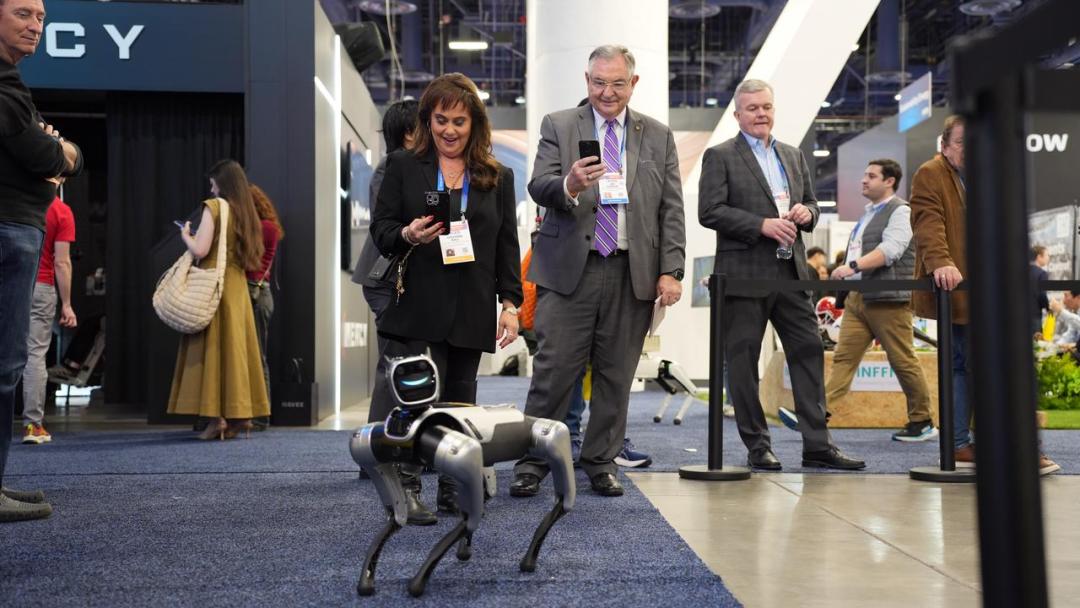
Core Insights - The 2026 CES showcased a significant presence of approximately 20 Chinese humanoid robot companies, surpassing the total from the US, Japan, South Korea, Germany, and the UK combined [1][2] - Chinese robot manufacturers aim to establish their brands and secure sales during the event, reflecting a matured industry with developed products and sufficient funding [2][5] Group 1: Participation and Goals - Many Chinese companies, including Fourier and Magic Atom, participated for the first time, highlighting a collective effort to impress international audiences with their humanoid robots [2][5] - The primary goal for these manufacturers is to sell their products overseas, with a focus on establishing trust with potential clients before product demonstrations [6][11] Group 2: Market Dynamics - Chinese manufacturers possess a significant advantage in robot manufacturing capabilities, leading to increased curiosity and purchasing interest from US clients [9][11] - The differences in market focus between China and the US are evident, with Chinese audiences more interested in practical applications, while US audiences are still exploring the novelty of the products [13][17] Group 3: Brand Exposure and Challenges - Brand exposure is crucial for Chinese manufacturers, as gaining recognition in the North American market is seen as a stepping stone for further expansion [19][21] - The high costs associated with participating in CES, including booth fees and logistics, pose significant challenges for these companies [23][25][26] Group 4: Preparation and Logistics - The preparation for CES is extensive, requiring early booking and significant financial investment, with transportation costs for humanoid robots being particularly high [25][26] - The time required for preparation and the logistical challenges faced by Chinese companies highlight a disparity between their rapid development pace and the slower pace of overseas event preparations [26][27]


AI应用潮席卷CES 中国产业链竞技“落地赛”
Shang Hai Zheng Quan Bao· 2026-01-07 17:53
Core Insights - The CES 2026 showcases China's advancements in AI hardware and robotics, highlighting the industry's shift towards practical applications and increased collaboration opportunities [1][2] Group 1: AI Hardware and Robotics - Over 20 Chinese humanoid robot companies participated in CES 2026, demonstrating a wide range of technologies and applications, including the launch of the Genie Sim 3.0 simulation platform by AGIBOT and the introduction of the Care-bot GR-3 by Fourier [2] - The event has alleviated concerns about a bubble in the humanoid robotics sector, indicating a trend towards more practical and consumer-oriented products [2] - AI hardware is evolving towards more specialized and practical applications, with AI toys and health-monitoring devices gaining traction [2] Group 2: Strategic Collaborations - Google and Chinese AR company XREAL announced a long-term strategic partnership to promote the Android XR ecosystem for AR glasses, emphasizing the importance of collaboration in the industry [4][5] - XREAL has previously signed strategic agreements with companies like Longqi Technology and Jingsheng Mechanical and Electrical to enhance the AI/AR supply chain [5] - Hesai Technology plans to double its annual production capacity of LiDAR from 2 million units in 2025 to 4 million units in 2026 to meet the growing demand in robotics [5] Group 3: Industry Trends and Innovations - The integration of AI technology in various applications, such as smart charging and smart home solutions, is accelerating, with notable innovations like the AI charging robot showcased by Daotong Technology [3] - The display industry is also evolving, with TCL and Hisense presenting new Mini LED display technologies at the event, indicating a trend towards advanced display solutions [5]
中国机器人“包围”CES 2026
Bei Jing Shang Bao· 2026-01-07 11:57
Core Insights - The computer industry is undergoing a "platform reset" that occurs every 10-15 years, with a significant focus on physical AI and the upcoming "ChatGPT moment" [1] - Chinese robotics companies showcased a complete supply chain at CES, with over 30 exhibitors demonstrating various robotic technologies [1][3] Industry Developments - This year's CES marks the most comprehensive collective appearance of Chinese robotics, featuring companies like Yuzhu, Galaxy General, and others, showcasing innovations from humanoid robots to AI-driven solutions [3][5] - The presence of new companies and technologies, such as the TORA-ONE robot from Pasini, highlights the advancements in tactile interaction and embodied intelligence [4][5] Market Engagement - Orders were received on the first day of CES, indicating strong market interest and the effectiveness of showcasing products on a global stage [6] - Companies like Songyan Power are shifting from product display to commercial implementation, targeting key markets in North America, the Middle East, Europe, and Southeast Asia [8] Competitive Landscape - The shift in audience at CES indicates a growing professionalism among attendees, with major enterprises showing interest in robotic solutions [10] - Chinese firms are aware of the competitive landscape and the need for rapid development and market capture to maintain their leading position in humanoid robotics [10][12] Strategic Initiatives - Companies are establishing flexible overseas inquiry and production systems to meet international market demands while ensuring adequate after-sales service [12] - The advancements in robotics and AI infrastructure by companies like NVIDIA complement the efforts of Chinese firms, which are actively developing market-ready solutions [12]
它2026有望迎来量产元年
摩尔投研精选· 2026-01-07 10:52
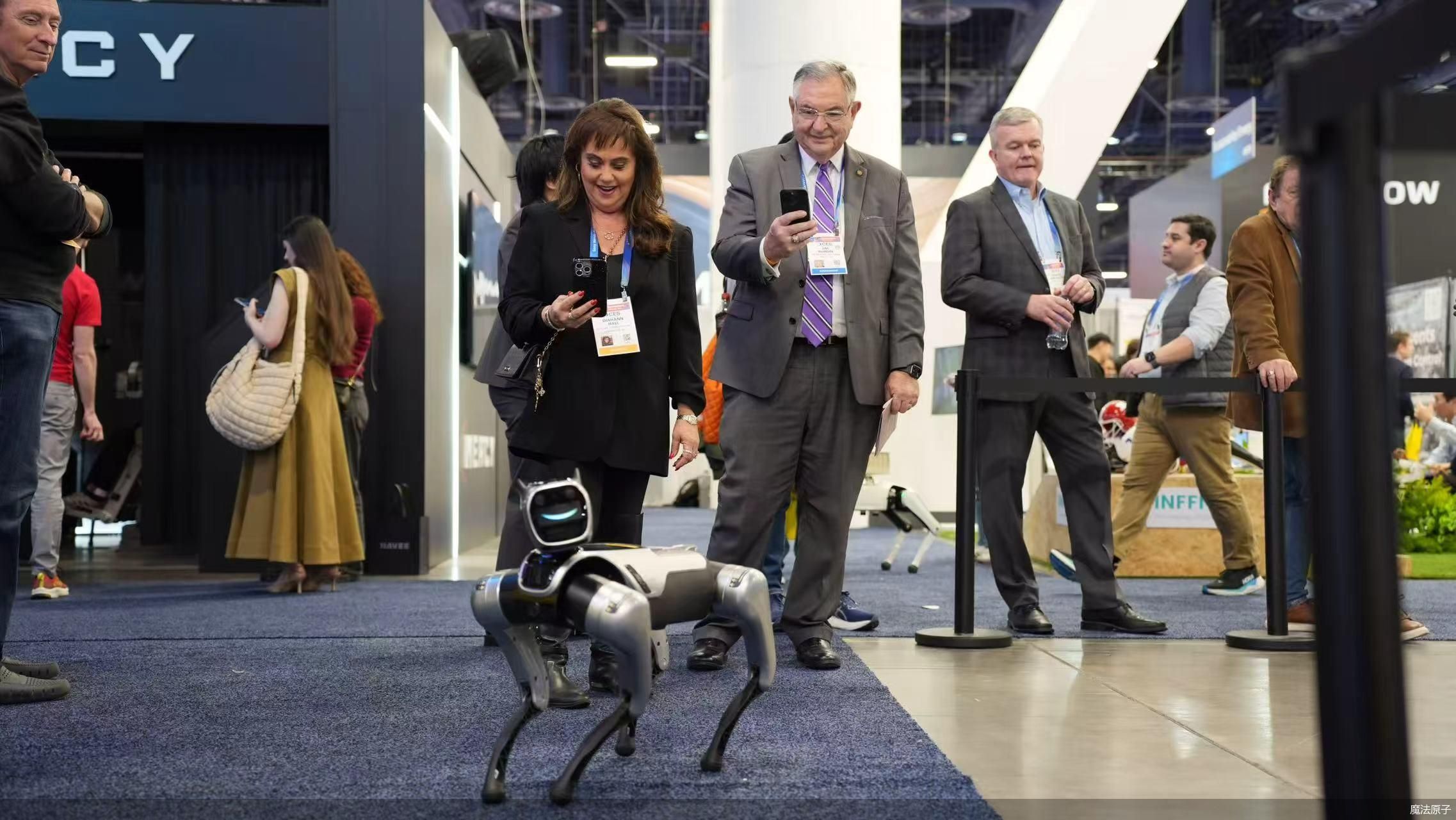
Group 1: AI Industry Investment Stage - The current AI industry is in a critical investment phase, with historical patterns indicating that during the valuation expansion period, high valuation ranges are sensitive to liquidity changes. The core driver during the profit-driven phase is performance exceeding expectations, with leading companies' stock prices peaking at valuation levels of approximately 30-40 times over the next three years. Caution is advised regarding intensified industry competition and the risk of overcapacity [1] Group 2: Current AI Market Conditions - Overseas computing power is in a profit-driven phase, with leading companies' forward P/E ratios between 20-30 times, indicating a reasonable valuation level and a lack of bubble conditions. Performance upgrades are the key driver for future stock price increases [2] - Domestic computing power is in a valuation expansion phase, but the risk premium is approaching a low-cost performance ratio. The next market rally may depend on performance realization driven by increased penetration rates [2] - AI applications are also in a valuation expansion phase, with relatively high valuation attractiveness measured by risk premiums. However, investment challenges arise from the unpredictability of when and in which fields blockbuster applications will emerge. Hong Kong-listed internet platform companies are expected to benefit, while the A-share media industry is highlighted as particularly noteworthy [2] Group 3: TPU Market Potential - Thermoplastic polyurethane (TPU) is expected to enter a mass production year by 2026, with its superior mechanical properties and plasticity making it a core material choice for flexible protective layers in humanoid robots. Leading manufacturers are actively exploring TPU applications in robot "skin" and "muscle" [3] - The collaboration between Fourier and Basf in August 2025 to jointly develop engineering plastics and TPU for robotics marks an acceleration in the penetration of polymer materials in embodied intelligence [4] - Driven by the expansion of demand in shoe materials and films, along with stricter environmental policies and manufacturing upgrades, China's TPU consumption is projected to grow at an annual rate of approximately 10% from 2019 to 2024, reaching 720,000 tons by 2024. Currently, nearly 30% of demand comes from the shoe material market, but TPU's penetration in high-end fields such as films and electronic injection molding is continuously increasing [4]

张江打工人 2025 生存实录:咖啡从现磨到挂耳,A 股从腰斩到翻红,2026 的春天藏在这 3 个信号里
Sou Hu Cai Jing· 2026-01-07 08:12
Group 1: Economic Trends - The consumption market is experiencing a structural divide, with significant increases in home appliance sales driven by "trade-in" policies, while clothing sales are struggling with only a 4.9% growth rate [4] - The Shanghai government has introduced subsidies for office equipment for tech companies, leading to a surge in upgrades among employees [1] - The international gold price has risen by 18% over the year, prompting a shift in investment focus from mutual funds to gold ETFs among employees [5] Group 2: Technological Advancements - Shanghai Superconductor's new facility has increased its production capacity from 100 kilometers to 15,000 kilometers annually, showcasing rapid advancements in technology [4] - The AI model developed by a local company is set to enhance productivity by automating tasks such as meeting minutes and code optimization, indicating a strong potential for growth in the tech sector [7] Group 3: Policy and Investment Climate - The Federal Reserve's decision to lower interest rates by 108 basis points has led to a significant increase in foreign investment in A-shares, with a reported doubling of foreign account opening requests [8] - The Shanghai government is optimizing the tech innovation ecosystem, with expedited processes for company relocations and extended tax relief for small businesses [8] Group 4: Consumer Behavior - There is a noticeable shift in consumer spending habits, with a decline in discretionary spending on items like coffee, while essential goods such as food have seen moderate price increases [1] - The trend of community group buying for affordable fruits has emerged as a cost-saving strategy among consumers [1]

超千家中国企业参展CES 傲鲨消费级外骨骼斩获“创新奖”
Zhong Guo Jing Ying Bao· 2026-01-07 06:50
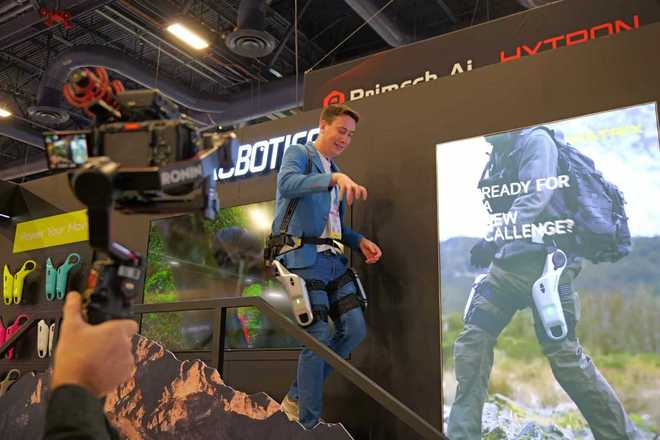
Group 1 - The International Consumer Electronics Show (CES) will be held in Las Vegas from January 6 to 9, 2026, featuring at least 3,300 exhibitors from 56 countries and regions, with Chinese exhibitors numbering around 1,062, accounting for over 32% of the total [1] - Notably, nearly all Chinese robotics companies are participating, including prominent humanoid robot firms and companies specializing in exoskeletons and industrial manufacturing [1] - The Chinese exoskeleton robot company Aoshah is making its third appearance at CES, showcasing its consumer-grade product VIATRIX, which won a CES Innovation Award [1] Group 2 - Aoshah's VIATRIX features innovative design elements such as a Float360 floating hip joint structure and self-developed automotive-grade motors, which have contributed to its market appeal [3] - The product has received positive feedback from international users, who found it helpful for activities like climbing stairs and running, and noted its aesthetic appeal [3] - Founded in 2018, Aoshah has transitioned from industrial applications of exoskeletons to the consumer market, significantly reducing the price of its products to below 10,000 yuan, making them comparable to smartphone prices [3]
中国机器人“刷屏”CES
Di Yi Cai Jing Zi Xun· 2026-01-07 06:02
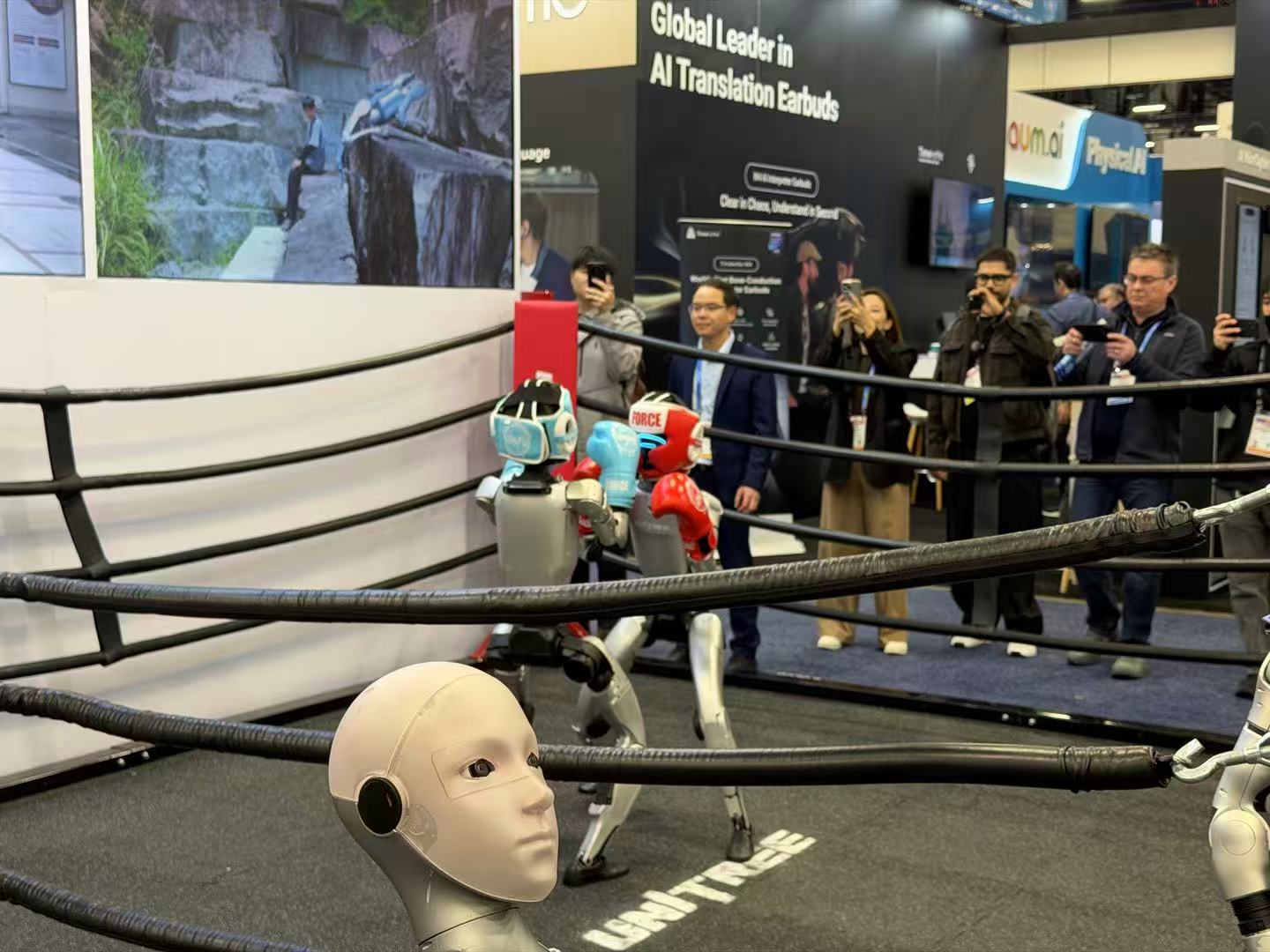
Core Insights - The CES 2026 in Las Vegas showcased a strong presence of Chinese humanoid robotics companies, indicating a shift from laboratory innovations to real-world applications [2][3] - The event highlighted the increasing popularity and competitiveness of Chinese robotics in the global market, with many companies making their debut at CES [3][6] Group 1: Company Highlights - Unitree Technology's booth attracted significant attention with a robot fighting demonstration, showcasing the capabilities of their G1 humanoid robots [3][5] - The debut of ZhiYuan Robotics featured a dancing humanoid robot, which captivated foreign audiences and emphasized China's innovative edge in robotics [6] - Fourier's "Care-bot" concept prototype aims to explore emotional companionship through a lightweight design, targeting over 2,000 medical institutions globally [10][11] Group 2: Market Trends - The event saw a notable focus on consumer-oriented (C-end) products, with companies like VITAPOWER introducing interactive four-legged robots that can autonomously follow users [10][15] - Magic Atom reported that over 60% of its revenue comes from overseas, highlighting the global demand for their robots, including the MagicBot Gen1 for industrial applications [15] - Companies are leveraging CES for brand exposure and to secure overseas orders, aiming to establish a foothold in international markets [15]
中国机器人“刷屏”CES
第一财经· 2026-01-07 05:49
Core Viewpoint - The article highlights the significant presence and impact of Chinese humanoid robotics companies at CES 2026, showcasing their advancements and market readiness, indicating a shift from laboratory innovations to real-world applications [3][4]. Group 1: Event Highlights - At CES 2026, various Chinese embodied intelligence companies, including Unitree, Galaxy General, and Fourier, attracted considerable attention, with many participating for the first time [5][7]. - Unitree's booth featured a robot fighting competition that captivated the audience, demonstrating the engaging capabilities of their humanoid robots [5][7]. - The event showcased a variety of robots, including those performing synchronized exercises and demonstrating dexterity, such as a robot from Singapore that could pick up a lightweight flyer [7][8]. Group 2: Product Innovations - Fourier introduced a desktop "Care-bot" concept aimed at providing emotional companionship, designed for customization and interaction [13]. - Vitas Power's four-legged robot, Bobo, drew crowds with its interactive features and capabilities, including a maximum speed of 13.3 km/h and a load capacity of 12 kg [15]. - Magic Atom reported that over 60% of its revenue came from overseas in 2025, highlighting the global demand for their robots, including the MagicBot Gen1, which has been successfully implemented in industrial settings [17]. Group 3: Market Strategy - Many participating companies aimed to enhance brand visibility and secure overseas orders, focusing on expanding their presence in key markets such as North America, Europe, and the Middle East [17]. - Companies like Songyan Power are targeting significant market expansion, with plans to achieve a scale of a thousand units in the second quarter of the year [17].
拳脚、舞步与订单,中国机器人“刷屏”CES
Di Yi Cai Jing· 2026-01-07 05:12
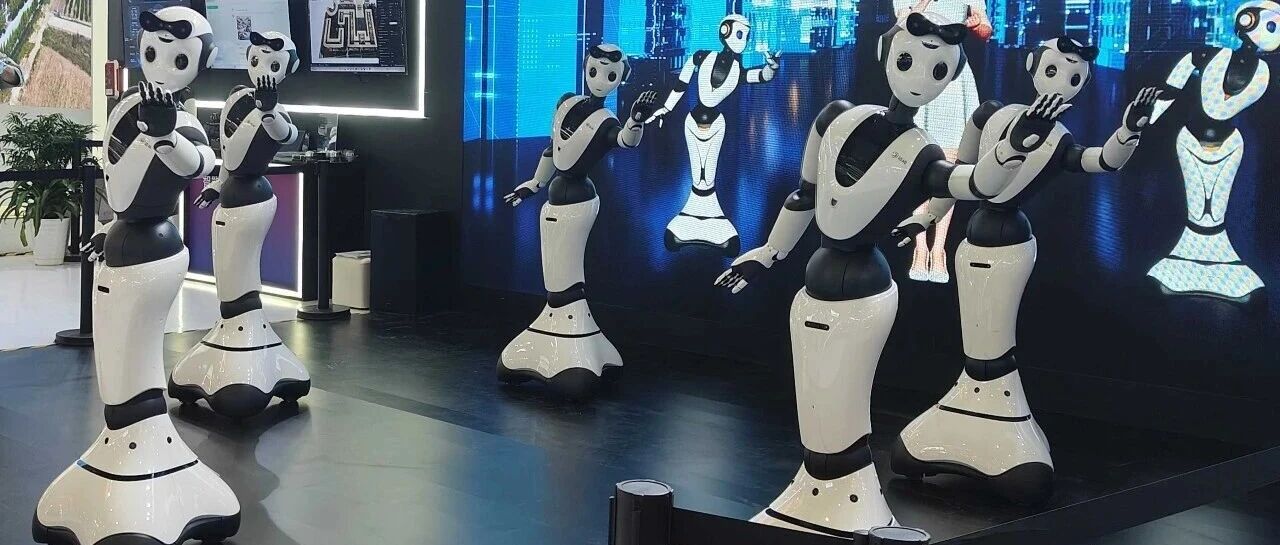
Core Insights - Chinese humanoid robots are gaining significant attention at CES 2026, showcasing advancements from laboratory concepts to real-world applications [1][2] - The presence of numerous Chinese companies at CES highlights the growing influence of China's robotics industry on the global stage [2][5] Group 1: Company Highlights - Companies like Unitree, Galaxy General, and Fourier are among the prominent Chinese exhibitors, with many participating for the first time [2][4] - Unitree's G1 humanoid robot engaged in a fighting demonstration, attracting a large audience and showcasing its competitive pricing with the R1 robot priced at $4,900 [4] - The debut of ZhiYuan's humanoid robot, which performed a dance, captivated foreign attendees, indicating a strong interest in Chinese robotic innovations [5] Group 2: Market Trends - The CES event is increasingly focusing on consumer-oriented (C-end) robotics, with products like Fourier's "Care-bot" designed for emotional companionship [9] - The four-legged robot Bobo from Weita Power allows for interactive experiences and is set to launch globally in Q2 2026, targeting markets in North America, Europe, and the Middle East [11] - Magic Atom reported that over 60% of its revenue comes from overseas, emphasizing the importance of international markets for Chinese robotics companies [13] Group 3: Industry Insights - The robotics industry is recognized for its reliance on Chinese supply chains, even among foreign companies, highlighting China's critical role in hardware manufacturing [13] - Many exhibitors at CES aim to enhance brand visibility and secure overseas orders, indicating a strategic push for international market penetration [13]
直击CES:AI,加速影响物理世界
Zhong Guo Zheng Quan Bao· 2026-01-07 04:44
Group 1: AI Technology and Developments - AI has become the central theme at CES 2026, with discussions focusing on extending AI into the physical world [2][3] - NVIDIA's CEO Jensen Huang announced that the company's open-source physical AI model "Cosmos" has reached one million downloads, indicating a significant shift in AI capabilities [2] - AMD introduced several new AI products, including the MI455X GPU AI chip and Ryzen AI processors, with plans to launch the MI500 series chip in 2027, aiming for a 1000-fold increase in AI performance over the next four years [2] - Qualcomm's new high-performance robot processor, the Snapdragon IQ10 series, is designed for industrial autonomous mobile robots and advanced humanoid robots [2][3] Group 2: Robotics and Smart Products - The humanoid robot TORA-ONE showcased at CES 2026 demonstrates strong adaptability in new retail scenarios, featuring advanced tactile sensors with high precision and sampling rates [4] - Companies like 松延动力 are targeting key global markets for their products, aiming for significant overseas expansion in 2026 [5] - The exhibition highlighted various smart home products, including robotic lawn mowers and pool cleaning robots, indicating a growing market for AI-integrated home appliances [6] Group 3: Autonomous Driving - The maturity of technology is pushing L4-level autonomous driving into everyday life, with significant advancements in AI driving this trend [7] - Huang announced the Alpamayo R1, an open-source VLA inference model for assisted driving, suggesting that autonomous driving may become a mainstream application of physical AI [7]


