Lazada

Search documents
外籍人士“取经”浙江杭州 探跨境电商之道
Zhong Guo Xin Wen Wang· 2025-08-20 01:50
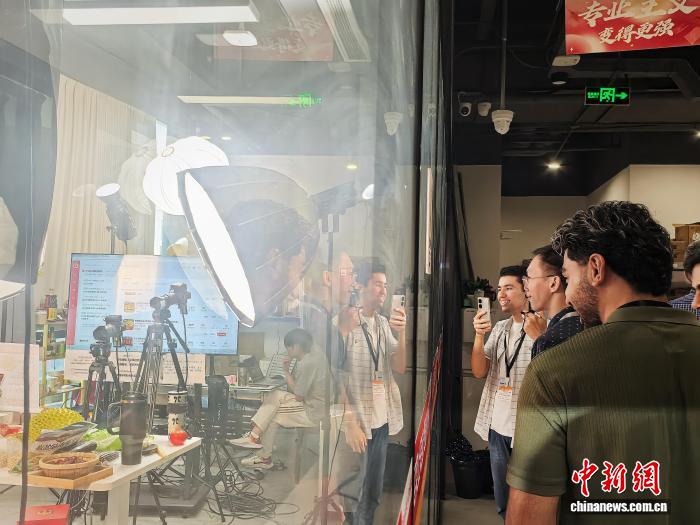
中新网杭州8月19日电(鲍梦妮 包熠妍)"中国的跨境电商公司从线上直播流中获取用户数据,并针对特定 (国家)市场更新产品,既利用了线下门店,又在线上创造了需求,让人大开眼界。"8月19日,来自尼泊 尔的普拉纳亚(Pranaya Rajbhandari)参观完一家跨境电商直播间后表示。 当日,第五届"一带一路"地方合作委员会跨境电商研修活动在浙江杭州举行,来自"一带一路"地方合作 委员会(BRLC)会员城市(机构)的40余位外籍人士走进阿里巴巴总部、Lazada官方直播间等,了解中国电 商生态与全球化路径。 "我想在这次研修活动中找到理想的商业模式。"普拉纳亚在尼泊尔经营一家线上支付公司。他坦言,近 年来,随着国际电商贸易蓬勃发展,他考虑整合电商业务,探索与中国公司合作开展跨境贸易的路径。 "主播为什么能带这么多货?""录播和直播的区别是什么?""电商直播的变现路径是什么?"互动答疑环 节,不少学员表现出将中国直播电商模式"复制"到自己国家的期望。 中国直播公司"天字直播"负责人陈晨在答疑之余提醒,中国直播电商的策略需要根据海外市场进行调 整。"中国直播卖货的核心首先是产品低价,其次是主播讲解带来的体验感。但我 ...

东南亚电商大爆发,中企纷纷落子布局
21世纪经济报道· 2025-08-16 03:56
Core Viewpoint - The Southeast Asian e-commerce market is experiencing explosive growth, with annual sales projected to increase from $4 billion in 2012 to $184 billion by 2024, attracting significant attention from Chinese companies [1][3]. Group 1: Market Growth and Opportunities - The e-commerce platforms in Southeast Asia, such as Lazada, are evolving with the support of Chinese companies like Alibaba, which provides funding and ecosystem integration [3]. - The demand for Chinese products in Southeast Asia is rising, driven by a young population and increasing internet penetration, with over 70% in most countries except Laos, Myanmar, and East Timor [6][7]. - Indonesia, Thailand, and Vietnam are noted for their significant e-commerce consumption growth, with a preference for visually appealing and high-repurchase products [6][7]. Group 2: E-commerce Strategies and Innovations - The rise of live streaming and short videos as new consumer entry points is reshaping shopping habits, with 75% of Southeast Asian consumers preferring products recommended by influencers [9][10]. - TikTok Shop is leveraging a dual model of "content + shelf," where personalized recommendations and real-time interactions drive sales [10][11]. - Chinese sellers, experienced in domestic e-commerce, are successfully applying their strategies in Southeast Asia, enhancing the content ecosystem on platforms like TikTok Shop [11]. Group 3: Infrastructure Development - The logistics and payment infrastructure in Southeast Asia is improving, with significant investments from Chinese logistics companies like Cainiao and SF Express [12][14]. - The electronic payment adoption rate has surpassed 50%, with mobile payments in Thailand projected to account for 55% of e-commerce transactions by 2024 [14][15]. - Despite advancements, challenges remain in payment adoption due to low credit card issuance and a preference for cash transactions among local consumers [15]. Group 4: Cross-Border Payment Solutions - Chinese payment service providers are capitalizing on the payment challenges in Southeast Asia, offering solutions that facilitate cross-border transactions and reduce costs [15]. - Successful collaborations, such as UnionPay's partnership with Laos' national payment network, highlight the potential for Chinese companies to enhance local payment ecosystems [15].


中企出海重塑东南亚电商
2 1 Shi Ji Jing Ji Bao Dao· 2025-08-15 23:10
Group 1: Market Growth and Trends - Southeast Asia's e-commerce market is experiencing explosive growth, with annual sales projected to rise from $4 billion in 2012 to $184 billion by 2024 [1] - The region has a population of nearly 700 million, with a significant proportion of young consumers, and internet penetration rates exceeding 70% in most countries [2] - Indonesia, Thailand, and Vietnam are leading in e-commerce consumption growth, with consumers favoring visually appealing and easily purchasable products [3] Group 2: Role of Chinese Companies - Chinese companies are increasingly collaborating with local e-commerce platforms to enhance shopping experiences and establish logistics and payment services [1][2] - The shift from "selling products" to "selling services" is evident as Chinese firms adapt to local market needs and preferences [1] - Chinese sellers leverage their supply chain advantages to become a dominant seller group on Southeast Asian e-commerce platforms [3] Group 3: Technological Advancements - Lazada is at the forefront of applying AI in Southeast Asia's e-commerce, enhancing user experience and operational efficiency through personalized recommendations [4] - The rise of live streaming and short videos as new consumer entry points is reshaping shopping behaviors in the region [5] - Approximately 75% of Southeast Asian consumers prefer products recommended by influencers, with TikTok being a primary channel for influencer marketing [6] Group 4: Infrastructure Development - The logistics landscape in Southeast Asia is evolving, with Chinese logistics companies establishing a presence to meet growing demand [8][9] - JD Logistics continues to focus on overseas warehouse services, significantly reducing shipping times for e-commerce [9] - Electronic payment adoption is increasing, with over 50% penetration in Southeast Asia, although cash transactions remain prevalent due to various barriers [10] Group 5: Payment Solutions - Companies like PingPong are addressing payment challenges in Southeast Asia by providing localized services and facilitating cross-border payments for e-commerce businesses [11] - The collaboration between Chinese payment service providers and local networks is enhancing payment infrastructure and efficiency in the region [11]
从“卖产品”到“搭基建”,中企出海重塑东南亚电商经济
2 1 Shi Ji Jing Ji Bao Dao· 2025-08-15 06:22
Core Insights - Southeast Asia's e-commerce market is experiencing explosive growth, with annual sales projected to rise from $4 billion in 2012 to $184 billion by 2024, attracting significant attention from Chinese companies [1] - Chinese enterprises are increasingly collaborating with local e-commerce platforms to enhance shopping experiences and establish logistics and cross-border payment services, contributing to the maturation of the regional e-commerce ecosystem [1][2] - The shift from "selling products" to "selling services" by Chinese companies in Southeast Asia is expected to reshape the e-commerce economic logic in the region [1] E-commerce Market Growth - The Southeast Asian e-commerce market is characterized by a young population and increasing internet penetration, with over 70% in most countries except Laos, Myanmar, and East Timor as of August 2022 [2] - Countries like Indonesia, Thailand, and Vietnam are witnessing the most significant growth in e-commerce consumption [3] Consumer Behavior - Southeast Asian consumers prefer visually appealing, low-decision, and high-repeat purchase products, such as beauty and personal care items, small appliances, and fashion accessories [3] - The rise of live streaming and short videos as new consumer entry points is evident, with 75% of consumers willing to purchase products recommended by influencers [6] Chinese Sellers' Advantages - Chinese cross-border e-commerce sellers leverage their supply chain advantages to become a dominant seller group in Southeast Asia, adapting their product selection strategies to local market demands [4] - Experienced Chinese sellers are successfully replicating their domestic e-commerce strategies in Southeast Asia, significantly boosting sales on platforms like TikTok Shop [7] Technological Advancements - E-commerce platforms in Southeast Asia benefit from technological upgrades, with Lazada being a pioneer in applying AI for personalized recommendations and operational efficiency [5] - The integration of content marketing and influencer live streaming is enhancing the content ecosystem in Southeast Asia [6] Logistics and Payment Infrastructure - The logistics landscape in Southeast Asia is evolving, with Chinese logistics companies establishing a presence to meet growing demand, improving delivery times significantly [8][9] - The electronic payment penetration in Southeast Asia has surpassed 50%, with mobile payments in Thailand projected to account for 55% of e-commerce transactions by 2024 [9][10] - Despite the growth in electronic payments, many consumers still prefer cash on delivery due to limited credit card issuance and a lack of trust in electronic payment systems [10] Cross-border Payment Solutions - Chinese payment service providers are capitalizing on the opportunity to address payment challenges in Southeast Asia, offering localized services and solutions to facilitate cross-border transactions [11]
京东CEO许冉: "恶性补贴" 最终只会造成多输局面 | 8月13日早报
Sou Hu Cai Jing· 2025-08-13 02:00
Star Brands - Moutai's new product has become highly sought after, with second-hand prices exceeding 10,000 yuan per bottle, and some specific date bottles being offered for as high as 60,000 yuan [2] - Hema released a consumption trend report, focusing on "freshness, health, and self-satisfaction" as key directions for future product offerings [2] Consumer Platforms - Douyin e-commerce has provided over 16.5 billion yuan in subsidies to merchants as of the end of July, with significant savings on service fees and shipping costs [6] - JD Logistics upgraded its logistics guarantee plan for beef and lamb, enhancing supply chain capabilities to ensure freshness and speed [6] - Pinduoduo has resumed cooperation with SF Express in Hong Kong, reintroducing self-pickup services and expanding official self-pickup cabinets [6] - Meituan's drone delivery service has partnered with McDonald's for comprehensive delivery solutions in Shenzhen [7] - WeChat Mini Store has integrated group buying and influencer distribution, enhancing its e-commerce capabilities [8] Investment and Financial Reports - 361 Degrees reported a revenue of 5.705 billion yuan for the first half of 2025, marking an 11% year-on-year increase [10] - Temu achieved a global GMV of 35 billion dollars in the first half of 2025, reflecting a 50% year-on-year growth [12] - Huang Shang Huang reported a revenue of 984 million yuan for the first half of the year, a decrease of 7.19%, while net profit increased by 26.9% [12] Consumer Dynamics - Coca-Cola in Hong Kong responded to an incident of product contamination, emphasizing product safety and quality as top priorities [12]


全球电商6.3万亿美元背后:一场合规与供应链的暗战正重塑新秩序
Sou Hu Cai Jing· 2025-08-12 02:54
Group 1 - Global e-commerce retail sales have surpassed $6.3 trillion, with China holding a 33% market share, indicating a significant transformation in industry rules and efficiency [1] - By 2025, the US, China, and Europe will contribute 70% of global e-commerce retail sales, with China maintaining its position as the largest market for 12 consecutive years, reaching a scale of 15.5 trillion yuan (approximately $2.1 trillion) [3] - Emerging markets in Southeast Asia and Latin America are rapidly growing, with social commerce platforms like TikTok Shop expanding at over 30% annually, challenging traditional market shares [3] Group 2 - Global regulatory frameworks are shifting, with the EU's DSA legislation requiring platforms to ensure compliance for third-party sellers, prompting major companies like Amazon and eBay to invest billions in risk management systems [6] - The US Consumer Disclosure Act mandates platforms to verify high-volume seller identities, addressing issues related to "shell companies," while China's policy upgrades expand cross-border e-commerce categories to 1,476, reducing operational costs [6] - The competition in global e-commerce has entered a "minute-level" era, with companies like Shein and Amazon optimizing their supply chains to enhance delivery efficiency and customer retention [8][10] Group 3 - The competition landscape is shifting from traffic acquisition to core capabilities as market growth slows from double digits to single digits, with regulatory pressures increasing in the EU, US, and China [10] - Companies that excel in compliance and supply chain efficiency are positioned to dominate the market, as even minor improvements in logistics can significantly impact competitive advantage [9][10] - The 19th China (Shenzhen) International Logistics and Supply Chain Expo will showcase solutions for compliance with the EU's DSA and the development of "local-to-local" supply chains, addressing challenges faced by businesses expanding overseas [11]



LAZADA跨境电商自养号测评环境搭建:安全与合规的底层逻辑解析
Sou Hu Cai Jing· 2025-08-11 09:11
Core Viewpoint - The article discusses the importance of user reviews on e-commerce platforms like Lazada, highlighting the risks associated with "fake reviews" and the need for a robust evaluation support system to enhance product visibility and trustworthiness. Group 1: Environment Isolation - Achieving device fingerprint localization is crucial as platforms use various parameters to analyze user behavior, making it essential to isolate operating environments to avoid being flagged for "cluster behavior" [3]. - Solutions include deploying virtual terminals on overseas cloud servers and using virtualization or containerization technologies to provide each buyer account with an independent operating environment [4]. Group 2: IP Strategy - The choice of IP addresses is vital, with residential IPs being preferred over data center IPs due to their higher credibility and lower risk of being flagged [6]. - It is recommended to use dynamic residential IP pools and ensure consistency among geographical location, system time zone, and browser language to avoid triggering frequency risk [7]. Group 3: Payment System Design - The payment process is sensitive, with platforms conducting cross-verification on credit card details, making it essential to avoid common pitfalls such as using shared virtual credit cards or mismatched billing and shipping addresses [8][9]. - Strategies include using compliant virtual card services, ensuring billing and shipping address consistency, and adhering to a "one card, one account" principle to prevent payment associations [10]. Group 4: Account Lifecycle Management - The legitimacy of accounts directly impacts their lifespan, with platforms analyzing registration behaviors to establish initial credit profiles [12]. - Key points include maintaining a clean registration environment, avoiding reused identity information, and simulating natural user behavior to enhance account credibility [13].

网经社:《2025年平台经济“反内卷”分析报告》发布
Sou Hu Cai Jing· 2025-08-11 08:58
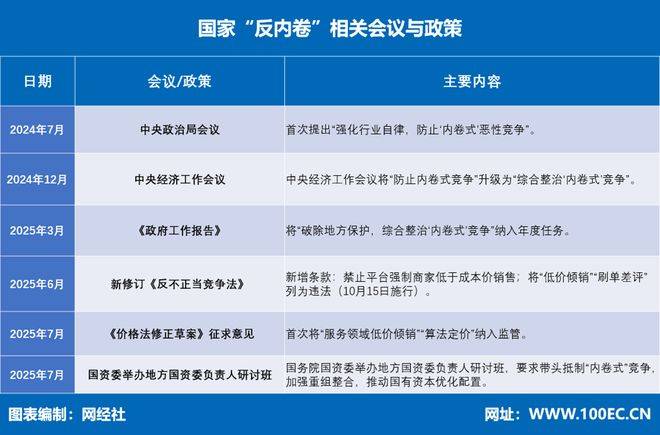
Core Viewpoint - The platform economy is facing severe "involution" competition characterized by price wars and subsidy battles, which hinders healthy industry development and threatens long-term consumer interests [1] Group 1: Government Actions and Policies - The government has initiated multiple measures to address "involution" competition, including the introduction of the revised Anti-Unfair Competition Law, effective from October 15, 2025, which prohibits platforms from forcing merchants to sell below cost [2][3] - Key meetings and policies include the Central Political Bureau meeting in July 2024, which emphasized the need for industry self-discipline, and the Central Economic Work Conference in December 2024, which escalated the response to "involution" competition [2] Group 2: Characteristics of Involution Competition - Involution competition manifests in various forms across the platform economy, including price wars, subsidy battles, and severe homogeneity in business models [4][5] - The competition is driven by algorithmic manipulation, leading to market entry barriers and a closed ecosystem that favors established platforms [5][6] Group 3: Root Causes and Conflicts - The root causes of involution competition include market structure imbalance, capital-driven distortions, and regulatory lag [7][8] - Core conflicts arise from the tension between homogeneous competition and innovation incentives, as well as the disparity between capital profit motives and market fairness [7][9] Group 4: Multi-layered Impacts of Involution - Involution competition has negative effects on economic efficiency, social equity, and national economic security, leading to resource misallocation and erosion of tax bases [10][11] - The impact on platforms includes weakened profitability and innovation, while industries face supply chain disruptions and declining employment quality [10][11] Group 5: Transition from Involution to Value Creation - The platform economy must shift from zero-sum competition to value creation, focusing on technological innovation, cultural empowerment, and ecological collaboration [20][21] - Key strategies for this transition include optimizing ecological structures, innovating service models, and fostering equitable cooperation among stakeholders [20][21] Group 6: Legal Framework Challenges - The current legal framework faces significant limitations in addressing involution competition, particularly in areas like price dumping and algorithmic collusion [22][23] - Recommendations for improvement include refining platform-specific regulations, enhancing data governance, and optimizing enforcement mechanisms [23][24]
200家全球品牌齐聚CES Asia 2025,亚洲科技盛宴彰显全球辐射力
Sou Hu Cai Jing· 2025-08-11 02:00
Group 1 - CES Asia 2025 has confirmed participation from 200 top global consumer electronics brands, with international exhibitors from 30 countries and regions, exceeding 20% of total participation, highlighting the influence and cohesion of the Asian consumer technology market [2] - The exhibition showcases a complete industry chain, featuring upstream chip companies presenting low-power chips for smart devices, midstream manufacturers offering flexible displays and smart sensors, and downstream brands launching consumer-oriented smart appliances and wearable devices [2] - A notable addition to the low-altitude economy sector is the participation of a global aviation technology brand's Asia-Pacific president, who will attend a closed-door seminar on "Low-altitude Economic Technology Standards and Safety Regulations," aimed at promoting collaborative standards for low-altitude vehicle certification and airspace management [2] Group 2 - CES Asia 2025 will host the "International Brand Asia Channel Expansion Summit," inviting leaders from major Asian retail platforms like JD.com, Alibaba, and Lazada to discuss regional market channel characteristics and cooperation models [3] - The exhibition will feature a "Global Innovative Product Selection" to provide international brands with a platform to showcase products to Asian consumers, facilitating rapid market recognition for quality products [3]

掘金泰国-市场洞察与战略机遇报告2025-海域出海研究
Sou Hu Cai Jing· 2025-08-06 17:02
Group 1: Thailand Overview - Thailand is the second largest economy in ASEAN with a GDP of $545 billion in 2023, and a per capita GDP of $7,830, which is above the ASEAN average of $5,210 [7][9] - The country has a population of 67.9 million, with over 90% practicing Buddhism, and Thai is the official language [9][7] - Thailand's total foreign trade reached $585 billion, accounting for 15.2% of ASEAN's total trade, and it attracted $12 billion in foreign direct investment, ranking third in ASEAN [7][9] Group 2: Policy Incentives and Opportunities - The Thai government supports nine key industries, including automotive and electronics, aiming to enhance GDP by at least 1% [23][19] - The EV3.0 and EV3.5 policies target a 30% production rate for electric vehicles by 2030, with Chinese companies holding a 75% market share in Thailand's electric vehicle sector [24][25] - The report highlights the importance of compliance, including ODI registration, trademark protection, and adherence to import regulations [30][19] Group 3: Consumer Insights - The Thai consumer market is shifting towards convenience and digitalization, with over 80% of online consumption occurring on mobile devices [30] - E-commerce is dominated by Shopee with a 49% market share, followed by Lazada at 30%, and TikTok Shop is rapidly growing with a live shopping penetration rate exceeding 40% [30] - The report identifies five trends in luxury consumption, including high-end dining experiences, cultural entertainment privileges, luxury travel, personalized health services, and collectible investments [28][30] Group 4: Chinese Enterprises in Thailand - Chinese companies are performing well in various sectors, including electric vehicles (BYD, Great Wall), home appliances (Haier, Midea), fast fashion (SHEIN, Pop Mart), and cosmetics (ZEESEA,橘朵) [30][19] - The report emphasizes the need for localization strategies and leveraging policy benefits to tap into consumer and industrial opportunities in Thailand [30][19]