DeepSeek

Search documents
观察 | 到底谁才是国内AI大模型的真第一?
未可知人工智能研究院· 2025-12-22 04:01
Core Viewpoint - The article discusses the competition among AI large models in China, highlighting three different reports that claim different companies as the "first" in the industry based on varying criteria [2][30]. Group 1: Different "Firsts" Based on Metrics - The first report from Zhipu's prospectus claims that iFlytek is the first in terms of revenue, with over 500 million RMB projected for 2024 [6][8]. - The second report from IDC states that ByteDance's Doubao holds a 49.2% market share based on token usage, indicating it has the largest user base [10][12]. - The third report from A16Z and OpenRouter identifies DeepSeek as the global leader in open-source models, with 14.37 trillion tokens used, significantly higher than its competitors [15][18]. Group 2: Analysis of Business Strategies - iFlytek's ranking reflects its strong commercial capabilities and long-standing relationships in the government and enterprise sectors, focusing on B2B sales [19]. - ByteDance's Doubao leverages its massive user base from popular apps like Douyin and Toutiao, adopting a low-price strategy to capture market share [20]. - DeepSeek's appeal lies in its open-source nature and strong performance, particularly among global developers, although its monetization strategy is still under development [21]. Group 3: Implications for Job Seekers, Entrepreneurs, and Investors - For job seekers, the article emphasizes the importance of aligning personal skills with the respective business models of these companies [25]. - Entrepreneurs are advised to choose AI tools based on specific business needs rather than solely on market rankings [26]. - Investors should focus on the business models and monetization capabilities of these companies, as many are still struggling to achieve profitability despite high market shares [28]. Group 4: Future Directions in AI - The article suggests that the competition among these companies represents three distinct paths in the AI industry: the government-focused route (iFlytek), the user base-driven route (ByteDance), and the technology-driven route (DeepSeek) [27]. - It highlights the potential for multiple "firsts" to coexist in the market, similar to the current landscape of e-commerce in China [31]. - The article concludes that the ongoing competition signifies a significant shift in the global AI landscape, with Chinese companies gaining recognition and influence [33][34].



大普微:主控固件模组全链路自研 PCIe前瞻布局厚积薄发
Feng Huang Wang Cai Jing· 2025-12-22 03:13
Core Viewpoint - The semiconductor storage industry, particularly enterprise-level SSDs, is experiencing significant growth driven by the demands of AI, data centers, and cloud computing, with companies like Shenzhen Dapu Microelectronics leading in full-stack self-research capabilities for SSDs [1][2][4]. Industry Overview - The enterprise-level SSD market is rapidly replacing HDDs due to superior performance in random access speed and bandwidth, with enterprise-level SSDs offering thousands of times the speed of HDDs [2]. - The global enterprise SSD market share of PCIe SSDs has increased from 27.27% in 2017 to an expected 85.39% by 2024, indicating a strong shift towards high-performance storage solutions [3]. Company Positioning - Shenzhen Dapu Microelectronics is one of the few companies capable of self-developing the entire stack of enterprise SSDs, including the controller chip, firmware, and modules, allowing for competitive domestic alternatives in the market [1][4]. - The company launched its PCIe 5.0 SSD products in August 2022, positioning itself advantageously during the transition to this new standard, with projected sales of PCIe 5.0 products reaching 26.18% by mid-2025 [4]. Technical Capabilities - The company’s controller chip utilizes a multi-core parallel processing architecture optimized for high-load environments, enhancing I/O throughput and latency performance [5]. - Advanced firmware frameworks have been developed to optimize performance in high-concurrency scenarios, ensuring stability and reliability in complex business environments [6]. Customer Relationships - The company has established strong relationships with major clients, including ByteDance, Tencent, Alibaba, and various telecommunications operators, which enhances its competitive edge in the enterprise SSD market [7][8]. - The high barriers to entry in the enterprise SSD sector mean that once clients integrate a supplier's products, they tend to maintain long-term relationships, further solidifying the company's market position [8]. Research and Development - The company has invested 36.15% of its cumulative revenue into R&D over the past three years, leading to significant advancements in its SSD products [9]. - The company has developed proprietary chips for both PCIe 4.0 and PCIe 5.0 SSDs, with ongoing research into PCIe 6.0 technology, expected to commercialize by 2028 [9][10]. Talent and Innovation - The company emphasizes a strong talent development system, with 69.01% of its workforce in R&D roles, ensuring a high level of expertise and innovation [10]. - The focus on high-quality development and rapid response to customer needs positions the company as a key player in the semiconductor storage industry, particularly in the context of national data security strategies [10].
元禾原点合伙人郑丁:构建“资本市场-科技公司-人才”良性三角,推动科技金融深度融合
Xin Lang Cai Jing· 2025-12-21 02:13
Core Viewpoint - The event "2026 Annual Conference of Caijing: Predictions and Strategies" emphasizes the theme of "China's Resilience in Changing Circumstances," highlighting the importance of integrating finance, technology, and industry for sustainable development in China [1] Group 1: Early-Stage Venture Capital - Early-stage venture capital, while considered marginal in the financial system, plays a crucial role as a "catalyst" in supporting technological innovation and its transformation into practical applications [1][6] - The primary market is showing signs of recovery after a period of adjustment, driven by strong policy support, the demonstration effect of leading tech companies like DeepSeek, and changes in the international capital environment [3][9] - The characteristics of technology startups include long R&D cycles, high capital requirements, and extended commercialization periods, necessitating a long-term vision and patience from investors [3][10] Group 2: Policy and Market Dynamics - Recent regulatory adjustments, such as the introduction of a third set of listing standards on the ChiNext board, aim to encourage more unprofitable but technically strong companies to enter the capital market [3][9] - The current capital market's focus on short-term financial performance may hinder the growth of promising frontier tech companies, especially those on the verge of breakthroughs [3][9] - The disparity in IPO standards between domestic and international markets, where over 50% of IPOs in the U.S. are from loss-making companies, highlights the need for a more flexible approach in China [9] Group 3: Talent Competition - The competition for talent has become a core issue in global tech competition, with a well-functioning interaction mechanism between tech companies, high-end talent, and capital markets being essential for optimizing talent incentives [4][10] - The increasing difficulty in attracting top tech talent in China is exacerbated by high compensation packages offered by leading U.S. tech companies, which can exceed those of NBA stars [10] - Building a virtuous cycle among capital markets, tech companies, and talent is crucial for gaining an advantage in the global competition for AI talent, especially given that 60% of global AI talent has received higher education in China [10]

同届不同班同学分享对梁文峰印象
理想TOP2· 2025-12-21 01:26
https://www.zhihu.com/question/10967114707/answer/1904046054904665233 知乎原问题: DeepSeek创始人梁文峰是个什么样的人? 原回答: 网上看到了很多关于梁文峰的讨论,昨天碰巧和一个同届大学的挚友打电话聊天,也聊到了梁文峰。 这里就厚着脸皮,碰瓷一下自己的大学同学梁文峰。 有些网友希望了解一下梁文锋在涉足投资和AI 行业之前,他的本科时代是怎么样的,这个回答算是满足广大网友一点点好奇心。希望这些"爆料"不 会影响到梁同学的隐私,如果有,请网友们及时提醒,答主会修改或者删除。 原作者: 知乎用户清风学渣 知乎主页个人简介: 北美计算机系教授;科技创新创业;提供情绪价值与知识价值服务 原文链接: 答主和梁文峰都是浙大02级电子信息工程,不一个班,同一期参加过电子设计竞赛。虽然大学同窗四 年有过一些接触,但因为不是同一个寝室或者同一个班级,所以对梁文峰的印象仅仅一些有限的和碎 片的印象。 印象1: 大二的时候,我们都在老老实实的上课做作业准备考试的时候,梁文锋就已经自学数字电路 和模拟电路,并且开始自己的工程实践。当时印象深刻的是,他自己做从 ...

从科技“盆景”到“创新雨林” 科创企业背后有怎样的成长土壤?
Yang Shi Wang· 2025-12-20 09:23
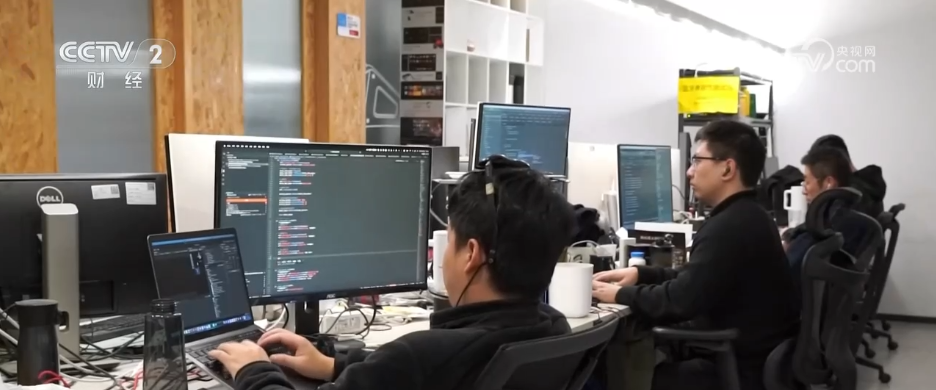
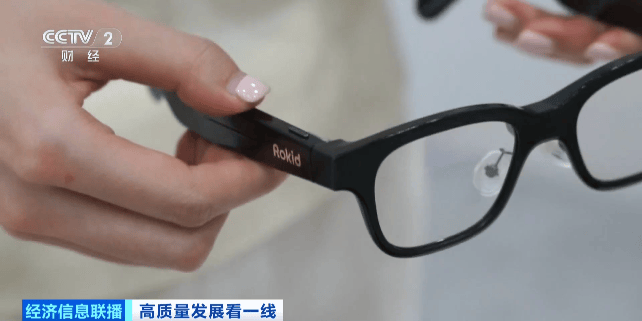
Group 1 - The core viewpoint of the article highlights the emergence of innovative companies in Hangzhou, referred to as the "Six Little Dragons," which symbolize the achievements of technological innovation in Zhejiang [1] - Companies like Lingban Technology have gained significant attention, with their smart glasses receiving over 200,000 orders this year, showcasing rapid growth supported by a favorable business environment [4][6] - The Hangzhou Future Technology City has transformed from rural land to a core area for digital economy, life health, and intelligent manufacturing, with over 70,000 registered companies and more than 1,800 national high-tech enterprises established [8] Group 2 - The "Run Seed Plan" was launched in November to support promising startups, with an initial fund of 2 billion yuan aimed at nurturing technological innovation [10] - Challenges such as lack of funding and talent are common among tech startups, and the "Run Seed" fund focuses on early-stage investments in hard technology and talent [12] - The role of technology in Hangzhou's economic reform has shifted from a supporting element to a driving force for growth, emphasizing innovation-driven development [14]
速递 | 智谱AI招股书大揭秘:中国AI公司的生存真相
未可知人工智能研究院· 2025-12-20 02:02
Core Viewpoint - The article discusses the IPO prospectus of Zhipu AI, highlighting its unique business model and financial challenges, emphasizing the differences between Chinese and American AI companies in terms of market approach and operational difficulties [1][4][42]. Group 1: Financial Performance - Zhipu AI reported revenues of over 57 million in 2022, projected to exceed 1 billion in 2023, and over 3 billion in 2024, indicating a compound annual growth rate of 130% [8]. - Despite the revenue growth, Zhipu AI is expected to incur losses close to 2 billion in 2024, meaning for every 1 yuan earned, approximately 7 yuan is spent [9][10]. - The company’s significant losses are primarily attributed to costs in computing power and research and development [14]. Group 2: Business Model - Zhipu AI's revenue model is centered around "private deployment," where the entire model system is installed on the client's servers, contrasting with OpenAI's subscription-based model [19][20]. - The starting price for basic cloud private deployment is 250,000 yuan per year, with local private deployment costing more [21][22]. - The majority of Zhipu AI's revenue currently comes from these "heavy asset" private deployment projects, although the company aims to increase the proportion of API cloud service revenue to 50% [28]. Group 3: Market Dynamics - The urgency for Zhipu AI to go public is driven by a limited market window, as competitors like MiniMax are also pursuing IPOs [30][31]. - The AI industry is characterized by rapid changes, where companies must act quickly to avoid being left behind, similar to the competitive landscape seen in the past with the "group buying war" [38]. - Zhipu AI faces intense competition, particularly in the API subscription market, where pricing pressures from competitors like DeepSeek are significant [39]. Group 4: Industry Insights - The article highlights the fundamental differences between Chinese and American AI companies, noting that Chinese firms must balance research and profitability while dealing with price wars and data security concerns [42]. - Zhipu AI has a high proportion of R&D personnel at 74%, indicating a strong focus on development, but the company still faces challenges in producing competitive models at lower costs [43]. - The pursuit of an IPO is seen as a means for Zhipu AI to secure further capital, but the sustainability of its business model post-IPO remains a critical concern [45][46].

从“育种”到“润苗”,浙江杭州全面优化创业创新生态
Sou Hu Cai Jing· 2025-12-19 15:30
Core Insights - The central economic work meeting emphasizes "innovation-driven development" as a key task for the upcoming year, highlighting the importance of strengthening the role of enterprises in innovation [1] Group 1: Innovation and Growth - The "Hangzhou Six Little Dragons," represented by companies like DeepSeek and Yushutech, have gained public attention due to their innovative breakthroughs, symbolizing the achievements of technological innovation in Zhejiang [1] - Lingban Technology's smart glasses have received over 200,000 orders this year, showcasing rapid growth attributed to the supportive business environment and entrepreneurial ecosystem in Hangzhou Future Technology City [5][9] - The establishment of a complete innovation chain in Hangzhou, with over 70,000 registered companies and more than 1,800 national high-tech enterprises, reflects significant growth from fewer than 600 companies a decade ago [9] Group 2: Supportive Ecosystem - The Hangzhou Future Technology City provides a comprehensive entrepreneurial ecosystem, including efficient processes for funding and patent approvals, which supports innovation and business development [7] - The "Run Seed Plan," launched in November, aims to support technology-potential startups with an initial fund of 2 billion yuan, addressing common challenges such as funding and talent shortages [13][15] - The focus on artificial intelligence and emerging sectors like future information, future space, and future health is part of a strategy to enhance talent, innovation, and service [11] Group 3: Economic Performance - In the first three quarters of this year, high-tech industries, strategic emerging industries, and equipment manufacturing in Hangzhou have shown impressive growth rates of 7.7%, 9.5%, and 9.4% respectively [15] - Notable increases in production for industrial control computers and systems (82.9%), industrial robots (97.9%), and new energy vehicles (229.1%) indicate a strong performance in key sectors [15] Group 4: Future Vision - The role of technology in Hangzhou's economic reform has shifted from a supporting element to the main engine driving growth, with a focus on creating a robust "innovation rainforest" rather than mere "盆景" (bonsai) [17]

US lawmakers urge Pentagon to add DeepSeek, Xiaomi to list of firms allegedly aiding Chinese military
Reuters· 2025-12-19 15:18
Core Viewpoint - A group of nine U.S. lawmakers is urging the Pentagon to include several Chinese technology firms on a list of entities allegedly assisting in activities that may threaten U.S. national security [1] Group 1 - The lawmakers are concerned about the involvement of Chinese technology firms in activities that could undermine U.S. interests [1] - The letter emphasizes the need for increased scrutiny of these firms to protect national security [1] - The request reflects ongoing tensions between the U.S. and China regarding technology and security issues [1]


2025大厂领衔,AI应用创新开打“巅峰赛”
Tai Mei Ti A P P· 2025-12-19 11:29
Core Insights - The rapid adoption of AI applications in 2025 is transforming everyday life, driven by a competitive landscape among market participants [1] - The emergence of DeepSeek's R1 model has disrupted industry cost perceptions, demonstrating that top-tier AI can be developed at a fraction of the previously assumed costs [2] - Major players like Alibaba and Baidu are advancing their AI models, with Alibaba's Qwen3-Max and Baidu's Wenxin model achieving significant milestones in performance and ecosystem development [3][4] - The AI application market is witnessing intense competition, with a shift from model parameters to practical application capabilities, as evidenced by the rise of platforms like Doubao and Tencent Yuanbao [5][6] - The introduction of AI smartphones, particularly by ByteDance and ZTE, is reshaping the competitive landscape, raising concerns about user privacy and regulatory frameworks [7][8][9] Group 1: AI Model Development - DeepSeek's R1 model was launched in January 2025, with training costs around $294,000, challenging the notion that top models require tens of millions of dollars [2] - Alibaba's Qwen3-Max model has surpassed 1 trillion parameters and ranks among the top three globally in evaluations, showcasing its technical prowess [3] - Baidu's Wenxin model has evolved to version 5.0 with 2.4 trillion parameters, achieving competitive language and multimodal understanding capabilities [3] Group 2: Market Dynamics - The AI application market is rapidly evolving, with significant shifts in user engagement and application performance, as seen with Doubao's integration into over 50 internal business scenarios [5] - Tencent Yuanbao has quickly become a leading AI-native application, achieving daily active user numbers comparable to its monthly totals earlier in the year [5] - The "Qianwen" app, backed by Alibaba, gained 30 million monthly active users within 23 days of its public beta, indicating strong market demand [6] Group 3: AI Smartphone Impact - The launch of the "Doubao phone" by ByteDance and ZTE has introduced a new dimension to AI application competition, allowing for complex task automation across apps [7] - Concerns have arisen regarding user privacy and security as AI agents challenge traditional app ecosystems, potentially disrupting established business models [7][8] - The industry faces a need for new consensus on the legality and safety of AI smartphone operations to mitigate risks associated with user data and privacy [9]
年终大冲刺,中美科技大厂都杀疯了
商业洞察· 2025-12-19 09:58
Core Viewpoint - The article discusses the intensified competition among major tech companies in the AI sector as they launch new products and models towards the end of the year, marking a significant shift in the AI landscape [2][14]. Group 1: Major Product Launches - Alibaba launched the "Qianwen" app, based on its large model "Tongyi Qianwen," which is seen as a direct competitor to ChatGPT, featuring strong multilingual capabilities and a real-time translation function covering 119 languages [4][5]. - Ant Group introduced the "Lingguang" app, which emphasizes efficiency by allowing users to generate interactive applications in 30 seconds using natural language [4][5]. - Both apps quickly gained traction, with Qianwen reaching the top three in the App Store within two days and Lingguang surpassing two million downloads in six days [7]. Group 2: Competitive Landscape - ByteDance's "Doubao" launched a new AI phone assistant that integrates large model capabilities directly into hardware, allowing for complex cross-application tasks with simple voice commands [8][10]. - DeepSeek released two new models, DeepSeek-V3.2 and DeepSeek-V3.2-Speciale, aiming to enhance reasoning capabilities and cater to complex tasks, positioning itself as a competitor to Doubao [12][13]. - The competition among these companies has reached a "white-hot" level, pushing the domestic AI market to new heights [14]. Group 3: External Influences - The article highlights the influence of Silicon Valley, particularly the release of OpenAI's GPT-5.1 and Google's Gemini 3.0, which set new benchmarks for AI capabilities and prompted responses from domestic companies [16][20]. - Google's Gemini 3.0 was noted for its comprehensive upgrades and received positive feedback from industry leaders, indicating a shift towards a more collaborative AI platform [21][23]. Group 4: Strategic Timing of Releases - Major tech companies tend to launch significant AI models at the end of the year to maximize media exposure and public attention during a quieter news cycle [30][32]. - This timing allows companies to leverage the holiday season for increased visibility, as seen with the launch of ChatGPT, which coincided with the Thanksgiving to Christmas period [33]. - The end-of-year releases also serve as a strategic move for companies to define their capabilities and set competitive standards for the upcoming year [39][40]. Group 5: Future Implications - The article suggests that the current competition is shifting from merely releasing models to building comprehensive AI ecosystems that integrate model capabilities, product forms, and commercial viability [46]. - The outcomes of these year-end launches are expected to shape the future landscape of AI, indicating a new phase in the global AI race [47].