FILA

Search documents
运动品牌,患上「韩流」依赖症
3 6 Ke· 2025-08-19 02:56
Group 1 - The core viewpoint of the article highlights the significant growth potential of the South Korean sports market, driven by the popularity of K-POP and a mature consumer base, as evidenced by Brooks' 19% global revenue growth and a staggering 218% increase in the Korean market [1][3] - Major brands like Nike and Adidas are actively engaging with K-POP idols for endorsements, indicating a strategic focus on leveraging the cultural influence of these celebrities to boost brand visibility and sales [4][6][7] - The article emphasizes that the South Korean market, while smaller in scale compared to China and Japan, offers unique consumer insights and a strong demand for branded products, making it an attractive target for sports brands [18][19][30] Group 2 - The article discusses the innovative strategies employed by sports brands in South Korea, such as opening flagship stores in high-end locations and creating tailored product lines to cater to local consumer preferences [10][11][15] - It notes that the social dynamics in South Korea, where fitness and appearance are highly valued, contribute to a robust demand for sports apparel and equipment, further enhancing the market's appeal [23][28] - The article concludes that South Korea serves as a critical leverage point for sports brands, providing valuable market insights and cultural inspiration that can drive broader growth across the Asian market [30][31]



锐步再次易主?“扫货”不停的安踏盯上前全球第一运动鞋品牌
Nan Fang Du Shi Bao· 2025-08-06 14:39
Core Viewpoint - Anta Group is reportedly pursuing the acquisition of Reebok's China operations from Authentic Brands Group (ABG), following its recent acquisition of the German outdoor brand Jack Wolfskin, marking a significant step in its global expansion strategy [1][10]. Group 1: Anta's Acquisition Strategy - Anta's interest in acquiring Reebok has been circulating since March, highlighting its aggressive growth through mergers and acquisitions [7]. - The company has successfully transformed brands like FILA from loss-making entities into profitable ventures, with FILA's revenue reaching 26.63 billion yuan in 2024, accounting for 37.6% of Anta's total revenue [7][10]. - Anta's acquisition strategy is characterized by a diversified brand portfolio that spans various price points, allowing it to cater to different consumer segments without internal competition [11]. Group 2: Reebok's Historical Context - Reebok, once the world's leading sports brand in the 1990s, has seen a significant decline, with its global market share projected to remain below 1.5% in 2024 [6][12]. - The brand was acquired by Adidas for $3.8 billion in 2006, but failed to meet growth expectations, leading to its sale to ABG for €2.1 billion (approximately $2.5 billion) in 2021 [4][6]. - Reebok's sales in China have been underwhelming, with total sales on major e-commerce platforms amounting to only 160 million yuan last year, contrasting sharply with Nike's performance [7][12]. Group 3: Market Implications - The potential acquisition of Reebok could provide Anta with new growth opportunities, especially as some of its existing brands face slowing growth [11][12]. - There are concerns among consumers regarding Reebok's pricing strategy post-acquisition, particularly if it aligns more closely with Anta's existing brands like FILA, which may lead to market overlap [12].
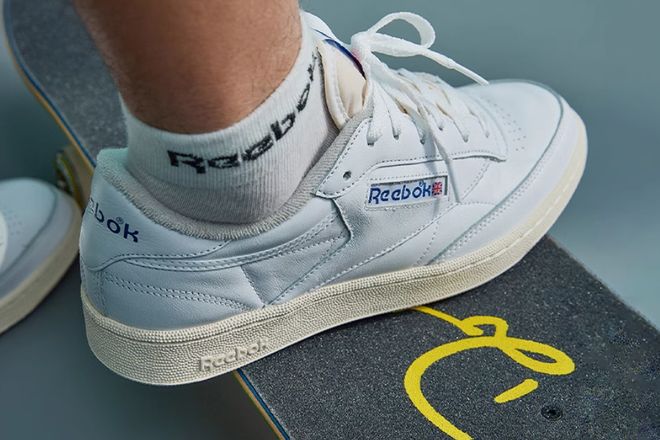
中产三件套之后,安踏又盯上了年轻人的钱包和欧美老炮的情怀?
Feng Huang Wang Cai Jing· 2025-08-06 08:52
Core Viewpoint - Anta is reportedly set to acquire Reebok from ABG, marking a significant move in its global expansion strategy, despite Reebok's declining market presence and challenges faced by previous owners [1][7]. Group 1: Anta's Expansion Strategy - Anta has achieved a revenue of 70.826 billion yuan in 2024, surpassing Nike in the Chinese market for the first time [3]. - The company has built a comprehensive brand matrix through acquisitions, including FILA and Amer Sports, positioning itself as a "sports brand harvesting machine" [5][15]. - Anta's chairman, Ding Shizhong, emphasizes the importance of acquisitions for internationalization, aiming to leverage global markets for growth [3][8]. Group 2: Reebok's Market Position - Reebok, once a leading brand, has seen its global market share drop to less than 1.5% by 2024, struggling to maintain relevance [1][7]. - The brand's e-commerce sales in China are projected to be only 160 million yuan in 2024, highlighting its diminished presence [7]. - Despite its decline, Reebok holds unique value for Anta, particularly in North American distribution channels and its strong basketball heritage [7]. Group 3: Challenges and Opportunities - Anta's potential acquisition of Reebok presents both opportunities to enhance its professional sports segment and challenges in integrating Reebok into its existing brand portfolio [7][15]. - The acquisition price poses a significant challenge for Anta's financial resources, as previous sales of Reebok were at substantial valuations [7]. - Anta must address the complexities of multi-brand management and the integration of Reebok's team to ensure a successful turnaround [15][16].
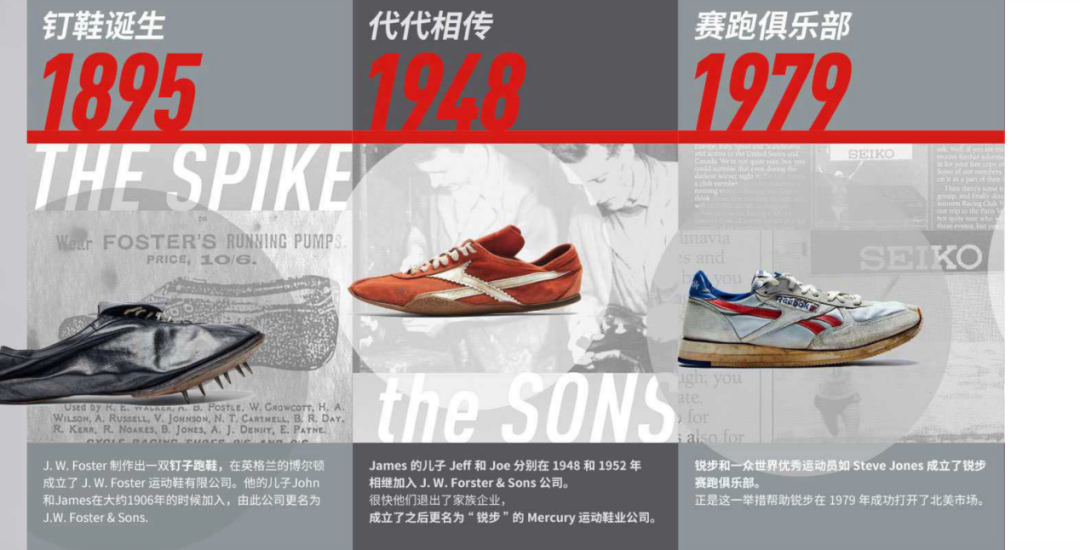
中产三件套之后,安踏又盯上了年轻人的钱包和欧美老炮的情怀?
凤凰网财经· 2025-08-06 08:43
Core Viewpoint - Anta is reportedly set to acquire Reebok from ABG, marking a significant move in its global expansion strategy, despite Reebok's decline in market share and previous ownership challenges [1][2][4]. Group 1: Anta's Expansion Strategy - Anta has established itself as a leader in the Chinese sports market, surpassing Nike China with a revenue of 70.826 billion yuan in 2024 [4]. - The company has successfully built a diverse brand portfolio through acquisitions, including FILA and Amer Sports, enhancing its market presence [7][9]. - Anta's chairman, Ding Shizhong, emphasizes the importance of internationalization through mergers and acquisitions to strengthen the company's global footprint [4][10]. Group 2: Reebok's Historical Context - Reebok, founded in 1958, was once a dominant player in the sports industry, surpassing Nike in sales in 1987, but has struggled since its acquisition by Adidas in 2006 [9]. - The brand's sales in China are projected to be only 160 million yuan in 2024, highlighting its decline [9]. - Despite its challenges, Reebok possesses valuable assets such as a North American distribution network and a strong reputation in basketball and fitness, which could benefit Anta [9][10]. Group 3: Challenges and Opportunities - Anta's potential acquisition of Reebok presents both opportunities and challenges, including the need to integrate Reebok into its existing brand matrix and manage the complexities of multi-brand operations [9][18]. - The acquisition could enhance Anta's professional sports segment and facilitate its entry into international markets, particularly in North America [9][10]. - However, the financial implications of the acquisition and the need for effective brand positioning and team integration remain significant hurdles [9][18]. Group 4: Future Directions - Anta's strategy includes a dual approach of high-end professional and mass-market trendy products, aiming to optimize its brand portfolio and operational efficiency [20]. - The company has continued its acquisition strategy, including a recent investment in South Korea's Musinsa and the acquisition of Jack Wolfskin, to strengthen its market presence [17][18]. - The success of these strategies will depend on Anta's ability to leverage its acquisitions effectively and respond to the evolving competitive landscape in the sportswear industry [20].
韩国爱豆们,成为国际运动品牌争夺的合作对象?
3 6 Ke· 2025-07-29 12:44
Core Insights - Nike has officially announced the signing of Karina, the leader of the popular South Korean girl group aespa, as part of its strategy to strengthen its presence in the Asian market following a significant decline in its financial performance [3][10][40] Group 1: Nike's Recent Financial Performance - Nike reported a 10% year-over-year decline in revenue for the fiscal year 2025, with net profit plummeting by 43.53% [3][38] - The company's revenue in the Greater China market fell by 13% to $6.586 billion, while North America saw a 4% decline to $4.86 billion [38] - Nike's footwear sales dropped by 13%, with iconic models like Air Force 1 and Dunk seeing over a 20% decrease in sales [38] Group 2: Collaboration with Korean Artists - The partnership with Karina follows Nike's previous collaboration with G-Dragon, indicating a trend of international sports brands increasingly engaging with Korean idols to tap into the Hallyu wave [3][14] - Other brands like Adidas and Puma have also signed prominent K-pop figures, showcasing a competitive landscape where international brands are vying for the attention of Korean celebrities [21][24] - The collaboration with Karina has already generated significant buzz, with her endorsed products selling out quickly on Nike's platforms [10][12] Group 3: Market Trends and Brand Strategy - The rise of K-pop and its global influence has made Korean idols attractive for brands due to their large and dedicated fan bases, which can drive sales [25][35] - Korean idols engage actively with fans through social media, enhancing brand visibility and creating natural traffic for endorsements [25][35] - The unique performance culture in Korea provides brands with a platform for exposure, as idols frequently perform on major music shows that reach audiences across multiple countries [35][37]

为什么越来越多运动品牌在开青少年专门店?
Xin Lang Cai Jing· 2025-07-23 11:18
智通财经记者 | 覃思悦 图片来源:界面图库 广义上看,0-18岁的人群都是童装的购买者。然而,不同年龄段的孩子在身体发育、兴趣爱好、心理特征等方面存在显著的差异。对于0-3岁的幼童,父母 购买产品更注重舒适性和安全性。4-6岁的学龄前儿童,开始关注服装趣味性和色彩搭配。7-12岁的学龄儿童则可能更注重服装的实用性和功能性,如便于 运动、易于清洗等。13-18岁的青少年则有了个性和时尚追求。 常女士的女儿今年6岁,她告诉智通财经,孩子上学以来,她为孩子购买运动品牌的频次明显变多,安踏、FILA、耐克和阿迪达斯是她频繁购买的品 牌。"对比下来,运动牌子的衣服质量相对好些,洗很多次也不变形。价格也不贵。"被问到为何不考虑购买非运动类童装品牌时,常女士答道:"没有那么 耐洗,我个人不太喜欢它们的设计,有点繁复。" 据天猫2025年的数据,国内线上童装市场年复合增长率已超15%。这一市场里,新老玩家正分庭抗礼。老玩家们以巴拉巴拉为代表,创立起就定位童装,在 童装领域有着"老牌子"的背书。新玩家则以运动品牌的童装子品牌为主要力量,优势是对于运动科技的研发更加专业。国产品牌中,跑得最快的是安踏儿 童,这一品牌于2024年 ...
青少年跑鞋在细分场景中挖增长空间
经济观察报· 2025-07-15 10:29
Core Viewpoint - The youth running shoe market is evolving with a focus on specialized products for specific needs, driven by the increasing demand for performance and functionality among adolescents [1][3][15] Market Trends - The youth running shoe market has diversified into categories such as test shoes, arch support shoes, and everyday campus shoes, indicating a growing space for these segmented demands [1][3] - A significant portion of the demand is driven by middle school students preparing for physical fitness tests, with many actively seeking recommendations for suitable running shoes [2][3] Product Development - Multiple sports brands are launching products tailored for physical fitness tests, including models like Anta Mach 4 PROv2 and Li Ning YOUNG, reflecting the trend towards specialized footwear [5][7] - The popularity of carbon plate shoes among middle school students has led to a phenomenon of "equipment competition" in schools, although experts caution against their long-term use due to potential foot development issues [5][6] Consumer Insights - The youth demographic is increasingly focused on the performance attributes of running shoes, with many seeking specific features to enhance their test scores [5][7] - Brands are recognizing the need for products that cater specifically to the unique requirements of adolescents, as traditional adult and children's lines do not adequately address this age group's needs [10][12] Market Growth - The global youth sports market is projected to reach 331.92 billion yuan in 2024, with a compound annual growth rate of 10.47% from 2024 to 2030, indicating robust growth potential [15] - The Chinese youth sports market is expected to reach 98.91 billion yuan in 2024, driven by policies promoting physical education and increased parental investment in specialized sports gear [15] Future Directions - Future market evolution for youth running shoes is expected to focus on three main areas: professional validation through authoritative testing, age-specific design, and integrated product systems that combine shoes with protective gear and training resources [15]
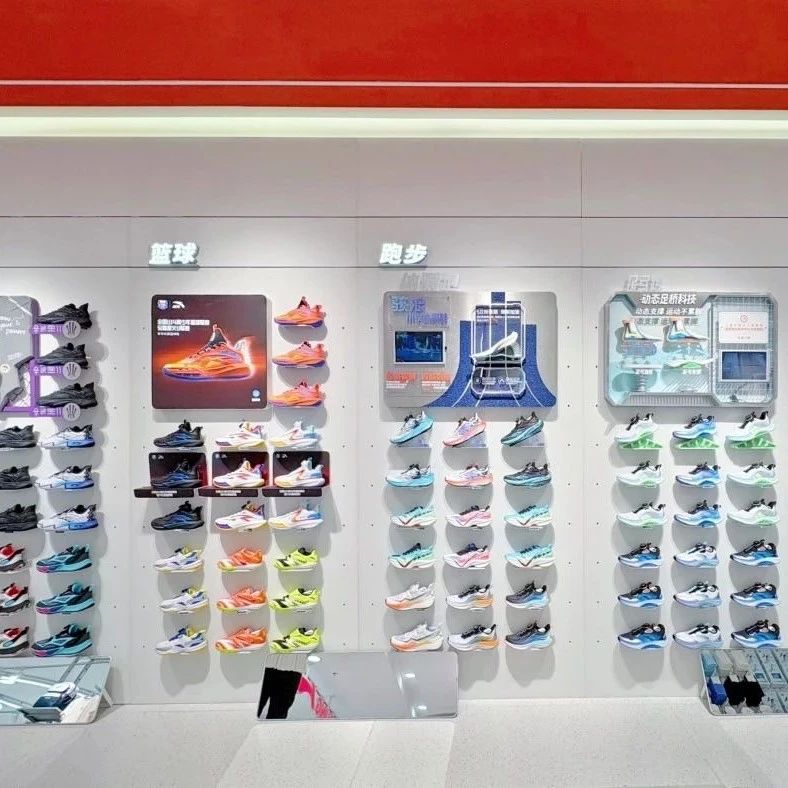
青少年跑鞋在细分场景中挖增长空间
Jing Ji Guan Cha Wang· 2025-07-15 04:31
Core Insights - The rising demand for specialized running shoes among teenagers is driven by the need to improve physical fitness test scores for middle school entrance exams [1][2][3] - The market for youth running shoes is evolving into more segmented categories, including "test shoes," "arch support shoes," and "campus daily shoes" [1][5][6] - Major sports brands are responding to this trend by developing products specifically designed for the youth segment, focusing on performance and functionality [7][8] Market Trends - The popularity of carbon plate running shoes has surged among middle and primary school students, leading to a phenomenon of "equipment competition" in schools [2][3] - Brands like Anta, FILA, and Li Ning are launching products tailored for physical tests, with Anta's Maher series being a notable example, achieving sales of 500 million yuan in 2024 [3][8] - The youth sports market is projected to grow significantly, with a forecasted compound annual growth rate of 10.47% from 2024 to 2030, reaching a market size of 98.91 billion yuan in China by 2024 [8] Product Development - Brands are shifting their focus from lightweight, everyday training shoes to functional running shoes that enhance speed and cater to specific scenarios [7][8] - There is a lack of dedicated youth product lines among major brands, as they often rely on adult and children's lines to meet the needs of the adolescent demographic [4][8] - Future product strategies will likely include professional validation of functionality, age-specific designs, and integrated product systems that combine shoes with protective gear and training apps [8]

大消费渠道脉搏:西南地区运动品牌专家沟通,线下零售表现承压,库存略有积压
Haitong Securities International· 2025-07-04 09:50
Investment Rating - The report does not explicitly provide an investment rating for the industry or specific companies within it [4]. Core Insights - The offline retail sales performance of sportswear brands in Southwest China was under pressure in 2Q25, primarily due to weak consumer spending, with major brands experiencing negative sales growth [2][6]. - NIKE's sales in Southwest China saw a significant year-on-year decline, while ADIDAS performed slightly better with a high single-digit to low double-digit decline [2][6]. - Outdoor brands like Columbia and The North Face showed better performance due to strong demand for outdoor activities, camping, and tourism [2][6]. - The summer sports shoe market is facing sluggish consumption in traditional categories, but there is a rising trend in outdoor and fashion footwear [2][6]. Summary by Sections Offline Retail Performance - In 2Q25, offline retail data for sports brands in Southwest China weakened compared to 1Q25, with all major brands reporting negative sales growth [2][6]. - Store traffic remained stable, but transaction rates and average customer spending declined due to weak consumer purchasing willingness [2][6]. Brand Performance - NIKE's focus on footwear has led to a decline in its apparel market share, while ADIDAS maintained stable discount levels and focused on apparel sales, contributing to its relatively better performance [4]. - FILA's sales decline has narrowed, and the brand is shifting towards professional sports categories, enhancing its market position [4]. - LI-NING has become a partner of the Chinese Olympic Committee, while Anta is expanding into the outdoor cycling market [4]. Inventory and Discounts - Inventory levels are slightly elevated, leading to increased discounting across brands, with LI-NING and Anta offering the highest discount rates [3][4]. - The discount intensity for outdoor brands varies, with PELLIOT offering the highest discounts [3][4]. Future Outlook - The report anticipates that outdoor brands will perform better in the second half of the year, driven by increased sales in outdoor activities [4].
福州商场一楼“大换血” “四大金刚”挤走“老住户”
Sou Hu Cai Jing· 2025-06-27 15:12
Core Insights - The layout of first floors in Fuzhou shopping malls has shifted from traditional cosmetics and jewelry stores to new categories such as trendy toys, electric vehicles, outdoor sports, and various tea brands, reflecting changes in consumer preferences and societal trends [1][4][16] Group 1: Electric Vehicles - Fuzhou shopping malls have transformed into showcases for electric vehicles, with brands like AITO, BYD, Xiaomi, NIO, Li Auto, Zeekr, and Xpeng occupying prime first-floor spaces [4] - The shift in consumer behavior has made purchasing cars in malls more common, with some customers deciding to test drive and buy vehicles after initially visiting for other purposes [4][5] - Traditional cosmetics brands are struggling with declining sales due to the rise of online shopping, leading to a shift in mall tenant composition towards electric vehicle brands [4][5] Group 2: Trendy Toys - The first floors of Fuzhou malls have become dominated by "二次元" (two-dimensional) trendy toy stores, attracting younger consumers and creating a vibrant shopping atmosphere [8][9] - Brands like Pop Mart are expanding rapidly, with a focus on prime locations despite high rental costs, as they aim to capture the attention of their target demographic [8][9] - The popularity of trendy toys has led to the establishment of dedicated areas in malls, such as the "二次元欢乐场" (Two-Dimensional Happy Land) in various shopping centers [9] Group 3: Tea Brands - New tea brands are increasingly targeting prime first-floor locations in malls, moving away from traditional food court placements [11][12] - Brands like Bawang Tea, Heytea, and Luckin Coffee are establishing a strong presence on the first floor, leveraging high foot traffic for marketing and brand visibility [12] - Bawang Tea reports that over 30% of its stores are located in shopping centers, with 80% of those on the first floor, highlighting the strategic importance of this space for brand positioning [12] Group 4: Sports Brands - The first floor of Fuzhou malls is seeing a rise in outdoor sports brands, with companies like FILA, Arc'teryx, and Lululemon establishing flagship stores in prime locations [15] - The increasing interest in outdoor and sports apparel among young consumers is driving the growth of these brands in shopping malls [15] - The trend reflects a broader shift in consumer behavior towards practical and stylish products, moving away from traditional luxury items [15][16]