大疆

Search documents
大疆否认投资者会议传闻:系全景无人机新品内部体验活动
Nan Fang Du Shi Bao· 2025-11-19 12:07
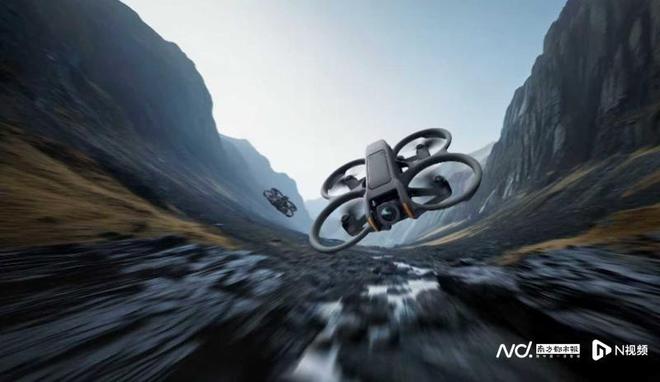
Core Viewpoint - DJI is actively responding to competitive pressures in the drone and consumer electronics markets, particularly following the launch of the first panoramic drone by Insta360, indicating a strong competitive awareness and strategic positioning in the industry [1][4]. Group 1: DJI's Product Development and Market Strategy - DJI recently invited multiple investment institutions to its Shenzhen headquarters for a closed-door research session on its upcoming panoramic drone, the DJI Avata 360, although the company later clarified that this was an internal product experience event, not an investor meeting [1]. - The company emphasized that claims regarding its market position, such as being the only profitable consumer drone company globally, are inaccurate and that it does not need to collaborate with other companies to expand its market presence [1]. - The launch of the Avata 360 is seen as a defensive move against Insta360's new product, which could significantly impact Insta360's valuation if DJI leverages its supply chain advantages for competitive pricing [1]. Group 2: Expansion into New Markets - Beyond drones, DJI has been expanding its footprint in the consumer electronics sector, launching products such as the Osmo 360 camera and a sweeping robot, while also investing in a 3D printing company [3]. - The investment in the 3D printing sector is viewed as a strategic move to capitalize on the growth potential of consumer-grade 3D printing technology, aligning with DJI's innovative vision [3][4]. - The competitive landscape is intensifying, with DJI's entry into 3D printing potentially posing a threat to its former employee's company,拓竹科技, which has established itself as a leader in the consumer-grade 3D printing market [3][4]. Group 3: Competitive Dynamics in the Industry - The competition between DJI, Insta360, and拓竹科技 reflects a broader trend in Shenzhen's hardware industry, transitioning from a single dominant player to a multi-competitive environment [5]. - As DJI continues to diversify its product offerings and invest in new technologies, Insta360 is exploring opportunities in drone and content ecosystems, while拓竹科技 is expanding its global market presence in 3D printing [5]. - Future competition is expected to focus more on supply chain efficiency, global channel capabilities, brand building, and organizational management rather than solely on product specifications and pricing [5].

大疆,投一位潮汕90后
3 6 Ke· 2025-11-19 10:02
深圳硬件圈,风波乍起。 起因是3D打印龙头拓竹科技创始人陶冶在朋友圈发了一篇长文,透露自己的老东家大疆,投了一家3D 打印机公司,投资协议中还设置了针对拓竹的条款。隐隐之中,几丝火药味飘来。 一时间,讨论声四起。这位"友军"是谁?投资界了解到,这家3D打印机公司正是同样来自深圳的智能 派——成立于2015年,始于一位潮汕90后男生,此前曾获得深圳高新投的A轮融资。现在,大疆也出手 了。 大疆方面表示,投资3D打印是公司基于对消费级3D打印技术发展潜力、行业增长潜力的看好,符合大 疆对创新科技的一贯理念和前瞻性布局。事实上,今年包括3D打印在内的硬件创业公司融资火爆,如 出一辙般,这些公司几乎都来自深圳。 90后干3D打印机,大疆投了 身处深圳,但智能派的身影鲜少出现在创投圈主流视野。 时间回到2015年,中国邮政集团员工洪英盛与搭档陈波无意中发现,海外市场对中国制造的STEM教育 套件需求旺盛。他们开始在华强北采购元器件,组装成STEM套件出口海外,没想到卖得极好。 于是两人双双辞职,一家叫做智能派的跨境电商公司成立。 然而,STEM教育套件的市场很快看到了天花板,偶然间一位美国客户想买3D打印机的需求启发了 ...
大疆人士喊话:不需要跟任何公司联合把(无人机)这件事做大
36氪· 2025-11-19 09:44
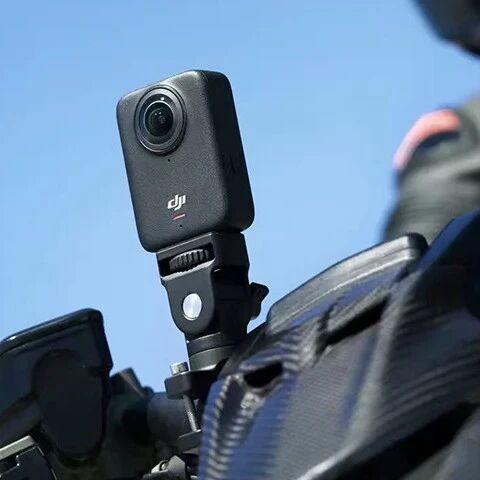
Core Viewpoint - The article discusses the competitive landscape of the consumer drone market, highlighting that DJI is the only profitable company in this sector, while also addressing the upcoming competition with YingShi Innovation in the panoramic drone segment [4][5]. Group 1: Market Dynamics - DJI's recent product experience event revealed that they do not plan to seek significant growth in the panoramic drone market, indicating a strategic focus on maintaining their current market position [6][10]. - The global consumer drone market has seen a slowdown, with a projected compound annual growth rate (CAGR) of 8.0% from 2024 to 2031, down from previous double-digit growth rates [10]. Group 2: Product Comparison - DJI's Avata 360 and YingShi's Antigravity A1 represent different approaches in the panoramic drone category, with DJI focusing on a compact design for sports and first-person view (FPV) applications, while YingShi's product resembles traditional aerial photography drones [7][9]. - Both products have unique advantages: DJI has strong supply chain leverage, while YingShi has a longer history in panoramic camera software development [11]. Group 3: Competitive Strategies - DJI's aggressive pricing strategy for the Avata 360 aims to directly compete with YingShi's Antigravity, indicating a potential price war in the market [5][10]. - The article suggests that the competition will hinge on hardware quality and software capabilities, with both companies needing to optimize their offerings to capture market share effectively [11][12].

大疆,投一位潮汕90后
投资界· 2025-11-19 08:18
Core Viewpoint - The article discusses the competitive landscape of the 3D printing industry in Shenzhen, highlighting the investment by DJI in a local company, Smart Pie, and the implications for the market dynamics among key players like Tuo Zhu Technology and Smart Pie [2][5][9]. Group 1: Investment and Market Dynamics - DJI's investment in Smart Pie is based on the potential growth of consumer-grade 3D printing technology and aligns with its innovative technology strategy [2][5]. - Smart Pie, founded in 2015, has rapidly evolved from a cross-border e-commerce company to a significant player in the 3D printing market, with projected revenues of 1.6 billion yuan in 2024 and over 2 billion yuan in 2025 [5][10]. - The global consumer-grade 3D printing market is expected to reach $21.9 billion in 2024, with a compound annual growth rate exceeding 20% [10][11]. Group 2: Company Backgrounds - Smart Pie initially focused on STEM education kits before pivoting to 3D printing in 2017, launching its first printer after transitioning from being a distributor to developing its own products [3][4]. - Tuo Zhu Technology, founded by former DJI employees, has captured a significant market share, with 29% of the global consumer-grade 3D printing market and a shipment volume of approximately 1.2 million units [6][7]. - Both Smart Pie and Tuo Zhu Technology are part of a group of companies in Shenzhen that dominate the entry-level 3D printing market, collectively holding 90% of the market share [9][10]. Group 3: Industry Trends - Shenzhen is emerging as a "hardware Silicon Valley," with a complete 3D printing industry chain that facilitates rapid product development and assembly [9][10]. - The article emphasizes the importance of Shenzhen as a hub for investment in consumer hardware, particularly in the context of AI-related technologies and other innovative products [10][11].

首都机场商贸公司:锚定创效使命,扎实推进商业升级实践
Zhong Guo Min Hang Wang· 2025-11-19 03:40
Core Viewpoint - The Capital Airport Commercial Company is actively addressing challenges such as consumer downgrade, rapid market changes, and declining traditional advantages by enhancing airport commercial experiences with cultural and practical features [1] Group 1: Resource Planning and Market Trends - The company is optimizing its resource planning by understanding changes in passenger demographics, consumption trends, and demands, focusing on the rise of domestic brands and technology integration [3] - Participation in the "2025 15th Airport Commercial and Retail Development Conference" has allowed the company to learn from successful practices in commercial innovation and passenger experience upgrades from advanced foreign airports [3] Group 2: Brand Development - The company has successfully partnered with leading domestic technology brands such as Huawei and DJI, as well as cultural brands like Beijing Gifts and Yaxiaoqi, enhancing the richness and uniqueness of the airport's commercial offerings [5] - Efforts to expand brand collaboration include market research, building a brand resource database, and strengthening industry association exchanges to create a diverse brand portfolio catering to various passenger needs [5] Group 3: Service and Operational Efficiency - The company emphasizes service quality and win-win cooperation, introducing a "one-stop service" guide for merchants to improve entry efficiency and a 21-day support program with over 100 initiatives to assist merchants during initial operations [7] - Ongoing initiatives include researching merchant pain points, creating cross-industry collaboration platforms, and launching themed marketing activities to foster a healthy development ecosystem [7] Group 4: Future Strategy - The company plans to maintain strategic focus amidst market changes, embracing innovation and challenges while enhancing market cooperation and operational efficiency [7]
大疆“密会”百家投资机构:不提上市,调研新品,剑指影石
Xin Lang Ke Ji· 2025-11-19 03:14
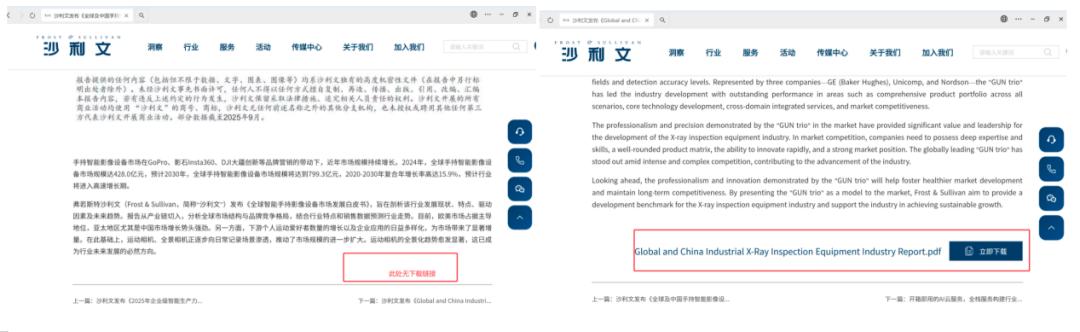
Core Insights - A significant number of public and private fund managers visited DJI in mid-November for research, despite DJI stating no financing or IPO plans, focusing instead on the upcoming Avata 360 drone, which is seen as a competitor to Insta360's Antigravity A1 [1] - The competition between DJI and Insta360 has intensified, with both companies engaging in price wars during the Double 11 shopping festival, leading to significant price reductions on their products [1][4][8] Market Share Discrepancies - A report from Jiuyan Consulting indicated that as of Q3 2025, Insta360 held a 49% market share while DJI had 43%, contrasting sharply with a later report from S&P Global that claimed Insta360's share was 75% and DJI's was only 17.1% [2] - The conflicting data has raised questions about the true market landscape, especially since the S&P report was taken down twice after its release, indicating potential issues with data accuracy [2][3] Sales Performance - DJI reported a Q3 shipment of 290,000 panoramic cameras with a revenue of 860 million yuan, aligning with Jiuyan's report that estimated DJI's market share at 43% of a total market revenue of 2 billion yuan [3] - Insta360's financial report for the first three quarters showed a revenue of 6.611 billion yuan, a year-on-year increase of 67.18%, but a net profit decline of 5.95% [8][9] Competitive Pricing Strategies - During the Double 11 sales, DJI's Osmo 360 was priced at 2,197 yuan, while Insta360's X5 was priced at 2,656 yuan, highlighting a price difference of approximately 559 yuan [6][8] - Both companies have significantly reduced their prices compared to their launch prices, indicating a highly competitive market environment [8] Internal Challenges - Reports of internal issues at Insta360 surfaced, including allegations of unpaid virtual stock dividends to former employees, raising concerns about the company's management practices [12][13] - DJI is also facing talent retention challenges, with former employees indicating dissatisfaction with management and compensation, suggesting potential risks to its workforce stability [14]
大疆「密会」百家投资机构:不提上市,调研新品,剑指影石
3 6 Ke· 2025-11-19 01:41
Core Viewpoint - A significant number of public and private fund managers are conducting research on DJI, focusing on the upcoming Avata 360 panoramic drone, amidst intense competition with Insta360's Antigravity A1. DJI has stated it has no financing or IPO plans [1][2]. Group 1: Market Competition - The competition between DJI and Insta360 has intensified, with both companies engaging in price wars during the Double 11 shopping festival, with DJI's products being priced approximately 400-500 yuan lower than Insta360's comparable products [2][5]. - During the Double 11 event, DJI's Osmo 360 was priced at 2,197 yuan, while Insta360's X5 was priced at 2,656 yuan, leading to a price difference of 559 yuan [5][8]. - Both companies have significantly reduced their product prices compared to their launch prices, indicating a fierce market competition [8]. Group 2: Market Share Discrepancies - A report from Jiuqian Consulting indicated that as of Q3 2025, Insta360 held a 49% market share in the global panoramic camera market, while DJI followed closely with 43% [3]. - In contrast, a report from Frost & Sullivan claimed that Insta360's market share was as high as 75%, with DJI only at 17.1%, raising questions about the accuracy of these reports [3]. - The discrepancies in market share data have led to confusion in the industry, with DJI reporting a Q3 shipment of 290,000 units and sales revenue of 860 million yuan, aligning with Jiuqian's report [3][10]. Group 3: Financial Performance - Insta360 reported a revenue of 6.611 billion yuan for the first three quarters, a year-on-year increase of 67.18%, but a net profit decline of 5.95% [8][9]. - In Q3 alone, Insta360's revenue reached 2.940 billion yuan, a significant year-on-year growth of 92.64%, but the net profit decreased by 15.9% [8][9]. - The company attributed its profit decline to investments in chip customization and algorithm optimization, which are seen as long-term growth strategies [9]. Group 4: Internal Challenges - Reports of internal issues at Insta360 have emerged, including allegations of unpaid virtual stock dividends to former employees, highlighting potential management problems [10][11]. - DJI is also facing talent retention challenges, with former employees indicating dissatisfaction with the company's management practices and compensation structures [12].

11.19犀牛财经早报:多家公募调整旗下产品风险等级 大疆“密会”百家投资机构
Xi Niu Cai Jing· 2025-11-19 01:37
Group 1 - Public funds are adjusting the risk levels of their products to better match investor suitability following the draft of the "Publicly Raised Securities Investment Fund Investor Suitability Management Guidelines" [1] - Over 90% of public funds have achieved net value growth this year, with 39 products exceeding 100% growth, particularly in the equity mixed fund category [1] - The A-share market's increased risk appetite has led to significant inflows into growth sectors, benefiting actively managed funds through sector rotation and stock selection [1] Group 2 - Several public institutions have warned about the premium risk associated with cross-border ETFs, particularly those tracking foreign indices amid a market correction [2] - The recent adjustments in deposit product structures by small and medium-sized banks indicate a trend away from long-term fixed deposits due to narrowing net interest margins [2] Group 3 - The international gold price has shown volatility, dropping below $4,000 per ounce after reaching a peak of $4,245.22, influenced by changing market sentiments and economic data uncertainties [3] - The "Two Heavy" construction projects are expected to boost infrastructure investment growth as they are prioritized in national strategic planning [4] Group 4 - The market for electrolyte additives is experiencing a recovery, with prices for key products like vinylene carbonate and fluoroethylene carbonate rising due to increased demand from energy storage and power batteries [4] - China's lithium battery shipments are projected to triple over the next decade, driven by strong demand in the power battery and energy storage markets [4] Group 5 - Executives from various local banks have been actively buying shares in their own institutions, indicating confidence in their companies' prospects [5] - DJI has held closed-door meetings with multiple investment institutions but has stated there are no current plans for financing or an IPO [8] Group 6 - The latest financial report from Yamafin Sports shows a 30% increase in revenue for Q3, with a significant 161% rise in net profit, particularly in the Greater China region [9] - China First Heavy Industries announced the arrest of its chairman for bribery, but the company's operations remain normal [9] - ST Lingda has been accepted for reorganization by the court, facing delisting risk while continuing to trade [9]
大疆亮剑,农业无人机迈入智驾时代
雷峰网· 2025-11-19 00:35
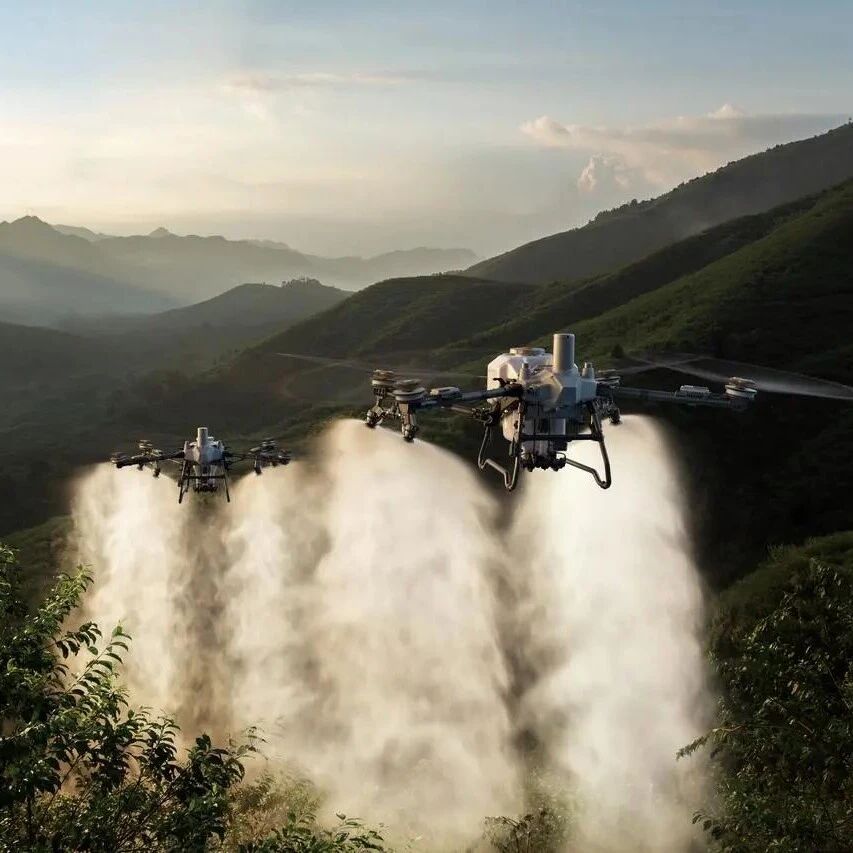
Core Viewpoint - The agricultural drone industry is transitioning from manual control to intelligent driving, driven by changes in user demand and the expansion of operational scenarios [1][15]. Group 1: DJI's Agricultural Drone Business - DJI's agricultural drone segment, while not widely recognized, is a significant part of its business puzzle, with a projected shipment of 200,000 units by 2025, leading to an estimated annual revenue exceeding 10 billion [2][3]. - DJI's agricultural drones hold a market share of nearly 90% in China, with 62,332 units out of a total of 69,427 units reported in the subsidy system [3][5]. - The agricultural drone sector is crucial for honing flight technology, contributing 98% of flight time in China's drone industry, enhancing DJI's overall technological capabilities [5][6]. Group 2: Cost Reduction and Market Activation - The past decade has focused on cost reduction, with the price of agricultural drones dropping significantly from 100,000 for a 10-liter payload drone to around 10,000, a 90% decrease [8][10]. - This price drop has transformed agricultural drones from tools for professional pest control teams to accessible equipment for ordinary farmers, with the user ratio shifting from 90% small B users to 50% self-use users [10][13]. - The decline in costs is attributed to various factors, including the optimization of design and the decreasing prices of lithium batteries, which account for about one-third of the drone's cost [9][12]. Group 3: Transition to Intelligent Driving - The introduction of laser radar in DJI's T100S and T70S models marks the beginning of the intelligent driving era for agricultural drones, enabling fully automated operations in specific scenarios [6][17]. - The multi-sensor intelligent driving solution combines millimeter-wave radar, vision, and laser radar, significantly enhancing obstacle detection capabilities [18]. - DJI's commitment to user safety is evident in its new policy offering free repairs for drones that collide with obstacles during operation, reflecting confidence in its intelligent driving technology [19]. Group 4: Future Developments and Industry Trends - The future of agricultural drones includes advancements towards L4 level autonomous operations, with capabilities for real-time monitoring of crop health and pest identification using AI [20][22]. - The industry is moving towards a model where agricultural drones serve as intelligent assistants, providing comprehensive agricultural solutions rather than just operational tools [20][23]. - The evolution of agricultural drones is reshaping perceptions of modern agriculture, emphasizing efficiency and technological integration in farming practices [22][23].
大疆“密会”百家投资机构:不提上市,调研新品,剑指影石 | BUG
Xin Lang Ke Ji· 2025-11-19 00:24
Core Insights - A significant number of public and private fund managers visited DJI for research, focusing on the upcoming Avata 360 drone, amidst competitive tensions with Insta360's Antigravity A1 [2] - DJI has no current plans for financing or an IPO, while both companies are engaged in aggressive price competition during the Double 11 shopping festival [2][6] - Discrepancies in market share reports from different consulting firms have raised questions about the true competitive landscape between DJI and Insta360 [3][5] Market Competition - During the Double 11 sales event, DJI and Insta360 engaged in price cuts, with DJI's products being approximately 500 yuan cheaper than Insta360's comparable offerings [6][10] - For instance, DJI's Osmo 360 was priced at 2197 yuan, while Insta360's X5 was priced at 2656 yuan, leading to a price difference of 559 yuan [8] - Both companies have seen significant price reductions from their initial launch prices, indicating intense market competition [10] Financial Performance - Insta360 reported a revenue of 66.11 billion yuan for the first three quarters, a year-on-year increase of 67.18%, but its net profit decreased by 5.95% [10] - In Q3 alone, Insta360's revenue was 29.40 billion yuan, reflecting a substantial year-on-year growth of 92.64% [10] - Despite revenue growth, Insta360's net profit for Q3 fell by 15.9%, attributed to increased spending on chip customization and algorithm optimization [10] Internal Challenges - Both companies face internal issues, with reports of employee dissatisfaction at Insta360 regarding unpaid virtual stock dividends, highlighting potential management weaknesses [12][13] - DJI is also experiencing talent retention challenges, with former employees indicating a disconnect between management and staff, which could lead to further talent loss [14]