华能国际

Search documents
华能国际跌2.04%,成交额1.46亿元,主力资金净流出1213.81万元
Xin Lang Cai Jing· 2025-09-22 02:14
Core Viewpoint - Huaneng International's stock has experienced fluctuations, with a recent decline of 2.04% and a year-to-date increase of 11.08%, indicating volatility in the market [1]. Financial Performance - For the first half of 2025, Huaneng International reported operating revenue of 1120.32 billion, a year-on-year decrease of 5.70%, while net profit attributable to shareholders increased by 24.26% to 92.62 billion [2]. - Cumulative cash dividends since the company's A-share listing amount to 678.62 billion, with 73.78 billion distributed over the last three years [3]. Shareholder Information - As of June 30, 2025, the number of shareholders for Huaneng International decreased by 11.52% to 96,500, with an average of 0 circulating shares per shareholder [2]. - The top ten circulating shareholders include Hong Kong Central Clearing Limited, which increased its holdings by 41.30 million shares to 229 million shares [3]. Market Activity - On September 22, Huaneng International's stock traded at 7.22 yuan per share, with a total market capitalization of 1133.40 billion [1]. - The stock has seen a trading volume of 1.46 billion, with a turnover rate of 0.18% [1].

走进新疆阅“风光”
中国能源报· 2025-09-21 23:33
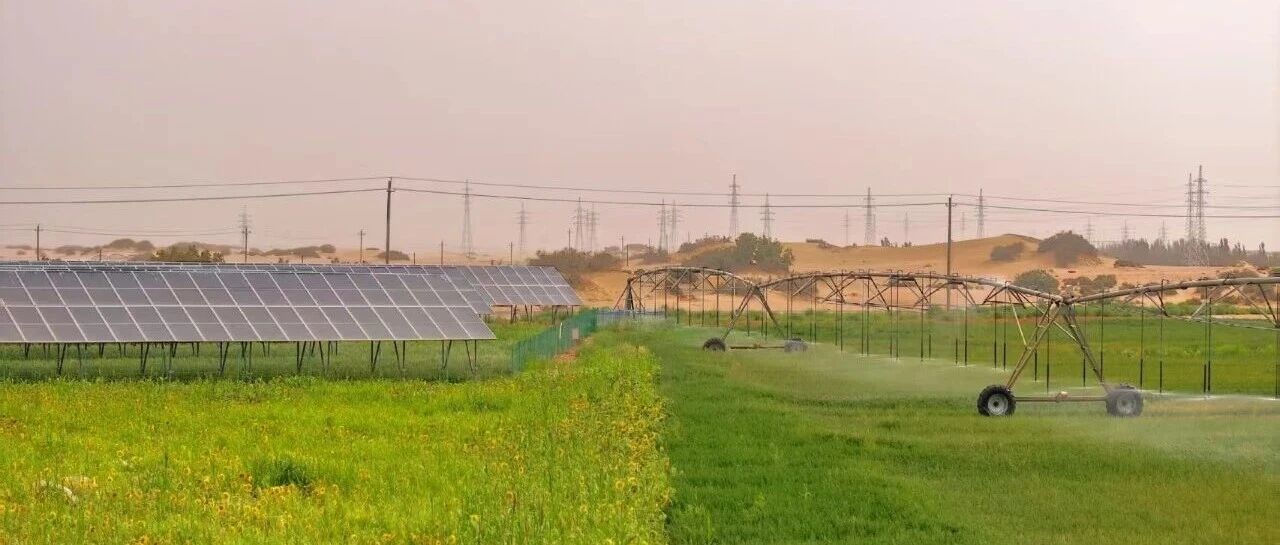
Core Viewpoint - Xinjiang is transforming its abundant "wind and solar" resources into a green engine for high-quality development, contributing to China's modernization narrative [1][3]. Group 1: Renewable Energy Resources - Xinjiang has approximately 4.2 billion kilowatts of solar energy resources, accounting for about 27% of the national total, and around 1 billion kilowatts of wind energy resources, making up about 18% of the national total [3]. - As of September 15, the renewable energy generation in Xinjiang reached 100.94 billion kilowatt-hours, a year-on-year increase of 17.2%, with solar power contributing 41.24 billion kilowatt-hours (up 39.2%) and wind power 59.7 billion kilowatt-hours (up 6%) [3]. - By the end of July this year, Xinjiang's installed renewable energy capacity reached 134 million kilowatts, with cumulative electricity exports of 278.511 billion kilowatt-hours, accounting for nearly 30% of total exports [3]. Group 2: Project Developments - The 500,000-kilowatt photovoltaic desertification control demonstration project in the Taklamakan Desert can supply 963 million kilowatt-hours of clean electricity annually, equivalent to saving 289,600 tons of standard coal and reducing carbon dioxide emissions by approximately 805,100 tons [5]. - The 1 million-kilowatt wind farm in Ruoqiang County has generated 850 million kilowatt-hours of electricity as of mid-September, with full capacity expected to be connected to the grid by December 26, 2023 [5][6]. - The National Development and Reform Commission and the National Energy Administration have emphasized the construction of renewable energy bases in desert and arid regions, including Xinjiang, as part of the 14th Five-Year Plan [6]. Group 3: Ecological and Economic Benefits - The "desertification control + agricultural-solar complementary" model in the Loopu project has transformed previously barren land into productive areas, with 1,800 acres of alfalfa harvested [9][10]. - The project has also led to a significant reduction in sandstorm occurrences and an increase in local biodiversity, demonstrating the dual benefits of ecological protection and economic development [10]. - The integration of renewable energy projects with local economic activities has resulted in increased income for local residents, with per capita disposable income in He Ya Village rising from 2,300 yuan in 2014 to 22,900 yuan in 2024 [13][14]. Group 4: Policy Support and Community Development - Xinjiang has implemented various policies to support renewable energy and ecological restoration, including financial incentives for new technology projects [10]. - The collaboration between energy companies and local governments has facilitated community development, with significant investments in infrastructure and education [14][15]. - The ongoing support from energy enterprises has led to improved living conditions and economic opportunities for local residents, contributing to the overall goal of rural revitalization [12][14].

300MW/1.2GWh!“陇电入鲁”配套F1储能项目全面建成
中关村储能产业技术联盟· 2025-09-21 12:26
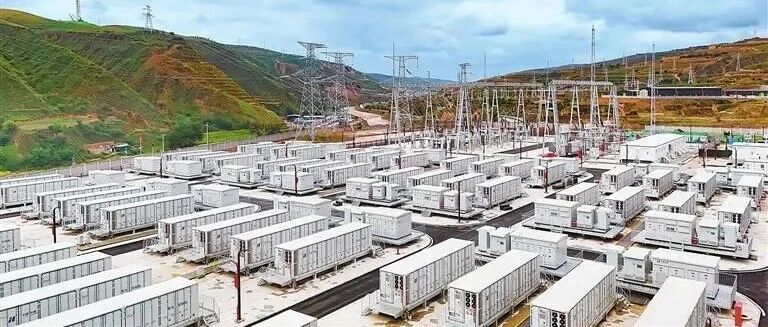
Core Viewpoint - The Huaneng Longdong Energy Base's new energy project, including the F1 energy storage project, has been fully completed and is ready for power reception, contributing significantly to renewable energy consumption and grid stability [2][5]. Group 1: Project Overview - The F1 energy storage project has an investment of 1 billion yuan, with a capacity of 300,000 kW and 1.2 million kWh, expected to consume 420 million kWh of renewable energy annually, sufficient to meet the daily electricity needs of 240,000 households [2]. - The project utilizes Huaneng's independently developed single-stage distributed energy storage technology, which enhances battery compatibility and safety, addressing issues related to inter-cluster circulation and energy decay [2]. Group 2: Technical and Operational Details - The F1 project consists of four main components: energy storage, phase adjustment devices, a booster station, and wind-solar projects, with the energy storage component fully installed and awaiting grid connection testing [2]. - The "Long Electric into Lu" project is a significant initiative under China's 14th Five-Year Plan, representing the country's first integrated high-voltage project combining wind, solar, thermal, and storage [5]. Group 3: Industry Context - The total capacity of the new energy storage project at Huaneng Longdong Energy Base is 600 MW and 2,400 MWh, with two sites each hosting a 300 MW and 1,200 MWh electrochemical energy storage station [5].
2025年1-5月中国发电量产量为37266亿千瓦时 累计增长0.3%
Chan Ye Xin Xi Wang· 2025-09-21 02:06
Group 1 - The core viewpoint of the article highlights the growth in China's electricity generation, with a reported production of 737.8 billion kilowatt-hours in May 2025, reflecting a year-on-year increase of 0.5% [1] - Cumulative electricity generation from January to May 2025 reached 3,726.6 billion kilowatt-hours, showing a cumulative growth of 0.3% [1] - The article references a report by Zhiyan Consulting, which focuses on the investment potential and development trends in the Chinese electricity industry from 2025 to 2031 [1] Group 2 - Listed companies in the electricity sector include Huaneng International (600011), Datang Power (601991), Guodian Power (600795), Huadian International (600027), and others [1] - The data presented is sourced from the National Bureau of Statistics and organized by Zhiyan Consulting, indicating a strong foundation for industry analysis [1]





宁德时代,再签约两大巨头
DT新材料· 2025-09-20 16:03
Core Viewpoint - CATL has signed two major strategic cooperation agreements with Li Auto and China Huaneng, focusing on battery technology innovation and expanding their business in both domestic and international markets [2][5]. Group 1: Cooperation with Li Auto - On September 18, Li Auto and CATL signed a five-year comprehensive strategic cooperation agreement, focusing on battery safety and ultra-fast charging technology [2]. - CATL will provide high-performance battery systems for all Li Auto products, including ternary lithium batteries, M3P batteries, lithium iron phosphate batteries, and sodium-ion batteries [2]. - The sodium-ion battery developed by CATL has an energy density of 175Wh/kg and can achieve over 500 kilometers of pure electric range, addressing over 40% of the domestic passenger car market demand [2]. - As of August 31, Li Auto has delivered a total of 1.3971 million vehicles, with over 1 million units equipped with CATL batteries, and has not experienced any thermal runaway incidents due to battery issues [3]. Group 2: Cooperation with China Huaneng - On September 17, CATL signed a strategic cooperation agreement with China Huaneng, the second-largest power generation group globally [5]. - The cooperation will leverage both parties' strengths in product manufacturing, renewable energy, energy storage construction and operation, scientific research innovation, and nuclear power industry [6]. - The aim is to enhance collaboration in response to national strategic needs, focusing on joint innovation and technology standards [7]. Group 3: Overview of Recent Collaborations - Since 2025, CATL has deepened cooperation with 10 leading automotive companies, covering battery research and development, battery swapping, new material applications, and overseas market expansion [3]. - The table summarizes recent partnerships, including collaborations with Geely, Dongfeng Nissan, Honda China, Changan Mazda, NIO, Volkswagen China, BAIC Foton, SAIC Group, and FAW Liberation, focusing on various aspects of battery technology and market development [4].


2025山东清洁能源产业博览会圆满闭幕 打造产业发展新引擎
Qi Lu Wan Bao· 2025-09-20 09:52
Core Insights - The 2025 Shandong Clean Energy Industry Expo successfully concluded, focusing on "Developing Clean Energy and Sharing a Low-Carbon Future," and served as a significant platform for innovation and collaboration in the clean energy sector [1][5] - The expo attracted over 300 exhibitors, covering an area of 50,000 square meters, showcasing advanced technologies and equipment across the entire clean energy value chain [2] Industry Overview - The event was co-hosted by various governmental and industrial organizations, highlighting its importance in the clean energy landscape of Northern China [2] - Major industry players, including China National Nuclear Corporation and China Huaneng Group, participated, demonstrating advancements in wind, solar, storage, offshore energy, hydrogen, and nuclear energy [2] Networking and Collaboration - The expo featured 12 professional exchange meetings and matchmaking activities, facilitating discussions on key topics such as green innovation and battery storage technology [3] - Nearly 800 representatives from government, academia, and enterprises participated, leading to multiple cooperation intentions in new energy systems and technology transfer [3] Public Engagement and Education - The expo incorporated a "Science + Popularization" dual-drive concept, with a focus on nuclear energy education, effectively bridging the gap between the public and clean energy [4] - Yantai has initiated a five-year plan for nuclear energy public education, hosting over 30 events to promote awareness and understanding of nuclear energy [4] Future Directions - The expo reinforced Yantai's position as a hub for clean energy in Northern China, aiming to accelerate the development of a new energy system focusing on nuclear, wind, solar, hydrogen, and storage [4][5] - The outcomes of the expo are expected to support the dual carbon goals and contribute to the green transformation of traditional industries in Shandong [5]
联动五市,新晋“顶流”放大招
Mei Ri Jing Ji Xin Wen· 2025-09-19 23:49
Core Insights - The Ninth Hebei Tourism Industry Development Conference was held on September 16-17, promoting the scenic beauty and diverse tourism offerings of the Taihang Mountains to attract visitors [1][2] - Hebei's tourism resources are diverse, featuring various landscapes and several 5A scenic spots, yet it struggles with public perception and recognition compared to other provinces [2][3] - The province aims to significantly increase tourism revenue and visitor numbers by 2027, with ambitious targets set for the development of tourism infrastructure and branding [3] Summary by Sections Event Overview - The conference utilized a "main and sub-venue linkage" model, with Xingtai as the main venue and Shijiazhuang, Zhangjiakou, Baoding, and Handan as sub-venues [1] - Various activities were organized, including investment matching events and cultural festivals, to showcase Hebei's tourism resources [1] Tourism Performance - Hebei's tourism revenue surpassed 1 trillion yuan in 2023, reaching 1,011.62 billion yuan, and is projected to grow to 1,114.83 billion yuan in 2024, with 937 million visitors [2] - Despite strong performance metrics, Hebei's tourism appeal remains low in national rankings, indicating a need for improved marketing and service quality [2] Future Goals - By the end of 2023, Hebei aims to host 1.03 billion tourists and achieve 1.2 trillion yuan in tourism revenue [3] - The long-term goal for 2027 includes reaching 1.36 billion visitors and 1.6 trillion yuan in revenue, with an annual growth rate of at least 15% [3]
ESG一周丨我国首个碳捕集领域国际标准发布,电动汽车充电基础设施(枪)总数达到1734.8万个
Mei Ri Jing Ji Xin Wen· 2025-09-19 10:17
Group 1: Electric Vehicle Infrastructure - The total number of electric vehicle charging facilities in China reached 17.348 million as of August 2025, representing a year-on-year growth of 53.5% [1] - This growth reflects the accelerated adoption of new energy vehicles and highlights the improving layout of green transportation infrastructure, supporting energy transition and emission reduction goals [1] Group 2: Carbon Capture Standards - China's first international standard in the carbon capture field was released, focusing on key performance indicators and testing methods for post-combustion CO₂ capture absorption solutions [1] - This achievement signifies a breakthrough in China's international discourse power in key technologies for carbon neutrality and will accelerate the standardization and large-scale application of carbon capture technology [1] Group 3: Renewable Energy Capacity - Jiangsu Yancheng has become the first city in the Yangtze River Delta region to exceed 20 million kilowatts of renewable energy grid capacity, following the integration of the second batch of units from the Guoxin Dafeng offshore wind power project [1][2] - This development underscores the accelerated transformation of regional energy structures and strengthens clean energy supply capabilities in Jiangsu [2] Group 4: ESG Legislation - The Vice Chairman of the Financial and Economic Committee of the National People's Congress emphasized the need for stronger legislation in the ESG (Environmental, Social, and Governance) field to ensure the implementation of ESG principles [2] - This indicates a shift from advocating ESG concepts to establishing regulatory frameworks, which will be crucial for achieving high-quality sustainable development [2] Group 5: AI in ESG Governance - AI is evolving into an intelligent support system that spans the entire ESG governance chain, enhancing capabilities in governance structure, strategic planning, risk management, and performance tracking [2][3] - This evolution highlights the strategic value of technology in empowering both sustainability and digital transformation within enterprises [3] Group 6: Green Financing - The first ESG-linked loan for financing leasing in Fujian Province was successfully implemented by Industrial Bank's Xiamen branch, linking environmental, social, and governance performance to financing costs [3] - This initiative promotes green finance development and supports enterprises in their low-carbon transition, demonstrating significant industry implications and sustainable development value [3] Group 7: Steel Industry Decarbonization in India - The Indian government plans to invest approximately $570 million to incentivize steel production companies to reduce emissions, particularly targeting small steel enterprises that account for nearly half of the national output [4] - This initiative responds to the growing domestic demand for steel driven by infrastructure projects and new housing needs, reflecting a balance between economic growth and low-carbon transition in emerging industrial nations [4]
大动作!宁德时代三连签!
起点锂电· 2025-09-19 10:04
Core Viewpoint - CATL, as a global leader in energy storage batteries, continues to achieve record growth, with its latest market capitalization reaching 1.68 trillion CNY in A-shares and 2.35 trillion HKD in H-shares [3] Group 1: Recent Developments - On September 15, CATL issued a large order of 157,500 tons of lithium iron phosphate materials to Longpan Technology, followed by three major cooperation agreements signed within two days, focusing on project implementation, partnerships with state-owned enterprises, and deepening collaborations with automotive companies [3] - On September 17, 18 projects were signed in Ningde City with a total investment of 24.58 billion CNY, including multiple projects by CATL, amounting to an investment of 8.5 billion CNY [5][6] - The new generation of energy battery production line project will be located in the Jiaoqu District, covering approximately 900 acres, with a planned total investment of 6.5 billion CNY and an annual planned capacity of 40 GWh, expected to achieve an annual output value of approximately 20 billion to 25 billion CNY upon full production [6] Group 2: Strategic Partnerships - On September 17, CATL signed a strategic cooperation agreement with China Huaneng, focusing on product manufacturing, renewable energy, energy storage construction and operation, research innovation, and nuclear power industry [10][11] - China Huaneng, a major state-owned enterprise, has seen its renewable energy installed capacity exceed 95 million kW, with low-carbon clean energy accounting for 51.8% of its total installed capacity [11] - The collaboration aims to integrate nuclear power and battery storage, creating new application scenarios and enhancing energy technology development [12] Group 3: Collaboration with Automotive Industry - On September 18, CATL and Li Auto signed a five-year comprehensive strategic cooperation agreement, focusing on battery safety and ultra-fast charging technology [13] - CATL will provide high-performance battery systems for all Li Auto products, including ternary lithium batteries, M3P batteries, lithium iron phosphate batteries, and sodium-ion batteries [14] - As of now, CATL remains the primary supplier for Li Auto, with over 74% of the installed capacity from January to July being provided by CATL [14]

中国通信业“双引擎”:5G-A规模化商用,AI落地按下加速键
Huan Qiu Wang· 2025-09-19 09:37
Core Insights - The article emphasizes the robust growth and competitive edge of China's digital industry, driven by advancements in 5G and AI technologies, particularly with the rollout of 5G-A [1][3][4] - It highlights the significant revenue and profit growth in the digital sector, with a projected business income of 35 trillion yuan and a profit total of 2.7 trillion yuan for 2024, reflecting a year-on-year increase of 5.5% and 3.5% respectively [3] - The integration of 5G-A and AI is seen as a transformative force for various industries, enhancing digital transformation and creating new business opportunities [6][8] Industry Growth - China's digital industry encompasses key sectors such as electronic information manufacturing, software and IT services, and telecommunications, playing a crucial role in the economy [3] - Despite economic challenges, the digital industry has shown resilience, with over 90% of monitored core indicators experiencing year-on-year growth [3] Technological Advancements - China leads globally in 5G standard essential patent declarations, holding over 42% of the total [4] - By the end of 2024, China is expected to have built 4.251 million 5G base stations, supporting the widespread application of 5G technology [4] - The number of 5G-A users is approaching 30 million, with over 100 million compatible devices already in use, indicating growing consumer acceptance [4][6] AI Development - China accounts for 61.5% of the 45,000 newly published generative AI patents globally in 2024, showcasing its strong R&D capabilities [5] - AI applications are being utilized across various sectors, including healthcare, legal, and industrial fields, significantly improving efficiency and service quality [5][7] Market Dynamics - The digital economy in China remains the second largest globally, supported by a vast telecommunications network [6] - Consumer acceptance of 5G-A is increasing, with operators offering diverse products and packages to meet market demands [6][8] Future Outlook - The combination of 5G-A and AI is expected to create a new era in communication, enhancing user experiences and enabling innovative applications [7][8] - The telecommunications industry is positioned to leverage its unique value in the AI era, providing comprehensive solutions and services to consumers and businesses alike [8][9] - There is a call for further investment in AI technology and collaboration across the industry to foster innovation and enhance competitiveness in the global digital economy [9]