广汽

Search documents
Robotaxi利好预期持续提振概念股 大众公用港股最高涨逾7%
Xin Lang Cai Jing· 2025-07-21 06:16
Group 1 - The stock price of Dazhong Public Utilities (01635.HK) rose significantly, with an intraday increase of over 7%, closing up 5.10% at HKD 4.33 [2] - The upcoming Shanghai Artificial Intelligence Conference is expected to issue more Robotaxi licenses and further open operational areas in the Pudong New District [3] - Dazhong Public Utilities' subsidiary, Dazhong Transportation, is actively involved in the Robotaxi sector, having collaborated with Baidu's autonomous driving service platform to apply for 65 Robotaxi operational licenses [3] Group 2 - The Robotaxi market is gaining attention as a key breakthrough for the commercialization of autonomous driving, with major companies like Pony.ai and Tesla entering the space [4] - The global Robotaxi market is projected to grow from USD 300 million in 2025 to USD 70 billion by 2030, with a compound annual growth rate of 200%, and China expected to capture 58.5% of the market share by 2030 [4] - By 2026, the operating cost per kilometer for Robotaxis is anticipated to be on par with ride-hailing services, leading to increased market penetration [4] Group 3 - Dazhong Public Utilities recently issued a profit warning, forecasting a net profit of RMB 300 million to 420 million for the first half of 2025, representing a year-on-year increase of 145.59% to 243.82% [5] - The significant profit growth is attributed to stable operations in its utility business and substantial positive impacts from fair value changes in financial assets held directly and through joint ventures [7]




品牌效应与规模突围 联合动力:打造中国新汽车产业链新范式
Quan Jing Wang· 2025-07-14 08:09
Core Insights - The article highlights the emergence of Suzhou Huichuan United Power System Co., Ltd. as a key player in the Chinese electric vehicle (EV) industry, preparing for its IPO on the ChiNext board in 2025, showcasing the transformation of China's automotive industry from assembly to core technology output [1][13] - The shift in government policy in 2014 marked a turning point for the EV market, leading to significant growth in sales and establishing a new phase for Chinese manufacturing [2][3] - United Power's strategic focus on high-end technology and partnerships with major automotive brands has positioned it as a leader in the industry, despite challenges from price wars and competition [8][11] Industry Development - The Chinese EV market faced initial challenges post-2008 Olympics due to high costs and inadequate infrastructure, but government initiatives in 2014 catalyzed a rapid increase in EV sales, surpassing one million units within five years [2][3] - The supply chain has evolved, with leading companies like CATL and Tianqi Lithium emerging in upstream sectors, while midstream firms like Huichuan Technology and United Power penetrate the EV market [3][4] Company Strategy - United Power has chosen to focus on the mainstream MEB platform, avoiding low-end markets, which reflects its commitment to high-quality technology and collaboration with domestic automakers [3][4] - The company has invested significantly in R&D, totaling 2.106 billion yuan, resulting in numerous patents and participation in national standards, establishing itself as a benchmark in the industry [5][6] Financial Performance - United Power has demonstrated a remarkable financial turnaround, moving from a loss of 179 million yuan in 2022 to a net profit of 936 million yuan in 2024, with revenues soaring from 5.027 billion yuan to 16.178 billion yuan [11][12] - The company's gross margins for its power and drive systems are significantly higher than the industry average, indicating strong profitability despite competitive pressures [7][11] Market Position - United Power's client roster includes major players in the EV sector, such as Li Auto and Xiaomi, which underscores its strong market presence and brand credibility [8][9] - The company holds leading market shares in various product categories, including 10.7% in electric control products and 10.5% in motors among third-party suppliers [11][12] Future Outlook - The upcoming IPO is seen as a validation of United Power's brand influence and scale effects, which are expected to drive further growth and innovation in the EV supply chain [13] - The company is well-positioned to capitalize on the increasing demand for EVs and the need for flexible, high-quality supply chain solutions amid rising competition [12][13]

上半年中国汽车产销量双双跃上1500万辆 新能源汽车上半年国内销量587.8万辆,占汽车国内销量比例为46.8%,渗透率不断提高
Zheng Quan Ri Bao· 2025-07-10 16:42
Group 1: Overall Market Performance - In the first half of the year, China's automotive production and sales reached 15.62 million and 15.65 million units, respectively, representing year-on-year growth of 12.5% and 11.4% [1] - In June, automotive production and sales were 2.794 million and 2.904 million units, with year-on-year growth of 11.4% and 13.8% [1] - The top fifteen automotive groups sold a total of 14.43 million units, accounting for 92.2% of total sales, with BYD leading at 2.146 million units, a 33.0% increase [1] Group 2: Passenger Vehicle Market - Passenger vehicle production and sales totaled 13.52 million and 13.53 million units in the first half, with year-on-year growth of 13.8% and 13% [2] - Chinese brand passenger vehicles sold 9.27 million units, a 25% increase, capturing 68.5% of the market share, up 6.6 percentage points from the previous year [2] - In June, sales of Chinese brand passenger vehicles reached 1.707 million units, growing by 19.3% [2] Group 3: Segment Performance - The top ten sedan manufacturers sold 3.907 million units, accounting for 68.9% of total sedan sales, while the top ten SUV manufacturers sold 4.802 million units, representing 67.5% of SUV sales [3] - New energy vehicles (NEVs) were a significant highlight, with production and sales of 6.968 million and 6.937 million units, reflecting year-on-year growth of 41.4% and 40.3% [3] - In June, NEV production and sales were 1.268 million and 1.329 million units, with new car sales accounting for 45.8% of total new car sales [3] Group 4: Powertrain Types - Both pure electric and plug-in hybrid vehicles showed rapid growth, with pure electric vehicle production and sales at 4.488 million and 4.415 million units, marking year-on-year growth of 50.1% and 46.2% [4] - NEV domestic sales reached 5.878 million units, a 35.5% increase, making up 46.8% of total domestic sales [4] - NEV exports reached 1.06 million units, a 75.2% increase, with June exports at 205,000 units, a year-on-year increase of 140% [4] Group 5: Future Outlook - The automotive industry anticipates continued growth in the second half of the year, driven by the orderly implementation of "two new" policies and a rich supply of new products from companies [5]

车企承诺支付账期不超过60天能否兑现?工信部开通反映窗口
Nan Fang Du Shi Bao· 2025-07-09 13:55
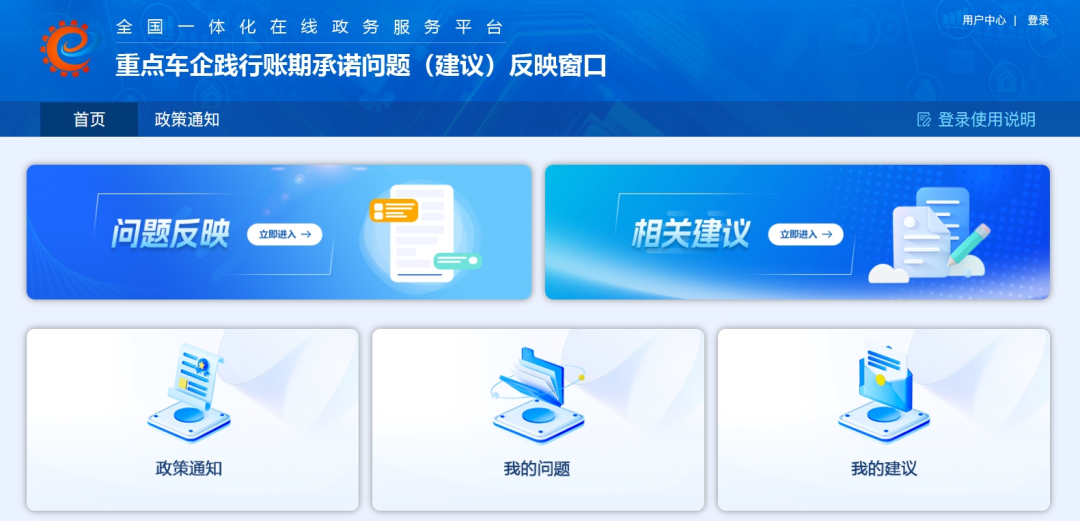
Core Viewpoint - Recently, 17 major automotive companies, including FAW, Dongfeng, GAC, and Seres, have publicly committed to a payment term not exceeding 60 days for suppliers, raising questions about the feasibility of these commitments and prompting the Ministry of Industry and Information Technology (MIIT) to establish a feedback window for reporting issues related to these commitments [1][4]. Group 1 - The MIIT has launched an online feedback window to address issues related to the payment commitments made by major automotive companies, allowing small and medium-sized enterprises (SMEs) to report problems regarding the enforcement of the 60-day payment term [1][3]. - The feedback window will handle four types of issues: failure to adhere to the 60-day payment term, unreasonable payment term start dates, coercion of SMEs to accept non-cash payment methods, and other inadequacies in implementing the Payment Protection Regulation for SMEs [3][4]. - The MIIT supports the automotive companies' commitment to a 60-day payment term and aims to foster long-term stable relationships between vehicle manufacturers and their supply chain partners [3][4]. Group 2 - Data indicates that in 2024, the average accounts payable turnover days for Chinese domestic automotive companies will be 182 days, which is 2.3 times that of international companies, leading to skepticism among suppliers regarding the fulfillment of the 60-day payment commitment [4]. - The establishment of the feedback window provides a new channel for automotive suppliers to urge companies to resolve payment-related issues, thereby promoting better management practices and payment methods [4]. - The MIIT plans to guide industry organizations in developing payment settlement standards for the automotive sector and to promote a collaborative ecosystem between vehicle manufacturers and parts suppliers [4]. Group 3 - The Payment Protection Regulation for SMEs, effective from June 1, 2023, mandates that government agencies and institutions must pay for goods and services from SMEs within 30 days, or within 60 days if otherwise agreed in the contract [4]. - The newly revised Anti-Unfair Competition Law addresses the issue of delayed payments to SMEs, prohibiting large enterprises from abusing their advantages to impose unreasonable payment terms on SMEs [5].

工信部紧盯重点车企支付账期问题,开通线上问题反映窗口
2 1 Shi Ji Jing Ji Bao Dao· 2025-07-09 10:33
Core Viewpoint - The Ministry of Industry and Information Technology (MIIT) has launched an online platform to address complaints from small and medium-sized enterprises (SMEs) regarding payment delays by key automotive companies, aiming to ensure adherence to the 60-day payment commitment and the implementation of the "Regulations on Ensuring Payment to SMEs" [1][2]. Group 1 - The online platform will handle four types of issues related to payment delays by key automotive companies, including failure to adhere to the 60-day payment commitment, unreasonable payment terms, forced acceptance of non-cash payment methods, and other issues related to the implementation of the payment regulations [1]. - Seventeen key automotive companies, including FAW, Dongfeng, and GAC, have publicly committed to a payment period not exceeding 60 days, which has received positive social feedback [2]. - Experts emphasize that while the commitment to a 60-day payment period exists, there are ambiguities regarding the start date for payments, and some companies may use excuses to delay payments, indicating a need for stricter enforcement [2]. Group 2 - The MIIT plans to guide industry organizations in developing payment settlement standards for the automotive industry, promoting contract templates to further standardize payment processes between automotive companies and suppliers [3]. - The initiative aims to create a collaborative and mutually beneficial ecosystem between vehicle manufacturers and parts suppliers, contributing to the sustainable development of the automotive industry [3].
事关重点车企!工信部上线账期问题反映窗口
Zheng Quan Shi Bao Wang· 2025-07-09 09:36
Core Viewpoint - The Ministry of Industry and Information Technology has launched an online feedback window to address issues related to payment cycles for small and medium-sized enterprises (SMEs) by key automotive companies, aiming to ensure compliance with the 60-day payment commitment and the implementation of the "Regulations on Ensuring Payment to SMEs" [1][3]. Group 1: Issues Addressed - The feedback window will handle four main types of issues: 1. Key automotive companies failing to adhere to the 60-day payment commitment, with payment terms exceeding this period in procurement contracts [1]. 2. Unreasonable payment term start dates set by key automotive companies, delays in providing inspection or acceptance certificates, and conditions tied to third-party payments [1]. 3. Coercion or indirect coercion of SMEs to accept non-cash payment methods such as commercial bills or electronic receivables [1]. 4. Other issues related to the inadequate implementation of the "Regulations on Ensuring Payment to SMEs" by key automotive companies [1]. Group 2: Industry Response and Future Actions - Seventeen key automotive companies, including FAW, Dongfeng, and GAC, have publicly committed to ensuring that supplier payment periods do not exceed 60 days, receiving positive social feedback [3]. - The Ministry aims to improve management processes and payment methods among key automotive companies through this initiative, enhancing the confidence and vitality of SMEs in the automotive industry [3][4]. - Future actions include guiding industry organizations to develop payment settlement norms for the automotive sector and promoting standardized contract templates to streamline payment processes [3][4]. Group 3: Importance of Supply Chain - The supply chain is described as the "lifeblood" of the automotive industry, crucial for industrial transformation and upgrading [4]. - Increasing competition in the new energy vehicle market has led to longer payment cycles and financial difficulties for suppliers, which could hinder technological innovation and sustainable development [4]. - The Ministry supports automotive companies in fulfilling their commitments and encourages the establishment of stable long-term relationships between large and small enterprises to enhance supply chain resilience and security [4].
泰鸿万立牵手小米汽车,汽车产业链协同再添典范
Huan Qiu Wang· 2025-06-27 07:21
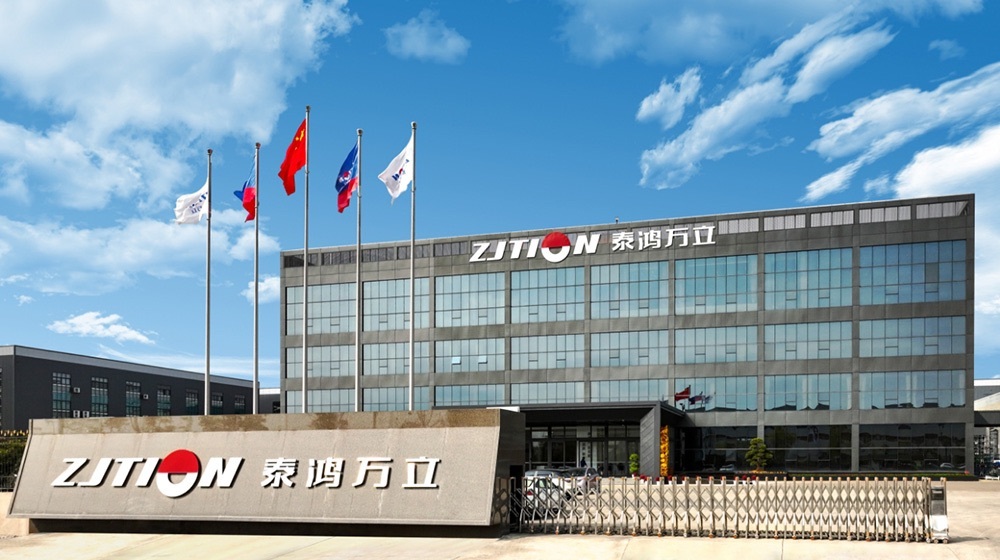
Group 1: Xiaomi's Entry into the Automotive Market - Xiaomi officially launched its first SUV, the Xiaomi YU7, which received over 200,000 pre-orders within 3 minutes and 289,000 within 1 hour of its release [1] - The Xiaomi YU7 is positioned as a strong competitor in the new energy vehicle sector, showcasing advanced technology in smart driving and vehicle networking [1] Group 2: Taihong Wanli's Role in the Automotive Supply Chain - Taihong Wanli (603210.SH) has established long-term partnerships with major automotive manufacturers, including Xiaomi, due to its strong R&D, design, and manufacturing capabilities [3] - The company has a solid foundation in the automotive industry, with over 20 years of experience and significant advantages in mold development and technology [4] Group 3: Taihong Wanli's Technological Advancements - Taihong Wanli has developed several core technologies, including high-efficiency low-energy automatic welding for automotive stamping parts and lightweight technology for vehicle side panels [4] - The company emphasizes product quality and has implemented a comprehensive quality control system throughout the production process [4] Group 4: Financial Performance and Growth Prospects - Taihong Wanli's revenue is projected to grow from 1.478 billion yuan in 2022 to 1.689 billion yuan in 2024, with net profit increasing from 126 million yuan to 177 million yuan during the same period [5] - The collaboration with Xiaomi is seen as a model for synergy in the automotive supply chain, potentially leading to innovative automotive products and revitalizing the industry [5]
立讯精密:汽车和通讯业务高增长
Cai Fu Zai Xian· 2025-06-26 02:55
Core Viewpoint - Lixun Precision has undergone a transformative journey over the past decade, achieving a tenfold increase in market value and expanding its business from components to high-end assembly in the consumer electronics sector, while also diversifying into automotive and AI communication markets [1][2]. Group 1: Consumer Electronics Business - Lixun Precision established a foundation for AirPods production by acquiring Suzhou Meite in 2016 and became a core assembler for AirPods in 2017 [1]. - The company expanded into iPhone assembly by acquiring Wistron assets in 2020 and secured exclusive orders for VisionPro and iPhone Pro Max in 2023 and 2024, respectively [1]. - The company emphasizes risk mitigation by diversifying its business and is focusing on emerging markets, particularly in automotive and AI communication sectors, which are expected to grow similarly to the rapid expansion seen in consumer electronics from 2016 to 2017 [1]. Group 2: Automotive Business Expansion - Lixun Precision entered the automotive electronics and parts sectors through acquisitions in 2012 and 2013, which have facilitated the development of complex precision components and vehicle wiring harnesses [2]. - The company is positioned to benefit from the robust growth of the automotive supply chain in China, with expectations of double-digit growth rates, potentially exceeding 50% in the coming years [2]. - Collaborations with major domestic automakers like Chery and GAC have elevated Lixun's Tier 1 business, with plans for further development of ODM platforms and core component business [2]. Group 3: Strategic Acquisitions - In September 2024, Lixun Precision announced a significant acquisition of a 50.1% stake in the German automotive wiring harness manufacturer Leoni for approximately €5.25 billion, enhancing its competitive edge in the global automotive wiring harness market [3]. - This acquisition is expected to facilitate resource sharing and strategic collaboration, positioning Lixun to provide integrated services to both Chinese and traditional overseas automotive companies [3]. - The automotive business is projected to reach a scale of over 10 billion in 2024, leveraging Lixun's capabilities in consumer electronics and advanced manufacturing [3]. Group 4: AI and Innovation - Lixun Precision has been strategically positioned in the AI sector for over a decade, focusing on server-related electrical connections, optical modules, power supplies, and thermal management [4]. - The company has achieved mass production of 224G high-speed cable products and is set to begin pre-research on 448G products in January 2024 [4]. - Lixun's power module and thermal management products are expected to significantly outperform industry averages, with anticipated revenue and profit doubling in 2025 [4]. Group 5: Optical Modules and Connectivity - Lixun Precision currently possesses the capability to supply optical modules with specifications of 1.6T and higher, leveraging its leadership in electrical connection technology to deepen customer relationships [5]. - The company is making strides in high-speed interconnects, entering the supply chains of major global cloud providers and equipment manufacturers, while also advancing collaborative projects with clients [5]. - Intel's investment in Lixun Technology is expected to complement the company's advantages in high-speed interconnects, facilitating further expansion in the communications sector and overseas server markets [5].

登陆纳斯达克仅7个月,小马智行入选金龙指数
Nan Fang Du Shi Bao· 2025-06-25 15:17
Group 1 - The Nasdaq China Golden Dragon Index (HXC) has included Pony.ai, marking a significant recognition of China's autonomous driving technology in the global capital market [2] - The index now comprises 73 Chinese companies, with Pony.ai being the only representative of cutting-edge technology as the first and only L4 autonomous driving company [2] - This inclusion is expected to attract hundreds of millions of dollars in incremental funds from passive investments such as ETFs and hedge funds, enhancing liquidity and valuation [2] Group 2 - Pony.ai's seventh-generation autonomous driving system has reduced hardware costs by 70%, with specific reductions of 80% in onboard computing units and 68% in lidar costs, achieved through partnerships with major automotive manufacturers [3] - The company anticipates a 200% year-on-year increase in revenue from its Robotaxi business in 2024, with a more than 20% growth in registered users, indicating the emergence of scale effects [3] - Once the fleet size exceeds 1,000 vehicles, the company expects to achieve a dynamic balance between operating costs and revenue, initiating a positive cycle of profitability [3] Group 3 - Following the index inclusion, the Nasdaq China Golden Dragon Index rose by 3.3%, with Pony.ai's stock surging 16%, reflecting market optimism towards the autonomous driving sector [4] - This trend indicates a shift in investment logic from "model innovation" to "hard technology-driven" approaches within the Chinese concept stock market [4] Group 4 - Pony.ai is expanding its technology solutions globally, having established a strategic partnership with the Dubai Roads and Transport Authority to advance the commercial operation of fully autonomous Robotaxis [7] - The company has also initiated road tests in cities like Seoul and Luxembourg, collaborating with Singapore's ComfortDelGro to develop transportation services [7] - Middle Eastern sovereign wealth funds have invested in Pony.ai, aligning its technology output with local smart city strategies [7] Group 5 - The integration of technology, capital, and market dynamics is becoming clearer for Pony.ai as it approaches mass production of its seventh-generation Robotaxi, driving the revolution in transportation [5]
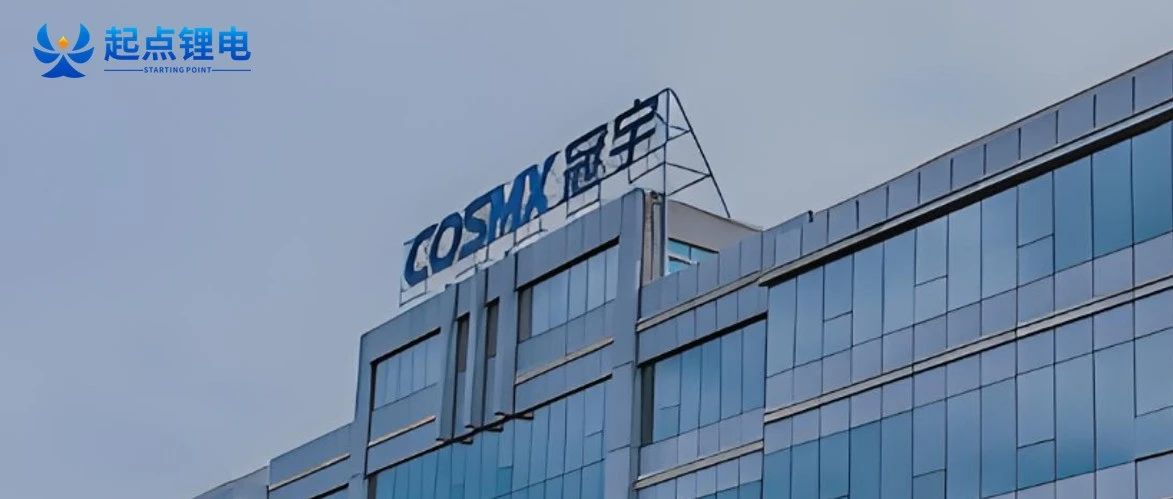
珠海冠宇获多家车企定点!
起点锂电· 2025-06-24 10:12
Core Viewpoint - The article highlights the growing significance of low-voltage lithium batteries in the automotive industry, particularly focusing on the advancements and market positioning of Zhuhai Guanyu, which has secured multiple contracts with major automotive manufacturers for low-voltage battery supply [2][3]. Group 1: Low-Voltage Lithium Battery Overview - Low-voltage lithium batteries are defined as those with a voltage below 3.0V, offering advantages such as safety, lightweight, and cost-effectiveness compared to standard 3.7V batteries [5]. - These batteries are increasingly used in electric vehicles (EVs) to replace lead-acid batteries, particularly for functions like start-stop systems, lighting, and electronic control units [5][7]. Group 2: Zhuhai Guanyu's Market Position - Zhuhai Guanyu has established itself as a leading supplier in the low-voltage lithium battery sector, having received orders from numerous automotive companies including General Motors, Jaguar Land Rover, and NIO [3][7]. - The company reported an auxiliary battery installation of nearly 900,000 sets in 2024, positioning it within the top tier of the industry [7]. Group 3: Technological Advancements - Zhuhai Guanyu's low-voltage lithium batteries feature three key advantages: wide temperature range (-40°C to 85°C), compact design with over 60% reduction in size and weight, and a dual supply chain system for efficient delivery [7][8]. - The company is the first to commercialize 48V low-voltage lithium batteries, which significantly reduce fuel consumption and enhance energy recovery efficiency [7][8]. Group 4: Project Developments - The company is expanding its production capacity, with a significant project in Malaysia involving an investment of approximately 2 billion RMB, aimed at enhancing global customer response and delivery capabilities [10]. - Zhuhai Guanyu is also advancing in solid-state battery technology, having established a new experimental line for all-solid-state lithium batteries [10][11]. - The company plans to complete its Doumen project by November this year, which will introduce multiple fully automated production lines [10].