Rapidus

Search documents
中国FlipFET技术,颠覆芯片
3 6 Ke· 2025-08-25 01:13
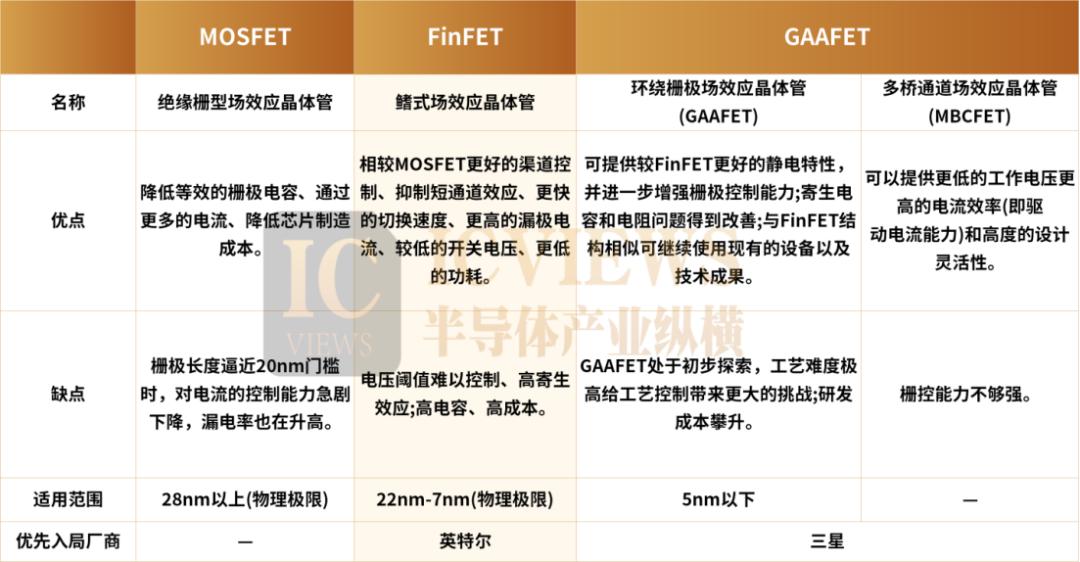
Group 1 - The semiconductor industry is entering the GAA (Gate-All-Around) era in 2025, marking a significant shift in technology with the introduction of GAAFET (Gate-All-Around Field Effect Transistor) [1][2] - Samsung has already implemented GAAFET technology in its 3nm chips, while TSMC plans to adopt it in its 2nm chips later this year [2][5] - Following GAA, CFET (Complementary FET) was previously considered the next benchmark architecture, but the introduction of FlipFET technology by Peking University has garnered significant attention [2][28] Group 2 - The semiconductor industry has relied on a formula of shrinking transistor sizes for over fifty years, with FinFET being the leading technology during the 2D transistor era [3][4] - FinFET faced challenges in the 5nm process due to stability and electrostatic issues, leading to the adoption of GAAFET in the 3nm era [5][34] - CFET technology is seen as a strong competitor due to its ability to stack different conductive channel types vertically, allowing for significant area reduction in integrated circuits [6][15] Group 3 - FlipFET technology, introduced at VLSI 2025, has shown a 3.2 times increase in logic density and a 58% reduction in power consumption compared to traditional FinFET [28][29] - FlipFET's design allows for a unique "double-sided active region" and avoids the complex alignment issues faced by CFET, making it a promising alternative [28][30] - The advancements in FlipFET technology indicate a shift in the semiconductor landscape, with potential implications for future chip designs and manufacturing processes [32][33] Group 4 - TSMC plans to achieve 1nm process technology by 2030, with projections of over 1 trillion transistors in chips using 3D packaging technology [33] - Intel aims to start mass production of processors based on its 18A process technology in 2025, which utilizes GAA transistors for improved performance [34] - IBM is seeking a long-term partnership with Japan's Rapidus to develop chips below 1nm, indicating a collaborative approach to advancing semiconductor technology [35]


日本为何要窃取台积电技术机密?
Hu Xiu· 2025-08-21 07:03
Core Insights - TSMC's 2nm process technology has reportedly been compromised, with implications for Japan's semiconductor revival efforts, particularly targeting the company Rapidus [1] Group 1: TSMC's Technology Leak - TSMC's 2nm process technology has faced a significant security breach, raising concerns about the protection of proprietary information [1] - The leak is seen as a direct threat to TSMC's competitive edge in the semiconductor industry [1] Group 2: Impact on Japan's Semiconductor Industry - The incident highlights the ongoing challenges Japan faces in revitalizing its semiconductor sector, with Rapidus positioned as a key player in this effort [1] - Rapidus's ambitions may be undermined by the theft of TSMC's technology, potentially affecting its development timeline and market competitiveness [1]
台积电泄密案事有多大?
Hu Xiu· 2025-08-12 08:39
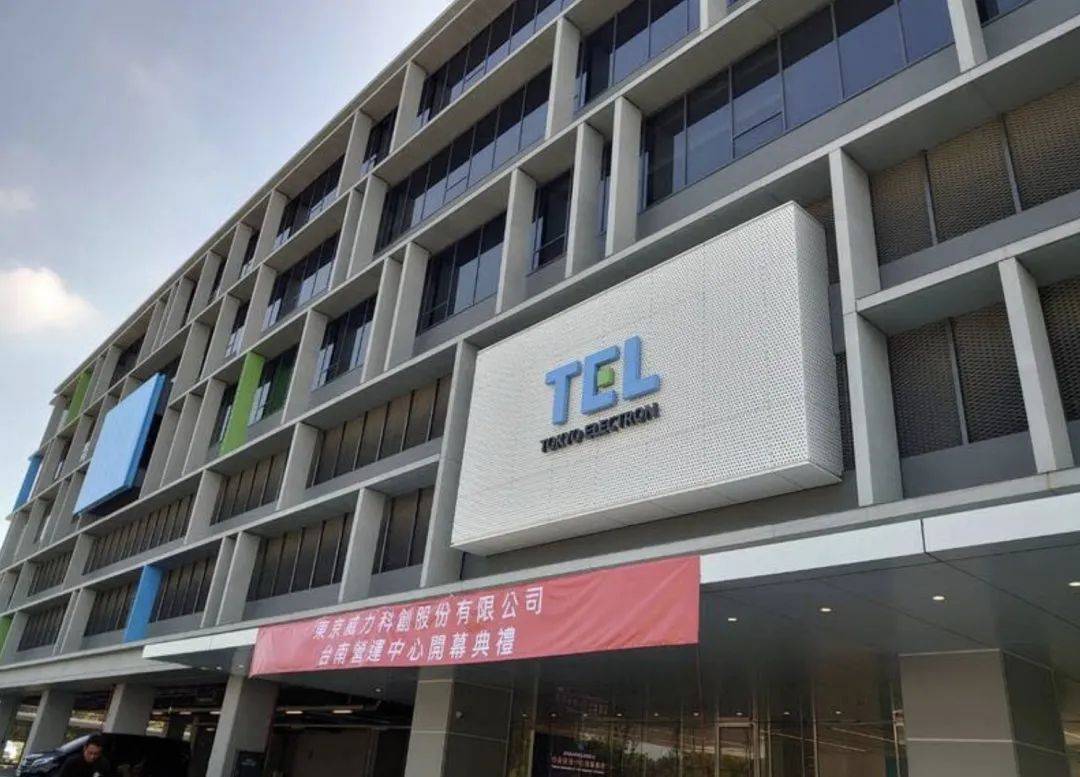
Core Viewpoint - The semiconductor industry is complex, but the future of TSMC is straightforward: its status will shift from being the sole leader to a scenario where it may no longer hold that position [1][35]. Group 1: Incident Overview - TSMC's 2nm technology has been allegedly stolen by Tokyo Electron, which poses a significant threat to TSMC and the global semiconductor industry [2][3]. - The nature of the incident raises questions about whether it is an industrial or state-sponsored act, and how the U.S. might benefit from it [4][24]. Group 2: Technical Implications - The theft involves critical technology that is not solely developed by individual manufacturers but is a result of collaboration with upstream and downstream partners [7][15]. - TSMC's initial yield for 2nm technology is 60%, while competitors like Samsung and Intel have significantly lower yields, indicating the value of the stolen technology [14][33]. Group 3: Stakeholder Dynamics - Tokyo Electron, a supplier to TSMC, is implicated in the theft, with employees involved having previously worked at TSMC [9][10]. - The relationship between Tokyo Electron and Rapidus, a company aiming to produce 2nm chips, complicates the situation, suggesting potential collusion or shared interests [10][11]. Group 4: Geopolitical Context - The U.S. and Japan's collaboration in the semiconductor sector is seen as a strategy to counterbalance the influence of Taiwan and South Korea [18][24]. - There are speculations that the U.S. may leverage the situation to pressure TSMC into transferring technology to American firms like Intel [30][31]. Group 5: Future Outlook - TSMC's dominance in the semiconductor market may be challenged, with the potential for its key technologies to be shared or stolen, leading to a diminished competitive edge [35][36]. - The ongoing developments suggest that TSMC's future may involve significant changes in its operational landscape, potentially impacting its market position [35][36].
雁默:从一个人的武林到武林没这个人,台积电泄密案事有多大?
Guan Cha Zhe Wang· 2025-08-12 01:19
Core Viewpoint - The article discusses the potential decline of TSMC's dominance in the semiconductor industry due to the theft of its 2nm technology by Tokyo Electron's subsidiary, which could lead to significant shifts in the global chip market [1][14]. Group 1: Incident Overview - TSMC's 2nm technology was allegedly stolen by Tokyo Electron's subsidiary, raising concerns about the security of its proprietary technology [1]. - The incident has sparked debate on whether it is an industrial or state-sponsored act, with implications for TSMC's future and the semiconductor industry as a whole [1][6]. Group 2: Implications for TSMC - TSMC's confidence in its technology stems from its collaboration with upstream and downstream partners, which is crucial for achieving high yield rates [2]. - The initial yield rate for TSMC's 2nm process is reported at 60%, while competitors like Samsung and Intel have significantly lower rates of 30% and 10%, respectively [5]. Group 3: Competitive Landscape - Rapidus, a company involved in the development of 2nm chips, is suspected of benefiting from the stolen technology, raising questions about its rapid progress in the semiconductor field [4][5]. - The relationship between Tokyo Electron, Rapidus, and potential state involvement suggests a complex web of interests that could threaten TSMC's market position [4][9]. Group 4: U.S. and Japan's Strategic Interests - The U.S. may leverage Japan's acquisition of TSMC's technology to balance power in the semiconductor market, particularly against TSMC and Samsung [8][11]. - There are concerns that the U.S. could indirectly benefit from the theft, as it may facilitate technology transfer to American companies like Intel [11][12]. Group 5: Future Outlook - The article suggests that TSMC's position as a leader in advanced chip manufacturing may be at risk, potentially leading to a scenario where it no longer holds a dominant role in the industry [14]. - The ongoing geopolitical dynamics and the potential for further technology theft could significantly impact TSMC's ability to maintain its competitive edge [12][14].
从一个人的武林到武林没这个人,台积电泄密案事有多大?
Guan Cha Zhe Wang· 2025-08-12 01:08
Core Viewpoint - The article discusses the potential impact of a technology theft incident involving TSMC's 2nm technology by Tokyo Electron's subsidiary, which could significantly alter TSMC's dominant position in the semiconductor industry, suggesting a shift from "one person's martial arts world" to "no one in the martial arts world" [1][16]. Group 1: Incident Overview - TSMC's advanced technology may no longer be exclusive to the company, as the theft incident raises concerns about the involvement of U.S. and Japanese semiconductor alliances in acquiring TSMC's secrets [1][9]. - The nature of the incident is questioned, whether it is an industrial act or a state-sponsored action, with implications for TSMC and Taiwan's semiconductor industry [2][7]. Group 2: Technical Collaboration and Yield Improvement - TSMC's confidence in its technology stems from close collaboration with upstream and downstream partners, which is crucial for improving yield rates and achieving profitability [3][6]. - The yield rates for TSMC's 2nm technology are reported at 60%, while competitors like Samsung and Intel have significantly lower rates, indicating the value of the technology being targeted [6][14]. Group 3: Involvement of Other Companies - Tokyo Electron's subsidiary, Tokyo Electron Technology, does not produce chips but plays a role in providing manufacturing equipment and improving yield rates, raising questions about their motives in the theft [5][7]. - Rapidus, a company involved in the development of 2nm chips, is linked to the theft, with suspicions about its rapid progress and potential acquisition of TSMC's technology [5][10]. Group 4: U.S. and Japanese Strategic Interests - The U.S. may benefit from the incident by leveraging Japan's acquisition of 2nm technology to balance power against TSMC and Samsung, rather than replacing them [9][10]. - The article suggests that the U.S. may be using Japan as a proxy to undermine TSMC's position in the semiconductor market, raising concerns about the future of TSMC's technology and its implications for the global supply chain [8][9]. Group 5: Future Implications for TSMC - The potential sharing of stolen technology between Japan and the U.S. could threaten TSMC's competitive edge, leading to a decline in its market dominance [11][14]. - TSMC's production capacity is still heavily reliant on its facilities in Taiwan, which may face challenges as geopolitical tensions and competitive pressures increase [14][16].
日本2nm晶圆厂,困难重重
半导体行业观察· 2025-08-12 00:52
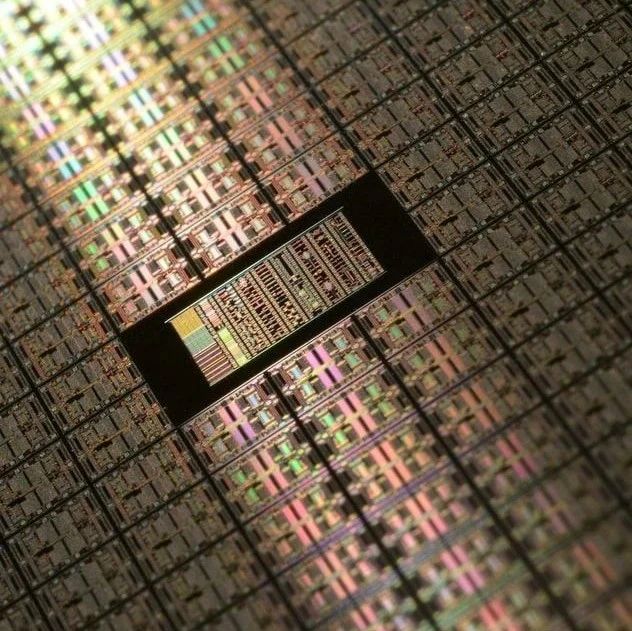
Core Viewpoint - Rapidus has successfully formed a 2-nanometer transistor structure at its Chitose factory, marking Japan's first production of advanced semiconductor components since 2009-2010, but faces significant challenges ahead in mass production and customer acquisition [2][3] Group 1: Technological Achievements - Rapidus achieved a significant milestone by forming a 2-nanometer transistor structure, a feat not accomplished by Japanese companies for over a decade [2] - The only companies currently capable of prototype mass production of 2-nanometer semiconductors are TSMC, Samsung, and Intel, with TSMC being the only one expected to achieve scalable profitability [2] Group 2: Financial and Operational Challenges - The estimated funding required for Rapidus to achieve mass production is 5 trillion yen (approximately 34 billion USD), primarily sourced from government funding, potential customer investments, and bank loans [3][4] - There is a concern that Rapidus may fall into a trap of nationalization, as the government is heavily involved in funding and supporting the company [3] Group 3: Strategic Considerations - The Japanese government recognizes the importance of domestic demand for the success of semiconductor factories, indicating that without it, establishing such facilities in Japan may be futile [3] - Rapidus is advised to adopt a more flexible strategy and avoid rigidly pursuing its initial plan, which may not align with the evolving industry landscape [4]
矽盾两大打击 台积撑得住
Jing Ji Ri Bao· 2025-08-09 23:27
Group 1 - TSMC has faced challenges including the theft of trade secrets and threats of high tariffs from the U.S., but its strong foundation in AI technology helps it remain resilient [1][2] - TSMC has dismissed several employees for allegedly stealing 2nm process technology, while former President Trump threatened to impose a 100% tariff on imported chips [1] - TSMC's investment in the U.S. allows it to be exempt from Trump's semiconductor tariffs, and there are ongoing discussions regarding a potential $300 billion investment in Arizona [1] Group 2 - The leak of TSMC's advanced 2nm process technology is a significant concern, involving not only TSMC employees but also former employees of Tokyo Electron [2] - TSMC's competitors, including Samsung, Rapidus, and Intel, rely on the same semiconductor equipment suppliers, making it difficult for them to surpass TSMC even if they acquire its technology [2] - The Taiwanese semiconductor industry, particularly TSMC, has spent decades establishing its leadership in advanced chip manufacturing, with no clear shortcuts for competitors to overtake it [2]
台积电2nm泄密,日企光速解雇一人
Guan Cha Zhe Wang· 2025-08-08 06:16
Group 1 - Tokyo Electron announced the dismissal of an employee from its Taipei branch following the arrest of six individuals suspected of stealing TSMC's trade secrets [1] - TSMC confirmed the leak of trade secrets related to its 2nm process, resulting in the dismissal of multiple employees and legal actions against them [1][2] - The investigation revealed that approximately 10 individuals were involved, including a former TSMC employee who contacted R&D personnel to obtain confidential information [1] Group 2 - Three individuals from the 2nm trial production team were found to have leaked over 400 images of process integration technology to Tokyo Electron employees while working remotely [2] - TSMC maintains a zero-tolerance policy towards violations of trade secret protection and has implemented strict monitoring mechanisms to detect such breaches [1][2] - In the global foundry market, TSMC holds a dominant position with a 67.6% market share, while Samsung and SMIC follow with 7.7% and 6.0% respectively [3]

台积电2nm泄密,日企解雇一人
Guan Cha Zhe Wang· 2025-08-08 06:14
Group 1 - Tokyo Electron announced the dismissal of an employee from its Taipei branch following the arrest of six individuals suspected of stealing TSMC's trade secrets, marking the company's first public statement on the matter [1] - TSMC confirmed the leak of trade secrets related to its 2nm process, resulting in the dismissal of multiple employees, and emphasized its zero-tolerance policy towards violations of trade secret protection [1][2] - An internal investigation revealed that approximately 10 individuals were involved in the leak, including a former TSMC employee who contacted R&D personnel to obtain confidential information [1] Group 2 - Three individuals involved in the 2nm trial production were found to have illegally connected to the internal network while working from home, capturing over 400 images of process integration technology and sharing them with Tokyo Electron employees [2] - The Japanese government-backed startup, Rapidus, announced significant progress in its $34 billion (approximately 2440.92 billion RMB) 2nm chip project, successfully producing Japan's first 2nm transistor [2] Group 3 - TSMC holds a dominant position in the global foundry market with a 67.6% market share, followed by Samsung at 7.7%, SMIC at 6.0%, UMC at 4.7%, and GlobalFoundries at 4.2%, collectively accounting for 90.2% of the market [3]
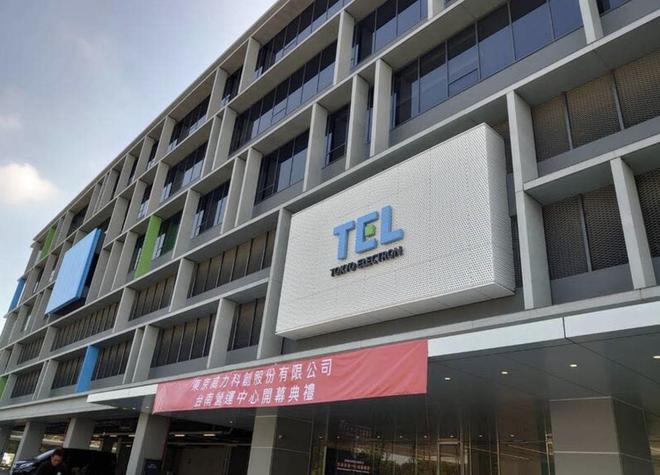
Tokyo Electron前员工涉及获取台积电机密
日经中文网· 2025-08-08 02:51
Core Viewpoint - The investigation into Tokyo Electron's involvement in the alleged illegal acquisition of TSMC's confidential information highlights the increasing scrutiny and regulatory measures in Taiwan to prevent technology leakage, particularly in the semiconductor industry [2][5]. Group 1: Incident Overview - Three individuals, including two TSMC employees and one former Tokyo Electron technician, were detained by Taiwanese authorities for allegedly attempting to illegally obtain confidential information related to 2nm semiconductor technology [4][5]. - Tokyo Electron confirmed that the former employee involved has been dismissed and stated that there is currently no evidence of confidential information being leaked externally [4][5]. Group 2: Regulatory Context - Taiwan's introduction of the "economic espionage" law in 2022 aims to combat the theft of core technologies, particularly those related to semiconductors below 14nm [5]. - This case marks the first instance of enforcement under the revised National Security Law concerning the illegal acquisition of core technology [5]. Group 3: Industry Implications - The incident raises concerns about technology leakage, which has been a significant issue for Taiwan, as evidenced by past legal actions taken by TSMC against former employees who joined competitors [5]. - TSMC plans to begin mass production of 2nm semiconductors in the second half of 2025, while competitors like Intel and Samsung are facing challenges in their R&D efforts [5]. - Tokyo Electron ranks fourth globally in semiconductor manufacturing equipment sales and has numerous leading products in the market [6].