奔驰

Search documents
豪美新材(002988) - 2025年9月19日投资者关系活动记录表
2025-09-19 09:34
Group 1: Company Overview and Market Position - Guangdong Haomei New Materials Co., Ltd. is one of the largest domestic companies specializing in lightweight aluminum-based new materials for the automotive industry, providing high-strength aluminum extrusion alloy materials to major automotive brands including Mercedes-Benz, BMW, Toyota, and Honda [2][3]. - The company is actively expanding its product development efforts to explore applications of aluminum alloy lightweight materials in emerging fields, aiming to cultivate new growth points [3]. Group 2: Project Developments - The company is currently constructing an automotive lightweight component processing base in Wuhu, Anhui, which is expected to increase processing capacity by approximately 30,000 tons, enhancing the company's competitiveness and ability to respond quickly to market demands in East China [3]. Group 3: Investor Relations Activity - On September 19, 2025, the company participated in the online collective reception day for investors, where key topics included technical collaborations with leading domestic and international companies in the fields of new energy vehicles and humanoid robots [2][3]. - The event did not involve any undisclosed significant information [3].
坤泰股份(001260) - 坤泰股份投资者关系活动记录表
2025-09-19 08:10
Company Overview - Kuntai Co., Ltd. (Stock Code: 001260) specializes in the R&D, production, and sales of automotive interior materials and products, listed on February 16, 2023, on the Shenzhen Stock Exchange [2] - The company covers the entire industry chain of automotive interior components, with main products including automotive tufted carpets and needle-punched carpets, primarily targeting the complete vehicle supply market [2] - Kuntai has established stable partnerships with brands such as BMW, Audi, Mercedes-Benz, Volvo, Hongqi, NIO, Li Auto, and Xpeng, and has set up subsidiaries in the USA, Singapore, Mexico, and Morocco to expand overseas [2] Product Details - Tufted carpets are made from fiber and are widely used in mid-to-high-end fuel vehicles and new energy vehicles, with a higher price point compared to needle-punched carpets [3] - Needle-punched carpets are made from short fibers and are commonly used in mid-to-low-end fuel vehicles and new energy vehicles [3] Production and Investment Updates - The Mexican production base has achieved small-scale production, with plans for stable operations based on customer orders to reach full-scale production soon [3] - Investments in Morocco are funded by the company's own capital, with a low asset-liability ratio and sufficient bank credit, indicating no significant financial pressure [3] - The total investment for the Moroccan production base is planned to be no more than 100 million RMB, targeting the European automotive carpet market to foster new business growth [3]
欧盟正在考虑对华制裁?欧企突然忍不住叫屈:还需要中国更多稀土
Sou Hu Cai Jing· 2025-09-19 07:25
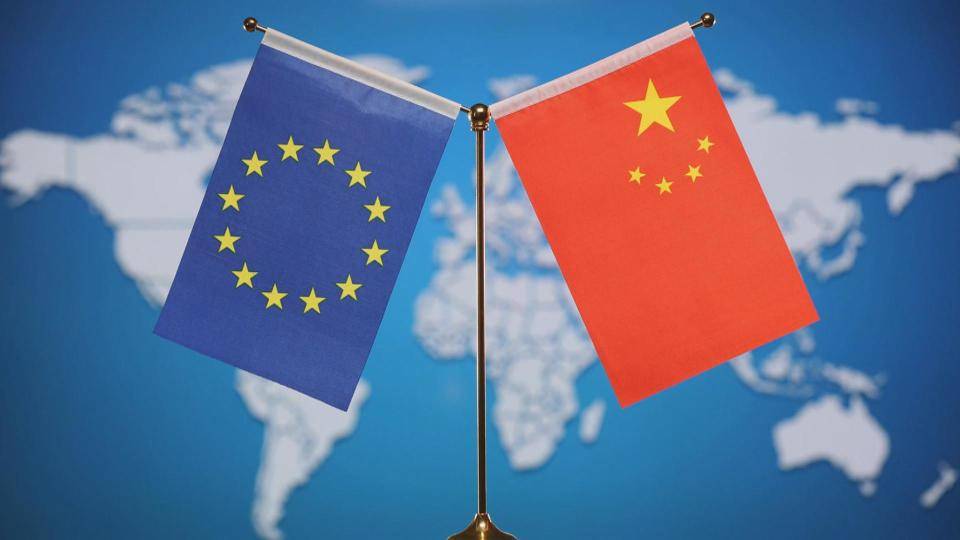
Core Viewpoint - The European Union (EU) is caught in a dilemma between U.S. pressure to adopt a hardline stance against China and the urgent calls from European companies facing rare earth shortages, highlighting the economic implications of geopolitical tensions [1][5][13]. Group 1: Economic Implications - The EU's high-end manufacturing sector is heavily reliant on rare earth imports from China, with Germany alone depending on China for 65.5% of its rare earth needs by 2024 [3][9]. - The EU is experiencing a significant reduction in rare earth imports, with countries like Germany, France, and Spain seeing a nearly 60% year-on-year decline in total imports due to tightened export license approvals from China [7][10]. - The shortage of rare earths is causing production delays for major automotive companies like Mercedes and Renault, as well as layoffs in semiconductor manufacturing [7][9]. Group 2: Geopolitical Tensions - The U.S. is pushing its allies to impose tariffs on imports from China and India under the guise of punishing countries supporting Russia, complicating the EU's position [3][5]. - The EU's internal divisions are evident, with some members warning that losing access to the Chinese market could have more severe consequences than losing the U.S. market [10][11]. - The EU's strategic autonomy plan aims to reduce reliance on Chinese rare earths to below 10% by 2030, but the timeline for achieving this is lengthy and fraught with challenges [9][10]. Group 3: Supply Chain Challenges - The global rare earth supply chain is predominantly controlled by China, which holds over 90% of the refining capacity, making it difficult for the EU to find alternative sources quickly [4][9]. - The EU's attempts to initiate domestic rare earth mining projects and collaborate with countries like Australia and Canada face significant time, technical, and environmental hurdles [9][10]. - The EU's current predicament reflects the complexities of balancing geopolitical pressures with economic realities, as cooperation with China may be the only viable path forward [13].

成龙和郭富城,谁才是真正的广告天王?
Sou Hu Cai Jing· 2025-09-19 00:45
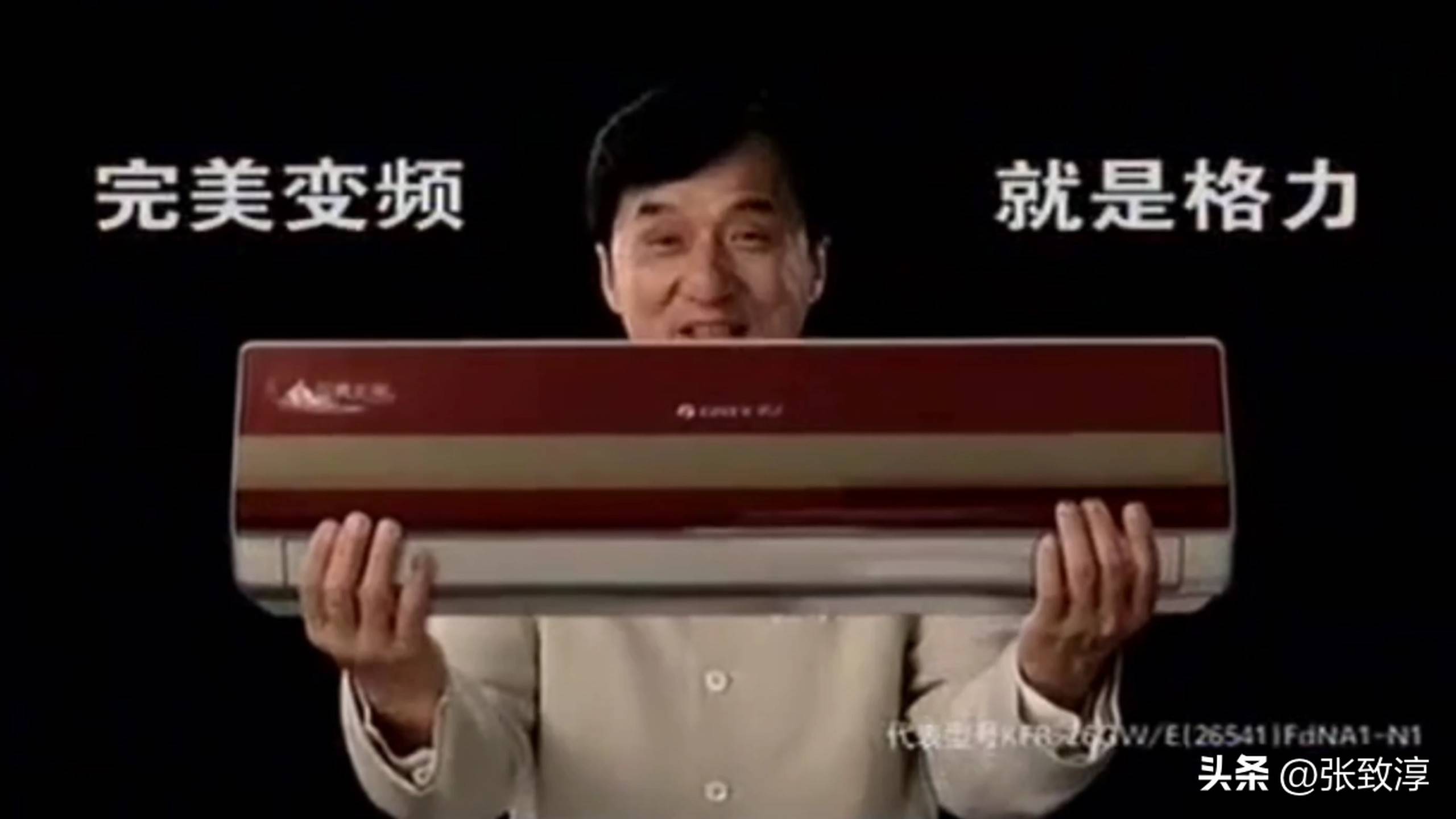
Group 1 - The article discusses the contrasting brand endorsement philosophies of two iconic figures, Aaron Kwok and Jackie Chan, highlighting how their unique approaches reflect broader commercial truths [7]. - Aaron Kwok's endorsements span various industries, from fashion to technology, showcasing a blend of artistic and commercial success, while maintaining a timeless appeal [3][8]. - Jackie Chan, despite being labeled a "brand killer," has created significant commercial success through his endorsements, illustrating the unpredictable nature of market dynamics [5][8]. Group 2 - The analysis emphasizes that the longevity of a brand is influenced by internal factors such as supply chain resilience and market sensitivity, rather than solely by celebrity endorsements [8]. - Both celebrities represent different aesthetic values in brand endorsement, yet they converge on the idea that quality is essential for a brand's enduring success [8].
最后一个电车免税的“金九银十”!近40款新车扎堆上市
Di Yi Cai Jing· 2025-09-19 00:34
Group 1 - The automotive market is experiencing a surge in new vehicle launches, with nearly 40 new models expected in September 2023, compared to 17 in the same month of 2024, indicating a significant increase in activity [1] - September 17 alone saw the launch of five new electric vehicle models, including the 2025 Mercedes-Benz EQS and the new Chery Fengyun X3L, highlighting the trend towards electric vehicles [1] - The Chinese government has been supporting the electric vehicle industry by exempting vehicle purchase tax since 2014, with 2023 being the last year for full exemption, and a gradual reduction in tax for 2026 and 2027 [1] Group 2 - Automakers are under pressure to meet annual sales targets, with Geely and BYD leading in completion rates at 63% and 62% respectively, while others like BAIC are struggling at 36% [2] - New energy vehicle brands such as XPeng and Li Auto have shown higher completion rates, while brands like NIO and Zeekr face significant sales challenges with rates below 40% [2] - In response to market pressures, several automakers have introduced promotional strategies, including Tesla's price cuts and financing offers, to stimulate sales [2] Group 3 - Over 20 provinces and cities in China have launched regional purchase subsidies in September, creating a layered subsidy effect to encourage vehicle purchases [3] - For example, Guangxi province has initiated a vehicle purchase subsidy program with amounts ranging from 2,000 to 5,000 yuan, totaling 350 million yuan in subsidies [3] - Local governments are also offering additional incentives such as fuel vouchers and insurance coupons to further promote vehicle sales [3]


上汽大众陶海龙: 合资豪华新能源车驶入快车道
Zhong Guo Zheng Quan Bao· 2025-09-18 20:26
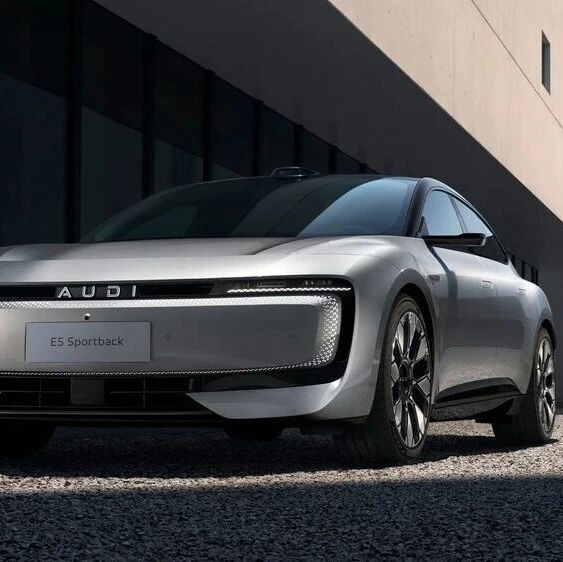
Core Insights - The current luxury car market in China is undergoing significant transformation, with increasing competition and a slight decline in total sales expected in the first half of 2025, estimated at around 1.6 million units [1] - Domestic high-end brands are rapidly gaining market share from traditional luxury and super-luxury brands, driven by the wave of smart technology and new energy vehicles [1] - SAIC Audi has introduced the "oil-electric dual progress" strategy to cater to diverse consumer needs, launching the new electric model Audi E5 Sportback, which received over 10,000 orders within 30 minutes of its release [1][2] Market Dynamics - The luxury brand market in China faces challenges in the new energy vehicle era, but a clear path for transformation has been identified, emphasizing trust and cooperation as key success factors [2] - The E5 Sportback is positioned to appeal to a new generation of consumers who value independent thinking and are not swayed by trends, offering a competitive price point compared to similar models from Tesla, BMW, and Mercedes-Benz [3] - The E5 Sportback features impressive specifications, including a 0-100 km/h acceleration in 3.4 seconds and a maximum range of 773 kilometers, along with advanced smart features [3] Strategic Initiatives - The "oil-electric dual progress" strategy is designed to address the diverse preferences of consumers across different regions in China, recognizing the demand for high-end intelligent fuel vehicles [5] - There is a notable gap in the market for high-end intelligent fuel vehicles, particularly among younger, educated consumers who prioritize efficiency and quality [6] - SAIC Audi aims to create a new category of high-end intelligent fuel vehicles by integrating more smart elements into traditional fuel cars, while also launching the luxury electric brand AUDI to tap into the growing electric vehicle segment [6]

上汽大众陶海龙:合资豪华新能源车驶入快车道
Zhong Guo Zheng Quan Bao· 2025-09-18 20:24
Core Insights - The Chinese luxury car market is undergoing significant transformation, with increasing competition and a slight decline in total sales expected to reach approximately 1.6 million units in the first half of 2025 compared to the previous year [1] - Domestic high-end brands are rapidly gaining market share from traditional luxury and ultra-luxury brands, driven by the wave of smart technology and new energy vehicles [1] - SAIC Audi has introduced the "oil-electric dual advancement" strategy to cater to diverse consumer needs, launching the new electric model Audi E5 Sportback, which received over 10,000 orders within 30 minutes of its release [1][2] Market Dynamics - The luxury brand market in China faces challenges in the new energy vehicle era, but a clear path for transformation has been identified through mutual trust and cooperation [2] - The E5 Sportback targets a new generation of consumers who value independent thinking and are not swayed by trends, offering a competitive price point compared to rivals like Tesla Model 3 and BMW i3 while maintaining high performance and advanced features [3] Product Development - The E5 Sportback showcases a unique blend of traditional German engineering and modern Chinese smart technology, developed in just 18 months, which is significantly shorter than the typical development cycle for Audi models [3][4] - The collaboration between the German and Chinese teams emphasizes the importance of local insights and advanced technology in shaping the product's intelligent experience [4] Strategic Positioning - The "oil-electric dual advancement" strategy is designed to address the diverse preferences of consumers across different regions in China, recognizing the demand for high-end intelligent fuel vehicles that combine mechanical feel with smart features [4] - The introduction of the E5 Sportback and the new A5L Sportback represents SAIC Audi's efforts to create a new category of "high-end intelligent fuel vehicles," enhancing product competitiveness in the market [4][5] Industry Implications - The successful launch of the E5 Sportback reflects a deep understanding of the Chinese new energy vehicle market, appealing to consumers who desire both German driving quality and top-tier intelligent experiences [5] - This model sets a precedent for traditional luxury brands to integrate more deeply with the Chinese market, providing a new direction for collaboration among joint venture brands [6]
商务部:希望欧方不将关税武器化 消除市场壁垒
Xin Hua Wang· 2025-09-18 14:34
Group 1 - The Chinese government hopes that the European side will not weaponize tariffs, eliminate market barriers, and encourage fair competition to create a predictable market environment for industrial development [1][2] - The announcement of a €20,000 small electric vehicle by Volkswagen aligns with market demand and consumer expectations for diverse, advanced, and affordable products [1] - Chinese electric vehicles are driving the electrification and intelligent transformation of the industry, demonstrating the capability of European automakers to adapt to market competition [1][2] Group 2 - The Chinese government criticizes the European side for using protectionist measures while advocating for climate change, stating that protectionism does not provide a solution [2] - Cooperation is emphasized as the correct approach, with a willingness to promote collaboration in the electric vehicle sector, highlighting partnerships between European and Chinese companies [2][3] - The Chinese government has been cautious in using trade remedy measures, contrasting with the European Union's initiation of multiple investigations against Chinese exports [3]
商务部9月18日召开例行新闻发布会
Shang Wu Bu Wang Zhan· 2025-09-18 10:54
Group 1: Trade and Economic Measures - The 138th Canton Fair will implement more extensive support measures for foreign trade enterprises, including a significant reduction in booth fees for all participating companies, with over 5,000 companies benefiting for the first time [3] - The fair will feature over 31,000 participating companies, marking a new high in attendance [3] - The measures include a 50% reduction in booth fees for offline exhibitions and additional discounts for online platforms, aimed at helping export companies expand into international markets [3] Group 2: International Trade Relations - China is responding to the EU's anti-dumping investigation into pork products, emphasizing that the investigation was initiated based on domestic industry applications and conducted in accordance with Chinese laws and WTO rules [5] - In contrast, the EU has initiated seven anti-dumping investigations against China this year, accounting for nearly 40% of its total investigations, affecting approximately $3.5 billion in Chinese exports [5] - China has maintained a cautious approach to trade remedy measures, having only made decisions in three cases this year, while the EU has 95 ongoing trade remedy measures against China, impacting around $39.3 billion in exports [5] Group 3: Sustainability and Global Governance - The WTO's Fisheries Subsidies Agreement, which came into effect on September 15, is a significant milestone for global fisheries governance and multilateral trade, aimed at promoting sustainable development [14] - The agreement establishes binding multilateral disciplines on subsidies, requiring members to enhance transparency in fisheries management and improve sustainable resource assessment capabilities [14] - China, as a major global fishing nation, has committed to fulfilling its obligations under the agreement and actively participating in global fisheries governance [15] Group 4: Electric Vehicle Industry - China welcomes the EU's announcement of a €20,000 ID.1 electric vehicle, aligning with market demands for diverse, advanced, and affordable products [11] - The Chinese electric vehicle industry is recognized for driving innovation and competitiveness, contributing to global efforts in addressing climate change [11] - China advocates for fair competition and opposes protectionist measures that hinder market access, emphasizing the importance of collaboration in the electric vehicle sector [12]
奥迪的一次“关键反击”
虎嗅APP· 2025-09-18 10:27
Core Viewpoint - The Audi E5 Sportsback is considered a significant product in the Chinese automotive market, reflecting current industry trends and posing a competitive threat to domestic brands [2][3][9]. Group 1: Product Significance - The Audi E5 Sportsback received over 10,000 pre-orders within 30 minutes of its launch, indicating strong market demand and product appeal [3]. - The model features a high adoption rate of the quattro all-wheel-drive system, with nearly 60% of initial orders opting for this configuration [3]. - The vehicle's color option, "Morning Purple," was chosen by 35% of buyers, showcasing its aesthetic appeal [3]. Group 2: Key Strategies - Audi's approach with the E5 Sportsback includes localizing technology, innovating brand strategy, and implementing disruptive pricing [5][8]. - A global team was formed between Audi AG and SAIC to integrate Audi's technological expertise into the E5 Sportsback, particularly highlighting the quattro system's performance [6]. - The introduction of a new "AUDI" branding, rather than the traditional four-ring logo, aims to attract a younger, tech-savvy consumer base [8]. Group 3: Market Context - The E5 Sportsback represents a shift in the luxury automotive sector, as traditional brands adapt to the growing dominance of local electric vehicle manufacturers [11]. - Audi's sales of electric vehicles in China were only 7,564 units in the first half of the year, while the penetration rate of electric vehicles in the luxury market exceeded 40% [11]. - The collaboration with Chinese tech companies like Huawei and CATL is essential for traditional luxury brands to remain competitive in the rapidly evolving market [12]. Group 4: Competitive Landscape - The E5 Sportsback's pricing strategy, ranging from 235,900 to 319,900 yuan, directly targets the price segments of emerging domestic brands [8]. - The competitive environment is intensifying as new generation products from luxury brands like BMW and Mercedes-Benz prepare to enter the Chinese market, challenging the current dominance of local new energy vehicle brands [13].