欣旺达

Search documents
关注储能容量电价机制进展 输配电价定价办法出台 | 投研报告
Zhong Guo Neng Yuan Wang· 2025-12-01 03:04
Core Insights - The National Development and Reform Commission (NDRC) has officially issued four pricing methods for transmission and distribution, marking the start of a new round of pricing review for the energy sector [1] Group 1: Energy Storage - Provincial plans for energy storage are accelerating, with Hubei and Heilongjiang provinces releasing their respective energy storage construction plans for 2025-2030 and 2025-2027 [2] - Hubei aims for an installed capacity of 8 million kW by 2027 and 17 million kW by 2030, with specific targets for new energy storage and pumped storage [1][2] - Heilongjiang targets 6 million kW of new energy storage capacity by 2027, emphasizing the importance of establishing a capacity compensation mechanism [2][3] - The introduction of electricity spot markets in Hubei and Heilongjiang is expected to enhance the profitability and financing capability of new energy storage projects [2][3] Group 2: Power Equipment - The new pricing methods for transmission and distribution are favorable for the development of UHV (Ultra High Voltage) and green electricity direct connection projects [4] - The pricing changes allow for a single capacity pricing system for grid companies serving new energy consumption, potentially lowering electricity costs for high-load enterprises and stabilizing grid revenues [4] - The exploration of two-part or single capacity pricing for clean energy transmission projects is expected to promote renewable energy consumption in receiving provinces, benefiting UHV and cross-regional projects [4][5] Group 3: Investment Recommendations - Recommended companies in the energy storage sector include integrators like Sungrow Power Supply and battery manufacturers such as CATL and EVE Energy [3] - In the power equipment sector, companies like XJ Electric and Sany Heavy Industry are highlighted for their potential growth [5]
剑指“反内卷”!工信部召开储能电池企业座谈会,行业重磅公司悉数到场
Xuan Gu Bao· 2025-12-01 00:32
Group 1: Industry Insights - The Ministry of Industry and Information Technology (MIIT) held a meeting on November 28 to discuss the regulation of the power and energy storage battery industry, focusing on promoting high-quality development and addressing irrational competition [1] - MIIT Minister Li Lecheng emphasized the need for targeted policy measures to combat "involution" competition, enhance capacity monitoring, and improve product quality supervision [1] - The meeting included high-level executives from major companies, indicating strong potential for subsequent actions and policy implementations [1] Group 2: Company Developments - Shengyang Co., Ltd. specializes in the design, R&D, manufacturing, and sales of energy storage batteries and systems, with its solid-state battery successfully completing safety verification and stability tests, now entering market application [3] - Nandu Power's current unshipped orders amount to approximately 8.9 billion, with large storage orders making up about 5.5 billion, indicating strong demand in both domestic and international markets [3] - Nandu Power also secured a 2.8 GWh order for independent energy storage projects, marking a significant milestone for the commercialization of solid-state battery technology [3] Group 3: Market Conditions - Huafu Securities noted that the lithium battery materials industry is facing challenges such as "leading companies making minimal profits while second-tier companies incur losses," primarily due to overcapacity from previous blind expansions [2] - It is expected that most sub-sectors within lithium battery materials will achieve rational and orderly expansion in the coming years, reducing the likelihood of significant overcapacity [2] - Some sub-sectors with low profitability and long return cycles may see price increases, indicating potential market adjustments [2]





工信部召开动力和储能电池行业座谈会聚焦反内卷,再次强调加配锂电板块!:锂电池
Huafu Securities· 2025-11-30 03:36
Investment Rating - The industry rating is "Outperform the Market" [10][17] Core Insights - The Ministry of Industry and Information Technology (MIIT) held a meeting on November 28, focusing on the "anti-involution" in the power and energy storage battery industry, emphasizing the need to enhance the lithium battery sector [4][7] - High-level attendance at the meeting indicates strong potential for subsequent actions and decisions [5][6] - The meeting addressed critical issues such as production operations, technology research and development, market competition, and intellectual property protection, highlighting the pain points in the industry [7] - MIIT plans to introduce targeted policies to mitigate irrational competition and promote a healthier and more sustainable industry ecosystem [8] Summary by Sections Industry Events - The MIIT meeting included representatives from major companies in the lithium battery sector, indicating a significant focus on addressing industry challenges [4][6] - The discussion centered on the overcapacity issues caused by blind expansion in the lithium battery materials industry over the past two years [7] Future Outlook - The report suggests that most sub-sectors of lithium battery materials are expected to achieve orderly expansion without significant overcapacity in the coming years [8] - Certain sub-sectors with low profitability and long payback periods may see price increases [8] Investment Recommendations - The report recommends focusing on leading companies in global energy storage, power, and consumer batteries such as CATL, EVE Energy, and others [8] - Specific companies to watch for price increases include those in lithium iron phosphate, copper and aluminum foil, separators, and electrolytes [8]
比亚迪订单缩水,“小巨人”IPO改道,补流合理性存疑
IPO日报· 2025-11-29 12:04
Core Viewpoint - The article discusses the recent inquiries from the Beijing Stock Exchange regarding Shenzhen Peicheng Technology Co., Ltd. (Peicheng Technology) and its collaboration stability with BYD, highlighting the company's declining revenue and profit trends, as well as its changing IPO targets [1][13]. Group 1: Company Overview - Peicheng Technology, established in 2004, specializes in value-added services for circuit boards in the lithium battery new energy sector and is recognized as a national high-tech enterprise [6]. - The company serves notable clients including BYD, Desay Battery, and Yiwei Lithium Energy, focusing on the development, production, and sales of battery-related products [6]. Group 2: Financial Performance - During the reporting period from 2022 to 2024, Peicheng Technology's revenue decreased from 850 million yuan to 733 million yuan, while net profit fluctuated, peaking at 113 million yuan in 2023 before dropping to 93 million yuan in 2024 [7]. - The comprehensive gross profit margins for the same period were 24.82%, 30.06%, and 28.57%, with changes attributed to shifts in product revenue structure [8]. Group 3: Legal and Quality Issues - In 2021, Peicheng Technology faced a lawsuit from Shaanxi Changfeng Intelligent Technology Co., Ltd. over product quality issues, resulting in a compensation ruling of 2.08 million yuan against Peicheng [10]. - In 2023, the company had to return IGBT products to BYD due to quality concerns, but it did not incur any compensation costs as the responsibility was attributed to Huazhong Microelectronics [11][12]. Group 4: Customer Dependency and Sales Decline - Sales to BYD significantly decreased, with revenues of 90 million yuan in 2022 dropping to 37.97 million yuan in 2024, leading to a decline in sales contribution from 10.62% to 5.19% [17]. - BYD's ranking as a customer for Peicheng Technology fell from the largest in 2022 to the fourth largest in 2024, with a new top customer being Xinnengda [18]. Group 5: IPO and Fundraising - Peicheng Technology initially aimed for an IPO on the Shanghai Stock Exchange but shifted its target to the Beijing Stock Exchange in December 2024 [2]. - The company plans to raise 500 million yuan through an IPO, with 62 million yuan allocated for working capital, raising questions about the necessity of this funding given its strong cash flow and liquidity [22][24]. Group 6: Cash Flow and Financial Health - The company reported a significant improvement in cash flow, with net cash flow from operating activities turning from a negative 39 million yuan in 2022 to positive amounts exceeding 140 million yuan in 2023 and 2024 [24]. - Peicheng Technology's cash reserves at the end of 2024 reached 230 million yuan, with no short-term debt, indicating strong solvency and liquidity [24].


利好!锂电巨头参加重要座谈会,名单来了
中国能源报· 2025-11-29 07:53
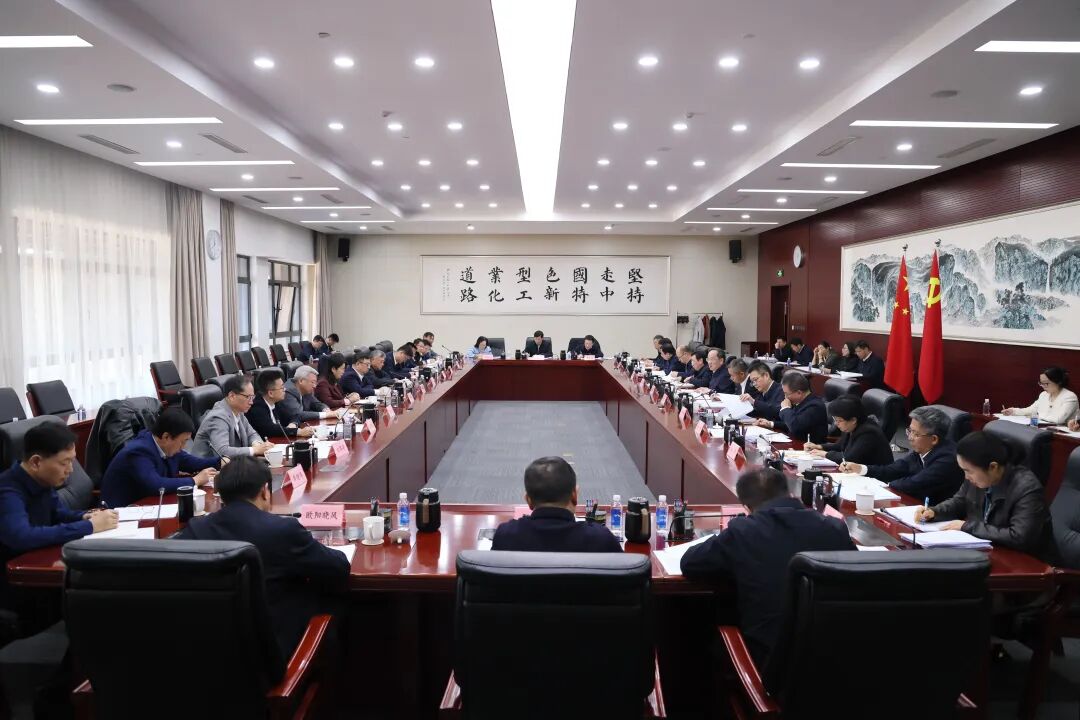
Core Viewpoint - The Ministry of Industry and Information Technology (MIIT) emphasizes the need to regulate the "involution" competition in the power and energy storage battery industry to promote high-quality development [1][3][4]. Group 1: Industry Development and Challenges - The power and energy storage battery industry in China has rapidly developed, achieving global competitive advantages in market scale, innovation capability, and industrial system [3][4]. - Despite the growth, the industry faces several challenges that require a comprehensive understanding of the development situation [4]. Group 2: Regulatory Measures and Industry Cooperation - MIIT plans to implement targeted policies to address irrational competition, enhance capacity monitoring, and improve product quality supervision [4]. - The ministry encourages enterprises to resist irrational competition, enhance innovation, and increase R&D investment to improve core competitiveness [4]. - Strengthening collaboration within the industry chain is essential to enhance self-control levels and create new development advantages [4]. Group 3: Future Planning and Support - MIIT will scientifically formulate the "14th Five-Year" industrial development plan, increase support for technological innovation, and enhance standard-setting to foster a conducive environment for high-quality industry development [4].
越南工业重镇北宁省拟大力吸引高新技术、绿色发展和数字技术产业投资
Shang Wu Bu Wang Zhan· 2025-11-29 04:47
《越通社》11月27日报道,据北宁省工业园区管理委员会消息,从现在到2030年,该省将大力吸引 投资,发展高新技术产业、绿色产业和数字技术产业,目标是在2026—2030年阶段继续发挥高新技术工 业中心的作用,实现可持续、绿色的发展;力争保持地区生产总值(GRDP)增速高于全国平均水平; 进出口总额达到1.12万亿美元;人均GRDP超过9000美元。 为实现上述目标,北宁省建议中央尽快颁布《工业园区与经济区法》,以实现管理上的统一和同 步,克服现行各法律(投资、土地、建设、环境、房地产经营等)之间重叠的问题。 (原标题:越南工业重镇北宁省拟大力吸引高新技术、绿色发展和数字技术产业投资) 未来,北宁将要求工业园区基础设施投资方增加绿地与水面面积,改善生态景观;同步发展社会基 础设施,如建设工人宿舍、幼儿园、医疗中心、文化体育活动区、超市和必要服务设施。与此同时,北 宁将从"被动解决投资商需求"转变为"主动服务投资商、企业",积极支持与同行企业发展人力资源,连 接各大学与职业培训机构,制定高技能劳动者培训计划;鼓励培训机构与企业合作开展培训,以满足工 业园区企业的实际需求。 截至目前,北宁省已有35个工业园区获批 ...
工信部重要座谈会,哪些锂业巨头参加了?
Shang Hai Zheng Quan Bao· 2025-11-29 02:52
Core Viewpoint - The Ministry of Industry and Information Technology (MIIT) emphasizes the importance of regulating competition in the power and energy storage battery industry to promote high-quality development and address existing challenges [3][4]. Group 1: Industry Development - The power and energy storage battery industry in China has rapidly developed, achieving global competitive advantages in market scale, innovation capability, and industrial system [3]. - The MIIT acknowledges the challenges faced by the industry and aims to implement targeted policies to address irrational competition and enhance production consistency and product quality [3][4]. Group 2: Industry Collaboration and Innovation - Industry enterprises are encouraged to promote entrepreneurial spirit, resist irrational competition, and maintain a healthy market environment [4]. - There is a call for increased research and development investment to enhance core competitiveness and strengthen collaboration within the industrial chain [4][5]. Group 3: Regulatory Measures - The MIIT plans to monitor production capacity, implement early warning systems, and enforce regulations against intellectual property violations to ensure orderly industry development [3][5]. - The ministry will develop the "14th Five-Year" industrial development plan, focusing on technological innovation and modernizing industry governance [5].
中国储能最具可持续发展力20强排行榜|独家
24潮· 2025-11-29 02:03
Core Insights - The article discusses the tumultuous development of China's energy storage industry over the past decade, highlighting the rapid rise and fall of numerous companies, leading to a chaotic market environment [2] - China currently holds a dominant position in the global energy storage supply chain, with significant market shares in battery shipments and key materials [2] - The industry is facing a new phase of intense competition and restructuring, driven by aggressive capital investment and price wars [2] Industry Overview - The number of energy storage-related companies in China has surged from 11,000 a decade ago to over 380,000 by September 2025, marking a growth of 33.55 times [3] - Major energy storage projects with investments exceeding 1 billion yuan are projected to surpass 1.5 trillion yuan, with planned battery capacity exceeding 2800 GWh from 2022 to 2024 [3] Financial Health - As of June 2025, over 110 listed companies in the energy storage sector reported total liabilities of 1.79 trillion yuan, an increase of 11.86% year-on-year [4] - The overall asset-liability ratio stands at 57.74%, with short-term interest-bearing liabilities amounting to 378.2 billion yuan, reflecting a year-on-year increase of 25.86% [4] - Excluding major players like CATL, many smaller companies are in precarious financial positions, with a net asset value of -553.79 billion yuan [4][5] Market Challenges - By mid-2025, 15 listed energy storage companies had asset-liability ratios exceeding 70% and negative net asset values, indicating significant financial stress [5] - Nearly 30,000 energy storage companies were reported to be in abnormal statuses such as cancellation or suspension by 2024, with many established for less than a year [5] - A recent shortage of battery cells has further strained smaller companies, with 38.7% forced to reduce production and 15.2% temporarily halting operations [5] Sustainability Assessment - The 24潮产业研究院 (TTIR) emphasizes the importance of assessing the sustainable development capabilities of energy storage companies for stakeholders [6] - A ranking of the top 20 energy storage companies based on sustainability metrics will be released, focusing on revenue generation, profitability, innovation, financial health, global expansion, and shareholder returns [6] Rankings and Metrics - The article provides a detailed ranking of the top 20 energy storage companies based on various sustainability criteria, including revenue growth and profitability [12][23] - Companies like CATL and BYD lead in multiple sustainability dimensions, showcasing their strong market positions and financial health [12][23]


为什么美国不卷,中国这么卷?
集思录· 2025-11-28 15:15
Group 1: Industry Overview - High-tech industries in China face overcapacity issues, particularly in solar energy, lithium batteries, and new energy vehicles, due to intense competition among numerous players [1][13][19] - Local government incentives drive the rapid establishment of large projects to boost GDP, leading to a proliferation of companies in these sectors [1][22] Group 2: Competitive Landscape - In the solar industry, leading companies like Longi and Tongwei face competition from many second-tier players, indicating a crowded market [1] - In the lithium battery sector, CATL is a leader, but other companies like Zhongchuang and Guoxuan are also emerging, raising questions about the effectiveness of patent barriers [1][17] - The new energy vehicle market includes a mix of new entrants and established brands, with BYD investing heavily in R&D, yet still facing fierce competition [1][19] Group 3: Government and Economic Factors - Local governments prioritize GDP growth, leading to aggressive competition and support for large projects, which can result in overcapacity and financial strain on municipalities [1][22][24] - The structure of local government incentives encourages the establishment of numerous companies, which may not align with overall economic efficiency [22][24] Group 4: Technology and Innovation - The rapid diffusion of technology in China is attributed to a highly competitive environment where companies quickly replicate successful innovations [3][14][19] - The concept of "barriers" in technology is more about cost, efficiency, and scale rather than unique innovations that cannot be replicated [17][19] Group 5: Market Dynamics - The Chinese market's size allows multiple giants to coexist, unlike in smaller markets where monopolies can form [10] - The competitive nature of the Chinese market leads to a "super competitive ecosystem," where companies continuously strive to improve cost and efficiency [19][21]

利好!锂电巨头参加重要座谈会 名单来了
Shang Hai Zheng Quan Bao· 2025-11-28 13:37
Core Insights - The Ministry of Industry and Information Technology (MIIT) held a symposium focusing on the development and regulation of the power and energy storage battery industry, emphasizing the need for high-quality growth and addressing competitive order [1][3][4] Industry Development - The power and energy storage battery industry in China has rapidly developed, achieving global competitive advantages in market scale, innovation capability, and industrial system [3][4] - The MIIT highlighted the importance of recognizing the current challenges and issues facing the industry, including irrational competition and the need for targeted policy measures [3][4] Policy and Regulation - The MIIT plans to implement measures to regulate irrational competition, enhance capacity monitoring, and improve product quality supervision [3][4][5] - The ministry aims to promote a healthy market environment by encouraging enterprises to resist irrational competition and to enhance their core competitiveness through increased R&D investment [4][5] Industry Collaboration - The symposium encouraged collaboration among industry players to strengthen the supply chain and enhance the self-controllability of the industry [4][5] - Industry associations are urged to promote self-discipline and create a cooperative and win-win industrial ecosystem [5] Global Competition - The phenomenon of "involution" in the lithium battery industry has not been eradicated, with Chinese companies competing aggressively in both domestic and international markets [7] - The chairman of CATL emphasized the need for the Chinese lithium battery industry to transition towards high-quality development while maintaining its global leadership [7]