
比亚迪

Search documents
《2025胡润中国500强》发布,小米、比亚迪、华为进入前十
Jin Rong Jie· 2026-02-05 07:07
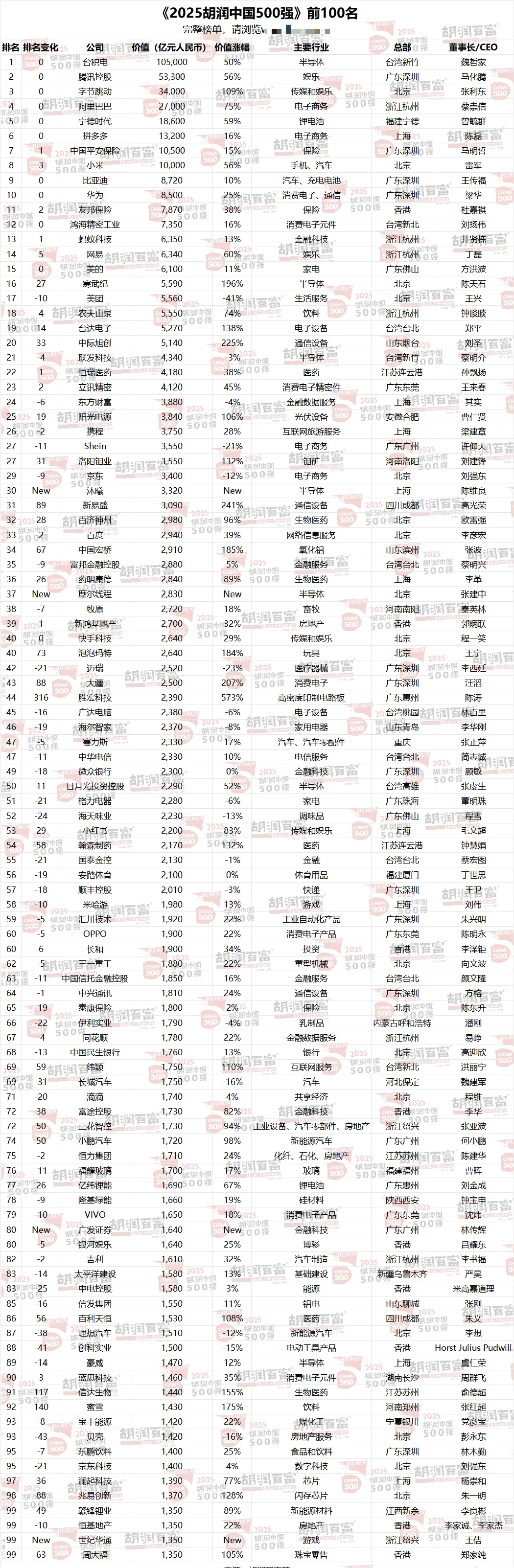
上榜的500家企业总价值为77万亿元,增加21万亿元,涨幅达38%,其中以台积电、寒武纪、联发科为代表的半导体行业增长最多。从企业所在城市 来看,北京、上海和深圳仍然是胡润中国500强企业数量最多的前三大城市,分别有59家、57家、49家,台北、香港、杭州分别以32家、30家、26家 排名第四至第六位。这六大城市所占中国500强企业的数量达到总数的50%。 本文源自:金融界汽车 作者:AI君 2月5日,胡润研究院发布了《2025胡润中国500强》,其中台积电以10.5万亿人民币价值蝉联榜首,价值涨幅达50%。腾讯控股、字节跳动、阿里巴 巴、宁德时代分列第二至第四位,价值分别为5.33万亿、3.4万亿、2.7万亿、1.86万亿。小米排名上升3位来到第八,价值为1万亿;比亚迪排名第九, 价值为8720亿元;华为排名第十,价值为8500亿元。 | | | | | | | | 《2025胡润中国500强》 前100名 | | | | | | --- | --- | --- | --- | --- | --- | --- | --- | --- | --- | --- | --- | | | | | | | | 完整榜 ...





国联民生证券:1月车市新势力同比表现好于行业 智能化能力成竞争关键
智通财经网· 2026-02-05 06:20
Core Viewpoint - The automotive industry is experiencing a pivotal moment in smart technology, with autonomous driving capabilities becoming a key competitive factor for car manufacturers. The report anticipates a threefold turning point in technology, user acceptance, and business models for smart driving, favoring quality domestic car companies with advanced smart layouts and positive product and brand cycles [1]. Group 1: Market Performance - In January, the overall performance of the car market was subdued, with a total retail market size of approximately 1.8 million vehicles, a month-on-month decrease of 20.4% but a slight year-on-year increase. The retail sales of new energy vehicles are expected to reach 800,000 units, with a penetration rate of 44.4% [1]. - Five sample new force car companies (excluding Xiaomi and Aion) delivered a total of 130,772 vehicles in January, representing a year-on-year increase of 17.5% but a month-on-month decrease of 28.0%, outperforming the industry average [1]. Group 2: Company-Specific Performance - **Leap Motor**: In January, delivered 32,059 vehicles, a year-on-year increase of 27.4%. The strong performance is attributed to the competitive pricing of models C10 and B01. The company plans to launch its first flagship SUV D19 in April 2026 [2]. - **Xpeng**: Delivered 20,011 vehicles in January, a year-on-year decrease of 34.1% and a month-on-month decrease of 38.0%. The company plans to launch multiple new models in 2026, including the P7+ starting at 186,800 yuan [3]. - **NIO**: Delivered 27,182 vehicles in January, a year-on-year increase of 96.1%. The company is set to deliver its 60,000th ES8 on February 1, 2026, and has launched a new version of its NWM model [4]. - **Li Auto**: Delivered 27,668 vehicles in January. The company has expanded its retail and service network significantly, with 547 retail centers and 3,966 charging stations across the country [4]. - **Zeekr**: Delivered 23,852 vehicles in January, a year-on-year increase of 99.7%. The company plans to launch its second model, Zeekr 8X, in the first half of this year [4]. - **Xiaomi**: Delivered over 39,000 vehicles in January, with plans to launch the new generation SU7 in April 2026 [5][6]. Group 3: Technological Advancements - The era of intelligent driving is accelerating, with companies like Xpeng and those associated with Huawei continuously iterating and promoting smart driving technologies. The advancements are expected to lower the hardware barriers for smart driving, making it accessible in the mainstream market under 200,000 yuan, thus providing a competitive edge against joint venture brands [7].

比亚迪高级副总裁亚历山大·巴尔迪:计划到2026年底在巴西新工厂本地生产和采购50%的汽车零部件
Xin Lang Cai Jing· 2026-02-05 05:47
。 比亚迪 高级副总裁亚历山大·巴尔迪:计划到2026年底在巴西新工厂本地生产和采购50%的 汽车零部件 ...
China's EV slowdown persists as BYD posts near two-year low in sales
CNBC· 2026-02-05 05:35
Core Insights - BYD reported a significant decline in local sales in January, marking the lowest level in nearly two years, indicating challenges in the Chinese auto market [1] - Major electric car brands, including Xiaomi and Xpeng, experienced sharp sales drops in January compared to December [2] - The Chinese auto market is under increasing pressure due to policy changes and competitive factors, leading to potential delays in consumer purchases and cautious automaker strategies [3] Industry Overview - The reinstatement of a 5% purchase tax on electric vehicles as of January 1 has contributed to the slowdown in sales, after a long period of tax exemption [4] - BYD is expected to maintain its market dominance despite challenges, with planned upgrades in charging, energy storage, and intelligent driving infrastructure [7] - The new energy vehicle sector saw only a 2.6% year-on-year increase in sales in December, indicating a trend of slowing growth [8] Economic Impact - The automotive sector is crucial for employment in China, contributing to approximately 30 million jobs, which is over 10% of urban employment [9] - The economic significance of the automotive sector is relatively small compared to real estate, accounting for only 3.7% of fixed asset investment last year [10] - There are expectations that the Chinese government may reinstate subsidies for the automotive sector if the situation worsens, particularly in light of the ongoing property slump [9]
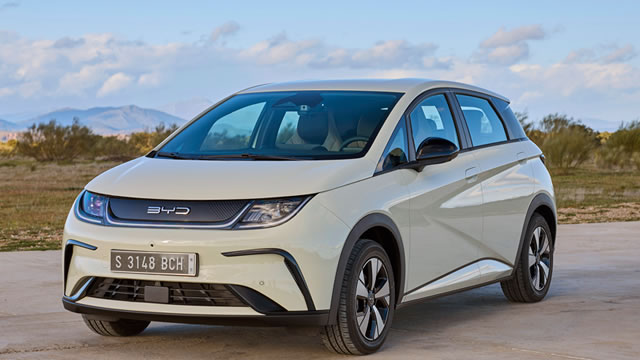
市场消息:比亚迪将在巴西工厂本地化生产并采购 50% 的零部件。
Xin Lang Cai Jing· 2026-02-05 05:29
市场消息:比亚迪将在巴西工厂本地化生产并采购 50% 的零部件。 ...
“围剿”中国工厂
3 6 Ke· 2026-02-05 05:27
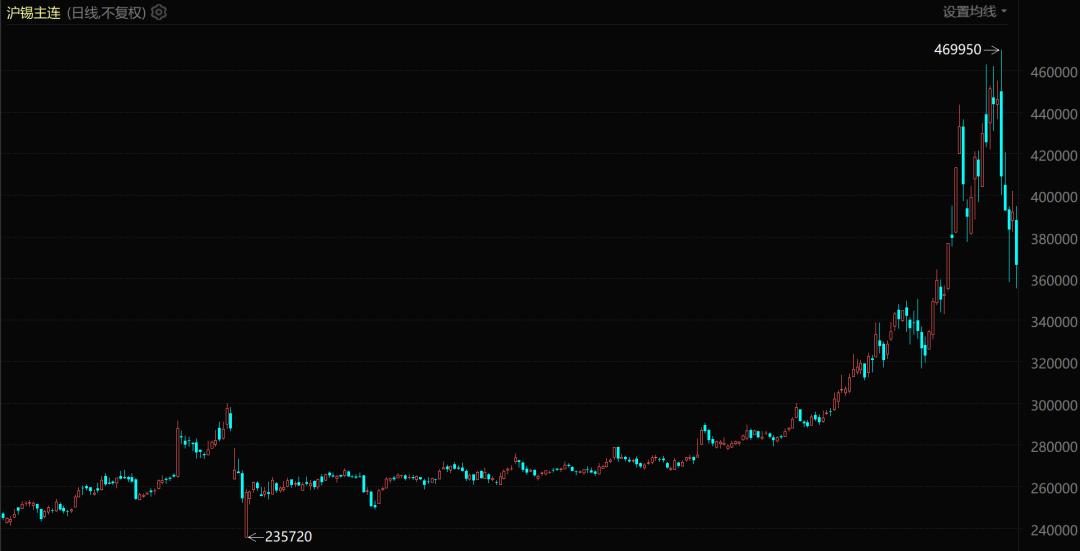
Core Viewpoint - The surge in metal prices, particularly copper, is significantly impacting downstream manufacturing industries in China, leading to squeezed profit margins for manufacturers while upstream companies benefit from rising raw material prices [3][5][9]. Group 1: Price Surge in Raw Materials - In 2025, copper prices increased by 34.34%, and the upward trend continued into 2026 [2]. - The price of lithium carbonate, essential for electric vehicle batteries, skyrocketed from 75,700 yuan per ton in January 2025 to 175,250 yuan per ton by January 23, 2026, marking a 131.4% increase [7]. - Tungsten concentrate prices surged to 520,000 yuan per ton, while tungsten carbide prices rose from approximately 300,000 yuan per ton to 1,200,000 yuan per ton [7]. Group 2: Impact on Manufacturing Industries - The home appliance industry is heavily affected by rising copper prices, with copper accounting for over 20% of the total cost of air conditioners. The copper price reached 105,020 yuan per ton in February 2026, up 42.25% from early 2025, leading to an 8.45% increase in air conditioner costs [10]. - The electric vehicle industry faces significant cost inflation, with UBS reporting that the cost increase for pure electric vehicles (BEVs) due to metal prices alone is approximately 5,600 yuan per vehicle, primarily driven by lithium price increases [12]. - The automotive industry's single vehicle gross profit was only 13,000 yuan in 2025, making it challenging for manufacturers to pass on rising costs to consumers amid fierce competition [13]. Group 3: Upstream vs. Downstream Dynamics - Upstream mining companies are experiencing explosive profit growth due to rising raw material prices, with Zijin Mining forecasting a net profit of 51 to 52 billion yuan for 2025, a year-on-year increase of 59% to 62% [8]. - In contrast, manufacturing companies are facing unprecedented cost pressures, leading to a decline in profit margins. The manufacturing sector's profit margin was only 4.7% in 2025, compared to 15.9% for the mining sector [21][19]. - The overall revenue of China's industrial enterprises has been increasing, but profit margins have been declining, indicating a challenging environment for manufacturers [19][21]. Group 4: Strategies for Survival and Growth - Many Chinese manufacturing companies are exploring ways to extend their business scope internationally, moving beyond low-end products to high-value items like electric vehicles and industrial robots [24]. - Some companies are actively integrating vertically by acquiring upstream resources, such as copper mines, to mitigate the impact of rising raw material prices [24]. - Technological advancements are also being pursued, with companies investing in alternatives to reduce dependency on expensive raw materials, such as the development of sodium-ion batteries [26].






把“问题清单”变为“成效清单”—— 中国标准化研究院青年专家用标准赋能民营企业高质量发展纪实
Zhong Guo Zhi Liang Xin Wen Wang· 2026-02-05 05:27
Core Viewpoint - The article emphasizes the importance of standardization in empowering private enterprises for high-quality development, highlighting the need for unified standards to address industry challenges and enhance competitiveness in the global market [1][2]. Group 1: Standardization Initiatives - The China Standardization Research Institute organized a "Standardization Research and Service" initiative, involving youth expert teams to address standardization challenges faced by private enterprises [1]. - The initiative included direct engagement with companies like BYD and Angel, focusing on understanding their needs and providing practical solutions [1][2]. Group 2: Industry Challenges - Companies expressed a need for a unified standard to quantify and trace "green attributes," indicating that the lack of standardized rules hampers their ability to leverage technological advancements for competitive advantage [2][3]. - The challenges faced by enterprises in participating in international standardization efforts were highlighted, with calls for national support and the formation of international industry organizations to enhance collaboration [3]. Group 3: Green Transformation and Standards - Both BYD and Angel raised concerns about the absence of standardized metrics for carbon footprint accounting and green transformation, indicating a broader need for comprehensive solutions beyond single standards [4]. - The article suggests that standards serve as a critical pathway for translating high-level development goals into actionable practices for private enterprises [4]. Group 4: User Experience and Standardization - Angel's approach to standardization included developing a sensory evaluation system for drinking water, which transformed subjective experiences into quantifiable standards, showcasing a successful model for industry-standard innovation [5]. - The establishment of a complete chain from standard formulation to certification and application was noted as a significant achievement, addressing industry pain points and enhancing market alignment [5]. Group 5: Ongoing Support and Future Plans - Following the research initiative, the team began organizing a "demand-service" matching list to address specific needs from BYD and Angel, ensuring continued support for their standardization efforts [6]. - The commitment to follow up on enterprise needs and develop replicable standardization service models was reiterated, aiming to empower more private enterprises for high-quality development [6].

后续车市销量展望
数说新能源· 2026-02-05 04:47
Core Viewpoint - The article discusses the sales performance and market dynamics of the new energy vehicle (NEV) sector in January 2026, highlighting a slowdown in sales due to various factors including consumer behavior and regulatory impacts [5][10]. Group 1: January Sales Analysis - January 2026 passenger car sales are expected to be around 1.7 to 1.75 million units, falling short of market expectations [5]. - The NEV penetration rate in January is projected to be approximately 10 percentage points higher than the same period last year, but shows a decline compared to December [5]. - Consumer sentiment is characterized by a "buy new, not old" mentality, leading to delayed purchasing decisions [5]. Group 2: Market Structure Characteristics - In January, high-end luxury fuel vehicles and economy fuel vehicles under 100,000 yuan performed relatively well, while NEVs impacted fuel vehicles in the same price range [5]. - February sales are expected to decline by about 30% compared to January due to the Spring Festival holiday [5]. - March is anticipated to recover to January's sales levels, with an estimated 30% increase from February [5]. Group 3: Pricing and Regulatory Trends - The pricing strategy for new vehicles in 2026 is focused on "adding features, stabilizing prices, or slight increases," rather than price reductions [6]. - Regulatory measures are tightening, impacting marketing, safety, and pricing practices within the industry [6]. - The regulatory environment is expected to shift the industry focus from rapid iteration and price wars to product quality, brand reputation, and long-term value [6]. Group 4: New Product Launches and Future Outlook - Major automakers like BYD and Geely are set to launch a series of new models in the first half of 2026, with a focus on high voltage, long range, and enhanced smart features [9][10]. - The overall sales growth for 2026 is projected to slow down to single digits, influenced by high base figures and stable subsidy policies [10]. - The industry is expected to see a more stable monthly sales model, reducing the volatility seen in previous years [8][10].

比亚迪 | 1月:高端+出海向上 静待旺季来临【国联民生汽车 崔琰团队】
汽车琰究· 2026-02-05 03:45
Event Overview - In January, the company reported wholesale sales of 210,000 new energy vehicles, a year-on-year decrease of 30.1% and a month-on-month decrease of 50.0%. The wholesale sales of new energy passenger vehicles were 205,000 units, down 30.7% year-on-year and 50.5% month-on-month. The sales by brand included 178,000 for Dynasty Ocean, 21,581 for Tengshi, 6,002 for Fangchengbao, and 413 for Yangwang [2]. Sales Performance - The significant month-on-month decline in January's wholesale sales of new energy passenger vehicles was noted, with a total of 205,000 units sold, reflecting a year-on-year decrease of 30.7% and a month-on-month decrease of 50.5%. The sales of plug-in hybrid passenger vehicles were 122,000 units, down 28.5% year-on-year and 23.7% month-on-month, while pure electric passenger vehicle sales were 83,000 units, down 33.6% year-on-year and 56.3% month-on-month. The brand breakdown showed Dynasty Ocean with 178,000 units, and Tengshi/Yangwang/Fangchengbao with 2.1/0.04/0.6 thousand units respectively, totaling 28,000 units, which accounted for 13.3% of the total, indicating a rapid breakthrough in high-end market [3]. High-End Market Strategy - The sales momentum of the Fangchengbao Titanium 7 model continues, with cumulative sales exceeding 300,000 units as of January 2026, and the Titanium 7 alone reaching 100,000 units, ranking first in growth among new force brands. This model is a key growth driver for BYD's high-end strategy. Recent adjustments in the high-end brand management, particularly for the Tengshi brand, aim to strengthen brand system construction and overcome high-end market bottlenecks. BYD is entering a more systematic and refined phase of high-end development, focusing on technology leadership, brand building, and ecosystem construction to convert technological advantages into strong customer loyalty and solidify its position in the high-end market [4]. International Expansion - In January, the export sales of new energy vehicles reached 100,000 units, a year-on-year increase of 51.5% but a month-on-month decrease of 24.5%. The overall outlook indicates steady growth in international markets, driven by increasing demand in regions such as Turkey, Brazil, and Europe, as well as enhanced shipping capacity from self-owned roll-on/roll-off vessels. The company is increasing its investment in overseas markets, with the completion and production of the BYD passenger car factory in Brazil, and plans for factories in Uzbekistan, Hungary, Turkey, and Indonesia, which are expected to boost growth in Europe and Southeast Asia and enhance profitability [5]. Financial Forecast - The company anticipates revenue growth from 866.47 billion yuan in 2025 to 1,104.53 billion yuan in 2027, with net profit attributable to shareholders projected to rise from 37.25 billion yuan in 2025 to 58.59 billion yuan in 2027. The earnings per share (EPS) are expected to increase from 4.09 yuan in 2025 to 6.43 yuan in 2027. The price-to-earnings (PE) ratio is projected to decrease from 21 in 2025 to 14 in 2027, indicating a favorable investment outlook [6][7].
沪深300ESGETF南方(560180)跌0.59%,半日成交额126.90万元
Xin Lang Cai Jing· 2026-02-05 03:37
来源:新浪基金∞工作室 声明:市场有风险,投资需谨慎。本文基于第三方数据库自动发布,不代表新浪财经观点,任何在本文 出现的信息均只作为参考,不构成个人投资建议。如有出入请以实际公告为准。如有疑问,请联系 biz@staff.sina.com.cn。 沪深300ESGETF南方(560180)业绩比较基准为沪深300ESG基准指数收益率,管理人为南方基金管理 股份有限公司,基金经理为李佳亮,成立(2023-04-13)以来回报为19.34%,近一个月回报为1.57%。 2月5日,截止午间收盘,沪深300ESGETF南方(560180)跌0.59%,报1.184元,成交额126.90万元。沪 深300ESGETF南方(560180)重仓股方面,贵州茅台截止午盘涨1.41%,中际旭创涨0.89%,宁德时代 跌1.93%,招商银行涨1.03%,中国平安跌1.16%,美的集团涨1.27%,紫金矿业跌5.29%,长江电力涨 0.49%,兴业银行涨0.89%,比亚迪涨0.98%。 ...



