
联影医疗

Search documents
2025服贸会丨自研芯片打破海外垄断,国产医疗级助听器服贸会亮相
Bei Jing Shang Bao· 2025-09-11 09:09
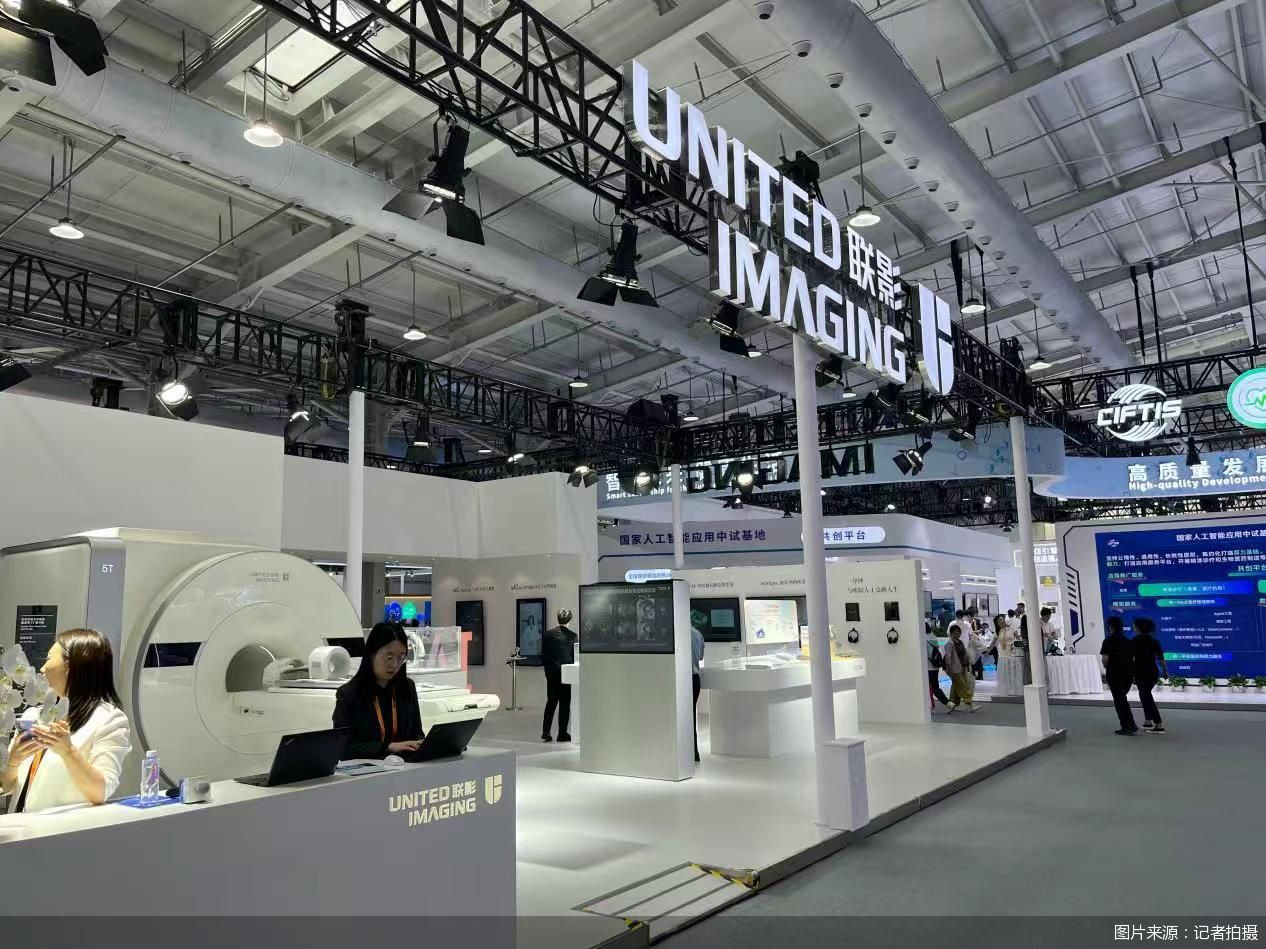
Core Insights - The 2025 China International Fair for Trade in Services (CIFTIS) serves as a significant platform for showcasing medical technology advancements, with a focus on AI integration in healthcare [1] - United Imaging Healthcare (UIH) is leveraging AI to enhance medical service efficiency and meet consumer health management needs through customized products [1] Group 1: AI and Medical Technology - UIH has established a strategic focus on digital intelligence, entering the AI medical sector in 2017 and launching the "Yuan Zhi" medical model in April 2023, which supports over 300 imaging processing tasks with an accuracy exceeding 95% [3] - The company has developed over ten self-evolving, multi-modal medical intelligent agents that cover critical healthcare scenarios, including clinical diagnosis and patient services [3][4] Group 2: Consumer Health Management - The uOrigin hearing aid, showcased at CIFTIS, is the first medical-grade hearing aid tailored for Chinese language and lifestyle, marking UIH's entry into the consumer health management sector [5] - The uOrigin hearing aid features self-developed chips, low power consumption, and impressive battery life, with the battery version lasting 50 hours and the charging version up to 150 hours without Bluetooth [6] - The hearing aid incorporates advanced noise reduction technology and a unique Chinese hearing platform to enhance user experience in complex sound environments [6]


医疗器械 ETF(562600)收涨1.25%,持仓股济民健康、振德医疗强势涨停
Mei Ri Jing Ji Xin Wen· 2025-09-11 08:40
Group 1 - The medical device ETF (562600) opened lower but closed up by 1.25%, with leading stocks such as Hotspring Bio rising by 11.40% and Jimin Health and Zhend Medical hitting a strong limit up of 10% [1] - The National Medical Products Administration (NMPA) has focused on key areas such as medical robots, high-end medical imaging, AI medical devices, and new biological materials, approving 52 innovative products this year, totaling 367 approved innovative products to date [1] - Recent high-level discussions emphasized principles like "anti-involution" and "optimizing centralized procurement without solely focusing on low prices," indicating a clear signal for policy shifts supporting the innovative medical device industry [1] Group 2 - The medical device ETF (562600) serves as a convenient tool for investors to capture growth opportunities in the medical device sector, tracking the CSI All Share Medical Device Index, which includes 100 representative listed companies in core medical fields [2] - The medical device sector accounts for a significant 89.34% of the index, indicating a concentrated focus on capturing the development dividends in this field [2] - As of the first quarter of 2025, the top ten holdings in the medical device ETF (562600) include Mindray Medical and United Imaging, which together account for 22.3% of the ETF [2]

科创50增强ETF(588460)涨超4.7%,科友半导体成功制备12英寸碳化硅晶体
Xin Lang Cai Jing· 2025-09-11 05:53
Group 1 - The Shanghai Stock Exchange Sci-Tech Innovation Board 50 Index (000688) has shown strong performance, with significant increases in constituent stocks such as Haiguang Information (688041) up 20.00%, Guobo Electronics (688375) up 12.48%, and Cambrian (688256) up 9.47% [1] - The Sci-Tech 50 Enhanced ETF (588460) has risen by 4.79%, with the latest price reported at 1.55 yuan [1] - Key development in the semiconductor sector includes Koyou Semiconductor's successful production of 12-inch silicon carbide ingots, marking a significant technological breakthrough in domestic semiconductor manufacturing [1] Group 2 - According to CITIC Securities, the current domestic semiconductor equipment localization rate is estimated to be around 30%, with specific equipment categories like photolithography and etching showing lower than average localization rates [2] - Domestic wafer manufacturers are progressively establishing high localization production lines, particularly in advanced storage, which is advancing more rapidly than logic [2] - The ongoing expansion of domestic storage wafer manufacturers is expected to significantly boost demand for domestic equipment and components, gradually releasing order demand [2] Group 3 - As of August 29, 2025, the top ten weighted stocks in the Sci-Tech Innovation Board 50 Index include Cambrian (688256), SMIC (688981), and Haiguang Information (688041), collectively accounting for 60.25% of the index [3] - The Sci-Tech 50 ETF Index (588040) and the Sci-Tech 50 Enhanced ETF (588460) are designed to closely track the performance of the Sci-Tech Innovation Board 50 Index [3]



“中国光谷”加速迈向全球生命健康产业新高地
Zhong Guo Xin Wen Wang· 2025-09-11 03:21
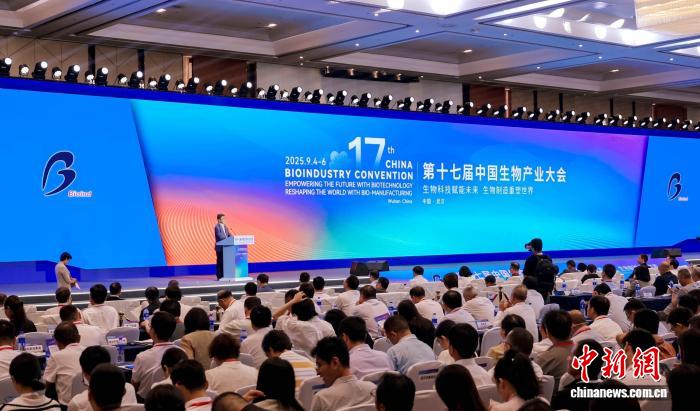
Core Insights - The article highlights the rapid development of the life and health industry in Wuhan's "Optics Valley," positioning it as a new global hub for the sector [1][9] - The 17th China Biotech Industry Conference showcased nearly a thousand cutting-edge technologies and innovations, emphasizing the region's strong competitive edge in the industry [1][2] Group 1: Industry Development - The conference theme was "Biotechnology Empowering the Future, Biomanufacturing Reshaping the World," featuring five main sections including policy interpretation and international cooperation [2] - The event facilitated deeper international and domestic collaborations, with representatives from 23 countries engaging in discussions to build cross-regional cooperation networks [3] Group 2: Innovations and Achievements - Significant innovations were presented, including the world's first "rice-derived" recombinant human albumin injection and a non-invasive brain-machine interface device [6][8] - The region has over 400 new drugs in clinical trials and more than 1,800 medical devices approved for market, showcasing its robust innovation capabilities [8] Group 3: Economic Impact - The life and health industry in Wuhan is projected to exceed 554.6 billion yuan, making it the largest in Central China, while the overall health industry in Hubei province is expected to surpass 1 trillion yuan [9] - The Optics Valley has established itself as a leading area for biopharmaceuticals, medical devices, and agricultural biotechnology, housing over 4,200 related enterprises [8][9]
机构调研揭示A股新动向,工业机械、电子元件成“香饽饽”,谁是下个风口
Hua Xia Shi Bao· 2025-09-11 03:00
Core Insights - The A-share market has seen a surge in institutional research activities since August, with over 1,600 listed companies being investigated by market institutions, particularly in the medical equipment and electronic components sectors [2][3] - Four companies have attracted significant attention, receiving over 300 institutional visits: Mindray Medical, Desay SV, Crystal Optoelectronics, and United Imaging [3] Company Performance - Mindray Medical's projected revenues for 2022, 2023, and 2024 are 30.366 billion, 34.932 billion, and 36.726 billion respectively [3] - Desay SV's projected revenues for the same period are 14.933 billion, 21.908 billion, and 27.618 billion [3] - Crystal Optoelectronics is expected to generate revenues of 4.376 billion, 5.076 billion, and 6.278 billion [3] - United Imaging's projected revenues are 9.238 billion, 11.411 billion, and 10.3 billion [4] Industry Focus - The most favored sectors for institutional research include industrial machinery, electronic components, and medical equipment, with 135, 89, and 53 companies respectively being investigated [5] - Companies in these sectors have reported strong financial performance, contributing to their attractiveness for institutional investors [6] Future Growth Potential - Institutions are increasingly interested in the unique business models and growth potential of companies, focusing on high-potential business segments [7] - Mindray Medical highlighted three high-potential business areas: minimally invasive surgery, animal healthcare, and cardiovascular, which collectively exceeded 4 billion in revenue last year [7] - Crystal Optoelectronics is focusing on enhancing its capabilities in chip design and 3D visual perception, particularly in AI applications [7] Investment Evaluation - Investors are advised to closely monitor the latest business developments and technological advancements of companies, especially those that create competitive barriers or new growth points [8] - Observing how companies respond to industry challenges and market fluctuations can provide insights into their adaptability and innovation [8]





2025服贸会“新窗口”透视:中国服务如何链接全球?
21世纪经济报道· 2025-09-11 00:12
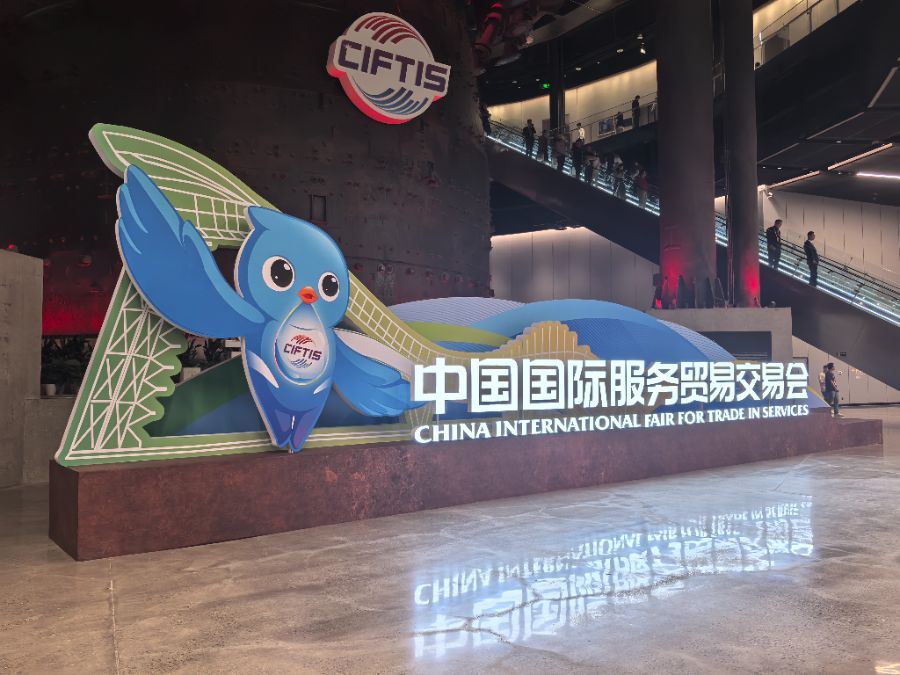
Core Viewpoint - The 2025 China International Service Trade Fair (CIFTIS) emphasizes the integration of digital technology in service trade, focusing on artificial intelligence, fintech, and green low-carbon initiatives, marking a shift towards intelligent, integrated, and sustainable service trade models [1][3]. Group 1: Event Overview - The CIFTIS opened on September 10, 2025, in Beijing, showcasing the growth and innovation in China's service industry and trade over the past 11 years [3]. - The event features participation from 85 countries and international organizations, with nearly 2,000 enterprises, including around 500 Fortune 500 companies, highlighting a significant international presence [3]. - This year's fair is notable for being held at the Shougang Park, with nine thematic exhibitions covering various service sectors [3][5]. Group 2: Technological Focus - The fair places a strong emphasis on technological and intelligent applications, showcasing new technology applications, solutions, and the services behind them [5]. - The telecommunications, computer, and information services exhibition focuses on digital service trade and high-tech industries, including AI and low-altitude intelligent networks [5][6]. - The low-altitude economy, particularly showcased by companies like Hangjing Innovation, is a focal point, demonstrating advancements in unmanned aerial vehicles [5]. Group 3: Policy and Market Development - The Chinese government aims to enhance service trade innovation and competitiveness, encouraging service exports and expanding quality service imports [10][11]. - In the first half of the year, China's service trade reached a total import and export value of 3.9 trillion yuan, with service exports growing by 15% [10]. - Future strategies include leveraging China's service market advantages to connect domestic and international markets, promoting coordinated development of service imports and exports [11]. Group 4: AI and Innovation Initiatives - AI is a significant theme at the fair, with many companies prominently featuring AI in their exhibits, reflecting its role in transforming service models [6]. - The Beijing AI Ecosystem Partner Conference was held concurrently, highlighting the transition from understanding AI to its practical application in business [7][8]. - The release of the "Beijing General AI Industry Innovation Partner Plan 2.0" aims to foster collaboration and innovation in the AI sector [8]. Group 5: Global Trade Dynamics - The global value chain is shifting from manufacturing to services, with service trade becoming a key driver of international trade growth [11]. - Enhancing China's international competitiveness in service trade relies on embracing digitalization and high-end services [11]. - Active participation in global digital governance and simplification of cross-border service trade regulations are essential for maintaining a competitive edge [11].

2025服贸会“新窗口”透视:中国服务如何链接全球?
2 1 Shi Ji Jing Ji Bao Dao· 2025-09-10 14:01
21世纪经济报道见习记者冉黎黎 北京报道 9月10日,2025年中国国际服务贸易交易会(以下简称"服贸会")开幕。服贸会已成功举办11届,见证了中国服务业和服务贸易 开放创新、蓬勃发展的历程。 来自服贸会官方的数据显示,本届服贸会上,澳大利亚、德国、世界知识产权组织等85个国家和国际组织设展办会,其中25个 国家和国际组织在主题展设展,参展国别覆盖五大洲。近2000家企业线下参展,包括沃尔玛、阿斯利康、毕马威等近500家世界 500强和行业龙头企业,覆盖26个服务贸易前30强国家和地区,国际化率超20%。 加上今年是服贸会首次在北京首钢园"一址举办",而且本届服贸会设置了九大专题展,记者发现,开幕当日,满载乘客的观光 车不停穿梭于首钢园的各个场馆之间。 商务部国际贸易经济合作研究院国际服务贸易研究所所长李俊对21世纪经济报道记者表示,当前和未来一个时期,需着力创新 服务贸易新业态新模式,加快培育服务贸易新增长点,努力把服贸会打造成为汇聚全球服贸资源、营造服务贸易新生态的旗舰 项目,加快构建全球服务贸易新生态。 更加注重科技化、智能化应用 "本届服贸会更加注重科技化、智能化应用,重点展示新技术应用场景、解决方案 ...
东财上证科创50ETF联接(025027),重磅首发!
天天基金网· 2025-09-10 09:58
Core Insights - The article emphasizes the importance of investing in "hard technology" and highlights the performance of the Shanghai Stock Exchange Science and Technology Innovation Board 50 Index, which consists of 50 high market capitalization and liquid stocks [8][12]. Group 1: Industry Overview - The Shanghai Stock Exchange Science and Technology Innovation Board 50 Index (000688.SH) reflects the overall performance of a representative group of innovative enterprises in the market [8]. - The index is composed of sectors such as computer (5.6%), pharmaceutical biology (10.1%), electric equipment (4.5%), and electronics (68.2%), indicating a strong focus on technology [9][10]. Group 2: Key Companies - Major companies in the index include Cambricon (14.9% weight), SMIC (9.4%), and Haiguang Information (9.3%), showcasing significant representation from the semiconductor and information technology sectors [10][11]. - The three leading chip companies reported impressive growth in their 2025 semi-annual reports, with revenues of 28.81 billion, 54.64 billion, and 323.5 billion respectively, reflecting growth rates of +4347.82%, +45.21%, and +23.14% [13]. Group 3: Market Performance - The Science and Technology Innovation Board has a daily price fluctuation limit of 20%, providing higher elasticity compared to other indices. Over the past year, the Science and Technology Innovation 50 Index has outperformed the CSI 300 Index, with a growth rate exceeding 50% [17][18].

2025-2031年数字减影血管造影系统行业深度调研及投资前景可行性预测报告-中金企信发布
Sou Hu Cai Jing· 2025-09-10 06:45
Industry Overview - The digital subtraction angiography (DSA) system is an advanced medical imaging system that combines X-ray imaging and computer processing technology to clearly display vascular structures and diagnose vascular diseases. The global DSA market is projected to reach USD 7.974 billion by 2031, with a compound annual growth rate (CAGR) of 7.18% in the coming years [3]. Key Driving Factors - **Aging Population and Disease Burden**: The acceleration of aging in China and the rising incidence of cardiovascular diseases (such as coronary heart disease and stroke) are driving the demand for DSA in interventional surgeries. DSA applications are expanding from cardiology to neurosurgery and oncology, with neurosurgical procedures becoming the fastest-growing segment [5]. - **Policy Support for Domestic Substitution**: The Chinese government is encouraging the localization of high-end medical equipment through policies like the "Healthy China 2030" plan, which includes special funds and tax incentives. Domestic technology breakthroughs and cost optimization are leading to increased market share for local DSA devices [5]. - **Technological Integration and Smart Upgrades**: The integration of artificial intelligence (AI) and 3D reconstruction technology is enhancing diagnostic efficiency, enabling automatic vessel recognition and low-dose imaging, thus promoting the development of DSA towards precision and minimally invasive procedures [5]. - **Global Market Expansion**: Domestic companies are accelerating technology exports to emerging markets in Asia-Pacific and the Middle East through EU CE certification and international cooperation models [6]. Major Obstacles - **Dependence on Core Components**: High-end DSA devices rely on key components such as flat detectors and high-pressure generators. Although domestic companies have made progress in detectors, they still lag behind international giants in critical technologies [7]. - **Patent Barriers**: Domestic companies may encounter patent infringement lawsuits during R&D, and the uncertainty of technological innovation poses risks [8]. - **Rapid Product Updates by International Brands**: International brands release new products every 2-3 years, leading to potential obsolescence of domestic devices [8]. - **High Maintenance Costs**: The maintenance costs for DSA equipment are high, and domestic companies have insufficient service network coverage compared to international brands [8]. Industry Development Opportunities - **Government Support for Localization**: The National Health Commission's guidance on promoting the localization of high-end medical equipment includes funding and tax incentives for domestic technology R&D [9]. - **Expansion of DSA Equipment in County Hospitals**: The "Thousand County Project" aims for 90% of county-level hospitals to be equipped with DSA devices by 2027, with central government subsidies covering 30%-40% of procurement costs [9]. - **Accelerated Approval for Innovative Devices**: The introduction of special approval procedures for innovative medical devices with integrated AI functions is expected to shorten approval times by 30% [9]. - **Mandatory Radiation Safety Certification**: New regulations require reduced radiation doses, prompting upgrades to low-radiation technologies [9].

医疗设备见底了么行业有哪些看点
2025-09-09 14:53
Summary of Medical Device Industry Conference Call Industry Overview - The medical device industry is facing challenges with centralized procurement, which is difficult to implement nationwide due to diverse funding sources and decentralized decision-making [1][4][2] - The procurement cycle for medical devices is long, typically ranging from 6 months to 1 year, with decision-making authority resting with higher-level officials such as health commission leaders or hospital directors [1][5] Key Insights - Domestic medical device companies are experiencing revenue differentiation, with companies like United Imaging seeing direct demand for imaging equipment, while Mindray and Aohua are affected by channel inventory adjustments [1][3] - The domestic market for medical devices is expected to recover to positive growth by the second half of 2025, although Mindray reported a 33% decline in domestic market performance in the first half of 2025 due to decreased demand for large monitoring equipment [1][9] - Domestic brands are expected to maintain a competitive edge in the ultrasound and endoscope markets, with growth anticipated as bidding processes normalize [1][8] Market Dynamics - The core competitiveness of domestic medical devices lies in a mature supply chain, rapid product iteration, and cost advantages, which facilitate entry into international markets [3][14] - The international market presents strong growth potential, with companies like Mindray, Aohua, and United Imaging benefiting from product structure upgrades and optimized customer bases [3][10] Financial Performance - Mindray's mid-year report indicated that overseas business revenue is on par with domestic revenue, with overseas gross margins expected to improve as the IVD segment grows [11] - The domestic market faces inventory pressures, while the overseas market shows stronger growth potential, with many companies achieving higher gross margins abroad [10][19] Regulatory and Policy Impacts - The centralized procurement policy for medical devices is still evolving, with only about 3% of the market currently affected, and future increases in procurement rates remain uncertain [16][17] - Financial pressures from government and hospital budgets, along with significant healthcare insurance pressures, are impacting the medical device industry [17] Future Outlook - The growth of the medical device industry in China is contingent on new hospital construction under the 15th Five-Year Plan, with expectations for recovery in the second half of 2025 [9][12] - The internationalization of domestic medical device companies is crucial for achieving faster growth and improving profitability [12][13] Conclusion - The medical device industry is navigating a complex landscape characterized by regulatory challenges, market differentiation, and the need for international expansion. The outlook for recovery and growth hinges on effective management of inventory, adaptation to procurement policies, and leveraging competitive advantages in both domestic and international markets [1][9][12]