
中国国家电网

Search documents
全国人大首场发布会来了!|聚焦两会
清华金融评论· 2026-03-04 07:08
十四届全国人大四次会议3月4日(星期三)12时在人民大会堂新闻发布厅举行新闻发布会,由大会发言人 娄勤俭 就大会议程和人大工作相关问题回答中外 记者提问。 娄勤俭表示大会将以习近平新时代中国特色社会主义思想为指导,深入贯彻党的二十大和二十届历次全会精神,认真落实四中全会部署,坚持党的领导、人 民当家作主、依法治国有机统一,发展全过程人民民主,坚持好、完善好、运行好人民代表大会制度,紧紧围绕党和国家工作大局,认真履行宪法和法律赋 予的职责,动员全国各族人民更加紧密地团结在以习近平同志为核心的党中央周围,坚定信心、奋发进取,为基本实现社会主义现代化而共同奋斗,不断开 创以中国式现代化全面推进强国建设、民族复兴伟业新局面。 这次大会将于3月5日上午开幕,12日下午闭幕,会期8天,共安排3次全体会议。大会议程共有11项:第一项,审议政府工作报告;第二项,审查国民经济和 社会发展第十五个五年规划纲要草案;第三项,审查2025年国民经济和社会发展计划执行情况与2026年国民经济和社会发展计划草案的报告、2026年国民经 济和社会发展计划草案;第四项,审查2025年中央和地方预算执行情况与2026年中央和地方预算草案的报告 ...


中国首次实现5000米级高海拔超高压等电位带电作业
Zhong Guo Xin Wen Wang· 2026-02-07 13:42
Core Viewpoint - The State Grid Corporation of China has successfully conducted the first high-altitude live working operation at an elevation of 5,211.5 meters, setting a new world record for ultra-high voltage live working at high altitudes [1][2] Group 1: Project Details - The operation took place near the Tangula Mountain Pass, specifically at tower 1382, which is at an elevation of 5,211.5 meters, and another operation was conducted at tower 1134 in the Yanshiping area at 4,691 meters, both setting new world records [2] - This operation is part of the ±400 kV Qinghai-Tibet interconnection project, which is China's first "electricity highway" into Tibet, completed in late 2011, enabling the integration of the Tibet power grid with the national grid [1] Group 2: Operational Significance - The Qinghai-Tibet interconnection project addresses the seasonal electricity shortages in Tibet, particularly during winter, and the challenges of hydropower consumption in summer [1] - The average elevation of the Chaila DC segment of the project is 4,650 meters, and it traverses permafrost, making maintenance operations extremely challenging [1] Group 3: Safety and Reliability - The operation is crucial as Tibet is currently experiencing peak electricity demand, and any minor issues could escalate into significant problems [1]
20cm速递|近十日流入超1亿元!创业板新能源ETF华夏(159368)规模同类第一
Mei Ri Jing Ji Xin Wen· 2026-01-22 07:14
Group 1 - The core viewpoint of the news highlights the significant investment in China's power grid during the "14th Five-Year Plan" period, with a projected investment of 4 trillion yuan, marking a 40% increase compared to the previous plan, which supports domestic growth and the transition to renewable energy [1] - The expected increase in energy storage installations by 33% year-on-year in 2026 and lithium battery demand reaching 2336 GWh, a 25% increase year-on-year, indicates a robust growth potential in the industry [1] - The China National Grid's fixed asset investment during the "15th Five-Year Plan" (2026-2030) is set to reach a historical high, with an average annual investment exceeding 800 billion yuan, reflecting a structural transformation aimed at accommodating renewable energy and supporting the digital economy [1] Group 2 - The创业板新能源ETF华夏 (159368) is the largest ETF fund tracking the创业板新能源 index, which encompasses various sectors within the renewable energy and electric vehicle industries, including batteries and photovoltaics [2] - The fund has high elasticity, with a potential price increase of up to 20%, and features the lowest fees, with a total management and custody fee of only 0.2% [2] - As of January 9, 2026, the fund's scale reached 646 million yuan, with an average daily trading volume of 69.49 million yuan over the past month, and nearly 90% of its holdings are in energy storage and solid-state batteries, aligning with current market trends [2]

高盛:国家电网“十五五” 投资4 万亿,大增40%,特变电工、思源电气等将直接受益!
Xin Lang Cai Jing· 2026-01-20 13:32
Core Insights - The report from Goldman Sachs highlights a significant investment in China's power grid, with a target of 4 trillion RMB during the 14th Five-Year Plan (2026-2030), marking a 40% increase from the previous plan's 2.8 trillion RMB [3][4][19] - The investment shift focuses on accommodating renewable energy and digital economy needs, indicating a structural transformation in the power grid's role from merely transmitting electricity to efficiently integrating variable renewable energy sources [3][4][18] Investment Scale and Growth Logic - The unprecedented investment base supports a robust growth outlook for the power grid sector, with an average annual investment exceeding 800 billion RMB [4][19] - The growth logic is evolving, with a clear bifurcation in investment phases: high-voltage direct current (UHV) investments are expected to grow by 24% in 2026, while investments will shift towards smart grid infrastructure from 2028 to 2030 [7][22] Structural Changes in Investment - A significant structural change is underway, with distribution network investments projected to surpass transmission investments, increasing from 57% to 59% of total investments from 2026 to 2030 [8][23] - This shift reflects a fundamental redefinition of the grid's functionality, necessitating upgrades to accommodate distributed energy resources, electric vehicle charging stations, and virtual power plants [10][25] Necessity for Smart Investments - By 2030, renewable energy is expected to account for 30% of total electricity generation, introducing challenges for grid stability that require heightened levels of smart investments [11][26] - Investment growth may temporarily slow in 2027-2028 due to project cycles, but is anticipated to accelerate again in 2029-2030 to address increasing balance challenges [11][26] Market Dynamics and Leading Companies - The market is increasingly favoring leading companies in the sector, with major players like Suyuan Electric, Pinggao Electric, and TBEA capturing significant market shares in core equipment categories [12][29] - This "stronger getting stronger" dynamic suggests that as overall demand increases, companies with technological, brand, and delivery advantages will gain more substantial market shares and performance elasticity [12][29] Future System Upgrades - The 4 trillion RMB investment blueprint is not merely about infrastructure expansion; it represents a comprehensive upgrade of the energy system's underlying architecture, aiming to create a stronger, smarter, and more flexible power system [15][30] - The immediate benefits from UHV and backbone network upgrades are clear, while the long-term potential from grid digitalization and distribution network intelligence presents a valuable opportunity for future growth [15][30]


决定中国全球地位的从不是“拳头”,而是硬实力,美媒这次确实心服口服了
Sou Hu Cai Jing· 2026-01-20 10:40
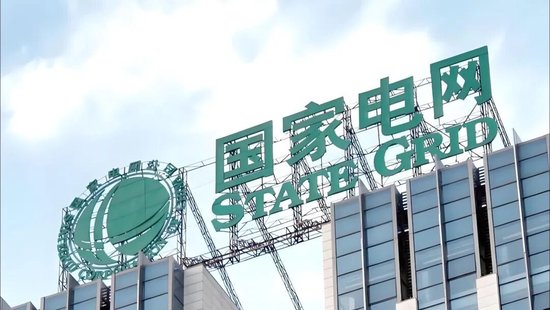
全球经济格局加速迭代的当下,中国凭借亮眼的电力生产与消费数据,向世界传递出明确信号:未来全球经济竞争的核心,正从传统硬实力对抗转向电力资 源的高效利用能力比拼。中国2025年的用电量数据便直观印证了这一趋势——预计达103682亿千瓦时,不仅是美国的两倍,更超越欧盟、印度、日本与俄罗 斯四大经济体的用电量总和。 这一亮眼数据已然引发国际社会高度关注,美国媒体也纷纷表示"心服口服",而是实打实的数据暴击对传统认知与战略布局的冲击。这份用电量绝非冰冷数 字,其背后折射的是国家经济活力、民众生活品质与未来科技竞争力的综合水平,是衡量发展成色的核心指标。 全社会用电量增长与综合国力正向挂钩的观点,既获经济学家广泛认同,也被各国政策制定者纳入考量。电力消耗量的规模,直接关联一国工业化深度与科 技实力层级,更是国民经济健康度的重要参照。中国早已在这一赛道领跑,过去数年全社会用电量保持年均5%的增速,形成"电力弹性系数大于1"的良性循 环,彰显经济发展的强劲动能。 美国的表现则形成鲜明反差,尽管GDP增速保持可观水平,全社会用电量却增长乏力,过去五年累计仅增长4.7%,年均增速不足1%。这种增速背离已引发 对其GDP真实性 ...
不赚钱就停电?俄企断供中国电力,普京淡定抛出神预言定大局
Sou Hu Cai Jing· 2026-01-18 07:37
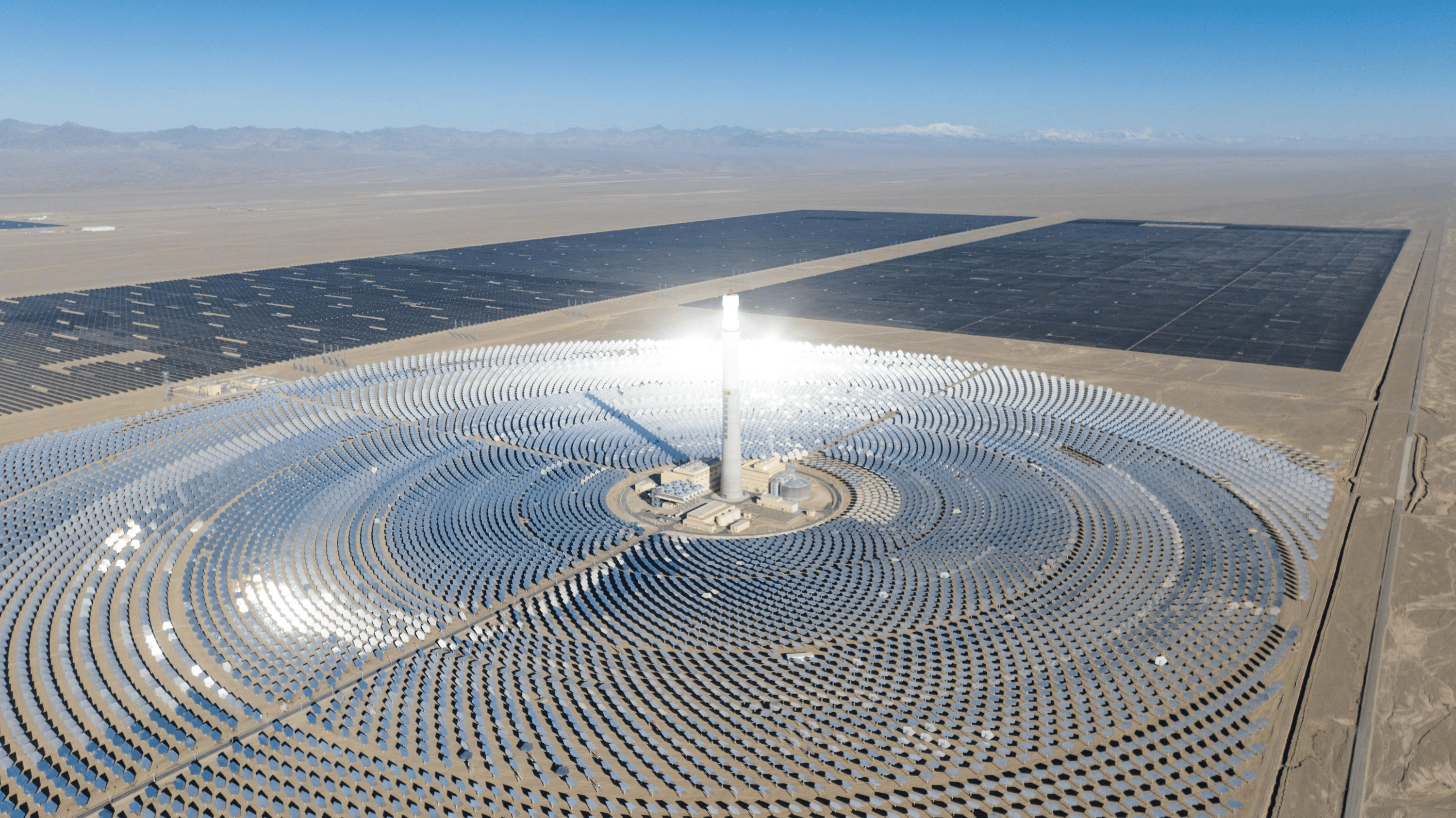
Core Viewpoint - The recent suspension of electricity exports from Russia to China has been interpreted by Western media as a sign of cooling relations between the two countries, but Russian President Putin's calm response suggests a deeper strategic consideration beyond mere trade disputes [3][5][15]. Group 1: Trade Dynamics - The suspension of electricity exports is a result of ongoing negotiations regarding pricing, with Russia's Inter RAO seeking a price increase of approximately 7% to balance operational costs [8][11]. - China has calculated that accepting the proposed price increase would negate the cost advantages of importing electricity from Russia, leading to a potential shift towards domestic power generation solutions [11]. - Electricity trade constitutes a minor portion of the over $200 billion annual trade volume between China and Russia, indicating that the overall energy cooperation is diversified and not solely reliant on electricity [13]. Group 2: Geopolitical Context - Putin's remarks during a meeting with new ambassadors from 30 countries highlighted a vision for a more equitable multipolar world order, suggesting that global dynamics are shifting beyond simple trade relationships [3][5]. - The focus of global power dynamics is transitioning from individual trade disputes to the broader contest for influence over the new international order, as evidenced by Canada's Prime Minister's visit to China to discuss cooperation [7]. - The Western media's portrayal of the electricity trade issue reflects a misunderstanding of the deeper strategic ties between China and Russia, as they continue to collaborate on various fronts despite minor trade disagreements [15][17]. Group 3: Economic Strategies - China is actively reducing its reliance on the US dollar by decreasing its holdings of US Treasury bonds and increasing its gold reserves, which supports the construction of a multipolar order [20]. - Russia is adapting to Western sanctions by deepening cooperation with emerging market countries and promoting the use of local currencies in trade, further diminishing dependence on Western markets [20]. - The strategic partnership between China and Russia remains robust, with ongoing collaboration in energy, military, and diplomatic areas, despite temporary disruptions in specific trade sectors [20].

首台、首次、首飞!见证创新中国步履铿锵
Xin Lang Cai Jing· 2026-01-17 08:25
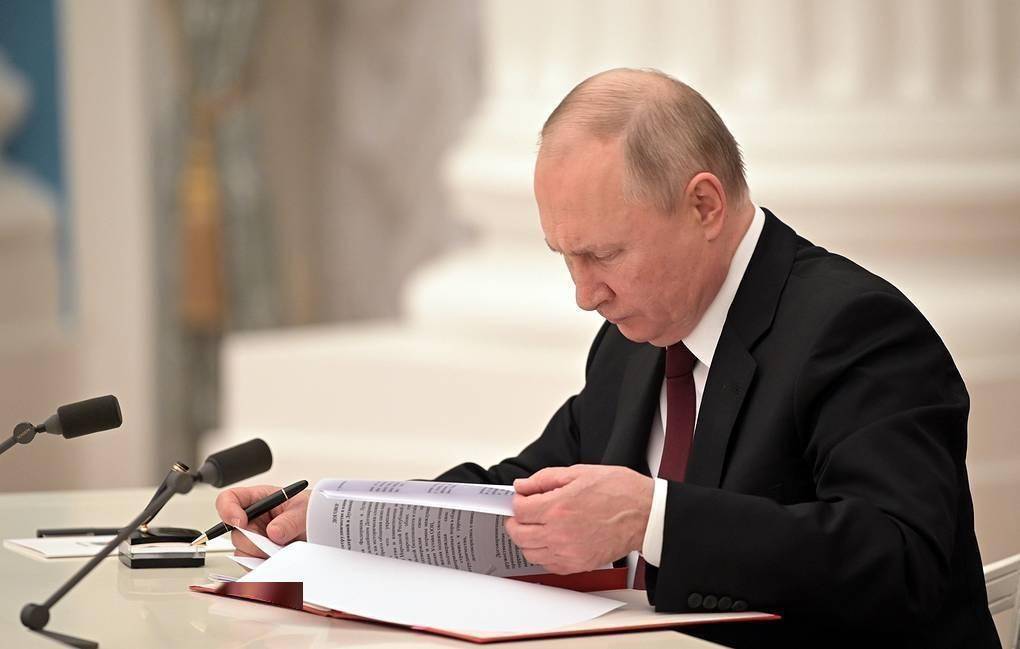
Group 1 - The core viewpoint emphasizes the importance of technological innovation as a foundation for national strength and corporate success, highlighting recent breakthroughs in various technological fields in China [1] - The article outlines significant achievements in China's technological advancements during the "14th Five-Year Plan" period, including the operation of the "Tianhe" space station and the success of the "Chang'e 6" lunar mission [1] - It stresses the need for continuous reform in the technology system and the importance of integrating innovation with industry to enhance productivity and address existing challenges [2] Group 2 - The article discusses China's global technological cooperation, mentioning partnerships with over 160 countries and initiatives aimed at promoting international scientific collaboration [3] - It highlights the role of Chinese technology in improving infrastructure and operational efficiency in various regions, such as Brazil, South Africa, and Singapore [3] - The future outlook suggests that with the implementation of innovation policies and an optimized environment, China's path in technological innovation will lead to significant contributions to high-quality development [4]
希拉里没说错,特朗普要分天下,中俄管欧亚?整个西半球留给美国
Sou Hu Cai Jing· 2025-12-08 07:07
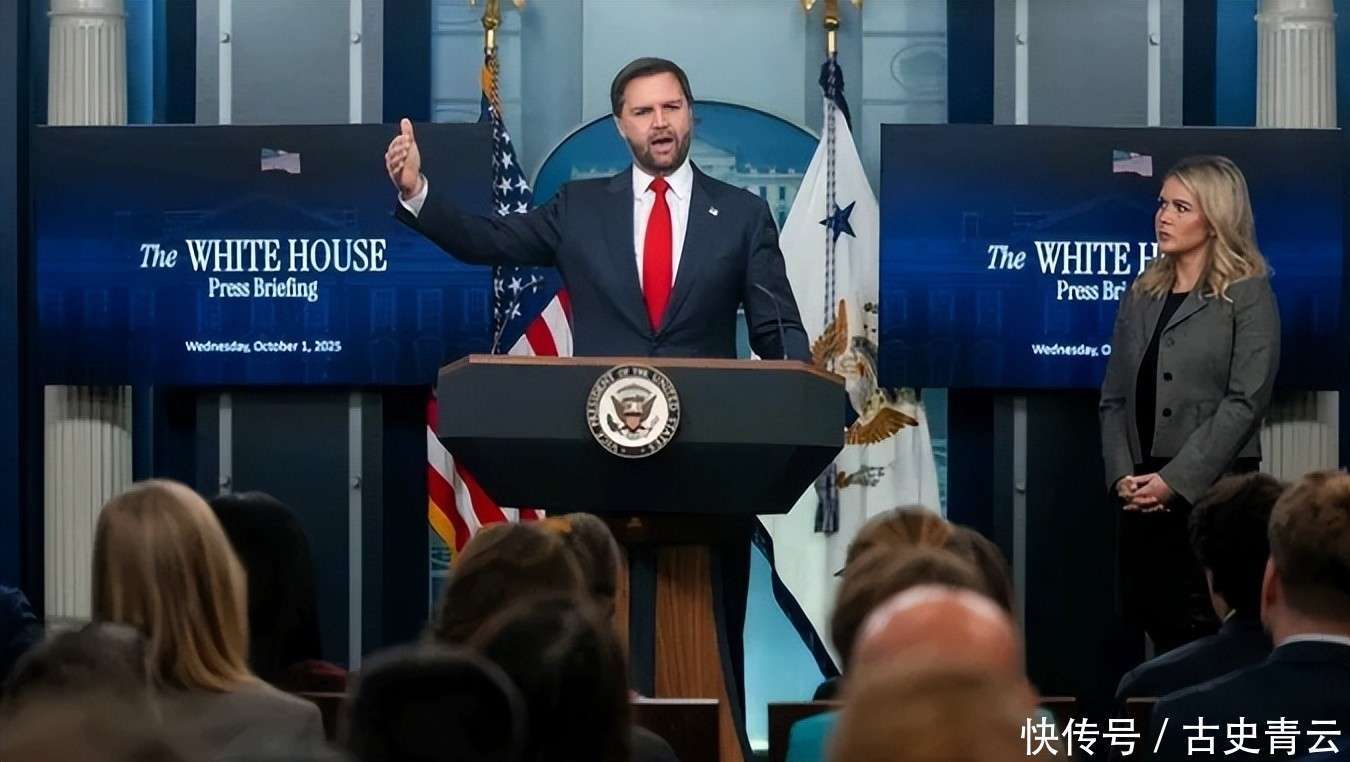
Group 1 - The World Bank report indicates that trade between Latin America and China has surpassed total trade with the United States for the first time, marking a significant geopolitical shift [1] - The U.S. Southern Command announced plans to gradually reduce military presence in Panama, representing a strategic retreat from the core region of Latin America for the first time in over two centuries [1] - The geopolitical landscape in Latin America is changing, characterized by an influx of capital and cooperation from China, while U.S. military power and influence are diminishing [1] Group 2 - The U.S. is attempting to reinforce its dominance in the Western Hemisphere, as articulated by Vice President Pence, who emphasized that the region should be under U.S. leadership [3] - The U.S. military actions in the Caribbean, framed as anti-drug operations, are seen as politically motivated rather than purely law enforcement [5] - Washington's aid often comes with stringent political conditions, contrasting with China's more development-oriented cooperation proposals [5] Group 3 - The U.S. hegemony is perceived as increasingly fragile, with its share of global GDP declining from 25% post-Cold War to approximately 15% today, while China's economy, measured by purchasing power parity, has reached 120% of the U.S. [9] - The erosion of U.S. global influence is attributed to internal divisions and a loss of public trust in the system, leading to a historical end of the old rules of power [9] Group 4 - China is actively promoting global cooperation through initiatives like the Belt and Road Initiative, contrasting with the U.S.'s isolationist tendencies [11] - Brazilian President Lula highlighted the revitalization of the manufacturing sector through Chinese investments, exemplified by the successful launch of electric vehicles and renewable energy projects [13] - The bilateral trade between China and Latin America is projected to reach a record $518.4 billion, doubling over the past decade, reflecting the growing engagement of Chinese enterprises in the region [13] Group 5 - Countries traditionally aligned with the U.S. are reassessing their relationships, with leaders from Canada and Colombia expressing a desire for more equitable partnerships with other nations [15] - The shift towards cooperation and mutual benefit is seen as a response to the U.S.'s divisive geopolitical strategies [19] - The emerging global order emphasizes collaboration over control, with Latin American cooperation viewed as a key component of this new paradigm [19][21]
COP30重磅信号:万亿美金入场,储能迎来全球化部署“加速时刻”
中关村储能产业技术联盟· 2025-11-20 07:54
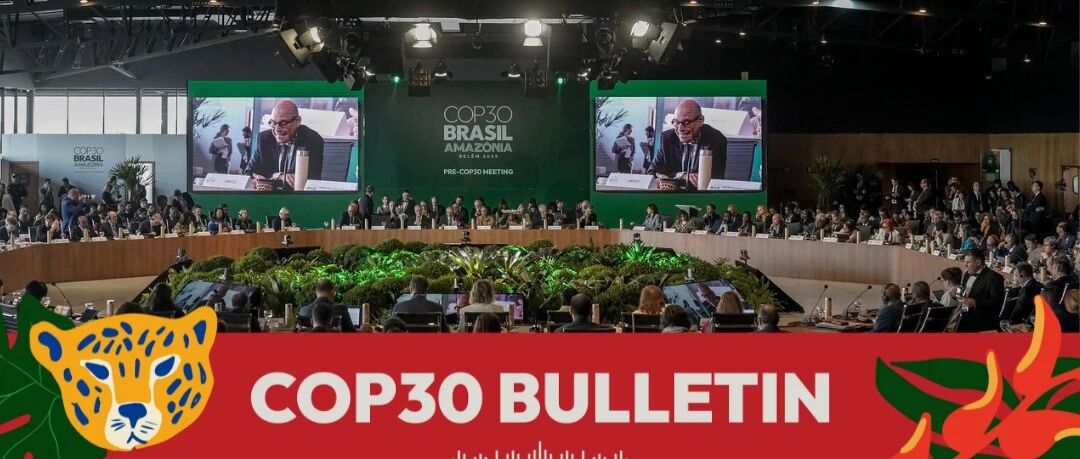
Core Viewpoint - The COP30 conference emphasizes the strategic importance of energy storage technology in global energy transition, providing institutional and financial action recommendations for large-scale deployment and international cooperation in energy storage [4][26]. Group 1: Climate Change and Energy Storage - The COP30 conference, held in the Amazon region of Brazil, marks the first multilateral climate governance meeting since the signing of the Paris Agreement ten years ago [2]. - UN Secretary-General António Guterres highlighted the necessity of expanding grid, storage, and efficiency investments to match the rapid development of renewable energy [5]. - The consensus formed at COP30 identifies energy storage as a critical solution to the bottleneck of integrating renewable energy into the grid [5][9]. Group 2: Mechanisms for Global Deployment of Energy Storage - The "Grids and Storage Implementation Coordination Council" was established to accelerate global actions on power networks and storage solutions [8]. - The "Investable Project Framework" was introduced to address financing challenges for developing countries, aiming to convert climate goals into investable projects [10]. - These mechanisms are expected to enhance the financing of energy storage projects, facilitating significant investments in emerging markets [10][27]. Group 3: Financial Commitments and Investments - COP30 announced substantial financial commitments, including a plan by the "Net Zero Emissions Utilities Alliance" to spend $148 billion annually, opening up $1 trillion for grid and storage expansion [11]. - Multilateral development banks and governments pledged over $12 billion for grid financing initiatives [12]. - These commitments indicate a shift in global financial focus towards energy storage and grid modernization to overcome clean energy transition barriers [15]. Group 4: Industry Contributions and International Cooperation - Chinese companies showcased their technological contributions at COP30, with CATL highlighting the economic viability of lithium battery storage and the "solar + storage" combination [18]. - The event featured discussions on the integration of pumped storage and battery storage into Brazil's power system, with interest in China's leading practices [24]. - Various Chinese enterprises, including State Grid and Trina Solar, demonstrated renewable energy and storage technologies during the conference [25]. Group 5: Future Outlook for Energy Storage - COP30 signals a shift from abstract commitments to concrete actions, positioning energy storage as a key element in accelerating renewable energy deployment and achieving climate goals [26][27]. - The establishment of the coordination council and the investment framework provides a dual mechanism for the global deployment of energy storage [27].
“不再低调,中国这牌面,没美国什么事了”
Guan Cha Zhe Wang· 2025-11-15 14:09
Core Viewpoint - The COP30 conference in Brazil marks a significant shift in China's role in global climate diplomacy, showcasing its leadership and proactive engagement in addressing climate change, especially in the absence of the United States [5][6][7]. Group 1: China's Presence at COP30 - China's exhibition space, "China Corner," prominently located at the entrance of the conference, contrasts with previous years' low-key presence, featuring interactive displays and cultural elements to attract attendees [1][2][3]. - The event includes speeches from top executives of major Chinese companies like CATL and BYD, emphasizing China's commitment to green energy and international cooperation [5][6][7]. Group 2: China's Leadership in Climate Action - China is increasingly seen as a core leader in global climate action, filling the void left by the U.S. and actively participating in negotiations to achieve constructive outcomes [7][8]. - The country has announced ambitious targets for reducing greenhouse gas emissions, aiming for a significant reduction of 1 to 1.5 billion tons, which is notably more aggressive than the timelines typically seen in developed countries [8]. Group 3: Innovative and Sustainable Practices - The "China Corner" features eco-friendly furniture made from recycled materials, demonstrating China's commitment to sustainability and resource recycling [9][13]. - Various low-carbon agricultural products from China are showcased, highlighting the country's advancements in sustainable agriculture [13][14]. Group 4: International Collaboration and Support - China has signed a declaration with over 40 countries and the EU to address hunger and climate change, promoting a collaborative approach to sustainable development [16]. - The use of Chinese-made electric vehicles for transportation during the conference underscores China's advancements in green technology and its role in supporting international delegations [17][18].
