绿色能源

Search documents
'Temporary' oil spike still complicates Fed's rate path as inflation remains too high: Torsten Slok
Youtube· 2026-03-13 10:53
Economic Outlook - The US economy is currently experiencing three significant growth tailwinds: increased AI spending, an industrial renaissance focused on reshoring production, and government spending due to lower corporate and household taxes [1] - Inflation remains a challenge, currently at around 3%, which is above the Federal Reserve's target of 2%, complicating monetary policy [1] Oil Prices and Inflation - The rise in oil prices from $65 to $100 per barrel is projected to increase headline inflation by 0.7%, creating additional pressure on the Federal Reserve to adjust interest rates [1] - The national average price of gasoline has surpassed $3.50 per gallon, potentially posing a political issue for the current administration ahead of midterm elections [1] Global Trade and Energy Supply - The Strait of Hormuz is critical for global trade, and its current blockage is affecting the flow of goods, including essential inputs for various industries such as fertilizers and green energy [4][5] - The US, as a net oil exporter, may benefit from rising oil prices, while many other countries, particularly in Europe, are facing increased costs as net oil importers [3][4] - The disruption in LNG supply is particularly concerning for Europe, India, and parts of Asia, which rely heavily on natural gas, potentially leading to depleted reserves and economic risks [6][7]

嘉化能源20260130
2026-02-02 02:22
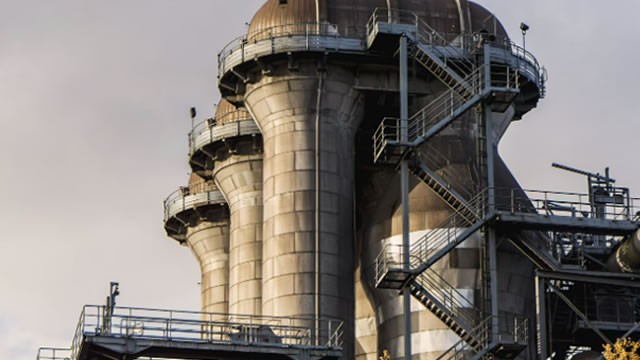
Summary of Jiahuan Energy Conference Call Company Overview - Jiahuan Energy operates through six major industrial segments: thermal power, chlor-alkali, PVC, fatty acids/alcohols, green energy, and Huanghua Pharmaceuticals, providing steam to the Jiaxing Chemical Park and expanding capacity in chlor-alkali and PVC sectors [2][3] Key Points and Arguments Business Structure and Industry Position - Jiahuan Energy's core philosophy revolves around a circular economy, integrating traditional businesses like thermal power and steam supply into a comprehensive industrial unit [3] - The company is a leading steam supplier in Zhejiang Province and has significantly increased chlor-alkali utilization through the introduction of a 300,000-ton PVC project [3] Capacity Expansion and Revenue Contribution - In 2026, two major projects will contribute additional revenue: the PVC Phase II project with an additional capacity of 600,000 tons and the fatty alcohol Phase II project, which will double its capacity [2][5] - Expected sales levels for these projects are 70% for PVC and 60% for fatty alcohols, with anticipated profits exceeding 100 million yuan from the new capacity [6][5] Profitability and Market Conditions - The unit profit for fatty acids and alcohols is projected to be between 800 to 1,000 yuan per ton, although market competition may slightly pressure gross margins [6] - The PVC business incurred a loss of approximately 200 million yuan in 2025, but there are signs of recovery with rising spot prices and significant export volumes before the cancellation of export tax rebates [7] Production Capacity and Technological Upgrades - The company plans to upgrade its caustic soda capacity from 298,000 tons to 410,000 tons by June 2026 to meet POC27 requirements and address chlorine supply shortages [8] - The POC27 facility is currently operating at full capacity, and the upgrades will reduce the need for external sourcing [8] Regulatory Impact and Strategic Procurement - The battery method phase-out policy is expected to increase costs for calcium carbide PVC producers, benefiting ethylene-based PVC producers like Jiahuan Energy [9] - The company sources ethylene from third parties and nearby suppliers, and a decline in oil prices will be advantageous for procurement costs [10] Overall Profitability Outlook - The overall profitability for 2026 is expected to improve, with stable steam business, acceptable caustic soda margins, and growth in fatty acids/alcohols, while PVC remains the most elastic segment [11] - For 2025, performance is anticipated to be stable compared to 2024, with macroeconomic conditions potentially exerting downward pressure in the second half [12] Industry Trends and Strategic Focus - The fatty acids and alcohols industry is facing increased competition due to rising raw material prices, but Jiahuan Energy aims to enhance market concentration and expand capacity [13][14] - The company will focus on consolidating existing industrial clusters and improving project efficiency rather than pursuing large-scale investments, maintaining a stable dividend policy with plans for share buybacks to enhance shareholder returns [15]

决定中国全球地位的从不是“拳头”,而是硬实力,美媒这次确实心服口服了
Sou Hu Cai Jing· 2026-01-20 10:40
Group 1 - China's electricity consumption is projected to reach 10,368.2 billion kWh by 2025, which is double that of the United States and exceeds the total consumption of the EU, India, Japan, and Russia combined [1] - The growth in electricity consumption is linked to a country's industrialization depth and technological strength, with China maintaining an average annual growth rate of 5% in electricity consumption over recent years [3] - The U.S. has seen a stark contrast, with only a 4.7% cumulative growth in electricity consumption over the past five years, raising questions about the authenticity of its GDP growth [3] Group 2 - China's State Grid has announced a fixed asset investment plan of 4 trillion yuan for the 14th Five-Year Plan period, a 40% increase from the previous plan, focusing on green energy transition and new power system construction [5] - By 2030, non-fossil energy consumption in China is expected to reach around 25%, with a target of 20% by 2025, laying a foundation for long-term goals [5] - Elon Musk predicts that by the end of 2026, China's electricity generation may reach three times that of the U.S., supported by China's advancements in renewable energy [6] Group 3 - The U.S. is facing power supply bottlenecks, with new AI computing centers unable to operate at full capacity due to insufficient electricity supply, raising concerns about its competitiveness in the AI sector [9] - China's leading position in electricity supply is becoming a core support for its future international competitiveness, with strong growth in electricity expected to drive economic, social, and technological prosperity [9]
中国大陆薪酬报告2026-Michael Page-China
Sou Hu Cai Jing· 2026-01-20 06:09
Core Insights - The employment market in mainland China for 2026 remains cautious, with companies focusing on efficiency and sustainable growth, emphasizing high-quality professional talent and digital transformation [1][9][10] - There is a differentiated demand across industries, with high demand for technical talent in advanced manufacturing, artificial intelligence, and green energy, while generalist roles are decreasing [1][9] Banking and Financial Services - The banking and financial services sector shows high investment interest in AI applications, innovative pharmaceuticals, and new consumer sectors, with strong demand for wealth management and M&A-related positions [1][13] - Talent with cross-border transaction experience and capital operation capabilities is highly sought after [1][13] Engineering and Manufacturing - The engineering and manufacturing sector is transitioning towards Industry 5.0, integrating digital and automation technologies throughout processes, leading to increased demand for talent in chemical materials and original design [1][29] - Challenges include the need for overseas technical experts and local integration [1][29] Finance and Accounting - The role of FP&A professionals is becoming more critical as companies emphasize data-driven decision-making, with a growing need for global tax and investor relations roles due to increased overseas expansion [1][38] - Digital tools are optimizing financial processes, and there is a rising demand for professionals with cross-border compliance capabilities [1][38] Healthcare and Life Sciences - The healthcare sector is prioritizing hybrid talent with global clinical trial capabilities and knowledge of overseas regulatory requirements, driven by deepening collaborations and healthcare reforms [1][49] - There is a strong demand for business development talent in biotech and biopharma sectors [1][49] Human Resources and Administration - HR leaders with cross-cultural management and digital transformation skills have significant bargaining power, while mid-to-high-level HR roles require scarce skills to maintain salary advantages [2][3] - The demand for secretarial positions in East China is declining, with a shift towards personalized and skill-matched recruitment [2][3] Legal Sector - There is a high demand for IPO-related positions, with compliance and data privacy skills being particularly sought after [2][3] Marketing and E-commerce - AI literacy is becoming a core requirement in marketing and e-commerce, with a strong demand for data-driven and multi-skilled marketing professionals [2][3] Sales and Retail - The luxury retail sector is focusing on experiential operations and expansion into second and third-tier cities, with an increasing need for versatile sales talent [2][3] Procurement and Supply Chain - AI-driven procurement transformation and nearshore sourcing are emerging trends, highlighting the importance of adaptability and strategic thinking in recruitment [2][3] Technology and Semiconductors - The technology and semiconductor sectors are experiencing a surge in demand for AI-related positions, with a shift away from traditional educational requirements [2][3]

天府大道科创走廊再落一子
Xin Lang Cai Jing· 2026-01-17 22:51
Group 1 - The Chengdu Sci-tech Ecological Island Meishan Sub-island project has been launched, serving as an innovation platform along the Tianfu Avenue Sci-tech Corridor [1][2] - The project covers an area of approximately 82 acres with a total investment of 1.2 billion yuan and a building area of 120,000 square meters [1] - The project is planned in three phases, focusing on satellite applications, new energy storage, intelligent equipment, and future industries for scene verification and industrial incubation [1] Group 2 - The project aims to effectively absorb the innovation results from the Chengdu metropolitan area, empowering local industry technology breakthroughs and upgrades [2] - A complete service system covering "R&D—small-scale testing—pilot testing—industrialization" will be established, targeting the formation of an innovative industrial cluster with an output value exceeding 5 billion yuan [2] - The project will adopt a "one core, multiple parks" spatial layout, with the Meishan Sci-tech core centered around the Tao Zhi Academician Workstation, focusing on advanced aircraft engine integration technology, hybrid power, green energy, and AI control [1]
经典常谈丨科技创新应当面向人的需要
Zhong Yang Ji Wei Guo Jia Jian Wei Wang Zhan· 2026-01-06 00:13
Core Viewpoint - The articles emphasize the importance of technology innovation in meeting people's needs and improving their quality of life, as highlighted by Xi Jinping's focus on making technology serve the public good [1][4]. Group 1: Historical Context of Technology Innovation - The widespread application of machinery in the 19th century led to explosive growth in productivity, with significant breakthroughs in textiles, mining, and transportation [1]. - Engels noted that the introduction of the steam engine in the textile industry increased cotton output by seven times, illustrating the transformative power of technology [1]. - Marx and Engels argued that technological advancements should be driven by human needs, as seen in their works that reflect this perspective [2]. Group 2: The Role of Technology in Society - Marx and Engels recognized that scientific and technological advancements are essential tools for human production and understanding of the world [2]. - They highlighted the role of innovations like steamships, railways, and telegraphs in advancing social progress, while also critiquing the alienation of workers under capitalism [2][3]. - The relationship between human needs and technological innovation is further explored, with Marx stating that without needs, there can be no production [3]. Group 3: Modern Implications and Future Directions - In the new era, the Chinese government aims to integrate a people-centered development approach into the entire process of technological innovation, focusing on urgent needs in health, education, employment, and ecology [4]. - The emphasis is on transforming technological achievements into driving forces for economic and social development, ultimately enhancing people's well-being [4]. - The ongoing technological revolution is reshaping lives at an unprecedented pace, with applications ranging from AI-assisted driving to green energy, underscoring the commitment to improving living standards through innovation [4].
【数说“十四五”·北海经济开发区篇】奋楫扬帆立潮头 擘画北海新篇章——北海经济开发区“十四五”发展综述
Xin Lang Cai Jing· 2025-12-30 17:07
Economic Growth and Development - The Beihai Economic Development Zone has achieved a historic leap in economic growth, with GDP increasing from 7.174 billion yuan in 2020 to 10.116 billion yuan in 2024, representing a cumulative growth of 32.5% and an average annual growth rate of 7.3% [1] - In the first three quarters of 2025, the GDP reached 8.732 billion yuan, marking a year-on-year increase of 10.1% [1] Industrial Development - The industrial economy has shown significant growth, with the added value of industrial enterprises above designated size increasing by 78.0% over four years, averaging an annual growth rate of 15.5% [1] - Industrial revenue surged from 41 billion yuan at the end of the 13th Five-Year Plan to 73.45 billion yuan, while total industrial profits reached 12.46 billion yuan, a cumulative increase of 131.2% [1] Modern Industrial System - The development of a modern industrial system is accelerating, with four major industrial clusters: high-end aluminum, green chemicals, marine economy, and new energy [2] - The high-end aluminum industry is projected to achieve an industrial output value of 60 billion yuan in 2024, contributing 1.4 billion yuan in taxes [2] - The green chemical industry has made significant breakthroughs, with major projects like the Bin Hua New Materials carbon series fully operational [2] Infrastructure Development - Major infrastructure projects have been advanced, enhancing the region's development capacity and service functions [3] - The construction of Binhai Port is progressing, with a projected cargo throughput of 7.539 million tons in 2024 and a significant increase in logistics capabilities [3] - The completion of the G228 Ta'er River Bridge has improved connectivity, facilitating regional integration [3] Fiscal Strength and Social Welfare - The fiscal capacity has significantly improved, with general public budget revenue increasing from 1.155 billion yuan in 2020 to 2.287 billion yuan in 2024, achieving a doubling in four years [4] - Expenditure on social welfare reached 82.5% of total budget spending in 2024, ensuring strong support for education, healthcare, and housing [5]
中国中冶(01618.HK)披露2025年1-11月新签合同情况简报,12月16日股价下跌1.08%
Sou Hu Cai Jing· 2025-12-16 10:05
Group 1 - The core point of the article indicates that China Metallurgical Group Corporation (China MCC) reported a decline in new contract signings for the period from January to November 2025, with a total of RMB 958.13 billion, representing an 8.6% decrease compared to the same period last year [1] - The company signed new overseas contracts amounting to RMB 75.0 billion, which shows a slight increase of 0.4% year-on-year [1] - In November 2025, the company secured seven major engineering contracts, each exceeding RMB 1 billion, totaling approximately RMB 15.03 billion, covering sectors such as urban renewal, green energy, mineral development, and medical construction [1] Group 2 - The stock price of China MCC closed at RMB 1.83 on December 16, 2025, down 1.08% from the previous trading day, with a trading volume of RMB 87.5853 million [1] - The stock has seen a 52-week high of RMB 3.17 and a low of RMB 1.31 [1]

重磅刷屏!最新解读,信息量很大
中国基金报· 2025-12-15 00:57
Core Viewpoint - The Central Economic Work Conference emphasizes a more proactive fiscal policy and moderately loose monetary policy to stabilize the economy and promote high-quality development, aligning with the goals of the 14th Five-Year Plan [2][5][11]. Group 1: Positive Signals from the Conference - The conference released three major positive signals: strong policy continuity with a focus on "more proactive fiscal policy + moderately loose monetary policy," highlighting the importance of stable expectations; a focus on high-quality development emphasizing "stability while seeking progress and improving quality and efficiency"; and a targeted approach to key areas, reaffirming the dominance of domestic demand and risk prevention [5][7][8]. - The emphasis on "domestic supply being strong while demand is weak" indicates a shift in focus compared to previous years, addressing the need to rectify "involutionary competition" [6][7]. Group 2: Economic Work Focus - The economic work for the coming year will prioritize structural optimization, with policies designed to effectively connect short-term counter-cyclical measures and medium- to long-term cross-cyclical strategies [5][9]. - The conference introduced the concept of "improving quality and efficiency," marking a shift from quantity expansion to structural optimization, which is essential for sustainable development [10][11]. Group 3: Fiscal and Monetary Policy Coordination - The expectation for fiscal policy includes maintaining a deficit ratio around 4% and expanding special bond quotas to approximately 5 trillion yuan, while monetary policy should focus on maintaining ample liquidity and directing structural tools towards innovation and consumption [12][13]. - The anticipated coordination between fiscal and monetary policies aims to lower financing costs for the real economy and enhance policy effectiveness through a combination of existing and new policies [13][14]. Group 4: Expanding Domestic Demand - The conference places "expanding domestic demand" as the top priority, emphasizing the need for consumption to drive economic growth, supported by income increases and improved public services [15][16]. - Key strategies for expanding domestic demand include optimizing income distribution, enhancing public service guarantees, and fostering a favorable environment for consumption [18][19]. Group 5: Capital Market's Role in Innovation - The capital market is expected to play a crucial role in supporting innovation by providing financing, pricing, and merger functions, particularly in emerging sectors such as digital economy, artificial intelligence, and advanced manufacturing [20][21]. - The focus on "artificial intelligence +" and other strategic emerging industries highlights the need for a robust capital market to facilitate the growth of new economic drivers [22][23]. Group 6: Addressing Competition and Risk - The conference emphasizes the need to address "involutionary competition" and improve the quality of small financial institutions, aiming for a more efficient and fair market environment [24][25]. - Strategies for risk management include targeted measures to address risks in key areas, such as real estate and local government debt, while maintaining a balance between growth and risk prevention [25][26]. Group 7: Opportunities in International Cooperation - The conference highlights opportunities in digital trade, green energy, and high-end manufacturing as key areas for international cooperation, which are expected to open up investment opportunities in related sectors [27][28]. - The shift towards a rules-based approach in international trade and cooperation is anticipated to enhance the competitiveness of domestic companies in global markets [29][30].

创金合信基金魏凤春:基于周期阶段的2026年资产优先级选择
Xin Lang Cai Jing· 2025-12-03 03:29
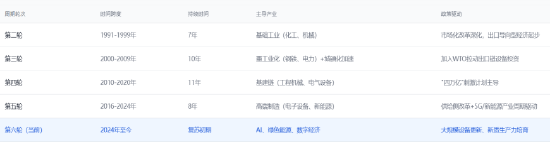
Core Insights - The article discusses the changing liquidity landscape, indicating that liquidity in 2026 will be less abundant than in 2025, primarily driven by structural debt increases with the central government as the main leverager [1][18] - The focus for investors should shift towards fiscal policy rather than monetary policy, although structural characteristics of monetary policy remain significant [1][18] Economic Cycle Analysis Framework - Economic cycle analysis should not be confined to traditional macro asset allocation frameworks, as it emphasizes structural issues rather than aggregate concepts [19] - The economic cycle consists of long, medium, and short cycles, including the Kondratiev, Juglar, and Kitchin cycles, along with Kuznets and Minsky cycles related to real estate and debt [19][20] Phases of the Real Cycle - The real cycle is categorized into three main cycles: Kondratiev, Juglar, and inventory cycles [20] - The Kondratiev cycle, lasting about 60 years, focuses on technological and resource dynamics, with current consensus highlighting AI and its supporting infrastructure as key drivers [21][24] - The Juglar cycle, lasting 7-11 years, is driven by equipment investment and capital expenditure, with China currently in the early recovery phase of its sixth Juglar cycle starting in 2024 [23][25] Inventory Cycle Transition - The inventory cycle is transitioning from passive to active inventory replenishment, influenced by anti-involution policies [27] - Current indicators show a PMI output index of 49.7%, the lowest since December 2022, reflecting weak external demand and cautious exporter attitudes [28] Phases of the Financial Cycle - The financial cycle includes the real estate cycle and the debt cycle, with the real estate market still in a deep adjustment phase since 2020 [30] - The Minsky cycle is characterized by a "wide monetary + low interest rate" environment, with a gradual recovery in macro leverage and a focus on debt resolution strategies [31] Asset Allocation Principles for 2026 - The asset allocation strategy for 2026 emphasizes the resonance of cycles, prioritizing new productive forces while maintaining a defensive base with high-quality fixed-income assets [32][33] - The focus should be on sectors benefiting from technological advancements and policy guidance, particularly in high-end manufacturing and green energy [33]