卡尔动力

Search documents
滴滴孵化,地平线领投,卡尔动力获1亿美元融资,无人卡车跑通商业化?
3 6 Ke· 2026-03-03 11:18
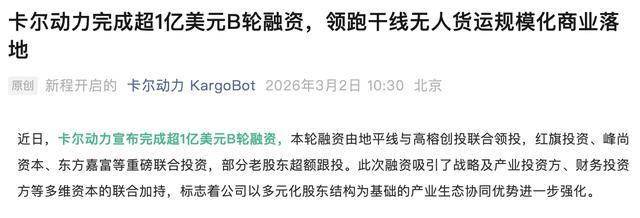
时代周报记者了解到,此轮资金将主要投向干线货运的无人规模化落地。按照规划,卡尔动力预计在今年内实现千台自动驾驶卡车部署。 卡尔动力的前身是滴滴旗下自动驾驶货运业务"KargoBot"。 "KargoBot"项目开始于2021年,后在2023年获得超4.5亿元天使轮融资后独立为卡尔动力。天眼查信息显示,卡尔动力的最大股东是"北京航迹科技有限公 司",其持股40.59%。 北京航迹是滴滴的关联公司,其法定代表人是滴滴创始人、董事长兼CEO程维。 3月2日,卡尔动力宣布完成超1亿美元(约合人民币6.8亿元)B轮融资,本轮融资由地平线与高榕创投联合领投,红旗投资、峰尚资本、东方嘉富等联合 投资,部分老股东跟投。至此卡尔动力已累计获得近20亿元融资。 △图源:卡尔动力 卡尔动力成立于2021年2月,由滴滴牵头孵化,专注无人驾驶物流业务,目前已在国内部分地区实现大宗干线物流的无人商业化运营。 在干线物流方面,因其线路固定、场景相对规整、降本增效需求迫切,被视为自动驾驶领域最具商业化潜力的赛道之一。自动驾驶技术在生活场景中的短 线小规模物流方面也已经得到了十分广泛的应用。 目前,自动驾驶技术在物流场景中已有广泛应用,例如卡 ...


完成超 1 亿美元融资,卡尔动力韦峻青:让无人重卡穿越大漠戈壁丨 L4 十人谈
雷峰网· 2026-03-03 06:14
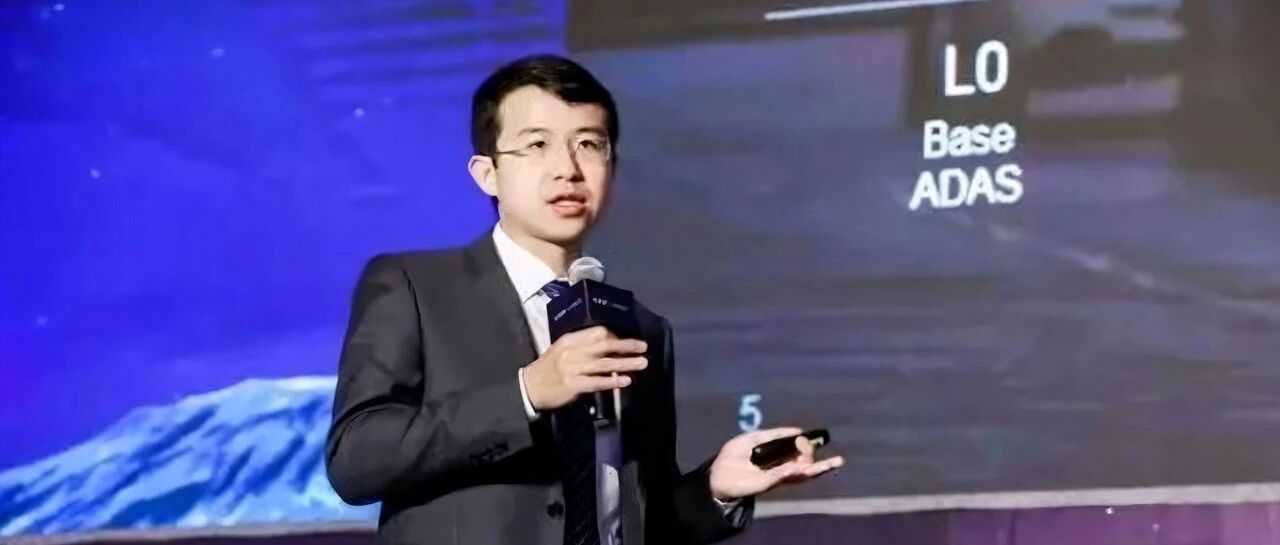
2005 年,就读于清华大学自动化专业的韦峻青了解到 DARPA ,觉得这是一个可以改变世界的技术,由 此对自动驾驶生产浓厚兴趣。为此,他在申请学校时选择的都是自动驾驶研究排名靠前的学校,并如愿以 偿去到卡内基梅隆大学(CMU),成为 CMU 自动驾驶实验室的第一批博士生。 2017 年,德尔福改名自动驾驶公司安波福,韦峻青出任全球工程副总裁。在安波福任职期间,韦峻青主 导建立了安波福匹兹堡技术中心、拉斯维加斯客户体验和无人驾驶车队运营中心,与 Lyft 合作展开 100 辆 L4 无人驾驶出租车运营和测试平台。 2019 年,他受滴滴邀请回国担任其自动驾驶公司 CTO。 " 一位自动驾驶从业者的十八年追梦之旅。 " 作者丨张进 编辑丨李雨晨 2005 年,美国国防高级研究计划局"DARPA"举办的第二届无人驾驶汽车挑战赛——DARPA Grand Challenge 在莫哈维沙漠举行,共有 23 支队伍进入决赛。 最终,斯坦福大学团队在 Sebastian Thrun 的带领下,其研发的"Stanley" 赛车力压卡内基梅隆大学团队的两辆改装悍马,以第一名的成绩完赛获得 冠军,拿走了 200 万美金的赛事奖 ...
卡尔动力完成超1亿美元B轮融资,CEO韦峻青曾任滴滴自动驾驶CTO
Sou Hu Cai Jing· 2026-03-02 06:41
瑞财经 吴文婷3月2日,卡尔动力宣布完成超1亿美元B轮融资,本轮融资由地平线与高榕创投联合领 投,红旗投资、峰尚资本、东方嘉富等重磅联合投资,部分老股东超额跟投。 本次融资资金将主要用于加速干线货运的无人规模化拓展,通过打造"运输机器人+物流操作系统"的智 慧运输体系,构建覆盖全域的智能运力网络。 公开资料显示,卡尔动力由滴滴自动驾驶孵化,成立于2021年2月,并于2023年独立运营。 作为行业内首家实现干线无人货运商业化闭环的企业,卡尔动力已率先跑通从技术到商业的全链条验 证,无人商业化进程位居行业第一梯队,累计货运量达12亿吨公里。目前,公司已率先实现大宗干线无 人商业化运营,成功闭环运营了首个无人干线运输的正向盈利样板间。 而卡尔动力CEO韦峻青,本科毕业于清华大学自动化系,获得美国卡内基梅隆大学电子与计算机工程系 车辆驾驶行为学和轨迹规划领域博士学位,有着近20年自动驾驶行业经历。 韦峻青曾任滴滴自动驾驶CTO,安波福自动驾驶全球副总裁,自动驾驶公司Ottomatika创始人(被Aptiv 收购)。 ...
行业深度 | RoboX:产业奇点已至 规模化应用加速【国联民生汽车 崔琰团队】
汽车琰究· 2026-02-03 16:03
Core Insights - The RoboX industry is approaching a commercialization inflection point, driven by strong policy support, increasing demand for cost-effective and safe autonomous driving solutions, and significant reductions in core component costs [2][6][11]. Group 1: RoboX Overview - RoboX encompasses various forms of autonomous driving applications, including Robotaxi, Robovan, and Robotruck, designed to adapt to different transportation scenarios through modular design [8]. - The industry is experiencing rapid advancements in technology, with the penetration rate of L2 and above autonomous features in passenger vehicles expected to exceed 90% by 2030, significantly driving down costs for key components like LiDAR and computing chips [9][11]. Group 2: Robotaxi Insights - Robotaxi is projected to achieve an operational cost of $0.2 per kilometer by 2027, a 50% reduction compared to traditional ride-sharing platforms, primarily due to the remote safety operator model and economies of scale [3][17]. - The global Robotaxi market is expected to reach a valuation of $352.6 billion by 2035, with the Chinese market anticipated to grow from $200 million in 2025 to $179.4 billion by 2035, indicating strong growth potential [23][28]. Group 3: Robovan Insights - The demand for Robovan is driven by labor shortages and high costs in last-mile delivery, with its capabilities making it a key solution across e-commerce, retail, and food delivery sectors [4]. - The cost of Robovan is expected to drop significantly, from 500,000-600,000 yuan to around 20,000 yuan, due to economies of scale and increased penetration of L2 and above features in passenger vehicles [4][11]. Group 4: Robotruck Insights - Robotruck applications are expanding from closed environments to long-haul logistics, with a market potential reaching hundreds of billions, focusing on stable freight demand and high operational value [5]. - The adoption of "virtual drivers" in Robotrucks is expected to significantly reduce the operating costs of electric trucks, enhancing their commercial viability [5]. Group 5: Policy Support - Since 2020, the Chinese government has implemented numerous policies to support the development of intelligent connected vehicles, establishing a robust regulatory framework for the industry [11][13]. - By 2025, 17 national-level testing demonstration zones have been established, with over 32,000 kilometers of testing roads opened, facilitating the transition from technology validation to commercial operation [11][13]. Group 6: Investment Recommendations - Companies involved in autonomous driving solutions and operations are expected to benefit directly from the commercialization of RoboX, with a projected rapid increase in penetration rates between 2026 and 2027, unlocking a market potential of hundreds of billions [6][28]. - Recommended companies include WeRide, Cao Cao Mobility, and XPeng Motors, with a focus on intelligent component manufacturers like Horizon Robotics and Bertelson [6].

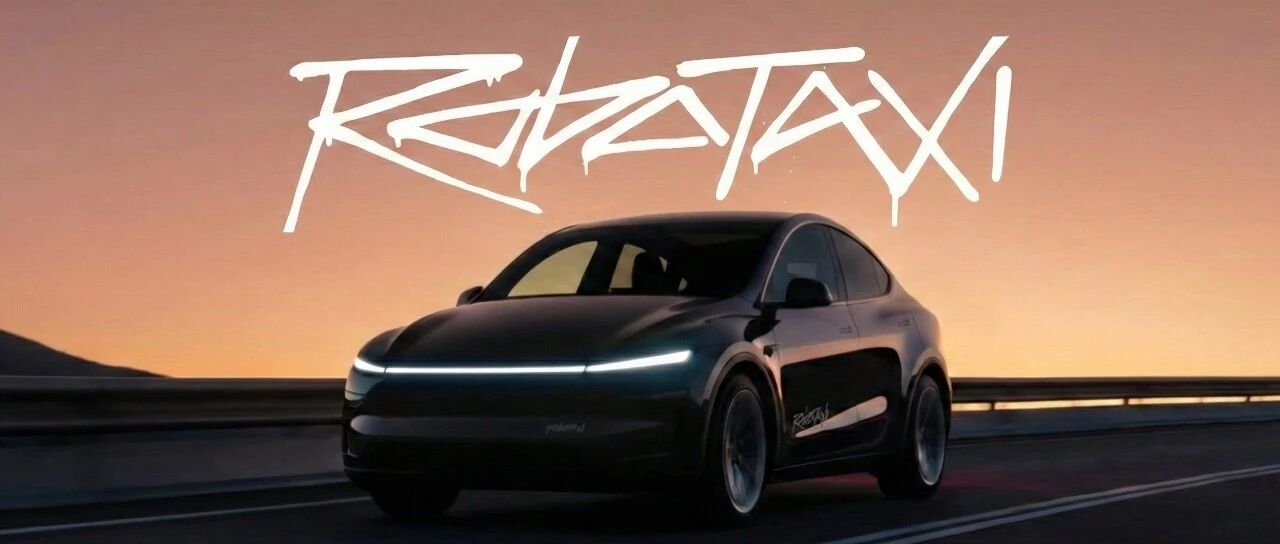
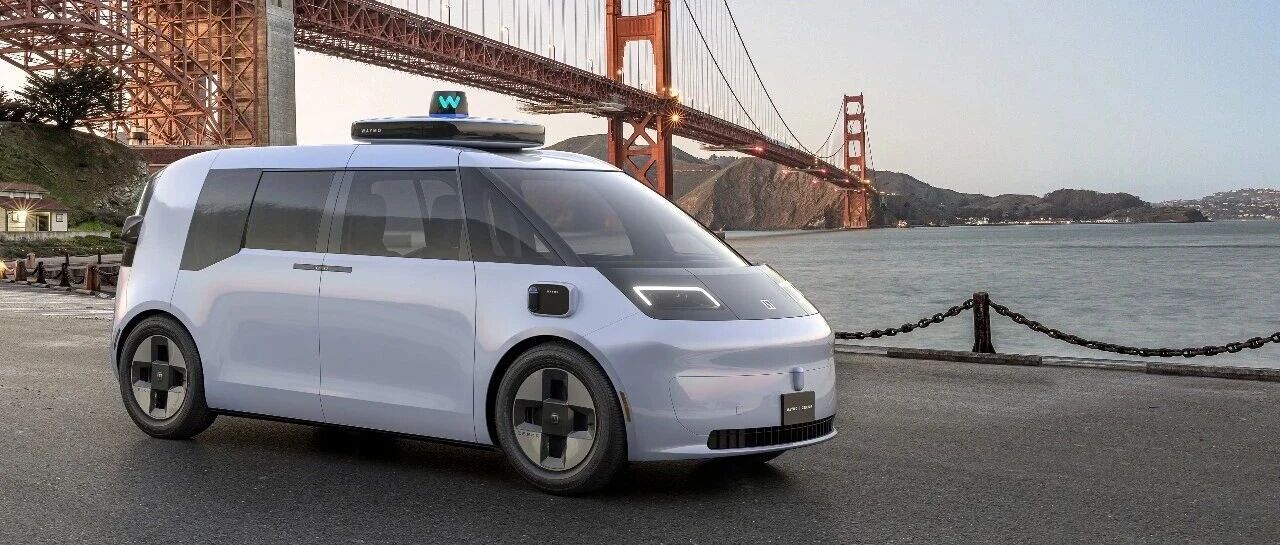
今天十点!一场关于自驾L4的圆桌探讨(斯年智驾/新石器/卡尔动力等)
自动驾驶之心· 2026-01-10 01:00
Core Insights - The article discusses the advancements in autonomous driving technology, particularly the transition from Level 2 (L2) to Level 4 (L4) automation, highlighting that high-level assisted driving has reached a "quasi-L4" stage by December 2025 [3] - It emphasizes the significant investment in the L4 sector, with over 30 billion yuan raised in the domestic autonomous driving industry in 2025, indicating a shift in focus towards L4 technology [3] - A roundtable event is planned to explore the technological and commercial realities of L4 autonomous driving, featuring insights from leading companies in the field [3] Group 1: Industry Developments - The technology pathways for L2 and L4 are converging, allowing for the reuse of the same model across both levels [3] - The article notes that the L4 sector is gaining renewed attention due to its potential to reach a critical development phase [3] Group 2: Event Details - A significant roundtable discussion on L4 autonomous driving will take place, featuring diverse perspectives from top companies in the industry [3] - The event aims to delve into the evolution of L4 technology, market dynamics, and future directions [3] Group 3: Key Speakers - He Bei, founder and chairman of Sinian Intelligent Driving, has extensive experience in autonomous driving and has published over 30 papers and holds more than 100 patents [4] - Miao Qiankun, CTO of New Stone Age Autonomous Vehicles, has over 15 years of experience in R&D and has led the development of L4 urban logistics delivery vehicles, which are operational in over 300 cities [5] - Wang Ke, VP of AI R&D at Karl Power, and Ma Qianli, Tech Lead at a top global automotive company, bring significant expertise in autonomous vehicle technology and commercial operations [6]

自动驾驶L4的冰与火:L2到L4是否成为可落地的工程现实......
自动驾驶之心· 2026-01-09 06:32
Core Viewpoint - The article discusses the advancements in autonomous driving technology, particularly the transition from Level 2 (L2) to Level 4 (L4), highlighting the significant investments and developments in the L4 sector within the industry [3]. Group 1: Industry Developments - By December 2025, the autonomous driving industry in China is expected to have raised over 30 billion in funding, with a focus on L4 technology [3]. - The article emphasizes that the technological pathways for L2 and L4 are converging, allowing for the reuse of the same model across both levels [3]. - A roundtable discussion on L4 autonomous driving will be held, featuring leading companies in the field to explore the balance between technological ideals and commercial realities [3]. Group 2: Key Speakers - He Bei, founder and chairman of Sinian Intelligent Driving, has a PhD from Tsinghua University and extensive experience in autonomous driving technology [4]. - Miao Qiankun, CTO of New Stone Age Autonomous Vehicles, has over 15 years of experience in R&D and has led the development of L4 urban logistics delivery vehicles, which have been deployed in over 300 cities and 10 countries, with a total of 15,000 vehicles delivered and over 60 million kilometers driven [5]. - Wang Ke, Vice President of AI R&D at Karl Power, previously led the perception tracking module at Zoox, a US autonomous driving unicorn [6]. Group 3: Event Details - The upcoming roundtable will delve into the evolution of L4 technology, market dynamics, and future development directions, promising a blend of depth and foresight [3]. - The event will feature a diverse range of perspectives from top companies in the L4 sector, indicating a significant interest in the current state and future of autonomous driving technology [3].
本周六!一场关于自动驾驶L4的圆桌探讨:通向L4之路已经清晰?
自动驾驶之心· 2026-01-08 01:53
Core Insights - The article discusses the advancements in autonomous driving technology, particularly the transition from Level 2 (L2) to Level 4 (L4), indicating that high-level assisted driving has reached a "quasi-L4" stage, with the same model being applicable for both L2 and L4 [4] - The autonomous driving industry in China has seen over 30 billion yuan in financing in 2025, primarily focused on the L4 sector, suggesting a significant shift in industry attention towards L4 technology [4] - A roundtable discussion on L4 autonomous driving is scheduled, featuring leading companies in the field, to explore the technological and commercial realities of L4, including its evolution and future market landscape [4] Group 1 - The article highlights the comparison between Tesla's FSD V14.2 and Robotaxi, emphasizing the advancements in high-level assisted driving technology [4] - It notes that the L4 sector is gaining new attention due to recent changes, prompting discussions on whether it has reached a critical juncture [4] - The upcoming roundtable aims to provide diverse perspectives from top L4 companies, focusing on the interplay between technological ideals and commercial realities [4] Group 2 - Key speakers at the roundtable include industry leaders with extensive backgrounds in autonomous driving technology and research, such as He Bei, founder of Sinian Intelligent Driving, and Miao Qian Kun, CTO of New Stone Age Autonomous Vehicles [5][6] - The article mentions the impressive achievements of Miao Qian Kun's L4 urban logistics delivery vehicles, which have been widely deployed across over 300 cities in China and more than 10 countries, with a total of 15,000 vehicles delivered and over 60 million kilometers driven [6] - The discussion will also feature experts with significant experience in AI and autonomous vehicle development, ensuring a comprehensive exploration of the topic [7][8]

L4级自动驾驶赛道分化,Robobus将成为“第一战场”?
3 6 Ke· 2025-12-23 11:17
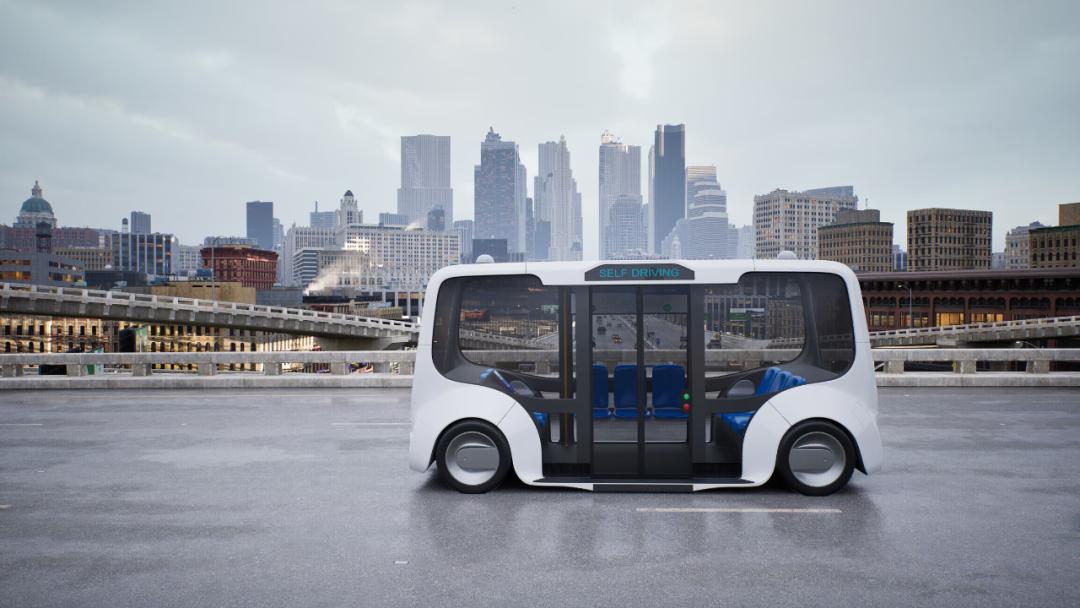
Core Insights - The autonomous driving industry is transitioning from a phase of singular breakthroughs to a critical point of track differentiation, with companies reassessing their strategic focus based on the varying technical adaptability and commercialization potential across different scenarios [1][3] Track Differentiation - The differentiation in the L4 autonomous driving track reflects a renewed understanding of technology implementation, moving away from the misconception that overcoming core technology guarantees universal commercialization [3] - The complexity, safety, and commercial value of specific scenarios are crucial for the successful deployment of L4 technology, with Robotaxi facing significant challenges compared to more controlled environments like Robotruck and Robobus [3][4] Financing Trends - Since 2025, financing in the autonomous driving sector has increasingly concentrated on Robobus, Robotruck, and Robovan, with notable investments such as over $600 million in New Stone Technology, setting a record in China's autonomous driving financing [4] Robovan Insights - Robovan focuses on last-mile logistics with a core emphasis on low-cost scalability, with leading companies nearing the threshold of 10,000 units delivered, and prices dropping significantly to as low as 16,800 yuan [4][5] Robotruck Insights - Robotruck aims to revolutionize efficiency in long-distance logistics, addressing cost reduction needs in traditional logistics plagued by low-price competition and safety issues, gaining attention from logistics companies [5] Robobus Insights - Robobus benefits from public transport attributes, addressing high-frequency demand in urban micro-circulation and providing a clear commercial path, supported by strong policy backing [5][8] - The operational flexibility of Robobus allows it to adapt to various semi-open and closed scenarios, significantly lowering the implementation difficulty of L4 technology [9] Commercialization Pathways - Robobus has two primary commercialization models: To G, collaborating with governments for public transport integration, and To B, providing customized services for specific venues [9][10] - The scalability of Robobus operations can further reduce costs through increased order volumes, creating a positive feedback loop of cost reduction and expanded service [10] Global Expansion - Chinese companies are positioned to lead in the Robobus sector globally, leveraging complete industrial chain advantages and rich operational experience, as evidenced by successful projects in Singapore [11][12] Competitive Landscape - The competition in the Robobus sector extends beyond technology to include business models, ecosystem integration, and global capabilities, necessitating a comprehensive approach for success [12][13] - Companies must adapt to local regulations and establish deep collaborations with local partners to navigate the complexities of international markets [13][14] Challenges Ahead - Robobus faces technical challenges in specific scenarios, such as adverse weather conditions affecting sensor accuracy and the need for effective vehicle-road collaboration [14] - Initial investment costs for L4 Robobus remain high, necessitating strong financial capabilities for companies to achieve scalability [14] - A robust operational maintenance system is essential for Robobus, which includes not only vehicle maintenance but also monitoring and upgrading autonomous driving systems [14][15]
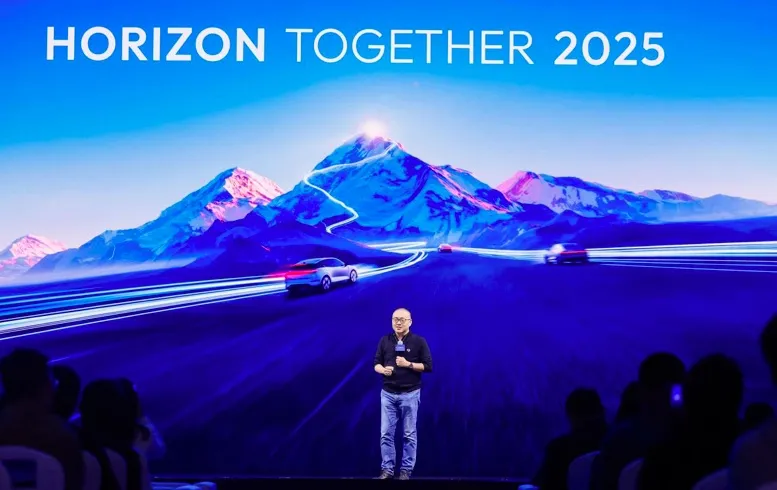
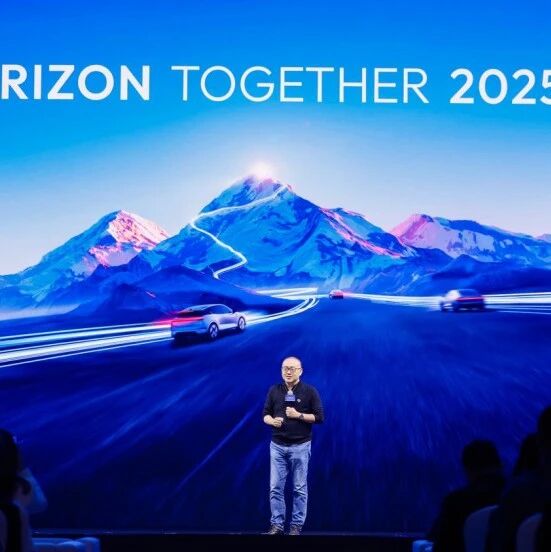
地平线与生态伙伴共拓自动驾驶规模化商用之路,勾勒未来发展版图
IPO早知道· 2025-12-15 03:00
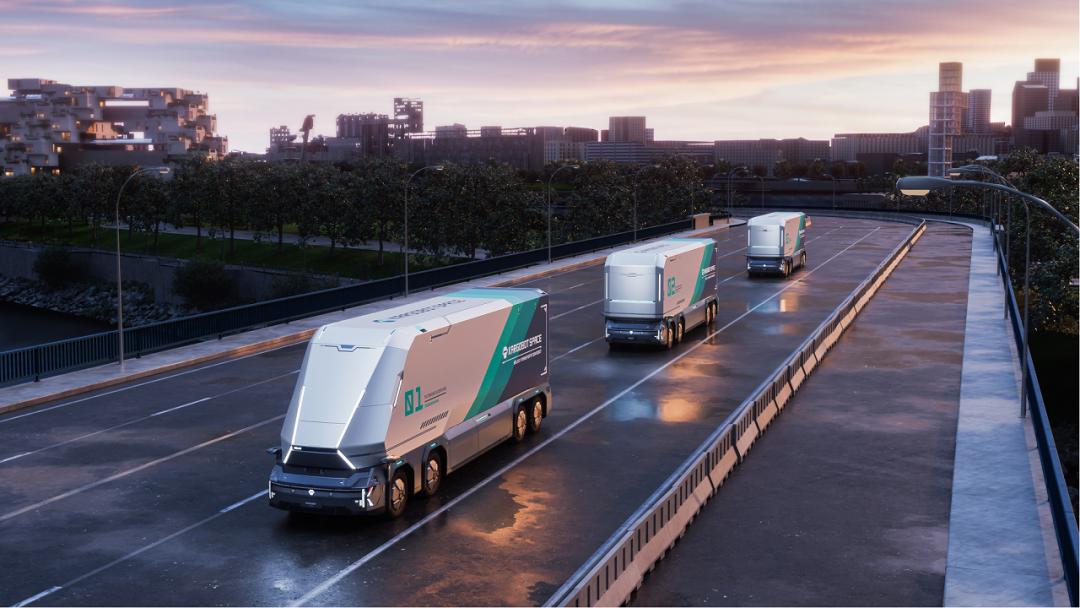
Core Viewpoint - The article emphasizes the importance of collaboration and technological breakthroughs in achieving scalable commercialization of autonomous driving, focusing on various applications such as Robotaxi, unmanned logistics, and trunk logistics [1]. Group 1: Event Overview - The "Towards High Collaboration" 2025 Horizon Technology Ecosystem Conference featured a forum on "Scaling Commercialization of Autonomous Driving," discussing sustainable business models and efficient industry ecosystems [1]. - Horizon's founder and CEO, Dr. Yu Kai, highlighted the significance of service providers in the autonomous driving sector, emphasizing the need for scene-based services beyond just vehicle manufacturing [1]. Group 2: Partnerships and Innovations - Horizon collaborates with various partners to provide key technological support for diverse scenarios, including Robotaxi and unmanned logistics, showcasing successful outcomes and industry trends during the forum [3]. - GoGoX and Amigo's founders shared their vision for deploying Robotaxi in Hong Kong, aiming to enhance urban mobility and improve service experiences [3]. - 行深智能 (Xing Shen Intelligent) announced a partnership with Horizon to launch the first L4 urban unmanned logistics solution based on Horizon's 6M chip, achieving a 30% cost reduction compared to similar solutions [3][5]. Group 3: Industry Trends and Developments - 京东物流 (JD Logistics) is advancing unmanned delivery capabilities, aiming to redefine logistics networks through automation across all stages of the supply chain [6]. - 嬴彻科技 (Yingche Technology) has validated its truck autonomous driving system through real operational data, achieving over 400 million kilometers in commercial operation [9]. - 卡尔动力 (Carl Power) introduced the KargoBot Space, a global first in L4 autonomous heavy trucks, which enhances cargo space and profitability while aiming for a commercial breakthrough in 2025 [10]. Group 4: Insights from Industry Leaders - A roundtable discussion led by industry leaders explored the transition from technology-driven to value-driven commercialization of autonomous driving, emphasizing the need for robust technical foundations and ecosystem collaboration [12]. - 佑驾创新 (Youjia Innovation) focuses on creating standardized unmanned vehicle platforms while customizing solutions for different scenarios, maintaining close collaboration with Horizon [14]. - The article concludes with a call for continued collaboration and innovation within the autonomous driving ecosystem, highlighting Horizon's commitment to being a trusted enabler in the industry [20].
地平线技术生态大会探索自动驾驶规模化商用路径
Cai Jing Wang· 2025-12-13 09:03
Core Viewpoint - The Chinese intelligent driving industry is transitioning into a critical phase focused on "scaled commercialization," with key players like Horizon Robotics leading the way in providing essential technological support for various autonomous driving applications [1][10]. Group 1: Industry Developments - Horizon Robotics hosted the "Towards High Together" 2025 Technology Ecosystem Conference, gathering industry leaders to explore innovative paths for high-quality development in the intelligent driving sector [1]. - The company emphasizes the importance of service providers in the autonomous driving ecosystem, who focus on scenario-based services rather than just vehicle manufacturing [1][10]. Group 2: Partnerships and Collaborations - Horizon Robotics collaborates with various partners to provide key technological support for diverse scenarios such as Robotaxi, unmanned delivery, and trunk logistics, showcasing the results of joint research and product creation [3][5]. - GoGoX and Amigo's founders shared their vision for deploying Robotaxi in Hong Kong, aiming to enhance urban transportation experiences [3]. - The partnership with Xing Shen Intelligent focuses on deep integration of autonomous driving technology with logistics, resulting in a cost reduction of 30% for their L4 urban unmanned logistics solution [3]. - New Stone's collaboration with Horizon Robotics has led to the deployment of over 13,000 L4 unmanned vehicles across more than 300 cities globally [4]. Group 3: Technological Innovations - Horizon Robotics' chips and algorithms are integral to the development of autonomous driving systems, with companies like Yingche Technology achieving over 400 million kilometers in commercial operation using Horizon's technology [5][7]. - The KargoBot Space, developed by Karl Power, utilizes Horizon's chips to enhance cargo space and efficiency, marking a significant step towards profitable L4 autonomous freight operations [7]. Group 4: Industry Insights and Future Directions - Industry experts agree that the commercialization and scaling of autonomous driving depend on strong technological support and ecosystem collaboration [8]. - The transition from technology-driven to value-driven approaches in autonomous driving is seen as a critical milestone for the industry [8]. - Horizon Robotics aims to empower partners through foundational computing platforms and AI technology, facilitating the shift towards fully autonomous logistics and commercial vehicles [10].