吉利德

Search documents
从卖鼠到开抗体超市,百奥赛图2025年净利翻4倍
Jing Ji Guan Cha Wang· 2026-02-27 03:58
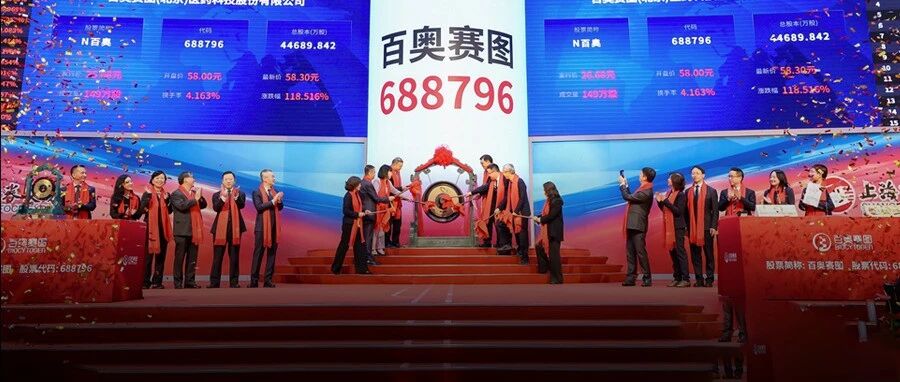
经济观察报 记者 刘晓诺 在跨国药企纷纷来华扫货的2025年,中国这家"抗体超市"也迎来了近年最好的业绩丰收。 2月26日,百奥赛图(688796.SH/02315.HK)发布2025年业绩快报,初步会计数据显示,该公司2025年营收约13.79亿元,实现归母净利1.73亿元,分别同比 增长40.63%、416.37%。 2019年—2023年,百奥赛图处在大规模烧钱的研发阶段,收不抵支,每年都亏损数亿元。直到2024年,研发的投入开始进入商业化兑现阶段,百奥赛图实现 归母净利3354万,扭亏为盈。 百奥赛图的股价也曾长期低迷。2022年,百奥赛图在创新药资本寒冬中登陆港交所,股价从发行的25.22港元/股一路下跌,2024年11月触底5.6港元/股,市 值仅有20多亿港元。 此后,行业回暖。2025年的创新药牛市中,百奥赛图的港股股价也震荡上行,较低谷期翻了约10倍。2025年12月,百奥赛图在科创板上市,又受到资本市场 的热情迎接,网上初步超额认购约5383倍,首日股价涨幅一度冲高到146.63%。 截至发稿,百奥赛图港股股价54.05港元,A股股价77.75元,总市值314亿元。 企业自身的经营阶段与行 ...

申万宏源证券晨会报告-20260226
Shenwan Hongyuan Securities· 2026-02-26 00:35
| 指数 | 收盘 | | 涨跌(%) | | | --- | --- | --- | --- | --- | | 名称 | (点) | 1 日 | 5 日 | 1 月 | | 上证指数 | 4147 | 0.72 | 0.27 | 1.6 | | 深证综指 | 2746 | 1.21 | 0.01 | 2.46 | | 风格指数 (%) | 昨日 | 近 1 个月 | 近 6 个月 | | --- | --- | --- | --- | | 大盘指数 | 0.56 | 0.59 | 5.01 | | 中盘指数 | 1.39 | 0.21 | 21.94 | | 小盘指数 | 1.59 | -0.96 | 15.17 | | 涨幅居前 行业(%) | 昨日 | 近 1 个月 | 近 6 个月 | | --- | --- | --- | --- | | 小金属Ⅱ | 7.77 | 11.75 | 60.09 | | 冶钢原料 | 5.65 | 5.49 | 59.48 | | 房地产服务 | 5.41 | 7.08 | 4.44 | | 普钢Ⅱ | 5.04 | 3.31 | 3.25 | | 航天装备Ⅱ | ...
60岁南京医药大佬 一把狂揽70亿
2 1 Shi Ji Jing Ji Bao Dao· 2026-02-24 16:08
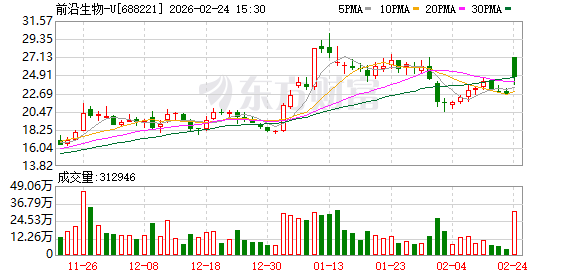
春节后开工第一天,谢东等来救急钱。 2月23日晚,他实控的前沿生物公告,与全球制药巨头葛兰素史克(GSK)达成独家授权协议,将共同开发两款小核酸药物。 这笔交易的总价,超过10亿美元,折合人民币近70亿元。 新药开局 "小核酸药物,为近年来全球医药领域的重要发展方向。" 谢东非常看好小核酸药物的前景,敏锐注意到,此领域的研发,已从罕见病向心脑血管疾病、代谢性疾病等慢性病领域加速扩展。 他调整发展策略,以小核酸创新药为核心发展主线,视作新的增长希望,以高端仿制药业务作为稳健补充。 "DNA上的基因片段信息,需要通过信使RNA(mRNA)传递给蛋白质,小核酸药物的逻辑,可以简单理解为作用在mRNA,确定致病序列后,设计对应 的RNA片段。" 谢东团队将获得4000万美元的首付款,以及一笔1300万美元的近期里程碑付款。 未来,基于成功开发、监管及商业化等情况,他有望收到最高达人民币65.5亿元的付款,且获得产品的销售分成。 谢东团队表示,此次合作将有助于改善现金流,优化财务结构。 "抗艾第一股"前沿生物,总部位于南京,谢东担任董事长兼CEO,手握国内首个原创抗艾新药"艾可宁"。过去五年,公司持续亏损15亿元。 如 ...


股价半年即“腰斩”,传奇生物(LEGN.US)挖出的是估值陷阱还是黄金坑?
智通财经网· 2026-01-07 09:54
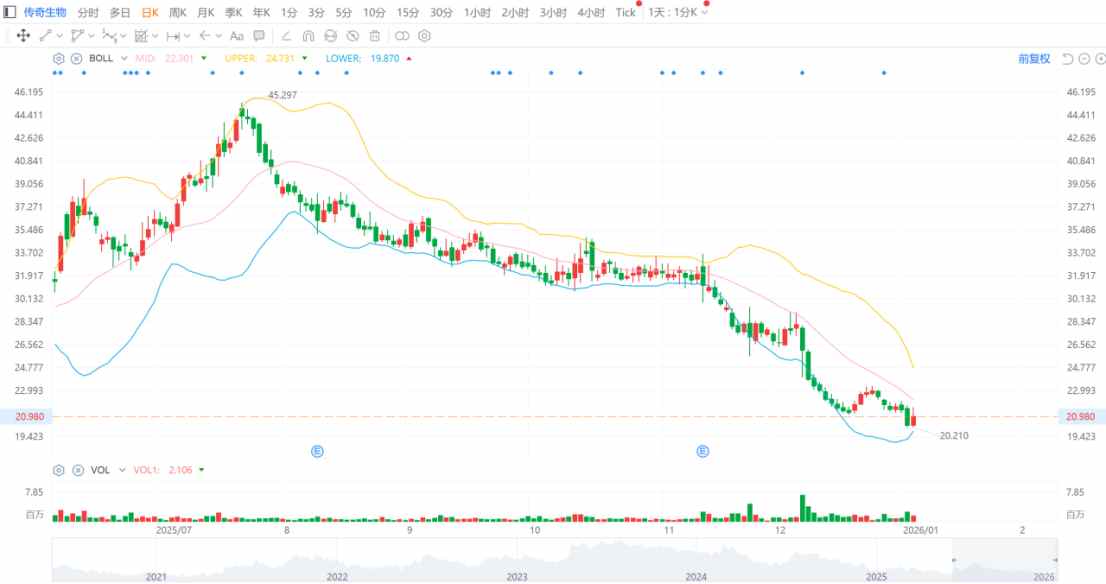
Core Viewpoint - Legend Biotech (LEGN.US) has experienced significant stock price volatility, with a peak of $45.29 in July 2025 followed by a decline of 55.38%, reaching a low of $20.21 in January 2026, raising questions about its growth potential and market valuation [1][2][6] Stock Performance Analysis - The stock price of Legend Biotech has shown a typical technical regression after a significant rise, with a rapid decline over 14 trading days following its peak on July 23, 2025 [2] - During the decline, trading volume remained low, indicating stable investor sentiment despite the price drop [2] - From August 11 to November 11, 2025, the stock exhibited a sideways movement with low trading volume, suggesting a lack of market support [3] - A notable increase in trading volume on November 12, 2025, marked the beginning of a more pronounced downward trend, culminating in a series of declines [4] Financial Performance Insights - The Q3 2025 financial report highlighted strong sales for the core product, Carvykti, with quarterly sales reaching $524 million, a 83% year-over-year increase, and total sales for the first nine months of 2025 at $1.332 billion, doubling from the previous year [6][7] - However, the report also revealed a significant drop in licensing revenue, which fell to $10.5 million from $17.1 million in the same quarter the previous year, indicating a potential issue with new licensing agreements [7] - The overall costs increased to $113 million, outpacing revenue growth, which raised concerns about profitability despite strong product sales [7] Competitive Landscape - The emergence of Johnson & Johnson's Tec-Dara treatment, which demonstrated superior clinical trial results compared to Carvykti, has raised competitive concerns for Legend Biotech [9] - The market perceives Tec-Dara as a direct competitor to Carvykti, which could impact Legend Biotech's market share and pricing power in the multiple myeloma treatment space [9][10] - Despite the competitive pressures, the current valuation of Legend Biotech, with a price-to-sales ratio of 4.26, is significantly lower than the industry average of 9.27, suggesting potential investment attractiveness for bullish investors [10]

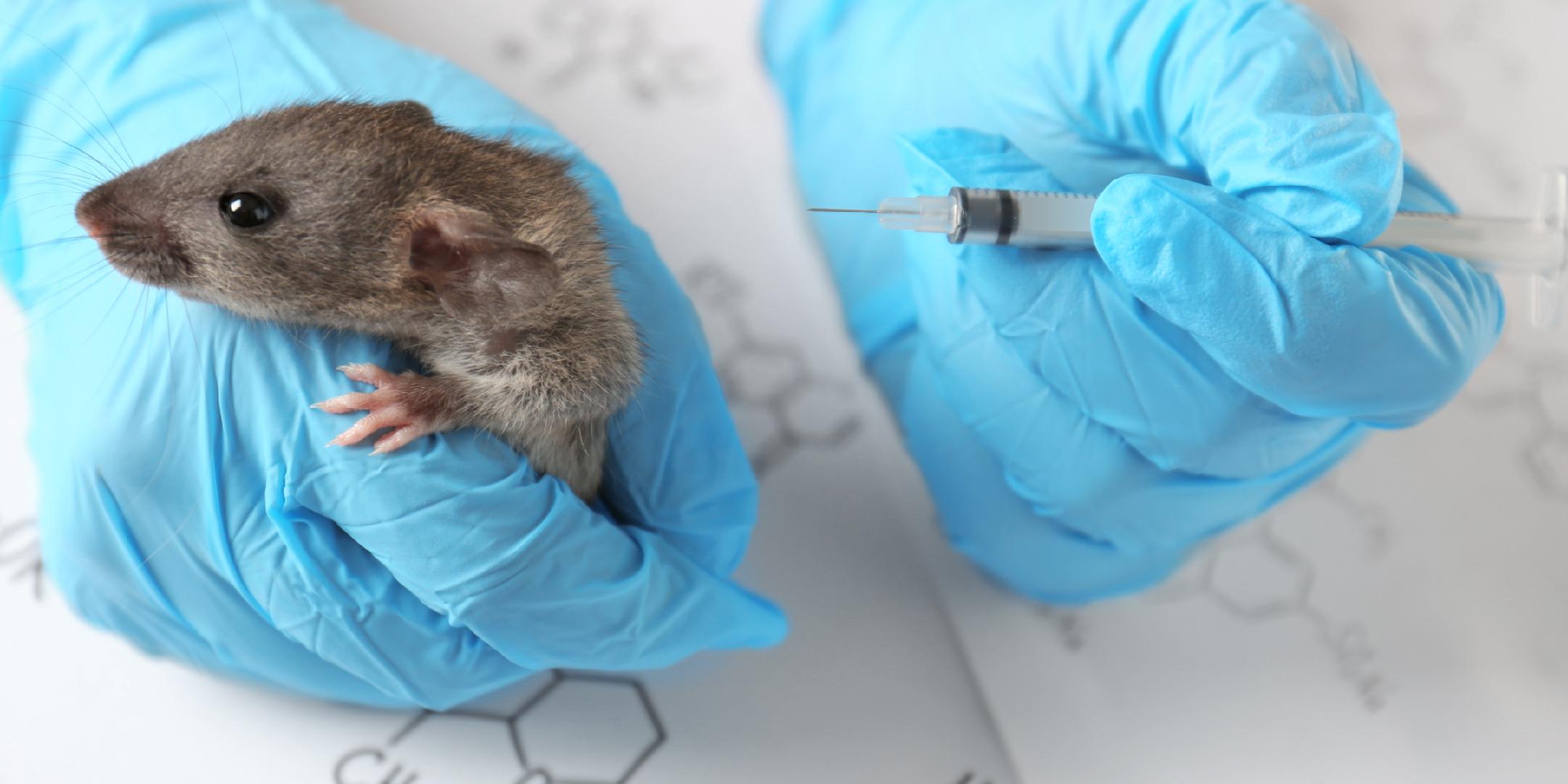
“双引擎”平台破局新药研发,百奥赛图“A+H”上市与盈利双突破背后的逻辑
市值风云· 2025-12-10 10:10
Core Viewpoint - The article discusses the innovative strategies employed by Baiaosaitu in antibody drug development, focusing on their dual-core platform of a human antibody library and a humanized mouse model library, which addresses key challenges in the industry and enhances drug development efficiency [6][12][33]. Group 1: Antibody Drug Development Challenges - The majority of failures in antibody drug development stem from mismatches between candidate antibody molecules and the complex human environment, as well as between preclinical animal models and actual disease mechanisms [5]. - Successful antibody drug development requires high-quality antibody molecules and humanized mouse models that accurately simulate human pathophysiological processes [6][10]. Group 2: Baiaosaitu's Innovative Approaches - Baiaosaitu's "Thousand Mice and Ten Thousand Antibodies" initiative aims to create a comprehensive human antibody sequence library, significantly improving the drug discovery process [8][10]. - The company has developed over 1,000 gene-edited models, including more than 1,700 humanized mouse models, establishing a leading position in the global market [16][18]. Group 3: Financial Performance and Growth - Baiaosaitu's revenue has shown a compound annual growth rate of 40.2% since 2020, with projected revenue of 980 million in 2024, reflecting strong growth [23][27]. - The company achieved profitability for the first time in 2024, with a net profit of 114 million in the first three quarters of 2025, indicating improved financial health [27][30]. Group 4: Market Position and Collaborations - Baiaosaitu has established partnerships with over 950 global clients, including all top ten pharmaceutical companies, highlighting its strong market presence [16][18]. - The company’s humanized mouse model library supports various disease areas, making it a crucial partner for pharmaceutical companies in preclinical evaluations [16][19].
抗体偶联药物ADC产业投资框架:“精准化疗”引爆千亿市场,中国创新引领全球浪潮
Shanghai Aijian Securities· 2025-11-21 06:59
Investment Rating - The report rates the industry as "Outperform" [2] Core Insights - The global market for Antibody-Drug Conjugates (ADC) is projected to exceed $100 billion, driven by the dual advantages of targeted therapy and potent cytotoxic effects [2][3] - ADCs are recognized as a promising new therapy in oncology, with the potential to redefine standard treatments for major cancers like lung and breast cancer [2][3] - China has emerged as a key player in ADC innovation, with over 50% of global ADC pipelines originating from Chinese companies, showcasing significant cost and efficiency advantages [2][3][5] Summary by Sections Section 1: ADC as a Targeted Prodrug - ADCs utilize a "Trojan horse" strategy for targeted delivery of cytotoxic agents to tumor cells, minimizing damage to normal tissues [11][13] - The mechanism involves several steps, including circulation, target binding, internalization, and release of the active drug within the tumor cell [11][13] Section 2: Market Growth and Trends - The ADC market is expected to enter a product explosion phase, with rapid growth anticipated in the coming years [2][3] - The global ADC market size is forecasted to reach $115.1 billion by 2032 [2] Section 3: Investment Opportunities - Investment in ADCs should focus on companies with innovative technology platforms and promising product candidates [2][3] - Key players to watch include those with leading ADC technology platforms and robust pipelines, such as Kelun-Biotech, Innovent Biologics, and WuXi AppTec [2][3] Section 4: Technological Advancements - ADC technology is characterized by modular upgrades and innovative combinations, with a variety of ADC types currently in development [2][3] - The report highlights the potential for ADC technology to extend into broader categories of conjugated drugs (XDC) [2][3] Section 5: Competitive Landscape - The report emphasizes the competitive nature of the ADC industry, with numerous players vying for market share and innovation [2][3] - Chinese ADC companies are recognized for their ability to lead in innovation and capture significant market opportunities [2][3][5]


艾滋病(HIV):关注长效制剂、多重耐药和功能性治愈三大方向
Changjiang Securities· 2025-11-11 06:10
Investment Rating - The report maintains a "Positive" investment rating for the HIV sector [14] Core Insights - The HIV/AIDS sector has significant unmet clinical needs despite advancements in antiretroviral therapy (ART), which has transformed HIV from a fatal disease to a manageable chronic condition. Key areas of focus include long-acting formulations, multi-drug resistance (MDR), and functional cures [4][11][44] Summary by Sections Disease Burden and Unmet Needs - As of the end of 2022, there were approximately 39 million people living with HIV/AIDS globally, with over 1 million new cases annually. In China, over 50,000 new cases are reported each year, with 1.39 million living with HIV as of mid-2025 [9][23] New Drug Development Directions - The report identifies three main directions for new drug development in the HIV field: 1. Long-acting formulations to improve patient adherence and reduce side effects [11][45] 2. Addressing multi-drug resistance, with only three FDA-approved drugs specifically for MDR [11][57] 3. Exploring functional cures, which aim to maintain undetectable viral loads after stopping ART [11][62] Long-Acting Formulations - Long-acting antiretroviral drugs, such as Cabenuva, have shown significant market potential, with projected sales reaching $1.294 billion in 2024. These formulations aim to reduce the burden of daily medication [11][49] Multi-Drug Resistance - The prevalence of multi-drug resistant HIV is increasing, particularly among newly treated patients. The report highlights the need for more effective treatment options as current approved drugs are limited [11][56] Functional Cure Strategies - Functional cure strategies are being explored, including methods to activate and eliminate latent HIV reservoirs. Various approaches such as "Shock and Kill" and immune therapies are under investigation [62][63] UB-421 Development - UB-421, a humanized CD4 monoclonal antibody, is positioned as a leading candidate in China for treating multi-drug resistant HIV and achieving functional cures. It is currently in Phase III clinical trials [12][67]
东方证券:首次引入商保目录 创新药支付端政策趋暖愈发明确
智通财经网· 2025-11-07 06:40
Core Viewpoint - The introduction of the commercial insurance innovative drug directory is expected to address the accessibility and affordability issues of high-priced innovative drugs by guiding market forces [1][3]. Group 1: Policy Changes - The National Medical Insurance Administration organized a 5-day negotiation for the medical insurance drug directory and commercial insurance innovative drug directory, with 120 domestic and foreign companies participating [2]. - The new directory is set to be released in early December and will officially take effect on January 1 of the following year [2]. Group 2: Market Opportunities - The commercial insurance innovative drug directory aims to open market space for high-cost or rare disease medications, particularly for rare disease treatments and high-value innovative drugs [3]. - Notably, five CAR-T drugs have been submitted for approval, which could significantly benefit patients due to their high annual treatment costs [3]. Group 3: Drug Submission Strategies - The introduction of the "dual directory" submission allows companies to choose between submitting for both the basic medical insurance directory and the innovative drug directory, providing more strategic options [4]. - For example, BMS's O drug (Nivolumab) opted for dual submission after previous failures, while competitors like Merck's K drug (Pembrolizumab) have not submitted any applications [4]. Group 4: Competitive Landscape - Domestic innovative drugs are becoming major competitors to imported drugs, with examples like the TROP2 ADC drug Gosituzumab (Gilead) and its domestic counterpart [5]. - The increasing support for innovative drugs from the government and the diversification of the medical insurance payment system are expected to create new market demand for innovative drugs [5]. Group 5: Investment Recommendations - The medical insurance bureau is encouraging the high-quality development of innovative drugs, indicating a warming trend in payment policies [6]. - Relevant investment targets include companies such as Heng Rui Medicine, Kelun Pharmaceutical, and others that are actively transitioning towards innovation [6].

两日五单、43亿美元,中国创新药在“ESMO+季节性”双窗口里加速出货|行业风向标
Tai Mei Ti A P P· 2025-10-22 02:47
Core Insights - The innovative drug sector is experiencing a surge in business development (BD) transactions, with at least five deals announced in a short span, totaling over $200 million in upfront payments and a potential total value of $4.266 billion [2][4][8] - The recent ESMO annual meeting has provided critical clinical data that supports the valuation of innovative drug assets, coinciding with the traditional peak period for BD transactions in the fourth quarter [2][14] Summary by Category Market Activity - In mid-October, at least five BD transactions in the innovative drug sector were completed, with a total upfront payment exceeding $200 million and a potential total value of $4.266 billion, covering areas such as immunology, ophthalmology, and oncology [2][4] - Major multinational corporations (MNCs) like Roche and Kite Pharma are actively engaging with Chinese companies for licensing agreements, indicating a strong interest in innovative drug assets [3][4] Transaction Details - The largest deal involved Prigen, which secured a total of $1.64 billion for its CAR-T therapy targeting solid tumors, with an upfront payment of $120 million, marking it as a leading figure in the domestic CAR-T licensing landscape [4][8] - Other notable transactions include Hansoh Pharma's collaboration with Roche for its CDH17 ADC drug, valued at $1.53 billion with an upfront payment of $80 million, and collaborations involving dual antibodies and other innovative therapies [5][8] Clinical and Academic Support - The ESMO annual meeting has showcased significant clinical data from Chinese companies, enhancing the credibility of their innovative drug assets and facilitating BD transactions [14][15] - The participation of Chinese firms in ESMO has increased, with numerous studies presented, indicating a growing presence in the global oncology landscape [14][15] Industry Trends - The fourth quarter is historically a peak period for BD transactions, with data showing that 40% of annual BD activity occurs in this timeframe, driven by both domestic companies seeking to boost annual performance and MNCs completing strategic asset acquisitions [9][10] - The overall growth of the innovative drug sector is evident, with a reported 170% year-on-year increase in the total value of innovative drug patent licensing agreements from January to September 2023, exceeding $100 billion [10][12]


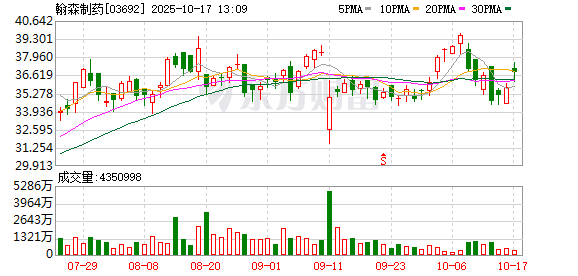
罗氏锁定瀚森制药 创新药出海破浪
2 1 Shi Ji Jing Ji Bao Dao· 2025-10-17 05:09
Core Insights - The article highlights the strategic importance of business development (BD) for domestic innovative drug companies, exemplified by Hansoh Pharmaceutical's licensing agreement with Roche for HS-20110, a targeted antibody-drug conjugate (ADC) [2][3]. Group 1: Licensing Agreement Details - Hansoh Pharmaceutical signed a licensing agreement with Roche for HS-20110, granting Roche exclusive rights to develop and commercialize the drug globally, excluding mainland China, Hong Kong, Macau, and Taiwan [2]. - Hansoh will receive an upfront payment of $80 million, along with potential milestone payments and tiered royalties based on future sales [2]. - This agreement is part of a broader trend, as Hansoh has previously secured over $7 billion in license-out collaborations with companies like GSK and Merck [2]. Group 2: Market Implications - The partnership with Roche allows Hansoh to leverage Roche's extensive experience in antibody drug development and commercialization, addressing Hansoh's weaknesses in overseas channels [3]. - The ADC market is experiencing significant growth, driven by policy support, capital influx, and increasing demand, positioning companies with international perspectives and solid R&D capabilities to benefit [3]. Group 3: Financial Performance - Hansoh reported revenue of approximately 7.434 billion yuan, a year-on-year increase of about 14.3%, with sales from innovative drugs and collaborative products reaching approximately 6.145 billion yuan, up 22.1% [5]. - The revenue from innovative drugs and collaborative products accounted for about 82.7% of total revenue, indicating a strong performance in this segment [5]. Group 4: ADC Market Trends - The global ADC market is rapidly expanding, with the lung cancer ADC market projected to exceed $4 billion in 2024, and over $2.5 billion in sales in the first half of 2025 [8]. - As of October 2025, five ADC drugs have been approved for lung cancer treatment, marking a significant milestone in the field [8]. - The strong growth of the ADC market is attributed to its clinical advantages, combining antibody specificity with potent cytotoxic drugs to target cancer cells while minimizing damage to normal tissues [8]. Group 5: Future Outlook - The ADC market is expected to continue expanding, with Chinese ADC drugs gaining recognition globally since 2022-2023 [9]. - The market is still in a growth phase, with expectations for multiple product approvals in the coming years, highlighting the innovative capabilities of Chinese companies [9]. - The focus on new payloads and dual-target ADCs is anticipated to be a key area of development in the ADC industry [11].