老百姓大药房

Search documents
CFB集团首席执行官许惟抡:竞争太激烈,不敢全方位跨入
Sou Hu Cai Jing· 2026-01-26 14:02
Group 1 - DQ has recently entered the cake afternoon tea market in China, raising questions about its potential entry into the coffee sector, which is highly competitive and has seen significant price drops [1][10] - CFB Group, which manages DQ, is focused on localizing international brands in the Chinese market, as evidenced by its recent strategies and partnerships [2] - DQ plans to launch at least 150 new products in 2025, with new products contributing 60% of its annual revenue, showcasing its commitment to innovation and adaptation in the market [5][6] Group 2 - DQ targets the "Z generation" as its core consumer group, with the proportion of young consumers increasing from 40% in 2021 to over 70% currently, indicating a successful brand rejuvenation strategy [6] - The company has successfully utilized pet culture as a marketing strategy, offering promotions for customers who bring their pets to stores, which has proven to be more effective than IP collaborations [7][8] - DQ maintains a cautious approach towards the competitive landscape of food delivery services, opting not to engage in discount wars, which has helped preserve profit margins for its franchisees and direct stores [9]
百步一药店,奶茶店式圈地崩盘:70万连锁药房在关店潮中抢滩“卖健康”
Hua Xia Shi Bao· 2025-12-25 08:37
Core Insights - The domestic chain pharmacy industry is entering a period of negative growth, with the total number of pharmacies in China expected to drop below 700,000 by Q1 2025, marking a significant decline in the number of stores [1][2] - The market is undergoing a profound restructuring, with the total market size for pharmaceuticals reaching 2.03 trillion yuan in 2024, but with a mere 0.9% year-on-year growth, and a forecasted decline to 1.97 trillion yuan in 2025 [1][2] - Major chain pharmacies are experiencing divergent performance, with companies like Dazhonglin and Yifeng Pharmacy reporting profit increases, while Yixin Tang faces profit declines [1][3] Industry Trends - Predictions indicate that the number of pharmacy closures in 2025 could reach between 50,000 and 100,000, as the industry shifts from rapid expansion to a focus on value enhancement [2][3] - The industry is moving towards a "sell health" model, transitioning from traditional pharmaceutical sales to a more comprehensive health service approach [2][6] Market Dynamics - The closure of stores is expected to continue into 2025, with the industry potentially returning to a more sustainable scale of around 500,000 pharmacies, similar to 2018 levels [3] - The overall non-pharmaceutical sales proportion in the industry has reached 34.6% in 2025, up 5.2 percentage points from 2024, indicating a shift towards health-related products and services [4][6] Competitive Landscape - The market concentration is increasing, with the top ten chain pharmacy brands holding a combined market share of 58% in Q3 2025, up 5 percentage points from 2024 [4] - Franchise models are becoming a key strategy for leading chain pharmacies to expand market share, with significant increases in franchise store openings reported [5][6] Transformation Strategies - The core development direction for chain pharmacies in 2025 is professional transformation, with a focus on innovative drugs and DTP pharmacy models [6][9] - The shift towards chronic disease management and health service offerings is becoming increasingly important, with pharmacies enhancing their service capabilities to meet patient needs [7][9] Future Outlook - Despite current challenges, industry experts believe that the long-term trend for the chain pharmacy sector remains positive, driven by supply-side adjustments and demand recovery [8][9] - The future of chain pharmacies is expected to revolve around becoming health service providers, integrating pharmaceutical resources with community health needs [9]
医保违规频发 大参林门店管理短板凸显 央视揭秘9000万虚假医疗器械合同
Sou Hu Cai Jing· 2025-11-14 13:42
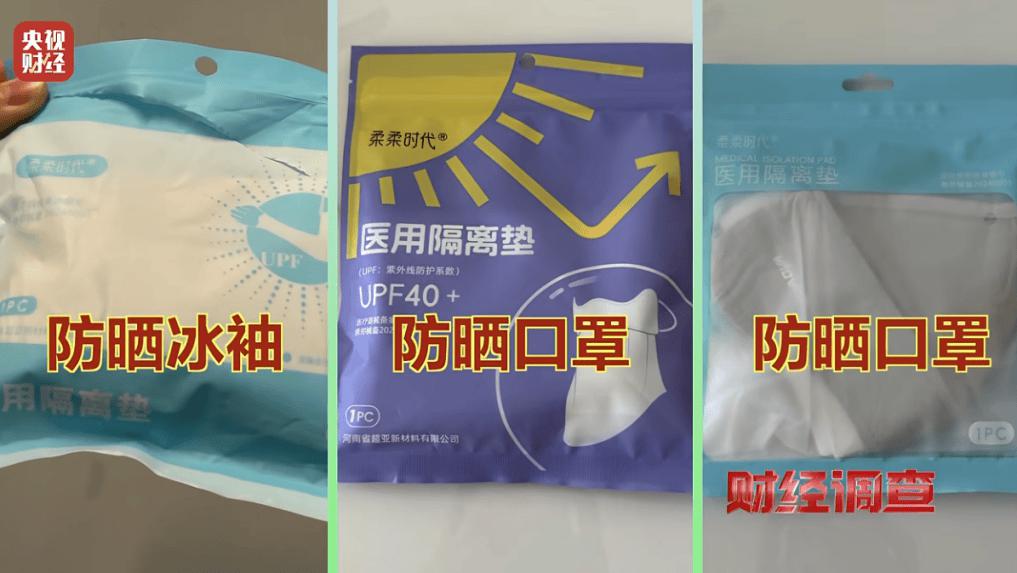
Core Viewpoint - The article discusses the recent exposure of a chain pharmacy, Dacianlin, for selling ordinary consumer products disguised as medical devices, allowing them to be reimbursed by health insurance, raising concerns about compliance and regulatory scrutiny in the industry [2][6]. Group 1: Company Overview - Dacianlin operates a large chain of pharmacies, with over 17,000 stores as of September 2023, making it the largest pharmacy chain in terms of store count in China [6]. - The company reported non-pharmaceutical revenue of 2.948 billion yuan in 2024, with a gross margin of 42%, which is 9 percentage points higher than its average gross margin of 32.74% [6]. - Dacianlin's sales contract with the manufacturer of the disputed products amounts to nearly 900 million yuan [6]. Group 2: Regulatory Issues - The company has faced multiple instances of non-compliance with health insurance fund usage, with violations including improper billing practices and inclusion of non-reimbursable items in insurance claims [7][8]. - Dacianlin has implemented a "direct management franchise" model to strengthen control over franchise stores, requiring all products to be sourced from the company [8]. - Despite these measures, violations have continued, leading to penalties and fines for various stores [8]. Group 3: Market Context - The practice of misclassifying consumer goods as medical devices to benefit from insurance reimbursement has become common in the industry, with several other major pharmacy chains also implicated [6]. - The tightening of health insurance regulations is expected to increase scrutiny on such practices, potentially impacting the business model of companies like Dacianlin [6]. Group 4: Information Disclosure and Corporate Governance - Dacianlin's information disclosure rating improved to B grade from D grade, reflecting past issues with timely disclosures related to legal matters involving its actual controller [9]. - The company faced regulatory actions for failing to disclose critical information promptly, leading to penalties and a requirement for internal accountability measures [10].


ESG解读|医保违规频发,大参林门店管理短板凸显;央视揭秘9000万虚假医疗器械合同
Sou Hu Cai Jing· 2025-11-14 11:16
Core Viewpoint - The article discusses the recent exposure of a chain pharmacy, Dacianlin, for selling ordinary consumer products disguised as medical devices, which can be reimbursed through medical insurance, highlighting regulatory loopholes and compliance issues in the industry [3][7]. Group 1: Company Overview - Dacianlin is a leading chain pharmacy in China, with over 17,000 stores as of September 2023, making it the largest in terms of revenue and store count [7]. - The company has seen significant growth, adding over 6,500 stores between 2023 and 2024, and has a 40% share of franchise stores in its total store count [8]. Group 2: Regulatory Issues - The company has been involved in multiple instances of non-compliance with medical insurance regulations, including improper billing practices and inclusion of non-reimbursable items in insurance claims [8][9]. - Dacianlin's practices of repackaging everyday items as medical devices have raised concerns, as this trend is becoming common in the industry, leading to higher profit margins and easier customer attraction [7]. Group 3: Financial Performance - In 2024, Dacianlin reported non-pharmaceutical revenue of 2.948 billion yuan, with a gross margin of 42%, which is 9 percentage points higher than the company's average gross margin of 32.74% [7]. - For the first half of the year, the company's non-pharmaceutical revenue reached 1.781 billion yuan [7]. Group 4: Information Disclosure and Ratings - Dacianlin received a B rating in the Shanghai Stock Exchange's annual information disclosure evaluation, a significant improvement from a D rating in 2024 [10]. - The company faced scrutiny for delayed disclosures related to legal issues involving its actual controller, which led to regulatory actions and internal accountability measures [11].
零售药店倒闭潮来了?去年关了3.9万家
Qi Lu Wan Bao Wang· 2025-08-11 00:28
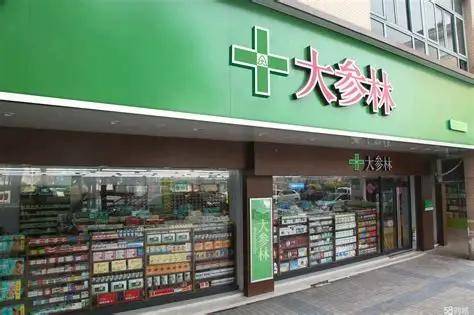
Core Insights - The retail pharmacy industry in China is experiencing a significant downturn, with an estimated 39,000 pharmacies expected to close in 2024, averaging 107 closures per day, and projections suggesting that closures could exceed 100,000 by 2025 [1][2] - Major players in the industry, such as Guoda Pharmacy and Jianzhijia, have reported substantial losses, with Guoda closing over 1,270 stores and incurring a net loss of over 1.1 billion yuan in 2024 [2] - The rapid expansion of pharmacies from 524,000 in 2019 to 667,000 in 2023 has led to market saturation, with the average number of customers served per store dropping from 4,112 in 2016 to 2,113 in 2023 [2][3] Industry Challenges - The high density of pharmacies has resulted in aggressive price competition, with many stores resorting to loss-leader pricing strategies to attract customers, ultimately harming their profitability [3] - Changing consumer habits, particularly among younger generations who prefer online channels for purchasing medications, have further exacerbated the decline in foot traffic to physical stores [3] - Tightening healthcare policies, including stricter regulations on insurance reimbursements and the shift of chronic disease medication distribution from pharmacies to community hospitals, have significantly impacted pharmacy revenues [3][4] Regulatory Environment - Starting in 2025, all participating pharmacies must implement drug traceability codes, complicating the procurement and settlement processes, which could increase operational costs for smaller pharmacies [4][5] - The requirement for licensed pharmacists to be present in all pharmacies by December 31, 2025, adds further compliance pressure, particularly for smaller operations [5] - The transition from a rapid expansion phase to a necessary industry adjustment reflects the need for pharmacies to focus on their role in public health rather than profit maximization [5]


聚焦健康产业新周期发展 第十八届西普会即将在海南博鳌举行
Zheng Quan Ri Bao Wang· 2025-08-04 10:13
本报讯(记者刘钊)《证券日报》记者从中康数字科技有限公司(以下简称"中康科技")了解到,第十八届 西普会(健康产业生态大会)即将于8月16日至8月21日在海南博鳌举行。本届西普会以"快蜕变,穿越新 周期增长元动力重构与产业生态进化"为主题,旨在探讨健康产业在新周期下的发展趋势。会议将围绕 政策深化、科技创新、市场需求等关键议题展开讨论,并发布《新周期展望》《健康产业未来格局》等 行业报告,为行业发展提供趋势预判。 西普会由中康科技主办,自2008年创办以来,已成为中国健康产业的重要交流平台。本届会议将进一步 促进产业链各环节的协同合作,助力行业应对新周期挑战。 人工智能在健康产业的应用成为本届大会的亮点之一。"AI For Health高峰论坛"将连续举办三天,围 绕"超级个体赋能"与"前沿组织进化"两大主题展开讨论。会上将分享同济医院急诊科AI指挥官应用、云 南白药(000538)AI创新研发实践、互联网产品人机交互专家利用AI零代码编程助力代际健康守护等 实际案例,深入探讨人工智能在医药营销、临床决策、患者管理及企业组织形态重塑等方面的应用前 景。 在产业链协同方面,大会将搭建工业、零售与资本的深度交流平 ...
【行业深度】洞察2025:中国医药流通行业竞争格局及排名情况(附市场集中度、企业排名等)
Qian Zhan Wang· 2025-08-04 06:09
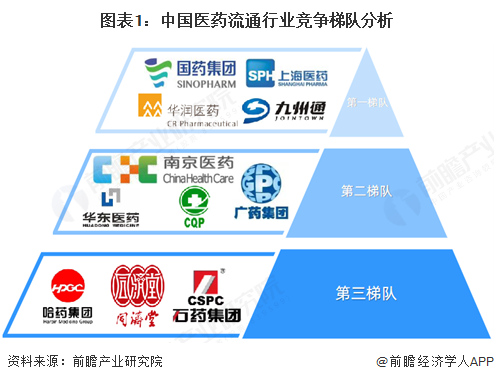
Core Insights - The Chinese pharmaceutical distribution market is segmented into three competitive tiers, with major players like China National Pharmaceutical, Shanghai Pharmaceuticals, and China Resources Pharmaceutical leading the first tier with revenues exceeding 100 billion [1] - The retail pharmacy rankings show Dazhenlin at the top, followed by Guoda Pharmacy and Yifeng Pharmacy, indicating significant changes in the rankings from 2022-2023 [3][4] - In the e-commerce sector, Fangzhou Jianke leads the online pharmacy rankings, emphasizing the shift towards technology-driven healthcare solutions [5] Competitive Landscape - The pharmaceutical distribution industry is characterized by intense competition, with numerous participants including wholesale, retail, and brand operation companies, as well as e-commerce platforms entering the market [7] - The five forces analysis indicates a high threat from potential entrants and moderate bargaining power from downstream medical institutions and patients [7] - The strategic cluster analysis reveals that leading companies like China Resources Pharmaceutical and Shanghai Pharmaceuticals are positioned as market leaders due to their extensive experience and comprehensive business layouts [5][6] Retail Pharmacy Rankings - The top five retail pharmacies are Dazhenlin, Guoda Pharmacy, Yifeng Pharmacy, Laobaiyi, and Yixintang, reflecting a dynamic market with significant shifts in rankings [3][4] - Other notable pharmacies in the top 25 include Henan Zhang Zhongjing Pharmacy and Shandong Yanjitang, showcasing a diverse competitive landscape [3] E-commerce Pharmacy Rankings - Fangzhou Jianke leads the online pharmacy sector, followed by 1Yao.com and JD Health, highlighting the growing importance of digital platforms in the pharmaceutical distribution market [5] - The focus on technology and innovation is evident as companies aim to connect patients with medical services more effectively [5]






家附近的药店,正在消失
虎嗅APP· 2025-03-14 13:35
Core Viewpoint - The retail pharmacy industry, once thriving and profitable, is experiencing a significant decline, with an estimated 39,000 stores expected to close in 2024, marking a closure rate of 5.7%, up from 3.8% in 2023 [5][12]. Industry Overview - The rapid growth of retail pharmacies in urban areas has transformed them into a prominent feature of city life, with high-margin prescription drugs contributing to wealth creation [1]. - The once lucrative business model, characterized by a 40% profit margin and stable income from insurance reimbursements, is now under threat [7][9]. Current Challenges - Increased market competition, particularly from online pharmacies offering lower prices and faster delivery, has severely impacted traditional brick-and-mortar stores [9][10]. - The saturation of the market, with numerous pharmacies opening in close proximity, has further compressed profit margins, leading to an average sales decline of 10.6% in the first half of 2024 [12]. Financial Performance - Many listed pharmacy chains are forecasting significant profit declines, with some expecting net profits to drop by as much as 72.7% [12]. - The tightening of healthcare insurance policies has exacerbated the situation, as many pharmacies rely heavily on insurance reimbursements, which have become increasingly scrutinized [13]. Conclusion - The once prosperous era for retail pharmacies is rapidly coming to an end, with closures accelerating and the industry facing unprecedented challenges [14].