感冒药

Search documents
专家谈肾脏疾病防治:定期体检是关键 吃动物肾脏不能补肾
Xin Lang Cai Jing· 2026-02-10 08:45
Core Viewpoint - The National Health Commission emphasizes the importance of regular kidney health check-ups, particularly for high-risk groups, to prevent and manage kidney diseases effectively [2][3]. Group 1: Kidney Health Monitoring - Regular check-ups including urinalysis, serum creatinine, and kidney ultrasound are crucial for early detection of kidney issues [2][3]. - Abnormalities in urinalysis, elevated serum creatinine levels, and signs of kidney atrophy detected through ultrasound should raise immediate concern [2]. Group 2: High-Risk Groups - Individuals with hypertension, diabetes, a history of kidney disease, or those taking certain medications should undergo annual kidney health assessments [3]. Group 3: Infection Risks for Kidney Patients - Kidney disease patients are at higher risk of complications from respiratory infections, which can exacerbate existing kidney conditions [4]. - Infections can lead to dehydration and acute kidney injury, necessitating careful monitoring and hydration [4]. - Medications for treating respiratory infections may pose risks for kidney damage if not used judiciously [4]. Group 4: Preventive Measures - Preventive strategies include maintaining warmth, practicing good hygiene, and considering vaccinations to reduce infection risks [5]. - A balanced diet and healthy lifestyle choices are essential for minimizing kidney disease risks [5]. Group 5: Dietary Recommendations - The belief that consuming animal kidneys can improve kidney health is incorrect; such foods may actually pose health risks due to high purine, protein, and salt content [7][8]. - A diet low in purines, proteins, and salt is recommended for kidney health, focusing on reducing dietary burdens rather than seeking to "supplement" kidney function [8].
流感高发该如何用药?这些细节要注意
Yang Shi Wang· 2025-12-23 01:45
Group 1 - The article emphasizes that taking cold medicine and antipyretics simultaneously is not advisable, as many cold medications already contain antipyretic components, which can lead to increased dosage and potential liver and kidney damage [2][4] - Experts warn that some traditional Chinese medicines may also contain Western drug components, which can result in overdosing and harm to liver and kidneys [4] - Parents are cautioned against stopping medication for children with flu symptoms based solely on the absence of fever, as this can lead to a relapse or other serious conditions such as myocarditis and pneumonia [6] Group 2 - The article introduces an ABC method for parents to assess the severity of flu in children, focusing on activity level, breathing status, and circulation [8] - Parents should observe if the child is active and playing, check for any abnormal breathing sounds, and monitor skin color to determine if a hospital visit is necessary [8]

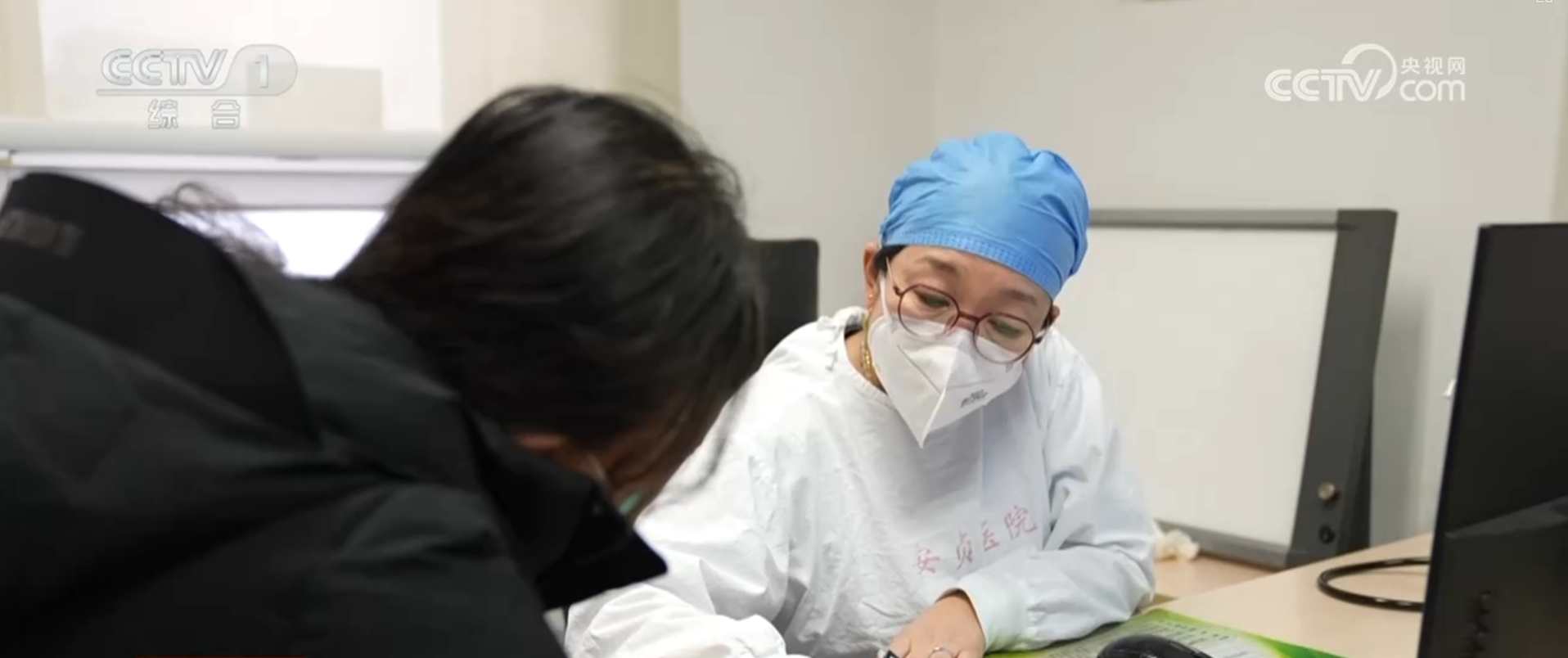
感冒药、退烧药不能同时吃!这些用药方式很危险,还有很多人不知道
Xin Lang Cai Jing· 2025-12-22 15:14
Group 1 - The article emphasizes that combining cold medicine and antipyretics is not advisable as it can lead to increased drug dosage and potential liver and kidney damage [1][2] - Experts warn that some traditional Chinese medicines may contain Western drug components, which can also lead to overdosing and harm to liver and kidneys [2] - It is crucial for patients experiencing flu symptoms to avoid self-medication and seek medical attention promptly [3] Group 2 - For children with flu, it is important not to use fever reduction as a criterion for stopping medication, as this could lead to a relapse or other serious conditions like myocarditis or pneumonia [4] - Parents can assess the severity of their child's flu using the ABC method, which includes checking the child's vitality, breathing condition, and skin color [5] - The article highlights the recent surge in flu cases and advises against blind medication use, stressing the importance of timely medical consultation [6]
卫健委:抗生素不治感冒 抗病毒药物是针对细菌感染
Xin Lang Cai Jing· 2025-12-19 15:19
Group 1 - The arrival of the winter solstice marks the onset of the coldest phase of the year, with a high incidence of respiratory diseases such as influenza [1] - The National Health Commission advises the public to maintain good hygiene practices, including wearing masks, frequent handwashing, and proper ventilation, as well as getting vaccinated against influenza [1] - A press conference was held by the National Health Commission to discuss topics related to health maintenance during winter, influenza prevention and vaccination, respiratory disease treatment, common pain management, and eye health [1]

感冒药怎么选?有哪些注意事项?专家详解
Ren Min Wang· 2025-12-19 11:38
Core Viewpoint - The National Health Commission emphasizes the importance of appropriate medication for common colds, advocating for symptom-targeted and safe drug use [3][4]. Group 1: Medication Guidelines - For common colds, medications should focus on symptom relief, primarily using decongestants like pseudoephedrine and antihistamines like chlorpheniramine [3][4]. - If fever exceeds 38.5°C or if there are significant body aches, additional medications such as acetaminophen or ibuprofen can be used, but care should be taken to avoid overlapping ingredients in combination medications [4][5]. Group 2: Antibiotic and Antiviral Use - Antibiotics are ineffective against colds, which are typically caused by viruses, and should only be prescribed for confirmed bacterial infections [4][5]. - Antiviral medications should not be misused; they are generally only prescribed within 48 hours of a confirmed flu diagnosis [5]. Group 3: Special Population Considerations - Elderly patients should be cautious with medications containing pseudoephedrine due to potential impacts on blood pressure and heart conditions [5]. - Pediatric medications should be specifically formulated for children rather than simply reducing adult dosages [5]. - Pregnant women are advised to consult healthcare professionals before taking any medications to avoid unnecessary risks [5].
A股轮动频繁 医药商业板块表现强势
Qi Huo Ri Bao· 2025-12-02 14:57
Group 1: Market Performance - The A-share market experienced rapid rotation of hot themes, with the Shanghai Composite Index down 0.42%, the Shenzhen Component Index down 0.68%, and the ChiNext Index down 0.69% at the close [1] - The total market turnover reached 1,607.3 billion [1] Group 2: Sector Performance - The pharmaceutical commercial sector showed strong performance, ranking first in the increase of sector shares, with Haiwang Biological achieving a "five consecutive limit-up" and over 290,000 sealed orders remaining at the limit-up price [1] - The Fujian sector also performed well, with stocks like Jiarong Technology and Haixin Food hitting limit-up prices [1] - Energy metals and film industry sectors, which performed well previously, experienced adjustments [1] Group 3: Market Outlook - The market is expected to remain in a phase of frequent style switching in December, primarily characterized by structural trends [1] - Key areas for potential deployment include technological innovation, domestic demand expansion, anti-involution, and stabilizing the real estate sector, with industry meetings likely to catalyze thematic trends [1] - External uncertainties, particularly the potential impact of the upcoming Federal Reserve meeting on global market liquidity, are also highlighted [1] Group 4: Health Sector Insights - The China CDC reported that the flu positivity rate among emergency and outpatient cases is close to 45%, indicating a rapid increase in flu cases, with some provinces reaching high epidemic levels [2] - According to Everbright Securities, the demand for cold medicines in Q4 is expected to exceed market expectations due to the rising trend of flu cases [2] - The introduction of multi-pathogen detection products and convenient diagnostic tools is anticipated to support the performance of related pharmaceutical companies [2]


【光大研究每日速递】20251118
光大证券研究· 2025-11-17 23:03
Group 1 - The A-share market continues to exhibit a wide fluctuation pattern, with major indices experiencing weekly declines and market volume shrinking again. Financing increased slightly compared to the previous week, and stock ETFs saw net inflows, with TMT-themed ETFs being the main contributors [4] - In the fund market, pharmaceutical-themed funds performed well, while TMT-themed funds experienced significant pullbacks. Various ETFs across different investment scopes saw inflows, particularly TMT and sci-tech themed ETFs, with notable inflows into the Hang Seng Internet ETF and gold ETFs [5] - The convertible bond market saw a slight increase, with both the convertible bond and equity markets rising since the beginning of 2025, although the convertible bond market's performance was weaker. The demand for high-quality convertible bonds remains strong, and prices are at relatively high levels, necessitating careful selection [6] Group 2 - The energy storage sector is thriving, leading to price increases in lithium-ion battery materials. Short-term supply and demand are tight, with significant price hikes in lithium hexafluorophosphate. The profitability of iron phosphate is expected to recover, and prices for lithium iron phosphate materials are entering an upward channel [8] - The pharmaceutical sector saw a rise in flu-like cases, prompting attention to flu vaccines, respiratory virus testing, and cold medicine sectors. The pharmaceutical index rose by 3.29%, outperforming the CSI 300 index by 4.37 percentage points [8] - The company U (688220.SH) reported a revenue of 2.88 billion yuan for the first three quarters of 2025, a year-on-year increase of 13.42%. The net profit attributable to shareholders was a loss of 327 million yuan, a reduction in loss by 85 million yuan, with a gross margin of 25.38%, up by 1.92 percentage points year-on-year [8]


【医药】流感样病例占比持续走高,关注流感疫苗、呼吸道病毒检测、感冒药等板块——行业跨市场周报(251117)(王明瑞/黎一江)
光大证券研究· 2025-11-17 23:03
Group 1 - The pharmaceutical and biotechnology index increased by 3.29%, outperforming the CSI 300 index by 4.37 percentage points and the ChiNext index by 4.59 percentage points, ranking 5th among 31 sub-industries [4] - The Hong Kong Hang Seng Healthcare Index rose by 6.8%, surpassing the Hang Seng China Enterprises Index by 5.4 percentage points [4] Group 2 - There is a notable increase in flu-like cases since the beginning of autumn 2025, indicating a potentially severe flu season this year. In the 45th week of 2025, 21,412 flu-like case samples were tested, with positive samples primarily being A(H3N2) [5] - The change in circulating strains compared to previous years may increase the risk of breaching herd immunity, although predicting respiratory virus outbreaks remains uncertain [5] Group 3 - Future investments in the pharmaceutical sector should focus on the clinical value of drugs, addressing the clinical needs of patients, as both domestic healthcare policies and global expansion strategies increasingly emphasize clinical value [6] - Risks include unexpected cost control policies, research and development failures, insufficient policy support, and slower-than-expected promotion of commercial health insurance [6]

医药生物行业跨市场周报(20251117):流感样病例占比持续走高,关注流感疫苗、呼吸道病毒检测、感冒药等板块-20251117
EBSCN· 2025-11-17 09:46
Investment Rating - The report maintains a rating of "Overweight" for the pharmaceutical and biotechnology sector [5]. Core Insights - The report highlights a significant increase in influenza-like illness (ILI) cases, suggesting a potential surge in demand for flu vaccines, respiratory virus testing, and cold medications [2][24]. - The report emphasizes the importance of clinical value in the pharmaceutical sector, advocating for investments in innovative drug chains and medical devices [3][27]. Summary by Sections Market Review - The pharmaceutical and biotechnology index rose by 3.29%, outperforming the CSI 300 index by 4.37 percentage points and the ChiNext index by 4.59 percentage points, ranking 5th among 31 sub-industries [1][16]. - The Hong Kong Hang Seng Medical Health Index increased by 6.8%, surpassing the Hang Seng Index by 5.4 percentage points [1][16]. Current Trends - The proportion of flu-like cases has been rising, with the ILI percentage reported at 5.5% in southern provinces and 6.1% in northern provinces, indicating a higher incidence compared to previous years [22][23]. - The report warns of a potential severe flu season in 2025, driven by changes in circulating strains and increased risks of immune evasion [2][23]. Investment Recommendations - The report suggests focusing on investment opportunities in flu vaccines, respiratory virus testing, cold medications, and special drugs due to the rising flu cases [2][24]. - Specific companies recommended for flu vaccines include Hualan Biological Engineering, Baike Biological, and Jindike; for respiratory virus testing, companies like Innotec, Shengxiang Biological, and Botao Biological are highlighted; and for cold medications, companies such as Zhongsheng Pharmaceutical, China Resources Sanjiu, and Kangyuan Pharmaceutical are suggested [2][24][26]. Key Company Earnings Forecast and Valuation - The report provides a detailed earnings forecast and valuation table for key companies, indicating a "Buy" rating for Tianjin Tasly Pharmaceutical, Innovent Biologics, and WuXi AppTec, among others [4][29]. - The earnings per share (EPS) and price-to-earnings (PE) ratios for these companies are projected to improve over the next few years, reflecting positive market sentiment [4]. Annual Investment Strategy - The report outlines a three-stage investment strategy focusing on clinical value, emphasizing the need for innovative drugs and high-end medical devices [3][27]. - It highlights the potential for growth in the innovative drug sector and the importance of domestic and international market dynamics [27][28].
【医药】流感样病例占比高于历史同期,提示关注流感疫苗、病毒检测、药品等板块——流感疫情跟踪点评(251112)(王明瑞/吴佳青)
光大证券研究· 2025-11-13 23:04
Core Viewpoint - The article highlights the significant increase in influenza cases and the potential investment opportunities in related products such as vaccines, diagnostic tests, and medications due to the rising demand driven by the flu season [4][5][6]. Group 1: Influenza Situation - The incidence of influenza-like illness (ILI) has risen, with southern provinces reporting an ILI percentage of 4.6% in week 44 of 2025, up from 4.1% the previous week and higher than the same period in 2022 and 2024 [4]. - Northern provinces reported an ILI percentage of 5.1%, also showing an increase from 3.7% the previous week and higher than the same period in previous years [4]. - The flu season in 2025 is expected to be more severe than in previous years, with a notable change in circulating strains, particularly A(H3N2), which may increase the risk of breaking through herd immunity [4]. Group 2: Investment Opportunities - **Influenza Vaccines**: The low penetration rate of flu vaccines in China presents a significant growth opportunity as demand is expected to rise with the flu season approaching [5]. - **Virus Testing**: The demand for rapid and accurate diagnostic tests for respiratory viruses is anticipated to grow, benefiting companies that offer such testing products [6]. - **Cold and Specialty Medications**: The demand for cold medications is expected to increase in Q4 2025, with potential sales exceeding market expectations due to the rising flu cases and the clearing of social inventory formed during the COVID-19 pandemic [6].