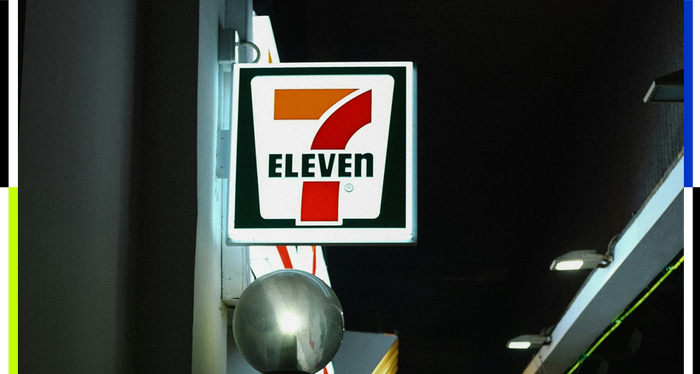
7-11

Search documents
国标出台,预制菜“涨潮”,包装产业“弄潮”?
Yang Guang Wang· 2026-02-24 01:09
原标题:十分钟再谈预制菜之十八——国标出台,预制菜"涨潮",包装产业"弄潮"? 一、一个盒子的远征 一位山东母亲从快递箱里取出从佛山寄来的"佛跳墙"预制菜礼盒。撕开保温袋,翻开硬质卡盒,掀开铝 箔封口,一盅鲍鱼海参,静静躺在定制瓷盅里。十五分钟后,金汤翻滚,满屋馥郁。 二、买椟还珠,从另一个角度是对还是错? 两千年前,楚人卖珠,"为木兰之柜,熏以桂椒,缀以珠玉"。结果呢?郑人买其椟,还其珠。 韩非子讲这个故事,本意是讽喻世人舍本逐末。但站在今天往回看,我们会发现,那个楚人才是真正的 商业天才。因为他懂得,消费者打开包装之前,对产品全部的想象,都来自那个盒子。郑人不是蠢,他 是被那个盒子征服了。这个故事,对预制菜包装有啥启发? 2026年,全球食品包装市场规模预计达4823.8亿美元,同比增长约5.5%。亚太地区以超过40%的份额成 为全球最大市场,中国是其中最大的引擎。 但这只是数字。数字背后,是每一天十几亿次的开箱体验,是每一餐饭从工厂到餐桌的漫长旅程,是每 一道预制菜从"能吃"到"好吃"的最后一道防线。 包装产业的价值,并不完全体现在产值规模上,也体现在风险控制能力上。如果没有可靠的包装结构, 冷链中的温 ...
千问免单卡还能下单大润发、沃尔玛,一句话年货送到家
Jing Ji Wang· 2026-02-09 08:48
Core Insights - The article highlights the launch of the "免单卡" (Free Order Card) by Qianwen APP, which allows users to purchase New Year goods from various retailers, including Hema and Tmall Supermarket, facilitating one-stop shopping for festive items [1][3] Group 1 - The Qianwen APP enables users to make specific requests like "buy a box of milk" or "get a box of eggs from Hema," and it can select suitable products from a vast inventory for immediate delivery [3] - Qianwen has integrated with Tmall Supermarket and Hema through Taobao Flash Purchase, covering a wide range of high-frequency categories such as grains, snacks, personal care, and household cleaning [3] - Tmall Supermarket is noted as the first nationwide AI supermarket, operating continuously during the Spring Festival, with major chains like RT-Mart, Walmart, and Yonghui maintaining an 80% operational rate during this period [3] Group 2 - The "春节30亿大免单" (Spring Festival 3 Billion Free Order) campaign launched on February 6 has gained significant traction online and has been extended until February 28 [3]

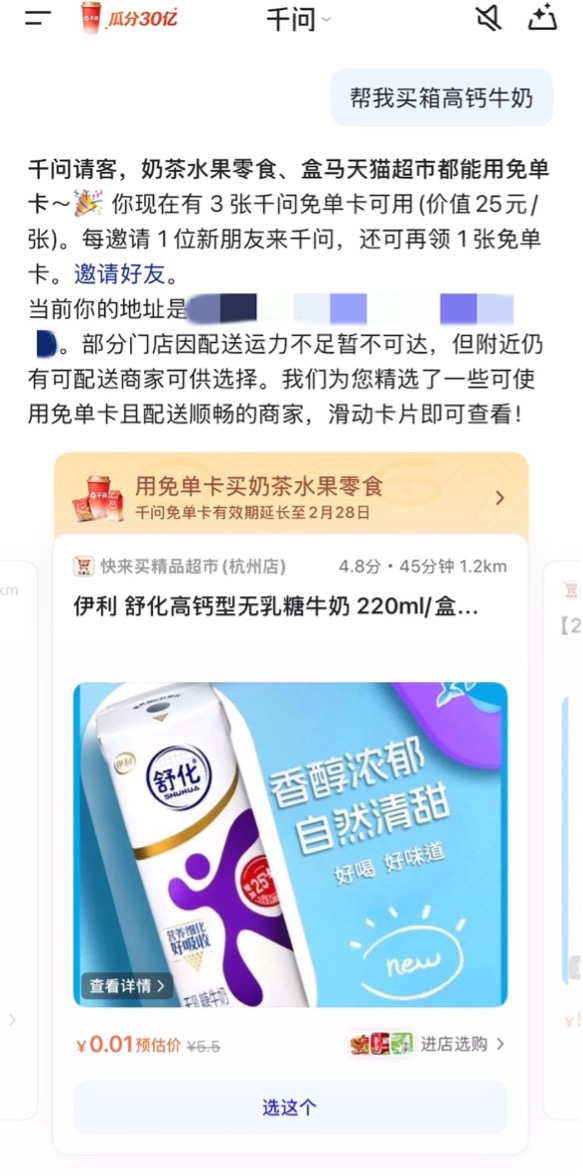
全家等便利店全部接入,千问免单卡能买日用百货
Ge Long Hui· 2026-02-09 06:37
Core Insights - The article highlights the launch of the "免单卡" (Free Order Card) by Qianwen APP, which allows users to purchase New Year goods from various retailers with a simple voice command [1][3] - The initiative aims to streamline the shopping experience for consumers during the busy holiday season, offering a one-stop solution for purchasing essential items [1] Group 1 - Qianwen has integrated with major platforms like Tmall Supermarket and Hema, covering a wide range of high-frequency categories including grains, snacks, personal care, and household cleaning products [3] - Tmall Supermarket is noted as the first AI supermarket with nationwide coverage, operating continuously during the Spring Festival [3] - Major retail chains such as RT-Mart, Walmart, Yonghui, and others maintain an 80% operational rate during the Spring Festival across 365 cities [3] Group 2 - The "春节30亿大免单" (30 Billion Spring Festival Free Order) campaign launched on February 6 has gained significant traction online and has been extended until February 28 [3] - Convenience stores like FamilyMart, 7-11, and Lawson offer 24/7 instant delivery services, enhancing customer accessibility during the holiday [3]
加盟开店,正在收割中产
投资界· 2026-02-03 07:36
以下文章来源于浪潮工作室 ,作者浪潮工作室 浪潮工作室 . 网易旗下栏目,给你另一种看世界的角度和态度 6天赔光90万。 作者 / 碳酸战士 编辑 / 碳酸战士 来源 / 浪潮工作室 (ID:WelleStudio163) " 6 天 赔 光 9 0 万 " 、 " 1 3 天 赔 光 4 5 万 房 产 首 付 " 、 " 2 8 万 一 个 月 亏 光 " 、 " 1 年 血 亏 4 0 万"、"半年亏掉一辆迈巴赫"…… 看到这些惊悚的标题,你第一时间会想到什么?是嗜赌成性的赌徒在赌场一掷千金倾家 荡产?还是企图在股市翻手为云覆手为雨的股民被无形的大手一把推上悬崖? 实际上,这些看着像赌博默示录的标题,都出自B站的一个餐饮UP主"勇哥餐饮原创"的 切片。视频中跟勇哥连线的人们听着都老实无比,很难将他们跟挥金如土的标题联系在 一起,然而就是这些"老实人"们义无反顾地靠加盟开店这一招创造了一个又一个令人瞠 目结舌的"创业事故"。 在点进勇哥主页之前,已经好久没见到这么多不把钱当钱的人了 / 视频标题源 B 站 U P 主 @ 勇哥餐 饮原创 这年头人人都有个发财梦,日复一日在工位勤勤恳恳工作的牛马们更是希望有 ...

携手知名便利店连锁企业,老百姓大药房加速推进多元生态布局
Quan Jing Wang· 2026-01-13 08:02
Core Insights - The integration of multiple business formats and diversified operations is essential for pharmaceutical retail companies to overcome growth bottlenecks and enhance core competitiveness [1][2][4] - The collaboration between Lao Bai Xing Pharmacy and 7-Eleven represents a significant step towards innovative business models in response to evolving consumer demands [2][3] Group 1: Business Model Innovation - Lao Bai Xing Pharmacy has launched a new store format that combines pharmacy and convenience store elements, enhancing customer experience and foot traffic [1][2] - The store features over 150 square meters of space, organized into distinct sections for pharmaceuticals, food, and daily necessities, maintaining the core functions of a pharmacy while incorporating convenience store attributes [1][2] Group 2: Strategic Partnerships - The partnership with 7-Eleven is part of a broader strategy to create a "15-minute convenient living circle," leveraging the strengths of both companies for mutual benefit [2][3] - Lao Bai Xing Pharmacy is also expanding its collaboration with Meiyijia, further broadening the "pharmacy + convenience store" model [2][3] Group 3: Dual-Track Integration Model - The newly introduced "dual-track 'pharmacy + 'all-domain integration model" focuses on two main directions: "+ pharmacy" and "pharmacy +" [3][4] - The "+ pharmacy" direction targets existing investors in convenience stores and supermarkets, allowing them to add "Lao Bai Xing Convenience Pharmacy" modules to their operations, focusing on the sale of Class B non-prescription drugs [3] - The "pharmacy +" direction involves optimizing the layout of selected standard franchise stores by incorporating well-known convenience store products and operational expertise, transforming traditional pharmacies into community health centers [3][4] Group 4: Future Outlook - Lao Bai Xing Pharmacy aims to redefine the pharmaceutical retail landscape by breaking industry boundaries and enhancing consumer service models through innovative thinking [4] - The ongoing implementation and optimization of the dual-track model, along with the addition of quality partners, are expected to solidify Lao Bai Xing Pharmacy's leading position in the industry [4]

每小时3人“孤独死”,日本“第一代不婚族”死后无人收尸
凤凰网财经· 2026-01-11 14:57
Core Viewpoint - The article discusses the rising phenomenon of "lonely deaths" in Japan, highlighting the urgent need for safety solutions for the growing population of individuals living alone, as reflected in the popularity of the app "Are You Dead?" which has seen a 50-fold increase in users [1][2]. Group 1: The Issue of Loneliness in Japan - Japan has been facing the issue of solitary living for over half a century, with "lonely deaths" becoming a significant social concern [5]. - In 2024, data from the Japanese National Police indicated that approximately 76,000 individuals living alone died at home, with over 21,000 classified as "lonely deaths," equating to nearly three people per hour [6][7]. - The phenomenon of lonely deaths is not limited to the elderly; younger generations are increasingly affected, with hundreds of individuals aged 10 to 30 reported to have died alone in recent years [9][12]. Group 2: Societal Changes and Their Impact - The rise in solitary living began in the 1970s during Japan's economic boom, leading to a breakdown of traditional multi-generational family structures, with the proportion of single-person households exceeding 34.6% by 2015 [13][14]. - A significant portion of lonely deaths involves individuals aged 85 and older, with social isolation and aging being core contributing factors [16]. - The lack of social support is stark, with less than 20% of Japanese people reporting having reliable friends, a figure significantly lower than in Western countries [19]. Group 3: Economic Implications and Responses - The growing solitary living situation has given rise to a unique "loneliness economy" in Japan, with businesses adapting to provide services that cater to the needs of solitary individuals, such as convenience stores offering various essential services [20]. - The "end-of-life" industry is emerging, providing comprehensive planning services for individuals, including funeral arrangements and estate management [20]. - Predictions indicate that by 2050, single-person households will account for over 44% of all households in Japan, with a significant portion of elderly men remaining unmarried [28].

从卖早餐到卖榴梿 ,地铁站快被爆改成商场B1层了
36氪· 2026-01-06 13:36
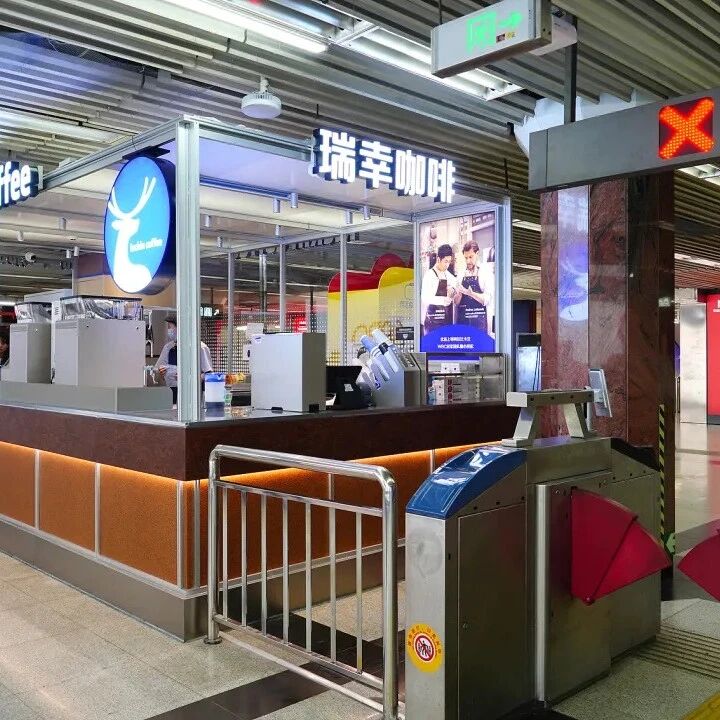
Core Viewpoint - The article discusses the transformation of Guangzhou's subway stations into mini shopping centers, providing a variety of consumer options that cater to the daily needs of commuters, thus enhancing the overall commuting experience [4][5][6]. Group 1: Changes in Guangzhou Subway Stations - Guangzhou subway has introduced self-operated supermarkets, "Metro Youxuan," at various stations since September 2025, offering fresh produce and ready-to-eat meals, which reflects a shift towards meeting commuter needs [7][10]. - The presence of diverse shops, including coffee outlets and convenience stores, has turned subway stations into vibrant commercial hubs, allowing commuters to shop conveniently during their daily travels [12][14]. - The integration of local agricultural products into subway retail, as part of the "Hundred Million Thousand Project," has led to the sale of over 250 types of specialty agricultural products from various regions [9][18]. Group 2: Broader Trends in Subway Commercialization - The trend of subway stations evolving into commercial spaces is not unique to Guangzhou; cities like Wuhan and Chengdu are also developing their subway systems to include fresh markets and diverse retail options [14][15]. - The commercialization of subway stations is seen as a necessary evolution to support the high operational costs of subway systems, which average between 500 million to 1 billion yuan per kilometer for construction [16][17]. - As consumer habits shift towards convenience, subway stations are adapting by offering quick shopping options, making it easier for commuters to fulfill their daily needs without extra effort [17][18].
从到店到到家,本土便利店正在围猎外资三巨头
Ge Long Hui· 2025-12-26 14:07
Core Viewpoint - Foreign convenience store brands, represented by FamilyMart, 7-Eleven, and Lawson, are facing significant challenges in the Chinese market, with a combined closure of over 1,300 stores and a loss of market share to local brands in the online-to-home segment [1][2][4]. Group 1: Market Performance - FamilyMart has closed approximately 300 stores in China, while 7-Eleven has closed or relocated around 1,000 stores globally [1]. - Lawson's Shenzhen operations reportedly faced a loss of nearly 80 million yuan in 2022 [1]. - The three foreign brands are struggling to achieve significant sales on major delivery platforms, with most stores averaging only double-digit monthly sales orders [2][3]. Group 2: Competitive Landscape - Local convenience store brands have gained a strong foothold in the online-to-home market, with many achieving over 10,000 monthly sales orders, while foreign brands have been largely absent from this segment [3][4]. - Local brands like Dolphin Purchase and Squirrel Convenience have significantly higher SKU counts, ranging from 4,000 to 8,000, compared to the 1,000 SKUs offered by FamilyMart, Lawson, and 7-Eleven [4]. Group 3: Pricing and Delivery - Local convenience stores offer more competitive pricing, with examples showing significant price differences for similar products compared to foreign brands [5][10]. - Delivery thresholds and fees for local brands are lower, with some offering free delivery, contrasting with the higher minimum order requirements set by foreign brands [10][11]. Group 4: Historical Context - The foreign brands were early entrants into the online delivery market, launching services around 2015, but have since lost ground to local competitors who have rapidly adapted to consumer preferences [12][13][14]. - Despite initial success, the foreign brands have struggled to maintain their market position as local brands have aggressively expanded their online offerings and improved service [18][20]. Group 5: Industry Trends - The convenience store sector in China has seen explosive growth, with local brands significantly outpacing foreign brands in terms of store count and market presence [23][26]. - The shift towards online retail and the demand for immediate delivery have created a challenging environment for foreign brands, which are now perceived as less appealing to consumers [22][24].
自有品牌,高鑫零售永辉家家悦的“难言之隐”
Ge Long Hui· 2025-12-26 14:06
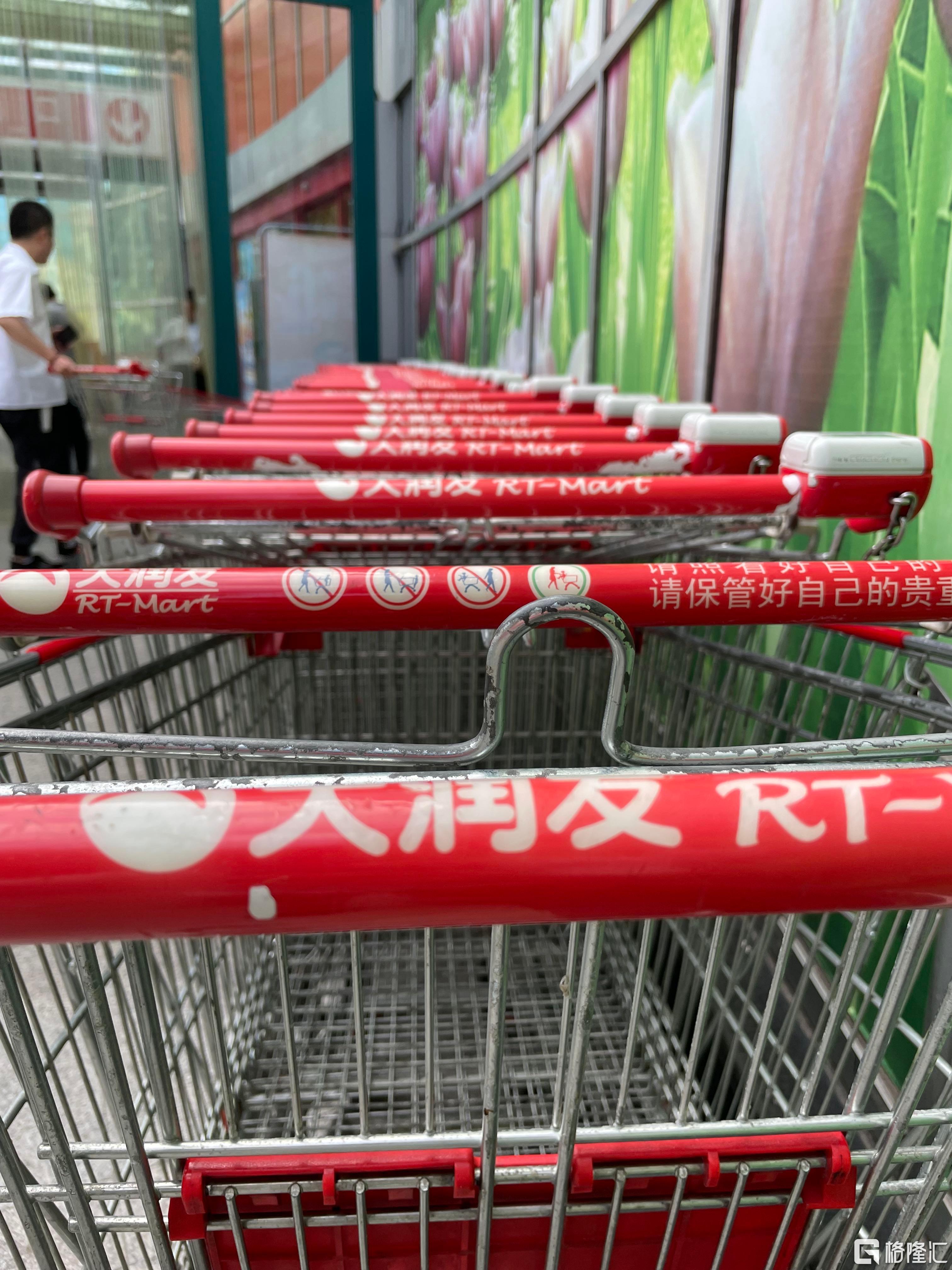
Core Viewpoint - The Chinese supermarket industry is facing significant challenges, with many companies struggling to adapt to market changes and competition from foreign retailers, leading to declining revenues and profitability [1][5][11]. Industry Overview - The departure of Zhang Jingyi from Yonghui Supermarket highlights the difficulties faced by Chinese supermarkets in recent years, including the impact of e-commerce and the pandemic [1]. - Many Chinese supermarket companies have attempted to innovate and adjust their product offerings, but customer traffic remains low, and profitability is still a major issue [1][5]. Comparison with Foreign Supermarkets - In contrast to the struggles of Chinese supermarkets, foreign retailers like Walmart, Costco, and Metro have maintained strong profitability, with Walmart reporting a revenue of $161.63 billion and a net profit increase of 53.3% in its latest fiscal quarter [6][8]. - In the first half of 2023, over 60% of the 13 listed Chinese supermarket companies reported a decline in revenue, with some facing significant losses [5][9]. Financial Performance of Chinese Supermarkets - Lianhua Supermarket reported a revenue decline of approximately 13.3% in the first half of 2023, continuing a trend of losses that have accumulated to over 2 billion yuan since 2017 [9][10]. - Other companies like Bubugao and Renrenle also reported severe losses, with Bubugao's revenue dropping by 69.29% and a net loss of 449 million yuan [9][10]. Self-Brand Development - The development of private labels is crucial for supermarkets to differentiate themselves and improve profit margins, yet Chinese supermarkets lag significantly behind their foreign counterparts in this area [12][13]. - In the U.S., private label sales grew by 11.3% in 2022, while in China, the private label market share is only about 1% [12][13]. Challenges in Private Label Strategy - Chinese supermarkets have been slow to develop effective private label strategies, often relying on OEM and ODM products rather than creating unique offerings [35][36]. - The lack of dedicated procurement teams for private labels in Chinese supermarkets contrasts sharply with the practices of foreign retailers, which often have specialized teams focused on private label development [36][42]. Future Opportunities - Despite the current challenges, the potential for growth in the Chinese supermarket sector remains, given the country's manufacturing and consumer capabilities [43].

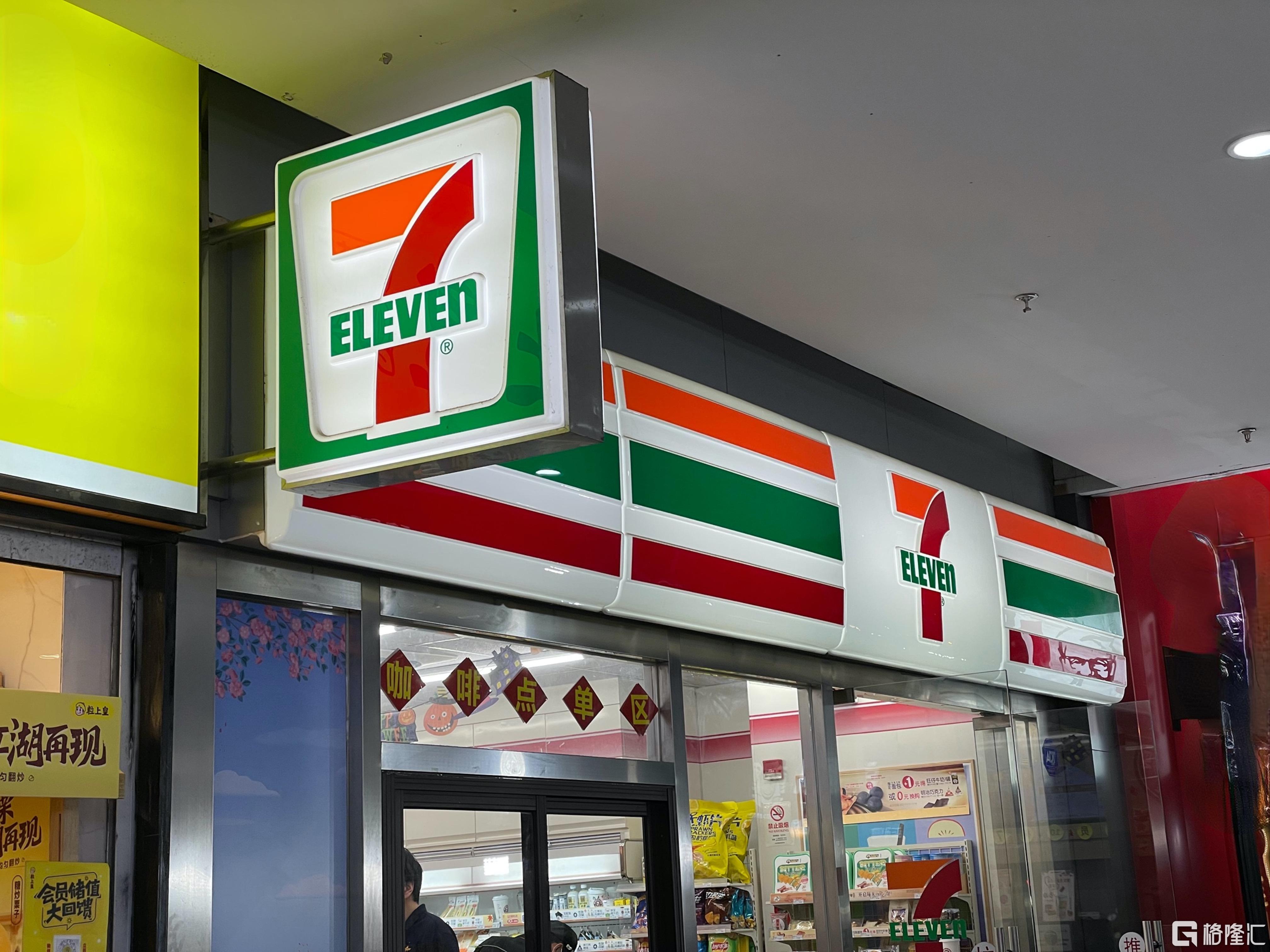
为什么7-11招牌的n要小写?
3 6 Ke· 2025-12-15 14:05
Core Insights - The design of the 7-Eleven logo, particularly the lowercase "n," has significant historical and psychological implications that enhance brand perception and consumer engagement [9][10][19]. Design Evolution - Initially, the 7-Eleven logo featured all uppercase letters, but in the 1960s, a design change was made to lowercase "n" to create a more elegant and friendly appearance [9][10]. - The brand's name evolved from "Tote'm Stores" to "7-Eleven" in 1946, reflecting its extended operating hours, which was a major selling point at the time [12][15]. - The logo has undergone several visual transformations, with the current design being established in 1969, which introduced the split "7" and the lowercase "n" [17][18]. Psychological Impact - The use of lowercase letters in branding, such as the lowercase "n" in 7-Eleven, is associated with warmth and approachability, contrasting with uppercase letters that convey authority and luxury [19][24][26]. - Research indicates that the presentation of a brand's name significantly influences consumer perception, with lowercase letters often eliciting feelings of friendliness and accessibility [20][22][27]. Brand Recognition - The lowercase "n" contributes to the logo's readability and memorability, making it easier for consumers to recognize the brand even in low-light conditions [29][31]. - Despite the subtlety of the lowercase "n," it has sparked ongoing discussions and curiosity among consumers, effectively serving as a form of free advertising for the brand [29][31].