Rapidus

Search documents
美国半导体设备-2026 年 SPIE 展会投资者资料包-US_Semiconductor_Equipment_SPIE_2026_Investor_Packet
2026-02-24 14:17
Vi e w p o i n t | 20 Feb 2026 11:21:44 ET │ 17 pages US Semiconductor Equipment SPIE 2026 Investor Packet CITI'S TAKE We will be attending the SPIE Advanced Lithography conference from Feb 22-26 in San Jose, California, and hosting meetings with Lam Research, KLA and Applied Materials management teams. The conference features keynotes by a) SK Hynix on HBM technology evolution b) high-NA EUV/process control updates by ASML/IBM/TSMC, and c) Advanced packaging solutions presentations by Rapidus/Micron. Moreo ...
Cadence(CDNS) - 2025 Q4 - Earnings Call Transcript
2026-02-17 23:02
Financial Data and Key Metrics Changes - Cadence reported a 14% revenue growth for the fourth quarter and a 45% operating margin for the year, finishing 2025 with a record backlog of $7.8 billion [5][16] - Total revenue for Q4 was $1.44 billion and $5.297 billion for the year, with GAAP operating margin at 32.2% for the quarter and 28.2% for the year [16][17] - Non-GAAP operating margin was 45.8% for the quarter and 44.6% for the year, with GAAP EPS at $1.42 for the quarter and $4.06 for the year [17] Business Line Data and Key Metrics Changes - The core EDA business grew by 13% in 2025, with the recurring software business re-accelerating to double-digit growth in Q4 [10] - The IP business saw nearly 25% revenue growth in 2025, reflecting strong demand in AI, HPC, and automotive verticals [12][13] - The System Design and Analysis (SDA) business delivered 13% revenue growth in 2025, with a strategic shift towards annual subscription arrangements impacting year-over-year comparisons [51] Market Data and Key Metrics Changes - The semiconductor industry is projected to reach $1 trillion this year, indicating a healthier environment for Cadence's solutions [61] - China accounted for 12%-13% of revenue in 2024 and 2025, with expectations to maintain this range in 2026 [31] Company Strategy and Development Direction - Cadence is focusing on AI-driven solutions, with the launch of ChipStack AI Super Agent aimed at automating chip design and verification, providing up to 10x productivity improvements [7][8] - The company is expanding partnerships with leading foundries, including TSMC and Intel, to enhance AI flows and support next-generation designs [9] - The strategy includes a strong emphasis on agentic AI workflows, which are expected to increase the usage of Cadence's tools rather than displace them [25][27] Management's Comments on Operating Environment and Future Outlook - Management expressed confidence in the ongoing demand for Cadence's engineering software, emphasizing that AI tools are increasing the usage of their products [27] - The outlook for 2026 includes expected revenue in the range of $5.9 billion to $6 billion, with a GAAP operating margin of 31.75%-32.75% and non-GAAP EPS in the range of $8.05-$8.15 [19][20] Other Important Information - The company plans to use approximately 50% of its free cash flow for share repurchases in 2026 [19] - Cadence's AI-driven EDA, SDA, and IP portfolio positions the company well to capture significant opportunities in the evolving market landscape [15] Q&A Session Summary Question: Disruption in AI affecting demand for EDA or IP tools - Management clarified that there has been no discussion from customers about reducing the usage of Cadence's tools; instead, AI tools are increasing the usage of their software [24][27] Question: Key contributors to recurring revenue improvements - Management noted that strong backlog and broad portfolio proliferation across EDA, IP, hardware, and SDA are driving recurring revenue growth [30][32] Question: Verification and emulation hardware cycle - Management indicated that demand for hardware systems remains strong, with expectations for continued growth in this segment [34][36] Question: Benefits from AI workflows - Management highlighted significant productivity improvements from AI, with customers reporting up to 10x productivity gains in certain areas [43][44] Question: Transition to one-year license terms for SDA - Management acknowledged that the shift to annual subscriptions impacted SDA revenue growth but remains optimistic about its strategic trajectory [51] Question: COT chip proliferation among hyperscalers - Management confirmed that the trend of hyperscalers designing their own chips is accelerating, with expectations for increased EDA consumption [56][59]

GLOBÁLNI TECHNOLOGICKÍ LÍDRI ZAKLADAJÚ TRUSTED TECH ALLIANCE
Prnewswire· 2026-02-15 03:26
Core Viewpoint - The establishment of the Trusted Tech Alliance (TTA) aims to enhance global cooperation among technology providers to address customer needs and build trust in technology through shared principles of transparency, security, and data protection [1][2]. Group 1: Formation and Purpose of TTA - The Trusted Tech Alliance was announced at the Munich Security Conference, comprising 15 leading companies from Africa, Asia, Europe, and North America [1]. - The alliance focuses on creating a trusted technology framework that includes connectivity, cloud infrastructure, semiconductors, software, and AI [1]. - TTA aims to ensure that member companies adhere to common commitments regarding transparency, security, and data protection, fostering trust and delivering technological benefits globally [1]. Group 2: Principles and Commitments - TTA members have agreed on five specific principles defining what it means to develop, deploy, operate, and collaborate as a trusted global technology provider: 1. Respect for the rule of law and data protection 2. An open, cooperative, inclusive, and resilient digital ecosystem 3. Robust supply chain and security agreements 4. Operational transparency, secure development, and independent assessment 5. Transparent governance and ethical corporate behavior [1][2]. - These commitments require strong governance, ethical behavior, and adherence to strict global security standards from member companies [1]. Group 3: Industry Reactions and Statements - Leaders from various companies, including Amazon, Google Cloud, and Microsoft, expressed their commitment to the alliance, emphasizing the importance of trust in technology for economic growth and security [2]. - The alliance is seen as essential for addressing the challenges posed by rapid technological advancements and ensuring that technology benefits society while maintaining security and trust [2]. - Companies like Ericsson, Nokia, and SAP highlighted the need for collaboration to build a secure and trustworthy digital infrastructure, which is crucial for fostering innovation and economic resilience [2].






МИРОВЫЕ ТЕХНОЛОГИЧЕСКИЕ ЛИДЕРЫ СОЗДАЮТ TRUSTED TECH ALLIANCE
Prnewswire· 2026-02-15 03:21
Core Viewpoint - The Trusted Tech Alliance (TTA) has been launched by 15 leading global companies from Africa, Asia, Europe, and North America to address customer needs worldwide [1]. Group 1: Alliance Formation - The TTA includes prominent companies such as Anthropic, AWS, Cassava Technologies, Cohere, Ericsson, Google Cloud, Hanwha, Jio Platforms, Microsoft, Nokia, Nscale, NTT, Rapidus, Saab, and SAP [1]. - The formation of TTA aims to enhance collaboration among technology leaders to meet global customer demands [1]. Group 2: Leadership Statements - David Zapolsky from Amazon emphasized the importance of the alliance in addressing technological needs [1]. - Strive Masiyiwa from Cassava Technologies highlighted the collaborative potential of TTA [1]. - Börje Ekholm from Ericsson and Marcus Jadotte from Google Cloud also expressed their support for the alliance's objectives [1].


DES LEADERS MONDIAUX DE LA TECHNOLOGIE LANCENT LA TRUSTED TECH ALLIANCE
Prnewswire· 2026-02-15 03:09
Core Points - The Trusted Tech Alliance (TTA) has been launched by 15 leading global technology companies from 10 countries to promote a trustworthy technology stack and enhance collaboration across borders [1][2] - The alliance aims to address concerns regarding digital technologies and their potential negative impacts by establishing common principles for transparency, security, and data protection [1][2] - Members of the TTA include major companies such as Amazon, Google Cloud, Microsoft, and Ericsson, which have committed to five specific principles that define responsible technology development and deployment [1][2] Group 1: Alliance Objectives - The TTA seeks to foster trust in technology by ensuring that all member companies adhere to shared commitments regarding data protection and operational transparency [1][2] - The alliance emphasizes the importance of collaboration among technology providers to enhance reliability and resilience in the face of rapid technological evolution [1][2] - By defining attributes of trustworthy technology, the TTA aims to support job creation and economic growth while addressing public concerns about emerging technologies [1][2] Group 2: Member Commitments - The five principles agreed upon by TTA members include respect for the rule of law, an open and cooperative digital ecosystem, robust supply chain security, operational transparency, and ethical governance [1][2] - Companies are required to implement strong corporate governance and ethical behavior, ensuring that technologies are developed and managed responsibly throughout their lifecycle [1][2] - The alliance will continue to expand its community of global suppliers dedicated to promoting a reliable, interoperable, and open technology stack [1][2]


日本2nm,锁定2028量产
半导体芯闻· 2026-02-12 10:37
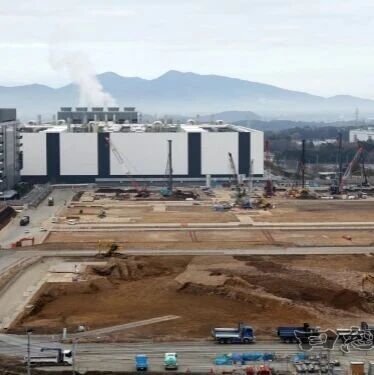
Core Viewpoint - Rapidus plans to start mass production of 2nm chips in the second half of FY2027, with full-scale production expected to begin in FY2028, aiming to quadruple its production capacity in the first year of operation [1]. Group 1: Production Plans - The company will manufacture chips at its factory in Chitose, Hokkaido, which will handle both front-end wafer manufacturing and back-end processes such as cutting and packaging [1]. - Initial monthly production capacity is set at 6,000 wafers, with plans to increase this to approximately 25,000 wafers within the following year [1]. Group 2: Technological Challenges - Advanced semiconductor production requires the introduction of over 200 production equipment, with achieving high yield rates being the biggest challenge for the company [1]. - Yield levels directly impact chip performance and production costs, making it crucial for Rapidus to maintain high yield rates to ensure profitability [1]. Group 3: Market Demand and Client Stability - As a foundry, Rapidus must secure stable customer orders to maintain factory utilization rates, which is a core challenge for its expansion plans [1][3]. - The ability to achieve high yield rates and consistently attract customer orders will be critical for the company's success in scaling production [3]. Group 4: Technological Innovations - The company is focusing on Chiplet technology, which integrates different types of chips on the same substrate, and aims to enhance back-end automation technology for high-performance advanced semiconductors [2]. - Rapidus plans to launch a back-end pilot line this spring to mount chips onto electronic substrates, indicating a commitment to seamless integration of front-end and back-end processes [2]. Group 5: Industry Collaborations - NVIDIA has been collaborating with several companies, including Rapidus, to expand the application of GPU acceleration in semiconductor manufacturing beyond just lithography, now including defect detection and material design simulation [2].
芯片量产倒计时!Rapidus将如何影响汽车业?
Zhong Guo Qi Che Bao Wang· 2026-02-11 11:59
Core Viewpoint - Rapidus, a Japanese automotive chip company, plans to start production in the fiscal year 2028, with mass production of 2nm process products expected to begin in the latter half of 2027, aiming to quadruple production capacity within a year [1][3]. Group 1: Company Overview - Rapidus was established with significant backing from the Japanese government and major industry players like Toyota, aimed at revitalizing Japan's chip industry and addressing the automotive chip shortage [3][4]. - The company has received substantial subsidies from the Japanese government, totaling 1.7225 trillion yen [3]. - Rapidus has chosen Chitose City in Hokkaido as its factory location, symbolizing Japan's hopes for chip industry revival [4]. Group 2: Technology and Production - Rapidus employs a 2nm GAA (Gate-All-Around) transistor technology in collaboration with IBM, which enhances chip performance and reduces power consumption compared to traditional FinFET technology [4]. - The company has established a full-process production line that integrates wafer manufacturing, cutting, and packaging, aiming to streamline the supply chain and reduce delivery times for automotive manufacturers [6]. - Initial monthly production capacity is set at 6,000 wafers, with plans to increase to 25,000 wafers within a year after the start of mass production [6]. Group 3: Market Impact - The 2nm chips are expected to significantly outperform existing products in terms of computing power and energy efficiency, particularly for applications in autonomous driving and high-resolution displays [7]. - Rapidus's entry into the market is anticipated to alleviate the "computing power anxiety" faced by automotive manufacturers, challenging the dominance of traditional chip giants and potentially lowering prices [7]. - The collaboration between automotive manufacturers and Rapidus is seen as a strategic move to secure a more reliable and localized supply chain, reducing dependency on foreign chip suppliers [8][9]. Group 4: Strategic Collaboration - The partnership between Rapidus and Japanese automakers like Toyota and Honda is designed to create a tightly integrated local supply system, enhancing the competitive edge of Japanese car manufacturers [8][9]. - This "car manufacturer + chip company" model is viewed as a proactive approach to mitigate supply chain risks amid global uncertainties and trade protectionism [9]. - The development of a complete ecosystem from chip design to application is crucial for automotive chip companies to succeed in the market [9].

全球大公司要闻 | 中芯国际净利增36%;字节阿里竞逐AI视频生成新赛道
Wind万得· 2026-02-11 00:38
1. 江淮汽车:披露定增发行情况,向姚志超、葛卫东等 8 名投资者发行 7016.84 万股,发行价 49.88 元 / 股,募资 35 亿元。葛卫东与方文艳各耗资 10 亿元认购 2004.81 万股,并列成为公司第 8 大股东。募 集资金将用于高端智能电动平台开发项目。 2. 中芯国际: 2025 年净利润同比增长 36.29% ,第四季度净利润 12.23 亿元,同比增长 23.2% 。公司在 AI 芯片领域持续发力,被市场视为国产 AI 芯片的重要力量。 3. Alphabet :与苹果共同向英国监管承诺修改应用商店规则,以缓解反垄断担忧; Alphabet 首次发行 百年期债券,获得超过 7 倍超额认购,创下互联网泡沫时代以来科技公司发行超长期债券的首例。此次 发行的 7.5 亿英镑百年期债券共收到 57.5 亿英镑认购订单。 Alphabet 在欧洲的债券发售累计筹集了 110 亿美元,使其全球债务发售总额突破 300 亿美元。 // 热点头条 // 4. 周大福:拟年后调价,门店回应称一口价产品或涨 15%-30% ,公司根据市场情况调整产品价格策 略。 5. 台积电: 1 月销售额 4012. ...

日本芯片,“复仇”韩国?
3 6 Ke· 2026-02-09 05:13
Group 1 - The global storage industry has undergone a significant power shift over the past thirty years, with Japan losing its dominance in the DRAM market to South Korean manufacturers [1][2][10] - In the 1980s, Japanese companies held over 50% of the global DRAM market share, benefiting from a strong manufacturing base and government support for semiconductor development [3][4][8] - The decline of Japanese DRAM dominance began in the 1990s due to economic challenges, structural changes in the DRAM industry, and increased competition from South Korean firms like Samsung and SK Hynix [8][9][10] Group 2 - High Bandwidth Memory (HBM) has emerged as a critical component in AI computing, with South Korean manufacturers capitalizing on their expertise in DRAM technology to dominate this market [12][13] - Japan's current presence in the HBM market is minimal, primarily limited to materials and equipment, lacking significant production capacity or technological advancements [13][14] - The introduction of SAIMEMORY, a subsidiary of SoftBank, aims to innovate in memory technology with the development of Z-Angle Memory (ZAM), which seeks to overcome limitations of current memory architectures [15][16][18] Group 3 - Japan's semiconductor strategy has shifted from attempting to regain past dominance to focusing on securing positions in key technological areas, such as advanced logic processes and packaging technologies [19][20][30] - The establishment of Rapidus represents Japan's effort to maintain a foothold in advanced semiconductor manufacturing, collaborating with IBM and ASML to ensure technological relevance [19][20] - Japanese companies are also investing in AI chip development, with firms like PFN and EdgeCortix leading initiatives to create specialized AI processors for various applications [21][26][28] Group 4 - The overall strategy for Japan's semiconductor industry is to avoid direct competition with South Korea and the U.S. by focusing on niche markets and innovative technologies rather than scale [30][31] - Japan's renewed focus on semiconductor technology reflects a strategic re-evaluation of its position in the global market, aiming to redefine its role in the evolving landscape of AI and memory technologies [29][30]
台积电熊本改产3纳米,日本供应链厚度增加
日经中文网· 2026-02-06 02:52
Group 1 - TSMC is constructing a new factory in Kumamoto, Japan, aimed at producing cutting-edge chips for artificial intelligence (AI) [2] - Rapidus plans to mass-produce 2nm products in Hokkaido, enhancing Japan's semiconductor supply chain with stable AI semiconductor production from both northern and southern bases [2] - The Japanese semiconductor equipment and materials sectors are expected to benefit significantly from these developments, as Japan holds a substantial market share in these areas [2] Group 2 - TSMC's CEO, Wei Zhejia, is considering adjustments to the production plan for the Kumamoto factory to manufacture 3nm semiconductors, which may increase the originally estimated investment of $12.2 billion [4] - The 3nm semiconductors will be utilized in NVIDIA's GPUs, highlighting the importance of ensuring a stable supply of advanced semiconductors as new data centers for AI are established in Japan [4] - Japan's semiconductor equipment market holds approximately 30% of the global share, while the materials sector accounts for about 50%, indicating a strong domestic capability to support advanced semiconductor production [4] Group 3 - Tokyo Electron plans to invest 700 billion yen in equipment over the next five years, with a new facility in Kumamoto set to begin operations in spring 2026, increasing development capacity by four times [5] - Canon is investing 50 billion yen by September 2025 to establish a new facility for photolithography equipment used in AI semiconductor assembly [6] - Ibiden plans to invest 500 billion yen over three years starting in 2026 to expand production capacity for packaging substrates used in AI server chips, expected to increase by 2.5 times by 2028 [6] Group 4 - The Japanese government aims to support the semiconductor and AI sectors with over 10 trillion yen by 2030, accelerating the establishment of a cutting-edge semiconductor supply chain [6] - Japan has provided approximately 1.2 trillion yen in subsidies to TSMC's factories and about 2.9 trillion yen to Rapidus, with conditions for TSMC to increase semiconductor production during supply shortages [6] - The competitive landscape for attracting investment in advanced semiconductor manufacturing is intensifying globally, necessitating a comprehensive approach to develop the domestic semiconductor industry, including equipment, materials, and design engineering [6]