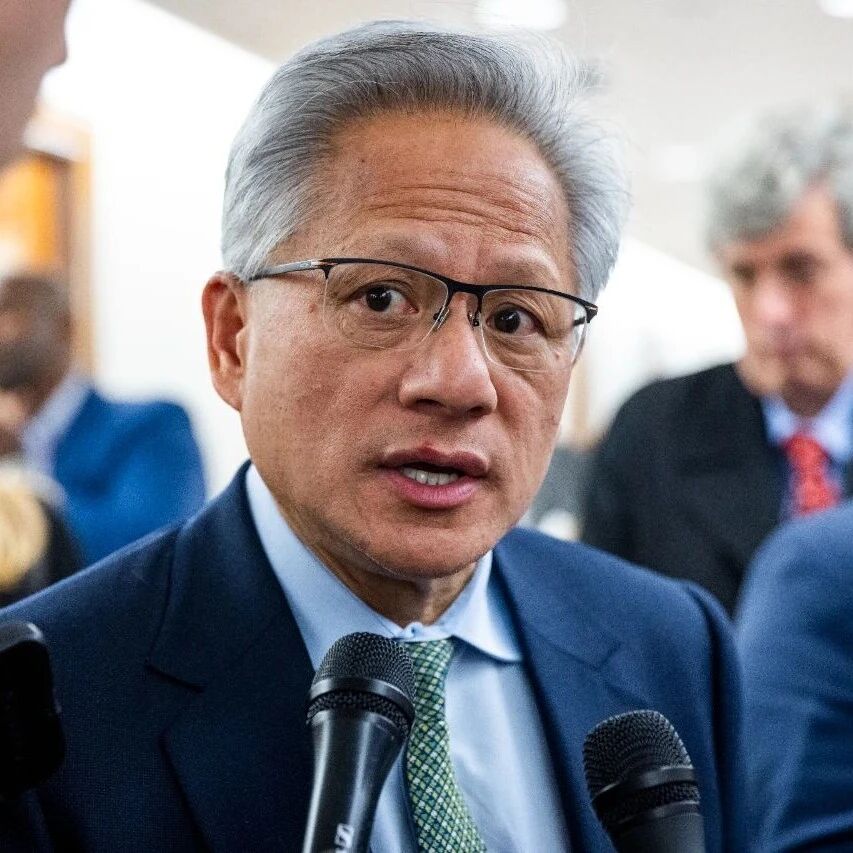
人才收购

Search documents
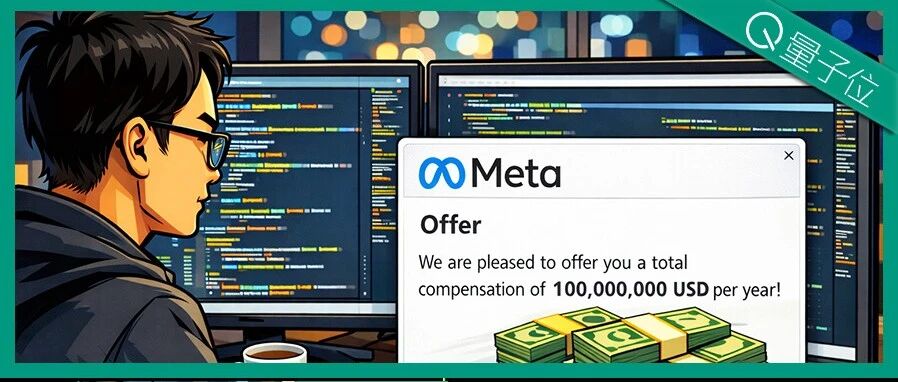
硅谷不相信忠诚!AI行业玩成NBA,科学家爽拿“转会费”
量子位· 2026-02-08 07:11
Core Viewpoint - The loyalty of employees in Silicon Valley has diminished, with significant "acqui-hire" events occurring, indicating a shift towards a "mercenary" culture in the tech industry [1][3]. Group 1: Major Acqui-Hire Events - In June 2025, Meta invested $14.3 billion to acquire Alexandr Wang from Scale AI [1]. - In July 2025, Google spent $2.4 billion to acquire technology from Windsurf, bringing in its founder Varun Mohan and research team into DeepMind [1]. - In December 2025, NVIDIA reached a $20 billion agreement with Groq to acquire its core inference technology and CEO Jonathan Ross along with key executives [1]. Group 2: Talent Mobility and Motivations - Talent mobility is categorized into "voluntary" and "involuntary" job changes, with motivations including high salaries, access to cutting-edge resources, and the pursuit of promising technologies [4]. - The trend of researchers moving from Google to OpenAI began in early 2023, with at least five Google Brain researchers joining OpenAI before the launch of ChatGPT [6][7]. Group 3: High Salaries and Recruitment Strategies - Meta's aggressive recruitment strategy included a compensation package of up to $300 million over four years, with the first year's salary exceeding $100 million [15]. - The competition for AI talent has led to a "mercenary culture," where employees prioritize financial incentives over loyalty to their companies [23][24]. Group 4: Acqui-Hire as a Strategy - Acqui-hire has become a popular strategy among Silicon Valley giants, allowing companies to acquire talent without the complexities of full mergers [40]. - The case of Google acquiring Windsurf illustrates the potential fallout from such strategies, as remaining employees felt abandoned and betrayed [44]. Group 5: Cultural Shifts in the Tech Industry - A cultural shift is occurring in the tech industry, where employees are increasingly wary of long-term commitments to a single company, driven by rapid technological advancements [54][57]. - The speed of innovation in AI means that working for a startup can yield experience equivalent to several years in traditional tech roles [57]. Group 6: Domestic Talent Wars - The competition for AI talent is not limited to Silicon Valley; domestic companies are also aggressively recruiting from top labs, with Tencent and ByteDance making significant hires from OpenAI and Google DeepMind [60][62]. Group 7: The Value of AI Talent - The scarcity of top AI talent makes them a strategic asset for companies, with the potential to significantly impact model training costs and performance [64].





ChatGPT和谷歌双双落地AI广告丨合规周报(第222期)
2 1 Shi Ji Jing Ji Bao Dao· 2026-01-18 09:45
Group 1: AI Advertising Models - OpenAI announced the testing of advertising in ChatGPT, targeting free and $8 subscription users, with ads presented at the bottom of conversations and only shown when highly relevant to user queries [2] - Google introduced a new shopping ad feature called "Direct Offers" within its Gemini AI model, allowing retailers to push exclusive discounts determined by AI, emphasizing a negotiation-like approach rather than standard advertising [3][4] Group 2: Regulatory Developments - The UK regulator Ofcom has launched an investigation into X and its AI chatbot Grok due to concerns over the misuse of deepfake technology for creating and distributing explicit content [5][6] - The U.S. Federal Trade Commission (FTC) is scrutinizing the "talent acquisition" practices of major tech companies, where firms hire employees from startups instead of acquiring them, to avoid antitrust scrutiny [7] Group 3: Domestic Regulatory Actions - Ctrip has been officially investigated for alleged monopolistic practices, including price fraud and restricting merchant pricing, as part of a broader regulatory crackdown in the OTA industry [9] - The second trial of the first AI-related criminal case involving the generation of explicit content is underway, focusing on the legal responsibilities of AI service providers [10][11]

掏空收购目标躲避反垄断审查 美FTC开查科技巨头“人才收购”
Feng Huang Wang· 2026-01-17 00:07
Core Viewpoint - The FTC is scrutinizing a new practice among large tech companies of acquiring talent from startups without direct acquisitions, which is seen as a way to circumvent antitrust reviews [1] Group 1: Regulatory Actions - The FTC, led by Chairman Andrew Ferguson, will begin reviewing these talent acquisitions to ensure they are not attempts to bypass merger review processes [1] - The Biden administration's strong antitrust enforcement has prompted companies to adopt more talent acquisition strategies [1] Group 2: Examples of Talent Acquisitions - NVIDIA agreed to license chip technology from startup Groq and poached its CEO Jonathan Ross, a former senior employee at Google [1] - Microsoft engaged in a $650 million deal, referred to as a "licensing fee," to attract a top AI executive [1] - Meta spent $15 billion to hire Alexandr Wang, CEO of Scale AI, without acquiring the company [1]

Manus被审查
21世纪经济报道· 2026-01-09 00:18
Core Viewpoint - The acquisition of Manus by Meta for several billion dollars raises compliance concerns, particularly regarding cross-border mergers and the regulatory landscape in China [1]. Group 1: Acquisition Details - Manus, an AI application company, was acquired by Meta, marking it as Meta's third-largest acquisition since its inception [1]. - The acquisition signifies a rare instance of a Chinese AI application being fully acquired by a foreign entity [1]. - Following the acquisition, Manus will cease operations in China and the founding team will continue under Meta as independent operators [4]. Group 2: Compliance and Regulatory Issues - The Ministry of Commerce of China is evaluating the acquisition for compliance with laws related to export control and foreign investment [1]. - The acquisition may have avoided antitrust scrutiny due to Manus's revenue being below the threshold for mandatory reporting [5]. - The operational structure of Manus was adjusted to mitigate regulatory risks, moving its headquarters to Singapore [5]. Group 3: Data Compliance Concerns - Manus's operations have primarily targeted overseas markets, but data compliance issues remain, especially regarding user data from China [7]. - The company has faced scrutiny regarding whether it has complied with data export regulations after relocating its headquarters [10]. - There are questions about how Manus has handled its data from Chinese users and whether it has met compliance requirements for data export [11]. Group 4: Export Control Risks - The core technology of Manus may fall under China's export control regulations, raising concerns about whether proper declarations were made during the relocation [13]. - The acquisition highlights the need for companies to be aware of export control laws, especially when their technology gains international traction [14]. - Companies must evaluate compliance not only based on the technology itself but also on the intended use and the recipient of the technology [15].

Manus被审查 为AI初创公司照见哪些合规考题?
2 1 Shi Ji Jing Ji Bao Dao· 2026-01-08 15:55
Core Viewpoint - The acquisition of Manus by Meta for several billion dollars raises compliance concerns, particularly regarding cross-border regulations and technology export controls, making it a significant case for future reference in the industry [1][3]. Group 1: Acquisition Details - Manus, an AI application company, was acquired by Meta, marking Meta's third-largest acquisition since its inception [1]. - The acquisition is seen as a talent acquisition strategy, with the founder of Manus, Xiao Hong, becoming a vice president at Meta, indicating a focus on retaining the founding team [3]. - The operational structure of Manus has shifted to Singapore, which complicates compliance with Chinese regulations [6]. Group 2: Regulatory Concerns - The Ministry of Commerce has stated it will evaluate the acquisition's compliance with laws related to export controls and foreign investment [1]. - The revenue of Manus is approximately $100 million (around 700 million RMB), which is below the threshold for mandatory antitrust reporting in China [5][4]. - There is a regulatory vacuum regarding talent acquisitions, as many AI startups do not meet the revenue thresholds for scrutiny [3][4]. Group 3: Data Compliance Issues - Manus's operations have primarily targeted overseas markets, but data compliance remains a concern, especially regarding user data from China [7][8]. - The company has undergone changes in its operational structure to facilitate compliance with data export regulations, but it is unclear if all necessary certifications have been completed [11][12]. Group 4: Technology Export Controls - The core technology of Manus may fall under China's export control regulations, raising questions about compliance during the acquisition process [13][14]. - The potential for regulatory scrutiny exists if the technology is deemed to have competitive implications, necessitating proactive communication with regulatory bodies [14][15]. - Companies are advised to consider the implications of China's export control laws, even if their products do not appear on the restricted lists [15].
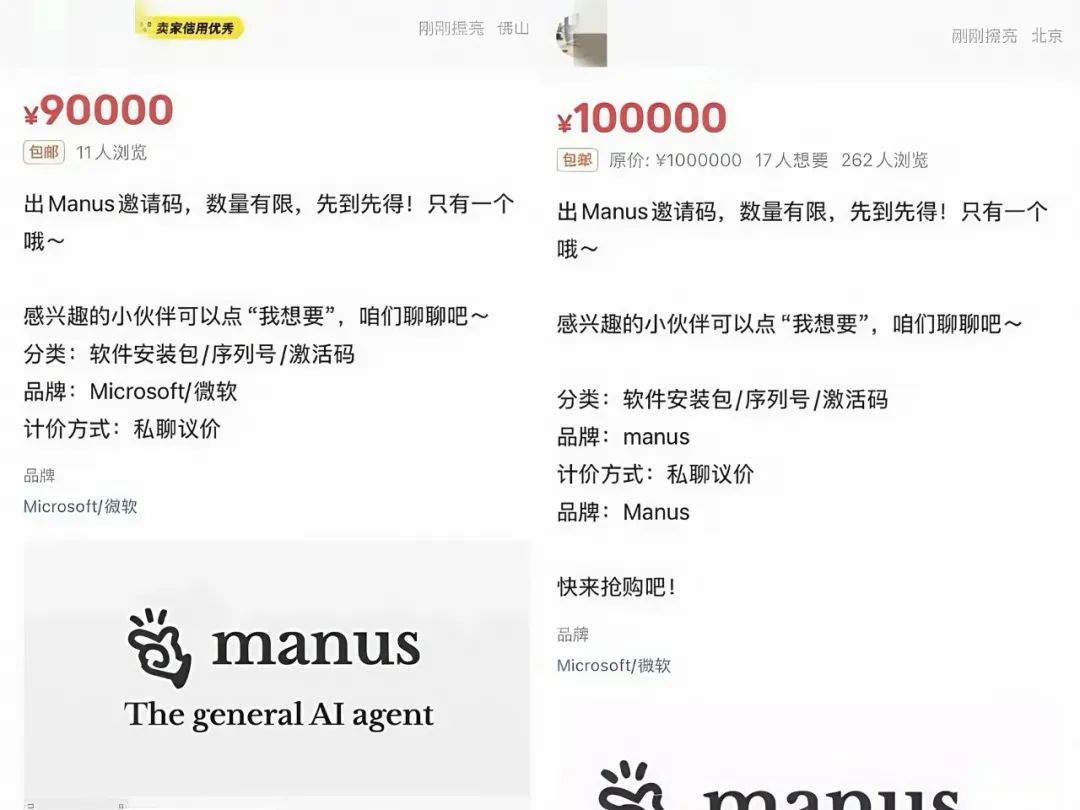
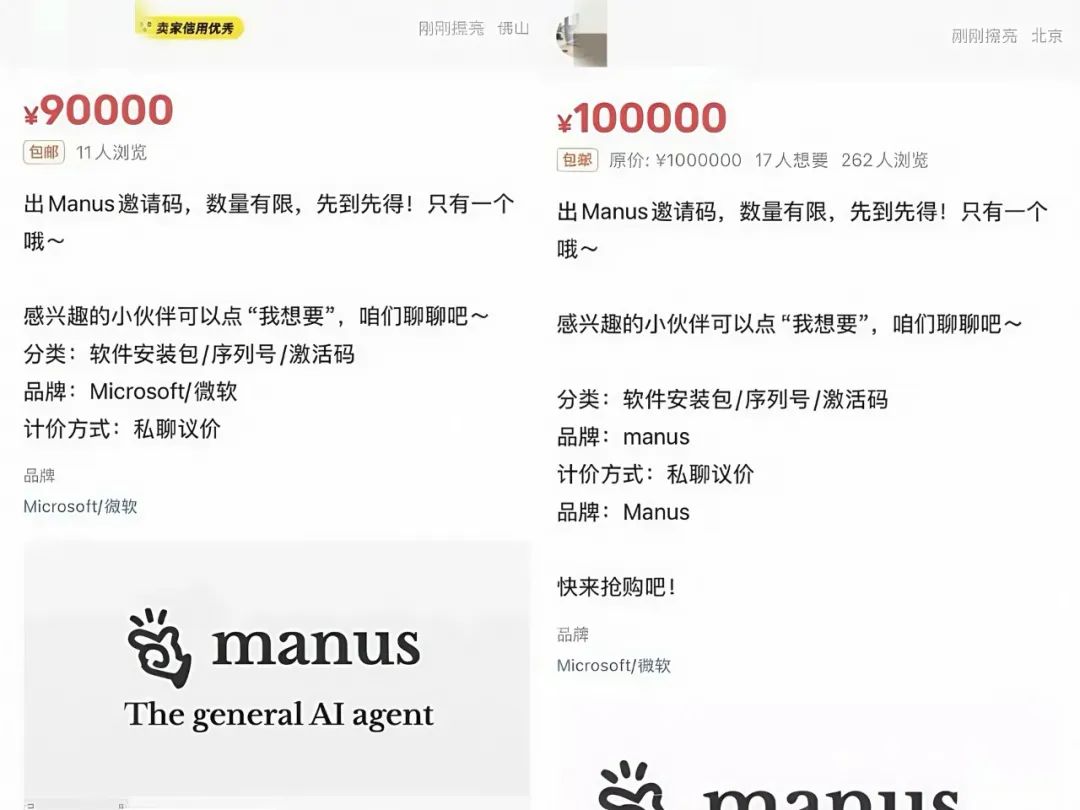
Manus被审查,为AI 初创公司照见哪些合规考题?
2 1 Shi Ji Jing Ji Bao Dao· 2026-01-08 15:28
Core Viewpoint - The acquisition of Manus by Meta for several billion dollars raises compliance concerns, particularly regarding cross-border regulations and potential antitrust issues, making it a significant case for future reference in the industry [1]. Group 1: Acquisition Details - Manus, an AI application company, was acquired by Meta, marking Meta's third-largest acquisition since its inception and a rare instance of a Chinese AI application being fully acquired [1]. - The company, founded by Xiao Hong, has shifted its operations to Singapore after gaining popularity in China, indicating a strategic move to navigate regulatory challenges [1]. - Following the acquisition, Manus will cease its operations in China, and its founder will take on a role as Vice President at Meta, highlighting the importance of the founding team in the acquisition [3]. Group 2: Regulatory Concerns - The acquisition has prompted the Ministry of Commerce to evaluate its compliance with laws related to export controls, technology transfer, and foreign investment [1]. - There is a noted regulatory vacuum regarding antitrust and foreign acquisition reviews, as Manus's revenue of approximately $100 million (around 700 million RMB) does not meet the thresholds for mandatory reporting under Chinese antitrust laws [4][5]. - The shift of Manus's operational entity to Singapore may further complicate compliance with Chinese regulations, particularly concerning data and technology export controls [5]. Group 3: Data Compliance Issues - The acquisition raises questions about data compliance, especially if Manus has user data from China, which could complicate data export regulations [6]. - Manus's products have primarily targeted overseas markets, but the handling of any existing Chinese user data remains uncertain [6][7]. - Compliance with China's data export regulations may require re-evaluation following the acquisition, particularly if data is transferred to new third parties [10]. Group 4: Export Control Risks - The core technology of Manus may fall under China's export control regulations, necessitating careful assessment to avoid violations [12]. - The technology's classification and whether it requires prior approval for export is a critical concern, especially given the potential implications for AI companies operating internationally [13][14]. - Companies are advised to conduct thorough compliance evaluations regarding export controls, as overlooking these regulations can lead to significant legal repercussions [14].
现在的并购,流行直接挖人
36氪· 2026-01-06 13:36
Core Viewpoint - The article discusses the evolution of "acqui-hire" from a mutually beneficial acquisition strategy to a tool for larger companies to eliminate competition, highlighting the shift in dynamics within the tech industry, particularly in the AI sector [4][10]. Group 1: Acqui-hire Evolution - Acqui-hire has transformed from a win-win situation to a method for large companies to eliminate competitors more efficiently and discreetly than traditional acquisitions [10][48]. - The case of Groq, a company valued at $6.9 billion, illustrates this shift, where Nvidia acquired key personnel for $20 billion, leaving behind an empty shell [6][9]. - Historical examples, such as Facebook's acquisition of Instagram for $1 billion, show that earlier acqui-hires allowed teams to continue operating independently, benefiting all parties involved [13][16][22]. Group 2: Recent Trends in Acqui-hire - In 2024, several high-profile transactions occurred where major companies like Microsoft and Google hired talent from startups without formal acquisitions, indicating a trend towards "technology licensing + talent recruitment" [34][36]. - The financial outcomes of these recent transactions reveal a stark contrast to earlier acqui-hires, with only a small percentage of employees benefiting from the deals, while founders and investors reaped significant rewards [35][38]. - The legal landscape has shifted, allowing larger companies to recruit talent directly from competitors without the need for formal acquisition processes, further incentivizing this trend [36][44]. Group 3: Comparison of Markets - The article contrasts the U.S. and Chinese markets, noting that in China, large companies often prefer to directly recruit talent rather than acquire startups, leading to lower acquisition prices [41][43]. - Chinese AI startups face a different set of challenges, with a focus on product viability and commercial success, as opposed to the U.S. model where acqui-hire was a common exit strategy [46][48]. - The decline in the number of AI startups in China by 50% in 2024 compared to 2023 reflects a market that is rapidly differentiating between commercially viable companies and those that are not [46].

硅谷流行“人才收购”,创始人拿钱走人
阿尔法工场研究院· 2026-01-05 00:03
Core Viewpoint - The article discusses the evolution of acqui-hire strategies in Silicon Valley, highlighting a shift from beneficial talent acquisitions to a method for large companies to eliminate competition, exemplified by Nvidia's acquisition of Groq for $20 billion, which effectively neutralized a potential rival in the AI chip market [5][6][7]. Group 1: Acqui-hire Evolution - Acqui-hire has transformed from a mutually beneficial exit strategy for startups to a tool for larger companies to eliminate competition without formal acquisitions [7][24]. - The acquisition of Groq by Nvidia involved the transfer of key personnel and technology while leaving behind a shell company, indicating a strategic move to maintain the appearance of competition [6][7]. - Historical examples, such as Facebook's acquisition of Instagram, illustrate a time when acqui-hire was seen as a win-win for all parties involved, with founders and employees benefiting significantly [9][10][11]. Group 2: Recent Trends and Comparisons - In 2024, several high-profile talent acquisitions occurred without formal purchases, with companies like Microsoft and Google opting for "technology licensing + talent recruitment," leaving behind empty shells [23][25]. - The financial outcomes of these recent transactions show a stark contrast to earlier acqui-hire deals, with only a small percentage of employees benefiting from the deals, highlighting a shift in the distribution of financial rewards [24][26]. - The article contrasts the U.S. market's approach to talent acquisition with China's, where large companies prefer to directly recruit talent rather than acquiring startups, leading to different market dynamics and outcomes for entrepreneurs [30][31][33]. Group 3: Market Implications - The changing landscape has made it increasingly difficult for startups to attract talent, as graduates prefer stable positions in large companies over the risks associated with startups [26]. - The article notes a significant decline in the number of AI startups in China, indicating a market that is rapidly differentiating between companies with commercial viability and those without [32]. - The contrasting fates of Groq and a Chinese startup, 波形智能, illustrate the divergent paths of companies in the two markets, with one being eliminated by a large acquisition and the other struggling to survive in a competitive environment [33].
黄仁勋打开一个世界
投资界· 2025-12-26 09:41
Core Viewpoint - Nvidia announced a record-breaking $20 billion deal with AI chip startup Groq, which initially created a stir in Silicon Valley, but later clarified that it was a non-exclusive technology licensing agreement rather than an acquisition [2][3][4][5]. Group 1: Transaction Details - The $20 billion deal is Nvidia's largest ever, surpassing the $7 billion acquisition of Mellanox in 2019 [3]. - Groq will continue to operate independently, with its CFO Simon Edwards taking over as CEO, while key executives will join Nvidia to advance the licensed technology [10][13]. - The deal is characterized as an "acquihire," allowing Nvidia to acquire talent and core assets without triggering antitrust issues [7][14]. Group 2: Strategic Intent - Nvidia aims to integrate Groq's low-latency processors into its AI infrastructure to serve a broader range of AI inference and real-time workloads [25]. - Groq specializes in high-performance AI accelerator chip design, with its technology reportedly running large models 10 times faster than traditional solutions while consuming only one-tenth of the energy [25]. - The founder of Groq, Jonathan Ross, has a background as a core developer of Google's Tensor Processing Unit (TPU), which is a major competitor to Nvidia's GPUs [25][26]. Group 3: Financial Context - As of October 2025, Nvidia has $606 billion in cash and short-term investments, a nearly fivefold increase from $133 billion at the beginning of 2023, providing ample resources for further acquisitions [27]. - Nvidia has also made recent investments in AI and energy infrastructure companies, including Crusoé and Cohere, and plans to invest up to $100 billion in OpenAI and $5 billion in Intel [28][29]. Group 4: Industry Trends - Groq is not the only AI chip startup gaining attention; Intel is in talks to acquire AI chip startup SambaNova, and Cerebras has withdrawn its IPO application to pursue over $1 billion in funding [31][33]. - The trend of major tech companies absorbing potential disruptors through capital means may be narrowing the window for other players in the industry [35].
黄仁勋200亿美元带走「TPU核心班底」
36氪· 2025-12-25 06:44
Core Viewpoint - Nvidia's strategic move to acquire technology and talent from Groq, a startup specializing in AI inference, highlights its focus on enhancing capabilities in the AI inference market, particularly as workloads shift from model training to inference [28][29]. Group 1: Acquisition Details - Nvidia announced a $20 billion cash deal with Groq, marking its largest transaction to date, surpassing the $7 billion acquisition of Mellanox in 2019 [5]. - Shortly after the announcement, both Nvidia and Groq clarified that the deal is not an acquisition but a non-exclusive technology licensing agreement, allowing Nvidia to integrate Groq's products into its future offerings [8][9]. - The deal includes the transfer of Groq's core team, including its CEO and president, to Nvidia, while Groq will continue to operate independently under its CFO [16][18]. Group 2: Strategic Intent - Nvidia's CEO Jensen Huang indicated that the integration of Groq's low-latency processors into Nvidia's AI infrastructure aims to support a broader range of AI inference and real-time workloads [28]. - Groq's technology is noted for its efficiency, claiming to run large models ten times faster than traditional methods while consuming only one-tenth of the energy [28]. - The acquisition of Groq's talent, particularly its founder who was a key developer of Google's TPU, positions Nvidia to better compete against its rivals in the AI chip market [29][30]. Group 3: Financial Context - As of October 2025, Nvidia holds $60.6 billion in cash and short-term investments, a significant increase from $13.3 billion at the beginning of 2023, providing ample resources for further acquisitions [32]. - Nvidia has also made investments in other AI-related companies, including Crusoe and Cohere, and plans to invest up to $100 billion in OpenAI [33][34]. Group 4: Industry Trends - The trend of "acqui-hire" is becoming prevalent among tech giants, allowing them to acquire talent and technology while avoiding regulatory hurdles associated with traditional mergers [19]. - Other companies, such as Intel, are also pursuing acquisitions in the AI chip space, indicating a competitive landscape where major players are actively seeking to absorb potential disruptors [36].