
低利率政策

Search documents
特朗普定了:凯文·沃什
Sou Hu Cai Jing· 2026-01-30 12:29
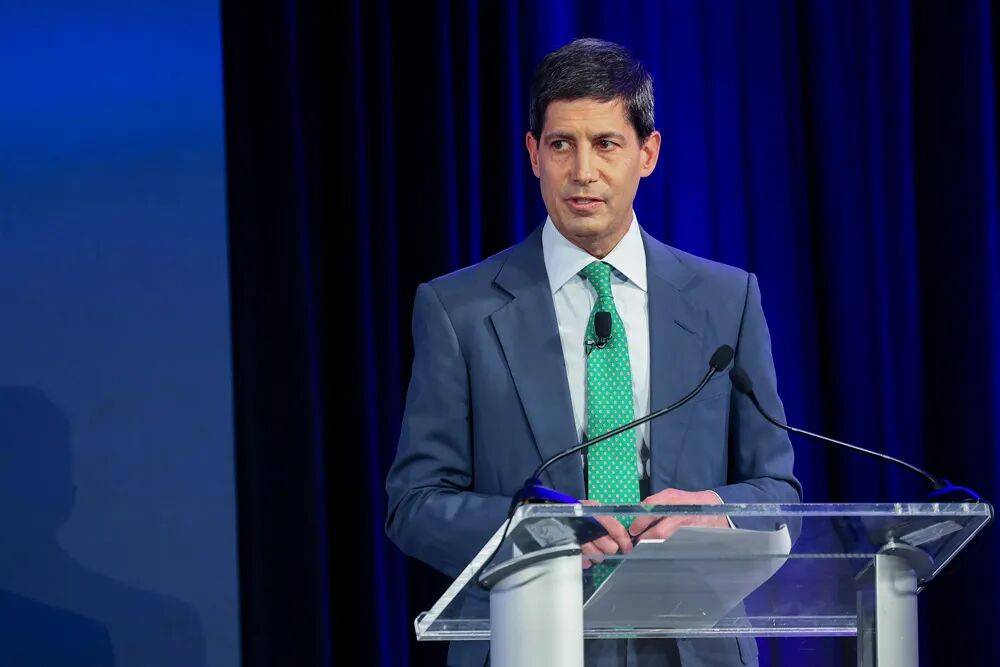
据新华社报道,美国总统特朗普30日提名美联储前理事凯文·沃什为下任美联储主席,这一提名还需获得参议院批准。 凯文·沃什何许人也? 公 开资料显示,沃什出生于1970年4月,在斯坦福大学获得文学学士学位,在哈佛法学院获得法学博士学位。他目前是斯坦·德鲁肯米勒家族办公 室Duquesne的合伙人、斯坦福大学访问学者。 当地时间2025年4月25日,美国华盛顿,凯文·沃什在国际货币基金组织总部参加国际货币基金组 织和世界银行春季会议。 沃什具备华尔街、白宫、美联储等跨界履职经历。1995年,沃什加入摩根士丹利纽约分公司并购部门。2002年2月, 沃什离开摩根士丹利,加入小布什政府,担任总统经济政策特别助理、白宫国家经济委员会执行秘书,就美国经济相关问题向总统和高级政府 官员提供建议。 2006年2月24日,沃什宣誓就任美国联邦储备系统理事会成员,曾是最年轻的美联储理事。在任期间,沃什担任联邦储备委员 会驻二十国集团(G20)代表,以及驻亚洲新兴经济体和发达经济体的特使。此外,沃什还履行行政理事的职责,管理和监督联邦储备委员会 的运作、人事和财务绩效。 值得一提的是,沃什担任美联储理事期间正值2008年金融危机,华尔 ...

“美联储传声筒”:特朗普既要又要,美联储主席人选已陷入“不可能三角”
Jin Shi Shu Ju· 2026-01-28 04:21
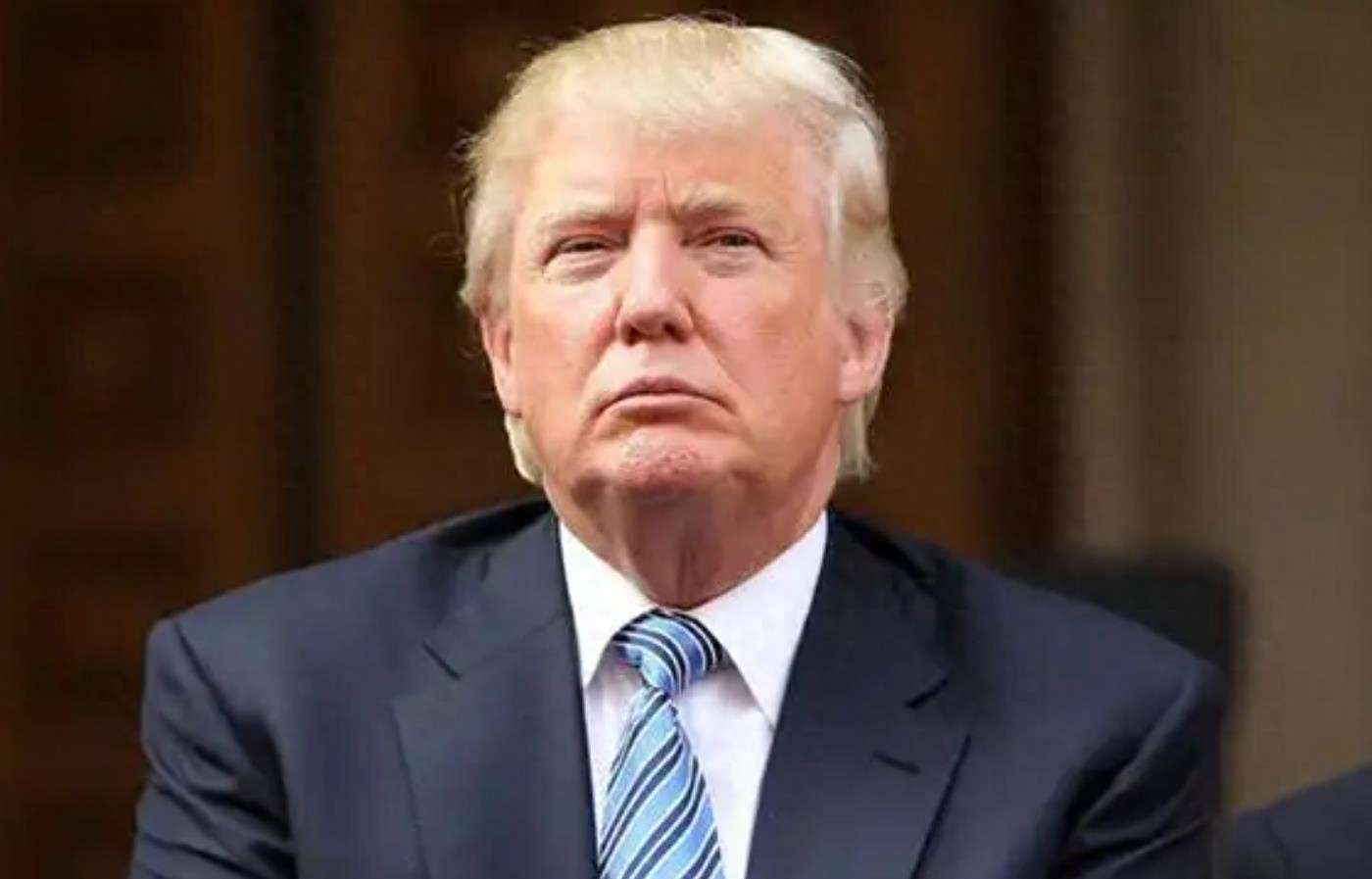
有"美联储传声筒"之称的华尔街日报记者Nick Timiraos指出,美国总统特朗普几个月来一直说他已经 想好谁来领导美联储了。但随着时间一周周过去却迟迟不官宣,一些接近选人过程的人士开始不确定, 这四位最终入围者是否真的完全符合他的要求。 困难在于,特朗普想要的东西:一位既能贯彻他大幅降息的要求,又能在华尔街和同事中拥有足够信誉 来落实这些政策的新主席可能根本不存在。 美国财长贝森特一直在负责这次遴选,在把自己排除在竞争之外后,他向特朗普提交了四位最终候选 人:前美联储理事沃什;特朗普于2020年任命的现任美联储理事沃勒;贝莱德的高管里德;以及白宫国 家经济委员会主任哈塞特。每一位候选人都代表了特朗普声称想要的两样东西之间的不同权衡。 上周,当特朗普在瑞士达沃斯世界经济论坛发表讲话时,这种矛盾显露无遗。"他们都备受尊敬。他们 都很棒……我觉得每个人都能做得非常出色,"他谈到这些入围者时说。 随后,他流露出了对人选的核心焦虑,即候选人在面试时"挑好听的说",一旦获得确认就强调自己的独 立性。"人们一旦得到这份工作就会变,这太神奇了,"特朗普说,"这太糟糕了,有点不忠诚,但他们 得做他们认为正确的事。" 在去年 ...
特朗普:美联储新主席定了,但我不想说
Shang Hai Zheng Quan Bao· 2026-01-09 00:50
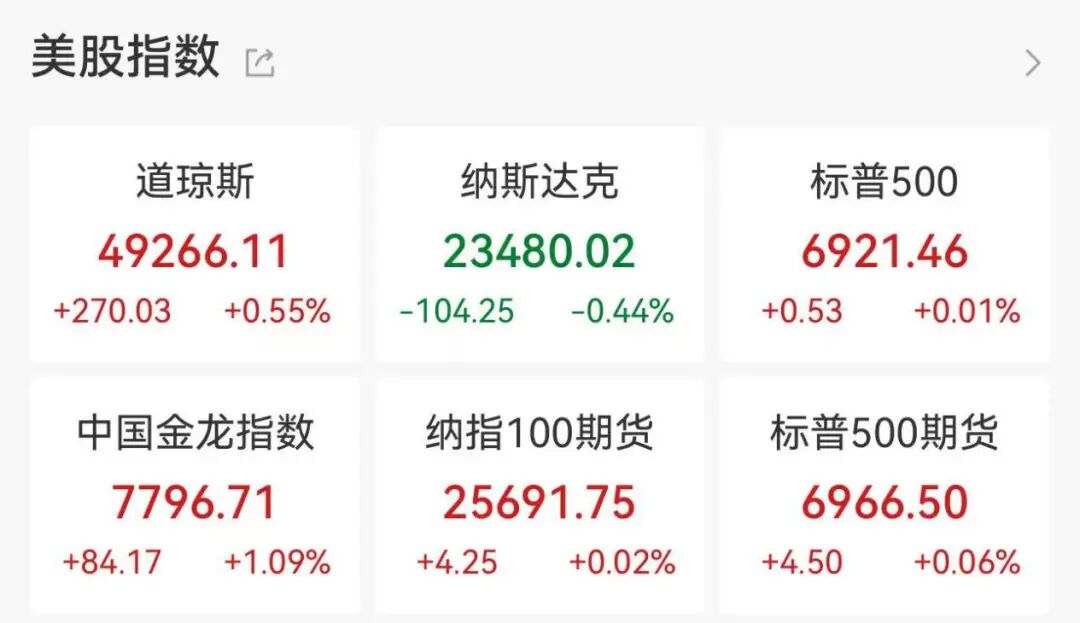
Market Performance - The three major U.S. stock indices closed mixed on January 8, with the Dow Jones Industrial Average rising by 270.03 points (0.55%) to 49,266.11, while the Nasdaq Composite fell by 104.25 points (0.44%) to 23,480.02, and the S&P 500 increased by 0.53 points (0.01%) to 6,921.46 [1][4]. Technology Sector - Most large-cap tech stocks declined, with Intel dropping over 3%, Nvidia down more than 2%, and Microsoft falling over 1%. However, Google, Amazon, and Tesla saw gains of over 1% [2][5]. Military Sector - The defense sector experienced significant gains, with Northrop Grumman rising by 2.39%, Lockheed Martin increasing by 4.34%, and General Dynamics up by 1.68% [6][3]. Military Budget Proposal - President Trump proposed increasing the U.S. military budget for the fiscal year 2027 from $1 trillion to $1.5 trillion, emphasizing the need for a stronger military during turbulent times [7][8]. Employment Data - Initial jobless claims in the U.S. saw a slight increase, indicating continued weakness in labor demand, with market attention focused on the upcoming December non-farm payroll report [5]. Gold and Oil Prices - WTI crude oil futures rose by $2.41 to $58.40 per barrel, marking a 4.30% increase. Gold prices also saw a rise, with spot gold surpassing $4,470 per ounce, reflecting its status as a preferred safe-haven asset amid geopolitical tensions [10].
特朗普欲复刻拜登式大水漫灌,美联储“点阵图”面临政治强拆!
Xin Lang Cai Jing· 2025-12-29 13:09
Core Viewpoint - Trump's recent economic proposals increasingly resemble those of Biden's administration, despite his previous criticisms of it [1][7] Group 1: Economic Context - The U.S. economy is experiencing a strong rebound from the pandemic, with a reported GDP growth rate of 4.3% year-on-year, marking the fastest growth in two years [1][7] - The current economic environment differs from Biden's early presidency, with affordability being a major issue and interest rates significantly higher [1][7] Group 2: Trump's Economic Proposals - Trump advocates for a new Federal Reserve chair to lower interest rates to maintain stock market and economic prosperity, even at the risk of stimulating inflation [2][8] - He claims that a strong stock market can boost economic growth by up to 20% annually, although historical data shows that the U.S. economy has never grown more than 9% in a single year [2][8] Group 3: Inflation Concerns - Trump's proposals, such as issuing $2,000 checks, could stimulate demand without increasing supply, potentially leading to inflation [4][9] - The Federal Reserve's reluctance to follow Trump's suggestions is primarily due to concerns about inflation, which is a symptom of an overheating economy [3][9] Group 4: Tariffs and Inflation - Trump's imposition of historic tariffs complicates the economic landscape, contributing to persistent high prices [6][11] - The consumer price index rose by 2.7% over the past 12 months, with tariffs cited as a key factor keeping inflation above the Fed's long-term target of 2% [11] Group 5: Future Outlook - There is a general expectation that the Federal Reserve will maintain interest rates until mid-2026 to support a struggling job market, despite the risk of inflation [11] - Trump acknowledges that low rates and stimulus measures could pose future problems, suggesting that the Fed could raise rates if inflation becomes a concern, but believes that now is not the time for such action [11]
特朗普发话了,美联储要换将,拜登带病扛大旗,不许中国引领世界
Sou Hu Cai Jing· 2025-12-20 04:36
Group 1 - The core intention behind Trump's eagerness to replace the Federal Reserve Chairman is to advocate for significant interest rate cuts to alleviate economic and debt pressures in the U.S. [3] - Trump aims to lower the federal funds rate to 1% to reduce government borrowing costs and stimulate consumption and investment, countering the negative impacts of his tariff policies [3][5] - The replacement of the Federal Reserve Chairman is also a political strategy for Trump to secure voter support in key electoral regions, particularly the Rust Belt, by shifting blame for any economic downturn onto the current Chairman, Powell [5] Group 2 - Trump's move to replace the Federal Reserve Chairman challenges the independence of the Fed, as he seeks to appoint someone aligned with his views to ensure monetary policy supports his administration's decisions [7] - By signaling a continuation of low interest rate policies, Trump aims to reassure markets and prepare them for future monetary policy adjustments, while simultaneously undermining Powell's authority [9] - Biden's emphasis on maintaining U.S. global leadership and his remarks about China serve as a counter to Trump's strategic retreat, highlighting the potential risks of allowing China to expand its influence [9]
特朗普年终讲话“晒KPI”,透露美联储主席人选、住房改革等信息
Xin Lang Cai Jing· 2025-12-18 07:41
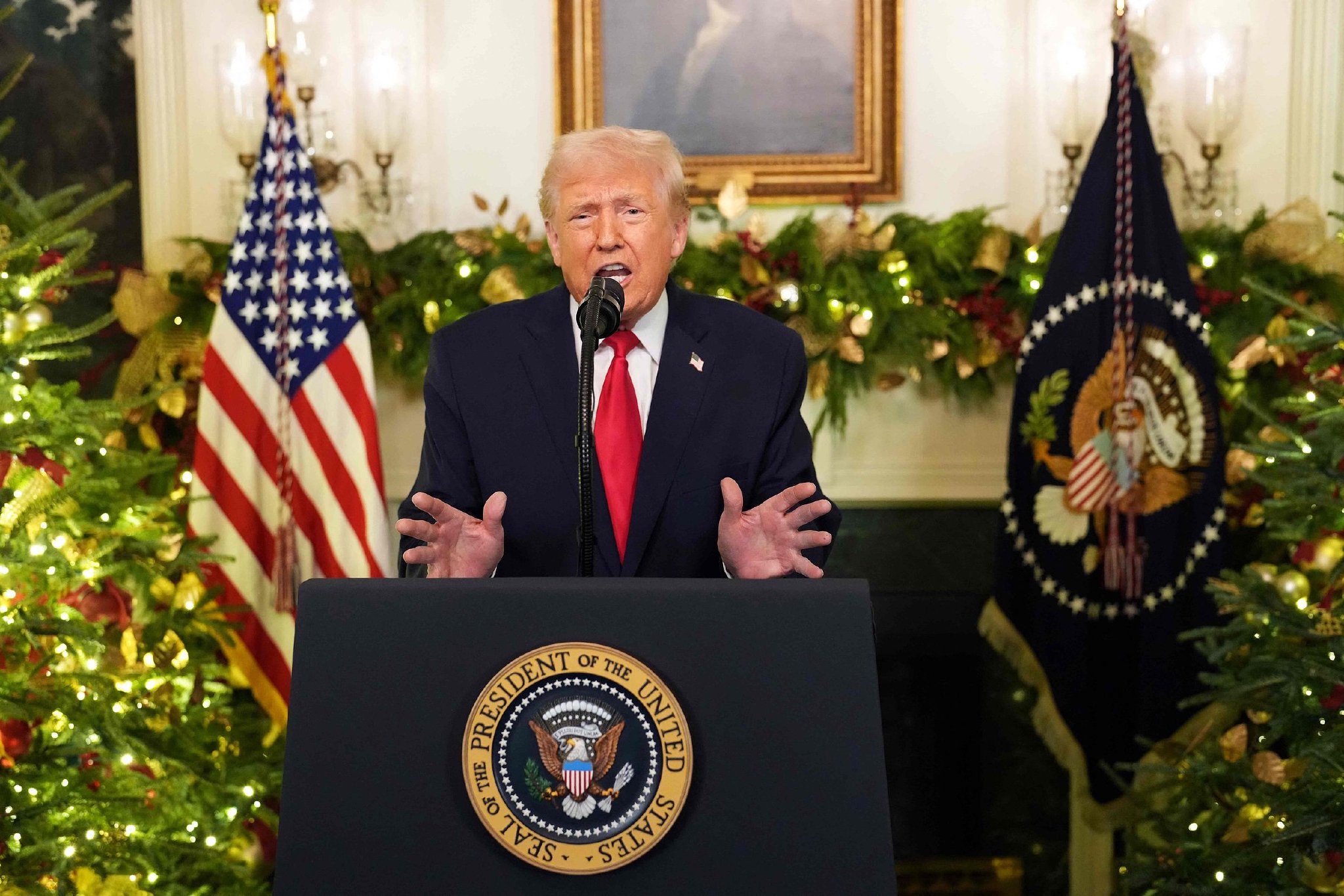
Group 1 - President Trump addressed the nation on December 17, highlighting achievements over the past 11 months and announcing measures to alleviate economic anxiety among the public [1][4] - Trump claimed to have reduced costs for various goods and services, including gasoline, eggs, airline tickets, and hotels, while also increasing wage growth and curbing immigration [1][4] - The announcement included the upcoming selection of a new Federal Reserve chair, with candidates likely being National Economic Council Director Hassett and former Fed Governor Warsh, both of whom have differing views on monetary policy [1][4] Group 2 - Trump revealed that the government sent checks of $1,776 to 1.45 million military personnel, a figure symbolizing the year of America's founding [6] - Recent polls indicate that public concern over economic issues is high, with only 33% of Americans approving of Trump's economic management and 39% approving of his overall job performance [6] - Treasury Secretary Mnuchin reiterated the vision of the "Trump Account" plan, aimed at increasing stock market participation among Americans, with a one-time deposit of $1,000 for newborns to invest in index funds [6]
特朗普:即将宣布美联储新主席人选
Sou Hu Cai Jing· 2025-12-18 03:25
Core Viewpoint - The current administration has successfully reduced prices and wages are rising faster than inflation [1] Group 1: Economic Measures - President Trump announced that measures to lower drug prices will take effect in January [1] - A "radical" housing reform plan is promised for the upcoming year [1] Group 2: Federal Reserve - The announcement of the new Federal Reserve chair, who supports maintaining low interest rates, is imminent [1]
开始安插自己人,特朗普欲宣布美联储新主席人选!加速美国衰落?
Sou Hu Cai Jing· 2025-12-04 03:56
Core Viewpoint - Trump regrets his decision to nominate Powell as the Federal Reserve Chairman and plans to announce a new candidate early next year, aiming to reshape market expectations and regain control over monetary policy [1][14]. Group 1: Potential Candidates - Market predictions suggest that Trump's preferred candidate for the Federal Reserve Chairman is Kevin Hassett, the current Director of the National Economic Council [3]. - Hassett's past criticism of Trump's tariff proposals and subsequent alignment with Trump's economic policies demonstrate his adaptability, which has earned him Trump's trust [3]. Group 2: Monetary Policy Implications - Trump's public criticism of Powell has intensified, labeling him as "Mr. Too Late" due to the Fed's cautious approach to interest rate cuts [5]. - Trump believes that lower interest rates are essential for reducing corporate financing costs, encouraging investment, and ultimately leading to economic recovery [5]. - Hassett is expected to align with Trump's low-interest rate policies, potentially accelerating the rate-cutting process [7]. Group 3: Risks of Accelerated Rate Cuts - The Federal Reserve's dual mandate of controlling inflation and promoting employment may be compromised if Hassett accelerates rate cuts, risking inflation and economic stability [8]. - A surge in money supply could lead to rising prices, increased corporate costs, and reduced consumer purchasing power, contradicting Trump's vision of economic revival [8]. Group 4: Independence of the Federal Reserve - Powell's strong stance against political pressure is crucial for maintaining the Fed's independence, which is fundamental to the stability of the U.S. financial system [10]. - If a politically aligned figure like Hassett takes over, it could undermine trust in the Fed's policies, leading to capital outflows and market volatility [10]. Group 5: Broader Economic Implications - Trump's intervention in Fed personnel reflects the broader power dynamics in U.S. political economy, where the balance between political influence and professional independence is critical [12]. - The choice of the next Fed Chairman will not only impact the U.S. economy but also reshape global perceptions of the Fed's independence and influence international capital flows [12][14].
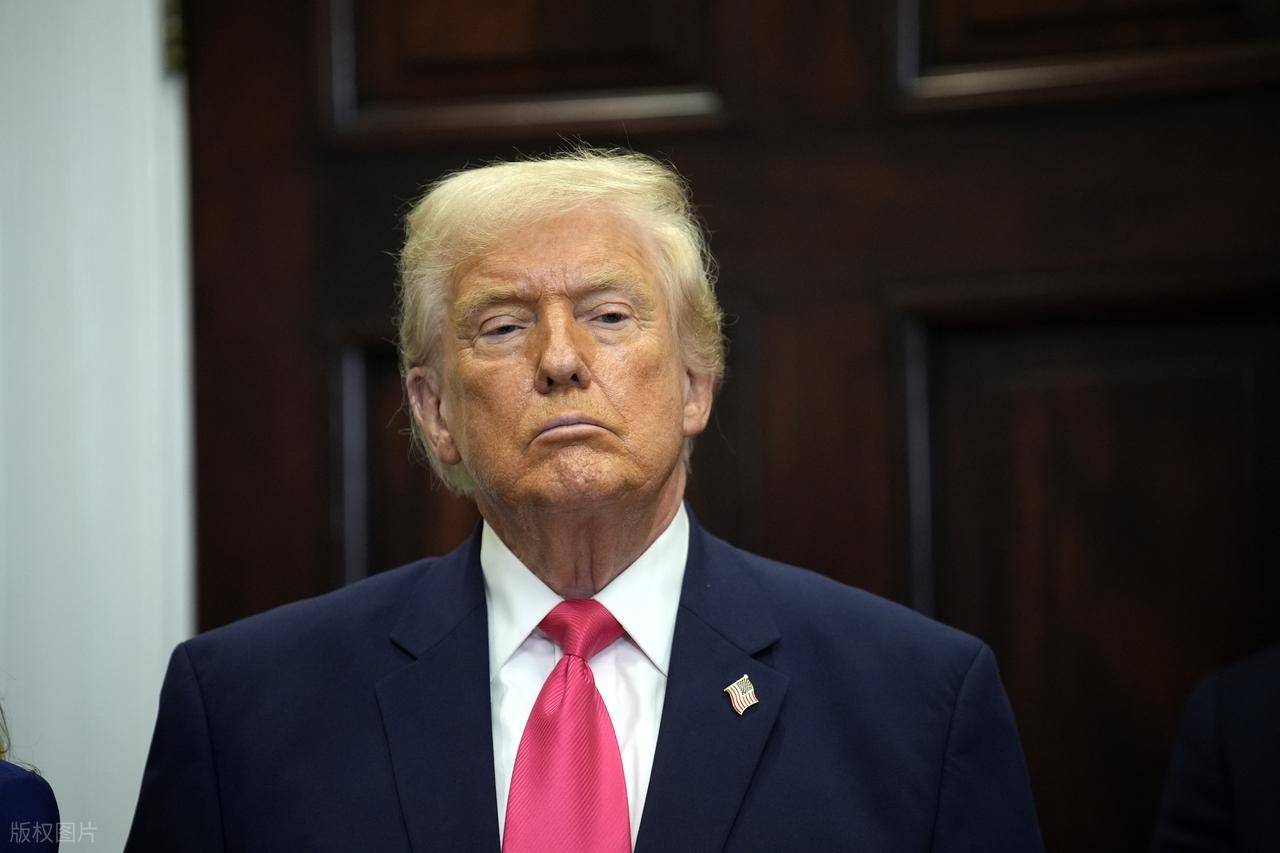
诡异的现象:特朗普反复强调降息,美联储新主席候选人却集体讨论“缩表”
Hua Er Jie Jian Wen· 2025-11-15 08:12
Core Viewpoint - The debate surrounding the future role of the Federal Reserve is intensifying as potential successors to Chairman Powell express concerns about the central bank's large balance sheet, which may contradict President Trump's desire for lower interest rates [1][2]. Group 1: Candidates' Perspectives - A consensus among candidates is forming around limiting the Federal Reserve's market interventions, with a general belief that the Fed's balance sheet, exceeding $6 trillion, is too large [2]. - Candidates like Kevin Warsh and Michelle Bowman advocate for a smaller balance sheet, contrasting sharply with Trump's push for lower borrowing costs [1][3]. Group 2: Trump's Contradictory Position - Trump's focus on lowering interest rates to alleviate federal debt and stimulate mortgage lending conflicts with candidates' emphasis on reducing the Fed's market influence [3]. - An example of this contradiction occurred in December 2018 when Trump urged the Fed to halt its $50 billion monthly balance sheet reduction, fearing it would drain liquidity from critical financing markets [3]. Group 3: Policy Logic Behind Balance Sheet Reduction - Candidates' calls for reducing the balance sheet stem from long-standing Republican concerns about quantitative easing (QE) [4]. - Kevin Warsh argues that reducing the balance sheet could create room for lowering short-term rates without triggering inflation, a view not universally accepted [4]. - Michelle Bowman believes a smaller balance sheet would provide more flexibility to respond to future economic shocks [4]. - Treasury Secretary Bessent, involved in the selection process, emphasizes the need to reduce the Fed's distorting market influence, although he advocates for cautious future asset purchases rather than immediate contraction [4]. Group 4: Market Outlook and Decision-Making - Regardless of the debate's outcome, the short-term market trajectory appears set, with the Fed planning to halt balance sheet reduction by December 1 to prevent liquidity issues [6]. - Stephen Miran, a current Fed governor, supports this decision and indicates that the Fed may still consider using QE when faced with significant risks to employment and price stability [6]. - The next Fed chair, appointed after Powell's term ends in May, may have to utilize all available policy tools in the event of an economic downturn, adding uncertainty to the market [6].
报道:日本政府将敦促央行维持低利率,以进一步刺激经济
Hua Er Jie Jian Wen· 2025-11-10 02:17
Core Points - The Japanese government is preparing to emphasize the central bank's focus on achieving strong economic growth and price stability in its economic stimulus plan, highlighting Prime Minister Sanna Takashi's intention to maintain low interest rates to support the fragile economic recovery [1] - The draft framework of the stimulus plan indicates a focus on alleviating the impact of rising living costs on households, investing in crisis management and growth areas, and enhancing defense capabilities [1] - The draft emphasizes the importance of monetary policy aimed at achieving strong economic growth and price stability, with a commitment to closely coordinate with the Bank of Japan to avoid a return to deflation and ensure sustained economic growth based on price stability [1] - The Nikkei reported that the stimulus plan will include tax reduction measures aimed at stimulating investment in 17 key industries [1] Summary of the Stimulus Plan - The stimulus plan is expected to be finalized on November 21, marking the first significant economic initiative since Prime Minister Takashi took office last month [2] - The finalization of the stimulus plan will signify the formal establishment of the Takashi government's policy direction, providing important insights into Japan's economic policy trajectory [2]