公众参与

Search documents
深圳“卷尺哥”,写入深圳市政府工作报告
Xin Lang Cai Jing· 2026-02-09 05:10
Core Viewpoint - The article highlights the emergence of "卷尺哥" (Measuring Tape Brother) as a symbol of citizen engagement in urban governance in Shenzhen, showcasing how ordinary citizens can actively participate in improving public services and infrastructure [1][19]. Group 1: Citizen Engagement - "卷尺哥" is a citizen who has gained recognition for identifying issues in public facilities and reporting them, leading to rapid government responses [3][5]. - His activities have resulted in an average resolution time of municipal issues within three days, with some being addressed on the same day [12][20]. - The phenomenon of "卷尺哥" has inspired similar figures in other cities, indicating a growing trend of citizen involvement in urban governance across China [21]. Group 2: Government Response - The Shenzhen government has implemented a "未诉先办" (proactive handling of issues) mechanism, which has led to the collection of 17,000 citizen feedback cases and the establishment of over 5,000 closed-loop work orders [14][20]. - The government aims to enhance the functionality of the public opinion platform and ensure that 100% of administrative services require only one visit by 2025 [20]. - The rapid response to citizen reports is part of a broader strategy to improve urban management and ensure that citizens feel seen and valued in the governance process [22]. Group 3: Media Coverage and Public Perception - The story of "卷尺哥" has garnered significant media attention, with reports highlighting the importance of public participation in urban governance [8][12]. - The recognition of ordinary citizens in government reports signifies a shift towards a more people-centered approach in urban management, fostering a sense of community and shared responsibility [19][22]. - The widespread acknowledgment of citizen contributions reflects a growing trend where ordinary individuals are seen as integral to the narrative of urban development [22].


崔曙平委员:深化系统性改革,推动南京城市更新 能级跃升
Yang Zi Wan Bao Wang· 2026-01-21 13:44
Core Insights - Nanjing's municipal government emphasizes urban renewal as a key driver for high-quality development, leading to significant achievements and innovative paths unique to the city [1] - Challenges remain in urban renewal efforts, including insufficient systematization and coordination, leading to fragmented projects and a lack of effective integration [1] - Recommendations include enhancing planning and design, innovating policies and regulations, diversifying funding sources, applying new technologies, and fostering public participation [2][3] Group 1: Urban Renewal Strategies - Urban renewal is seen as essential for adapting to changes and promoting high-quality urban development, with a call for learning from advanced domestic and international experiences [1] - A "city update health assessment" system is proposed to create a comprehensive "asset map" for informed decision-making [2] - The establishment of "update units" for better spatial organization and integration of related areas is recommended to maximize land value and public benefits [1] Group 2: Policy and Regulatory Innovations - The exploration of "mixed-use land" and "floor area ratio incentives" aims to stimulate market vitality while balancing public interests [2] - Suggestions include streamlining approval processes and enhancing the business environment to improve service efficiency [2] - Addressing property rights issues is crucial for ensuring fair and transparent urban renewal pathways [2] Group 3: Financial and Commercial Models - A diversified financing system is proposed, including the establishment of a "Nanjing Urban Renewal Development Fund" to attract social capital with tax incentives [2] - The promotion of an "operational pre-positioning" business model is suggested to ensure long-term project viability and brand value [2] - A "cross-project balance" mechanism is recommended to maximize overall benefits by bundling public and commercial projects [2] Group 4: Technological and Community Engagement - The application of "digital twin" technology is encouraged to enhance the entire urban renewal cycle and support smart community development [2] - A comprehensive public participation mechanism is proposed to empower residents in decision-making regarding community updates [3] - Strengthening grassroots organizations and governance capabilities is essential for effective community-led renewal efforts [3]
专家回应奶茶等于准毒品谣言
Xin Lang Cai Jing· 2026-01-10 12:18
Core Viewpoint - The recent rumors linking certain milk tea brands to drugs have been debunked, emphasizing the importance of distinguishing between legitimate food products and illicit substances [1] Group 1: Rumor Response - The Shanghai Anti-Drug Committee clarified that claims associating milk tea with drugs are unfounded, highlighting the natural presence of caffeine in tea and coffee [1] - Caffeine consumption is regulated under current food safety standards, with safe daily limits set at 400 milligrams for healthy adults and 175 milligrams for minors [1] - The caffeine content in a typical 470ml cup of tea ranges from 90 to 160 milligrams, which is within the safe consumption range [1] Group 2: Public Awareness and Education - The spread of the rumor and its subsequent refutation illustrate the effective interaction between public participation and authoritative responses in drug prevention education [1] - The heightened sensitivity of the public to drug-related topics indicates a successful penetration of anti-drug messaging in society [1] - Experts warn against the dangers of conflating natural caffeine with strictly regulated narcotics, stressing the need for ongoing vigilance against misinformation [1] Group 3: Consumer Guidance - Consumers are advised to purchase beverages from reputable sources and remain cautious of products with unclear labeling, as these may be used to disguise illicit substances [1] - The anti-drug department reiterated the fundamental differences between caffeine and drugs, while also encouraging the public to maintain a healthy diet and be wary of misleading claims [1]
全国首例!深港协同治理大鹏湾入选“美丽海湾优秀案例”
Nan Fang Du Shi Bao· 2026-01-07 15:34
Core Viewpoint - The successful inclusion of Dapeng Bay—Hong Kong section in the fourth batch of "Beautiful Bay Excellent Cases" signifies the establishment of China's first high-quality "Beautiful Bay" through cross-border collaborative governance [1] Group 1: Mechanism Collaboration - The key to cross-border bay governance lies in collaboration, breaking down administrative barriers to create a multi-layered cooperation network [2] - The signing of the "Comprehensive Deepening of Ecological and Environmental Protection Cooperation Agreement" in 2024 will institutionalize and deepen cooperation between Shenzhen and Hong Kong [2] - Joint initiatives include the establishment of volunteer teams for coastal clean-up and the creation of an ecological protection public welfare fund to engage social forces in coastal protection [2] Group 2: Precision Pollution Control - A comprehensive "land-sea-air" integrated precision prevention and control system has been established to address challenges like land-based pollution and marine debris [3][4] - Data sharing mechanisms have been implemented to enhance water quality monitoring and improve sewage treatment capacity, effectively reducing nitrogen and phosphorus levels entering the bay [3] - New technologies such as drones and AI video recognition are utilized for intelligent monitoring and rapid response to environmental incidents [4] Group 3: Ecological Restoration - Systematic ecological restoration efforts are underway, focusing on both coastal and underwater ecosystems to revive natural vitality [5][6] - Initiatives include the establishment of protected areas, management of coral reefs, and the introduction of artificial reefs to enhance marine biodiversity [6] - Joint efforts in habitat surveys and restoration projects aim to strengthen coastal ecosystems and provide critical habitats for migratory birds [6] Group 4: Shared Benefits - The development of high-quality coastal spaces aims to translate ecological value into tangible benefits for the public [7] - Initiatives include the construction of ecological trails and the promotion of cross-border eco-tourism routes, enhancing public access to natural beauty [7] - The Dapeng Bay area has received over 10 million visitors, showcasing the success of these initiatives in promoting ecological tourism [7] Group 5: Public Participation - Public engagement is crucial for the long-term protection of the bay, with innovative participation models fostering a strong collective effort [8] - Educational programs and volunteer activities have attracted over 3 million participants, significantly raising awareness of marine conservation [8] - Collaborative volunteer clean-up events are planned for 2025, aiming to involve over 5,000 volunteers across the Guangdong-Hong Kong-Macao region [8] Group 6: Future Outlook - The successful practice of Dapeng Bay's "Beautiful Bay" construction serves as a model for further cooperation and experience accumulation for future projects [9] - Continued efforts will focus on enhancing cross-border marine environmental governance and contributing to the ecological development of the Greater Bay Area [9]
深港共治结硕果,大鹏湾全域获评“美丽海湾优秀案例”——首个跨境协同治理的高品质美丽海湾典范建成
Zhong Guo Huan Jing Bao· 2026-01-07 00:42
Core Viewpoint - The Dapeng Bay, spanning both Shenzhen and Hong Kong, has been recognized as a model for cross-border environmental governance, marking the establishment of China's first high-quality "Beautiful Bay" through collaborative efforts between the two regions [2][12]. Group 1: Mechanism Coordination - The key to cross-border bay governance lies in collaboration, with Shenzhen and Hong Kong breaking down administrative barriers to create a multi-layered cooperation network [3]. - Since 2006, both regions have focused on marine environmental protection in Dapeng Bay through various cooperative platforms, leading to the signing of the "Comprehensive Deepening of Ecological and Environmental Protection Cooperation Agreement" in 2024 [3]. - Joint initiatives include the establishment of volunteer groups for coastal clean-up and the creation of an ecological protection public welfare fund, promoting a new ecological governance model [3]. Group 2: Precision Pollution Control - Shenzhen and Hong Kong have developed an integrated pollution control system to address land-based pollution and marine debris, enhancing water quality monitoring and wastewater treatment [6][7]. - A data-sharing mechanism has been established to regularly exchange water quality data, improving the efficiency of pollution control measures [6]. - Advanced technologies such as drones and AI are utilized for real-time monitoring and response to environmental incidents, ensuring effective cross-border pollution management [7]. Group 3: Ecological Restoration - Both regions are committed to ecological restoration, implementing various protective measures for marine ecosystems, including coral reefs and mangroves [8][9]. - Hong Kong has established coastal parks and regulations to protect marine biodiversity, while Shenzhen focuses on enhancing coastal wetlands [8]. - Joint efforts include the deployment of artificial reefs and the promotion of marine species conservation, contributing to the overall health of marine ecosystems [9]. Group 4: Shared Benefits - The development of high-quality coastal spaces aims to translate ecological value into tangible benefits for the public, enhancing access to natural environments [10]. - Cross-border eco-tourism initiatives connect natural resources from both regions, providing unique experiences for visitors and promoting cultural heritage [10]. - Dapeng Bay has seen over 10 million visitors, reflecting the success of these initiatives in fostering public engagement with the environment [10]. Group 5: Public Participation - Public involvement is crucial for the long-term health of the bay, with initiatives designed to instill ecological awareness among citizens [11]. - Educational programs and volunteer opportunities have engaged over 3 million participants in marine conservation activities [11]. - Collaborative volunteer clean-up events are planned for 2025, aiming to attract over 5,000 volunteers, reinforcing the community's role in environmental stewardship [11].

五千元奖励“意外”不意外
Xin Lang Cai Jing· 2025-12-19 07:27
Core Viewpoint - The revised "Shanghai Water and Marine Serious Violation Reporting Reward Measures" links rewards directly to the amount of fines, encouraging public participation in urban governance and transforming citizen oversight from a moral obligation to a right [1] Group 1: Reward Mechanism - The new reward system offers a maximum of 10,000 yuan for reporting violations, with a minimum reward set at 200 yuan, creating a transparent incentive structure [1] - This "responsibility pricing" approach aims to motivate citizens to become active participants rather than passive observers in urban governance [1] Group 2: Citizen Engagement - The interaction between citizens and management departments is evolving, exemplified by the case of "Measuring Brother" in Shenzhen, who actively identifies issues with public facilities [1] - The proactive response from authorities to address reported issues demonstrates a shift from being passive "complaint receivers" to active "empowerers" in urban management [1] Group 3: Social Supervision - Encouraging public participation through improved reward mechanisms helps to strengthen the social supervision network, contributing to a more secure urban environment [1]
建立长效治理机制,让溶洞不再沦为“垃圾洞”
Zhong Guo Huan Jing Bao· 2025-12-10 01:51
Core Viewpoint - The repeated pollution incidents in natural caves highlight the limitations of passive and emergency responses, emphasizing the need for a long-term governance mechanism that balances protection and utilization of these ecological treasures [5] Group 1: Current Issues - Recent exposure of significant garbage accumulation in natural caves in Yunnan and Guizhou has raised public concern, revealing the inadequacies of the current "exposure-cleanup" reactive approach [1] - Long-term neglect and lack of effective governance have led to the continuous accumulation of pollution in caves, damaging their ecological integrity and undermining local public interests and sustainable development [1] Group 2: Legal and Regulatory Framework - Establishing a long-term governance mechanism requires advancing relevant laws from "principles" to "details," ensuring regular and precise implementation [2] - Existing laws provide a foundational legal framework for cave protection, but there are significant shortcomings in execution, such as vague definitions and lack of unified standards for cave classification [2] Group 3: Enforcement and Accountability - Legal accountability for pollution is crucial for effective long-term governance, with civil, administrative, and criminal liabilities outlined in various laws [3] - The focus should shift from reactive cleanup to proactive prevention, establishing a comprehensive protective system that includes source control, regular monitoring, and public participation [3] Group 4: Monitoring and Public Engagement - Regular monitoring is essential for early detection of hazards, with the integration of technology such as drones and remote sensing to enhance monitoring capabilities [4] - Public participation is vital for fostering a collective effort in protection, with the need for improved reporting channels and educational initiatives to engage local communities [4] Group 5: Sustainable Development - Protection does not equate to absolute closure; there is potential for developing educational and eco-tourism initiatives that can enhance public awareness and generate economic value for local communities [4] - A well-structured governance system that combines legal frameworks, technological support, and community involvement is necessary to transform caves from "garbage pits" into sustainable ecological assets [5]
坚持“环保为民”,“十五五”还要加把劲!
Zhong Guo Huan Jing Bao· 2025-11-13 23:21
Core Viewpoint - The article emphasizes the importance of "environmental protection for the people" as a guiding principle for ecological conservation efforts in China, highlighting the need for tangible improvements in environmental quality that directly benefit citizens [1][5]. Group 1: Achievements in Environmental Protection - The "14th Five-Year Plan" has led to significant improvements in ecological quality, with various regions implementing targeted pollution control measures [2]. - Cities like Shenyang have achieved historical lows in pollution levels during heating seasons, while Hebei has developed specific recovery plans for its rivers [2]. - Public satisfaction with ecological conditions has remained above 90% for four consecutive years, indicating a strong positive response to environmental initiatives [3]. Group 2: Future Directions for Environmental Policy - The upcoming "15th Five-Year Plan" aims to deepen the implementation of "environmental protection for the people," ensuring that ecological improvements are systematic and comprehensive [3][4]. - There is a focus on utilizing advanced technologies such as big data and IoT for precise pollution management, targeting specific areas of concern [3]. - The plan includes exploring economic benefits for communities involved in environmental protection, such as through ecological compensation and carbon trading [4]. Group 3: Community Involvement and Public Participation - The article stresses the need for broader public participation in ecological initiatives, encouraging community involvement in planning, implementation, and evaluation processes [4]. - Establishing effective channels for public feedback and participation is crucial for fostering a collective effort in building a sustainable environment [4]. Group 4: Challenges Ahead - As expectations for environmental quality rise, the article notes that the tolerance for ecological issues is decreasing, indicating ongoing challenges in meeting public demands [5]. - The commitment to a people-centered approach in environmental policy is essential for addressing pressing ecological problems and enhancing the quality of life for citizens [5].
从反复投诉到送上锦旗,河南内黄化解环境信访难题的做法值得借鉴
Zhong Guo Huan Jing Bao· 2025-09-05 03:20
Group 1 - The article highlights the successful resolution of a complex environmental complaint case by the Environmental Protection Bureau of Anyang City, which reflects the public's expectation for a robust environmental complaint mechanism [1] - The bureau utilized various methods such as day-and-night inspections, surprise checks, and drone tracing to confirm the absence of illegal wastewater discharge, demonstrating a proactive approach to environmental governance [1][2] - The case emphasizes the importance of public participation in the verification process, as the bureau allowed the complainant to witness the excavation of disputed pipelines, thereby enhancing transparency and trust [1][3] Group 2 - The article identifies several challenges faced by local authorities in handling environmental complaints, including insufficient technical means, lack of transparency in the investigation process, and inadequate recognition of external supervision [2] - It suggests that many local units tend to focus solely on surface-level environmental issues without addressing deeper conflicts such as neighborhood disputes or economic interests, which can lead to recurring complaints [2][4] - The article advocates for the integration of modern technology in complaint investigations, such as drone surveillance and online monitoring, to establish a solid factual basis for resolving issues [3][4] Group 3 - The article calls for a people-centered approach in enhancing the effectiveness of environmental complaint handling, emphasizing the need for public engagement and transparent communication [3] - It proposes the establishment of a "deep investigation" mechanism to understand the underlying social and economic factors contributing to environmental complaints, promoting collaboration among various local organizations [4] - The article stresses the importance of embracing external supervision as a means to improve regulatory compliance and internal processes within environmental governance [3]
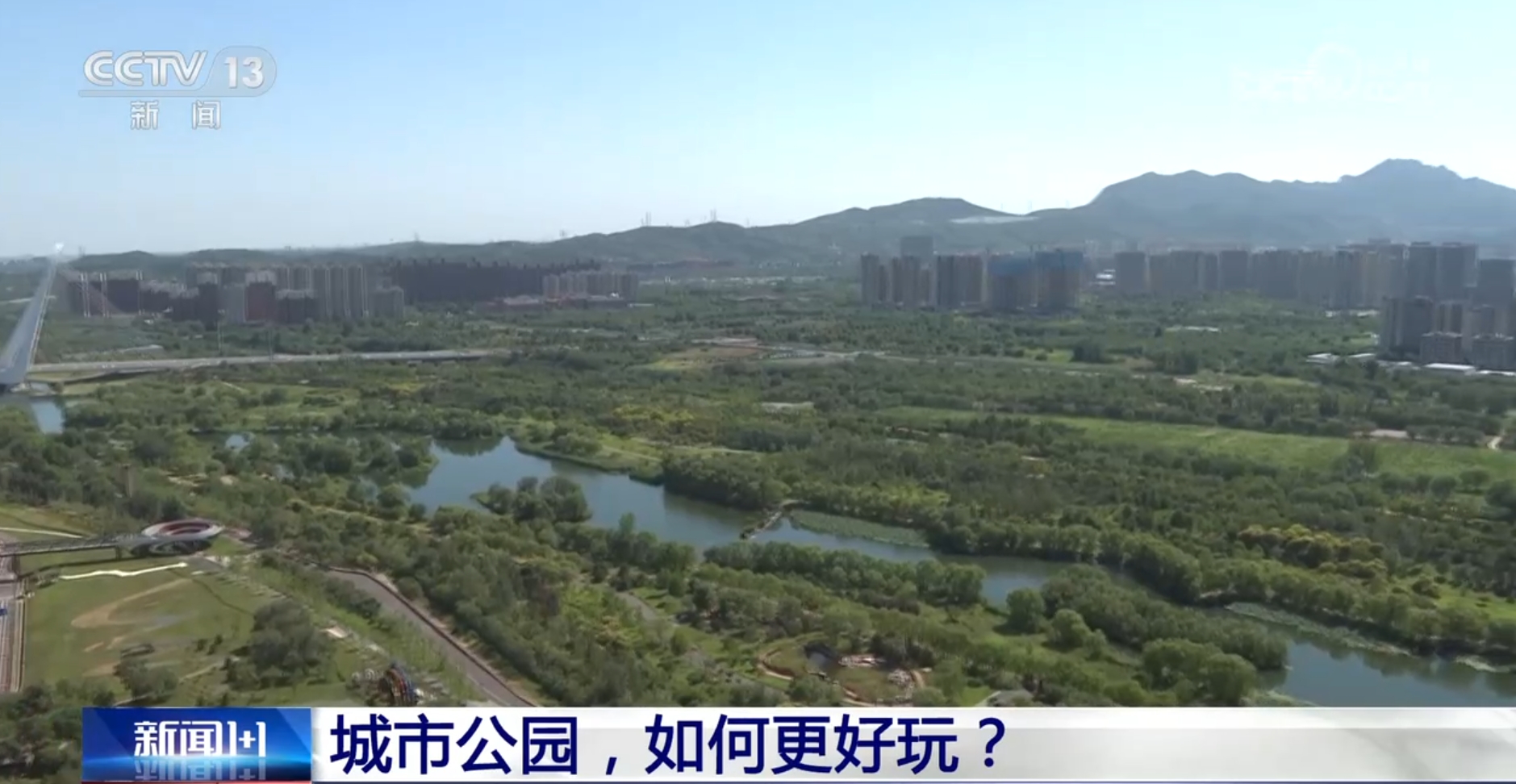
新闻1+1丨城市公园,如何更好玩?
Yang Shi Wang· 2025-08-28 22:28
Core Viewpoint - The recent draft of the "Beijing Park Regulations (Revised Draft for Public Consultation)" aims to address both new and old issues faced by citizens in urban parks, reflecting a shift towards integrating public needs into park development [1][3]. Group 1: Key Concepts from the Draft - The draft highlights five key concepts: - Garden City: Beijing has completed a special plan for a garden city, and the park regulations are based on this framework [3]. - City-Park Integration: Emphasizes the need for parks to be more open and integrated with urban life, allowing diverse public access [3]. - Age-Friendly: Parks should cater to all age groups, ensuring inclusivity for children, youth, adults, and the elderly [3]. - Public Participation: Park management should involve the entire community, making it a collective responsibility [3]. - Keeping Up with the Times: Parks must evolve with societal changes and public demands to remain relevant and beneficial [3]. Group 2: Urban Park Regulation Trends - Many cities are revising park-related regulations simultaneously, indicating a broader consensus driven by urban renewal needs [4][6]. - Urban renewal is a national strategy, and the development of parks is a crucial part of this initiative, reflecting a shift towards more refined governance focused on public welfare [6]. Group 3: Marketization in Park Management - Introducing market-oriented factors into park management could enhance their functionality and sustainability [7][9]. - The focus should shift from mere management to governance and operation, allowing parks to generate their own resources for maintenance and development [9].