关键矿产供应链

Search documents
清单品种扩容与国际合作加速——美国关键矿产发展跟踪
Zhong Guo Neng Yuan Wang· 2026-02-27 01:54
五矿证券近日发布有色金属报告正文:关键矿产清单"扩容"与重心下沉,关键矿产重视程度再抬升。 2025年11月,美国地质调查局将关键矿产清单从50种扩充至60种,铜、硅、冶金煤、银等基础大宗商品 首次入选。2025版关键矿产清单元素扩容,标志着博弈已从尖端技术相关品种延伸至基础原材料。 以下为研究报告摘要: 事件描述 2026年1月14日,特朗普签署《调整加工关键矿物及其衍生产品进口的公告》,报告强调美国尚未建立 起足够安全、可靠的关键矿产加工产品供应链,对此美国计划与贸易伙伴国推进达成协议快速保障美国 关键矿物的充足供应,否则将面临新的贸易壁垒,包括高关税和配额限制。期限设定为180天,从公告 发布日起计算,到2026年7月13日结束,该事件标志着美国进一步加速建设与完善关键矿产供应链。 事件点评 关键矿产清单"扩容"与重心下沉,关键矿产重视程度再抬升。2025年11月,美国地质调查局将关键矿产 清单从50种扩充至60种,铜、硅、冶金煤、银等基础大宗商品首次入选。2025版关键矿产清单元素扩 容,标志着博弈已从尖端技术相关品种延伸至基础原材料。 回顾:从投资品种与支持方式两个角度看美国关键矿产核心元素。美国政 ...
美国关键矿产发展跟踪:清单品种扩容与国际合作加速
Minmetals Securities· 2026-02-25 07:26
关键矿产清单"扩容"与重心下沉,关键矿产重视程度再抬升。2025 年 11 月,美国地质调查局将关键矿产清单从 50 种扩充至 60 种,铜、硅、冶金煤、 银等基础大宗商品首次入选。2025 版关键矿产清单元素扩容,标志着博弈已 从尖端技术相关品种延伸至基础原材料。 /证券研究报告 | 行业点评 清单品种扩容与国际合作加速——美 国关键矿产发展跟踪 事件描述 2026 年 1 月 14 日,特朗普签署《调整加工关键矿物及其衍生产品进口的公 告》,报告强调美国尚未建立起足够安全、可靠的关键矿产加工产品供应链, 对此美国计划与贸易伙伴国推进达成协议快速保障美国关键矿物的充足供 应,否则将面临新的贸易壁垒,包括高关税和配额限制。期限设定为 180 天, 从公告发布日起计算,到 2026 年 7 月 13 日结束,该事件标志着美国进一步 加速建设与完善关键矿产供应链。 事件点评 回顾:从投资品种与支持方式两个角度看美国关键矿产核心元素。美国政府 以战争部为牵头,进出口银行和产业资本为支撑,建设多层级的战略金属投 资、扶持体系:1)从投资金额看稀土、锂、锑、钪和钴已成为美国目前的扶 持重点;2)而从扶持手段与工具来看, ...
美国急了!特朗普威胁55国:半年内不签协议就加税,目标直指中国命脉,但一张底牌暴露美方软肋
Sou Hu Cai Jing· 2026-02-20 13:39
Group 1 - The core message of the news is that the U.S. government, under President Trump, has issued an ultimatum to countries and companies supplying critical minerals, particularly targeting China, to renegotiate supply chain agreements within 180 days or face tariffs [2][4]. - The U.S. is heavily reliant on China for rare earth elements, with 70% of its rare earth compounds and metals imported from China, which controls over 90% of global refining capacity [2][4][17]. - The U.S. Geological Survey indicates that the U.S. is 100% dependent on imports for 12 critical minerals and over 50% dependent for 29 others, highlighting a significant national security threat [4][6]. Group 2 - To address this dependency, the Trump administration has initiated substantial funding for U.S. rare earth companies, including nearly $1.6 billion to enhance domestic production and supply chain capabilities [8]. - A strategic reserve project named the "Treasury Plan" has been launched with an initial funding of $12 billion to procure and store critical minerals for U.S. manufacturers [8]. - The U.S. is also attempting to form alliances with G7 countries and others to establish a price floor for rare earth minerals, aiming to create barriers for Chinese exports [8][10]. Group 3 - Despite efforts to build alliances, many European representatives have shown reluctance to sign agreements with the U.S., citing concerns over unequal terms [12][13]. - South Korea has announced plans to establish communication with China regarding critical mineral supply chains, indicating a potential shift in alliances [13]. - Japan has reported a significant discovery of rare earths but faces challenges in commercial viability due to high extraction costs compared to Chinese prices [15]. Group 4 - China maintains a strong competitive advantage in the rare earth sector, controlling about 40% of global resources and nearly 70% of production, along with a complete supply chain from refining to high-end processing [17]. - The U.S. defense and high-tech industries are critically dependent on Chinese rare earth supplies, with potential risks to production if supply is disrupted [18]. - U.S. officials have acknowledged the impracticality of completely decoupling from China in critical resource sectors, emphasizing the importance of dialogue [18].

美下定决心组建稀土联盟,55国代表欣然参会,首个帮中国说话的国家出现
Sou Hu Cai Jing· 2026-02-15 15:30
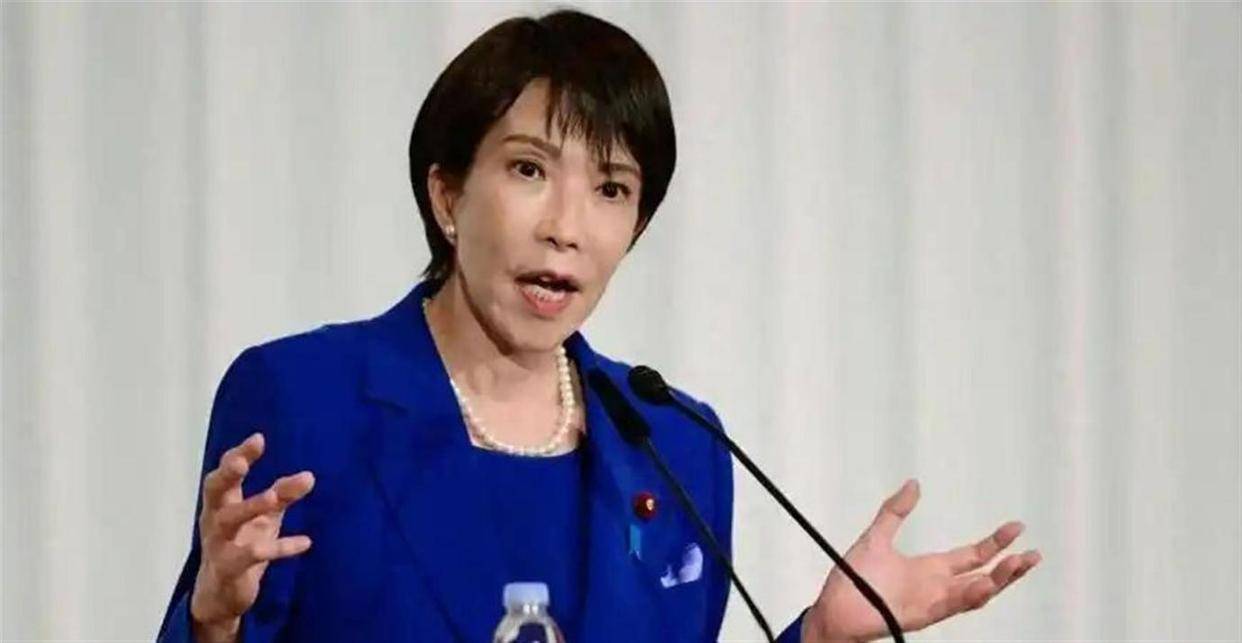
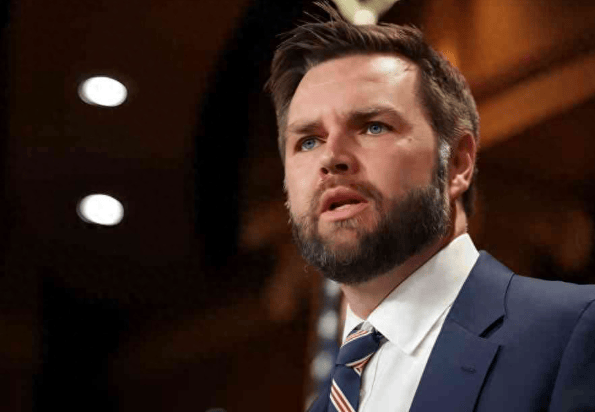
为了让这场"霸权闹剧"看起来更有说服力,美方还同步抛出了一系列配套措施,启动所谓的"金库计 划",由美国进出口银行拿出100亿美元贷款,再引入近20亿美元私人资本,专门用于关键矿产的储备与 开采,五角大楼自身也有独立的矿产储备,一套组合拳打下来,仿佛真能在短期内改写全球关键矿产的 格局。更霸道的是,美方还设下了180天的谈判死线,要求全球供应商必须在今年7月13日前与美国达成 关键矿产协议,否则就要面临高关税、配额限制等贸易壁垒,这份居高临下的要挟,完全没把盟友的主 权放在眼里。 当地时间2月4日,美国华盛顿迎来一场声势浩大的国际会议,副总统万斯亲自坐镇主持,国务卿鲁比奥 全程站台发言,这场被美方定义为"重塑全球供应链安全"的关键矿产部长级会议,一口气召集了55个国 家的代表参会,韩国、印度、日本、德国、澳大利亚等美国传统盟友悉数到场,场面看似热闹非凡,实 则各怀心思。 编辑 美方在会上毫不掩饰自己的野心,高调宣布要牵头建立关键矿产"优惠贸易区",核心就是给关键矿产设 定生产各阶段的参考价格作为价格下限,再搭配可调节关税,美其名曰"维护定价完整性",说白了就是 想联手盟友夺取关键矿产的定价权,把中国排除在供应 ...
重塑能源股价上涨2.52%,新能源行业并购整合趋势明显
Jing Ji Guan Cha Wang· 2026-02-13 10:29
Group 1 - The stock price of Reshaping Energy (02570.HK) is currently at 52.85 HKD, reflecting a 2.52% increase from the previous closing price of 51.55 HKD, with a trading volume of approximately 49.81 million HKD [1][2] - Year-to-date, the stock has experienced a decline of 18.44%, and the company's price-to-earnings ratio (TTM) is negative at -7.44, with a market capitalization of approximately 4.926 billion HKD [1][2] - The stock has shown a cumulative increase of 8.83% over the past five days, while the broader new energy materials sector has decreased by 2.58% and the Hang Seng Index has fallen by 1.72% [2] Group 2 - Recent trends in the energy sector include a focus on mergers and acquisitions, dynamics in the electric vehicle market, and policy directions that may indirectly impact companies like Reshaping Energy [3] - The energy sector is witnessing a concentration of mergers, with leading oil and gas companies accounting for over 53% of total merger transaction value, indicating the importance of scale effects for cost control [3] - The demand for new energy vehicles is changing structurally, as evidenced by the sales of Xiaomi's electric SUV model YU7, which surpassed Tesla's Model Y in January 2026 [3] - The development of battery technology is accelerating, with advancements in semi-solid and solid-state batteries expected to enhance industry efficiency [3] - The energy governance blue paper indicates that the deepening of green low-carbon transitions will reshape the "source-grid-load-storage" business model, driving reforms in the electricity market [3] - Challenges faced by the U.S.-led initiative to build a critical mineral supply chain may impact the global supply landscape for new energy materials [3]
看了美国的烂摊子,阿根廷拒绝反水,矿产合作还会选中国
Sou Hu Cai Jing· 2026-02-11 07:30
美方的棋局已经悄然展开,阿根廷成了这场国际博弈中的重要棋子。明知道自己在与中方较量时难以胜 过,但美方仍然启动了多个策略,试图通过打造一个以美国主导的关键矿产供应链,来挑战中国的主导 地位。阿根廷,则被列入了美国的帮手名单,成为其计划中的一环。然而,阿根廷并非完全听从美国的 指令。相反,在关键矿产领域,阿根廷似乎更倾向于与中方深度捆绑,甚至拒绝参与美国的政治游戏。 最近,在华盛顿举行了一场国际大会,50多个国家的代表齐聚一堂。美国副总统万斯在会上宣布,要建 立一个关键矿产贸易集团,以美国为首,操控关键矿产的定价权和供应链。虽然万斯的话语表达得较为 含蓄,但明眼人都能看出,他的真正目标是瞄准中国。美方希望借此机会,将中国排除在外,牢牢掌控 这一重要资源的命脉。 最后,米莱政府选择两头下注的策略,实际上是出于务实的考虑。与美国签署协议,是为了维护与美方 的外交关系,争取美国在政策上的支持;而与中方的合作,则是阿根廷经济的支柱。在全球大国博弈的 背景下,米莱政府想要确保两边都能得到利益,而不偏向任何一方,这种摇摆策略是很多小国在国际舞 台上的生存法则。 通过这些实际的利益计算,阿根廷的立场显得尤为清晰。基尔诺的声明 ...
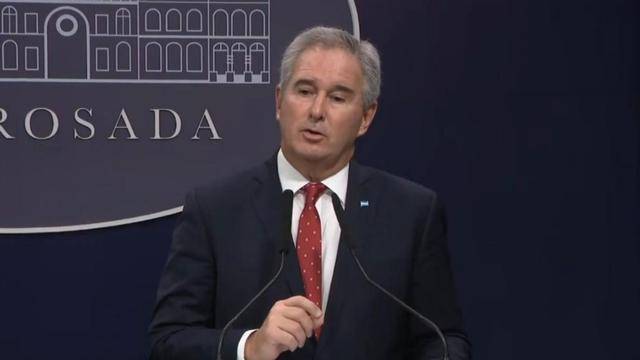
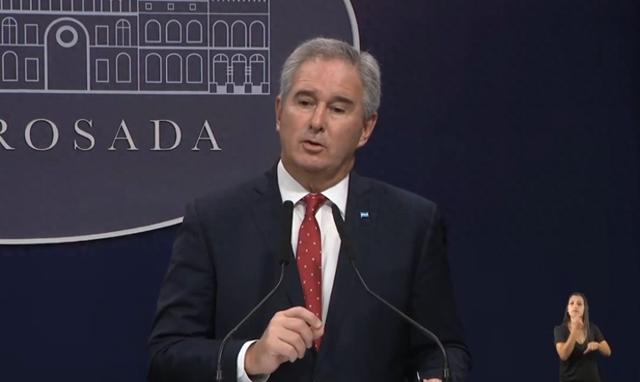
阿根廷外长:与美关键矿产协议并未排除中国投资
Xin Lang Cai Jing· 2026-02-08 02:02
在全球关键矿产供应链博弈日趋激烈的背景下,美国试图拉拢其他国家挑战中国在该领域的主导地位。 当地时间2月4日,美国召集50多个国家在华盛顿举行关键矿产部长级会议。美国副总统万斯在会上提出 建立一个"关键矿产贸易集团",由美国牵头制定一套为相关大宗商品设定价格底线的机制。 阿根廷在会后宣布与美国签订关键矿产协议。此外,两国还敲定了一项互惠贸易与投资协议。根据有关 协议,阿根廷承诺,在铜、锂及其他关键矿产的贸易方面,将优先把美国作为贸易伙伴,而不是"操纵 市场的经济体或企业"。报道称,后者被视为指向中国。 基尔诺6日表示:"阿根廷和美国这项协议的作用在于提高可预见性,使已经是阿根廷主要投资者的美国 企业能够进一步扩大投资。" 阿根廷外 【文/观察者网 王恺雯】据路透社报道,阿根廷外交部长巴勃罗·基尔诺当地时间2月6日表示,阿根廷与 美国本周签署的关键矿产协议,并未排除中国在有关领域对阿根廷的投资。 "截至今天,该协议并不意味着中国不能参与、或将不会参与对阿根廷的投资。事实上,中国已经对阿 根廷矿产领域进行了投资。"基尔诺6日在一场新闻发布会上说。 据报道,包括阿根廷在内,美国4日和库克群岛、厄瓜多尔、几内亚、摩洛 ...
关键矿产合作,韩国没全听美国
Xin Lang Cai Jing· 2026-02-06 06:35
Group 1 - The U.S. Trade Representative's Office announced new initiatives to form a critical minerals trade alliance with allies, finalize a critical minerals action plan with Mexico, and establish strategic partnerships with the EU and Japan [1] - The U.S.-Mexico critical minerals action plan is the first of its kind, aiming to create coordinated trade policies and mechanisms, including a border-adjusted price floor, to address global market distortions affecting North American critical mineral supply chains [1] - The U.S., EU, and Japan plan to develop a resilience action plan for critical mineral supply chains, which will include a border-adjusted price floor mechanism to reduce supply chain vulnerabilities [1] Group 2 - Turkey's Anadolu Agency commented that the U.S. government has made critical minerals a core part of its industrial and trade policy, aiming to reduce dependence on China [2] - In contrast to the U.S.-led "decoupling" efforts, South Korea is seeking to deepen cooperation with China in the critical minerals supply chain, establishing communication hotlines and a joint committee to facilitate stable imports of Chinese mineral resources [2] - A spokesperson from the Chinese Foreign Ministry emphasized the importance of maintaining an open and inclusive international trade environment, opposing any attempts by countries to disrupt global supply chains through exclusive rules [2]
特朗普下决心,和中国稀土拼到底!金库门刚开就烧掉120亿美元
Sou Hu Cai Jing· 2026-02-06 04:51
Group 1 - The core objective of Trump's $12 billion emergency strategy is to reduce U.S. dependence on Chinese rare earths and ensure a competitive edge in geopolitical matters [1][3] - Key initiatives include establishing an emergency stockpile of strategic minerals like rare earths, gallium, and cobalt, with a goal of ensuring at least 60 days of supply during crises [3] - Funding sources for the plan include $2 billion from private capital and up to $10 billion in loans from the Export-Import Bank of the United States [3] Group 2 - The plan aims to elevate critical minerals to a national security priority, leading to reforms such as simplifying mining permits and allowing controversial deep-sea mining [3] - The U.S. Department of Defense and Department of Energy have invested hundreds of millions in rare earth producers, while the Commerce Department has acquired a 10% stake in a U.S. rare earth company [3] - Japan has responded positively to the plan, committing up to $55 billion to deepen supply chain ties with the U.S., although the terms of investment have faced domestic criticism [7] Group 3 - The U.S. relies heavily on imports for critical minerals, with 12 minerals fully imported and 29 minerals over 50% imported by 2024, raising concerns about national security [5] - Analysts express skepticism about the feasibility of quickly reducing dependence on China, despite the potential long-term market stabilization from the plan [5] - Japanese companies investing in U.S. rare earth projects face challenges, as they lack control over key technologies and processes, leading to concerns about becoming low-end participants in the supply chain [9] Group 4 - Western countries claim to have mastered high-purity rare earth separation technologies, with some companies announcing independence from Chinese supply chains [9] - However, practical challenges remain, including achieving the required purity levels for high-end applications, which are critical for defense systems like the F-35 [9] - China's competitive advantage in rare earths stems from decades of investment and a comprehensive industrial ecosystem, making it difficult for other countries to replicate [9]

特朗普牵头,31国赴美同谋反华,中国风电巨头被查,林剑反将一军
Sou Hu Cai Jing· 2026-02-05 11:40
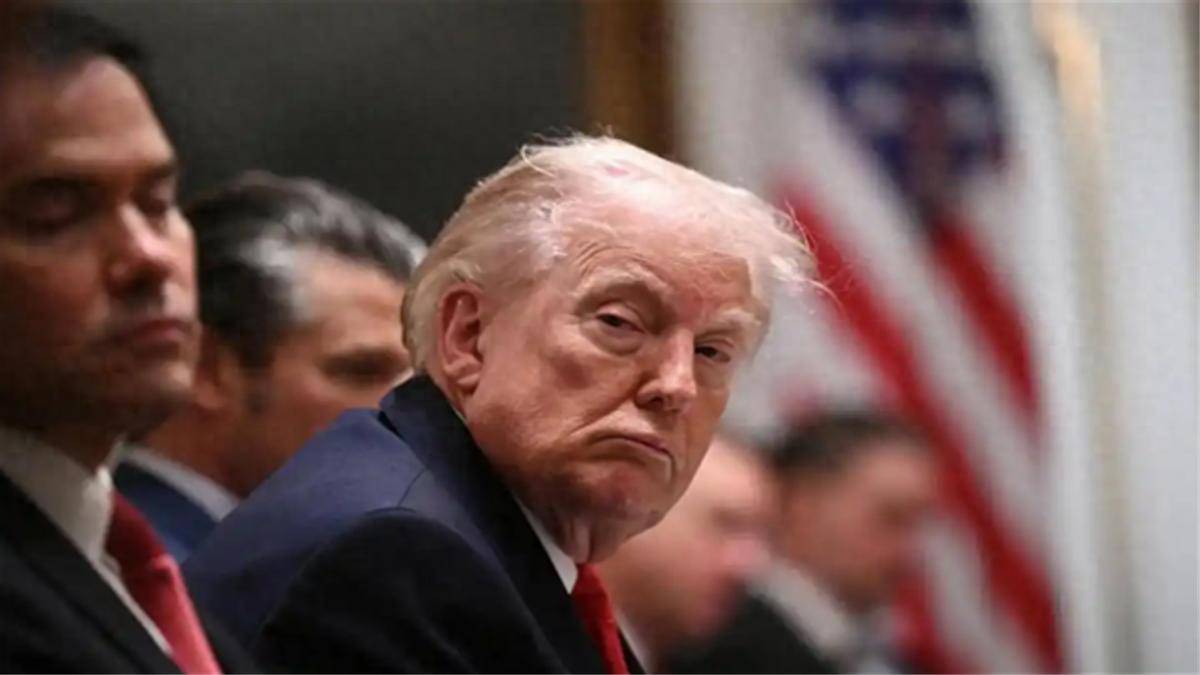
最近,在美国牵头下,欧盟、英国、韩国等31国赴美开了一个会,叫"关键矿产盟友伙伴俱乐部",这场 会的目标很明确,就是要打造一条"去中国化"的关键矿产供应链,那它们为什么要这么做? 美国人给出了解释,说如果有"一国占据某一行业的绝对优势地位",就可能通过向市场大量倾销,这样 一来,其他国家的相关产业就会遭到毁灭性打击,这潜台词就是,在美国看来,中国有摧毁全球任何国 家稀土产业的能力,这是在通过渲染所谓的中国威胁,来团结盟友。 其实明眼人都能看出来,这就是美国的借口。中国从来没有故意向市场倾销稀土,一直都是按照市场规 律正常出口,而且中国一直都是负责任的大国,从来不会用资源去卡其他国家的脖子。 美国这么说,本质上就是想拉拢盟友,一起打造自己的关键矿产供应链,摆脱对中国的依赖,同时遏制 中国的发展,保住自己的霸权地位。 为了实现这个目的,美国还准备了一套所谓的"组合拳"。第一个办法,就是想在这31个盟友之间,搞关 键矿产的零关税。 意思就是,这些国家之间互相买卖稀土等关键矿产,不用交关税,这样一来,它们之间调运资源就更方 便、更便宜了,不用因为交税而增加成本,能更快地搭建起它们自己的供应链。 第二个办法,就是给这些 ...