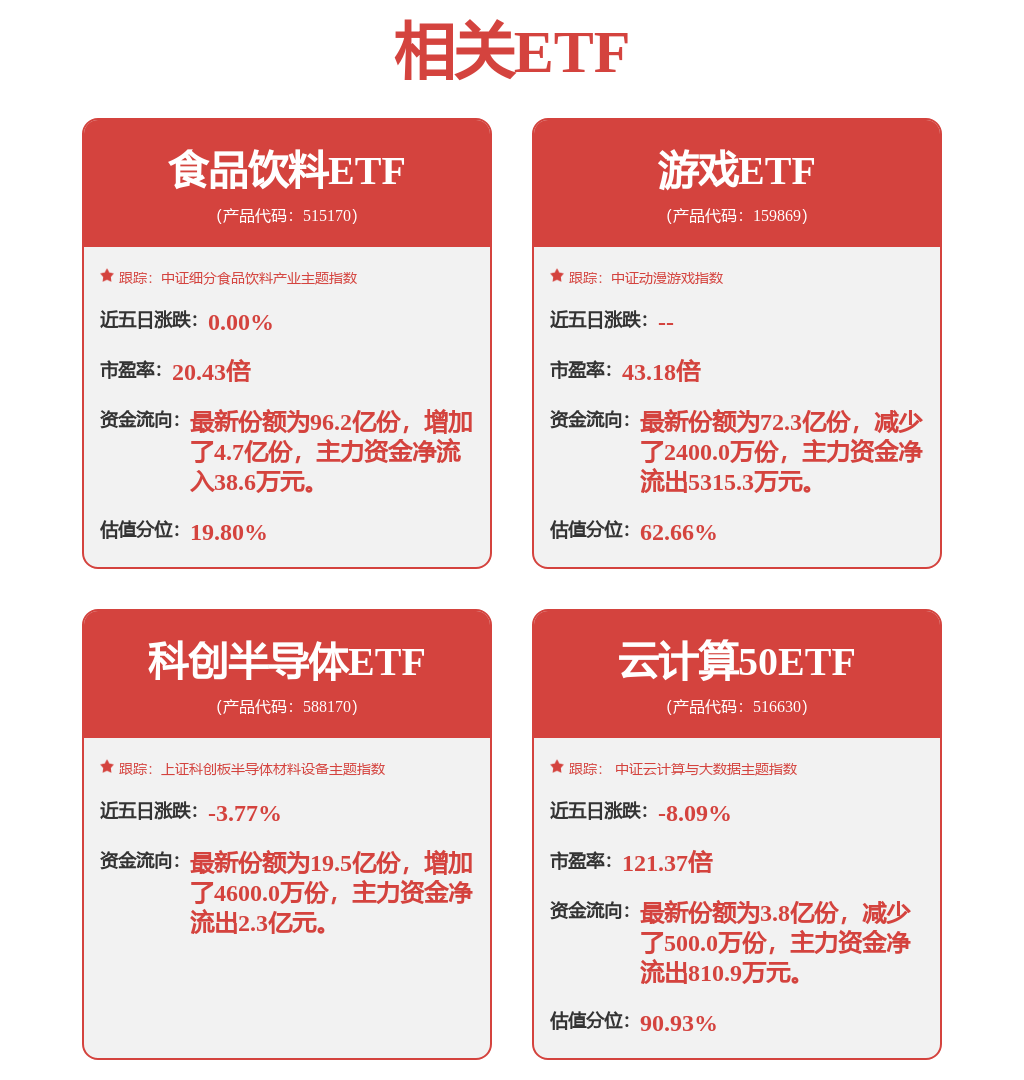
内生增长理论

Search documents
企业家精神是一团淋漓“元气”
3 6 Ke· 2026-01-06 06:11
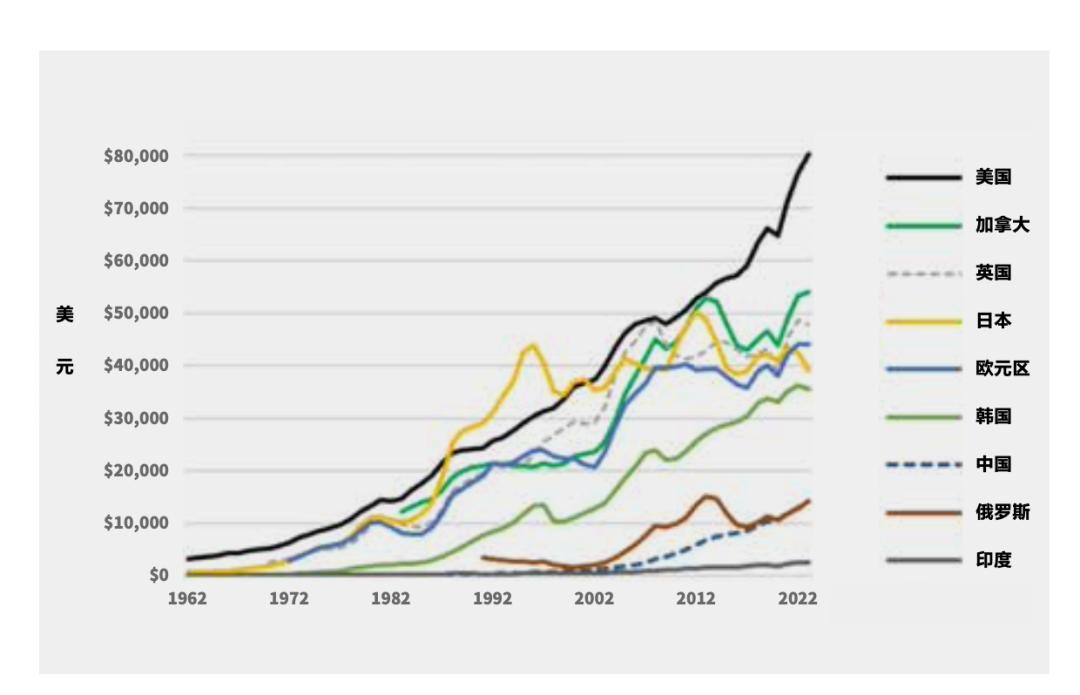
Core Insights - The essence of economic growth lies not in capital, algorithms, or government planning, but in the entrepreneurial spirit characterized by intuition, judgment, and imagination [1][2][5] Group 1: Entrepreneurial Spirit - Entrepreneurial spirit is described as a vital force that enables humans to navigate uncertainty, relying on soft knowledge rather than hard data [3][4] - Entrepreneurs make decisions based on intuition and personal experience, distinguishing them from managers and engineers who rely on quantifiable data [3][4] - The book emphasizes that true innovation is inherently uncertain and unpredictable, which is a fundamental aspect of entrepreneurship [3][4] Group 2: Critique of Neoclassical Economics - The book critiques neoclassical economics for its inability to adequately explain economic growth, particularly due to its reliance on stable and deterministic models [6][7] - It argues that the focus on predictable outcomes neglects the role of entrepreneurial spirit and the inherent uncertainties of innovation [6][7] - The author compares neoclassical economics to outdated theories, suggesting that it fails to account for the dynamic nature of economic growth driven by entrepreneurs [7] Group 3: Historical Context and Theoretical Framework - The book integrates Adam Smith's insights on division of labor and market expansion with Joseph Schumpeter's theories on entrepreneurship, establishing a comprehensive framework for understanding economic growth [10][11] - It highlights that markets are created by entrepreneurs who introduce new products and ideas, rather than merely responding to existing consumer demand [11] - Historical examples illustrate how entrepreneurs have driven significant economic advancements by creating new markets and demands [11] Group 4: Implications for Current Economic Landscape - The analysis suggests that the U.S. has maintained its economic vitality due to a continuous influx of new entrepreneurs, while Europe and Japan have struggled due to regulatory constraints and organizational rigidity [12][14] - The book warns that despite advancements in technology, the decline in new unicorn companies in China indicates a potential loss of entrepreneurial spirit, which is crucial for sustaining economic growth [14][15] - It posits that overcoming current economic challenges, such as "involution," requires a revival of entrepreneurial energy and innovation [15]

“十五五”系列谈 | 以扩大有效投资促进区域经济高质量发展
Sou Hu Cai Jing· 2025-12-02 00:51
Core Viewpoint - The article emphasizes that effective investment is a complex system process involving the coupling and collaborative evolution of technological innovation, institutional innovation, and spatial optimization, rather than merely a capital input behavior [1][2]. Group 1: New Requirements and Challenges - The "14th Five-Year Plan" period is crucial for China to advance towards socialist modernization, facing unprecedented challenges and requirements due to profound changes in domestic and international environments [2][4]. - The global landscape is undergoing a new round of technological revolution and industrial transformation, with disruptive technologies reshaping national core competitiveness and increasing the strategic importance of investment [3]. Group 2: Effective Investment and New Quality Productivity - Effective investment is defined as capital formation activities that serve high-quality development goals, focusing on nurturing and expanding new quality productivity [5]. - New quality productivity is characterized by technological innovation as the core driving force, with significant improvements in total factor productivity as a key indicator [6]. Group 3: "Technology-Institution-Space" Analysis Framework - The "Technology-Institution-Space" (TIS) framework illustrates that successful investment activities result from the positive interaction of technology, institutions, and spatial dimensions [7]. - The technology dimension focuses on R&D innovation, digital infrastructure, and high-skilled human capital, which directly determines the height and advancement of new quality productivity [7]. - The institutional dimension emphasizes creating an environment conducive to innovation, including a robust intellectual property protection system and a fair market environment [7]. - The spatial dimension involves optimizing regional functional layouts and constructing modern infrastructure networks to promote the clustering and scaling of new quality productivity [7]. Group 4: Progress and Challenges in Effective Investment - Despite a slowdown in fixed asset investment growth, significant progress has been made in the effectiveness of investment, with a clear trend towards structural optimization [14]. - High-tech industry investment has maintained double-digit growth, significantly outpacing overall fixed asset investment growth, indicating a shift towards new quality productivity core areas [14]. - Challenges remain in aligning technology, institutions, and spatial dimensions, leading to issues such as insufficient basic research investment and a lack of effective technology transfer mechanisms [16][18]. Group 5: Recommendations for a High-Efficiency Investment Ecosystem - To expand effective investment, a shift from "project thinking" to "ecosystem thinking" is necessary, focusing on creating a self-optimizing and virtuous cycle investment ecosystem [21]. - Recommendations include optimizing R&D investment structures, enhancing basic research funding, and establishing market-oriented concept verification centers to bridge the gap between laboratory results and market applications [22][23]. - Institutional reforms should aim to deepen financial supply-side structural reforms and enhance the protection of intellectual property rights to stimulate innovation [24][25]. - Spatial strategies should promote differentiated and specialized investments, avoiding homogeneous competition and ensuring that new infrastructure aligns with local industrial needs [26][27].
回归经济周期的本源|《财经》书评
Sou Hu Cai Jing· 2025-11-15 09:54
Core Insights - The article discusses the cyclical nature of economic cycles, emphasizing that they are intrinsic to the capitalist economic system and not merely external disturbances [4][6] - Joseph Schumpeter's work on economic cycles, particularly his 1939 book "Business Cycles," is highlighted as a significant contribution to understanding the relationship between innovation and economic fluctuations [3][4][8] Group 1: Economic Cycles and Growth - Economic cycles are characterized by alternating periods of prosperity and recession, which are essential features of capitalist economic growth [4][6] - Schumpeter's perspective integrates economic cycles with economic growth, contrasting with mainstream theories that treat them as separate phenomena [4][7] Group 2: Schumpeter's Contributions - Schumpeter's early works laid the foundation for his later theories on economic cycles, with significant revisions and expansions made throughout his career [3][5] - His concept of "creative destruction" is central to understanding how entrepreneurial innovation drives economic cycles [4][8] Group 3: Reception and Impact of "Business Cycles" - "Business Cycles" faced challenges upon publication, including its extensive length and the timing coinciding with the rise of Keynesian economics [6][7] - Despite initial setbacks, Schumpeter's theories gained renewed interest in the late 20th century, particularly in response to economic crises [7][8] Group 4: Historical Context and Relevance - The recent translation of "Business Cycles" into Chinese is seen as timely, given the ongoing economic challenges and the potential for new technological innovations to influence future cycles [8][9] - The book contains extensive historical and statistical analyses that provide valuable insights into the nature of economic cycles [9]

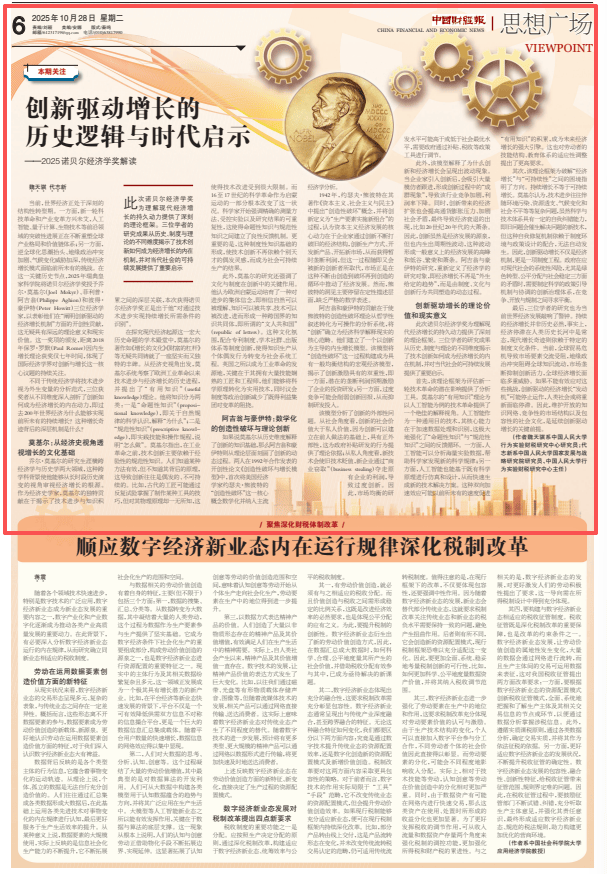
观点丨魏天骐 代志新:创新驱动增长的历史逻辑与时代启示——2025诺贝尔经济学奖解读
Sou Hu Cai Jing· 2025-11-02 04:11
Core Viewpoint - The article discusses the significance of the 2025 Nobel Prize in Economic Sciences awarded to Joel Mokyr, Philippe Aghion, and Peter Howitt for their contributions to understanding the mechanisms of innovation-driven economic growth, highlighting the need for tax reform in the context of the digital economy and structural changes in the global economy [4][12]. Group 1: Innovation and Economic Growth - The article emphasizes that the current global economy is undergoing a profound structural transformation, driven by technological advancements in fields such as artificial intelligence and biotechnology, while facing challenges from de-globalization and geopolitical conflicts [4][12]. - The Nobel laureates' research reveals that innovation is not merely an external factor but an intrinsic driver of economic growth, challenging traditional economic paradigms [6][11]. - Mokyr's work highlights the importance of cultural and institutional factors in fostering innovation, suggesting that the Enlightenment period created a conducive environment for knowledge sharing and technological advancement [7][12]. Group 2: Theoretical Contributions - Aghion and Howitt's mathematical modeling of "creative destruction" provides a framework for understanding the dynamic process of innovation and its dual nature of incentivizing investment while potentially leading to over-competition [8][9]. - Their model illustrates the externalities of innovation, arguing that the social value of innovation often exceeds its private value, which justifies government intervention through subsidies and tax policies [9][10]. - The research indicates that innovation can lead to cyclical economic fluctuations, suggesting that while it is a source of growth, it can also result in periods of economic downturn [10][11]. Group 3: Policy Implications - The article stresses the need for a balanced policy approach to address the complexities of sustainable growth, emphasizing that technological progress must be aligned with institutional frameworks to mitigate issues like environmental degradation and social inequality [12][13]. - It warns that the current global economic landscape poses significant risks to innovation-driven growth, necessitating the maintenance of open knowledge networks and competitive market structures to sustain economic dynamism [13].
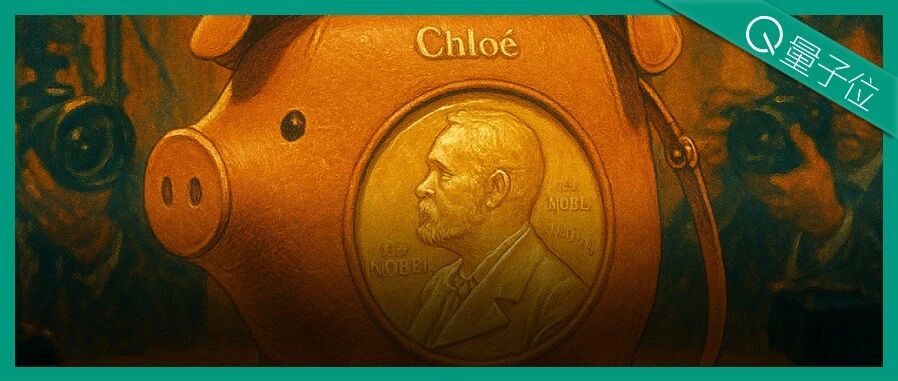
经济学诺奖得主的富二代人生:香奈儿老佛爷帮他写作业,AI时代反对向机器人征税
量子位· 2025-10-19 08:10
Core Viewpoint - The 2025 Nobel Prize in Economic Sciences was awarded to three scholars who highlighted the critical role of technological and scientific innovation in driving economic growth, emphasizing the importance of continuous investment in basic research for long-term economic advancement [2][5][3]. Group 1: Nobel Prize Winners and Their Contributions - The prize was shared equally between Joel Mokyr, Philippe Aghion, and Peter Howitt, who revealed how technology and scientific innovation interact with market competition to foster economic growth [5][7]. - Joel Mokyr's research demonstrated the self-reinforcing relationship between scientific breakthroughs and technological applications, which is essential for sustained economic growth [7][11]. - Aghion and Howitt developed a pioneering mathematical model in the 1990s that explains how firms improve production processes and introduce higher-quality products through R&D investments, ultimately replacing established market leaders [8][30]. Group 2: Historical Context and Economic Growth - Historically, economic growth was sporadic, with little change in living standards until the Industrial Revolution in the 18th century, which initiated a self-reinforcing cycle of innovation and economic growth [21][22]. - Over the past two centuries, many countries have maintained an average economic growth rate of about 2%, which, due to compounding effects, results in significant income increases over decades [23][25]. - Joseph Schumpeter's concept of "creative destruction" explains that economic progress is driven by innovation that disrupts existing industries and creates new growth opportunities [26][28]. Group 3: Mechanisms of Innovation and Economic Dynamics - Mokyr identified two types of "useful knowledge" that drive innovation: propositional knowledge (understanding natural laws) and normative knowledge (practical guidelines) [30][29]. - Aghion and Howitt's model illustrates that the continuous replacement of old firms with new ones is a key engine of economic growth, as new companies strive to innovate and outperform established players [34][36]. - The rise of AI is currently instigating another wave of creative destruction, reinforcing the relevance of the Nobel laureates' research [40][41]. Group 4: Implications of Innovation - Innovation leads to the emergence of new winners while potentially sidelining others, raising concerns about job displacement and inequality [41][42]. - A robust policy framework is necessary to manage the effects of innovation and prevent market failures, ensuring that the mechanisms behind creative destruction are maintained [43][44].
两位增长理论巨匠摘诺奖,打开了技术进步的“黑盒”
Xin Jing Bao· 2025-10-15 08:25
Core Insights - The 2025 Nobel Prize in Economic Sciences was awarded to Joel Mokyr, Philippe Aghion, and Peter Howitt for their contributions to the theory of innovation-driven economic growth [1] Group 1: Historical Context - Joseph Schumpeter's concept of "creative destruction" highlights the role of entrepreneurs in disrupting market monopolies through innovation, leading to economic fluctuations and long-term growth [2] - Aghion and Howitt's first paper in 1992 utilized modern economic analysis to construct the "Schumpeterian paradigm," focusing on firm-level data to explore endogenous growth mechanisms [3] Group 2: Research Findings - Aghion and Howitt's model suggests that innovation often occurs through "step-by-step" advancements rather than complete market share replacement, emphasizing the importance of competition in driving innovation [4] - Their research identified a non-linear relationship between market competition and innovation, revealing that increased competition can initially promote innovation but may later suppress it, depending on the technological disparity among firms [4] Group 3: Policy Implications - Aghion's collaboration with Chinese scholars demonstrated that industrial policies aimed at maintaining or promoting competition significantly enhance productivity growth in competitive sectors [5] - The findings underscore the importance of effective market signals and feedback mechanisms in guiding industrial policy, particularly in fostering innovation [5] Group 4: Educational Contributions - Aghion and Howitt have made significant efforts to disseminate their academic ideas, producing textbooks that explore various aspects of endogenous growth theory and its implications for economic cycles and market structures [6] - Their works serve as valuable resources for understanding contemporary economic challenges, including globalization, climate risks, and inequality [6][7]
21评论丨诺贝尔经济学奖:在全球经济低迷中探索内生增长动力
2 1 Shi Ji Jing Ji Bao Dao· 2025-10-15 00:08
Core Insights - The Nobel Prize in Economic Sciences 2025 was awarded to Joel Mokyr, Philippe Aghion, and Peter Howitt for their contributions to the understanding of innovation-driven economic growth [2][3] Group 1: Theoretical Contributions - Mokyr's research emphasizes the role of knowledge and institutions in long-term growth, particularly how the transformation of knowledge production and dissemination mechanisms contributed to the Industrial Revolution [5] - Aghion's core contribution is the "Schumpeterian endogenous growth model," which highlights the dual role of monopoly rents and competition in driving innovation and productivity growth [6] - Howitt's work, in collaboration with Aghion, integrates financial frictions and market structures into the endogenous growth framework, exploring the impact of credit constraints and institutional quality on innovation [7] Group 2: Practical Implications - The Nobel Committee's choice reflects the practical significance of their research, particularly in addressing productivity stagnation in developed economies through innovation-driven frameworks [9] - Aghion and Howitt's framework links innovation speed, market dynamics, and human capital directly to long-term productivity, providing actionable policy recommendations for decision-makers [9] - Their research on green innovation emphasizes the importance of price signals and R&D support in transitioning from "dirty" to "clean" technologies, relevant in the context of carbon neutrality goals [9] Group 3: Recommendations for China - The scholars advocate for enhancing competition and innovation incentives in China by lowering entry barriers in key industries and strengthening antitrust enforcement [11] - They suggest a tailored approach to policy adaptation based on proximity to technological frontiers, emphasizing competition and original R&D in leading sectors while focusing on absorption and standardization in lagging sectors [12] - The promotion of green technology transitions through carbon pricing, green credit, and government procurement is recommended to capture first-mover advantages in clean technology [12]
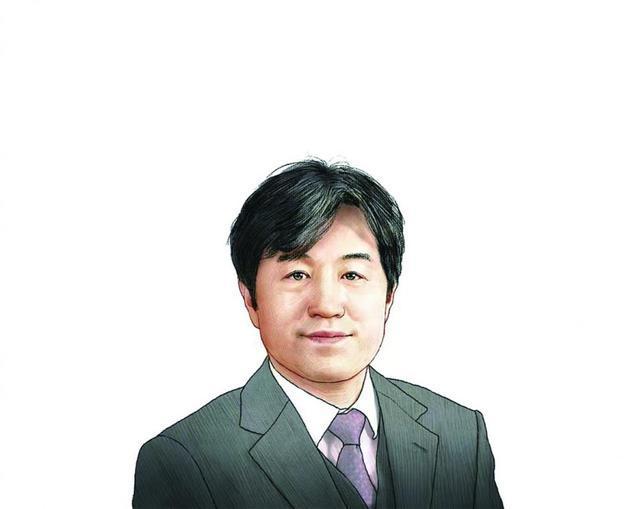
人物|菲利普·阿吉翁:“创造性破坏”的浴火与涅槃
2 1 Shi Ji Jing Ji Bao Dao· 2025-10-14 13:54
Core Insights - Innovation is often met with resistance and challenges from established interests, embodying the concept of "creative destruction" which leads to economic renewal and growth [2][3][4] Group 1: Aghion's Background and Contributions - Philippe Aghion, born in 1956 in Paris, is influenced by his mother's innovative spirit in the fashion industry, which shaped his approach to economics [3] - Aghion and Peter Howitt developed a mathematical model in 1992 that illustrates how new products lead to the failure of companies selling outdated products, emphasizing the dual nature of innovation as both creative and destructive [3][4] Group 2: Economic Theories and Models - Aghion's work is rooted in Schumpeterian endogenous growth theory, which posits that long-term growth relies on innovation, driven by investments in R&D and skills [4][5] - The theory highlights the conflict between old and new technologies, necessitating government intervention to support transitions and mitigate risks associated with creative destruction [5][6] Group 3: Policy Implications and Global Perspectives - Aghion advocates for open markets and competition as essential drivers of growth, criticizing protectionist policies that hinder innovation [9] - His research extends to developing countries, analyzing paths to economic advancement and the importance of fostering an environment conducive to innovation [10][11] Group 4: Recommendations for China - Aghion emphasizes the need for China to transition from imitation to innovation-led growth, focusing on inclusive and environmentally friendly economic models [11][12] - Key pillars for this transition include fostering competition, enhancing university autonomy, creating a dynamic labor market, and strengthening financial systems to support high-risk investments [12][13]
不取巧、不片面,万字读透诺奖经济学奖思想:经济增长根治于一个文明的学习能力
经济观察报· 2025-10-14 10:09
Core Viewpoint - The article discusses the significance of the Nobel Prize awarded to Joel Mokyr, Philippe Aghion, and Peter Howitt for their contributions to the understanding of "innovation-driven economic growth," emphasizing the interplay between knowledge, innovation, and the process of creative destruction in sustaining economic growth [6][42]. Group 1: Knowledge and Innovation - Mokyr's research highlights that knowledge is the catalyst for modern economic growth, with technological progress driven by the accumulation and dissemination of knowledge rather than mere economic incentives [14][15]. - The integration of theoretical and practical knowledge in modern society is crucial for initiating industrial revolutions and sustaining growth [15][16]. - The Enlightenment period significantly influenced the cultural attitude towards knowledge, enhancing its accessibility and fostering a culture of scientific inquiry [17][19]. Group 2: Creative Destruction - Aghion and Howitt's theory of "creative destruction" posits that economic growth is driven by the replacement of old technologies with new ones through research and development (R&D) investments [30][31]. - Their model addresses the shortcomings of the Solow model by incorporating the technology update process, emphasizing the dual effects of technological change on economic growth and the welfare of society [32]. - The balance between competition and innovation is complex, with competition acting as a double-edged sword that can either stimulate or hinder innovation depending on the market context [35][36]. Group 3: Policy Implications - The article suggests that effective industrial policies should focus on creating a competitive environment that encourages innovation across all firms, rather than solely rewarding the most successful ones [37]. - In the context of carbon neutrality, the discussion emphasizes the need for a holistic approach to energy transition that considers long-term efficiency and the potential pitfalls of gradual reforms [39][40].
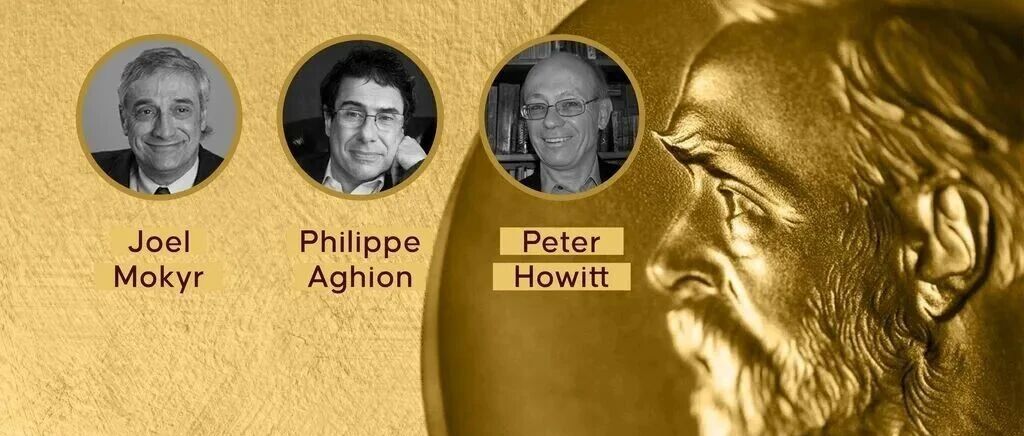
万字长文深度解析2025年诺贝尔经济学奖:当文明燃烧,增长才开始
Jing Ji Guan Cha Bao· 2025-10-14 09:40
Core Insights - The 2025 Nobel Prize in Economic Sciences was awarded to Joel Mokyr, Philippe Aghion, and Peter Howitt for their research on "innovation-driven economic growth" [1] - Mokyr received half of the prize for clarifying the necessary conditions for technological progress to drive sustained growth, while Aghion and Howitt shared the other half for their theory on sustained growth driven by the process of "creative destruction" [1] Group 1: Joel Mokyr's Contributions - Mokyr emphasizes that knowledge is the spark for modern growth, arguing that technological progress is driven by the accumulation and dissemination of knowledge rather than mere economic incentives [7][8] - He categorizes knowledge into "epistemic knowledge" (theoretical understanding) and "techne" (practical skills), asserting that the fusion of these two types of knowledge is crucial for initiating the Industrial Revolution and modern growth [8][9] - Mokyr's research highlights the importance of political and cultural conditions in Europe that facilitated the creation, accumulation, and dissemination of useful knowledge, which was essential for modern economic growth [9][10] Group 2: Aghion and Howitt's Contributions - Aghion and Howitt's work is rooted in the concept of "creative destruction," which posits that economic growth is driven by the replacement of old technologies with new ones through research and development (R&D) [22][24] - Their model builds on Joseph Schumpeter's idea of "creative destruction," formalizing the process by which technological advancements lead to both increased economic potential and the obsolescence of existing technologies [23][24] - Aghion argues that competition has a dual effect on innovation, where moderate competition can stimulate innovation, but excessive competition may hinder it, leading to a nuanced understanding of how market dynamics influence growth [27][28] Group 3: Broader Implications - The research of Mokyr, Aghion, and Howitt collectively underscores that economic growth is not merely a function of increased wealth or output, but rather a reflection of a society's ability to accumulate knowledge, foster innovation, and rebuild after destruction [33] - Their findings are particularly relevant in the context of current global challenges, such as the rise of populism and protectionism, which threaten the mechanisms that support creative destruction and, consequently, economic growth [34]