
去工业化

Search documents
被中国卡脖子是啥下场?美国沦落到捡破烂,军工领域受制于人
Sou Hu Cai Jing· 2026-02-24 12:47
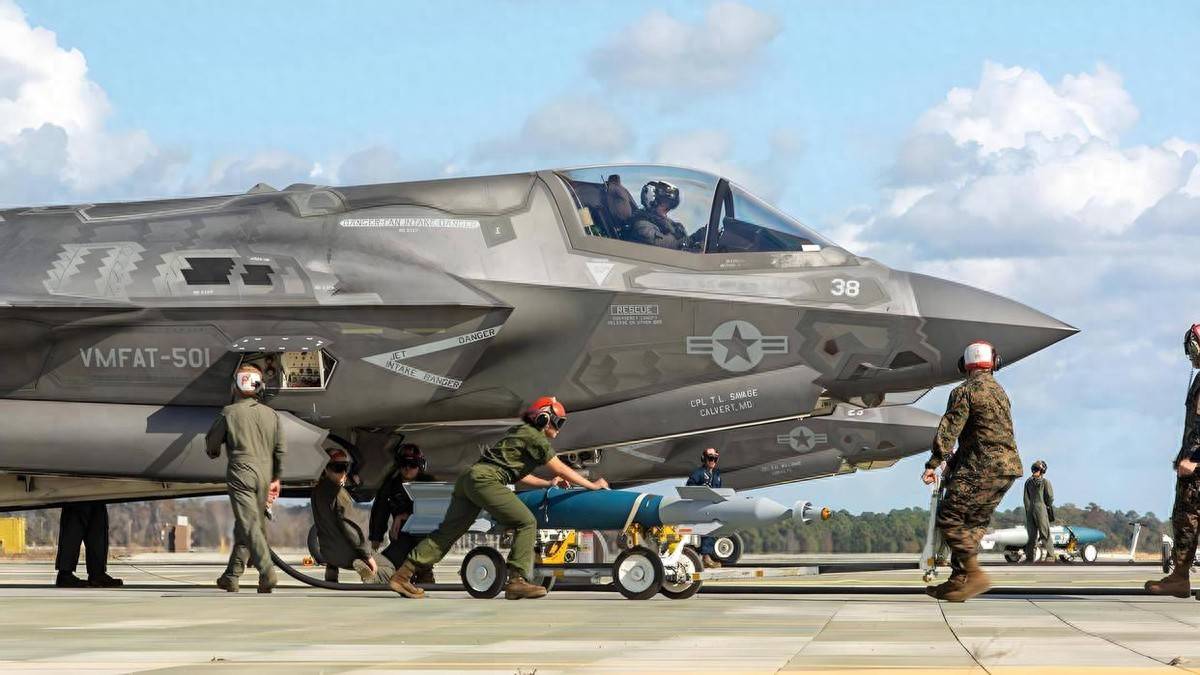
今天来说说美国被中国卡脖子的真实下场,谁能想到,全球最强军事帝国,年军费高达9000亿美元,军工体系号称全球第一。 最后居然要靠捡破烂维持军工生产——去法国废弃工厂翻找稀土库存续命,不然的话连F-35战机、战斧导弹都造不出来。 这一切,全是中国一张稀土牌的威力。美国为啥会沦落到这步?所谓的超级帝国,怎么会被稀土这小东西卡得动弹不得? 美国军工如今的困境,说出来都让人觉得讽刺,曾经动辄制裁他国的超级帝国,现在连生产高端武器的原材料都找不到,只能放下身段去捡破烂。 他们在全球搜遍一圈,最后发现法国有一家废弃了二十年的工厂,是比利时索尔维公司曾经的稀土生产基地,仓库里还留存着200吨钐矿半成品,这些钐矿 正是制造F-35战机电磁设备、战斧导弹高温控制模块的关键材料。 美国没办法,只能高价买下这些库存,先运到英国加工成金属合金,再运回美国切割成磁体,勉强维持军工生产,可这些库存,也只能让他们多撑一年。 信息来源:天龙观点 更惨的是,F-35战机生产线多次停工,战斧导弹产量大幅下滑,连台军订的66架F-16V战机,都被通知要拖到2027年才能交付,曾经的军工霸主,彻底陷入 了受制于人的困境。 这就是被中国卡脖子的真实代 ...

30%关税还是30%升值?法国这波操作,连自己媒体都看不下去了!
Sou Hu Cai Jing· 2026-02-14 09:59
2月上旬,法国政府突然投下一枚震撼弹,在政府报告中渲染欧洲工业如何在中国面前面临"生存危 机",更提出了对抗性极强的经济干预建议,要么是全面对中国征收高达30%的关税,要么就是让欧元 对人民币汇率直接贬值30%,被广泛解读为针对中国的"广场协议"。 可法国执意发布,有四大核心动机。 第一,是国内的政治经济压力迫使法国政府"唱高调"。 不只是法国,欧洲核心区正在面临"去工业化"的切肤之痛,自2023年以来,仅德国就损失了20多万个工 业岗位,同时法国这边的高端制造业,也面临中国这边的强势竞争。 面对各方压力,马克龙需要迅速找到一个"替罪羊",何况他过去没少谈及中欧经贸不平衡。在这份报告 的语境下,中国扮演了参照物和竞争对手的双重角色。 而激进的干预措施,往往被视为"立竿见影",在政治层面会带来一定正向反馈,至少这段时间,法国的 这份报告确实引发了很高的讨论度。 第二,是要在欧盟层面主导议事进程。法国长期以来对欧盟 "过于天真" 的自由贸易政策持颇有微词。 通过复刻"广场协议"这样的极端选项,法国意在重新引导欧盟的政策重心。其逻辑不外乎是,把屋顶掀 了就会有人同意开窗,但前提是,法国得具有这个掀屋顶的能力。 连法 ...

血本无归!欧洲援助数千亿欧元,换来的却是工业崩溃和战略死亡?
Sou Hu Cai Jing· 2026-02-11 03:43
Group 1 - The core viewpoint of the article highlights the geopolitical implications of the recent Russia-Ukraine negotiations, emphasizing that the talks are not merely about conflict resolution but reflect a broader reshaping of international relations [4][6][8] - The United States aims to end the conflict in a way that does not allow Russia to emerge victorious, while also avoiding prolonged involvement in Europe to focus on challenges in the Indo-Pacific region [3] - Russia's firm stance centers on security guarantees and territorial claims, particularly regarding the Donbas region, which it insists should effectively belong to Russia, making it unacceptable for Ukraine [3][8] Group 2 - The negotiations have marginalized the role of the EU and NATO, which have faced strategic pressures and have not received expected returns for their support of Ukraine, leading to significant economic challenges in Europe [4][6] - The article discusses the detrimental impact of the conflict on Ukraine, which faces severe losses in terms of casualties, infrastructure damage, and economic decline, while also being caught in the larger power struggle between the US and Russia [8] - The ongoing conflict and negotiations signify a critical moment in the reconfiguration of the global order, with Europe losing its strategic autonomy and Ukraine becoming a pawn in the geopolitical game [6][8]

俄军导弹炸穿能源命脉,默茨急寻普京对话,欧洲对俄强硬时代终结
Sou Hu Cai Jing· 2026-01-17 08:29
Group 1 - European leaders, including German Chancellor Merz, are calling for dialogue with Russia, indicating a shift in stance as they face military and energy pressures [2][4] - The Russian military's recent strike on a major gas storage facility in Ukraine has severely impacted Europe's energy supply, threatening heating for 1.2 million people and causing energy prices to surge [2] - Major companies like Bosch have begun layoffs, with 22,000 jobs cut, and nearly one-third of businesses are reducing investments, highlighting a trend of "de-industrialization" in Europe [2] Group 2 - The U.S. is reducing its support for Europe, complicating the situation as European nations previously relied on American backing to confront Russia [4] - Internal conflicts within the EU have emerged, particularly over military spending and procurement, with France advocating for European defense autonomy while Germany and the Netherlands oppose it [4] - The shift in Europe's approach towards Russia is seen as a pragmatic survival strategy rather than a genuine desire for peace, as the continent grapples with military threats, economic challenges, and internal divisions [6]

新闻分析丨德国经济重振面临多重挑战
Sou Hu Cai Jing· 2026-01-17 01:42
新华社柏林1月16日电 新闻分析丨德国经济重振面临多重挑战 新华社记者车云龙 德国联邦统计局15日发布数据显示,2025年德国国内生产总值(GDP)经价格调整后比上年实际增长 0.2%,结束此前连续两年的经济萎缩。分析人士认为,在外部冲击加深与内部结构性矛盾相互交织 下,欧洲最大经济体复苏仍面临增长动能不足的困境。 关税效应显现 出口首当其冲 作为出口导向型经济体,德国出口规模长期占GDP的四成以上。然而,德国联邦统计局数据显示,2025 年德国出口同比下滑0.3%。 基尔世界经济研究所报告说,过去7年中,德国工业生产仅在2021年实现增长,2025年产出水平仍较 2018年低约14%,其中汽车行业降幅超过20%。 德国慕尼黑经济研究所专家蒂莫·沃尔默斯霍伊泽指出,德国工业正试图通过创新等举措推进转型,但 进展缓慢且成本高昂。2025年,美国加征关税等外部冲击进一步放大既有压力,干扰企业在德投资决 策,加剧"去工业化"担忧。德勤公司与德国工业联合会联合调查显示,约五分之一受访德国制造业企业 已将部分或全部生产环节迁至海外,较两年前上升8个百分点。 德国《商报》近日刊文说,经济持续疲软导致德国多行业生产萎缩、产 ...
德国经济重振面临多重挑战
Xin Lang Cai Jing· 2026-01-16 08:49
(来源:经济日报) 转自:经济日报 德国联邦统计局1月15日发布数据显示,2025年德国国内生产总值(GDP)经价格调整后比上年实际增 长0.2%,结束此前连续两年的经济萎缩。分析人士认为,在外部冲击加深与内部结构性矛盾相互交织 下,欧洲最大经济体复苏仍面临增长动能不足的困境。 美国是德国商品在欧盟以外最大出口市场,其加征关税措施对德国汽车等支柱产业冲击尤为严重。德国 经济研究所报告显示,2025年前三季度,德国对美出口同比下降7.8%,其中汽车及零部件出口下降 13.9%。报告说,对美出口下滑拖累德国前三季度全球出口增速0.81个百分点。 关税效应显现 出口首当其冲 作为出口导向型经济体,德国出口规模长期占GDP的四成以上。然而,德国联邦统计局数据显示,2025 年德国出口同比下滑0.3%。 德国联邦经济和能源部多次指出,关税等贸易政策不确定性是导致德国出口走弱的重要因素之一。2024 年秋季,国际货币基金组织以及德国多家主流经济研究机构曾预计,2025年德国经济有望增长0.8%。 但随着美国威胁对欧盟汽车、钢铝等产品加征关税并逐步付诸实施,相关机构多次下调德国经济增长预 期。 荷兰国际集团宏观研究主管卡斯 ...
【环球财经】德国经济重振面临多重挑战
Xin Hua She· 2026-01-16 06:22
Economic Overview - Germany's GDP is projected to grow by 0.2% in 2025, ending two consecutive years of economic contraction, but faces challenges due to insufficient growth momentum amid external shocks and internal structural issues [1] Export Challenges - Germany's exports are expected to decline by 0.3% in 2025, primarily due to uncertainties from tariffs and trade policies, particularly from the U.S., which has a significant impact on Germany's automotive sector [2] - Exports to the U.S. fell by 7.8% in the first three quarters of 2025, with automotive and parts exports decreasing by 13.9%, contributing to a 0.81 percentage point drop in overall export growth [2] Industrial Sector Struggles - The manufacturing sector's value added is projected to decrease by 1.3% in 2025, with industrial production levels still about 14% lower than in 2018, and the automotive industry experiencing a decline of over 20% [3] - Approximately 20% of surveyed German manufacturing firms have relocated some or all production overseas, an increase of 8 percentage points from two years ago, indicating rising concerns about deindustrialization [3] Investment and Fiscal Policy - The German government plans to establish a €500 billion infrastructure fund to boost public investment, but internal disagreements within the ruling party may limit the effectiveness of these measures [4] - Fixed asset investment is expected to decline by 0.5% in 2025, with corporate equipment investment down by 2.3%, reflecting a lack of business investment confidence [4] Future Economic Outlook - Economists anticipate a modest recovery in 2026, with growth projected between 0.8% and 1%, contingent on domestic demand and the implementation of structural reforms [5] - Short-term fiscal stimulus may provide temporary relief, but long-term growth potential remains uncertain without significant reforms [5]
德国经济的困境与探索(经济透视)
Ren Min Ri Bao· 2026-01-15 22:12
近年来,德国经济持续承压,增长乏力。德国总理默茨近日表示,德国经济形势在某些领域"非常严 峻",2026年应将提振经济作为首要任务。作为欧洲最大经济体,德国经济正处于一个关键的十字路 口,其未来走向不仅关乎本国发展,也对整个欧盟经济格局具有深远影响。 回溯历史,德国在2003年推动"2010议程"结构性改革后,成功提升劳动力市场灵活性,增强了企业竞争 力,并在2008年国际金融危机及随后的欧债危机中展现出较强韧性,一度被誉为"欧洲经济稳定器"。然 而,自2018年以来,德国经济增速显著放缓。据德国联邦统计局数据,2018年至2025年,德国经济年均 增长率仅约0.3%,远低于2008—2017年的1.3%。尤其是2023年和2024年,德国连续两年陷入技术性衰 退。2025年工业企业破产数量超过1600家,创近12年新高。2019年以来,制造业岗位减少约40万 个,"去工业化"趋势日益凸显。 外部冲击无疑是德国经济下行的重要诱因。2018年起,全球贸易摩擦加剧,特别是美国对欧盟在内的主 要经济体加征关税,以及欧美对俄制裁,严重冲击高度依赖出口的德国工业体系。俄乌冲突爆发后,德 国加速摆脱对俄罗斯的能源依赖,导 ...
工业引擎失速 德国经济挑战凸显
Xin Lang Cai Jing· 2026-01-12 07:42
本文转自【新华网】; 新华社柏林1月11日电 题:工业引擎失速 德国经济挑战凸显 新华社记者李函林 长期被视为欧洲经济稳定支柱的德国正面临日益凸显的挑战:德国企业作为资本与技术的核心载体,在 全球市场仍保持活跃,但其赖以生根的本土,却因产能外移、投资收缩和就业流失而逐步"失血"。 "本土承压 海外支撑" 成本高企 制度约束 德国工业联合会主席彼得·莱宾格近日对德国工业引擎失速表达担忧。德国工业联合会上月初发布的报 告数据显示,2025年德国工业产出连续四年下滑。莱宾格就此指出,这一趋势已超出周期性波动范围, 反映工业发展陷入结构性困境,并警示如果企业未能采取有效调整措施,下行趋势可能进一步加速。 安永分析指出,德国本土长期亏损的业务如果无法与全球盈利实现抵扣,企业势必重新评估价值链分 布,部分服务、研发活动可能转移至其他国家。 此外,长期高企的能源价格和劳动力成本正进一步侵蚀德国企业竞争力。高成本环境推高了德企在本土 开展长期技术布局的综合成本,基础材料、汽车及零部件、机械制造等德国传统支柱工业品类在国际市 场中逐渐处于不利地位。德国汽车零部件巨头博世集团董事会主席斯特凡·哈通近日表示,公司预计 2025年利 ...
国际观察丨工业引擎失速 德国经济挑战凸显
Xin Hua She· 2026-01-12 06:06
Core Viewpoint - Germany, once seen as the economic backbone of Europe, is facing significant challenges due to domestic production decline, investment contraction, and job losses, despite its companies remaining active in global markets [1] Group 1: Domestic Challenges - 23 companies in the DAX index have reported losses in their German subsidiaries for over a year, with 9 of them experiencing losses for four consecutive years [2] - The number of corporate bankruptcies in Germany is projected to reach 17,604 by 2025, the highest in 20 years, affecting approximately 170,000 jobs [2] - The top 100 companies in Germany are expected to see a 15% decline in pre-tax profits in the first nine months of 2025, with significant profit drops in key industries [2] Group 2: Structural Issues - The German industrial sector is predicted to experience a continuous decline in output for four years, indicating a structural crisis beyond cyclical fluctuations [3] - High energy prices and labor costs are eroding the competitiveness of German companies, particularly in traditional industries like automotive and machinery [3] - Bosch Group anticipates profits in 2025 will be significantly below expectations, leading to plans to cut approximately 22,000 jobs [3] Group 3: Economic Outlook - Economic forecasts for Germany are cautious, with a projected growth of only 0.1% in 2025, influenced by a notable decline in exports to the U.S. [4] - Surveys indicate that about one-third of companies plan to reduce investments, and a quarter plan to lay off employees, reflecting pressures of "de-industrialization" [4] - If reforms do not occur, Germany risks entering a vicious cycle of high costs, low investment, and low growth, exacerbating the risk of de-industrialization [4]