
完全自动驾驶

Search documents
对话何小鹏:第二代VLA要拉开「代际差」,比行业一流选手领先近5倍
雷峰网· 2026-03-05 00:29
何小鹏表示:"小鹏第二代VLA是面向完全自动驾驶的第一个版本,它将以小鹏从未有过的速度快速迭 代。完全自动驾驶将在未来1-3年内完全到来。" 此外,小鹏搭载第二代VLA的Robotaxi已开始路测,今年内将试运营,并计划在2027年开启全球交付。 01 All in VLA,小鹏有何底气? " 这番表态,小鹏有何底气? " 作者丨李雨晨 在目前的车企智驾路线上,小鹏是坚决押注VLA的一家——2025年8月,小鹏的第一代VLA开始小范围推 送上车。 3月2日,小鹏汽车宣布,第二代VLA将于3月下旬开启首批全量推送,覆盖包括全新P7 Ultra在内的多款 车型,并计划于2027年开启全球交付,大众汽车将成为该系统的首发客户。 同时,2026款小鹏X9纯电版上市,5款版型售价30.98万元至36.98万元,全系标配800V和5C超充AI电 池,充电8分钟可补能400公里续航。 早在2021年1月26日,小鹏推出中国首个自研高速 NGP(XPILOT 3.0),实现高速全程辅助驾驶,打破 外资智驾垄断。2023年11月28日,小鹏发布了无图城市 XNGP,比原计划提前8个月,新增20个无图城 市,实现 "去高精地图" ...


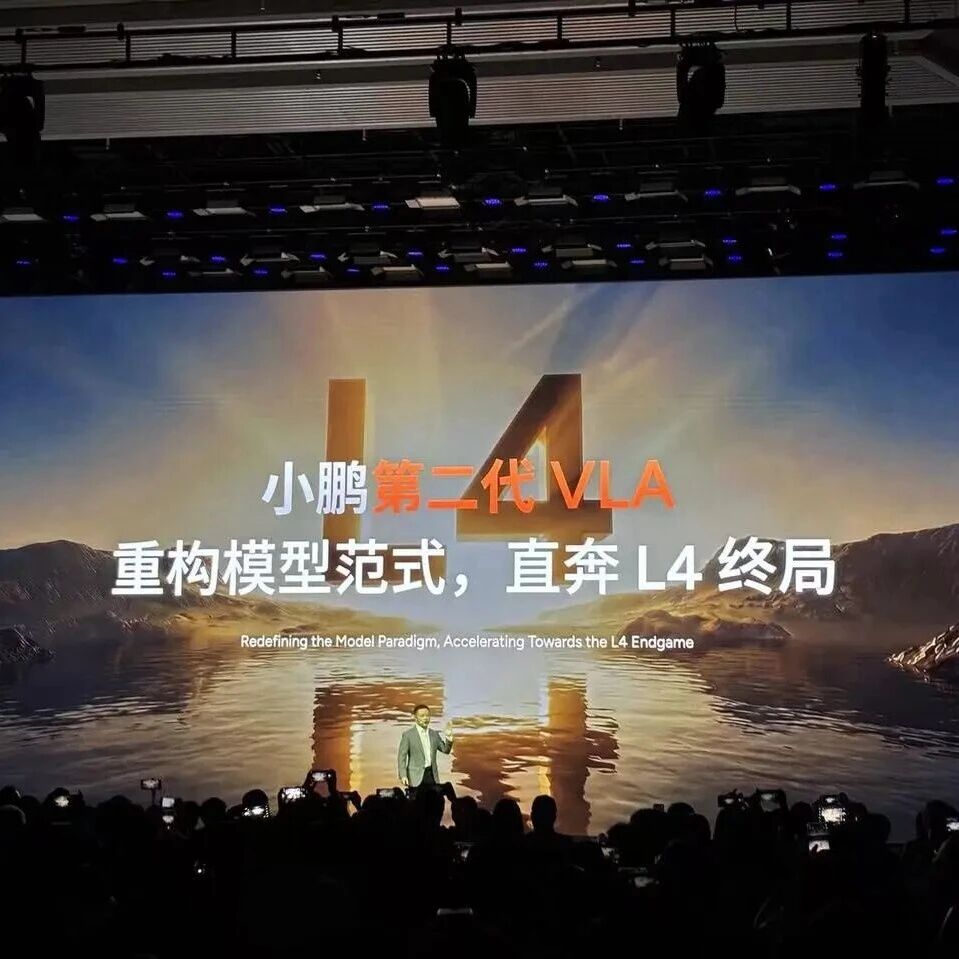
何小鹏:完全自动驾驶将在未来1~3年内到来
第一财经· 2026-03-03 12:46
2026.03. 03 本文字数:1182,阅读时长大约2分钟 作者 | 第 一财经 黄琳 酝酿许久,小鹏第二代VLA即将于本月下旬开启正式推送。据悉,小鹏第二代VLA采用端到端结构, 能够在"视觉(Version)-语言转译(Language)-动作(Action)"中去掉中间的语言转译环节,直 接实现"视觉输入"到"动作输出",并在芯片算力提升等情况下,该系统模型运行速度提升12倍,响应 延迟降低80%。 小鹏汽车CEO何小鹏公开表示,小鹏第二代VLA是面向完全自动驾驶的第一个版本,它将以小鹏从 未有过的速度快速迭代。完全自动驾驶将在未来1~3年内完全到来,自动驾驶将真正成为人们的日 常出行习惯。 但是需要明确的是,目前的小鹏第二代VLA只是搭建了一套通用且高效的架构,并未达到100%的L4 级别自动驾驶水平,仍需要不断进行迭代更新。根据规划,小鹏所有的Ultra和Ultra SE车型都会搭 载第二代VLA,未来小鹏在全球市场的车型,将会提供基础智能辅助驾驶和顶级智能辅助驾驶两种选 择。 目前,搭载小鹏第二代VLA的Robotaxi已开启公开道路测试,今年内小鹏Robotaxi将开启试运营。 在全球部署上 ...
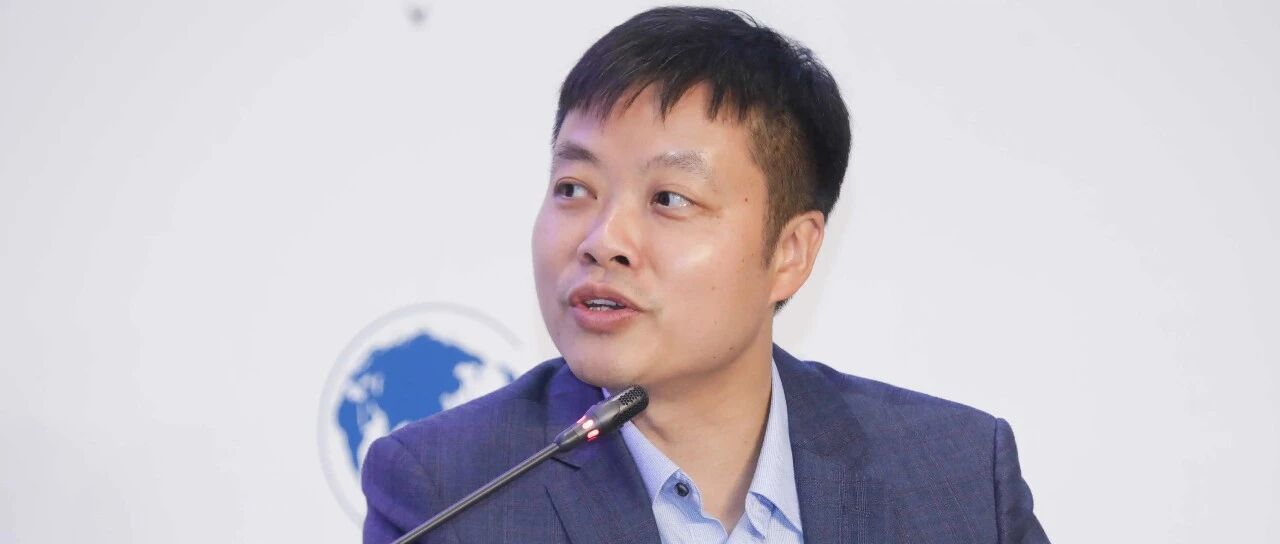
【快讯】每日快讯(2026年3月3日)
乘联分会· 2026-03-03 08:38
点 击 蓝 字 关 注 我 们 本文全文共 4425 字,阅读全文约需 14 分钟 目录 国内新闻 1.我国首次主导修订智能汽车前照灯国际标准 2.中国汽车流通协会启动指南落实筹备工作 国外新闻 4.讴歌品牌创立40年首次在日本销售 商用车 国内新闻 1 3.小鹏汽车发布第二代VLA 4.雷军:小米机器人已在汽车工厂实习 5.腾势阿拉邦经销店正式开业 6.国轩高科2GWh全固态电池量产线设计基本完成 7.五菱缤果马来西亚首批用户交付 8.小马智行其第七代Robotaxi深圳月度盈利转正 1.美国2月新车销量预计达119万辆 2.南非2月新车销量同比增长11.4% 3.越南2026年起实施更严汽车尾气新规 1. 京津冀物流干线5座超充站上线 2. 新能源重卡生产商零一汽车完成股份制改造 3. 银川出台无人物流配送车辆道路测试与商业示范实施方案 4. 一汽解放J7创领版圆满完成15000公里长测 我国首次主导修订智能汽车前照灯国际标准 时间:2026.3.3 来源:网通社 近日,国际标准化组织(ISO)正式发布《道路车辆前照明光束定位测量程序》,该标准由我国牵头修 订,首次全面覆盖智能汽车前照灯光束定位的测量方法 ...

方向盘“退休”了,马斯克给世界发了辆“赛博出租车”
3 6 Ke· 2026-02-27 05:04
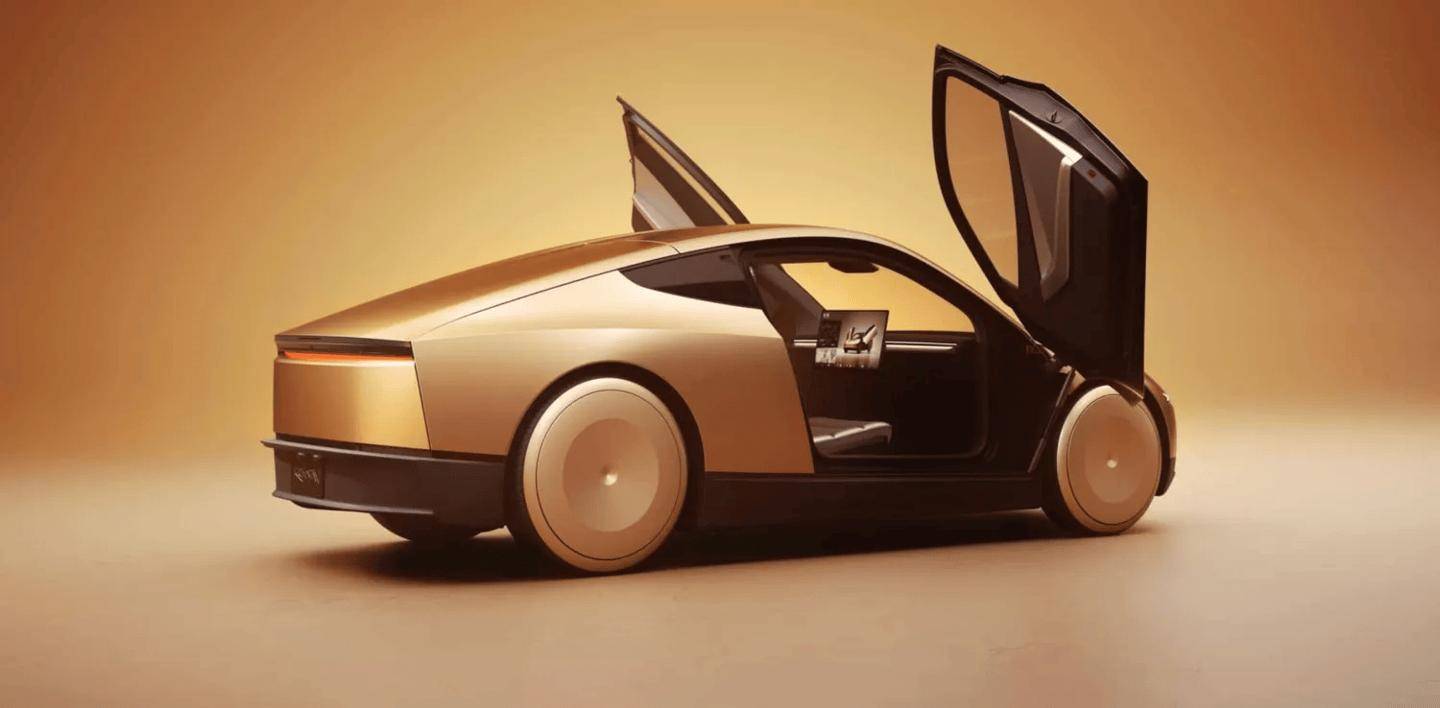
2026年2月18日,得克萨斯州。 当第一辆银灰色的Cybercab从特斯拉超级工厂的产线滑出来时,现场工程师们可能没意识到,他们刚刚完成了汽车工业史上最大胆的"裁员"——方向盘、 油门、刹车,全被开除了。 马斯克在X上发了张工厂照片,配文简单直接:"首辆Cybercab量产下线。" 没有煽情,没有感叹号,仿佛在说"今天食堂供应汉堡"一样平常。但懂行的人都知道,这家伙又在搞事情了。 如今这辆车,连考驾照的机会都不给你。 而且马斯克算得门儿清:3万美元一辆,每英里运营成本1块4人民币,比传统出租车便宜得多。 这价格,滴滴看了沉默,Uber看了流泪。 特斯拉真得大胆 说实话,特斯拉这么大胆一点儿都不让人意外,从坚持做纯视觉时就能看出。 自动驾驶圈子有个老梗:特斯拉和同行们,就像甜咸豆腐脑之争,永远吵不完。 Waymo、百度这些"咸党"选手,车上顶着激光雷达、毫米波雷达、摄像头,传感器多得像长了满身眼睛,生怕漏看一点路况。特斯拉偏要做"甜党":老子 只用摄像头,其他都是累赘。 马斯克的逻辑很清奇:激光雷达和摄像头同时看到个东西,数据不一样听谁的?打起来怎么办?不如就信摄像头,简单粗暴。 但"甜党"最近有点甜不起来。 ...

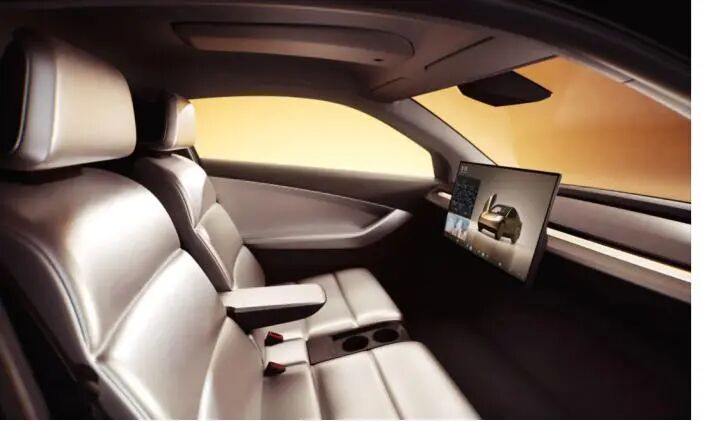
首台量产车刚下线没多久,特斯拉Cybercab项目经理内基塔离职
Sou Hu Cai Jing· 2026-02-26 15:32
Core Insights - Tesla's Cybercab project manager, Viktor Nekita, has announced his departure shortly after the first production vehicle rolled off the line at the Texas Gigafactory on February 18 [1][3] - Nekita joined Tesla in 2017 as an intern on the Model 3 production line and has since progressed to lead the Cybercab project, highlighting a significant career development [3] - His exit continues a trend of management turnover at Tesla, with several key executives leaving the company over the past two years [3][4] Management Changes - Nekita's departure follows the exits of Cybertruck project manager Siddhant Awasthi and Model Y project manager Emmanuel Lamakiya in November 2025 [3] - Tesla has lost multiple core executives, including the North America and Europe sales and manufacturing VP, Omid Afshar, and the head of the Optimus robot project, Milan Kovac, among others [3][4] Cybercab Production Status - Currently, no original project leaders remain for Tesla's production models, including Model 3, Model Y, Cybertruck, and Cybercab [4] - Nekita played a crucial role in transitioning Cybercab from concept to production, but full-scale production still requires validation, with Elon Musk warning of slow initial production [4] Autonomous Driving Challenges - The Cybercab relies entirely on fully autonomous driving without a steering wheel or pedals, making it unusable if the autonomous system fails [5] - Tesla has adjusted its definition of "full self-driving" as of September 2025, no longer promising fully autonomous capabilities [5] - The Cybercab will launch with AI4 hardware, while the AI5 chip is not expected until 2027, and the current AI4 has not achieved fully autonomous driving in the existing fleet [5]
“马斯克信仰”把SpaceX估值抬至天际 万亿美元叙事的“硬核压力测试”也将开启
智通财经网· 2026-02-26 09:45
Core Viewpoint - Investing in Elon Musk's companies, such as Tesla, SpaceX, and xAI, is more about betting on his vision for future growth rather than just financial fundamentals. The current example of "Musk faith" is SpaceX, where investors are not only looking at today's satellite broadband empire and rocket launch business but are also paying a premium for long-term visions like a million satellites and advanced AI systems in space [1]. Group 1: SpaceX's IPO and Valuation - SpaceX is considering an IPO in June, potentially raising up to $50 billion, which could be the largest IPO in history, with a valuation reaching $1.5 trillion, close to Tesla's $1.6 trillion [1]. - The merger of Tesla, SpaceX, and xAI is seen as creating a "super business empire" for Musk, which could significantly influence market perceptions and valuations [1][3]. Group 2: AI and Infrastructure Development - The bottleneck for global AI data centers is shifting from AI chips to power systems and deployment, with Musk's vision of placing data centers in space powered by solar energy entering an engineering trial phase [2]. - Musk's plan includes launching one million satellites, each with 100 kW of power, to add 100 GW of AI computing capacity annually, which could lead to a significant leap in AI capabilities [2]. Group 3: Market Position and Competition - SpaceX has established a profitable position in satellite communication and rocket launches, with an EBITDA of approximately $8 billion and total sales of around $15-16 billion, with Starlink contributing 50-80% of total sales [5]. - The market for satellite broadband is becoming crowded, with competitors like Amazon planning to launch thousands of satellites, which could challenge Starlink's market position [8][9]. Group 4: Financial Metrics and Valuation Challenges - Analysts estimate that Starlink could generate about $16 billion in sales and $11 billion in EBITDA this year, leading to a valuation of around $700 billion based on its revenue contribution [11]. - To support a $700 billion valuation, Starlink would need to achieve approximately $39 billion in EBITDA by 2030, which is significantly higher than some optimistic forecasts [12][15]. Group 5: Investor Sentiment and Future Outlook - The "Musk faith" allows for high valuations based on futuristic visions rather than current business metrics, but the sustainability of these valuations will depend on the realization of these visions and the company's ability to navigate competition and regulatory challenges [17]. - The upcoming IPO of SpaceX is likely to follow a pricing strategy that combines its current market position with long-term sci-fi narratives, but any delays in technology deployment or increased competition could lead to volatility in its valuation [17].
汽车板块存机构性机会,港股汽车ETF国泰(520720)盘中上涨1.1%
Mei Ri Jing Ji Xin Wen· 2026-02-25 06:24
港股汽车ETF国泰(520720)跟踪的是港股通汽车指数(931239),该指数从港股通范围内选取涉及整 车制造、零部件及智能驾驶等汽车产业相关证券作为指数样本,以反映港股通汽车产业相关上市公司的 整体表现,其样本具有高研发投入和成长性特征,展现出较强的市场弹性和国际化特点。 (文章来源:每日经济新闻) 国海证券指出,2026年汽车行业"结构存机会"。在新能源购置税优惠确定性退坡、以旧换新幅度退坡 下,2026年汽车总量难有惊喜。但自主品牌高端化升级,智能化加速渗透,具身智能量产落地,汽车以 及产业链仍在大的技术变革周期中。完全自动驾驶汽车商业化进程加速,特斯拉无人驾驶出租车 Cybercab下线是自动驾驶战略的实质性突破,或推动共享出行模式向低成本与规模化方向演进,进一步 推动出行行业向无人化与高效化转型。同时,人形机器人产业从实验室走向大众视野,或将有助提升公 众对具身智能的认知接受度,推动技术向更多场景加速落地。 ...
马斯克的豪赌:押注AI未来,特斯拉车主成筹码?
Sou Hu Cai Jing· 2026-02-03 06:11
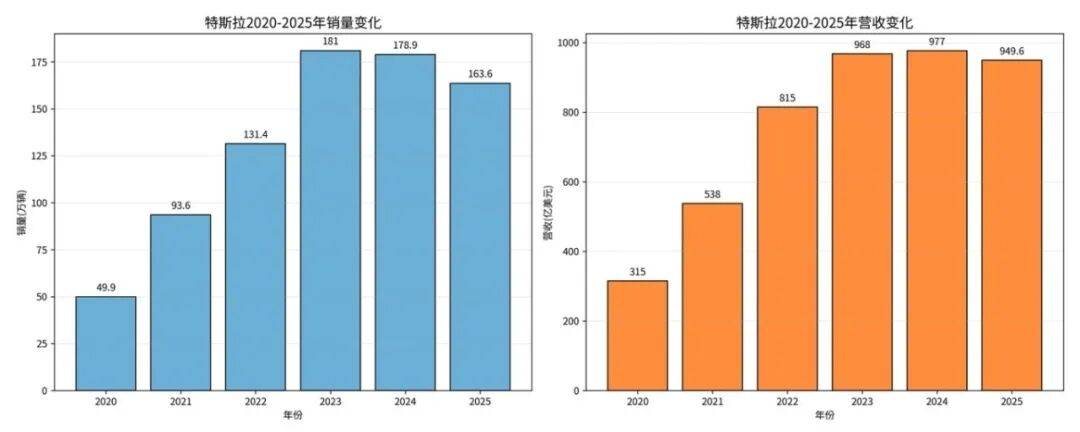
Core Viewpoint - Tesla's recent financial report indicates a significant decline in performance, with a 2.8% decrease in annual revenue and an 8.6% drop in delivery volume compared to 2024, despite a fourth-quarter revenue of $24.9 billion that exceeded expectations [1][3] Financial Performance - Tesla's profit for the entire year of 2025 was only $3.794 billion, a decline of approximately 47% compared to 2024, which itself was already down 52.5% from 2023's profit of $14.999 billion [3][11] - The global delivery volume for Model S and Model X in 2025 was less than 51,000 units, accounting for only 3.1% of Tesla's total deliveries [9][11] Strategic Decisions - Elon Musk announced the planned discontinuation of the Model S and Model X in the second quarter of 2026 to repurpose the Fremont factory for the production of the Optimus humanoid robot [5][12] - The decision to stop production of these flagship models is seen as a necessary move to cut costs and focus on more promising future projects, despite the historical significance of these vehicles in establishing Tesla's brand [11][14] Future Business Direction - Tesla is shifting its focus towards the development of the Optimus robot, which is expected to represent about 80% of the company's future value according to Musk's Master Plan [12][22] - The transition to a subscription model for the Full-Self Driving (FSD) service aims to create a steady revenue stream and expand the user base, which is crucial for the future Robotaxi business [15][18] Market Implications - The shift towards the Robotaxi model and the FSD subscription service is intended to disrupt the existing transportation system, potentially leading to a significant increase in market size and profitability for Tesla [20][21] - The anticipated high profit margins from Robotaxi services could redefine Tesla's valuation from a traditional automaker to an AI and mobility service platform [20][22] Operational Challenges - The transition to focusing on humanoid robots may slow down the iteration speed of Tesla's automotive product lines, affecting promised updates and advancements in vehicle technology [28][30] - Employees may face job security concerns due to organizational restructuring and potential layoffs as resources are redirected towards the robot project [30][32]
特斯拉Model S/X官宣停产,传奇车型就此落幕
36氪· 2026-01-30 10:24
Core Viewpoint - Tesla is transitioning from being a pure electric vehicle manufacturer to focusing on artificial intelligence and robotics, marking the end of the Model S and Model X production lines as part of this shift [4][30]. Group 1: Model S and Model X Production - Elon Musk announced that the Model S and Model X will cease production in Q2 2026, ending the lifecycle of these flagship models that once led the electric vehicle revolution [4][10]. - Despite multiple updates over the years, the core design and key components of Model S and Model X have not evolved to meet current industry standards, leading to declining sales [9][10]. - In 2025, Tesla sold 50,850 units of "other models," which includes Model S and Model X, reflecting a 40.2% year-over-year decline [10]. Group 2: Financial Performance - Tesla's total revenue for 2025 was $94.827 billion, a 3% decrease year-over-year, with a net profit of approximately $3.794 billion, down 46% [15]. - The company faced challenges due to outdated vehicle designs and increasing competition from traditional automakers, resulting in an 8.5% decline in sales compared to 2024, totaling around 1.6 million units sold [16][18]. Group 3: Future Directions - Musk emphasized that Tesla's future lies in FSD (Full Self-Driving), Robotaxi, and the Optimus humanoid robot, rather than in traditional vehicle manufacturing [20][28]. - The FSD software saw a 38% increase in purchases in 2025, with nearly 1.1 million paid users, and Tesla plans to shift to a subscription model for FSD to expand its user base [24][25]. - Tesla's electric truck, Semi, is set to begin production in H1 2026, and the next-generation Roadster is expected to launch in April 2026 [26]. Group 4: Strategic Shifts - The discontinuation of Model S and Model X signifies Tesla's departure from its identity as a pure automotive manufacturer [30]. - Musk's comments reflect a strategic necessity for the company to adapt to changing market conditions and technological advancements, indicating a shift in focus towards AI and robotics [29][33].
储能业务井喷,上海工厂擎旗:特斯拉2025财报揭示的“新两极”
Jin Rong Jie· 2026-01-30 02:13
Core Insights - Tesla's Q4 2025 earnings report shows a revenue of $24.901 billion, a 3% year-over-year decline, but with an EPS of $0.5 and a gross margin of 20%, both exceeding expectations [1] - The company’s energy storage business saw a significant growth, with installed capacity reaching 46.7 GWh in 2025, a 48.7% increase year-over-year, and Q4 alone contributing 14.2 GWh, marking a record high [1][4] - The Shanghai Gigafactory has become a strategic asset, delivering over 850,000 vehicles in 2025, accounting for nearly half of Tesla's global deliveries, and is now recognized as a core global export hub [1][2] Electric Vehicle Business: A "Lighthouse" Amidst Global Challenges - Tesla delivered approximately 1.636 million electric vehicles globally in 2025, facing significant challenges, particularly in the U.S. and European markets, where deliveries fell by 13.5% year-over-year in Q2 [2] - The U.S. market faced pressures from the termination of EV tax credits and increased competition, while in Europe, subsidy reductions and local competition led to a market share drop to 1.2% [2] - In contrast, the Shanghai Gigafactory performed robustly, delivering 851,000 vehicles, contributing over half of Tesla's global total, and achieving a record high of 191,700 vehicles in Q2 [2][3] Competitive Edge of Shanghai Factory - The Shanghai factory boasts over 95% localization in its supply chain and has established a highly efficient production network, producing a vehicle every 30 seconds, making it Tesla's most productive facility [3] - It has evolved into Tesla's global export center, with products shipped to Europe and Asia, achieving a record monthly export in October 2025 [3] Energy Storage Business: A Rising Growth Curve - The energy storage segment is highlighted by a 48.7% year-over-year growth, with 46.7 GWh installed in 2025, and Q4 alone contributing 14.2 GWh, marking a record for the quarter [4][6] - This growth is attributed to advancements in technology and product strategy, including the launch of the new Megapack 3 and Megablock, which significantly reduce costs and installation time [5] - A new energy storage factory in Houston is set to begin production by the end of 2026, targeting an annual capacity of 50 GWh, ensuring future growth [5] Future Outlook: Autonomous Driving and Robotics - Tesla is focusing on future innovations in autonomous driving and robotics, with the launch of Robotaxi services in Austin and plans for mass deployment by 2026 [7] - The development of the Optimus humanoid robot is also underway, with a third prototype expected in 2025 and mass production planned for 2026, showcasing Tesla's ambition in AI and robotics [7] Challenges and Strategic Path Forward - Tesla faces structural challenges due to over-reliance on the Model 3/Y, with production ramp-up of new models like Cybertruck falling short of expectations [8] - Increased competition in China from local brands is impacting market share, which has declined from a peak of 15% [8] - The company aims to stabilize its EV business through the Shanghai factory's efficiency, commercialize its energy storage solutions, and invest in autonomous driving and robotics for long-term growth [9]