
完全自动驾驶

Search documents
对话何小鹏:第二代VLA要拉开「代际差」,比行业一流选手领先近5倍
雷峰网· 2026-03-05 00:29
Core Viewpoint - Xiaopeng Motors is making a significant commitment to its second-generation VLA (Vehicle Learning Architecture), which aims to achieve fully autonomous driving within 1-3 years, with global deliveries starting in 2027 [2][4][13]. Group 1: Product Development and Technology - The second-generation VLA will begin full-scale rollout in late March 2023, covering multiple models including the new P7 Ultra, with a price range for the 2026 Xiaopeng X9 electric version set between 309,800 to 369,800 yuan [2]. - Xiaopeng's VLA is designed for complete autonomous driving, with a focus on rapid iteration and development, leveraging a self-developed full-stack approach that integrates models, chips, and data [5][6]. - The second-generation VLA incorporates advanced capabilities such as a native multimodal tokenizer for processing voice, vision, and actions, achieving a 33% reduction in prediction errors [6][8]. Group 2: Strategic Vision and Organizational Changes - Xiaopeng Motors is transitioning towards a unified AI system that integrates autonomous driving and smart cockpit technologies, with a new leadership structure to support this vision [10][12]. - The company aims to become the first globally to mass-produce robots, flying cars, and Robotaxis by 2026, indicating a multi-faceted approach to innovation [16]. - Organizational adjustments are being made to enhance capabilities in AI and autonomous driving, with a focus on cross-domain integration to improve overall vehicle intelligence [11][13]. Group 3: Market Position and Challenges - Despite significant advancements, Xiaopeng faced a 49.9% year-on-year drop in monthly deliveries in February 2026, highlighting the challenges of balancing innovation with operational performance [17]. - The company plans to invest nearly 5 billion yuan in VLA development in 2024, with further increases in 2025, indicating a strong commitment to R&D despite potential cash flow pressures from multiple ongoing projects [18]. - The competitive landscape in the autonomous driving sector is intensifying, with Xiaopeng positioning itself as a leader in the technology race, emphasizing the importance of a holistic approach to development rather than isolated improvements [19][21].


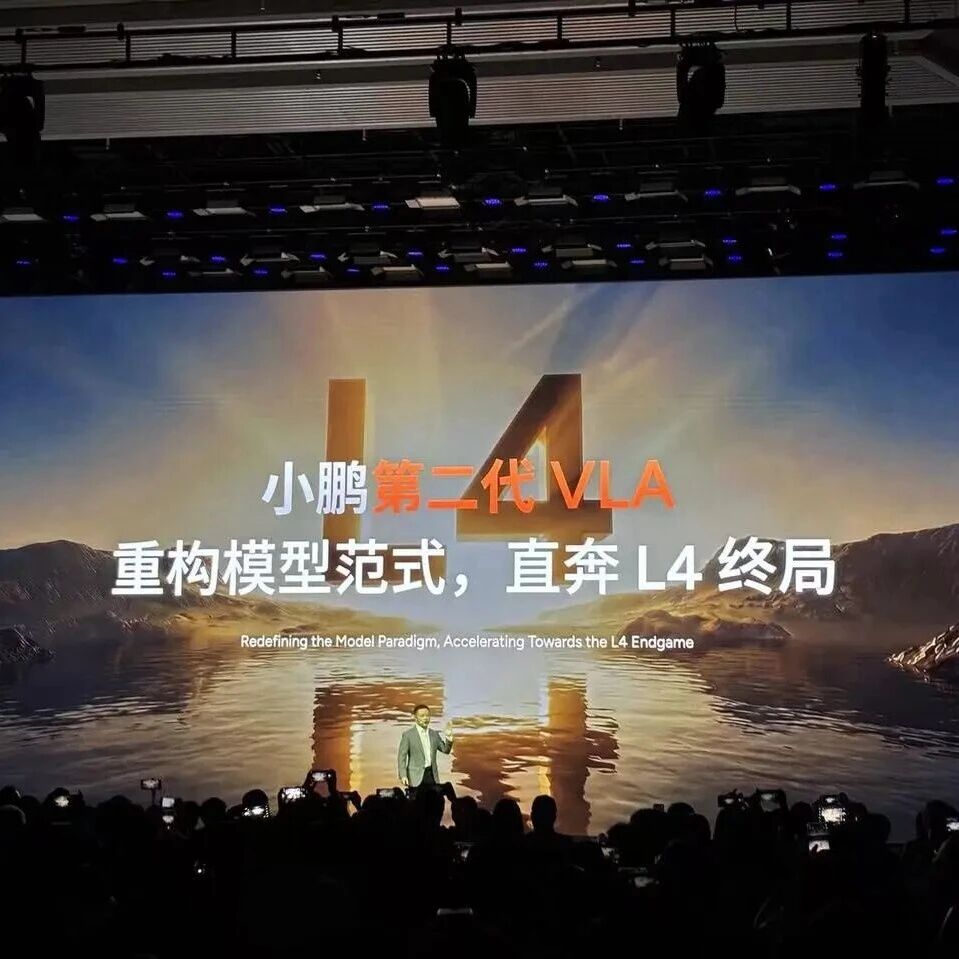
何小鹏:完全自动驾驶将在未来1~3年内到来
第一财经· 2026-03-03 12:46
Core Viewpoint - Xiaopeng's second-generation VLA is set to launch this month, featuring an end-to-end structure that eliminates the language translation step, achieving a 12-fold increase in operational speed and an 80% reduction in response latency, marking a significant step towards fully autonomous driving [3][4]. Group 1: Technology and Development - The second-generation VLA is designed for fully autonomous driving, with iterations expected to occur rapidly over the next 1-3 years, although it currently does not achieve 100% L4 autonomy [3][4]. - Xiaopeng plans to equip all Ultra and Ultra SE models with the second-generation VLA, offering both basic and advanced intelligent driving options in global markets [3][4]. - The Robotaxi equipped with the second-generation VLA has begun public road testing, with plans for trial operations within the year and global deployment by 2027 [4]. Group 2: Market Position and Strategy - Xiaopeng's CEO emphasizes the importance of moving directly from L2 to L4 levels of autonomy, viewing L4 as a critical milestone in the development of autonomous driving in China [4]. - The automotive industry is currently focused on enhancing intelligence capabilities, with many companies competing in a "computing power arms race," but Xiaopeng stresses the need for effective utilization of computing power rather than just increasing numerical values [4]. Group 3: Software and Upgrades - Xiaopeng has long believed in the upgradability of vehicles, utilizing OTA and FOTA methods for software and firmware updates, and is exploring AI applications for maintenance and service efficiency [5].
【快讯】每日快讯(2026年3月3日)
乘联分会· 2026-03-03 08:38
Domestic News - China has taken the lead in revising the international standard for intelligent vehicle headlights, marking a significant enhancement in its global automotive technology influence [4] - The China Automobile Dealers Association has initiated preparations to implement the "Automotive Industry Pricing Behavior Compliance Guidelines" to standardize pricing practices in the automotive sector [5] - XPeng Motors announced the launch of its second-generation VLA (Vision-Language-Action model), aiming to transition autonomous driving from niche to mainstream usage [6] - Xiaomi's robots have begun internships in automotive factories, with plans for mass deployment in the next five years [7][8] - Tengshi, a luxury brand under BYD, has officially entered the Philippine market with the opening of its first dealership [9] - Guoxuan High-Tech has completed the design of its 2GWh all-solid-state battery production line, with plans for pilot testing by mid-2025 [10] - SAIC-GM-Wuling has delivered the first batch of its Bingguo model to users in Malaysia [11] - Pony.ai's seventh-generation Robotaxi has achieved monthly profitability in Shenzhen, expanding its operational area significantly [12][13] International News - In February, new car sales in the U.S. are expected to reach 1.19 million units, a 3.4% decrease year-on-year but a 6.9% increase from January [14] - South Africa's new car sales grew by 11.4% year-on-year in February, reaching 53,455 units, marking the highest sales record for February since 2013 [15] - Vietnam will implement stricter vehicle emissions regulations starting March 1, 2026, to combat rising pollution levels [16] - Acura, Honda's luxury brand, will officially sell vehicles in Japan for the first time this year, marking a historic milestone for the brand [17] Commercial Vehicles - Five supercharging stations for heavy trucks have been launched in the Beijing-Tianjin-Hebei logistics corridor, featuring advanced charging capabilities [18] - New energy heavy truck manufacturer Zero One Automotive has completed its restructuring into a joint-stock company and plans to initiate a financing program for dealers in 2026 [19] - Yinchuan has released a management plan for testing and commercial demonstration of unmanned logistics delivery vehicles, aiming to reduce logistics costs [20][21] - FAW Jiefang's J7 model has successfully completed a 15,000-kilometer endurance test across diverse conditions in China [22]

方向盘“退休”了,马斯克给世界发了辆“赛博出租车”
3 6 Ke· 2026-02-27 05:04
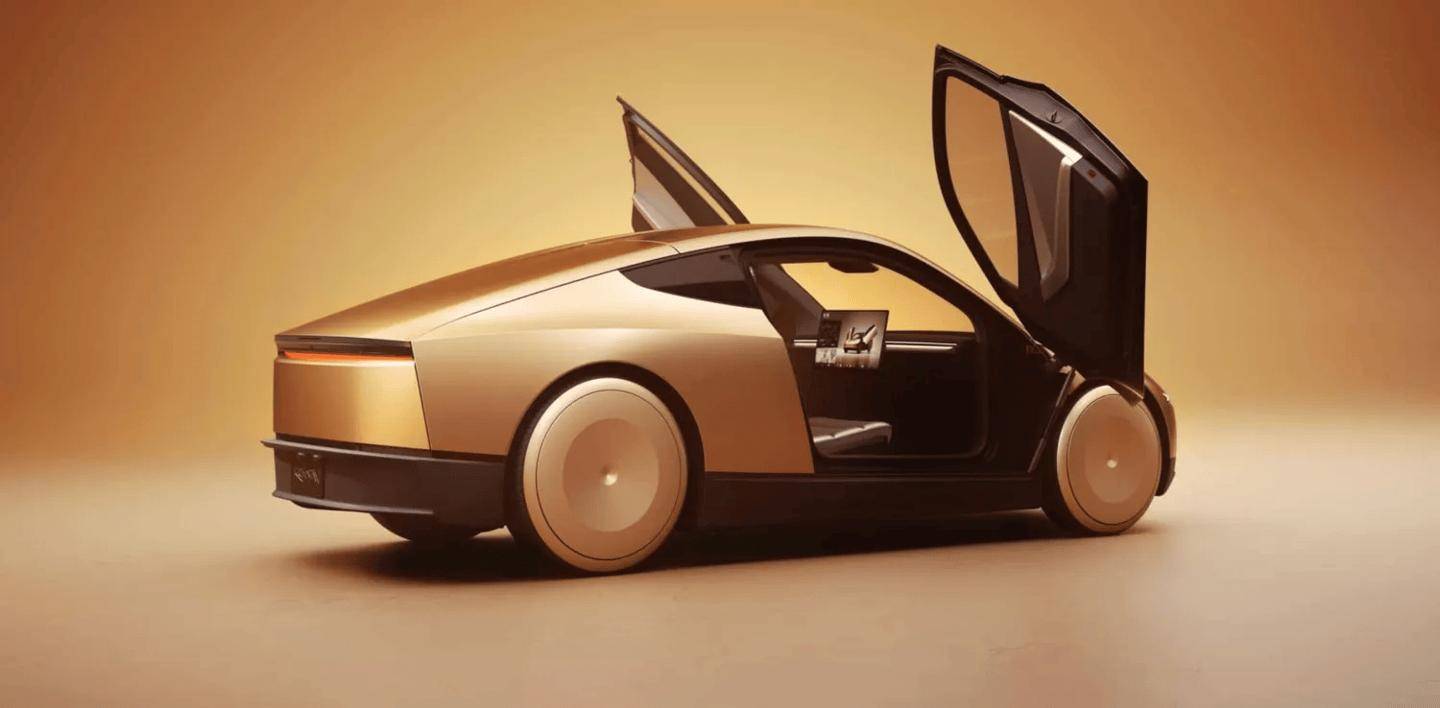
Core Insights - The launch of the Cybercab marks a significant shift in the automotive industry, eliminating traditional driving controls like the steering wheel, accelerator, and brake [1] - The pricing strategy of the Cybercab at $30,000 with an operating cost of 1.4 RMB per mile positions it as a cheaper alternative to traditional taxis, potentially disrupting companies like Didi and Uber [4] - Tesla's approach to autonomous driving, relying solely on cameras rather than additional sensors, has led to a higher accident rate compared to human drivers, raising safety concerns [5][6] Group 1: Product and Technology - The Cybercab is designed to redefine car ownership, shifting the focus from ownership to usage, making it more appealing to consumers who find owning a car expensive and cumbersome [9] - Tesla plans to ramp up production to 2 million units annually by April 2026, which would surpass the production of all other Tesla models combined [11] - The absence of a steering wheel in the Cybercab signifies a bold commitment to fully autonomous driving, with Tesla betting heavily on the success of its Full Self-Driving (FSD) system [11] Group 2: Market Impact and Competition - The Cybercab's introduction could lead to a decline in sales of traditional models like the Model 3, as Tesla shifts its business model from hardware sales to service-based revenue [9] - Regulatory challenges are evident, with California's vehicle management authority questioning the marketing of Tesla's FSD capabilities as potentially misleading [11][10] - Competitors in China, such as Baidu and WeRide, are already operating autonomous vehicles, indicating a competitive landscape that Tesla will need to navigate carefully [12]

首台量产车刚下线没多久,特斯拉Cybercab项目经理内基塔离职
Sou Hu Cai Jing· 2026-02-26 15:32
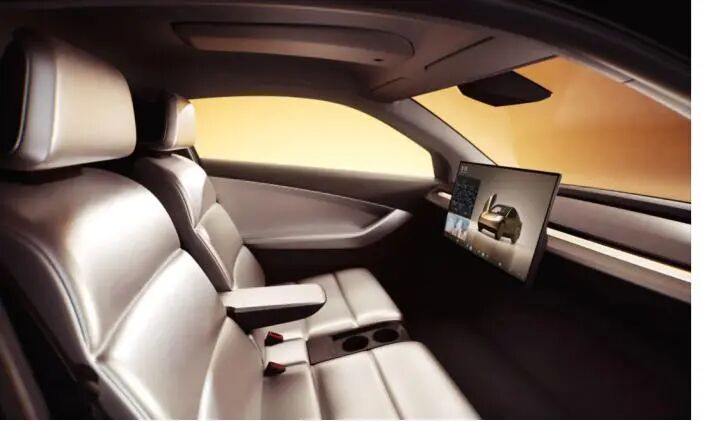
Core Insights - Tesla's Cybercab project manager, Viktor Nekita, has announced his departure shortly after the first production vehicle rolled off the line at the Texas Gigafactory on February 18 [1][3] - Nekita joined Tesla in 2017 as an intern on the Model 3 production line and has since progressed to lead the Cybercab project, highlighting a significant career development [3] - His exit continues a trend of management turnover at Tesla, with several key executives leaving the company over the past two years [3][4] Management Changes - Nekita's departure follows the exits of Cybertruck project manager Siddhant Awasthi and Model Y project manager Emmanuel Lamakiya in November 2025 [3] - Tesla has lost multiple core executives, including the North America and Europe sales and manufacturing VP, Omid Afshar, and the head of the Optimus robot project, Milan Kovac, among others [3][4] Cybercab Production Status - Currently, no original project leaders remain for Tesla's production models, including Model 3, Model Y, Cybertruck, and Cybercab [4] - Nekita played a crucial role in transitioning Cybercab from concept to production, but full-scale production still requires validation, with Elon Musk warning of slow initial production [4] Autonomous Driving Challenges - The Cybercab relies entirely on fully autonomous driving without a steering wheel or pedals, making it unusable if the autonomous system fails [5] - Tesla has adjusted its definition of "full self-driving" as of September 2025, no longer promising fully autonomous capabilities [5] - The Cybercab will launch with AI4 hardware, while the AI5 chip is not expected until 2027, and the current AI4 has not achieved fully autonomous driving in the existing fleet [5]
“马斯克信仰”把SpaceX估值抬至天际 万亿美元叙事的“硬核压力测试”也将开启
智通财经网· 2026-02-26 09:45
Core Viewpoint - Investing in Elon Musk's companies, such as Tesla, SpaceX, and xAI, is more about betting on his vision for future growth rather than just financial fundamentals. The current example of "Musk faith" is SpaceX, where investors are not only looking at today's satellite broadband empire and rocket launch business but are also paying a premium for long-term visions like a million satellites and advanced AI systems in space [1]. Group 1: SpaceX's IPO and Valuation - SpaceX is considering an IPO in June, potentially raising up to $50 billion, which could be the largest IPO in history, with a valuation reaching $1.5 trillion, close to Tesla's $1.6 trillion [1]. - The merger of Tesla, SpaceX, and xAI is seen as creating a "super business empire" for Musk, which could significantly influence market perceptions and valuations [1][3]. Group 2: AI and Infrastructure Development - The bottleneck for global AI data centers is shifting from AI chips to power systems and deployment, with Musk's vision of placing data centers in space powered by solar energy entering an engineering trial phase [2]. - Musk's plan includes launching one million satellites, each with 100 kW of power, to add 100 GW of AI computing capacity annually, which could lead to a significant leap in AI capabilities [2]. Group 3: Market Position and Competition - SpaceX has established a profitable position in satellite communication and rocket launches, with an EBITDA of approximately $8 billion and total sales of around $15-16 billion, with Starlink contributing 50-80% of total sales [5]. - The market for satellite broadband is becoming crowded, with competitors like Amazon planning to launch thousands of satellites, which could challenge Starlink's market position [8][9]. Group 4: Financial Metrics and Valuation Challenges - Analysts estimate that Starlink could generate about $16 billion in sales and $11 billion in EBITDA this year, leading to a valuation of around $700 billion based on its revenue contribution [11]. - To support a $700 billion valuation, Starlink would need to achieve approximately $39 billion in EBITDA by 2030, which is significantly higher than some optimistic forecasts [12][15]. Group 5: Investor Sentiment and Future Outlook - The "Musk faith" allows for high valuations based on futuristic visions rather than current business metrics, but the sustainability of these valuations will depend on the realization of these visions and the company's ability to navigate competition and regulatory challenges [17]. - The upcoming IPO of SpaceX is likely to follow a pricing strategy that combines its current market position with long-term sci-fi narratives, but any delays in technology deployment or increased competition could lead to volatility in its valuation [17].
汽车板块存机构性机会,港股汽车ETF国泰(520720)盘中上涨1.1%
Mei Ri Jing Ji Xin Wen· 2026-02-25 06:24
Group 1 - The core viewpoint is that the automotive industry will face structural opportunities by 2026, despite a lack of significant growth in total vehicle numbers due to the reduction of new energy vehicle purchase tax incentives and trade-in subsidies [1] - Domestic brands are expected to upgrade towards high-end markets, with accelerated penetration of smart technologies and the realization of embodied intelligence in production, indicating a major technological transformation in the automotive industry and its supply chain [1] - The commercialization of fully autonomous vehicles is accelerating, exemplified by Tesla's launch of the Cybercab, which represents a substantial breakthrough in autonomous driving strategy and may drive the shared mobility model towards lower costs and scalability [1] Group 2 - The Hong Kong Stock Exchange's automotive ETF, Cathay (520720), tracks the Hong Kong Stock Connect Automotive Index (931239), which selects securities related to vehicle manufacturing, components, and smart driving from the Stock Connect range to reflect the overall performance of listed companies in the automotive sector [1] - The index samples exhibit high R&D investment and growth characteristics, demonstrating strong market elasticity and internationalization features [1]
马斯克的豪赌:押注AI未来,特斯拉车主成筹码?
Sou Hu Cai Jing· 2026-02-03 06:11
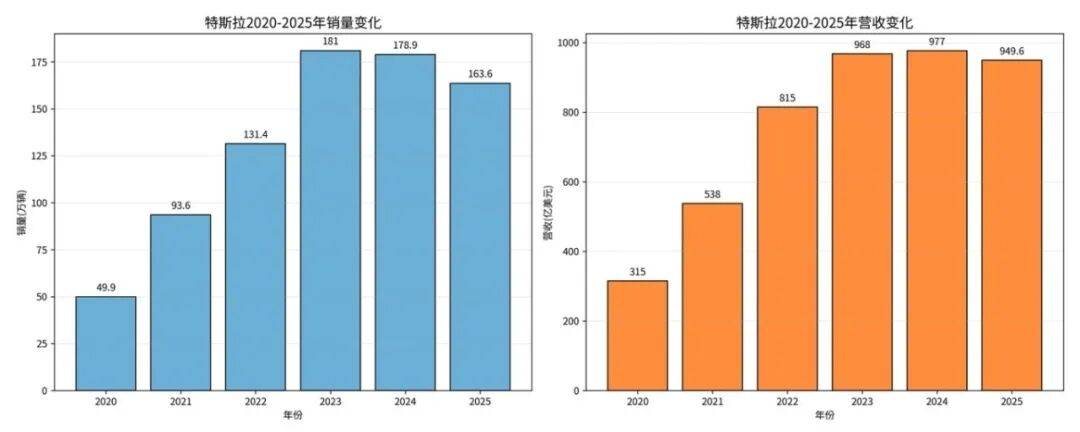
Core Viewpoint - Tesla's recent financial report indicates a significant decline in performance, with a 2.8% decrease in annual revenue and an 8.6% drop in delivery volume compared to 2024, despite a fourth-quarter revenue of $24.9 billion that exceeded expectations [1][3] Financial Performance - Tesla's profit for the entire year of 2025 was only $3.794 billion, a decline of approximately 47% compared to 2024, which itself was already down 52.5% from 2023's profit of $14.999 billion [3][11] - The global delivery volume for Model S and Model X in 2025 was less than 51,000 units, accounting for only 3.1% of Tesla's total deliveries [9][11] Strategic Decisions - Elon Musk announced the planned discontinuation of the Model S and Model X in the second quarter of 2026 to repurpose the Fremont factory for the production of the Optimus humanoid robot [5][12] - The decision to stop production of these flagship models is seen as a necessary move to cut costs and focus on more promising future projects, despite the historical significance of these vehicles in establishing Tesla's brand [11][14] Future Business Direction - Tesla is shifting its focus towards the development of the Optimus robot, which is expected to represent about 80% of the company's future value according to Musk's Master Plan [12][22] - The transition to a subscription model for the Full-Self Driving (FSD) service aims to create a steady revenue stream and expand the user base, which is crucial for the future Robotaxi business [15][18] Market Implications - The shift towards the Robotaxi model and the FSD subscription service is intended to disrupt the existing transportation system, potentially leading to a significant increase in market size and profitability for Tesla [20][21] - The anticipated high profit margins from Robotaxi services could redefine Tesla's valuation from a traditional automaker to an AI and mobility service platform [20][22] Operational Challenges - The transition to focusing on humanoid robots may slow down the iteration speed of Tesla's automotive product lines, affecting promised updates and advancements in vehicle technology [28][30] - Employees may face job security concerns due to organizational restructuring and potential layoffs as resources are redirected towards the robot project [30][32]
特斯拉Model S/X官宣停产,传奇车型就此落幕
36氪· 2026-01-30 10:24
Core Viewpoint - Tesla is transitioning from being a pure electric vehicle manufacturer to focusing on artificial intelligence and robotics, marking the end of the Model S and Model X production lines as part of this shift [4][30]. Group 1: Model S and Model X Production - Elon Musk announced that the Model S and Model X will cease production in Q2 2026, ending the lifecycle of these flagship models that once led the electric vehicle revolution [4][10]. - Despite multiple updates over the years, the core design and key components of Model S and Model X have not evolved to meet current industry standards, leading to declining sales [9][10]. - In 2025, Tesla sold 50,850 units of "other models," which includes Model S and Model X, reflecting a 40.2% year-over-year decline [10]. Group 2: Financial Performance - Tesla's total revenue for 2025 was $94.827 billion, a 3% decrease year-over-year, with a net profit of approximately $3.794 billion, down 46% [15]. - The company faced challenges due to outdated vehicle designs and increasing competition from traditional automakers, resulting in an 8.5% decline in sales compared to 2024, totaling around 1.6 million units sold [16][18]. Group 3: Future Directions - Musk emphasized that Tesla's future lies in FSD (Full Self-Driving), Robotaxi, and the Optimus humanoid robot, rather than in traditional vehicle manufacturing [20][28]. - The FSD software saw a 38% increase in purchases in 2025, with nearly 1.1 million paid users, and Tesla plans to shift to a subscription model for FSD to expand its user base [24][25]. - Tesla's electric truck, Semi, is set to begin production in H1 2026, and the next-generation Roadster is expected to launch in April 2026 [26]. Group 4: Strategic Shifts - The discontinuation of Model S and Model X signifies Tesla's departure from its identity as a pure automotive manufacturer [30]. - Musk's comments reflect a strategic necessity for the company to adapt to changing market conditions and technological advancements, indicating a shift in focus towards AI and robotics [29][33].
储能业务井喷,上海工厂擎旗:特斯拉2025财报揭示的“新两极”
Jin Rong Jie· 2026-01-30 02:13
Core Insights - Tesla's Q4 2025 earnings report shows a revenue of $24.901 billion, a 3% year-over-year decline, but with an EPS of $0.5 and a gross margin of 20%, both exceeding expectations [1] - The company’s energy storage business saw a significant growth, with installed capacity reaching 46.7 GWh in 2025, a 48.7% increase year-over-year, and Q4 alone contributing 14.2 GWh, marking a record high [1][4] - The Shanghai Gigafactory has become a strategic asset, delivering over 850,000 vehicles in 2025, accounting for nearly half of Tesla's global deliveries, and is now recognized as a core global export hub [1][2] Electric Vehicle Business: A "Lighthouse" Amidst Global Challenges - Tesla delivered approximately 1.636 million electric vehicles globally in 2025, facing significant challenges, particularly in the U.S. and European markets, where deliveries fell by 13.5% year-over-year in Q2 [2] - The U.S. market faced pressures from the termination of EV tax credits and increased competition, while in Europe, subsidy reductions and local competition led to a market share drop to 1.2% [2] - In contrast, the Shanghai Gigafactory performed robustly, delivering 851,000 vehicles, contributing over half of Tesla's global total, and achieving a record high of 191,700 vehicles in Q2 [2][3] Competitive Edge of Shanghai Factory - The Shanghai factory boasts over 95% localization in its supply chain and has established a highly efficient production network, producing a vehicle every 30 seconds, making it Tesla's most productive facility [3] - It has evolved into Tesla's global export center, with products shipped to Europe and Asia, achieving a record monthly export in October 2025 [3] Energy Storage Business: A Rising Growth Curve - The energy storage segment is highlighted by a 48.7% year-over-year growth, with 46.7 GWh installed in 2025, and Q4 alone contributing 14.2 GWh, marking a record for the quarter [4][6] - This growth is attributed to advancements in technology and product strategy, including the launch of the new Megapack 3 and Megablock, which significantly reduce costs and installation time [5] - A new energy storage factory in Houston is set to begin production by the end of 2026, targeting an annual capacity of 50 GWh, ensuring future growth [5] Future Outlook: Autonomous Driving and Robotics - Tesla is focusing on future innovations in autonomous driving and robotics, with the launch of Robotaxi services in Austin and plans for mass deployment by 2026 [7] - The development of the Optimus humanoid robot is also underway, with a third prototype expected in 2025 and mass production planned for 2026, showcasing Tesla's ambition in AI and robotics [7] Challenges and Strategic Path Forward - Tesla faces structural challenges due to over-reliance on the Model 3/Y, with production ramp-up of new models like Cybertruck falling short of expectations [8] - Increased competition in China from local brands is impacting market share, which has declined from a peak of 15% [8] - The company aims to stabilize its EV business through the Shanghai factory's efficiency, commercialize its energy storage solutions, and invest in autonomous driving and robotics for long-term growth [9]