开放贸易

Search documents
爱尔兰总理时隔14年再次访华,称“中国市场至关重要”
21世纪经济报道· 2026-01-06 08:42
Group 1 - The core viewpoint of the article emphasizes the importance of strengthening China-Ireland relations, particularly in trade and economic cooperation, while promoting an open and fair market environment [1][7][10] - Ireland's Prime Minister Martin highlighted the significance of the Chinese market for Irish businesses, especially in the food and beverage sector, and expressed a desire to maintain sustainable access to this market [5][6] - The bilateral trade between China and Ireland has seen rapid growth, reaching approximately 46 billion euros, with China being Ireland's fourth-largest trading partner [7][10] Group 2 - Martin noted that the cooperation in life sciences and technology remains a crucial component of bilateral relations, with ongoing research collaborations exemplifying the potential for shared knowledge and capabilities [5][6] - The article mentions that there are currently about 50,000 Chinese nationals and students living in Ireland, indicating a strong cultural and educational exchange [8] - Ireland aims to advocate for a constructive and stable relationship with China within the EU framework, emphasizing the need for open trade and adherence to international rules [10][11]

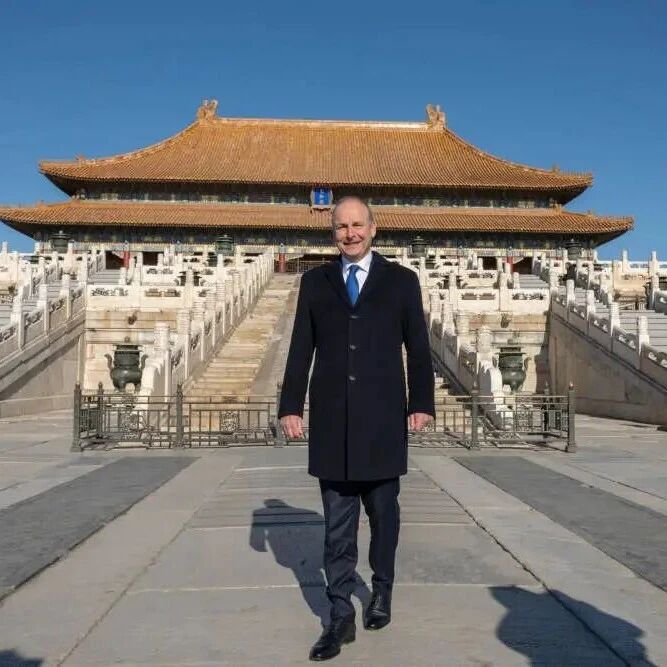
欧洲关注爱尔兰总理访华“探路”
Xin Lang Cai Jing· 2026-01-06 05:03
Group 1 - The visit of Irish Prime Minister Martin to China marks the first visit by a European leader to China in 14 years, aimed at strengthening bilateral trade relations and enhancing dialogue between China and the EU as Ireland prepares to assume the EU presidency in July [1][2] - Martin emphasized the importance of open trade and mutual cooperation in various sectors including trade, investment, technology, biomedicine, renewable energy, artificial intelligence, and education [2][3] - The visit occurs amid escalating trade tensions between the EU and China, with the EU imposing higher tariffs on Chinese electric vehicles and China responding with new tariffs on EU dairy products [2][3] Group 2 - The mutual support for multilateralism and a rules-based international trade system between China and Ireland is particularly significant in the context of rising protectionism [3] - Ireland is China's largest trading partner in Asia and the fifth largest globally, highlighting the importance of this relationship for both parties [3][4] - Martin's discussions in Shanghai will focus on trade, technological cooperation, and multilateral issues, with Ireland's EU presidency potentially facilitating dialogue between Beijing and Brussels [4]
爱尔兰总理马丁访华期间发帖:爱尔兰和中国之间存在巨大双向投资机遇
Huan Qiu Wang· 2026-01-06 00:57
Group 1 - The core message of the articles highlights the significant bilateral investment opportunities between Ireland and China, which are expected to promote economic growth in Ireland [1][3] - Irish Prime Minister Martin's visit to China marks the first visit by an Irish leader in 14 years, indicating a renewed focus on strengthening economic ties and dialogue between China and Europe [3] - The visit is strategically timed as Ireland prepares to assume the rotating presidency of the EU in July, aiming to solidify bilateral trade relations [3] Group 2 - Martin acknowledges China's indispensable role in international affairs and emphasizes its contribution to global peace [3] - The Irish stance on open trade is reiterated, with a recognition of the interdependence of the global economy, underscoring the importance of pursuing open trade with China [3]
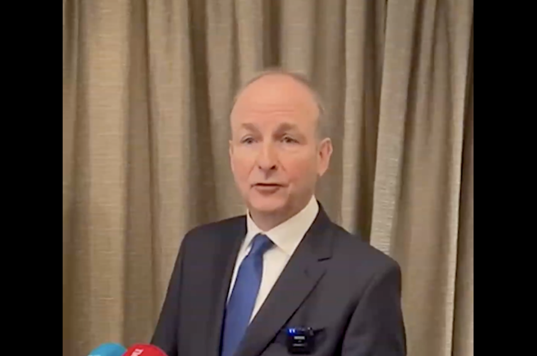
加强经贸合作交流,推动欧中关系发展,欧洲关注爱尔兰总理访华“探路”
Huan Qiu Shi Bao· 2026-01-05 23:26
Group 1 - Irish Prime Minister Martin's visit to China marks the first visit by a European leader in 14 years, aimed at strengthening bilateral economic relations and enhancing dialogue between China and the EU as Ireland prepares to assume the EU presidency in July [2][3] - During the meeting, President Xi Jinping emphasized the importance of multilateralism and international cooperation, urging countries to respect each other's development paths and adhere to international law [2][3] - Martin expressed Ireland's commitment to the One China policy and the desire to deepen cooperation in various sectors including trade, investment, technology, and renewable energy [3][4] Group 2 - The visit occurs amid escalating trade tensions between the EU and China, with the EU imposing higher tariffs on Chinese electric vehicles and China responding with new tariffs on EU dairy products [3][5] - Ireland is viewed as a potential bridge to ease tensions between China and the EU, especially as it prepares to take on the EU presidency, which may facilitate dialogue on trade and technology cooperation [5][4] - The ongoing discussions during Martin's visit are expected to focus on trade, technology cooperation, and multilateral issues, with the potential for Ireland to leverage its EU presidency to promote constructive relations between China and the EU [5][4]
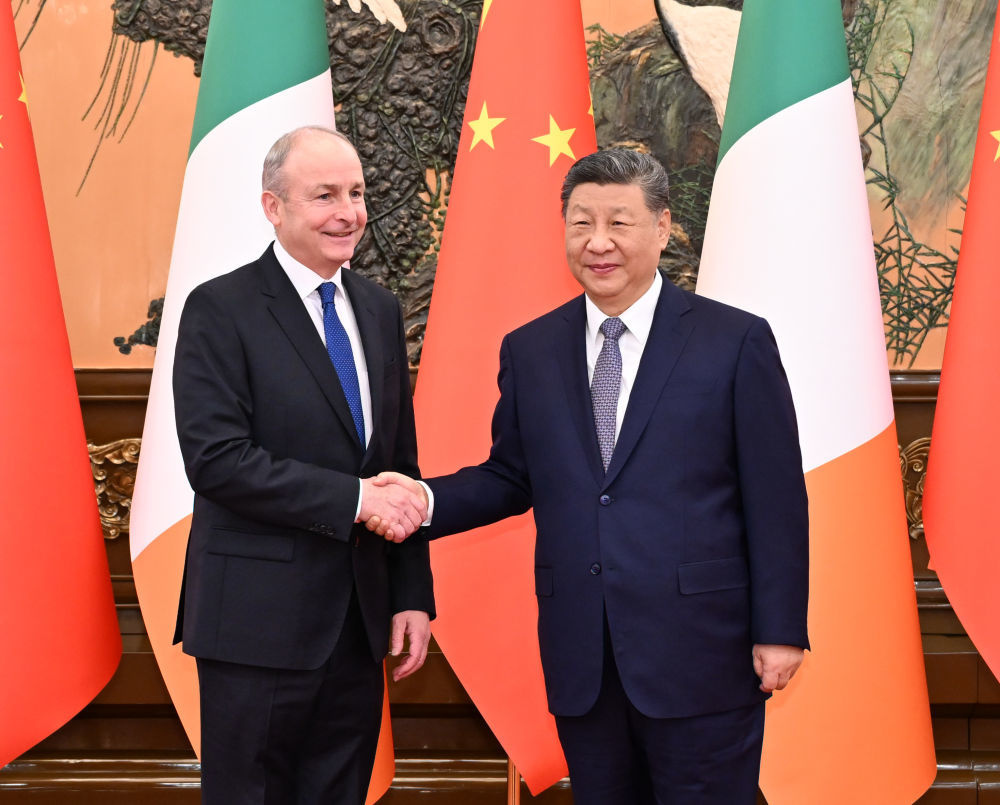
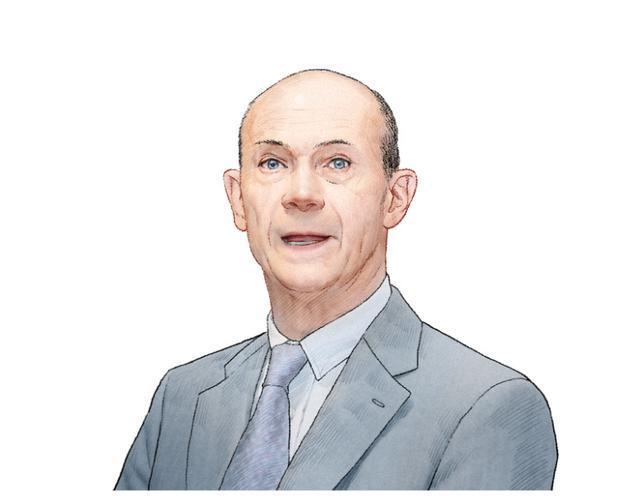
独家专访世界贸易组织前总干事帕斯卡尔·拉米:中国将在下一阶段全球化扮演重要角色
2 1 Shi Ji Jing Ji Bao Dao· 2025-12-09 00:37
Group 1 - The World Trade Organization (WTO) Appellate Body has been "inactive" for nearly six years due to the United States' unilateral and protectionist measures that undermine WTO principles [1][4] - Pascal Lamy, former WTO Director-General, suggests that the WTO must adapt to new realities and continue to operate even without U.S. participation [1][4] - Lamy emphasizes the urgent need for collective action to address climate change, as 90% of the global population is affected by environmental crises [1][3] Group 2 - Lamy identifies two main issues in international trade: the lack of enforceable regulations despite global agreements and the U.S.'s non-cooperation, which hampers international progress [4][6] - He advocates for a platform to address North-South tensions and believes that international trade and labor division can benefit the environment [4][5] - Lamy proposes a comprehensive forum on climate change and trade, emphasizing the need for open discussions based on expertise rather than negotiations [5] Group 3 - The transition from "fast globalization" to "slow globalization" is noted, with international trade still growing but at a slower pace [6][7] - Lamy highlights three characteristics of the current multilateral trade system: weaponization of trade, U.S. protectionism, and the rise of preventive trade measures due to public health and environmental concerns [6][8] - He points out that while the U.S. accounts for only 13% of global imports, the remaining 87% of countries can maintain a stable global trade system if not affected by protectionism [7] Group 4 - China is identified as a major player in global trade, with a projected total import and export value of 43.85 trillion yuan in 2024, a 5% increase year-on-year [9] - Lamy advises that companies must enhance their strategic flexibility and adaptability in response to geopolitical and technological changes [9][10] - Digitalization is recognized as a new variable affecting global trade, with digital technologies lowering transaction costs and facilitating service trade growth [10] Group 5 - Reform of the WTO is deemed necessary, particularly in balancing power between members and the secretariat to improve decision-making efficiency [10] - Lamy calls for the WTO to enhance trade facilitation in areas such as trade, environment, e-commerce, and subsidy disciplines [10]
独家专访拉米:美国实质上已退出WTO,全球化路在何方?
2 1 Shi Ji Jing Ji Bao Dao· 2025-12-08 09:45
Core Viewpoint - The World Trade Organization (WTO) appellate body has been "inactive" for nearly six years due to the United States' unilateral and protectionist measures, which have undermined the organization's principles and obstructed the appointment of appellate body members [2][3] Group 1: WTO's Current Situation - The WTO appellate body officially ceased operations on December 11, 2019, after over 20 years of functioning [2] - Pascal Lamy, former WTO Director-General, suggests that the WTO must adapt to new realities and continue to operate even without U.S. participation [2][3] - Lamy warns that avoiding large-scale wars and environmental degradation should be prioritized in the coming years, as 90% of the global population is affected by these crises [2] Group 2: Climate Change and Trade - Lamy emphasizes the need for a friendly trade environment to protect against the harmful effects of environmental degradation while utilizing Earth's resources more effectively [3][4] - There is a lack of consensus between developed and developing countries on addressing climate change, necessitating a platform to resolve North-South tensions [3] - Existing global agreements lack enforceable regulations, leading to fragmented actions that could escalate trade frictions [3][4] Group 3: Global Trade Regulations - Some global regulations have pointed the way to resolving trade disputes, but trade protectionism remains a significant barrier [4] - Lamy notes that developed countries often adopt avoidance strategies regarding climate issues, while some developing countries resist discussions that could lead to negotiations within the WTO [4][5] - A proposed comprehensive forum on climate change and trade could facilitate discussions based on expertise and openness, rather than formal negotiations [5] Group 4: The Future of Global Trade - Lamy argues that the world must pursue open trade, environmental protection, and domestic economic development simultaneously, especially for developing countries [5][6] - The transition from "fast globalization" to "slow globalization" is underway, with international trade still growing but at a slower pace [6] - The new normal of the multilateral trade system is characterized by trade weaponization, U.S. protectionism, and the rise of preventive trade measures due to public health and environmental concerns [6][7] Group 5: China's Role in Global Trade - China's total import and export value is projected to reach 43.85 trillion yuan in 2024, a 5% increase year-on-year, with exports growing by 7.1% and imports by 2.3% [7] - As a major player in global trade, China must balance its macroeconomic rebalancing with the need to explore emerging markets and optimize trade structures [7][8] Group 6: Digitalization and Trade - Digitalization is reshaping global trade dynamics by lowering transaction costs and facilitating service trade growth [8] - However, significant differences in data governance and regulatory frameworks across countries create new barriers for service trade [8] Group 7: Reforming the WTO - The WTO faces a systemic contradiction as the U.S. participates in decision-making while having withdrawn from its constraints [9] - Lamy calls for reforms to improve the WTO's structure and efficiency to better address complex new issues [9] - A rebalancing of power between members and the secretariat is necessary to enhance decision-making efficiency within the WTO [9]
对话WTO前总干事:中国将在下一阶段全球化扮演重要角色
2 1 Shi Ji Jing Ji Bao Dao· 2025-12-03 03:59
Core Viewpoint - The world is facing challenges in globalization, but it is transitioning from "fast globalization" to "slow globalization" rather than retreating from globalization altogether [1][2] Group 1: Globalization Trends - Pascal Lamy emphasizes that the overall scale of international trade is still growing, although the growth rate is slowing down [1] - The perception of globalization's social impact varies across different regions, indicating a complex landscape [1] Group 2: WTO Challenges - Lamy suggests that the power structure between WTO members and the secretariat needs to be rebalanced to improve decision-making efficiency [1] - The current imbalance, where member powers are too great and the secretariat's role is insufficient, hinders the WTO's effectiveness [1] - There is a need to promote trade facilitation in areas such as trade, environment, e-commerce, and subsidy disciplines [1] Group 3: China's Role in Global Trade - China is urged to continue its macroeconomic rebalancing between production and consumption while expanding into emerging markets and optimizing trade structure [2] - As a significant player in globalization, China will continue to play a crucial role in the current and next phases of globalization [2] Group 4: Environmental Considerations - Lamy highlights the necessity of protecting the environment while maintaining open trade, addressing the dual challenges of decarbonization and biodiversity preservation [2] - Balancing environmental protection with open trade is complex but essential to avoid exacerbating existing international tensions [2]
擒贼先擒王,中方一口气对4国加税,对日本征69%反倾销税,对美国征收220%!
Sou Hu Cai Jing· 2025-12-01 08:34
Group 1 - The Chinese government will continue to impose anti-dumping duties on certain imported polyphenylene sulfide (PPS) products from the US, Japan, South Korea, and Malaysia starting December 1, with rates as high as 220.9% for US companies and between 25.2% and 69.1% for Japanese companies, signaling a strong response to external pressures and a commitment to protecting domestic industry [1][3][5] - The PPS industry in China requires protection due to past market disruptions from 2015 to 2018, which led to significant production cuts among domestic companies, prompting a successful anti-dumping investigation that resulted in the current duties [3][5] - PPS is a critical material in high-end manufacturing, with applications in automotive, electronics, and aerospace sectors, and the demand for PPS is expected to rise with the growth of the electric vehicle market, highlighting the potential risks of low-priced imports [5][7] Group 2 - The differentiated tax rates reflect the severity of dumping, with the highest rate for US companies indicating significant price undercutting, while Japanese companies benefit from a lower rate due to their technological and quality advantages, ensuring fair competition in the domestic market [5][7] - China's strategy aims to create a complex economic relationship that protects domestic industries while remaining open to cooperation with countries that adhere to market rules, sending a warning to nations engaging in unfair competition [7] - The geopolitical landscape requires smaller countries to navigate their positions carefully, as they may face pressure from larger economies, with China's tariff measures serving as a broader warning to the international market about the importance of maintaining independence and cooperation [7]
阿联酋重申推进开放贸易
Shang Wu Bu Wang Zhan· 2025-11-22 14:29
Core Viewpoint - The UAE is committed to promoting open, rules-based international trade to foster global sustainable economic growth [1] Group 1: Trade Initiatives - The UAE's Minister of Foreign Trade, Thani Al Zeyoudi, emphasized the importance of open trade during the first ministerial meeting of the FITP [1] - A "Ministerial Declaration on Supply Chain Resilience" was released to enhance cooperation in addressing supply chain risks [1] Group 2: Digital Trade - The UAE has initiated a working group focused on digital and paperless trade to promote the adoption of international standards [1]
既要开放,又要安全?虹桥分论坛顶级专家聚首,干货满满
Sou Hu Cai Jing· 2025-11-07 15:44
Core Viewpoint - The eighth Hongqiao International Economic Forum emphasizes the importance of open trade and security development in the context of global economic challenges, including protectionism and unilateralism [1][3]. Group 1: Forum Overview - The forum, held in Shanghai, gathered nearly 20 experts from academia, strategy, business, and think tanks to discuss building an open, inclusive, and balanced global trade system [1]. - The event included the release of a think tank research report titled "Pathways to Coexistence in Trade Security Development between China and the World by 2050" [1][10]. Group 2: Key Themes and Discussions - Open trade is highlighted as a means to build trust among different governments and systems, promoting shared prosperity [5]. - The report emphasizes that future trade security will involve not only national strategies but also micro-level enterprise survival and macro-level governance [10]. - Experts agree that China's ongoing high-level opening-up efforts provide a stable foundation for reconstructing the global economic order amidst rising uncertainties [25][31]. Group 3: Expert Insights - Michelle Umulenge from Rwanda stressed that open trade is a driving force for peace and development, supported by initiatives like the Belt and Road [5]. - Jeffrey Sachs criticized the U.S. protectionist policies, arguing they undermine multilateralism and global prosperity [8][29]. - Martin Jacques noted a shift in global narratives from economic growth to security priorities, influenced by Western countries' strategies against China [17]. Group 4: Future Directions - The report outlines a vision for 2050, proposing a "coexistence security" model as a core pathway for trade development [10]. - It calls for innovative rules and collaborative global governance to address trade security challenges [10]. - The discussions highlighted the need for countries to seek balance through openness amidst structural changes in globalization [23][32].