
心理韧性

Search documents
治愈人生的三把钥匙:无所谓,没必要,不至于
洞见· 2026-03-03 12:37
洞见 ( DJ00123987 ) —— 不一样的观点,不一样的故事, 3000 万人订阅的微信大号。点击标题下 蓝字 " 洞见 " 关注,我们将为您提供有价值、有意思的延伸阅读。 走自己的路,发自己的光。 ♬ 点上方播放按钮可收听 洞见主播韩丹朗读音频 你有没有过这样的时刻: 心里像压着一块石头,说不清为什么,就是觉得累,觉得烦,好像生活哪儿哪儿都不对劲? 其实,生活本身并不沉重,是我们赋予了太多琐事以重量,让它们在心头生了根,压得自己喘 不过气来。 看过一句话:"人生要活得洒脱,就是三要素,无所谓,没必要,不至于。" 同事一句无心评价,便反复咀嚼,辗转反侧整夜; 当你学会适当地对某些人,某些事轻轻说一句"无所谓""没必要""不至于"。 所有萦绕心头的烦扰自会得以治愈,所有硌脚的碎石子,也终将在你日渐平和从容的心境下, 化作铺就你心路的一片柔沙。 01 工作出现一点小瑕疵,就自责不已; 甚至朋友圈少了几个人点赞,都会怀疑自己是不是不够好。 久而久之,快乐成了奢侈品,疲惫填满了日常。 灵魂需要解缚,生命需要透气。 作者: 洞见·握书姑娘 无所谓:给心灵松松绑。 看过一句话:这世上最大的监狱,是在头脑中为自己建 ...


认知的6个阶层,我在第三层,你在哪一层?
洞见· 2026-03-02 12:34
洞见 ( DJ00123987 ) —— 不一样的观点,不一样的故事, 3000 万人订阅的微信大号。点击标题下蓝字 " 洞见 " 关注,我们将为您提供有价值、有意思的 延伸阅读。 作者:yy 来源:每晚一卷书 (ID: JYXZ89896) 常反省、多行动。 最终,他提出了一个"NLP思维逻辑层级"理论。 在他看来,整个人类群体存在6大种认知层级。 每一层认知,都对应了一种社会阶层。 我在第三层,看看你在哪一层? 01 ♬ 点上方播放按钮可收听 洞见主播云湾朗读音频 窦文涛在《圆桌派》中说过: 一个人的认知,会引导出他的选择与行为,进而决定了人生上限。 英国社会学家格雷戈里·贝特森就曾研究了数千人,涵盖了社会各个阶层。 灾民认知,是最底层的认知阶层。 这类人往往如灾民一般,过度依赖环境。 他们习惯把所有的不幸都归咎于外界,整天只知道怨天尤人。 久而久之,就只能将自己锁死在最底层。 财经专栏作者大森讲过一位教培老师,自己开了家教培机构。 可机构刚经营一年多,就因为疫情被迫停业。 熬了几个月后,疫情封控有了松动,机构又重新运营起来。 不料又遭遇"双减",机构彻底倒闭,亏损了一大笔钱。 面对这一局面,他只顾每天四 ...

青少年家长指南:如何培养孩子的心理韧性
Jing Ji Guan Cha Bao· 2026-02-17 01:51
保持乐观心态:乐观是心理韧性的基石。在日常生活中,家长要引导孩子将失败和挫折视为成长的机 会。比如孩子参加比赛没有取得好成绩,家长可以和孩子一起分析表现出色的地方,鼓励孩子相信自己 有能力克服困难,争取下次取得更好的成绩。当孩子遇到难题时,引导他们看到问题背后的积极意义, 逐渐培养乐观的思维方式。 转换视角看问题:教会孩子从不同角度看待问题,能让他们发现事情的积极面。例如,孩子和朋友闹矛 盾后心情低落,家长可以引导孩子站在朋友的角度思考,理解朋友的想法和感受,同时也能更清楚自己 在这件事情中的不足。通过这样的方式,让孩子明白挫折和困难是成长的机遇,帮助他们在困境中更好 地了解自己的不足之处,从而促进个人成长。 注重自我调适 (原标题:青少年家长指南:如何培养孩子的心理韧性) 理解心理韧性 心理韧性是指个体在面对压力、挫折、不利情况时,能够保持心理功能的稳定,并且积极适应、持续发 展的综合能力。从理论内涵上看,它不是单一的特质,而是由认知、情绪、行为和社会资源等多方面构 成的动态系统。在实际生活中,心理韧性主要表现为压力应对能力、情绪调节能力、意义建构能力和恢 复成长能力。例如,同样面对考试失利,心理韧性强的孩 ...
如何应对AI带来的“科技红利”和“职场焦虑”?
虎嗅APP· 2026-01-12 00:10
Core Insights - The article discusses the impact of AI on the labor market, highlighting that nearly 40% of global jobs may be affected by AI according to the IMF, and Goldman Sachs estimates that AI could impact the equivalent of 300 million full-time jobs [2][3]. Group 1: AI Integration in the Workplace - AI has been deeply integrated into the workplace, with 91.36% of respondents indicating that their industry has adopted AI tools, and 62.19% stating that these tools are directly related to their work [6]. - The penetration rate of AI across industries has increased from 91.36% to 95.94%, with 98.06% of respondents having tried using AI tools [6]. Group 2: Efficiency and Gender Differences - 61.23% of respondents believe that AI has improved work efficiency, while 18.72% feel it has decreased efficiency [6]. - Female respondents report a greater perception of AI's efficiency benefits, with 64.21% believing it enhances their work efficiency compared to 58.24% of male respondents [6]. Group 3: Concerns About Job Replacement - A significant 85.53% of respondents express concern about being replaced by AI, with 6.37% feeling very worried [7]. - The level of concern about AI replacement is higher among men, and there is a correlation between age, education level, and the degree of concern [7]. Group 4: The Concept of "Involution" - The article explores whether the fear of AI replacement contributes to workplace "involution," a term describing competitive pressure among employees [9]. - A measurement scale for involution was developed, distinguishing between active and passive involution behaviors [10][11]. Group 5: Active vs. Passive Involution - Active involution includes behaviors like working late to keep up with colleagues and pursuing additional learning to enhance competitiveness [11]. - Passive involution involves being forced to take on tasks outside one's job description or working despite illness due to fear of job loss [12]. Group 6: AI's Role in Involution - The findings suggest that AI exacerbates involution, with a stronger effect on active involution compared to passive involution [12]. - Employees who perceive a strong threat from AI are more likely to engage in active involution to secure their positions [13]. Group 7: Company Attitudes Towards AI - Companies that do not prioritize AI face higher risks of employee layoffs due to AI impacts, with 9.82% of respondents in less AI-focused companies facing a high risk of layoffs [16]. Group 8: Impact on Executives - Executives show a higher frequency of AI tool usage and a greater sense of urgency regarding AI's potential to replace jobs compared to regular employees [18]. - The mental health of executives is reported to be worse than that of employees, with higher levels of anxiety and stress [19]. Group 9: Strategies for Coping with AI Impact - Enhancing core competencies and psychological resilience are recommended strategies for individuals to cope with AI's impact [21]. - The concept of "sustained small wins" is emphasized as a way to maintain motivation and positive emotions in the face of uncertainty [22]. Group 10: Conclusion on AI's Dual Nature - The article concludes that while AI presents challenges, it also offers opportunities for personal and professional growth, urging individuals to embrace technological changes and improve their skills [26].
如何培养笑对逆境的孩子?
Jing Ji Guan Cha Bao· 2025-12-31 01:58
Core Concept - The article discusses the importance of resilience in children, emphasizing that modern children often lack the ability to cope with adversity due to overprotection and a lack of exposure to challenges. It highlights that resilience is a key predictor of future success and suggests ways to cultivate this quality in children through various strategies [1][2]. Group 1: Definition and Importance of Resilience - Resilience, referred to as psychological elasticity, is defined as an individual's ability to overcome adversity and recover from trauma, which is crucial for personal development [2][3]. - Research indicates that resilience is linked to positive outcomes in children, allowing them to cope effectively with stressors such as parental divorce or economic hardship [2][4]. Group 2: Risk Factors Affecting Resilience - Risk factors that hinder resilience include biological, psychological, cognitive, and environmental elements that increase the likelihood of negative outcomes [3][4]. - Specific risk factors identified include social isolation, lack of trust in others, emotional detachment, and exposure to adverse environments such as poverty or family violence [4][5]. Group 3: Protective Factors Enhancing Resilience - Protective factors are resources that promote positive adaptation in children, helping to mitigate the impact of risk factors [6][7]. - Key protective factors include strong interpersonal relationships, emotional support from family or peers, and the development of skills that foster self-identity and competence [6][7]. Group 4: Strategies to Promote Resilience - Resilience can be cultivated through intentional strategies, such as recognizing and addressing stressors in children's lives as opportunities for growth [8][9]. - Encouraging a strengths-based perspective rather than a problem-focused approach can help children identify their capabilities and support systems [10][11]. - Family dynamics play a crucial role in resilience, with supportive environments and clear expectations contributing to both individual and collective resilience [11][12].
126个交易日,用1035元实现近170倍的收益,老铁们算算赚了多少
Qi Huo Ri Bao· 2025-12-30 23:44
Core Insights - The article highlights the remarkable achievement of Yuan Yongjian, who turned an initial investment of 1,035 yuan into nearly 170 times that amount within 126 trading days during a futures trading competition [1] Group 1: Psychological Transformation - A significant turning point in Yuan's trading career occurred after a painful lesson in early 2022 when he faced a margin call on soybean meal futures, leading to a realization of the market's uncertainties [2] - This experience prompted Yuan to explore options trading, recognizing the limited loss potential for buyers as a necessary certainty in his trading strategy [3] - Yuan's acceptance of being a "market weakling" is framed as a powerful psychological shift, allowing him to focus on manageable risks rather than attempting to predict market movements [4] Group 2: Trading Discipline and Strategy - The core of Yuan's trading system is based on the principle of "low price is king," which is informed by extensive data analysis rather than intuition [5] - He emphasizes the importance of patience, stating that he only engages in high-probability opportunities and spends most of his time waiting for the right moment [5] - Yuan integrates trading into his life, prioritizing family and personal well-being over trading, which helps him maintain emotional control [5] Group 3: Psychological Resilience - The final day of the competition showcased Yuan's psychological strength, as he maintained his routine and composure despite being in second place before the last trading day [6] - He made calculated decisions based on probabilities and was prepared to accept losses, demonstrating a readiness to adapt quickly to unexpected market movements [6][7] - True psychological resilience is characterized not by the absence of mistakes but by the ability to recover swiftly from them [7] Group 4: Life and Trading Philosophy - Yuan articulates a profound connection between trading success and quality of life, advising those struggling in trading to focus on their personal lives to regain strength [8] - He suggests that small capital experimentation is essential before achieving stable profits, emphasizing that losses should not disrupt normal life [8] - Yuan's journey from a margin call to championship serves as a testament to the importance of self-reflection and continuous improvement in trading [8]
《学习时报》:何为“犒赏经济”|宏观经济
清华金融评论· 2025-12-22 09:08
Core Viewpoint - The article discusses the emergence of a new consumption model called "Reward Economy" among the younger demographic in China, which is becoming a significant driver of domestic demand and consumption expansion as the economy transitions from high-speed growth to high-quality development [2][3]. Group 1: Definition and Characteristics of "Reward Economy" - "Reward Economy" refers to consumers purchasing non-essential goods or experiential services within their financial means to gain immediate pleasure, self-affirmation, and psychological healing in response to work and life pressures [3][4]. - This consumption behavior is increasingly popular among young people, serving as an important indicator of the vitality and resilience of the current Chinese consumer market [3][4]. Group 2: Psychological and Social Drivers - The rise of "Reward Economy" is driven by psychological and sociological factors, including the need for self-repair of psychological resilience and the significant elevation of demand levels as per Maslow's hierarchy of needs [6][7]. - Approximately 30% of young consumers engage in spending for emotional healing, indicating a shift from functional consumption to meaningful consumption, where products carry emotional significance beyond their material value [6][7]. Group 3: Impact on Industry and Market Dynamics - The development of "Reward Economy" is reshaping consumer behavior and imposing higher demands on the supply side, promoting industrial structural transformation and market vitality [7]. - Companies are adjusting product strategies to meet diverse, personalized, and quality-oriented consumer preferences, leading to innovation and the creation of new business models that integrate emotional value [7][8]. Group 4: Cultural Consumption and Economic Growth - A significant portion of spending within the "Reward Economy" is concentrated in the cultural and creative sectors, such as domestic cultural products and traditional crafts, which are driving the growth of the cultural industry and promoting the innovative development of traditional Chinese culture [7][8].
用成长型思维重塑孩子的心理韧性
Zhong Guo Qing Nian Bao· 2025-12-05 21:47
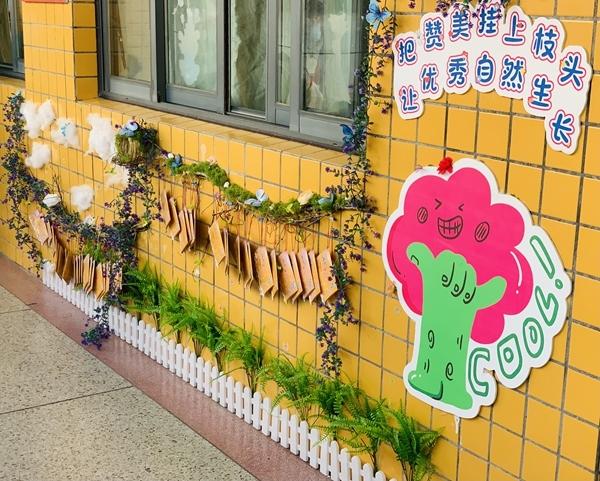
Core Insights - The article highlights the implementation of a "growth mindset" approach at Maipu Primary School in Fuzhou, which aims to enhance students' psychological resilience and self-perception through positive reinforcement and psychological training [1][2][3]. Group 1: Growth Mindset Implementation - The concept of "growth mindset," introduced by psychologist Carol Dweck, emphasizes that abilities can be developed through effort and learning from mistakes [3]. - The school has established initiatives such as the "Praise Wall" and "Little Orange Lamp" to encourage students to view mistakes as opportunities for growth rather than failures [4][5]. - Research presented at a psychology conference indicated that daily psychological training based on growth mindset principles has led to improvements in students' emotional states, happiness, and motivation [1][3]. Group 2: Psychological Training and Resilience - The school incorporates a "mindfulness aesthetics" training program that combines meditation, poetry appreciation, and artistic creation to help students manage their emotions and reduce anxiety [5]. - Positive feedback mechanisms, such as the "Praise Wall," have been shown to significantly boost students' confidence and psychological resilience [4][6]. - The school aims to create an environment where students feel seen, understood, and supported, fostering their growth and development [8]. Group 3: Parental Involvement - Regular parent workshops are conducted to educate families about the growth mindset, emphasizing the importance of support and encouragement in a child's development [7]. - Parents are encouraged to adopt a more patient and supportive approach, recognizing that growth is a gradual process [7]. - The collaboration between school and home is deemed essential for creating a nurturing environment that promotes psychological well-being [7][8].
从厌学到复学|27 建立心理韧性——通过挫折教育提升抗压能力
Jing Ji Guan Cha Bao· 2025-11-28 04:30
Core Insights - The article emphasizes the importance of building psychological resilience in children to help them cope with academic pressures and interpersonal conflicts, ultimately preventing school avoidance behaviors [1][12] - It highlights that setbacks should be viewed as essential growth experiences rather than failures, and that fostering a supportive environment is crucial for children to develop coping strategies [10][12] Group 1: Cognitive Restructuring - Children often have distorted perceptions of setbacks, equating failure with personal inadequacy, which amplifies stress and leads to avoidance [2] - Engaging in conversations that redefine the meaning of setbacks can help children see them as opportunities for improvement rather than as personal failures [3] Group 2: Small Step Challenges - Many children avoid challenges due to fear of failure, which hinders their ability to build resilience [4] - Breaking down tasks into manageable steps allows children to gradually build confidence and experience success [5] Group 3: Emotional Management - Children often become trapped by negative emotions when facing setbacks, leading to irrational responses and avoidance [6] - Teaching children to recognize and manage their emotions can empower them to cope more effectively with challenges [8] Group 4: Support Systems - Many children perceive seeking help as a sign of weakness, which can lead to isolation and increased pressure [9] - Creating a support network helps children understand that seeking assistance is a wise choice and that they are not alone in facing difficulties [9] Group 5: Meaning Attribution - Children may view setbacks as evidence of their inadequacy, which can lead to self-doubt and a loss of motivation [10] - Encouraging children to reflect on their experiences and extract lessons from setbacks can foster a growth mindset [11] Group 6: Overall Resilience Development - Building psychological resilience involves understanding setbacks as a necessary part of growth, managing emotions, being willing to try and make mistakes, and recognizing the importance of support [12] - The role of parents and teachers is to accompany children on their journey through setbacks, providing support without shielding them from challenges [13]
心力,才是一个人的核心竞争力
Jing Ji Guan Cha Bao· 2025-11-14 04:49
Core Concept - The core element of success is psychological resilience, which is more crucial than IQ or EQ [1] Group 1: Characteristics of Psychological Resilience - Psychological resilience is a combination of three forces: adaptability, recovery, and intrinsic motivation [3] - Adaptability is the ability to adjust to changing environments and challenges, allowing individuals to maintain composure and develop new skills [4] - Recovery refers to the capacity to bounce back quickly from setbacks, with resilient individuals able to regain their motivation and energy after failures [5][8] - Intrinsic motivation is the internal drive that sustains long-term commitment to goals, enabling individuals to persevere even in the absence of external rewards [9][10] Group 2: Methods to Enhance Psychological Resilience - Enhancing self-efficacy is essential, which involves believing in one's ability to achieve desired outcomes and recognizing that success is due to personal capability rather than luck [13][15] - Visualization techniques, such as mental rehearsal of successful performances, can strengthen confidence and improve performance under pressure [17] - Psychological resilience acts as a leverage effect, helping individuals to build confidence through overcoming challenges and maintaining persistence despite difficulties [18][25]