恐慌指数

Search documents
Wall Street's ‘fear gauge' is rising as Iran conflict escalates. Here's what investors should watch.
MarketWatch· 2026-03-03 20:58
Wall Street's "fear gauge†was rising on Tuesday as the S&P 500 and other major U.S. equity indexes touched their lowest levels of the year, before an afternoon rebound caused them to recoup much of their earlier losses. ...


宏力股价下跌5% 受板块疲软及宏观风险偏好降温影响
Xin Lang Cai Jing· 2026-02-17 16:30
经济观察网 根据截至2026年2月17日的市场数据,宏力(HLP.OQ)股价当日下跌5.00%,收于1.14美 元。其下跌主要受以下因素影响: 美联储降息预期推迟,叠加恐慌指数(VIX)升至22.50的高位,市场避险情绪升温。贵金属(黄金跌 破4850美元)及加密货币(比特币失守6.7万美元)大幅回调,进一步抑制中小盘股的风险偏好。 板块变化情况 当日美股钢铁板块下跌0.96%,而纳斯达克指数下跌0.47%。市场对人工智能领域高资本开支的担忧引 发科技股抛售,并蔓延至周期性板块,拖累钢铁等传统行业情绪。 资金面与技术面 宏力当日成交额仅9.09万美元,量比1.07,显示交投清淡且买盘动力不足。股价振幅达11.03%,盘中跌 破关键支撑位,最低触及1.13美元,反映空头情绪占主导工具数据。 市场环境 公司基本面 尽管宏力年初至今累计上涨9.62%,但近期无重大利好公告或业绩指引更新。在板块资金流出及市场聚 焦AI颠覆风险的背景下,缺乏短期催化剂的个股更易受到流动性冲击工具数据。 综上,宏力股价下跌是板块疲软、技术面破位及宏观风险偏好降温共同作用的结果。 以上内容基于公开资料整理,不构成投资建议。 ...
深夜全球资产大跌!纳指跌超1%,黄金、白银齐跌,比特币跌破6.7万美元,美伊谈判传来最新消息丨美股开盘
Mei Ri Jing Ji Xin Wen· 2026-02-17 15:55
Market Overview - The U.S. stock market opened lower with all three major indices declining: Dow Jones down 0.36%, S&P 500 down 0.75%, and Nasdaq down 1.16% [1] - The Chicago Board Options Exchange Volatility Index (VIX), known as the "fear index," reached 22.50, up from around 17 at the beginning of last week [1] Technology Sector Performance - Major tech stocks opened lower, with Tesla down over 3%, Google down over 2%, and Microsoft and Nvidia down over 1.4%. Apple, however, saw a slight increase of 1.17% [2] - The "Tech Seven" index, which includes major technology companies, has seen a cumulative decline of 7.2% year-to-date [2] Individual Stock Movements - Notable declines in individual stocks include TSMC down 1.9%, Broadcom down 1.4%, Oracle down 3.26%, and Micron Technology down 3.1% [3] - In contrast, Paramount Skydance shares rose by 9% due to the resumption of negotiations with Warner Bros. Discovery [4] Chinese Stocks - The Nasdaq Golden Dragon China Index increased by 0.05%, closing at 7595.70 points, with a trading volume of 49.82 billion [5] - Chinese stocks showed mixed performance, with Century Internet rising over 3% and NIO, Vipshop, and Pinduoduo each gaining over 1%. However, Kingsoft Cloud fell by over 2% [5] Commodity Market - Gold and silver prices fell, with spot gold dropping to below $4850 and spot silver also hitting a new low since February 6 [6] - WTI crude oil decreased by 1.76% to $62.61 per barrel, while Brent crude oil fell by 1.6% to $67.55 per barrel [8] Cryptocurrency Market - Bitcoin fell below $67,000, experiencing a 2.9% decline, with over 77,000 traders facing liquidation in the market [10]

深夜全球资产大跌!纳指跌超1% 黄金、白银齐跌 比特币跌破6.7万美元 美伊谈判传来最新消息丨美股开盘
Mei Ri Jing Ji Xin Wen· 2026-02-17 15:53
Market Overview - The U.S. stock market opened lower with all three major indices declining: Dow Jones down 0.36%, S&P 500 down 0.75%, and Nasdaq down 1.16% [1] - The Chicago Board Options Exchange Volatility Index (VIX), known as the "fear index," reached 22.50, up from around 17 at the beginning of last week [1] Major Technology Stocks - Major tech stocks opened lower, with Tesla down over 3%, Google down over 2%, and Microsoft and Nvidia down over 1.4%. Apple, however, saw a slight increase of 1.17%, while Amazon fell by 1.31% [2] - Year-to-date, the index of the seven major tech companies has decreased by 7.2% [2] Individual Stock Performance - Apple (AAPL) was at $258.77, up 1.17% [3] - Facebook (Meta Platforms) was at $632.41, down 1.15% [3] - Amazon (AMZN) was at $196.19, down 1.31% [3] - Microsoft (MSFT) was at $395.33, down 1.49% [3] - Nvidia (NVDA) was at $179.85, down 1.62% [3] - Google (Alphabet) was at $299.46, down 2.14% [3] - Tesla (TSLA) was at $404.23, down 3.16% [3] - TSMC shares fell by 1.9%, Broadcom by 1.4%, Oracle by 3.26%, and Micron Technology by 3.1% [3] Gold and Silver Stocks - U.S. gold stocks fell, with Harmony Gold down 6%, Kinross down 4.6%, and Pan American Silver down 4.4% [4] Chinese Stocks - The Nasdaq Golden Dragon China Index rose by 0.05%, closing at 7595.70 points [5] - Chinese stocks showed mixed performance, with Century Internet up over 3%, NIO, Vipshop, and Pinduoduo up over 1%, while Kingsoft Cloud fell over 2% [5] Precious Metals - Precious metals saw declines, with spot gold dropping below $4850 and spot silver also falling below $72, marking new lows since February 6 [6] - As of the latest update, spot gold was down 2.64% and spot silver down 5.5% [6] Oil Prices - WTI crude oil fell by 1.76%, trading at $62.61 per barrel, while Brent crude oil dropped by 1.6% to $67.55 per barrel [8] Cryptocurrency - Bitcoin fell below $67,000, down 2.9% for the day, with over 77,000 people liquidated in the global market [10]
美国再现股债汇三杀,格陵兰关税引担忧
日经中文网· 2026-01-21 08:00
Core Viewpoint - The U.S. stock market experienced significant declines, with the Dow Jones Industrial Average dropping 870 points to close at 48,488 on January 20, driven by geopolitical tensions and rising interest rates [2][4]. Group 1: Market Performance - On January 20, the Dow Jones Industrial Average fell by 870 points, marking a significant drop from the previous weekend [2]. - The market saw a decline of over 900 points during the day, reaching a new low not seen in two days, with major companies like Nvidia, Amazon, and 3M experiencing substantial losses [5]. - The VIX, known as the "fear index," rose to the 20 range, reaching its highest level since November 2025, indicating increased market volatility [5]. Group 2: Interest Rates and Currency - The 10-year U.S. Treasury yield increased by 0.09% to 4.31%, reflecting upward pressure on bond prices [6]. - The U.S. dollar index fell by over 1% compared to the previous weekend, contrasting with the decline in U.S. asset prices [6]. Group 3: Geopolitical Factors - President Trump announced plans to impose tariffs on eight European countries until the U.S. secures Greenland, leading to heightened geopolitical risks and a sell-off in stocks [2]. - European responses to the tariff announcements were negative, contributing to market uncertainty [2]. Group 4: Commodity Trends - In contrast to the declining asset prices, gold saw increased buying interest, with New York futures prices rising to the $4,770 range, up approximately 4% from the previous trading day [6]. Group 5: Investment Recommendations - UBS Global Wealth Management suggested that despite short-term volatility risks, global stock markets may rise, recommending that investors with low stock ratios consider increasing their investments [6].
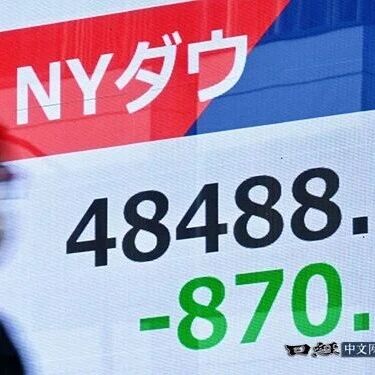
美国债股汇三杀,全球债市正遭遇集体“抛售潮”
2 1 Shi Ji Jing Ji Bao Dao· 2026-01-21 03:30
Core Viewpoint - The overseas markets experienced significant turmoil, with major declines in U.S. stock indices and a surge in the volatility index, indicating heightened investor fear and uncertainty [1] Group 1: U.S. Stock Market Performance - On January 20, all three major U.S. stock indices closed lower, with the S&P 500 and Nasdaq dropping over 2%, and the Dow Jones falling by 870 points, a decline of 1.76% [1] - Major technology stocks faced substantial losses, with Nvidia and Tesla each declining by over 4%, while Apple and Amazon fell by more than 3% [1] Group 2: Global Bond Market Trends - The global bond market is experiencing a collective sell-off, with U.S. and Japanese bonds leading the decline [1] - Japanese government bonds have notably crossed the 4% threshold for the first time in over thirty years, marking a historic shift in the bond market [1]
关税突袭,欧美股市“双杀”
Shang Hai Zheng Quan Bao· 2026-01-21 00:45
Group 1: Gold and Silver Market - Spot gold reached a new high of $4781.24 per ounce, while spot silver peaked at $94.915 per ounce during early trading on January 21 [1]. Group 2: Stock Market Performance - Major U.S. stock indices closed lower, with the Dow Jones down 1.76% at 48488.59 points, the Nasdaq down 2.39% at 22954.32 points, and the S&P 500 down 2.06% at 6796.86 points [3][5]. - European stock indices also experienced declines, with the FTSE 100 down 0.67%, CAC 40 down 0.61%, and both the DAX and MIB indices dropping over 1% [4][8]. Group 3: Market Volatility - The "fear index," or VIX, surged to 20.99, marking the highest level since November 2025, indicating increased market volatility [3][8]. Group 4: Trade Tensions - U.S. President Trump announced a 200% tariff on French wine and champagne, contributing to market concerns over trade tensions [12]. - Trump's comments regarding the potential military acquisition of Greenland have also added to the geopolitical uncertainty affecting market sentiment [11][12].
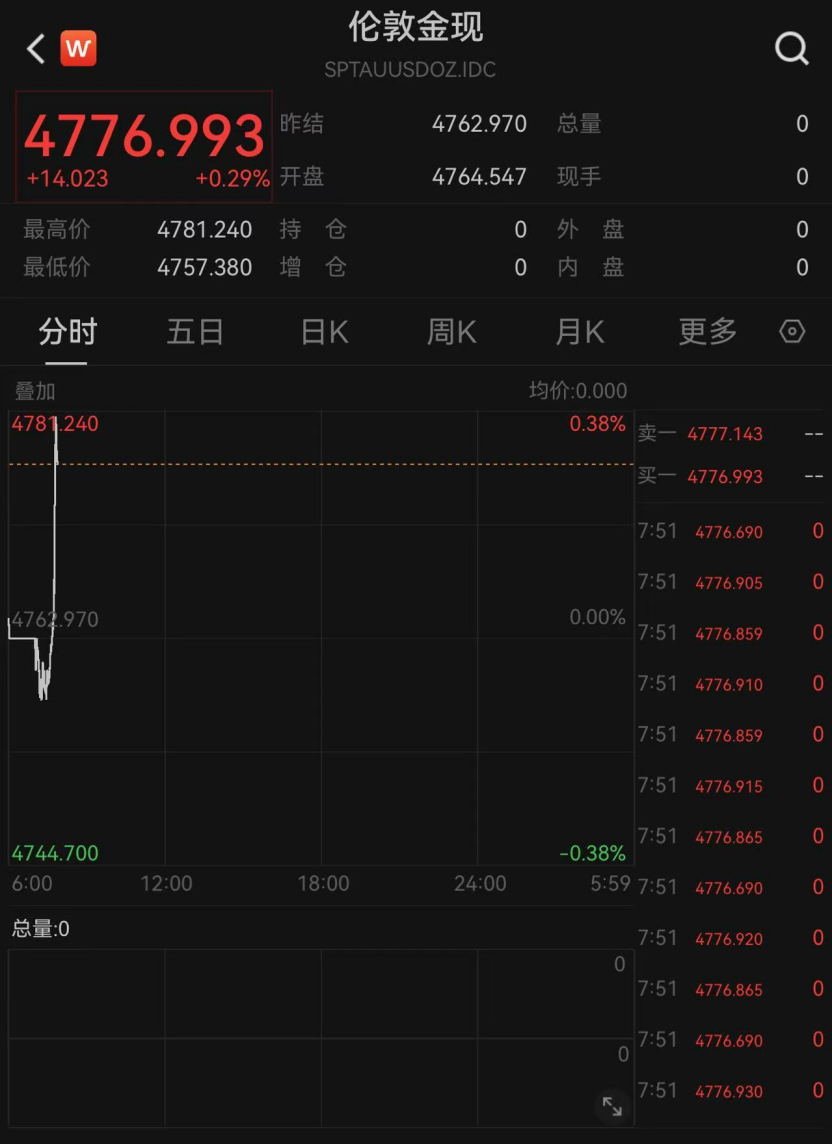
美股“恐慌指数”大涨,金价续创历史新高
Zhong Guo Zheng Quan Bao· 2026-01-20 23:27
Market Overview - On January 20, U.S. stock indices collectively declined, with the Dow Jones falling by 1.76%, the S&P 500 down by 2.06%, and the Nasdaq dropping by 2.39% [2][4] - The technology sector faced significant selling pressure, while the storage chip sector experienced gains, with companies like SanDisk and Micron Technology reaching historical highs [5] Volatility and Safe-Haven Assets - The "fear index" VIX surged over 6%, surpassing the 20-point mark, indicating increased market volatility and investor anxiety [4] - Gold prices continued to rise, breaking through $4,760 per ounce, marking a new historical record, driven by heightened demand for safe-haven assets [6] Currency Movements - The U.S. dollar index fell by 0.41%, closing at 98.642 against a basket of six major currencies, reflecting market reactions to economic uncertainties [4] Commodity Prices - International oil prices also saw an increase, with light crude oil futures for February rising by $0.90 to $60.34 per barrel, a 1.51% increase, and Brent crude for March up by $0.98 to $64.92 per barrel, a 1.53% increase [6] Corporate Responses and Future Outlook - President Trump indicated that if the Supreme Court makes an unfavorable ruling regarding tariffs, alternative measures, such as a licensing system, could be employed [4] - Trump expressed confidence that a previously negotiated $1 trillion investment commitment from Europe would not be jeopardized, emphasizing the importance of the U.S.-Europe agreement [4]
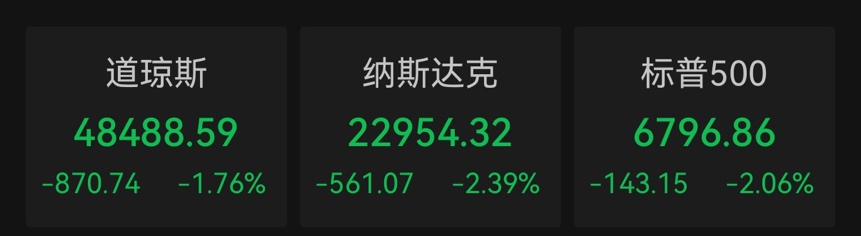
美国股债汇三杀,纳指跌超2%,芯片股、中概股普跌,晶科能源跌超12%,黄金白银再创新高
2 1 Shi Ji Jing Ji Bao Dao· 2026-01-20 23:15
Market Overview - US stock indices experienced a significant decline, with the Dow Jones falling by 870 points (1.76%), the S&P 500 down by 143.15 points (2.06%), and the Nasdaq dropping by 561.07 points (2.39%) [1] - The Chicago Board Options Exchange Volatility Index (VIX), known as Wall Street's "fear index," surged above 20, reaching recent highs [1] Technology Sector - Major tech stocks saw substantial losses, with Nvidia and Tesla both dropping over 4%, while Apple and Amazon fell more than 3% [2][3] - Nvidia's stock price was reported at $178.07, down 4.38%, and Tesla at $419.25, down 4.17% [3] Streaming and Media - Netflix's post-market decline expanded to nearly 5% due to disappointing first-quarter earnings outlook and adjustments to its acquisition proposal for Warner Bros. assets to an all-cash offer totaling $82.7 billion [4] Semiconductor Industry - The semiconductor sector faced widespread declines, with Broadcom and Skyworks Solutions dropping over 5%, while TSMC fell more than 4% [4] Banking Sector - Bank stocks also fell across the board, with Citigroup down over 4% and JPMorgan and Morgan Stanley both declining more than 3% [4] Chinese Stocks - Chinese stocks mostly declined, with JinkoSolar down 12.5% and CenturyLink down over 10% [4][5] Bond Market - US Treasury yields rose to a four-month high, while the dollar index fell by 0.41%, marking its worst two-day performance in about a month [6] Precious Metals - Gold and silver prices reached new highs, with spot gold exceeding $4,763 per ounce and silver surpassing $94 per ounce [8][9] Cryptocurrency Market - The cryptocurrency market experienced a significant downturn, with Bitcoin dropping below $90,000 and Ethereum falling below $3,000, affecting approximately 163,000 traders [10][11]


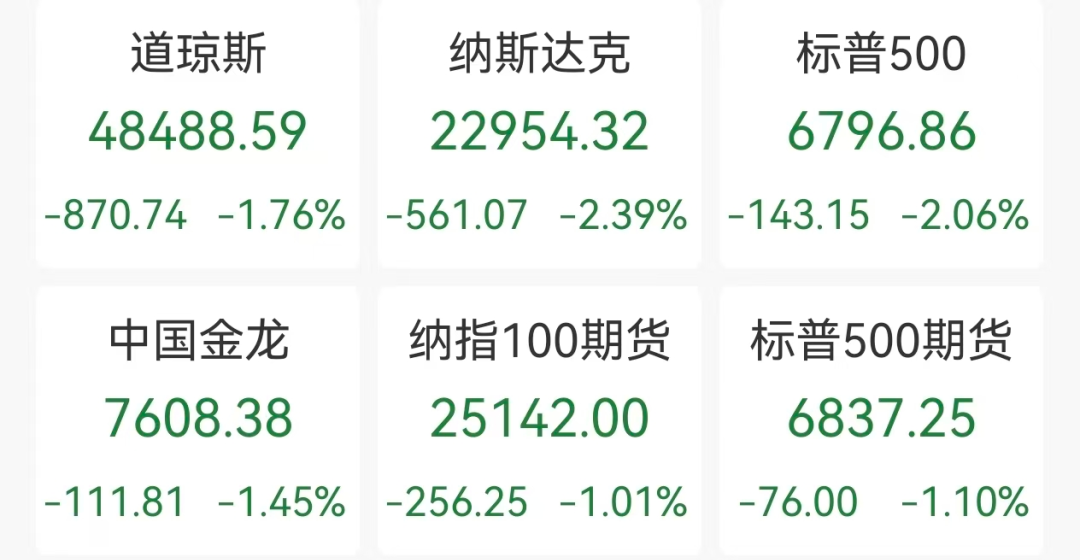
美国股债汇三杀,纳指跌超2%,芯片股、中概股普跌,晶科能源跌超12%,黄金白银再创新高
21世纪经济报道· 2026-01-20 23:09
Market Overview - The US stock market experienced a significant decline, with the S&P 500 and Nasdaq dropping over 2%, and the Dow Jones falling by 870 points, a decrease of 1.76% [1] - Major technology stocks also saw substantial losses, with Nvidia and Tesla down over 4%, and Apple and Amazon falling more than 3% [2][3] - The Chicago Board Options Exchange Volatility Index (VIX), known as the "fear index," surged above 20, indicating increased market volatility [1] Sector Performance - Bank stocks fell across the board, with Citigroup down over 4% and JPMorgan Chase and Morgan Stanley dropping more than 3% [4] - Chinese concept stocks mostly declined, with JinkoSolar down 12.5% and Century Internet falling over 10% [4][5] - Semiconductor stocks also faced a downturn, with Broadcom and Skyworks Solutions dropping over 5% [2] Commodity and Currency Movements - Gold and silver prices reached new highs, with spot gold exceeding $4,763 per ounce and silver surpassing $94 per ounce [8][9] - The US dollar index fell by 0.41%, marking its worst two-day performance in about a month [5] - The US Treasury yields rose to their highest levels in over four months, with the 10-year yield reaching 4.292% [6] Cryptocurrency Market - The cryptocurrency market saw a widespread decline, with Bitcoin dropping below $90,000 and Ethereum falling below $3,000 [10] - Approximately 163,000 traders were liquidated in the market downturn [10] Geopolitical Context - US President Trump reiterated his stance on Greenland, indicating a potential for aggressive policies regarding trade and tariffs, which may impact market sentiment [11]