
房屋全生命周期安全管理

Search documents
全省住房和城乡建设工作会议召开今年住房保障新增覆盖10万户
Xin Hua Ri Bao· 2026-01-16 00:29
Core Insights - The Jiangsu provincial government aims to improve housing conditions and urban development during the "14th Five-Year Plan" period, with specific targets for housing area and affordable housing coverage [1][2] - The government plans to enhance urban infrastructure, cultural heritage protection, and promote green development in urban areas [1] - By 2026, the province aims to increase the coverage of affordable housing for urban residents to 32% and establish 1,000 complete communities [2] Group 1: Housing Development Goals - During the "14th Five-Year Plan," the average housing area for urban residents in Jiangsu is projected to reach 44.3 square meters, with 1.6301 million units of various types of affordable housing constructed [1] - The coverage rate of affordable housing for urban permanent residents is expected to reach 28.9% [1] - By 2026, the government plans to add 100,000 affordable housing units for urban families through physical or monetary means [2] Group 2: Urban Infrastructure and Quality Improvement - The government has initiated the renovation of 6,470 old urban communities, benefiting 2.052 million households [1] - Five pathways for enhancing urban and rural spatial quality have been outlined, including infrastructure improvement and green low-carbon development [1] - Specific targets include increasing urban sewage treatment capacity by 800,000 cubic meters per day and constructing or renovating 1,000 kilometers of sewage pipelines [1] Group 3: Safety and Modernization Initiatives - Jiangsu will deepen gas safety management and complete safety inspections for over 6 million households [2] - The province aims to establish a comprehensive safety management system for housing throughout its lifecycle, utilizing real-time data collection for monitoring [2] - By the end of the "14th Five-Year Plan," the province intends to enhance the supply of quality housing and develop a new model for real estate [2]
长沙将为6万栋老旧房屋开展安全体检
Xin Lang Cai Jing· 2026-01-14 19:41
Group 1 - The core viewpoint of the report emphasizes the establishment of a comprehensive safety management system for the entire lifecycle of housing, aiming to enhance the safety and quality of real estate in Changsha [1][2] - The report outlines a plan to conduct safety inspections for over 60,000 old buildings in the city, which are more than 25 years old, as part of a broader urban renewal initiative [2] - The report indicates a focus on stabilizing the real estate market and promoting the construction of high-quality housing, which is expected to reshape the real estate ecosystem in Changsha and inject strong momentum for market recovery [1][3] Group 2 - The report highlights the need for a robust emergency response mechanism and a safety management system tailored for major cities, addressing critical issues related to housing safety that directly impact citizens' lives and property [2] - The emphasis on "good housing" reflects a shift towards high-quality residential projects, which are anticipated to become mainstream in the market, driving the transformation of the real estate industry towards high-quality development [3]
合肥市去年启动34个城市危房改造项目
Xin Lang Cai Jing· 2026-01-05 16:39
Core Insights - Hefei city is transitioning from large-scale urban expansion to improving existing housing quality, focusing on both physical and human investments to enhance living conditions and safety [1][2] Group 1: Housing Renovation Initiatives - In 2025, Hefei will implement 34 urban dangerous housing renovation projects, with a focus on community involvement in decision-making processes [1] - The city has introduced six innovative approaches for handling dangerous housing, including repair, reconstruction, and property acquisition, encouraging residents to consider the overall value of their assets [1] - A democratic decision-making mechanism has been established to address key issues in renovation plans, such as layout and construction standards [1] Group 2: Integration with Community Services - The renovation of dangerous housing is being synchronized with improvements in local amenities like education and elderly care, exemplified by the Qiuyun Mountain Villa project, which has transformed into a senior community [2] - The project aims to create a dual-functionality space that enhances both living and community services [2] Group 3: Safety Monitoring Innovations - Hefei has developed a comprehensive building safety monitoring system in collaboration with Tsinghua University, utilizing IoT devices for real-time monitoring of structural integrity [2] - Advanced technologies, including drones and 3D infrared sensing systems, are employed for visual inspections of hard-to-reach areas, enabling early detection and intervention for potential safety risks [2]


27省明确“十五五”时期房地产发展重点方向
Xin Lang Cai Jing· 2025-12-23 06:40
Core Viewpoint - The report from the China Index Academy indicates that 27 provinces have outlined key directions and implementation paths for real estate development in their 14th Five-Year Plans, emphasizing high-quality development in the sector [1]. Group 1: Key Directions for Real Estate Development - Accelerating the establishment of a new model for real estate development, with many provinces continuing to refine basic systems for commodity housing development, financing, and sales [1]. - Optimizing the supply of affordable housing, with provinces like Hebei and Hunan adopting a demand-driven approach to ensure a stable market [1]. - Constructing safe, comfortable, green, and smart housing, with an emphasis on improving housing quality and living standards [1]. - Establishing a safety management system for the entire lifecycle of housing, which includes safety inspections and quality insurance for existing homes [1]. Group 2: Regional Specific Initiatives - Various regions are proposing specific measures based on their development stages and market characteristics, focusing on controlling new supply and revitalizing existing stock [2]. - Provinces like Shandong and Jiangsu are establishing a mechanism for the coordinated management of land, housing, and financial resources to better match current market demands [2]. - Cities such as Beijing are prioritizing land supply near transit stations to enhance urban development and community services [2]. - Regions like Chongqing and Jiangsu are emphasizing the revitalization of existing housing stock through initiatives like housing exchanges and the repurposing of existing properties [2]. Group 3: Tailored Housing Products - Provinces such as Qinghai and Guizhou are developing housing products that cater to regional characteristics, such as "summer resort houses" and tourism real estate [3]. - Areas like Guangdong and Fujian are promoting the self-renovation and reconstruction of old housing, expanding the scope of these initiatives [3].
房地产行业周报:广州推动装配式建筑,销售环比上升-20251220
ZHONGTAI SECURITIES· 2025-12-20 14:55
Investment Rating - The report maintains an "Overweight" rating for the real estate sector [1] Core Insights - The report highlights a rebound in sales in Guangzhou due to the promotion of prefabricated buildings, with a week-on-week increase in sales despite a year-on-year decline [1][6] - The overall market performance remains weak, with the Shenwan Real Estate Index down by 0.41% and the CSI 300 Index down by 0.28%, indicating underperformance relative to the broader market [3][11] Summary by Sections Weekly Market Review - The Shenwan Real Estate Index decreased by 0.41%, while the CSI 300 Index fell by 0.28%, resulting in a relative return of -0.13% [3][11] - The report notes that the performance of the real estate sector is weaker than the overall market [3][11] Industry Fundamentals - For the week of December 12-18, 38 tracked cities saw a total of 29,303 new homes sold, a year-on-year decrease of 31.9% but a week-on-week increase of 8% [4][19] - The total transaction area for new homes was 3.19 million square meters, with a year-on-year decline of 29.6% but a week-on-week increase of 21% [4][19] - In the same week, 16 tracked cities recorded 18,668 second-hand homes sold, down 23% year-on-year but up 1.5% week-on-week [34][37] - The total transaction area for second-hand homes was 181.8 million square meters, with a year-on-year decline of 26.1% and a week-on-week increase of 5.7% [34][37] Land Market Supply and Transactions - In the week of December 8-14, land supply was 2,056.8 million square meters, down 55.1% year-on-year, with an average supply price of 1,053 yuan per square meter, down 38.5% year-on-year [5] - Land transactions totaled 8,132.5 million square meters, up 53.5% year-on-year, with a transaction amount of 135.41 billion yuan, up 55.9% year-on-year [5] Financing Analysis - Real estate companies issued a total of 5.33 billion yuan in credit bonds, reflecting a year-on-year decrease of 39.34% and a week-on-week decrease of 64.51% [5] Investment Recommendations - The report suggests focusing on financially stable and well-performing leading real estate companies such as Yuexiu Property, China Merchants Shekou, Poly Developments, and others, which are expected to effectively respond to market fluctuations [6] - It also notes that property management companies may see performance and valuation recovery as market demand rebounds, recommending attention to companies like China Resources Vanke and Poly Property [6]



深圳首单“治理+保险”解决方案落地
Xin Lang Cai Jing· 2025-12-17 14:19
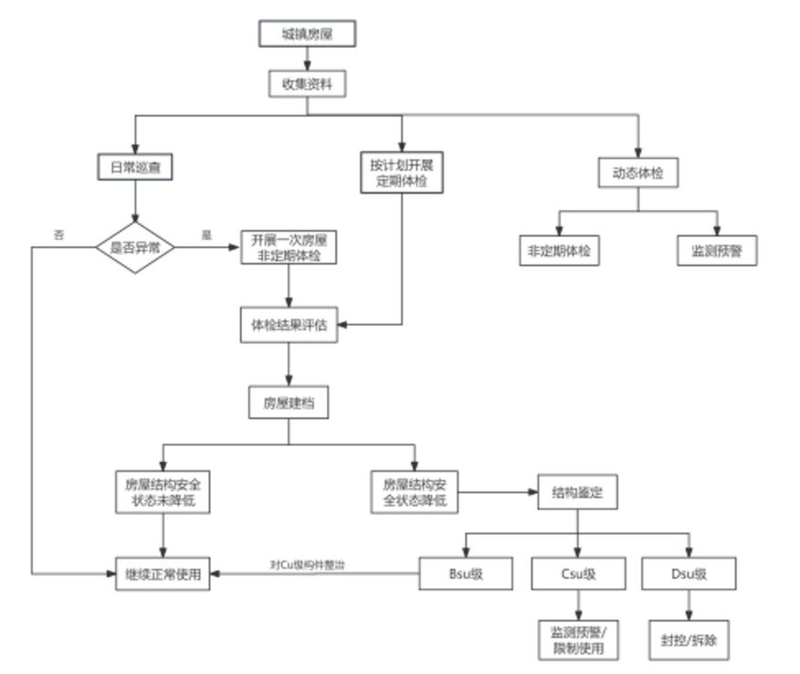
Core Viewpoint - The collaboration between the Futian District of Shenzhen and China Pacific Insurance aims to innovate housing safety management by integrating public safety insurance with proactive risk management services, transitioning from mere compensation to comprehensive risk management [1][5][10]. Group 1: Housing Safety Insurance - The pilot program in the Bagualing area includes coverage for casualties and property losses due to building collapses, as well as temporary housing for residents, thereby reducing the financial burden on the community [1][7]. - This initiative marks a shift from government-led safety governance to a collaborative model involving government, market participation, and community benefits, enhancing the resilience and sustainability of housing safety management [7][10]. Group 2: Risk Management and Prevention - The insurance model incorporates regular housing inspections to identify and mitigate risks proactively, aiming to reduce the frequency and severity of accidents [2][8]. - Insurance providers will assist in disaster warnings, emergency evacuations, and public safety incident responses, transforming unknown risks into known protections [2][8]. Group 3: Technological Integration - The program will utilize innovative technologies such as thermal imaging drones for efficient and precise housing condition assessments, enhancing the ability to detect risks and improve operational efficiency [3][9]. - A comprehensive "service + technology" risk reduction management mechanism will be established, combining automated monitoring with human oversight for ongoing housing inspections and maintenance [3][9]. Group 4: Market and Government Collaboration - The initiative represents a beneficial exploration of combining government oversight with market forces to reinforce housing safety, addressing the limitations of traditional government-funded renovations [4][10]. - The dual regulatory framework of "administration + market" aims to solidify a safety management baseline that includes both preventive measures and post-incident protections [5][10]. Group 5: Future Development - Shenzhen plans to develop a comprehensive housing safety management system that integrates government guidance, insurance protection, risk prevention, and multi-party collaboration, promoting community safety and urban quality development [11].

多地加快推进房屋体检制度,查什么、谁出钱?
Jing Ji Wang· 2025-12-15 02:23
Core Viewpoint - Several cities, including Zhengzhou, Changsha, and Nantong, are accelerating the implementation of a housing inspection system to ensure safety throughout the lifecycle of buildings [2] Group 1: Housing Inspection System - The main contents of the housing inspection include structural safety, fire safety, and functional facilities, with structural safety being the top priority [2] - Zhengzhou's proposed guidelines emphasize the inspection of critical components such as foundation, main structure, and equipment, with safety indicators being mandatory [2] Group 2: Funding Sources - The funding for inspections is being diversified, with government support as a baseline, while property safety responsibility holders are expected to cover costs for public buildings and self-built commercial properties [2] - Some regions encourage the use of public property revenue to collectively fund inspections for properties within their service areas [2]
加快推进城镇“老龄房”体检 郑州、南通等地试点“政府买单”
Xin Jing Bao· 2025-12-05 14:53
Core Viewpoint - The recent fire incident in Hong Kong has raised concerns about the safety of old buildings and high-rise residential properties, prompting discussions on the implementation of a building health check system to prevent potential hazards [1] Group 1: Policy Support - The Ministry of Housing and Urban-Rural Development has emphasized the need for a comprehensive safety management system for buildings throughout their lifecycle, with a focus on regular health checks for aging properties [2][3] - As of 2024, over 210 million residential units in China are over 25 years old, accounting for approximately 38.7% of urban housing stock, highlighting the urgency of implementing building health checks [2] - Multiple cities have begun to establish guidelines and frameworks for conducting regular health checks on aging buildings, with specific requirements for properties over 25 years old to undergo inspections every 5 to 10 years [4][6] Group 2: Implementation Details - In cities like Zhengzhou, a pilot program has been initiated to implement a three-part system for building safety management, which includes health checks, insurance, and funding mechanisms [3][8] - The health check results will categorize buildings as "pass," "basic pass," or "fail," with strict measures for those that do not meet safety standards, including potential cessation of use and further evaluations [3][6] - Various cities have established specific guidelines for the frequency and scope of health checks, particularly for public buildings and densely populated residential areas [4][6] Group 3: Funding Mechanisms - Funding for building health checks is primarily sourced from government budgets, with local authorities covering the costs for residential properties, ensuring that financial barriers do not hinder the implementation of safety checks [8][9] - In Zhengzhou, the local government has committed to fully funding health checks for eligible residential buildings, while also providing subsidies for non-residential properties [7][8] - The funding structure includes both public accounts, primarily from fiscal revenues, and personal accounts, which may require additional contributions from homeowners if maintenance funds are insufficient [9]
多地发布“十五五”规划建议,房地产有这些新亮点
3 6 Ke· 2025-12-04 02:13
Core Viewpoint - The recent "14th Five-Year Plan" proposals from various provinces emphasize the need to accelerate the construction of a new development model for real estate, optimize the supply of affordable housing, and build safe, comfortable, green, and smart "good houses" [1][2] Group 1: High-Quality Development - High-quality development remains a core keyword, with local plans reflecting the central strategy of constructing a new development model for real estate [2][6] - The focus is on a dual supply system of "market + guarantee," emphasizing the construction of "good houses" and strengthening "lifecycle management" to achieve high-quality and sustainable development [2][8] Group 2: Regional Variations - Different regions have tailored their plans: Beijing focuses on improving the "market + guarantee" housing supply system and enhancing the supply of improved housing [3][4] - Tianjin links the new real estate development model with "high-quality urban renewal" and aims to revitalize existing resources [3][4] - Hebei emphasizes a demand-driven approach to construction and purchasing, increasing the supply of improved housing [3][4] - Fujian encourages the self-renovation of old housing and clarifies the implementation of housing quality improvement projects [3][4] - Zhejiang integrates real estate into the framework of building a modern city, highlighting risk monitoring and prevention [3][4] Group 3: Six Key Tasks - The six key tasks for promoting high-quality development include optimizing the supply of affordable housing, promoting sustainable market development, reforming real estate development and financing systems, implementing housing quality improvement projects, enhancing property service quality, and establishing a lifecycle safety management system for houses [7][6] Group 4: Market and Social Balance - The industry is transitioning from a high-turnover, high-debt model to a focus on high-quality development, with an emphasis on balancing supply and demand and mitigating risks [6][9] - The future will see urban renewal, old community renovations, and the revitalization of existing assets as core competitive areas for enterprises, redefining their core competencies [8][9] - The housing guarantee system will become more inclusive, ensuring that new citizens and low-income groups have access to housing [8][9]

宁夏“十五五”规划建议:统筹“好房子”建设和老房子改造,实施房屋品质提升工程和物业服务质量提升行动
Cai Jing Wang· 2025-12-02 10:05
Group 1 - The core viewpoint emphasizes the need for higher levels of housing security and the promotion of high-quality development in the real estate sector [1] - The proposal includes accelerating the construction of a new model for real estate development, improving the foundational systems for commodity housing development, financing, and sales [1] - It advocates for city-specific policies to optimize real estate market regulation, ensuring sustainable and healthy market development [1] Group 2 - There is a focus on increasing the supply of affordable housing to better meet the basic housing needs of urban wage earners and various struggling families [1] - The initiative aims to effectively increase the supply of improved housing and coordinate the construction of new quality homes with the renovation of old ones [1] - The plan includes actions to address stalled housing projects and dispose of idle housing assets, encouraging social capital to participate in revitalizing existing assets [1] Group 3 - The establishment of a safety management system for the entire lifecycle of housing is proposed to enhance overall housing quality and safety [1]