次级制裁

Search documents
乌克兰对中企实施制裁
制裁名单· 2026-03-15 23:42
Core Viewpoint - Ukraine has announced a new round of sanctions against entities and individuals from Russia, Iran, and China, focusing on the military-industrial complex supply chain, indicating a significant increase in secondary sanction risks for Chinese companies in a complex geopolitical environment [1]. Group 1: Sanction Measures Analysis - The 16 sanctions measures introduced by Ukraine go beyond traditional asset freezes and trade bans, presenting multi-dimensional and penetrating characteristics that could have far-reaching impacts beyond the Ukrainian market [3]. - Comprehensive capital and operational lockdowns are imposed, including asset freezes, trade prohibitions, restrictions on capital withdrawal, and termination of technology transfers and intellectual property licenses, effectively locking in the assets and potential rights of sanctioned entities in Ukraine [3]. - Supply chain penetration is targeted, with explicit bans on purchasing goods from entities that have partial registered capital or influential management ties to sanctioned foreign residents, potentially affecting more related enterprises through ownership or control relationships [3]. - Regional access bans have been escalated, completely prohibiting non-military vessels and aircraft from entering Ukrainian territorial waters, airspace, and ports, which significantly impacts international logistics and cross-border transport companies [3]. - Long-term rights deprivation measures include bans on participating in privatization, acquiring land ownership, and terminating cooperation in security and defense sectors, aiming to permanently restrict sanctioned parties' involvement in strategic areas in Ukraine [3]. Group 2: Risk Assessment for Chinese Companies - Although only one Shenzhen logistics company is directly sanctioned, the implications signal a heightened alert for all Chinese companies engaged in cross-border business, particularly those involved in markets related to Russia, Iran, Ukraine, and surrounding regions [5]. - The risk of "secondary sanctions" has become more pronounced, as Ukraine explicitly includes third-country companies that support Russia's military industry in its sanctions list, indicating that neutral positions or business actions may be redefined unilaterally in significant geopolitical conflicts [5].


从石油争端到军事摊牌:美国对伊朗制裁的世纪演化与地缘博弈
制裁名单· 2026-03-01 12:41
Core Viewpoint - The article discusses the complex geopolitical and economic dynamics of U.S. sanctions against Iran, which have evolved over more than half a century, significantly impacting the Middle East, international law, and global energy markets [1]. Group 1: Origins of Sanctions - The seeds of sanctions were planted during the early Cold War, particularly after the nationalization of Iran's oil industry by Prime Minister Mohammad Mossadegh in 1951, which threatened British interests [3]. - The U.S. initially adopted a neutral stance but later intervened through the CIA's Operation Ajax to overthrow Mossadegh, leading to a long-term U.S.-Iran alliance under the Shah, which ultimately fostered resentment among the Iranian populace [3]. Group 2: Turning Point - The 1979 Iranian Revolution marked a significant rupture in U.S.-Iran relations, with the new regime rejecting Western influence and leading to the U.S. Embassy hostage crisis, which lasted 444 days [4]. - President Jimmy Carter's response included freezing approximately $12 billion of Iranian assets in the U.S. and imposing a comprehensive trade and financial embargo, establishing a legal framework for future sanctions [4]. Group 3: Escalation of Sanctions - In the 1990s, following the Cold War, the U.S. began to systematize and legislate sanctions against Iran, with the introduction of the Iran Trade Regulations (ITR) in 1995, which nearly banned all U.S. trade and investment with Iran [5]. - The Iran Sanctions Act (ISA) of 1996 expanded sanctions to non-U.S. entities, introducing secondary sanctions that penalized foreign companies investing in Iran's oil sector, thereby globalizing U.S. legal authority [6]. Group 4: Peak of Sanctions - During the Obama administration, sanctions became more multilateral and targeted, with the 2010 Comprehensive Iran Sanctions, Accountability, and Divestment Act leading to significant reductions in Iranian oil imports by major economies [8]. - The expulsion of Iranian banks from the SWIFT system in 2012 severely isolated Iran from the international financial system, contributing to economic distress and ultimately leading to the 2015 Joint Comprehensive Plan of Action (JCPOA) [8]. Group 5: Globalization of Sanctions - The U.S. sanctions have inspired a Western-led global sanctions network, with the EU, UK, and Canada implementing their own sanctions that align with U.S. objectives, particularly in areas like nuclear and missile technology [10][11]. - These sanctions create a compliance environment that deters international businesses from engaging with Iran, amplifying the impact of U.S. sanctions [11]. Group 6: Recent Developments - The Trump administration escalated sanctions to new heights, employing a strategy of economic pressure, diplomatic coercion, and military deterrence, including threats of high tariffs on countries importing Iranian goods [12][14]. - The military action "Operation Epic Fury" in 2026 marked a shift in sanctions from punitive measures to a comprehensive strategy that integrates economic warfare with military options [14]. Group 7: Legacy and Future Challenges - The historical effectiveness of sanctions is complex; while they have weakened Iran's economy and limited its nuclear ambitions, they have also strengthened the Iranian regime's narrative of resistance and led to significant suffering among the populace [15]. - The future efficacy of sanctions will depend on the U.S.'s ability to maintain its financial dominance and the extent to which major powers like China and Russia engage with or resist the sanctions framework [15].
谈判毫无结果,特朗普突然翻脸,要求对伊朗贸易伙伴全部征收关税
Sou Hu Cai Jing· 2026-02-25 09:59
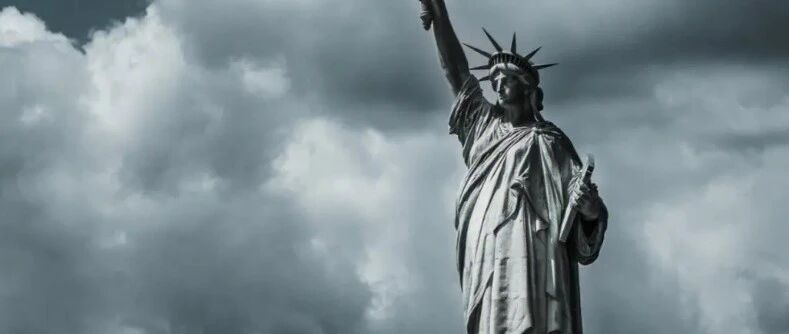
Group 1 - The indirect nuclear talks between Iran and the U.S. in Muscat, Oman, failed to achieve any substantial breakthroughs, with core differences remaining unresolved [1][3] - Following the talks, President Trump signed an executive order imposing additional tariffs on all countries engaging in direct or indirect trade with Iran, which undermines the negotiation foundation [1][3] - The U.S. aims for zero nuclear capability from Iran, while Iran insists that discussions should focus solely on nuclear issues without external pressures [3] Group 2 - The executive order states that any country purchasing goods or services from Iran will face up to 25% additional tariffs on exports to the U.S., targeting key sectors like energy and metals [5] - This policy represents a significant escalation of secondary sanctions, as the U.S. moves to penalize third-party trade partners to cut off Iran's international economic channels [5] - The U.S. Treasury Secretary indicated that the goal is to create a dollar shortage to exacerbate Iran's economic turmoil, continuing the strategy of maximum pressure [5] Group 3 - Iran's armed forces declared a state of maximum alert, emphasizing their commitment to defend national sovereignty and territorial integrity [7] - International oil prices rose in response to the escalating tensions, reflecting global capital's concerns over the deteriorating situation in the Middle East [7] - Major trading partners of Iran, such as China, Germany, India, and Turkey, face significant policy risks due to the U.S. tariff policy, creating a dilemma between maintaining trade relations and facing economic and diplomatic repercussions [7] Group 4 - The lack of strategic trust between the U.S. and Iran is exacerbated by the U.S.'s erratic behavior, making future dialogues increasingly difficult [9] - The U.S. approach of negotiating while applying pressure adds uncertainty to the regional situation, impacting global energy security and geopolitical balance [9] - Iran's display of military deterrence and heightened alert status may lead to a cycle of pressure and counter-pressure, complicating the regional dynamics further [9]
乌克兰制裁中国籍船长与船舶
制裁名单· 2026-02-22 00:18
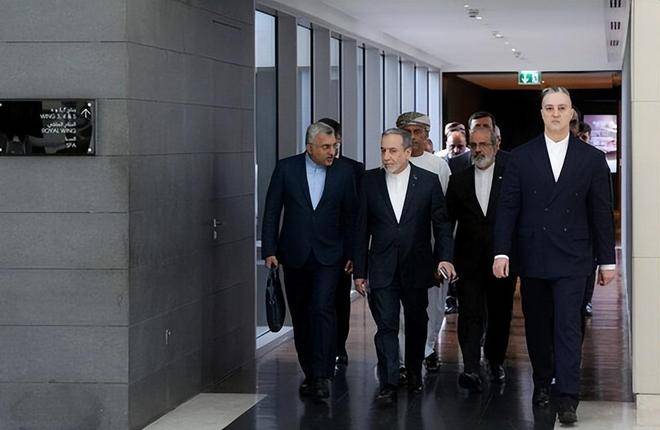
Group 1 - The core viewpoint of the article highlights Ukraine's recent sanctions against 225 global oil tanker captains, including 59 Chinese nationals, as part of efforts to combat Russia's "shadow fleet" and circumvent Western oil sanctions [1][2] - The sanctions are characterized by their broad coverage, strong constraints, and a long duration of ten years, affecting individuals, vessels, and associated enterprises [2] - The sanctions are a response to the ongoing Russia-Ukraine conflict, where Russia has been using old tankers and non-affiliated third-party shipowners to maintain energy exports despite Western restrictions [1][2] Group 2 - The sanctions impose direct restrictions such as asset freezes, entry bans, and the cancellation of official cooperation for individuals, while vessels and related enterprises face trade halts and asset freezes [2] - The high degree of coordination between Ukraine and Western sanctions systems poses significant risks, as individuals and entities listed by Ukraine may also face secondary sanctions from the EU and the US [2] - For Chinese crew members, shipping companies, and traders, the event signals clear compliance warning signs, indicating that captains are now direct targets of sanctions, which could affect their personal and professional lives [3]
谁给古巴油就罚谁!美国关税大棒挥向第三国,墨西哥“二选一”?
Sou Hu Cai Jing· 2026-02-11 10:24
Group 1 - The U.S. has imposed punitive tariffs on countries exporting oil to Cuba, framing it as a national security threat, which effectively turns oil supply to Cuba into a high-risk business [2][3] - The U.S. strategy targets not just Cuba but also third-party countries, compelling them to choose between supplying oil to Cuba or maintaining their trade with the U.S. [2][3] - Cuba's economy is heavily reliant on external energy and foreign exchange, making it vulnerable to supply chain disruptions, particularly in electricity and food supply [2][3] Group 2 - Mexico and Venezuela are identified as key oil suppliers to Cuba, with Mexico projected to be the largest supplier by 2025 [3][4] - The U.S. aims to pressure silent oil suppliers, particularly those still providing oil to Cuba, by increasing trade costs with the U.S. [4] - Cuba's economy is primarily supported by its service sector, especially tourism, which has seen significant fluctuations due to external factors [4][6] Group 3 - Despite political tensions, economic interactions between the U.S. and Cuba persist, particularly in food imports where U.S. agricultural products play a significant role [6][8] - Cuba's short-term strategies to maintain stability include rationing and administrative mobilization, while mid-term challenges revolve around foreign exchange and fuel availability [8] - Long-term pressures on Cuba will focus on demographic and systemic resilience, with potential risks of increased emigration due to economic hardships [8]
美国对俄制裁放大招,500%关税逼全球选边,中国直面三重冲击
Sou Hu Cai Jing· 2026-01-13 06:05
Core Viewpoint - The "Sanctioning Russia Act of 2025" aims to fundamentally reshape global sanctions logic, transitioning from targeted punishments to forcing countries to choose sides, with severe penalties for those continuing to engage with Russian energy products [1][3]. Summary by Sections Section 1: Direct Sanctions on Russia - The act imposes punitive tariffs of no less than 500% on nearly all Russian imports, including previously exempt essential goods like agricultural fertilizers, with a goal to fully ban Russian uranium by 2028 [1]. - It includes stringent measures against the Russian Central Bank, freezing its assets in the U.S. and prohibiting transactions with U.S. entities, while also targeting major Russian banks and financial institutions to cut off their access to capital and the dollar system [1]. - The sanctions list has been expanded to include key figures in the Russian government, military, and energy sectors, employing asset freezes and transaction bans to enhance accountability [1]. Section 2: Secondary Sanctions on Third Countries - The act's most threatening aspect is the secondary sanctions clause, which imposes a 500% tax on all goods and services exported to the U.S. from countries that knowingly purchase Russian energy products [3]. - This clause applies indiscriminately, effectively acting as a trade embargo on countries reliant on exports to the U.S., which could devastate their economies [3]. - The vague definition of "knowingly" allows the U.S. to interpret and expand the sanctions scope, potentially penalizing countries that indirectly engage with Russian energy through third parties [3]. - China is explicitly excluded from any exemptions, facing heightened tariff threats despite the act's national security waiver provisions [3]. Section 3: Risks for China - China faces significant risks across trade, finance, and energy sectors due to the act, as it attempts to draw China into a geopolitical conflict between the U.S. and Russia [5]. - The potential implementation of 500% tariffs could drastically reduce China's exports to the U.S., which reached $540 billion in 2024, affecting key sectors like electrical equipment and textiles [7]. - Anticipated tariffs may lead U.S. importers to shift orders to other regions, increasing costs and extending settlement periods for Chinese exporters, creating long-term negative effects [7]. - Financially, Chinese banks may need to limit dealings with Russia to avoid U.S. sanctions, complicating trade financing and cross-border transactions, which could slow down trade growth with Russia [7]. - In the energy sector, China must navigate a dilemma between reducing Russian energy imports to maintain access to the U.S. market or continuing its current procurement levels and facing severe tariffs [7]. - The act represents a strategic tool for the U.S. to bind global energy trade to geopolitical objectives, compelling countries to comply with U.S. strategic arrangements [7].

冲中国来了?美国对伊朗所有贸易伙伴加税25%!欲锁死伊朗贸易
Sou Hu Cai Jing· 2026-01-13 03:14
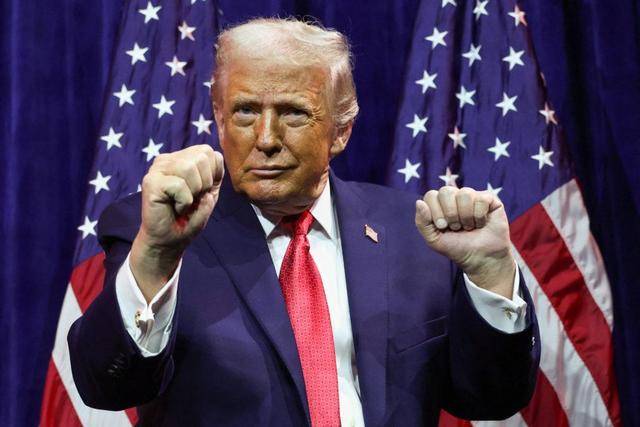
Core Viewpoint - The recent tariff announcement by Trump, imposing a 25% tariff on all countries engaging in commercial activities with Iran, is primarily aimed at disrupting the cooperation between Iran, China, and Russia, rather than solely targeting Iran itself [1][3][4]. Group 1: Tariff Impact - Trump's 25% tariff applies to all nations with commercial ties to Iran, creating a climate of fear and uncertainty without clear guidelines on enforcement [3][4]. - The tariff acts as a "collateral sanction," affecting not just Iran but also its trading partners, including China, India, Russia, Turkey, and the UAE, potentially disrupting their economic activities [4][6]. - This move is seen as a strategic attack on the trade networks led by China and Russia, aiming to force these nations to choose between engaging with Iran or accessing the U.S. market [6][8]. Group 2: Geopolitical Reactions - Iran's leadership has responded defiantly, indicating readiness to retaliate against U.S. military bases in the region if further actions are taken [10]. - China's position emphasizes the legitimacy of its trade relations and its refusal to accept unilateral sanctions, suggesting potential countermeasures if its interests are harmed [10][12]. - The EU, particularly France and Germany, is assessing the possibility of legal action against the U.S. in the WTO, although the effectiveness of such actions remains uncertain [12]. Group 3: Economic Consequences - The announcement has led to a spike in international oil prices, with predictions that prices could exceed $120 per barrel if tensions in the Persian Gulf escalate [14]. - The pressure from U.S. sanctions may accelerate the shift towards a "de-dollarization" strategy among Iran, Russia, and China, as they seek alternatives to the U.S. dollar in their trade [14][16]. - The broader implications of this tariff strategy indicate a deepening confrontation over global economic order, with currency and geopolitical dynamics at the forefront [16].
特朗普对伊朗伙伴加征25%关税,全球舆论哗然
Sou Hu Cai Jing· 2026-01-13 02:07
Core Viewpoint - Trump's latest tariff policy aims to reshape international relations through economic means, specifically targeting Iran's economy with secondary sanctions that impose a 25% tariff on any country engaging in trade with Iran [1][3]. Group 1: Economic Impact on Iran - The policy is designed to sever Iran's external economic ties, as Iran's economy heavily relies on energy exports and has trade partners across Eurasia [3]. - The increased costs for countries trading with the U.S. will significantly impact their competitiveness, potentially leading to order losses [3]. - Iran's oil revenue is likely to decline as trade partners withdraw, which will reduce foreign exchange sources and exacerbate risks of shortages in essential goods and industrial materials [5]. Group 2: Global Supply Chain Disruption - Multinational companies with business in both the U.S. and Iran will need to reassess risks and adjust trade routes, potentially causing a chain reaction in global supply chains [5]. - The economic blockade may lead to increased inflation pressures within Iran, directly affecting the living conditions of its citizens [5]. Group 3: Geopolitical Repercussions - Many countries may challenge the legality of the U.S. policy within the World Trade Organization, as major trading partners in Europe and Asia will not overlook their own interests being harmed [5]. - Iran is expected to accelerate efforts to seek alternative solutions, such as enhancing currency settlement cooperation with Russia and China, expanding barter trade, and establishing independent payment channels to bypass the dollar system [7]. - The effectiveness of the economic blockade will depend on how countries weigh the benefits of U.S. market access against their trade relations with Iran [7].
中国算总账,特朗普禁令颁布,不准购俄石油,全面收割已开始
Sou Hu Cai Jing· 2026-01-12 04:15
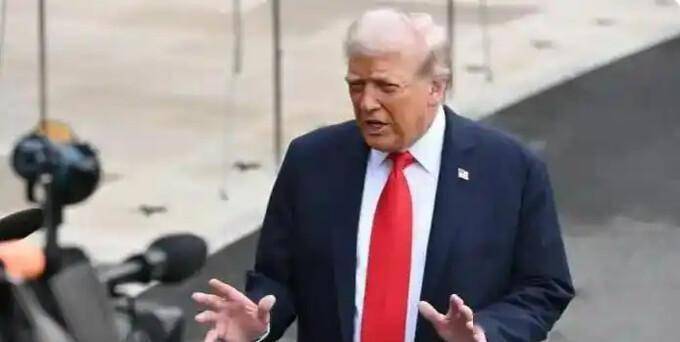
Core Viewpoint - The Trump administration has significantly intensified sanctions against Russia, aiming to pressure major economies like China, India, and Brazil to halt oil purchases from Russia [1][2]. Group 1: Sanction Strategies - The U.S. has not explicitly detailed the specific sanctions tools but is likely to employ two common strategies: introducing new sanctions legislation targeting countries engaging in energy transactions with Russia and threatening tariffs to compel these nations to abandon such dealings [1][2]. - This approach represents an extreme application of secondary sanctions, transforming a unilateral blockade into a systematic coercion aimed at emerging market countries globally [4]. Group 2: Historical Context - The strategy mirrors past U.S. actions in Venezuela, where the U.S. not only imposed an embargo but also created an economic loop that forced Venezuela to rely entirely on the U.S. market for oil exports [6][8]. - The U.S. controlled oil field development and profit distribution, mandating that Venezuela's sales revenue be deposited into U.S.-regulated financial channels, effectively stripping Venezuela of its economic sovereignty [6][8]. Group 3: Energy Market Dynamics - Current data indicates that China accounts for nearly half of Russia's oil exports, while India holds about 40%, highlighting the reliance of Russian energy exports on these two Asian economies [10]. - The U.S. aims to eliminate Russian low-priced oil from the international market, creating a significant supply gap that it intends to fill with its own energy companies, thereby reclaiming global energy pricing power [13][14]. Group 4: Geopolitical Implications - The legislative push by the U.S. targets the energy consumption sector, aiming to diminish Russia's foreign exchange income and force it into submission through fiscal pressure [10]. - This maneuver is not merely a geopolitical contest but a blatant struggle for economic interests, as the U.S. is now one of the world's leading oil producers [12]. Group 5: Responses from Affected Nations - India has previously faced high tariffs from the U.S. for importing Russian oil, with tariffs reaching as high as 50%, illustrating the economic pressure exerted by the U.S. [15][17]. - In contrast, China has demonstrated strategic resilience and countermeasures against U.S. coercion, emphasizing its position as the largest energy importer and its critical role in global supply chains [17][19]. Group 6: Future Energy Trade Dynamics - The ongoing conflict is not just about oil but also about the future discourse and autonomy in international order, with the U.S. attempting to establish a U.S.-centric energy framework [25][28]. - The attempt to reconstruct order through economic coercion may create short-term chaos but is likely to accelerate the diversification and multipolarity of the global energy trade system in the long run [28].
不让买俄油!特朗普放出3招,连续点名中国,是时候该算总账了
Sou Hu Cai Jing· 2026-01-10 16:16
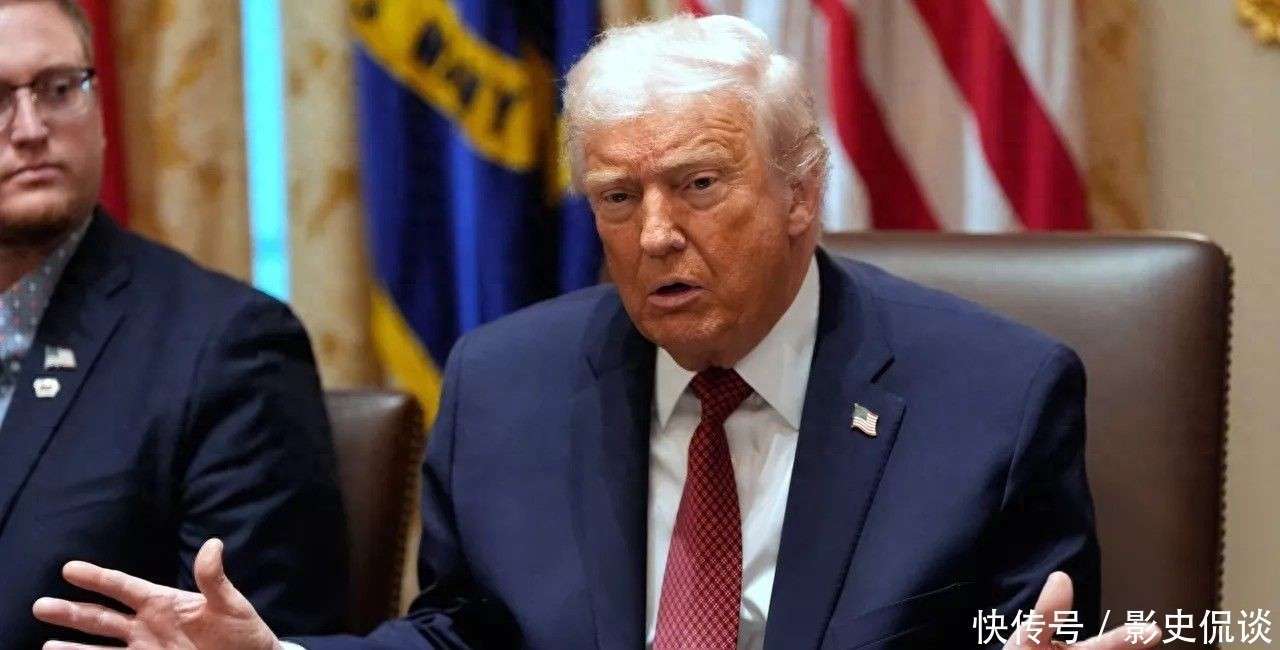
Group 1 - The Trump administration is implementing a strategy to control global energy markets by sanctioning buyers of Russian oil, targeting oil-producing countries, and seizing oil tankers [1][3] - The newly approved sanctions under the "2025 Sanctions on Russia Act" require China, India, and Brazil to halt imports of Russian oil or face tariffs up to 500% [3][7] - Russia's oil export revenue heavily relies on energy trade, with China accounting for nearly half of its total exports, while India and Brazil are also significant partners [3][10] Group 2 - The U.S. has previously intervened in Venezuela's economy, controlling its oil revenue and mandating that profits be deposited in U.S.-designated accounts [5][10] - Recent U.S. military actions included seizing oil tankers flagged by Russia, indicating a shift in strategy to apply pressure on Russia's energy buyers through secondary sanctions [7][9] - The geopolitical landscape is shifting, with the U.S. aiming to replace multilateral trade orders with unilateral rules, particularly in energy trade [10][12] Group 3 - China is the largest oil importer globally, with imports from Russia reaching 108 million tons in 2024, constituting 19.6% of its total oil imports [10][12] - The trend of de-dollarization is evident, with 99.1% of trade between China and Russia being settled in local currencies, reducing the effectiveness of U.S. sanctions [12][14] - India has resisted fully stopping Russian oil imports, emphasizing the need to protect domestic consumer interests, while Brazil also supports continued energy cooperation with Russia [14][16] Group 4 - The EU has aligned with the U.S. in sanctioning Russia, but questions the legality of unilateral sanctions and is concerned about market stability [16] - The share of Russian oil exports to the EU has drastically decreased from 40-45% pre-conflict to 4-5% in 2026, with Asian markets, particularly China and India, absorbing 80% of Russian oil exports [16]