活人感

Search documents
2025年微博热点趋势报告:活人感
Sou Hu Cai Jing· 2026-02-27 19:45
Core Insights - The report highlights a significant shift in social media dynamics, emphasizing the emergence of "human touch" as a key theme for 2025, moving away from cold information and artificial spectacle towards authenticity, empathy, and personalized connections [1][5]. Group 1: User Empowerment and Content Creation - The relationship between content production and consumption has been restructured, with users becoming the true leaders and co-creators of trending topics, actively connecting content to their own lives [2]. - The evolution of trending events has shifted from isolated, explosive incidents to continuous, narrative-driven "theatrical storytelling," where public interest evolves into long-term discussions on fairness and transparency [2]. Group 2: Personalization in Communication - The trend of "human touch" signifies that personalized connections have become essential in communication, especially in corporate public relations, where cold official statements are losing effectiveness [3]. - Public preference is shifting towards engaging with real individuals who have decision-making power, making personal accounts of company leaders vital for brand communication [3]. Group 3: Practicality and Professional Standards - The past year has shown a trend towards practicality and standardization in the hot topic ecosystem, with discussions around AI moving from conceptual to practical applications that reshape workflows and information retrieval [4]. - The era of unregulated influencers is ending, as public expectations for social responsibility and professional standards rise, necessitating content creators to conduct "value audits" and align with societal norms [4]. Group 4: Summary and Implications - The "human touch" represents a deeper evolution in the digital discourse landscape, where content value returns to authenticity and empathy, and the public's role shifts from passive observers to active co-creators [5]. - Content producers must develop the ability to showcase genuine human stories and provide practical, socially responsible content to maintain sustainable influence in a competitive attention economy [5].


喜茶小卡被疯抢?网友:一代人有一代人的鸡蛋要领……
3 6 Ke· 2026-02-10 00:54
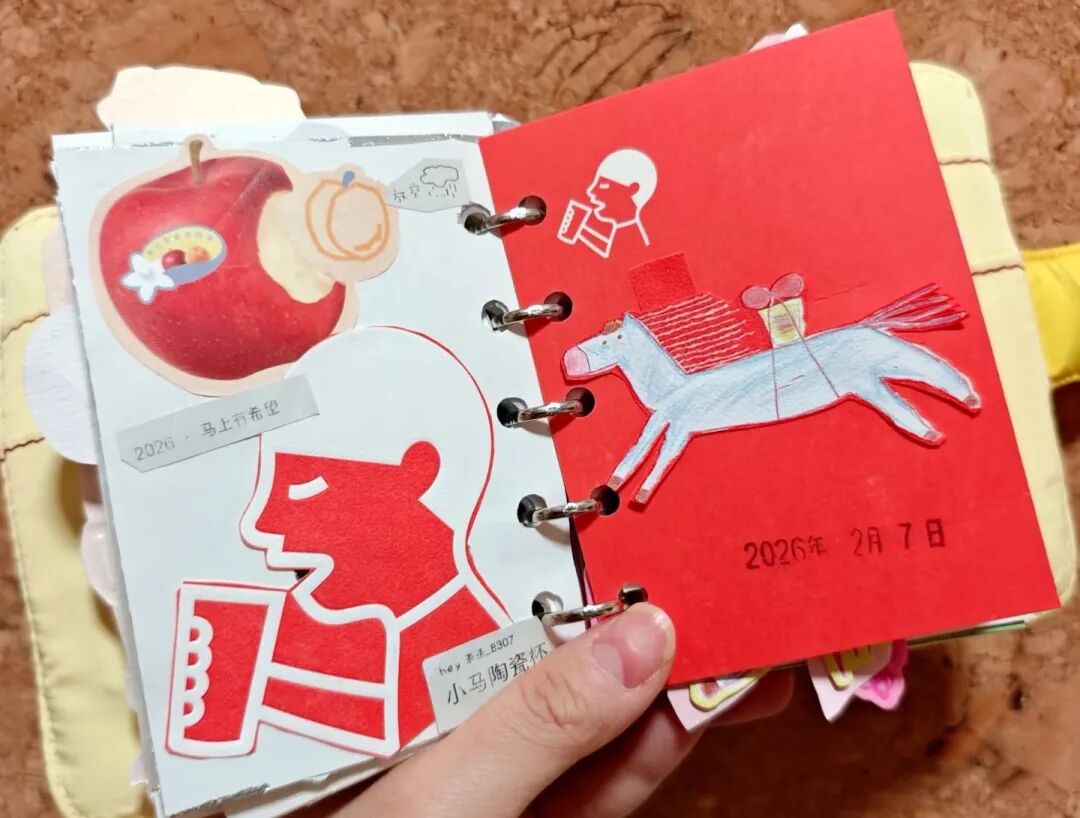
Core Insights - The article discusses the phenomenon of collectible cards, specifically the "Inspiration Cards" launched by Heytea in collaboration with actress Ma Sichun, which have become highly sought after by young consumers, leading to rapid sellouts and high resale prices on secondary markets [1][3][5]. Group 1: Product Launch and Popularity - Heytea's "Inspiration Cards" were launched as part of a promotional campaign and quickly gained popularity, with some stores selling out within days and generating over 2 million views on social media [1][3]. - The cards feature unique designs and interactive elements, such as the "Tea Picker Card" and the "Burnt Mojito Card," which have sparked a trend of card collecting among young people [5][11]. Group 2: Market Trends and Brand Strategy - Other brands, such as Lele Tea and Chayan Yuese, have also started to produce collectible cards, indicating a growing trend in the beverage industry where these cards serve as social currency and marketing tools [8][9]. - The collectible cards are not just promotional items but have evolved into dynamic toys that enhance consumer engagement and brand loyalty [11][17]. Group 3: Consumer Behavior and Emotional Connection - Young consumers are drawn to these cards due to their aesthetic appeal and the emotional stories behind them, which resonate with their desire for authenticity and connection [18][22]. - The concept of "living feeling" is emphasized, where consumers prefer products that tell a story and evoke emotions rather than just being cold commodities [20][22].
2025年微博热点趋势报告一2025年的“活人感”-微博x中国人民大学
微博x中国人民大学· 2026-02-06 01:35
| 项目 | 说明 | | --- | --- | | 研究机构 | 中国人民大学新闻学院新闻与社会发展研究中心 × 微博 | | 机构权威性说明 | 中国人民大学新闻学院是国内新闻传播学科的重要教学与研究机构,其"新闻与社会发展研究中心" 长期从事媒体与社会变迁研究,具有学术公信力;微博作为中国主流社交平台,拥有真实的用户行为 | | | 与热点数据。两者结合兼具学术严谨性与数据真实性。 | | 样本数量 | 报告未明确列出具体样本数量,但基于"全年热搜词聚合出的热点事件"进行分析,涵盖 2025 年微 博全平台热点。 | | 研究时间范围 | 2025 年全年 | | 权威性评估 | 高(学术机构+平台数据合作) | | 时效性评估 | 高(报告发布于 2026 年初,回顾 2025 年全年趋势,具有较强时效性) | 二、范围与边界确认 第 1页 共 5页 2025 年微博热点趋势报告一 2025 年的"活 人感"-微博 x 中国人民大学 一、研究背景评估 二、范围与边界确认 三、核心摘要提炼 四、关键数据抓取与呈现 五、风险与机遇诊断 第 2页 共 5页 一、研究背景评估 | 维度 | 说明 | | - ...
马年品牌短片比AI还“抽象”
3 6 Ke· 2026-01-20 00:28
Core Insights - The article discusses the innovative marketing strategies employed by various brands for the upcoming Year of the Horse, highlighting the use of humor and abstract concepts in advertisements [5][6][19] Group 1: Brand Strategies - Yili has successfully engaged with internet users by incorporating suggestions for their advertising campaign, featuring actress Ma Yili, which reflects a trend of interactive marketing [8][10] - Mengniu has opted for a different approach by assembling a trio of popular figures to create a narrative that resonates with younger audiences, focusing on the theme of good fortune [12][14] - Jin Zai's collaboration with actress Liu Xiaoqing showcases a modern short-drama marketing style, integrating popular cultural references to enhance viewer engagement [14][15] Group 2: Advertising Trends - The concept of "abstract" has emerged as a key theme in this year's advertising, with brands prioritizing creativity and engagement over traditional storytelling [6][8] - The rise of AI-generated content has prompted brands to emphasize the "human touch" in their advertisements, showcasing genuine emotions and relatable narratives [15][19] - The blending of various content types in advertisements is becoming more prevalent, allowing for a richer and more diverse storytelling approach [17][19]



2026,拿捏年轻人的五个消费关键词
虎嗅APP· 2026-01-07 13:23
Core Insights - The article discusses a significant shift in consumer behavior from "material" to "human" and from "satisfying needs" to "creating meaning" as the market evolves towards 2026 [5][10] - The Z generation is redefining consumption by asserting their identity through purchasing decisions, moving from passive acceptance to active definition of their consumer behavior [8][10] Group 1: Key Consumer Trends - By the third quarter of 2025, service consumption accounted for 46.8% of total household consumption expenditure in China, with service retail growth outpacing goods retail [8] - The shift from "physical" to "service" consumption reflects a deeper change in consumer logic, focusing on experiences and relationships rather than just products [8] - The rise of "human touch" in marketing is favored over the overly polished "AI technology feel," as brands that connect emotionally with consumers are more successful [13] Group 2: New Symbols of Consumption - Traditional luxury brands are facing revenue declines, while emerging brands like "Shanxiaoyou Song" and "Pop Mart" are gaining popularity among younger consumers [17][18] - Young consumers are creating a new social currency through "new symbols," challenging the authority of previous generations' consumption symbols [18] Group 3: Search for Meaning - The previous generation's clear life path has become obsolete for younger consumers, who are now exploring personalized definitions of a meaningful life [20] - A significant portion of young people engage in "mystical consumption" as a way to cope with stress and anxiety, with 60% having tried AI fortune-telling [21][23] Group 4: Companionship and Connection - As loneliness becomes more common, consumption is increasingly seen as a way to alleviate this feeling, with AI companionship applications seeing a 64% increase in spending [27][29] - Young women are particularly drawn to gaming as a form of companionship, with female gamers now making up nearly half of the gaming population in China [28] Group 5: Positive Consumption - Consumers are increasingly seeking to celebrate small achievements and find joy in everyday life, with 79.2% believing that daily life needs a sense of ritual [31][34] - The trend indicates a shift in consumer motivation from "what do I need" to "what makes me happy," reflecting a deeper psychological need for affirmation [34][35] Conclusion - The consumer market in 2026 is transitioning from transactional to relational consumption, emphasizing connections and meaning over mere product functionality [43][44] - The evolving landscape suggests that future competition will focus on creating meaningful connections rather than just competing on product features [44][45]

2026消费前瞻:为「活人感」买单
投中网· 2026-01-05 07:32
Core Insights - The consumption market in 2025 cannot be simply categorized as "recovery" or "weakness," as it reflects a shift in consumer behavior towards price sensitivity and rational consumption, emphasizing the importance of "human experience" [5][22][25] Group 1: Dining Industry - The offline dining sector is facing a decline in foot traffic, with average monthly customer visits dropping to 5,681, a decrease of 0.66% year-on-year, and a more significant decline of 4.1% after June 2025 [8] - To attract customers, many dining brands are adopting price reduction strategies, with self-service hot pot and street food becoming representative categories of this approach [8] - Innovative dining experiences, such as "dining + performance" concepts, are emerging to create new reasons for customers to visit, enhancing the atmosphere and encouraging social sharing [9] - Street food stalls have gained popularity, offering affordable home-style dishes priced between 10-30 yuan, effectively capturing additional customer flow and expanding revenue channels for restaurants [10] Group 2: New Tea Beverage Market - The new tea beverage market in 2025 is stabilizing, with a market size of 374.93 billion yuan, growing by 5.7% year-on-year, a slowdown from 6.4% in 2024 [12] - The total number of tea beverage stores has exceeded 415,000, but the net number of new openings is lower than closures, resulting in a decrease of 39,000 stores [12] - Major brands like Mixue Ice City and Bawang Tea Ji are expanding rapidly, while others like Heytea are experiencing significant store closures, with a reduction of 711 stores, or 15.41% year-on-year [13] - Consumer preferences are shifting towards fresh, health-oriented products, with a growing demand for fresh fruit and low-calorie options [14][15] Group 3: Cultural and Tourism Market - The cultural and tourism market is experiencing significant growth, with domestic travel reaching 4.998 billion trips in the first three quarters of 2025, an increase of 18% year-on-year [17] - Total spending on domestic travel reached 4.85 trillion yuan, reflecting a year-on-year increase of 11.5% [18] - Innovative experiences, such as city walks and rural tourism, are gaining traction, providing consumers with engaging and authentic experiences [20][19]

2026消费前瞻:为“活人感”买单
虎嗅APP· 2026-01-02 09:36
Core Viewpoint - The consumption market in 2025 cannot be simply categorized as "recovery" or "weakness," as it reflects a transformation in consumer behavior, emphasizing "human feeling" as a core element of consumption [4][24]. Group 1: Eating - A Fine Calculation of Experience - The offline dining industry faces significant challenges, with a decline in foot traffic, as evidenced by a 0.66% decrease in average monthly customer visits in the first eight months of 2025, which worsened to a 4.1% decline after June [6][12]. - To attract customers, many dining brands are resorting to price reductions, with self-service hot pot and street food becoming representative categories of this strategy [7]. - A new approach to finding growth is the "dining + performance" model, which enhances the dining experience through entertainment, creating a compelling reason for customers to visit [8][12]. - Street vending has gained popularity since July 2025, with well-known brands setting up stalls, offering affordable home-style dishes priced between 10 to 30 yuan, thus broadening revenue channels [9][10][12]. Group 2: Drinking - Adding More Sweetness to Life - The new tea beverage market in 2025 is stabilizing, with a market size of 374.93 billion yuan, reflecting a growth rate of 5.7%, down from 6.4% in 2024 [14]. - The total number of tea beverage stores exceeded 415,000, but the net number of new openings was lower than closures, resulting in a decrease of 39,000 stores [14]. - The market is witnessing a shift in consumer preferences towards healthier options, with products like fresh fruit teas gaining popularity [15][17]. - The competition in the new tea beverage sector will increasingly focus on creating perceived value for consumers, as loyalty to specific brands diminishes [17][24]. Group 3: Entertainment - Experience Over Arrival - The cultural tourism market is thriving, with domestic travel reaching 4.998 billion trips in the first three quarters of 2025, a year-on-year increase of 18% [19]. - This surge in travel has stimulated significant consumer spending, with total expenditures reaching 4.85 trillion yuan, up 11.5% from the previous year [19]. - Innovative experiential offerings, such as city walks and interactive theme parks, are emerging to attract tourists, emphasizing engagement and participation [20][21]. Group 4: Summary - The overall consumption market in 2025 is stable, with retail sales expected to exceed 50 trillion yuan, maintaining a contribution rate of around 60% to GDP growth [23]. - Consumers are increasingly selective, rejecting products that lack emotional resonance, indicating a shift from accumulating assets to seeking meaningful experiences [24][25]. - The focus on "human feeling" reflects a collective return to valuing real experiences and immediate feedback in an uncertain economic environment [26].

当科技有了 “活人感”:鸿蒙生态里的人间烟火
Sou Hu Cai Jing· 2025-12-30 16:26
Core Insights - The article emphasizes that the best digital world is not a pre-programmed illusion but a living entity shaped by real individuals, highlighting the importance of genuine connections and interactions in the evolving digital landscape [1][18] - By 2025, there is a growing desire for authentic engagement and warmth in technology, contrasting with the pervasive presence of AI and algorithms [1][3] Group 1: Development and Ecosystem - The HarmonyOS ecosystem has evolved through the contributions of millions of developers and users, creating a "cultivation experiment" that responds to real needs and feedback [1][4] - Huawei has invested 1 billion yuan in the "Tiangong Plan" to support AI innovation, providing developers with the resources and confidence to create impactful applications [4][6] - The number of HarmonyOS devices has surpassed 32 million, with a high feedback loop rate of 96% for user suggestions, indicating a strong connection between the ecosystem and its users [4][6] Group 2: User Experience and Innovation - The HarmonyOS ecosystem is characterized by its ability to listen to user needs, resulting in rapid iterations and improvements in applications, such as the quick launch of features based on user requests [6][10] - The integration of AI, particularly through the "Xiao Yi" intelligent assistant, enhances user experience by providing personalized and context-aware services, transforming how users interact with technology [13][15] - Various applications have launched innovative features on HarmonyOS, showcasing a collaborative spirit among developers and a commitment to enhancing user experience [9][17] Group 3: Community and Collaboration - The ecosystem thrives on collaboration, with over 10 million developers and numerous partners contributing to its growth, creating a vibrant community that fosters innovation [3][7] - The narrative of the HarmonyOS journey includes personal stories and shared experiences from developers, emphasizing the human element behind technological advancements [7][9] - The focus on inclusivity ensures that the needs of diverse user groups, including those with disabilities, are addressed, further enhancing the ecosystem's reach and impact [17][18]

影石们找到了“活人感”
3 6 Ke· 2025-12-22 12:02
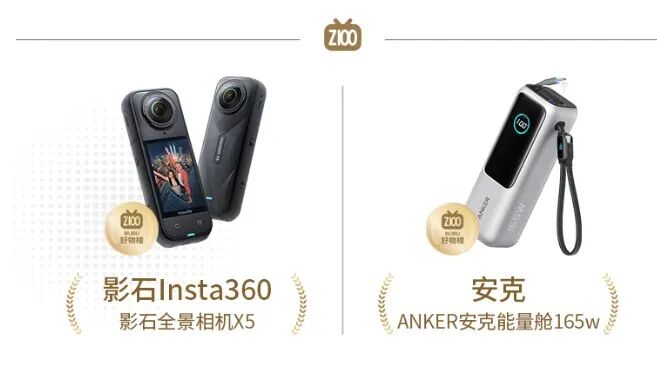
Core Insights - The article discusses the competitive landscape of the panoramic camera market, highlighting how the company YingShi maintains a dominant position despite strong competitors like DJI, with a global market share of approximately 81.7% as of the end of 2024 [1] - YingShi's revenue exceeded 6.6 billion yuan in the first three quarters of the year, surpassing its total revenue from the previous year [1] - The company effectively targets Generation Z consumers, leveraging innovative marketing strategies to engage with this demographic [1][3] Group 1: Market Position and Financial Performance - YingShi holds a significant market share of 81.7% in the global panoramic camera market as of the end of 2024 [1] - The company's revenue for the first three quarters of the year has already surpassed 6.6 billion yuan, exceeding its total revenue for the previous year [1] Group 2: Marketing Strategy and Brand Engagement - YingShi employs a unique brand marketing strategy characterized by a "human touch," which resonates well with younger audiences [3] - The company's Bilibili account has gained over 630,000 followers and accumulated more than 340 million video views, showcasing its effective engagement with users [3] - YingShi's marketing approach includes creating imaginative content and collaborating with popular creators to enhance brand visibility and relatability [5][7] Group 3: User-Centric Content Creation - The company invests heavily in user-generated content (PUGC) and collaborates with various creators to produce engaging videos that showcase innovative uses of its products [5] - Many of YingShi's video concepts originate from user feedback, enhancing the brand's connection with its audience and reinforcing its "human touch" [7] - The brand's strategy emphasizes creating high-quality content that subtly promotes its products without overtly pushing sales [7] Group 4: Broader Industry Trends - The concept of "human touch" in marketing is gaining traction among various brands, with examples like Duolingo successfully personifying its brand through a relatable mascot [4] - Other brands, such as Zhuangzhuang, are also exploring similar strategies by creating engaging personas to connect with consumers [10][12] - The shift towards more relatable and authentic brand representations reflects changing consumer preferences, particularly among younger generations [12][14]
活人感、邪修、中女时代……十大内容趋势读懂2025
3 6 Ke· 2025-12-12 01:47
Group 1 - The core trend in 2025 is the shift towards "human touch" content, where users prefer authentic, imperfect, and relatable narratives over polished presentations [2][7] - Brands are adapting by engaging in more relatable and humorous interactions, moving away from traditional advertising styles [4][6] - The rise of "group broadcasting" has become a significant growth area in the live streaming industry, attracting both influencers and celebrities, and integrating deeply with brand marketing [8][10][14] Group 2 - The concept of "evil practices" has emerged among young people as a form of resistance against societal pressures, reflecting a desire for low-effort, high-reward solutions in their lives [15][17] - The backlash against "elitist" attitudes in marketing and content creation has highlighted the importance of relatability and empathy in communication [25][26] - Video podcasts are gaining traction, evolving from audio-only formats to more immersive visual experiences, catering to diverse audience preferences [26][28] Group 3 - The "Middle-aged Women Era" is reshaping narratives around women aged 30-55, showcasing their independence and multifaceted roles in society [29][31] - The short drama market is experiencing significant growth, with a projected market size of 677.9 billion yuan in 2025, indicating a shift towards more structured and high-quality content [32][34] - The "silver economy" is emerging as a new frontier, with older adults becoming active participants in content creation, reflecting their unique perspectives and needs [41][46] Group 4 - Localized content is gaining prominence, as narratives shift from urban-centric to more diverse and authentic representations of life in smaller towns and rural areas [47][49] - The overarching theme for 2025 is a return to "human-centric" content, emphasizing genuine stories and connections over mere entertainment [50]