消费观念

Search documents
如果个人存款高于这个数,恭喜!你已经超过了我国大多数家庭
Sou Hu Cai Jing· 2026-02-02 06:40
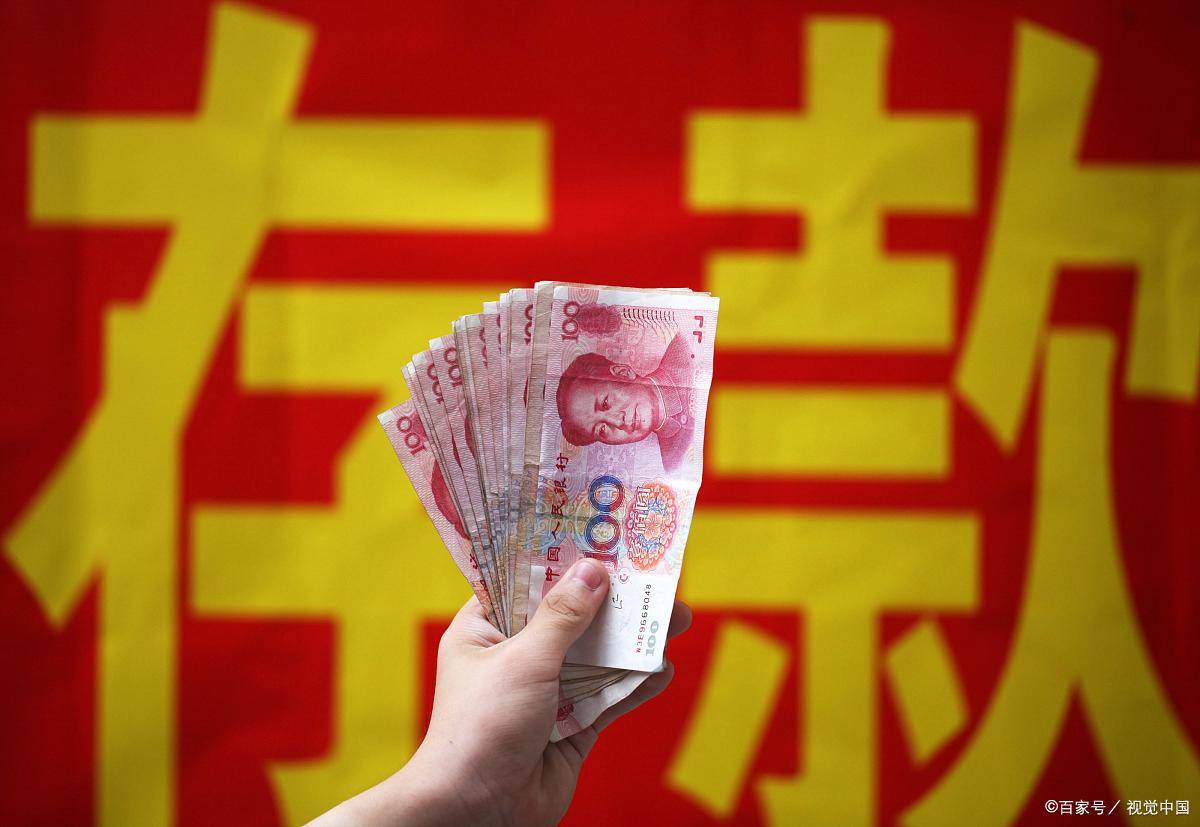
近年来,中国家庭的存款状况备受关注。央行数据显示,截至三月末,中国的人均存款为8.6万元,这意味着一个三口之家平均存款约为25.8万元。然而,清 华大学教授陈浩曾提出,中国家庭平均资产超过300万元属于正常水平,拿出50万元现金并非难事。这两种说法形成了鲜明对比,引发了人们对于存款水平 的广泛讨论。 那么,拥有50万元存款究竟意味着什么?业内人士指出,如果个人存款超过50万元,那么你就已经超越了绝大多数中国家庭。央行的数据进一步佐证了这一 观点,数据显示,存款超过50万元的储户仅占总数的0.37%,换言之,超过99.63%的人未能达到这一水平。 为何50万元存款对大多数家庭来说如此难以企及?表面上看,这个数字似乎并不算巨大,但深究其原因,我们可以发现以下几个主要因素: 首先,国民整体收入水平不高。多数人的月收入集中在3000元至6000元之间,而与此同时,物价却持续上涨,生活成本居高不下。即使夫妻双方都工作,家 庭每月结余5000元已属不易,一年下来也只能存下6万元。要积累到50万元,至少需要八年多的时间,并且期间不能出现任何意外支出,这对于普通家庭而 言无疑是巨大的挑战。 All 193 R 67 NOT ...

为什么现在好多人拿不出1万块,却觉得100万是小钱?
3 6 Ke· 2026-01-19 00:01
Core Viewpoint - The perception of wealth, particularly the significance of having 1 million in savings, has drastically changed due to rising living costs and societal influences, leading to a disconnect between actual financial capability and perceived wealth [1][4][5]. Group 1: Changing Perceptions of Wealth - The skyrocketing real estate prices over the past two decades have altered the public's understanding of what constitutes significant wealth, with 1 million now often seen as insufficient for basic housing needs in major cities [4][5]. - The concept of a "millionaire" has depreciated, as many individuals with substantial property values may have limited liquid assets, leading to a false sense of financial security [5]. - Social media amplifies the "survivorship bias," showcasing only the success stories and creating unrealistic expectations about income and wealth accumulation among the general population [6][7]. Group 2: Financial Behavior and Consumption Patterns - The prevalence of financial tools that promote deferred payments, such as credit cards and installment plans, has desensitized younger generations to the value of money, making large sums like 1 million appear more attainable [9][10]. - Many young individuals, despite low savings, dismiss small amounts of money, believing they cannot accumulate significant wealth, thus perpetuating a cycle of financial instability [11]. Group 3: Recommendations for Financial Awareness - To break the cycle of financial misperception, individuals should focus on rational spending and long-term financial planning, recognizing the importance of small savings and investments [13][14]. - Establishing an emergency fund is crucial for financial stability, with recommendations to save 3-6 months' worth of living expenses to mitigate unforeseen circumstances [17][19]. - Understanding that true wealth is built over time through consistent saving and investment, rather than seeking immediate gratification, is essential for achieving financial freedom [22].

中国人口是美国的几倍,为什么消费力却比不过?内行人道出了内情
Sou Hu Cai Jing· 2026-01-12 22:48
Core Insights - The disparity between China's consumption potential and actual performance raises concerns, as the total consumption amount is less than half of that of the United States despite having a population four times larger [1] Group 1: Economic Factors - High housing prices significantly constrain consumer spending, with individuals in major cities allocating a large portion of their income to mortgage payments, leaving little for discretionary spending [3] - The ingrained savings habit among Chinese consumers, driven by a traditional mindset of caution and uncertainty about the future, leads to lower overall consumption levels [3][4] - Income distribution inequality limits the size of the consumer base, as a relatively small proportion of the population belongs to the middle class, which is a key driver of consumption [4] Group 2: Social and Cultural Influences - The heavy burden of education and healthcare costs diverts funds that could otherwise be used for consumption, with families facing significant financial pressure from these areas [6] - Urban-rural income disparity remains a critical issue, as rural populations have significantly lower average incomes, limiting their consumption capacity [7] - Differences in consumption attitudes between Chinese and American consumers affect spending behavior, with Chinese consumers focusing more on savings and investments rather than immediate consumption [4][7] Group 3: Market Dynamics - The structure of household debt in China is primarily focused on mortgages, while American households also engage in consumer loans, leading to different consumption patterns [7] - The investment mindset in China tends to favor real estate and stocks, while American consumers invest in experiences and quality of life improvements, impacting overall consumption [7] - Young consumers in China are beginning to shift their spending habits towards valuing quality of life, which could influence future consumption trends [8][10] Group 4: Policy and Future Outlook - Addressing the issue of insufficient consumption requires comprehensive efforts, including stabilizing housing prices, improving social security systems, and reducing income inequality [10] - Positive signals are emerging, such as decreasing housing expectations and government initiatives to stimulate domestic demand, which could potentially enhance consumer spending [10] - The potential for China's consumption market to drive economic growth is significant, contingent upon releasing suppressed consumer demand and changing long-standing cultural habits [12]
年轻人爱上“租经济”丨生活中的经济学
Xin Lang Cai Jing· 2026-01-11 05:54
Group 1 - The core viewpoint is that the "rent instead of buy" consumption model is gaining popularity among young consumers, reflecting a shift in their consumption values towards flexibility and experience [1][2][4] - The car rental market has seen a significant increase in bookings, with over 40% of users confirming their rental plans a month in advance, and a notable rise in orders for new energy vehicles, indicating a shift in consumer preferences [1][2] - The rental market for high-value items like cameras and drones is thriving, with daily rental prices ranging from tens to hundreds of yuan, allowing consumers to save on upfront costs and avoid depreciation risks [2][3] Group 2 - Young consumers are increasingly making rational purchasing decisions, focusing on the actual usage value of products rather than ownership, which is evident in their preference for renting high-cost, low-frequency-use items [2][3] - The development of a credit system is supporting the rental economy, with third-party credit agencies establishing new credit rules that allow for credit-based rentals instead of traditional deposits [2][3] - The rental economy faces challenges such as balancing credit risk and managing residual value, as well as the need for a standardized residual value assessment system [3]
为什么越是没钱的人,越喜欢把钱花在没用的地方?
洞见· 2025-12-11 12:20
Core Insights - The article emphasizes that today's wealthy individuals were often yesterday's poor, highlighting the importance of financial habits and investment in self-improvement as key factors in wealth accumulation [3][18]. Spending Habits - Low-income groups tend to spend money on visible items such as luxury goods and electronics, while high-income individuals invest in less visible but valuable experiences like education and personal development [13]. - The article illustrates that poor financial decisions often lead to a cycle of poverty, where individuals prioritize immediate gratification over long-term financial stability [9][12]. Investment in Self - Successful individuals often allocate their resources towards self-improvement, such as education and skill development, which ultimately leads to greater financial success [15][20]. - The narrative includes examples of individuals who have transformed their financial situations by prioritizing investments in their knowledge and skills over luxury consumption [16][17]. Financial Philosophy - The article posits that money flows towards those who understand its value and invest it wisely, suggesting that a mindset focused on growth and self-improvement is crucial for financial success [21]. - It concludes that the way individuals choose to spend their money reflects their priorities and can significantly influence their future financial outcomes [20].

个人存款到达这个数,就超过98%的家庭了,你是否做到了?
Sou Hu Cai Jing· 2025-11-06 06:12
Core Insights - Despite declining bank deposit rates, Chinese residents show unprecedented enthusiasm for saving, with new deposits reaching 9.9 trillion yuan in Q1 2023, averaging over 3.3 trillion yuan per month [1] - The contradiction between high savings and the actual financial situation of most families is influenced by macroeconomic conditions and individual choices [1] Group 1: Factors Influencing Savings - The attractiveness of investment channels has decreased, leading to a surge in bank deposits as individuals seek safer options amid stock market volatility and poor performance of other investment products [3] - The uncertainty brought by the three-year pandemic has made people more cautious, prompting them to save more in anticipation of potential risks such as unemployment and health issues [4] Group 2: Disparities in Savings - The average savings figure of 80,000 yuan masks significant disparities, with 60-70% of families holding less than this amount, and only 0.37% of the population having savings over 500,000 yuan [5] - The distinction between personal savings and property value is crucial, as personal savings are highly liquid, while property is less easily converted to cash due to mortgage obligations [7] Group 3: Challenges to Accumulating Savings - The contradiction between income levels and living costs is evident, with most residents earning between 3,000 and 6,000 yuan monthly, making it difficult to save significantly amid rising living expenses [8] - Young people's consumption habits and debt levels contribute to low savings, with nearly 90% of those born in the 1990s carrying an average debt of 127,000 yuan [8] - High mortgage payments consume a large portion of household income, leaving little for savings, making the goal of reaching 400,000 yuan in savings nearly unattainable for many families [8] Group 4: Overall Economic Reflection - The high savings willingness among Chinese residents contrasts with the reality of most families' financial situations, highlighting the challenges faced in wealth accumulation amid economic development [9]

卢浮宫失窃背后:一个“分裂的法国”与消费市场巨变
创业邦· 2025-10-23 00:10
Core Insights - The article discusses the recent theft at the Louvre Museum in Paris, highlighting the vulnerability of French museums and the broader implications for French society and governance [5][6][9]. - It examines the political instability in France, particularly surrounding pension reforms and the rise of extreme political parties, which reflects a deep societal divide and economic challenges [10][11][14][15]. - The article also explores changing consumer behaviors in France, particularly among different socio-economic groups, and the rise of low-cost brands like Temu amid economic pressures [20][19][21]. Group 1: Theft at the Louvre - The theft involved four suspects who used electric tools to break into the museum and stole eight valuable items, raising concerns about security in French cultural institutions [6][9]. - The incident has sparked political outrage, with leaders expressing disappointment and anger over the state of security and governance in France [6][10]. Group 2: Political and Economic Context - France is experiencing a government crisis, with a "hung parliament" situation leading to difficulties in passing legislation, which undermines President Macron's authority [10]. - The country's fiscal situation is dire, with a deficit of 5.8% of GDP and a national debt of 114% of GDP, prompting credit rating downgrades from major agencies [11]. - The rise of extreme political parties reflects a shift in public sentiment, with traditional parties losing influence amid growing economic inequality [14][15]. Group 3: Consumer Behavior and Market Trends - The article notes a significant increase in poverty rates, with 9.2 million people living below the poverty line, leading to changes in consumer habits towards lower-priced goods [19][20]. - Temu, a low-cost e-commerce platform, has gained traction in France, with a market penetration rate of 11.9%, appealing to cost-conscious consumers [20]. - The luxury goods market remains strong, with French brands dominating, but there is a growing trend among younger consumers towards sustainability and ethical consumption [18][32]. Group 4: Opportunities for Chinese Brands - The article highlights successful Chinese brands like Huawei and TCL in the French market, emphasizing the importance of local partnerships and brand image [29][30]. - There is potential for growth in the food and beverage sector, particularly with tea and vegetarian options, as French consumers show interest in diverse culinary experiences [32][33]. - The rise of outdoor living and camping culture in France presents new market opportunities for related products, with a projected market size of $11 billion by 2031 [28].

央视镜头前,前央行副行长朱敏“捅破”房价真相:3大支撑全反转,未来5年楼市要变天?
Sou Hu Cai Jing· 2025-10-04 10:49
Core Viewpoint - The former deputy governor of the central bank, Zhu Min, stated that housing prices are unlikely to rise significantly again, indicating a fundamental shift in the underlying support for housing prices in China [3]. Group 1: Population Structure - The birth rate in China has drastically declined, with the number of newborns dropping from 17.86 million in 2016 to an estimated 9.54 million in 2024, leading to a projected 50% reduction in annual new housing demand over the next 20 years [5]. - The willingness of the 25-30 age group to purchase homes has decreased from 65% to 48% over the past five years, indicating a shift in young people's attitudes towards home buying due to financial constraints [5]. Group 2: Land Finance - The revenue from land sales has halved, dropping from 8.7 trillion yuan in 2021 to 4.87 trillion yuan in 2024, disrupting the traditional cycle of land sales, developer purchases, and bank lending [7]. - The decline in housing demand has led to a halt in the entire real estate chain, affecting local governments, developers, and banks [7]. Group 3: Changing Perspectives - The traditional belief that "having a home means having a family" is being abandoned by younger generations, who are now reluctant to use their family's savings to purchase a home [9]. - The financial burden of homeownership is significant, with a typical family in Beijing needing to gather 1.5 million yuan for a down payment and facing monthly mortgage payments that consume a large portion of their income [9]. Group 4: Economic Implications - There are two conflicting views regarding housing prices: one argues that high prices suppress consumer spending, while the other fears that falling prices will reduce household wealth and consumption [10]. - The government's stance is clear in the "14th Five-Year Plan," which aims to curb real estate speculation and shift focus towards new economic drivers such as electric vehicles and artificial intelligence [10]. Group 5: Future Outlook - Based on international experiences, it is projected that China's housing market may bottom out around 2027, following a similar adjustment period seen in Japan and the U.S. [11]. - Major cities like Beijing and Shanghai may stabilize by 2026, with expected annual price increases of 3%-5%, while smaller cities may face greater adjustment pressures [11]. Group 6: Long-term Transformation - The transition from viewing real estate as an investment to recognizing it as a necessity will involve challenges, including asset volatility for current homeowners and economic uncertainties for potential buyers [12]. - Ultimately, the goal is to ensure that home buying does not deplete family savings, allowing other industries to thrive and contributing to sustainable economic growth in China [12].

用一年多的工资增购一辆车过分不?
集思录· 2025-08-14 14:50
Core Viewpoint - The article discusses the dilemma of spending versus saving, emphasizing that while time can be a friend of compound interest, it can also be an enemy of life, suggesting that money should be spent to enjoy life rather than hoarded as mere numbers [1][2]. Group 1: Spending Philosophy - The notion that money not spent is essentially meaningless, as it represents a debt owed by society that remains unfulfilled [2]. - The idea that delaying spending reduces the joy derived from that spending, as happiness diminishes over time [4]. - A perspective that suggests individuals should prioritize spending on quality products, such as Tesla for electric vehicles and Apple or Samsung for phones [7]. Group 2: Personal Financial Guidelines - Recommendations for car purchases suggest that spending on a vehicle should ideally not exceed a certain percentage of annual income, with specific thresholds mentioned (e.g., cars under 300,000 should not exceed annual income) [9]. - A common guideline among investors is to limit personal consumption to a small percentage of total assets, typically around 1% to 5% [11][13]. - The article highlights that the decision to buy should be based on personal feelings and circumstances rather than external standards, emphasizing individual needs [13]. Group 3: Emotional Considerations - The emotional aspect of purchasing decisions is highlighted, suggesting that if one feels conflicted about a purchase, it may be better to refrain from buying [13]. - The joy derived from experiences and purchases in the present is argued to outweigh potential future gains, advocating for enjoying life now rather than postponing happiness [14].

聚焦生活与经济的平衡 破解青年“账单焦虑”——团市委开展青年生活成本与消费观念主题交流活动
Sou Hu Cai Jing· 2025-08-07 12:57
Group 1 - The discussion focused on the living costs and consumption concepts of the youth, aiming to understand their current situation and needs [1][3] - Youth representatives expressed concerns about the pressure from living costs and the challenges in making consumption choices, sharing personal experiences [3] - Suggestions included increasing housing support for youth, especially new citizens and recent graduates, through more talent apartments and flexible rental subsidy policies to alleviate the burden of rent and mortgage [3] Group 2 - Recommendations were made to optimize urban public transportation networks to reduce commuting time and economic costs [3] - Youth expressed a desire for more inclusive skill enhancement and cultural activities to enrich their leisure time while minimizing developmental expenditure [3] - There was a call for improved consumer guidance to help youth plan their finances more scientifically, enhancing their ability to avoid consumption traps and excessive spending [3] Group 3 - The local government representatives acknowledged the feedback from youth and committed to acting as a bridge to ensure that every voice is heard and every demand is addressed [3] - The initiative aims to support youth in settling down and thriving in Shijiazhuang [3]