稀土战略

Search documents
美财长一句话摊牌,中美划时代变化就在眼前,马斯克做出神预测!
Sou Hu Cai Jing· 2026-02-11 10:45
Group 1 - The recent victory of Japan's ruling coalition in the House of Representatives elections has elevated the political stature of Kishi Sanae, indicating a potential shift in the geopolitical landscape, particularly in U.S.-China relations [1][3][5] - U.S. Treasury Secretary Besant's remarks suggest that Japan's strengthened position may provide the U.S. with renewed opportunities to engage in competition with China, highlighting Japan's potential role as a key player in this geopolitical rivalry [5][9] - The upcoming military sales plan to Taiwan, potentially worth $20 billion, could significantly impact the Taiwan Strait situation and challenge China's bottom line, indicating the complexities of U.S.-China relations [7] Group 2 - Elon Musk's predictions regarding U.S.-China technological competition emphasize that by 2026, China's power generation capacity may reach three times that of the U.S., underscoring the importance of technological innovation for national economic strength [9][10] - Musk warns that without breakthroughs in technology, particularly in AI, humanoid robots, and electric vehicles, the U.S. risks falling behind China, highlighting vulnerabilities in U.S. strategic resources like rare earth elements [10][12] - The attitudes of Europe, Russia, and India towards U.S.-China relations are crucial, with European leaders expressing support for Japan's new leadership, while India's Prime Minister Modi acknowledges Kishi Sanae's potential contributions to regional stability [13][15]


坚持半年后,美国稀土战略面临失败,美驻华大使责怪中国
Sou Hu Cai Jing· 2026-02-02 07:20
Group 1 - The U.S. has taken measures to reduce its dependence on Chinese rare earth resources, including signing cooperation agreements with countries like Australia and Japan, and implementing various stimulus policies to support domestic rare earth companies [1] - Despite these efforts, the U.S. government has admitted it cannot provide actual support in the rare earth sector, and the plan to set a price floor to support U.S. rare earth companies has been abandoned due to a lack of cost advantages [3][5] - The strategy of setting a price floor was intended to act as a subsidy to protect U.S. rare earth companies from market fluctuations, but it ultimately failed due to the need for long-term government funding and the operational difficulties in establishing a reasonable minimum price [5][6] Group 2 - The U.S. Energy Department has refuted reports regarding the failure of the price floor strategy but has not clarified the specifics of the minimum price issue [8] - The U.S. Ambassador to China has expressed complaints about China's export control measures, which require foreign companies to provide supply chain information, claiming it violates confidentiality obligations [8][10] - The root cause of the rare earth supply difficulties is attributed to the U.S.'s own unfriendly policies, including tariffs and sanctions against Chinese companies, which have harmed bilateral relations [10][12]
港股开盘:恒指涨0.55%、科指涨0.88%,科网股、贵金属股走高,商业航天股活跃
Jin Rong Jie· 2026-01-12 01:28
Market Overview - The Hong Kong stock market opened higher on January 12, with the Hang Seng Index rising by 0.55% to 26,376.84 points, the Hang Seng Tech Index increasing by 0.88% to 5,737.43 points, the National Enterprises Index up by 0.75% to 9,116.01 points, and the Red Chip Index gaining 0.68% to 4,129.13 points [1] Company News - Sunny Optical Technology (02382.HK) reported a December smartphone lens shipment of 95.592 million units, a year-on-year decrease of 8.9%. The automotive lens shipment was 7.477 million units, a year-on-year increase of 17.7%. Smartphone camera module shipments were 37.744 million units, down 29.3% year-on-year, primarily due to customer inventory control and holiday factors [2] - Orient Overseas International (00316.HK) reported a 17.2% year-on-year decrease in fourth-quarter shipping revenue to USD 2.081 billion. Total cargo volume increased by 0.8%, and capacity rose by 4.5%. The overall load factor decreased by 3.1% compared to the same period in 2024, with average revenue per standard container down 17.8% year-on-year [2] - China Jinmao (00817.HK) achieved a cumulative contracted sales amount of RMB 113.5 billion for 2025, representing a year-on-year increase of 15.52% [3] - R&F Properties (02777.HK) reported total sales revenue of approximately RMB 14.21 billion for 2025, a year-on-year increase of 26.54% [4] - Zhongliang Holdings (02772.HK) reported a cumulative contracted sales amount of approximately RMB 12.07 billion for 2025, a year-on-year decrease of 32.68% [5] - Greenland Hong Kong (00337.HK) reported contracted sales of approximately RMB 7.214 billion for 2025, a year-on-year decrease of 21.66% [6] - Longyuan Power (00916.HK) completed a cumulative power generation of 76.4694 million MWh for 2025, a year-on-year increase of 1.22% [7] - Dekang Agriculture and Animal Husbandry (02419.HK) reported sales of 1.1097 million pigs in December, generating revenue of RMB 1.664 billion [8] - COFCO Joycome (01610.HK) reported a December pig output of 567,000 heads, a month-on-month increase of 1.43% [9] - Hengding Industrial (01393.HK) reported a coal production of 5.415 million tons for 2025, a year-on-year increase of 31% [10] Industry Insights - Dongwu Securities suggests that the Hong Kong stock market is entering a period of oscillation and upward movement, emphasizing the importance of dividends as a base and the potential for technology growth in the first half of the year [15] - CITIC Construction Investment highlights the strong performance of copper and aluminum in the recent market, indicating that copper prices are expected to continue rising, with a target of USD 13,000 not being the peak for this cycle [15] - Zhongtai Securities notes that China's rare earths have become a crucial strategic component in the global high-tech industry chain amid increasing Sino-US tech competition, recommending focus on resource companies with high concentration and barriers [16]


稀土企业绕管控卖永磁体给西方,技术护城河或10年被摸透,国家战略在漏气
Sou Hu Cai Jing· 2026-01-11 08:50
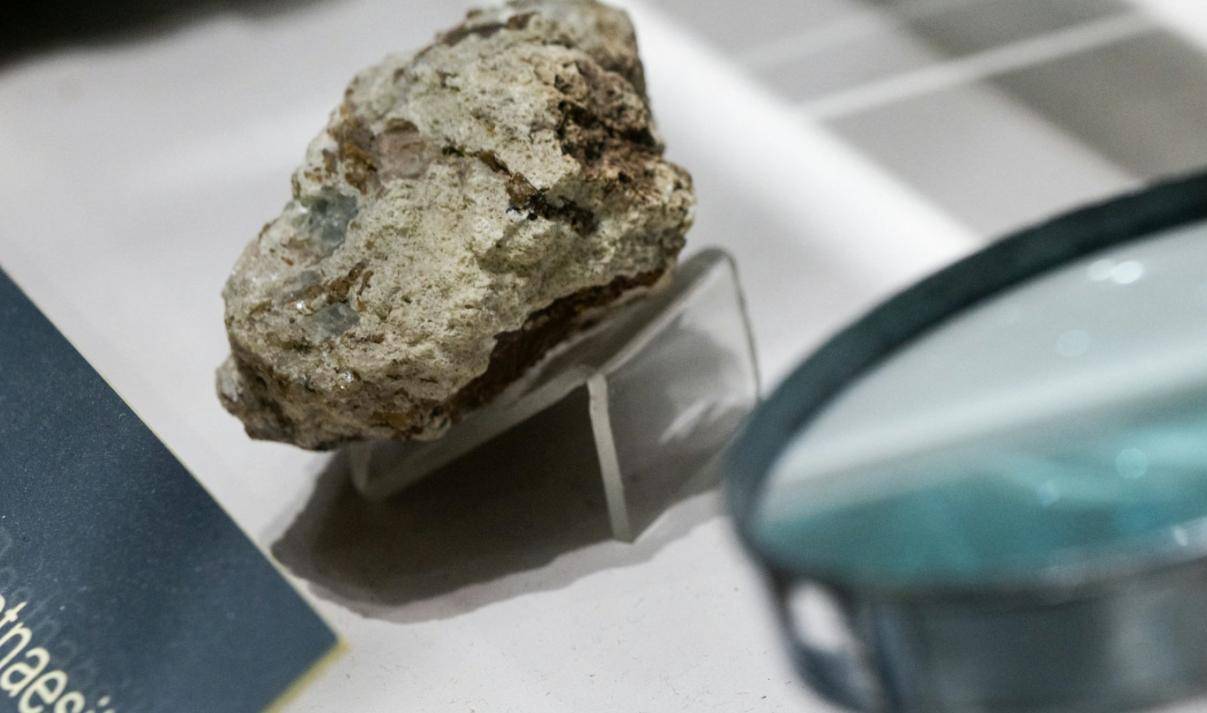
Core Viewpoint - The article highlights the alarming issue of Chinese rare earth elements being secretly sold to Western countries, undermining China's strategic advantage in the global supply chain of these critical resources [2][10]. Group 1: Importance of Rare Earth Elements - Rare earth elements such as Neodymium, Dysprosium, and Terbium are essential for modern military and industrial applications, including advanced radar systems and electric vehicle motors [3][5]. - China holds over 30% of the world's rare earth reserves and dominates the processing and refinement capabilities, making it a key player in the global market [8]. Group 2: Illicit Trade Practices - The article describes sophisticated methods used by companies to bypass regulations, including the use of false documentation and the establishment of shell companies to obscure the origin of the materials [10][12]. - These operations not only facilitate the export of rare earth elements but also allow Western countries to reverse-engineer and analyze the technology embedded in these materials, potentially compromising China's technological edge [14]. Group 3: Strategic Implications - The unauthorized export of rare earth elements provides Western countries with critical resources, allowing them to strengthen their own supply chains and reduce dependency on China [18][19]. - The article warns that this trend could lead to a future where China loses its competitive advantage as Western nations develop their own capabilities in rare earth processing and technology [21][19]. Group 4: Regulatory Response - In response to these challenges, the Chinese government is implementing stricter regulations starting in 2025, focusing on the end-users of exported materials and requiring licenses for any products containing Chinese rare earth components [24][26]. - The article emphasizes the need for a comprehensive tracking system to monitor the flow of rare earth elements from extraction to final product, ensuring that all transactions are transparent and compliant with national security interests [28][30]. Group 5: Industry Responsibility - Companies are urged to recognize the strategic importance of rare earth elements and to avoid short-sighted profit motives that could jeopardize national interests [35]. - The article concludes that the rare earth industry must undergo a fundamental transformation to align with national security objectives, emphasizing that engaging in gray market operations is detrimental to the industry's future [35].

74吨稀土背后的较量?美国这次为何不敢硬刚到底
Sou Hu Cai Jing· 2025-12-24 14:56
Group 1 - The core argument revolves around the strategic psychological warfare between the U.S. and China, particularly regarding rare earth exports, with China reducing its exports to the U.S. by 74 tons in November, a decrease of 11% from 656 tons to 582 tons, while increasing exports to other markets by 13% [1][3] - China's approach to rare earth exports is likened to a modern oil weapon, demonstrating a calculated strategy that avoids complete supply cuts while still exerting pressure on the U.S. military and high-tech industries, which are heavily reliant on these materials [5][7] - The timing of U.S. military sales to Taiwan and subsequent comments from Senator Rubio indicate a strategic dilemma for the U.S., revealing fears of China's potential response in reducing rare earth supplies, thus highlighting the power dynamics at play [7][9] Group 2 - The uncertainty surrounding China's rare earth export policies creates significant psychological pressure on the U.S., as the reduction in exports serves as a reminder of China's control over critical supply chains, particularly in the context of advanced weapon production and electric vehicle industries [9][11] - The implications of China's rare earth strategy suggest that the U.S. may face a prolonged dependency on Chinese supplies, with estimates indicating that establishing alternative sources could take 8 to 10 years, thereby reinforcing China's leverage in negotiations and geopolitical maneuvers [5][9]
中国发首批稀土通用出口许可,美国福特上榜,稀土战真要结束了?
Sou Hu Cai Jing· 2025-12-13 08:52
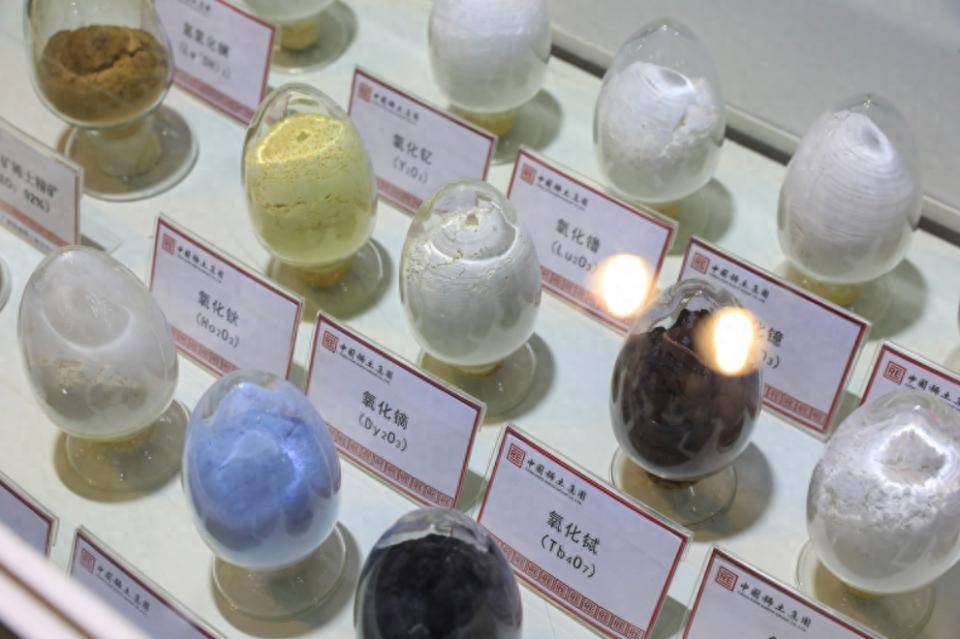
Core Viewpoint - The issuance of the first batch of rare earth export licenses by China's Ministry of Commerce marks a strategic shift in the management of rare earth resources, indicating a move from strict control to a more nuanced approach that allows for targeted exports while maintaining overall leverage in the global market [3][25][41]. Group 1: Export Licenses and Strategic Implications - The first batch of rare earth export licenses includes major companies such as Jinli Permanent Magnet, Ningbo Yunsheng, and Zhongke Sanhuan, with Ford Motor Company listed as a beneficiary [3][5]. - This move raises questions about whether China is easing its grip on a critical resource or if it is part of a deeper strategic maneuver [5][7]. - The issuance of these licenses is not merely a relaxation of restrictions but represents a tactical shift from a blunt "cut-off" strategy to a more sophisticated "precision control" approach [7][25]. Group 2: Importance of Rare Earth Elements - Rare earth elements, particularly neodymium, praseodymium, terbium, and dysprosium, are essential for modern high-end manufacturing, including smartphones, computers, and advanced military equipment [9][11]. - China controls 92% of the global production capacity for rare earth processing, with an even higher percentage for strategic heavy rare earths like dysprosium and terbium [13][15]. - The potential impact of export restrictions is significant, as evidenced by a projected drop in U.S. rare earth imports to below 1,750 tons after April 2025 due to supply chain disruptions [15]. Group 3: Strategic Management of Exports - The strategy of issuing export licenses is designed to create a "trusted customer system," where compliance and reliability are key factors for companies seeking access to rare earths [31][39]. - This system allows for greater efficiency in managing exports while ensuring that sensitive military applications are restricted from accessing these resources [33][41]. - The dynamic nature of the export licenses serves as a reminder to global buyers that supply chain stability is contingent upon adherence to Chinese regulations [39]. Group 4: Long-term Market Dynamics - The approach of controlled release of rare earth exports aims to prevent Western companies from developing alternative supply chains, which could diminish China's leverage in the market [19][29]. - By maintaining a balance between supply and demand, China can ensure that its rare earth resources remain a critical asset in global negotiations and market dynamics [41]. - The strategic use of export licenses reflects a broader understanding of the geopolitical landscape, where control over resources translates into significant bargaining power [41].

澳洲稀土巨头突然倒戈!拒美2.4亿投向中国,美媒:稀土替代梦碎
Sou Hu Cai Jing· 2025-11-29 10:40
Core Viewpoint - The acquisition of the Ngualla rare earth mine in Tanzania by China's Shenghe Resources marks a significant shift in the global rare earth landscape, undermining Western aspirations for self-sufficiency in this strategic resource [1][3]. Group 1: Acquisition Details - Shenghe Resources completed the acquisition of Australian Peak Rare Earths for AUD 195 million, securing control over a world-class rare earth mine [1]. - The Peak board rejected a higher offer of AUD 240 million from another investment firm, indicating a strategic preference for Shenghe Resources [3]. Group 2: Importance of Ngualla Mine - The Ngualla mine contains 887,000 tons of high-quality neodymium-praseodymium ore, representing 15% of the world's proven high-quality rare earth resources [5]. - Neodymium-praseodymium is essential for manufacturing permanent magnets, which are critical components in electric vehicles and wind turbines [5]. Group 3: Western Challenges - The former CEO of Peak stated that while they possess resources, they struggle to convert them into products, highlighting a broader issue within the Western rare earth sector [6]. - The lack of a complete industrial chain is a fundamental reason why the West has failed to maintain control over this strategic resource [5]. Group 4: China's Dominance in Rare Earths - China dominates the global rare earth industry, accounting for 58.6% of mining, 85.4% of refining, and 91.6% of permanent magnet production [8]. - This dominance means that 9 out of every 10 permanent magnet motors in electric vehicles rely on Chinese rare earth materials [8]. Group 5: Strategic Insights - China's advantage in the rare earth permanent magnet sector is estimated to be 8-10 years ahead of the West, according to a report by the State Council Development Research Center [10]. - The technical barriers and high costs associated with establishing a complete rare earth supply chain pose significant challenges for Western investors [12]. Group 6: Future Outlook - Short-term reliance on China for rare earths is expected to continue, with predictions indicating that by 2030, 91% of the West's heavy rare earth demand will depend on China [19]. - Establishing a non-Chinese rare earth supply chain could require an investment of USD 120 billion, with product costs potentially increasing by 3-5 times [19]. - Long-term cooperation is suggested as a viable solution, with the potential for rare earths to serve as a bridge for collaboration rather than a tool for competition [21].

“拯救”安世、稳定德国、抵御美国,稀土“王牌”还能用多久?
Sou Hu Cai Jing· 2025-11-22 18:14
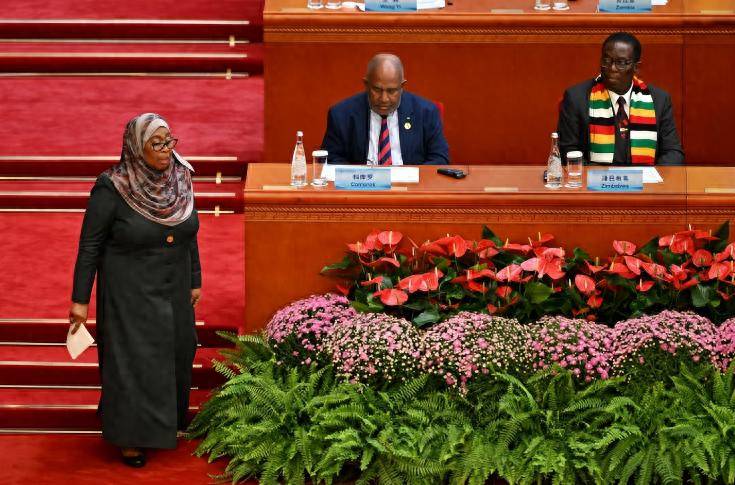
Core Viewpoint - China's strategic position in the global rare earth market has evolved from being a low-cost supplier to a rule-maker, leveraging its near-monopoly in heavy rare earth supply to influence global dynamics [3][19]. Group 1: Strategic Importance of Rare Earths - Rare earths have become a central battleground in global resource competition, highlighted by events such as the return of control by Anshi Semiconductor and the EU's urgent consultations with China [3]. - The strategic value of rare earths is underscored by significant profit margins, leading to a thriving smuggling industry that disguises rare earth oxides as common goods [5][7]. Group 2: Supply Chain and Market Dynamics - China dominates the global heavy rare earth supply, accounting for 99% of the market, making it difficult for other countries to achieve self-sufficiency in the short term [7][9]. - The production cost of Chinese rare earths is significantly lower than that of Western counterparts, with prices being only 50% of international industry averages [9]. Group 3: Regulatory and Policy Developments - In response to smuggling and to protect strategic resources, China implemented the Rare Earth Management Regulations in 2024, expanding export controls and requiring approval for products containing even trace amounts of Chinese rare earths [7][11]. - China's regulatory approach is now more nuanced, distinguishing between military and civilian uses, thereby maintaining a balance between security and cooperation [13][15]. Group 4: Global Reactions and Alternatives - The price of dysprosium oxide surged from $250 to $1000 per kilogram, prompting urgent discussions between the EU and China, while the U.S. has resorted to high-priced acquisitions to secure rare earth supplies [11][13]. - Alternative supply chains proposed by countries like Japan and France face significant challenges, including high costs and inefficiencies, making it difficult to compete with China's established dominance [13][15]. Group 5: Long-term Strategic Outlook - China's rare earth strategy transcends simple export limitations, focusing on building a comprehensive industrial ecosystem that integrates supply, processing, and technological advancements [15][19]. - The ongoing competition in the rare earth sector is fundamentally a contest of technological strength and strategic patience, with China maintaining a leading position due to its cost advantages and technological barriers [17][19].

特朗普“完全疯了”!妄图在我们眼皮子底下,动摇中国的稀土地位!
Sou Hu Cai Jing· 2025-11-11 14:16
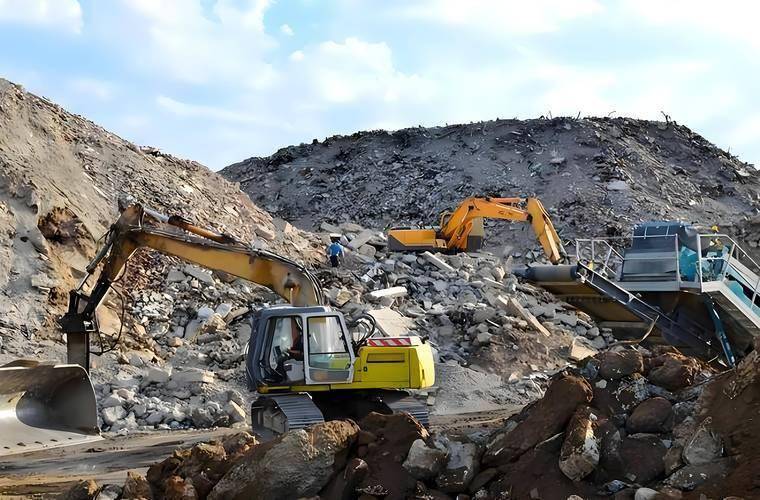
Group 1 - The U.S. government is dissatisfied with China's dominant position in the rare earth sector and is seeking new supply channels, particularly focusing on Myanmar after China's adjustment of its export policies [1][2] - The Trump administration is considering two plans to weaken China's control over the rare earth supply chain: one involves facilitating peace between the Myanmar military government and the Kachin Independence Army to engage in rare earth development, while the other aims to bypass the central government and directly collaborate with the Kachin Independence Army [1][2] Group 2 - Myanmar's rare earth production has significantly increased over the past five years, with projections indicating that over half of China's rare earth imports will come from Myanmar in 2024, presenting an opportunity for the U.S. [2][3] - However, the transportation conditions in Myanmar's rare earth mining areas are poor, and improving infrastructure will be costly. Additionally, China's close economic ties with Myanmar allow Chinese companies to provide convenient processing services [2][3] - The U.S. intervention plan poses significant challenges as it touches on China's geopolitical security concerns, and the global separation capacity for rare earths is predominantly located in China, representing a long-term technological barrier [2][3] - China needs to maintain its technological leadership and improve its industrial chain to safeguard its strategic position in the rare earth market [2][3]
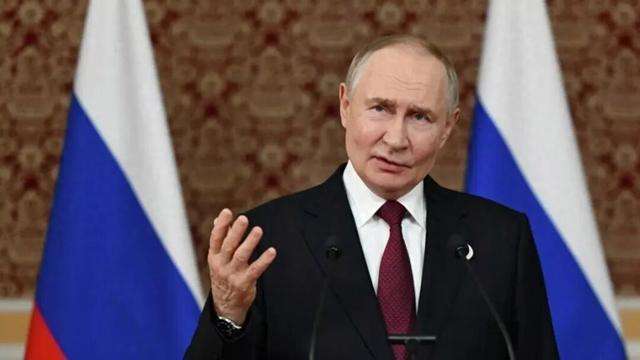
眼看特朗普,被中国王牌打服,普京打破惯例下了一道特殊命令
Sou Hu Cai Jing· 2025-11-10 08:40
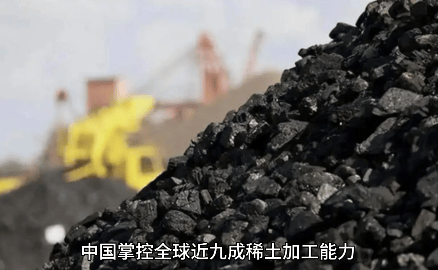
Group 1 - China has leveraged its control over rare earth elements to gain significant strategic influence on the global stage, prompting a reassessment of this critical resource by the global industrial sector [1] - The unique value of rare earths lies in their irreplaceability across various important fields, including advanced weaponry, consumer electronics, new energy vehicles, and medical equipment, granting China a unique voice in the global supply chain [1] - The U.S. has softened its stance towards China, with President Trump publicly acknowledging the importance of dialogue and cooperation, reflecting the undeniable influence of rare earths in international relations [1] Group 2 - Inspired by China's strategy, Russia is also reevaluating its rare earth strategy, with President Putin issuing directives for a long-term development plan for the rare earth and rare metal industries [3][4] - Russia aims to establish a fully autonomous rare earth industry chain, reducing dependence on both China and the U.S., which indicates a deep understanding of the global geopolitical landscape [4] - Despite having significant rare earth reserves, Russia's production share is only 1%, primarily due to a lack of strong processing capabilities, leading to a reliance on exporting raw materials for processing abroad [6] Group 3 - The urgency in Russia's focus on rare earths is driven by the observed effectiveness of China's use of rare earths as a strategic tool during the U.S.-China trade war, particularly in the context of renewed U.S.-Russia dialogue [6][8] - Both the U.S. and Russia recognize the critical importance of establishing complete rare earth supply chains, with U.S. Treasury Secretary emphasizing plans to resolve the rare earth dilemma within two years [8] - The competition for rare earths is fundamentally about future technological dominance and industrial influence, with countries like China, the U.S., and Russia vying for strategic resources [10][11]