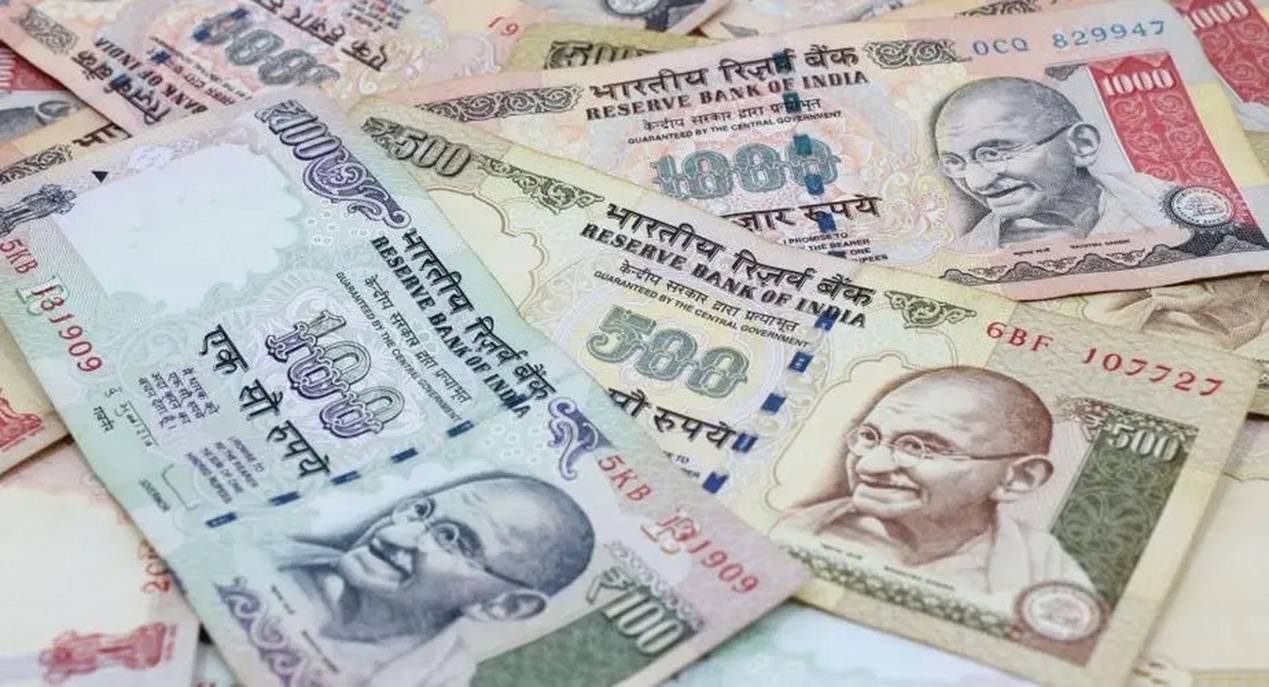
美印贸易协议

Search documents
格林大华期货早盘提示:三油-20260225
Ge Lin Qi Huo· 2026-02-25 01:40
Group 1: Report Industry Investment Rating - Not provided in the content Group 2: Report Core Viewpoints - On February 24, after the holiday, commodities had a collective positive start. The vegetable oil sector gapped up and continued to rise, while the double - meal sector opened high and then declined, trading on the upcoming pressure of a bumper Brazilian soybean harvest [1][3] - For the oil market, there are both long and short factors. The external market has positive factors, but the domestic market has a traditional demand off - season. The supply of different oils has different situations, and the overall rise of rapeseed oil is restricted [3] - For the double - meal market, the overall trend is weak. Due to sufficient pre - holiday stockpiling, large inventories, and the approaching pressure of a Brazilian bumper harvest, the double - meal is expected to maintain a narrow - range oscillation pattern in the medium term [4] Group 3: Summary by Related Categories 1. Vegetable Oil Sector (Three Oils) a. Market Quotes - On February 24, the main contract Y2605 of soybean oil closed at 8140 yuan/ton, with a daily increase of 1.07% and an increase of 5115 lots in positions; the second - main contract Y2609 closed at 8070 yuan/ton, with a daily increase of 1.08% and a decrease of 956 lots in positions [1] - The main contract P2605 of palm oil closed at 8824 yuan/ton, with a daily increase of 1.45% and a decrease of 314 lots in positions; the second - main contract P2609 closed at 8814 yuan/ton, with a daily increase of 1.36% and a decrease of 2204 lots in positions [1] - The main contract OI2605 of rapeseed oil closed at 9200 yuan/ton, with a daily increase of 1.79% and an increase of 14141 lots in positions; the second - main contract OI2609 closed at 9171 yuan/ton, with a daily increase of 1.79% and an increase of 1834 lots in positions [1] b. Important Information - U.S. oil closed down 1% as Iran prepared to reach an agreement with the U.S. before the nuclear negotiations later this week [1] - The U.S. and India reached a temporary trade agreement framework. India will cancel or reduce tariffs on U.S. industrial products, food, and agricultural products, and the U.S. will reduce the so - called reciprocal tariff rate on Indian goods from 25% to 18% [1] - The U.S. government is expected to finalize the biofuel blending ratio quota for 2026 in early March. The U.S. EPA is considering setting the biodiesel usage in 2026 between 5.2 and 5.6 billion gallons [1] - From February 1 - 20, Malaysia's palm oil exports were 863,358 tons, a decrease of 8.9% compared to the same period in January. Exports to China increased from 19,000 tons to 40,000 tons [1] - Indian buyers have locked in large - scale soybean oil purchases from South America from April - July 2026, at 150,000 tons per month [1] - From February 1 - 20, Malaysia's palm oil production decreased by 22.24% month - on - month, with the fresh fruit bunch (FFB) yield decreasing by 23.82% and the oil extraction rate (OER) increasing by 0.3% [1] - As of the end of the 7th week in 2026, the total inventory of the three major edible oils in China was 1.9679 million tons, with a weekly decrease of 28,800 tons, a month - on - month decrease of 1.44%, and a year - on - year decrease of 6.56% [1] c. Spot Market - As of February 24, the average spot price of soybean oil in Zhangjiagang was 8580 yuan/ton, a month - on - month increase of 100 yuan/ton; the basis was 440 yuan/ton, a month - on - month increase of 14 yuan/ton [3] - The average spot price of palm oil in Guangdong was 8930 yuan/ton, a month - on - month increase of 150 yuan/ton; the basis was 106 yuan/ton, a month - on - month increase of 24 yuan/ton. The import profit of palm oil was - 428.09 yuan/ton [3] - The spot price of Grade 4 rapeseed oil in Jiangsu was 9980 yuan/ton, a month - on - month increase of 210 yuan/ton; the basis was 780 yuan/ton, a month - on - month increase of 48 yuan/ton [3] d. Market Logic - Externally, the U.S. - Iran dispute persists, international crude oil futures remain strong, and the U.S. soybean export outlook and domestic biodiesel policy are positive for U.S. soybean oil. Malaysian palm oil is boosted by international crude oil and U.S. soybean oil but is dragged down by poor domestic export data and the upcoming seasonal production recovery period [3] - Domestically, after the replenishment of traders, the traditional demand off - season arrives. If reserve soybeans are not auctioned, the soybean oil inventory will continue to decline; if a large amount of reserve soybeans are auctioned, the supply will be sufficient, and the basis will be under pressure. Palm oil follows the overseas vegetable oil trend, and the supply shortage of rapeseed oil is expected to ease [3] e. Trading Strategy - For single - sided trading, continue to hold existing long positions in oils, and buy a small amount of new long positions on pullbacks. Provide support and resistance levels for different contracts [3] 2. Double - Meal Sector a. Market Quotes - On February 24, the main contract M2605 of soybean meal closed at a certain price (not fully provided), with a daily decrease of 0.68% and an increase of 23,675 lots in positions; the second - main contract M2609 closed at 2890 yuan/ton, with a daily decrease of 0.55% and an increase of 2703 lots in positions [3] - The main contract RM2605 of rapeseed meal closed at 2290 yuan/ton, with a daily decrease of 0.82% and an increase of 22,835 lots in positions; the second - main contract RM2609 closed at 2342 yuan/ton, with a daily decrease of 0.26% and a decrease of 2119 lots in positions [3] b. Important Information - The U.S. Department of Agriculture's February soybean supply - demand report was overall bearish. Brazil's production and global soybean inventory were slightly increased, but U.S. soybean exports increased by 8 million tons, pushing up U.S. soybean futures prices [3] - Brazil's soybean production in the 2025/2026 season is expected to be 180 million tons, and Argentina's is expected to be 48.5 million tons [4] - The global soybean inventory is 125.51 million tons, higher than expected. Brazil's soybean exports in January 2026 are estimated to be 3.79 million tons, a 238% increase from the same period last year [4] - As of last Thursday, the soybean harvesting progress of Brazilian farmers in the 2025/2026 season was 30%, 9% higher than the previous week but behind the same period last year [4] - As of the end of the 8th week in 2026, the total inventory of imported soybeans in China was 5.8012 million tons, an increase of 151,500 tons from last week; the domestic soybean meal inventory was 863,900 tons, a decrease of 11,400 tons from last week; the domestic imported rapeseed inventory was 222,000 tons, an increase of 58,000 tons from last week [4] c. Spot Market - As of February 24, the spot price of soybean meal was 3155 yuan/ton, a month - on - month increase of 8 yuan/ton; the basis was 3118 yuan/ton, a month - on - month decrease of 17 yuan/ton; the basis of the main contract was 299 yuan/ton, a month - on - month increase of 19 yuan/ton [4] - The spot price of rapeseed meal was 2463 yuan/ton, a month - on - month decrease of 87 yuan/ton; the basis was 2505 yuan/ton, a month - on - month decrease of 7 yuan/ton; the basis of the main contract was 130 yuan/ton, a month - on - month increase of 19 yuan/ton [4] d. Pressing Profit and Cost - The March futures pressing profit of U.S. soybeans was - 552 yuan/ton, and the spot pressing profit was - 218 yuan/ton; the March futures pressing profit of Brazilian soybeans was - 98 yuan/ton, and the spot pressing profit was 236 yuan/ton [4] - The arrival cost of U.S. Gulf soybeans in March at Zhangjiagang with normal tariffs was 4119 yuan/ton, and that of Brazilian soybeans was 3687 yuan/ton [4] e. Market Logic - Externally, the U.S. soybean trade outlook is improving, pushing up U.S. soybean futures prices. Domestically, for soybean meal, oil mills are gradually resuming production and digesting previous inventories, and the near - month basis is firm; for rapeseed meal, the terminal has rigid demand for replenishment, and the basis is adjusted within a narrow range. The overall protein sector is weak due to sufficient pre - holiday stockpiling, large inventories, and the approaching Brazilian bumper harvest pressure [4] f. Trading Strategy - Liquidate existing long positions in double - meal and enter a small amount of new short positions. The double - meal is expected to maintain an oscillating pattern in the medium term, and provide support and resistance levels for different contracts [4]
白宫修订美印贸易协定说明稿 删去“豆类”表述并调整数字服务相关措辞
Xin Lang Cai Jing· 2026-02-11 04:17
Core Points - The White House revised the U.S.-India trade agreement statement, removing references to India eliminating or reducing tariffs on various agricultural products, including legumes [1] - The statement changed from "India intends to purchase more U.S. products" to "India is committed to purchasing more U.S. products" [1] - The mention of India eliminating the digital services tax was also removed, now stating that India "commits to negotiating a robust bilateral digital trade framework" [1] - The reference to prohibiting tariffs on electronic transmissions was deleted from the statement [1]
银河期货液化气日报-20260209
Yin He Qi Huo· 2026-02-09 12:08
1. Report Industry Investment Rating No relevant content provided. 2. Core Viewpoints of the Report - The LPG market is currently trading around geopolitical factors, with the repeated sentiment amplifying price fluctuations in the market. The international LPG spot supply is generally tight, and winter demand remains strong, providing support for the overseas supply - demand fundamentals. However, the domestic fundamentals are gradually becoming more relaxed. Although the arrival volume is low, the abundant refinery off - gas and low chemical demand create some resistance to the upward movement of the price. With the Iran negotiation yet to be finalized, there are still tail risks. The domestic LPG market is expected to be volatile in the short - term and face pressure in the long - term [7]. 3. Summary by Relevant Catalogs 3.1 Daily Data - **Domestic Futures**: The price of PG2602 on February 9, 2026, was 4194, a decrease of 64 from February 6. The main position decreased by 7789 to 36863, and the number of warehouse receipts increased by 30 to 6932 [2]. - **Domestic Spot**: In the domestic spot market, the prices of products in various regions showed different trends. For example, the price of South China refinery gas decreased by 70 to 4765, and the price of South China imported gas decreased by 25 to 4890. The price of East China refinery gas remained unchanged at 4475, while the price of East China imported gas increased by 40 to 4979. The price of Shandong refinery gas increased by 30 to 4470, and the price of Shandong ether - after C4 increased by 130 to 4370 [2]. - **Basis**: The basis on February 9, 2026, was 554, an increase of 14 from February 6 [2]. - **External Market Prices**: The price of BRENT decreased by 0.5 to 67.5, and the price of MB C3 M1 decreased by 0.002 to 0.6. Other external market prices remained unchanged [2]. - **Disk Profits**: The import profit FEI decreased by 59.1 to - 436.5, and the PDH FEI decreased by 55.2 to - 834.0 [2]. - **Price Ratios**: The FEI/BRENT ratio increased by 0.07 to 8.6, while the FEI/MOPJ ratio remained unchanged at - 12.2 [2]. 3.2 Crude Oil and Natural Gas Market - Indian refiners are avoiding purchasing Russian crude oil to promote the US - India trade agreement. - Namibia refuses to recognize the acquisition of offshore rights in the Luderitz Basin by TotalEnergies and Petrobras. - The United Steelworkers of America has reached a national - level salary and welfare agreement, avoiding a national - level strike in the refining industry. - The post - disaster复产 of Chevron's Tengiz oilfield is progressing slowly, dragging down the CPC crude oil exports from Kazakhstan. - Shell's CEO has suspended further investment in Kazakhstan due to ongoing legal disputes. - A source said that Japan's Mitsui Group is close to acquiring a stake in a Qatari liquefied natural gas (LNG) project. - The UK union said that BP has no intention to comply with the national - level collective bargaining agreement in the oil industry [3]. 3.3 Spot Overview - **Shandong Region**: The estimated price of civil gas in Shandong was 4470 yuan/ton, a daily increase of 20 yuan/ton. The market showed a narrow - range price adjustment over the weekend. With the decrease in the inflow of external resources, the overall trading atmosphere was smooth. Coupled with the recovery of downstream products, the market rose steadily today. The benchmark price of ether - after C4 in Shandong was 4370 yuan/ton, a daily increase of 130 yuan/ton. The ether - after C4 market in Shandong showed a general upward trend, with a mild trading atmosphere. The inflow of external resources decreased, and the low - supply situation continued. Most manufacturers had smooth sales, and downstream profits were stable, with still some enthusiasm for entering the market. It is expected that the ether - after C4 market in Shandong will continue the trend of a slight increase [6]. - **East China Region**: The mainstream transaction price of civil gas in East China was 4475 yuan/ton, the same as the previous working day. Today, the price of civil gas in the East China market was stable, while the price of imported gas increased, with the mainstream transaction price ranging from 4150 - 4800 yuan/ton. Downstream buyers actively entered the market to purchase. Both refineries and imported gas supplies were limited, and the price difference between imported and civil gas was large. It is expected that the East China market will generally remain stable in the short - term, with a possible increase in the low - price range [6]. - **South China Region**: The average transaction price of domestic gas in South China was 4765 yuan/ton, a decrease of 65 yuan/ton from the previous day. The average price of imported gas in South China was 4890 yuan/ton, a decrease of 10 yuan/ton from the previous day. Today, the main refineries in South China started to reduce prices to clear inventory. The terminal transactions intended to maintain stability or even explore price increases, but the pre - holiday demand decreased while the supply was relatively abundant, resulting in a stable and sporadically decreasing final transaction price. Refineries prioritize pre - holiday sales, operating cautiously while ensuring price competitiveness. Although terminals have the intention to support prices due to cost support, in the context of a loose supply pattern, there is still pressure to push up prices. It is expected that the pre - holiday market will be weakly adjusted [7]. - **North China Region**: The benchmark price of civil gas in North China was 4332 yuan/ton, a decrease of 15 yuan/ton from the previous working day. The North China market was generally stable today, with sporadic small - scale adjustments. Downstream still had some restocking demand, and the overall production and sales maintained a balance [7].
俄媒:特朗普称莫迪同意停止购买俄石油,克宫发声
Huan Qiu Wang· 2026-02-03 11:26
Group 1 - The core message indicates that U.S. President Trump announced that Indian Prime Minister Modi agreed to stop purchasing Russian oil, which has drawn attention from the Kremlin [1][3] - Kremlin spokesperson Peskov stated that Russia has not yet received any official communication from India regarding the cessation of oil purchases [3] - Peskov emphasized the importance of the strategic partnership between Russia and India, while also respecting the relationship between the U.S. and India [3] Group 2 - Trump mentioned that the U.S. would lower the tariff rate on Indian goods exported to the U.S. to 18%, which Modi expressed happiness about in his social media post [3] - Modi did not address the issue of oil trade with Russia in his communication following the phone call with Trump [3]


特朗普宣布:降低关税!
Zhong Guo Jing Ji Wang· 2026-02-03 01:32
Group 1 - The core point of the news is the announcement of a trade agreement between the United States and India, where the U.S. will reduce tariffs on Indian goods from 25% to 18% immediately, and India will lower its tariffs and non-tariff barriers to zero [1][4] - Indian Prime Minister Modi has committed to significantly increase purchases of U.S. products, including over $500 billion worth of energy, technology, agricultural products, coal, and other goods [1] - Modi has agreed to stop purchasing oil from Russia and to buy more oil from the U.S., with potential purchases from Venezuela as well [1] Group 2 - The U.S. government had previously imposed a 25% "reciprocal tariff" on Indian goods starting August 7, following an executive order by Trump due to India's oil imports from Russia [4] - Negotiations for a bilateral trade agreement between India and the U.S. began in February of the previous year but were delayed due to differences in positions, particularly regarding oil procurement [4]
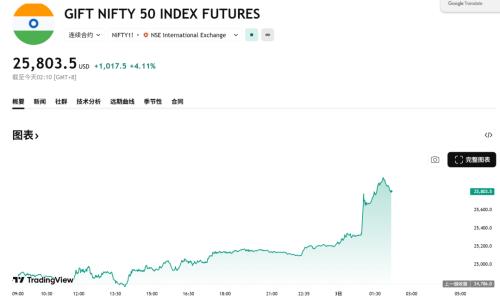
关税突发!特朗普宣布:降至18%!印度ETF,直线猛拉!
证券时报· 2026-02-03 00:16
Group 1 - The core viewpoint of the article is the announcement of a trade agreement between the United States and India, where the U.S. will reduce tariffs on Indian goods from 25% to 18%, effective immediately [2][4] - Indian Prime Minister Modi has committed to significantly increasing purchases of U.S. products, including over $500 billion worth of energy, technology, agricultural products, coal, and more [2] - Modi also agreed to stop purchasing Russian oil and to increase oil imports from the U.S., with potential purchases from Venezuela as well [3] Group 2 - The U.S. had previously imposed a 25% tariff on Indian goods due to India's imports of Russian oil, which was deemed a threat to U.S. national security amid the Russia-Ukraine conflict [5] - Following the announcement of the tariff reduction, the iShares MSCI India ETF saw a significant increase, rising nearly 4% during trading before closing up 2.98% [6]
特朗普:莫迪同意不买俄罗斯石油 美国将降低对印关税
Yang Shi Xin Wen· 2026-02-02 21:54
Core Viewpoint - The United States and India have reached a trade agreement that will significantly reduce tariffs on goods, with the U.S. lowering its tariff from 25% to 18% and India agreeing to eliminate its tariffs and non-tariff barriers over time [2]. Group 1: Trade Agreement Details - The U.S. will reduce the tariff on Indian goods from 25% to 18%, effective immediately [2]. - India will reciprocate by lowering its tariffs on U.S. goods, aiming to bring them down to zero [2]. - The agreement includes a commitment from India to increase its procurement of U.S. products, with a focus on energy, technology, agricultural products, and coal, amounting to over $500 billion [2]. Group 2: Oil Procurement Changes - India has agreed to stop purchasing oil from Russia and will increase its oil imports from the United States [2]. - There is also a possibility that India may purchase oil from Venezuela [2]. Group 3: Background Context - The trade negotiations between the U.S. and India have been ongoing since February of the previous year, but differences, particularly regarding oil procurement, have delayed the agreement [2]. - The U.S. imposed a 25% tariff on Indian goods in response to India's imports of Russian oil, which was enacted in August of the previous year [2].
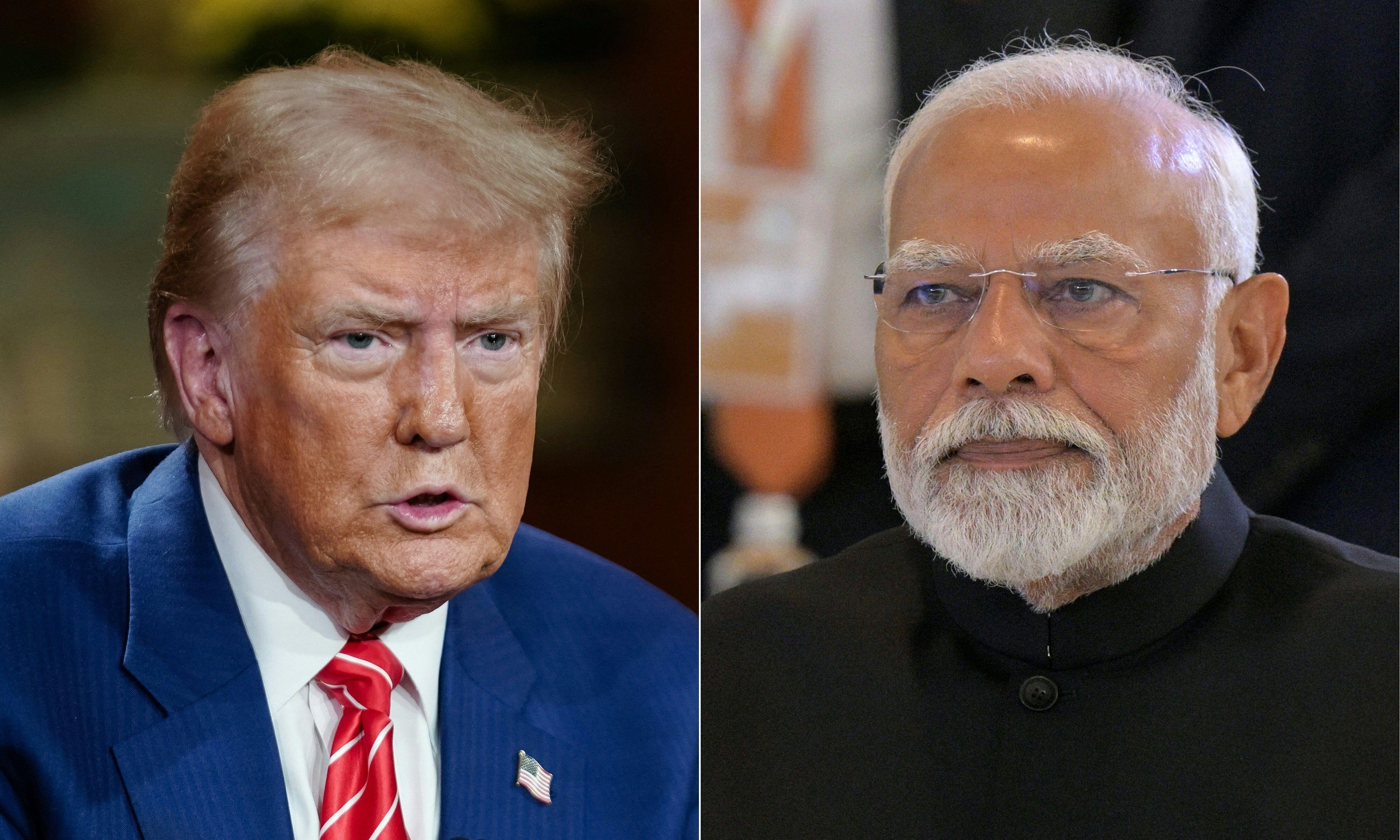
美商务部长:美印没达成贸易协议只因莫迪“没给特朗普打电话”
Xin Lang Cai Jing· 2026-01-09 11:59
Core Viewpoint - The lack of a trade agreement between the United States and India is attributed to Indian Prime Minister Modi not contacting President Trump to finalize negotiations [1][2][3] Group 1: Trade Negotiations - U.S. Commerce Secretary Howard Lutnick stated that everything was ready for a trade agreement, but Modi's failure to make a call to Trump hindered progress [1][2] - Trump warned India that failure to limit Russian oil purchases could lead to increased tariffs on Indian goods, with punitive tariffs set to raise the overall tariff rate on Indian products to 50% by August 2025 [1][2] - The U.S. initially believed a trade agreement with India could be reached before those with Indonesia, the Philippines, and Vietnam, but this expectation has not materialized [3] Group 2: Indian Government's Position - The Indian government has emphasized that its energy import policies are aimed at protecting consumer interests [2][3] - Indian officials, including the Commerce and Industry Minister, have stated that India will not yield to U.S. pressure in trade negotiations and will not rush into agreements with strict deadlines or coercive terms [2][3] - Lutnick mentioned that the conditions for a previous agreement had "expired," but he remains optimistic that India will eventually resolve the issues [3]
新年开局不利!印度卢比兑美元跌破90关口
Jin Tou Wang· 2026-01-04 03:21
Core Viewpoint - The Indian Rupee has fallen below 90 per US dollar, continuing a downward trend due to persistent dollar demand exceeding central bank intervention efforts [1] Group 1: Currency Performance - The Rupee has depreciated approximately 5% cumulatively in 2025, making it the worst-performing currency in Asia, primarily pressured by high US tariffs and weak investment inflows [1] - The central bank's efforts, represented by state-owned banks selling dollars, have not been sufficient to prevent the Rupee from breaching the 90 mark [1] Group 2: Economic Activity - Economic activity in India showed signs of slowing down in December, with the manufacturing Purchasing Managers' Index (PMI) growth rate hitting a two-year low [1] - Strong underlying demand is driven by foreign banks handling custodial funds and large importers making payments [1] Group 3: Future Outlook - The trajectory of the Rupee in 2026 will largely depend on the progress of potential US-India trade agreements and foreign securities investment activities, which could reshape the dollar fund flows that pressured the currency last year [1]
STARTRADER星迈:静待美联储政策指引,卢比升至90关口附近!
Sou Hu Cai Jing· 2025-12-10 06:00
Group 1 - The USD/INR exchange rate is approaching the 90.00 mark, indicating a strengthening of the Indian Rupee, influenced by the upcoming visit of U.S. Deputy Trade Representative Rick Swett to India on December 10-11 to discuss trade issues [1][3] - A key focus for India in the trade talks is to push the U.S. to lower existing tax rates on certain Indian exports, which currently face rates as high as 50%, relatively high among major U.S. trading partners [3] - Foreign institutional investors have shown a declining interest in the Indian market, with a cumulative net sell-off of ₹14,819.29 million since the beginning of December, marking five consecutive months of capital outflow [3] Group 2 - Upcoming economic data, particularly the November Consumer Price Index (CPI) set to be released, is under scrutiny, with expectations of an increase in retail inflation to 0.7% from 0.25% in October, serving as a reference for the domestic economic situation [3] - Market sentiment is cautious ahead of the Federal Reserve's monetary policy decision, with investors closely watching for indications of future interest rate paths, contributing to the further appreciation of the Indian Rupee against the USD [3][4] - The U.S. Dollar Index has slightly declined, hovering around 99.20, with market expectations leaning towards a 25 basis point rate cut by the Federal Reserve in December, marking a potential third consecutive cut [4] Group 3 - The USD/INR exchange rate is trading around 90.00, maintaining above the 20-day exponential moving average (EMA) of 89.6463, indicating a solid trend structure [6] - The 14-day Relative Strength Index (RSI) is currently at 62, having retreated from previous highs, suggesting strong momentum but a potential easing [6] - Sustaining above the 20-day EMA is crucial for maintaining the current trend, while a close below this level could trigger further adjustments, with market attention shifting to previous highs around 88.97 [6]