能源战略

Search documents
美国为何对东地中海地区兴趣增长
Xin Lang Cai Jing· 2026-02-25 06:37
本报驻希腊特约记者 梁曼瑜 本报记者 徐嘉彤 "特朗普正计划访问希腊。"美国驻希腊大使金伯利·吉尔福伊尔本月初这样透露道。这位大使去年11月 抵达雅典正式履新,她是特朗普长子小唐纳德的前女友,被特朗普称为"亲密朋友和盟友"。由于最近一 次美国总统访问希腊已是2016年,所以这一信息被希腊媒体解读为美国对东地中海地区的兴趣增长。 上周,吉尔福伊尔又称,美国将与希腊和韩国签署三边造船协议。据比利时"欧洲动态"网站报道,该协 议将聚焦国防工业领域,美希正商讨在希腊造船厂建造美国护卫舰的事宜。不过,有业内人士认为,尽 管希腊拥有一些小型造船厂,其仍缺乏建造搭载先进技术的军舰的能力。也有人猜测,这份协议是美国 试图在航运方面扩大影响力以制衡他国的体现。 编者的话:2月23日,美军最大航母"福特"号抵达希腊克里特岛苏达湾,这里设有北约军事基地,是希 腊、美国及北约在东地中海的重要战略设施。至此,美国已在中东部署"双航母",作为对伊朗施压的最 新举措。上周,美国驻希腊大使吉尔福伊尔宣布美国有望与希腊、韩国签署一项造船协议。她此前还透 露,美国总统特朗普计划访问希腊。有欧洲媒体认为,希腊正将自己定位为欧洲进口美国液化天然气的 ...
【环时深度】美国为何对东地中海地区兴趣增长
Huan Qiu Shi Bao· 2026-02-24 22:52
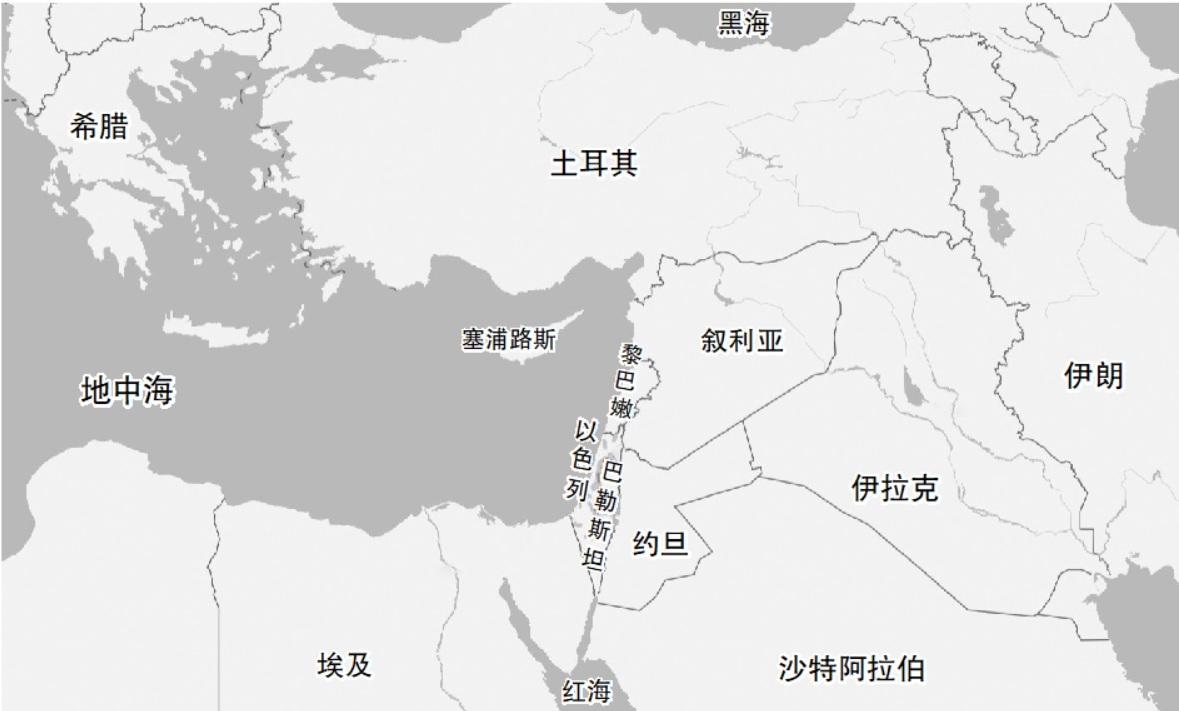
【环球时报驻希腊特约记者 梁曼瑜 环球时报记者 徐嘉彤】 编者的话: 2月23日,美军最大航母"福特"号抵达希腊克里特岛苏达湾,这里设有北约军事基 地,是希腊、美国及北约在东地中海的重要战略设施。至此,美国已在中东部署"双航母",作为对伊朗施压的最新举措。上周,美国驻希腊大使吉尔福伊尔 宣布美国有望与希腊、韩国签署一项造船协议。她此前还透露,美国总统特朗普计划访问希腊。有欧洲媒体认为,希腊正将自己定位为欧洲进口美国液化天 然气的南部门户。而在全球地缘政治格局深度重组之际,美国正明显强化对希腊所在的东地中海地区的战略关注。 面对俄乌冲突持续、中东局势紧张、欧洲能源结构剧烈调整,美国亟须在东地中海地区打造一个稳定、可控、可靠的战略枢纽,而希腊恰恰具备所需条件。 希腊是北约东南翼的重要门户,连接巴尔干、中东与北非三大板块,是控制爱琴海与地中海航道的关键节点。 美希关系变化的一条重要主线是能源。据英国《金融时报》报道,随着欧盟计划于2027年秋季前全面禁止进口俄罗斯天然气,希腊正将自己定位为美国液化 天然气进入欧洲的南部门户。希腊方面相信,凭借自身地理位置、液化天然气接收能力提升、基础设施升级以及与美国的密切关系,本 ...

中国破世界纪录!全球最大开放式海上光伏投产,攻克三大技术难题
Sou Hu Cai Jing· 2026-02-07 09:11
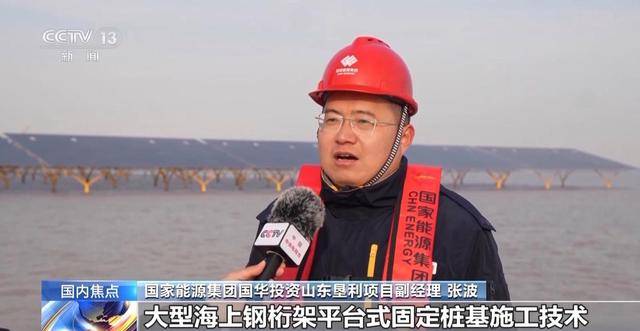
2025年12月,中国东营一片平静却不平凡的海面上,宣告打破了清洁能源的全球纪录。那是一张足以改 写能源版图的"大网",比2934个足球场还大,在海平面8公里外安营扎寨,看似漂浮在海上阳光中,实 则书写着一个时代的技术答卷。 全球最大开放式海上光伏项目正式并网发电,中方称之为"新能源走向深蓝的里程碑",外媒则用"静默 革命"来形容它悄无声息地对整个行业规则敲下重锤。中国破纪录的背后,是一次"干成了别人只敢 想"的硬核实践。 很多人不知道,海上光伏这种事,过去在圈子里被当作圈内笑谈。沙漠光伏能铺、滩涂光伏可搞,可要 往无遮无挡、风浪敞开的公海上布局,还得考虑台风、海冰、盐雾、昼夜温差、腐蚀这些老天爷开的复 合考题,而且光电发了也不知道怎么传回来。 这事连老牌海工国家欧洲都琢磨多年未动真格,却被中国拉通贯穿,一口气把难字写成了"准则"。 首先要问一句:中国到底是怎么干成在风浪中建一片"不摇晃的太阳"?这一次,中国没有选稳妥的小打 小闹,而是直接上了全球首次大范围应用的钢桁架平台式固定桩基系统。 听着玄,其实好比往波涛汹涌的海上扔下几千根钢钉,把阵列牢牢钉进海底,再通过毫米级的精度控制 工艺,在每个平台超过3000 ...
美国果然翻脸,对华禁售委石油,马克龙插一脚,要中国交钱交技术
Sou Hu Cai Jing· 2026-01-26 14:15
特朗普一口气翻脸,居然宣布一滴委内瑞拉的石油都不会卖给中国。这是决心要切断中国的能源命脉吗?连法国总统马克龙也加入其中,要求中国向欧洲交 钱交技术,真的是在逼我们做出回应吗?全球局势变化太快,反而让我们更应该坚持自己的立场,才能应对所有挑战。特朗普的言论,果然不能信。曾几何 时,当三角洲部队绑架了马杜罗之后,特朗普曾豪言,美国的石油公司将接管委内瑞拉的石油产业,并向全球客户出售其中的石油,当然也包括中国。但现 在不到半个月,美国的态度却来了个180度的大转弯,宣称无论如何,中国再也买不到委内瑞拉的一滴石油了。 从国土面积上来说,委内瑞拉甚至比乌克兰还要大,现如今,美国军队显然没有能力进行一场全面的地面入侵。在美国的石油企业拒绝合作的情况下,即使 委内瑞拉政府选择妥协,美国也只能眼睁睁地看着石油资源无人可用,心里充满了无奈。这也暴露出如今美国在对华战略上的严重认知偏差。去年美国在稀 土问题上被中国卡了脖子后,美国急于在舆论上重新翻盘,因此每当美国占到一些微小的便宜,就迫不及待地宣扬中国输了,美国赢了,尽管这种胜利并不 存在。美国的这种认知失误,也在欧洲国家中有所体现。法国总统马克龙近期的发言,更让人摸不着头脑, ...

2026年能源及相关行业发展展望:“十五五”规划下中美能源战略差异及投资机会
Guo Tai Jun An Qi Huo· 2026-01-26 11:14
Report Industry Investment Rating No relevant information provided. Core View of the Report - For China, the energy strategy is to clean up traditional energy and shift the development focus to non-fossil energy. It is recommended to overweight industries related to non-fossil energy substitution in China, such as non-ferrous metals and rare earths, and wait for the opportunity of coal's bottom - rebound [1]. - For the US, the energy strategy is to prioritize traditional energy and restrict the development of new energy. It is advisable to be cautiously bearish on crude oil and consider buying on dips to obtain geopolitical conflict premiums [1]. Summary by Relevant Content China's Energy Strategy Traditional Energy - **Coal**: In 2026, coal demand will peak and production will continue to decline, with a structural adjustment of the coal industry. The domestic coal consumption will remain at the peak of 4.8 - 5 billion tons during 2026 and the "14th Five - Year Plan" period. The state will control the scale of new coal - fired power plants, promote the upgrading and transformation of coal - fired power, and develop new coal chemical industry to improve coal utilization efficiency. The coal production growth rate may turn negative in 2026, and production will be concentrated in resource - rich areas [5][8]. - **Petroleum**: To reduce the dependence on oil imports (73.2% in 2025), China will encourage oil exploration and development in 2026, open up the market access for oil and gas exploration, and utilize deep - sea, deep - layer and unconventional oil and gas resources. The "14th Five - Year Plan" will continue to guide the exit of backward production capacity in the petrochemical industry to solve the over - capacity problem [10][11]. New Energy - China has introduced a series of fiscal policies to support new energy development, including tax incentives, subsidies, special funds, and financing support. With the support of the "14th Five - Year Plan", the substitution of new energy for fossil energy is sustainable. The key is to develop energy storage facilities to solve the intermittency and volatility of new energy power generation [12][14]. US Energy Strategy Traditional Energy - **Coal**: The US energy strategy prioritizes traditional energy, with a focus on expanding domestic development. The demand for coal for power generation may increase significantly due to the growth of data centers' power demand. The US government has strong policy support for the coal industry, including providing more mining land, tax incentives, etc. [18][19][23]. - **Petroleum**: The US has set a high production increase target for oil. Although shale oil production is expected to be stable in 2026, traditional oil production will continue to increase slightly. The overall oil price is expected to fluctuate widely between $50 - 60 per barrel in 2026 if geopolitical risks subside [23][24]. Restriction on New Energy and Electric Vehicles - The US restricts the development of electric vehicles and non - fossil energy. The cancellation of electric vehicle subsidies may reduce the demand and penetration rate of electric vehicles, increasing the demand for gasoline and coal - fired power. The "Great and Beautiful Act" and other policies also limit the development of non - fossil energy [26][29]. Analysis of Sino - US Energy Strategy Differences - **Objective Conditions**: The differences in Sino - US energy strategies mainly come from resource endowments. China aims for non - fossil energy substitution to achieve green development and carbon peak goals, while the US tends to increase production of fossil energy [30]. - **Import - Export Structure**: China is highly dependent on imported oil and gas, while the US is a major energy exporter. China will reduce its dependence on imported traditional energy, and the US will develop domestic oil resources [30]. - **Use of Traditional Fossil Energy**: In China, coal is used for power generation, coal chemical industry and steelmaking, while in the US, 90% of coal is used for power generation and export [32]. - **Power Grid Infrastructure**: China's power grid is state - led and unified, with advanced energy storage technology to support non - fossil energy substitution. The US power grid is market - driven, which amplifies the problems of non - fossil energy power generation [32][33]. Investment Recommendations - **Coking Coal Futures**: The transformation of coal chemical industry is expected to relieve the pressure of over - capacity of coking coal. The price is expected to bottom out in 2026Q4 - 2027. Pay attention to coking coal 202610 [34]. - **Crude Oil Futures**: The pattern of oversupply of oil may continue in 2026. With the decline of geopolitical risks, it is advisable to buy on dips [34]. - **Non - ferrous Metals ETF**: Non - ferrous metals are expected to continue to rise in 2026 due to the dual benefits of financial and industrial attributes. The Fed's expected interest rate cut and the demand from the "14th Five - Year Plan" for clean energy and power grid construction support the upward trend [35]. - **Rare Earth ETF**: Rare earths have strategic and industrial attributes, playing an important role in trade negotiations and new energy industries. It is recommended to maintain a certain degree of attention and allocation [35].
真是天佑中华!中美博弈最激烈的关键时刻,内蒙发现“超级核矿”
Sou Hu Cai Jing· 2026-01-22 13:19
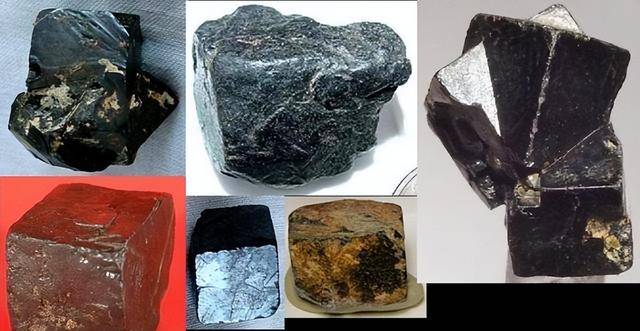
Core Insights - A significant resource discovery of thorium in the Baiyun Obo mining area of Inner Mongolia has been announced, which could support China's energy strategy and impact international energy competition [2][11][28] Group 1: Resource Discovery - The Baiyun Obo mining area has confirmed thorium reserves exceeding 220,000 tons, representing a substantial portion of China's known reserves and a significant share globally [4][11] - Thorium is recognized as a crucial raw material for future nuclear energy technologies, potentially offering higher energy output compared to conventional uranium fuels [6][11] Group 2: Strategic Implications - The discovery of thorium resources is viewed as an important asset for China in future energy negotiations and could enhance its energy security and technological capabilities in nuclear energy [11][18] - The timing of this discovery coincides with heightened competition between the U.S. and China in various sectors, including energy and trade [8][28] Group 3: Technological Context - China has invested years into developing advanced nuclear technologies, including thorium-based molten salt reactors, which could leverage the newly discovered thorium resources [13][21] - Thorium is considered an "ideal fuel" for next-generation nuclear systems due to its abundance and potential for high energy efficiency [16][20] Group 4: Challenges and Future Outlook - Despite the promising reserves, the transition of thorium into usable energy faces technical, economic, and procedural challenges, requiring further development of specific conversion and fuel preparation processes [20][24] - The global focus on thorium is increasing as countries seek cleaner and more sustainable energy sources, positioning thorium as a potential future direction for nuclear energy development [25][27]
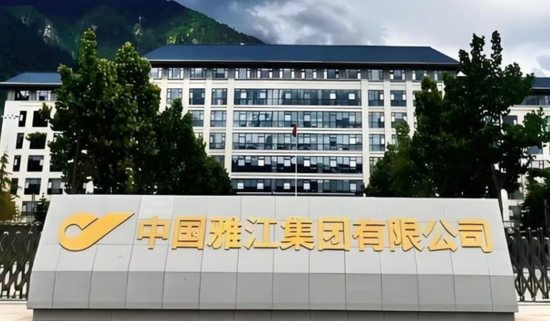
雅江集团注册资本2400亿超三峡集团,这家新央企藏着中国能源的后手
Xin Lang Cai Jing· 2026-01-22 11:29
炒股就看金麒麟分析师研报,权威,专业,及时,全面,助您挖掘潜力主题机会! 来源:能见 据企查查显示,新能源央企中国雅江集团有限公司注册资本为2400亿元,注册地址位于西藏自治区林芝 市工尊中路368号,注册资本规模已超越中国长江三峡集团的2132亿元。 这家位列国资委央企名录第22位的新势力,诞生即巅峰。集团成立当日,雅鲁藏布江下游水电工程同步 开工,中共中央政治局常委、国务院总理李强亲临西藏,既出席开工仪式宣布工程启动,又深入米林水 电站坝址调研考察,在听取工程开发、科技攻关等工作汇报时强调,"雅下水电工程体量大、周期长、 影响远,堪称世纪工程"。这句定性,给这个被业内称作"水电界终局之战"的项目定了调。 总理口中的"世纪工程",分量从不虚言。雅下水电总投资达1.2万亿元,相当于五个三峡工程的体量; 规划的五座梯级电站,总装机容量约6000万千瓦,年发电量可达3000亿千瓦时。这般量级的布局,容不 得半分拖沓,雅江集团的开局速度,恰恰印证了这份战略紧迫性,自成立之日起便按下快进键,每一步 都踩得又准又狠。 炒股就看金麒麟分析师研报,权威,专业,及时,全面,助您挖掘潜力主题机会! 2025年7月刚揭牌,便火速 ...
强占5000万桶石油后,特朗普转头才发觉:中国连一桶都不愿买了
Sou Hu Cai Jing· 2026-01-11 16:12
Core Viewpoint - The article discusses the impact of U.S. actions on Venezuela's oil exports and China's response, highlighting a significant shift in the energy market dynamics due to geopolitical tensions and strategic decisions made by both countries [1][3][20]. Group 1: U.S. Actions and Venezuela's Oil - In January 2026, U.S. special forces launched an operation in Venezuela, seizing control of President Maduro and the country's oil resources, with plans to transfer 30 to 50 million barrels of oil to the U.S. [3] - The U.S. government aimed to reduce discounts on Venezuelan oil to China, expecting to shift costs onto Chinese buyers, but this strategy backfired as China opted not to purchase [1][9]. - The U.S. imposed a "oil quarantine" in December 2025, effectively blockading Venezuelan oil shipments, which led to a 30% increase in transportation costs and multiple shipping companies halting operations [6][9]. Group 2: China's Response and Market Dynamics - Chinese buyers responded unexpectedly by refusing to purchase Venezuelan oil, resulting in a 92% drop in exports to China in the first two weeks of January 2026, marking a historical low [12]. - By the end of 2025, China's commercial and strategic oil reserves exceeded 1 billion tons, equivalent to 180 days of consumption, indicating a strong buffer against supply disruptions [12][18]. - China's diversified import channels reduced Venezuela's oil's irreplaceability, with Venezuelan oil accounting for only 4.5% of China's total imports, while Saudi Arabia, Iran, and Russia dominated the market [14]. Group 3: Implications for U.S. Energy Strategy - Venezuela's miscalculation regarding the market led to a backlog of oil tankers at ports, forcing the state oil company PDVSA to shut down some oil wells, resulting in a 20% reduction in production [16]. - The U.S. energy strategy faced limitations, as American oil companies were hesitant to invest in Venezuela due to high risks, despite Trump's call for a $100 billion investment to revitalize the oil sector [16][20]. - The situation highlighted the resilience of China's energy system, which has developed a dual insurance strategy of diversified supply and strategic reserves over the past two decades, countering U.S. geopolitical maneuvers [20].
黄海惊现罕见场景,俄油轮排队待卸,印度退避,中国半价接盘
Sou Hu Cai Jing· 2026-01-02 08:44
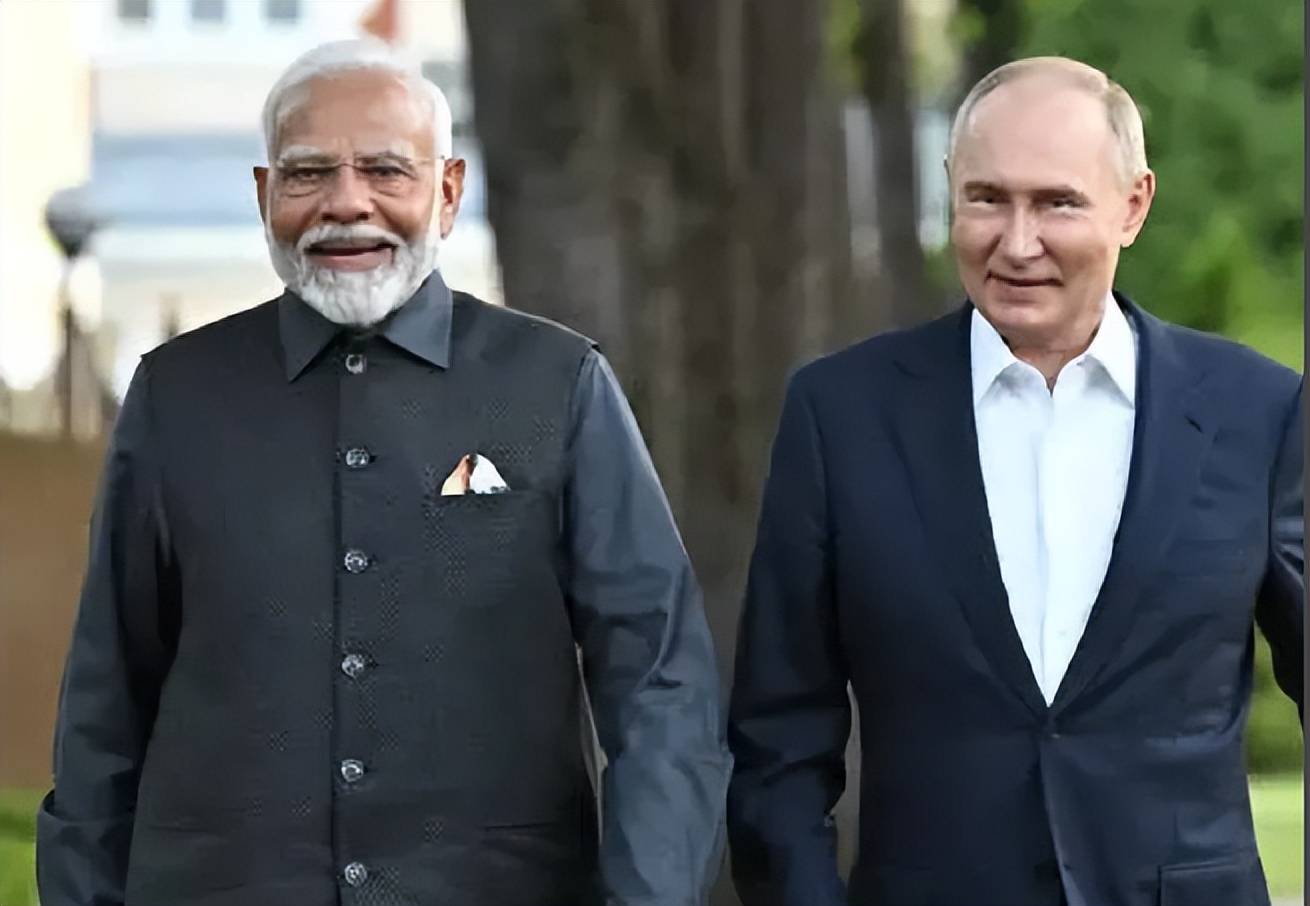
Core Viewpoint - India has abruptly ceased purchasing oil from Russia due to U.S. pressure, while China has seized the opportunity to buy Russian oil at significantly lower prices, reflecting a strategic maneuver in the global energy market [1][4]. Group 1: India's Response - Under U.S. pressure, India has stopped importing Russian oil, which previously accounted for one-third of its total oil imports [1]. - Major Indian private and state-owned refineries, including Reliance Industries, have announced the cessation of Russian oil purchases due to potential high tariffs imposed by the U.S. [1][4]. Group 2: China's Strategy - China is capitalizing on the price advantage of Russian Ural crude oil, which is priced at approximately $35 per barrel, significantly lower than the international market price of $60 per barrel [3]. - The purchase not only meets China's refining needs but also enhances its strategic oil reserves, thereby bolstering energy security [3][6]. Group 3: Market Dynamics - Russia is eager to sell its oil to avoid the costs associated with prolonged shipping delays, and China is well-positioned to absorb these large orders [4]. - The contrasting procurement strategies of India and China highlight the complexities of the global energy market, where price competition intertwines with national energy strategies [6]. Group 4: Long-term Implications - The transaction strengthens China's position in the global energy market, showcasing its ability to respond flexibly to international pressures while ensuring energy security [6][8]. - China's approach is part of a broader strategy for energy diversification, which includes maintaining multiple supply channels and enhancing refining capabilities [6][8].
印度拒收俄罗斯原油后,多艘俄油轮在黄海排起长队,对中国赔钱清仓大甩卖?
Sou Hu Cai Jing· 2025-12-23 06:19
Group 1 - India's recent decision to stop importing Russian crude oil has drawn significant international attention, marking a shift in the energy landscape and posing new challenges for Russia's energy strategy [1][3] - The Indian refiners' change in stance is attributed to increased compliance, financial, and secondary sanction risks due to heightened U.S. sanctions against Russia, leading to a reassessment of risk versus reward [3] - Russia's response to India's decision has been to pivot its sales strategy towards China, offering discounts of up to $35 per barrel, which is a historical high, indicating the urgency of the situation for Russia [1][3] Group 2 - Russia's oil and gas revenues have decreased by 34% year-on-year, highlighting the financial strain and the necessity to maintain cash flow amidst the current economic conditions [3] - The breakeven price for Urals crude oil is typically between $41 and $46 per barrel, and selling below this range not only results in losses but also impacts Russia's long-term energy strategy [3] - China's ability to acquire Russian crude at low prices does not equate to a straightforward benefit, as most Chinese refineries are not interested in high-sulfur heavy crude without significant discounts [5] Group 3 - The evolving dynamics of the Russia-India relationship suggest that China's influence in energy cooperation with Russia may increase, reflecting the complexities of international energy relations [7] - While China can currently leverage Russian resources, the long-term dependency on Russian energy remains a critical question, especially in light of the shifting geopolitical landscape [7] - Russia's need for a stable and diversified export system is underscored by the current geopolitical tensions, particularly in the context of U.S.-China relations [5][7]