AI和机器人

Search documents
蔚小理,上不去,下不来
3 6 Ke· 2026-02-27 00:10
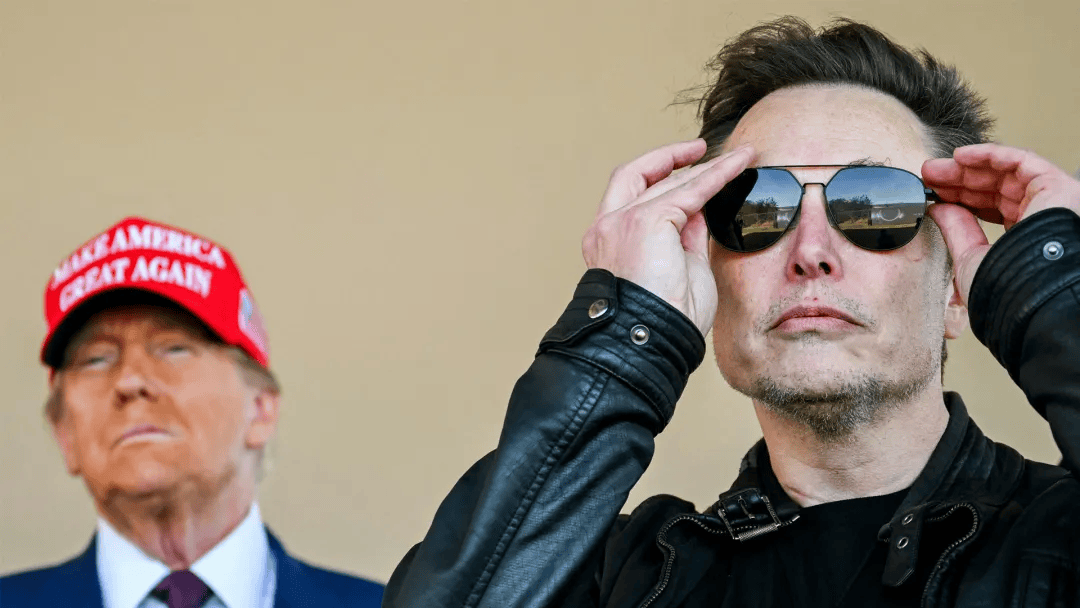
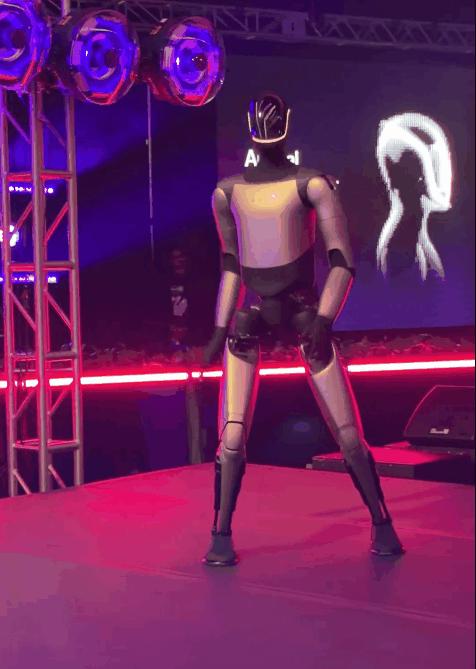
前不久,写了一篇文章解读特斯拉两款经典车型退出历史舞台背后的思考。 实际上,马斯克的逻辑很直接,特斯拉从来不是汽车公司,是AI和机器人公司。即便2025年营收首次 下滑、交付量连续第二年下降,这个叙事依然让资本市场保持信心。 但问题是,特斯拉这个转身,对中国的造车新势力蔚小理来说,意味着什么? 他们也在试图讲出自己的下一个故事。 但问题是,当特斯拉用十几年时间建立了科技公司的认知,比亚迪用全产业链优势构建了成本护城河, 蔚小理现在的位置就显得有些尴尬,往上够不着特斯拉的科技光环,往下拼不过比亚迪的成本优势。 这种上不去,下不来的状态,正在成为蔚小理谁也躲不过的课题。 1、科技叙事的差距,不只是技术问题 2026年开年,新能源汽车赛道出现了几件诡异的事情。 特斯拉停产两款经典车型,转产机器人,股价不跌反涨。理想汽车创始人李想宣布押注具身智能,引发 一阵喧嚣。蔚来创始人李斌预计,这家亏了11年的公司,即将盈利。 更值得注意的是叙事方式的不同。特斯拉停产Model S/X转产机器人,这个动作本身就是一次强有力的 叙事,它在告诉市场:特斯拉的未来不在汽车,而在AI和机器人。 蔚小理也在尝试类似的叙事转型。李想把全新理 ...



北京号最精彩|北京朝阳站今起试运行铁路进地铁单向免安检
Xin Lang Cai Jing· 2026-02-21 13:09
▶ 礼乐烟火共融京味年,文韵书香绘就东城新春盛景 伴随着喧天的锣鼓与欢腾的舞狮,备受市民游客期待的第三十八届地坛春节文化庙会与第四十届龙潭春 节文化庙会同步拉开帷幕,两大庙会分别以"中国年·礼乐风"与"京韵年·烟火集"为核心主题,为期7天的 盛会涵盖民俗展演、非遗体验、文艺演出、书香浸润等多重内容,将传统民俗的厚重底蕴与新时代的文 化活力深度融合,为市民游客奉上一场兼具观赏性、体验性与文化性的新春文化盛宴。 ▶ 春风跃马逛厂甸!西城文市年味拉满 大年初五,年味正浓,琉璃厂东西街上的2026厂甸庙会依旧热闹非凡。作为拥有四百年历史的国家级非 遗"文市",本届庙会以"春风跃马 幸福骉驰"为主题,融马年文化、非遗传承与沉浸互动于一体,老北 京的新春文脉在笔墨书香与市井烟火间鲜活绽放。 ▶ 脑控赛车、AI芯片塔、机器人踢球!打卡海淀新春科技庙会,触摸未来 ▶ 八大处庙会·好福气 | 正月初五迎财神,庙会迎福正当时 春晚之后,AI和机器人都去哪儿了?当然是2026海淀新春科技庙会! 正月初五,俗称"破五",是迎财神、纳福运的传统吉日。今年的庙会现场热闹非凡。 ▶ 今起,北京朝阳站试运行铁路进地铁免安检! ▶ 又香又美! ...


本周上班时间有变!
证券时报· 2026-02-09 04:34
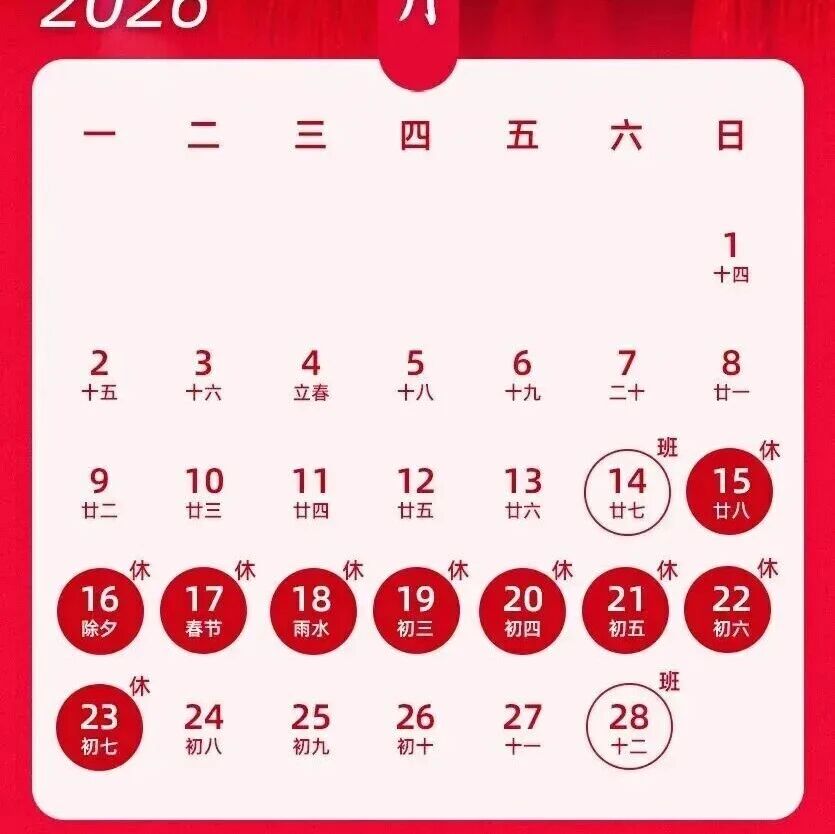
春节假期临近 小伙伴们注意啦! 从2月15日持续到2月23日 本周上班时间有变 共计9天 2月14日(星期六)要上班! 2月24日(星期二)开始上班 根据国务院办公厅发布的 另外要提醒大家的是 关于2026年部分节假日安排的通知 春节假期 请大家 注意合理安排时间 月 2026 六 开 日 E 1 +四 t N 3 w 4 立春 5 +까 6 +7 7 中 ∞ 班 休 15 "八 12 五 13 甘示 14 9 10 11 廿七 廿三 tte 休 休 休 休 休 休 1不 17 19 21 16 18 陈水 20 22 初六 班 休 27 28 23 新七 24 初八 25 和九 26 #1 同时 春节假期 2月28日(星期六)也要上班 高速公路将实施 七座以下(含七座) 小型客车免费通行的政策 2026年春节假期具体免费时段为 2026年2月15日00:00 至2月23日24:00 共计9天 综合自:人民网、中国政府网 责编:万健祎 校对: 刘星莹 证券时报各平台所有原创内容,未经书面授权,任何单位及个人不得转载。我社保留追 究相关 行 为主体 法律责任的权利。 转载与合作可联系证券时报小助理,微信ID:S ...
比亚迪称王!电动车年销量首次超越特斯拉,特斯拉股价大跳水
Xin Lang Cai Jing· 2026-01-04 01:29
Core Viewpoint - BYD has surpassed Tesla in electric vehicle deliveries, claiming the title of "global electric vehicle sales champion" for the first time, marking a significant shift in the competitive landscape of the electric vehicle market [1][11]. Group 1: Tesla's Performance - Tesla's fourth-quarter delivery volume decreased by 15.6% year-on-year, totaling 418,227 vehicles, which was below analysts' expectations of 440,907 vehicles [5][15]. - For the entire year of 2025, Tesla's delivery volume fell by 8.6%, marking the second consecutive year of decline [5][15]. - The decline in Tesla's sales is attributed to the expiration of the U.S. federal electric vehicle tax credit in September 2025, which previously incentivized purchases [5][15]. Group 2: BYD's Growth - BYD reported a 28% year-on-year increase in pure electric vehicle sales for 2025, reaching 2.25 million units [7][17]. - In contrast, Tesla's total annual deliveries were 1.64 million, reflecting an 8.6% decrease [7][17]. - BYD is also experiencing rapid growth in overseas markets, particularly in Latin America and Southeast Asia, with plans to expand production in Brazil and increase exports to Europe [19]. Group 3: Market Dynamics - Tesla is facing increased competition not only from BYD but also from established European automakers, such as Volkswagen, which have surpassed Tesla in electric vehicle sales in Europe [11][22]. - Analysts predict that the U.S. electric vehicle market may struggle in 2026, with a potential turning point expected in 2027 when more manufacturers introduce electric vehicles priced below $30,000 [5][15].

中国抛售118亿美债!逼出4个接盘国,马斯克:这次美国没救了
Sou Hu Cai Jing· 2025-12-21 13:21
Group 1 - China has sold $11.8 billion in U.S. Treasury bonds, reducing its holdings to $688.7 billion, the lowest level since 2008, signaling a strategic retreat from U.S. debt [1][3] - Following China's actions, other countries like Canada, Luxembourg, and the Cayman Islands also began selling U.S. bonds, indicating a broader loss of confidence in U.S. debt [1][3] - The Federal Reserve's decision to resume purchasing $40 billion in bonds monthly suggests a lack of market demand for U.S. debt, raising concerns about the sustainability of this approach [3] Group 2 - Japan has been the largest buyer of U.S. debt, increasing its holdings to $1.2 trillion, which raises questions about whether this is a voluntary action or a necessity due to economic pressures [5][8] - The current situation is likened to a "Ponzi scheme," where the Federal Reserve is forced to buy its own debt, indicating a critical financial instability [3][5] - The reliance on technology and AI to solve the debt crisis is viewed as ineffective, as the underlying fiscal issues remain unresolved [7][9] Group 3 - The dynamics of U.S. debt are causing allies to bear the burden, with their increased purchases seen as a form of tribute rather than genuine support [5][8] - The commentary from influential figures like Elon Musk highlights the dire state of U.S. finances, suggesting that technological advancements cannot offset the growing debt burden [7][9] - The overall sentiment reflects a critical view of U.S. fiscal policy, with calls for a reevaluation of its approach to debt and spending [11]
中金公司油气化工2026年展望:曙光已现 景气回暖
Zhi Tong Cai Jing· 2025-12-17 00:24
Core Viewpoint - The petrochemical industry has been in a downturn for approximately 3.5 years, with capital expenditure continuing to decline and outdated overseas capacity exiting the market, leading to a low growth phase for industry capacity. The industry is expected to see a cyclical turning point due to favorable supply-side factors and rapid growth in demand from sectors like new energy [1][2]. Group 1: Industry Performance - The chemical price index and profit margins are currently at low levels, with a 10.3% decline in China's chemical product price index from early 2025, placing it at the 10.4% percentile since 2012. The profit margin for chemical raw materials and products was only 4.14% from January to October 2025, the lowest since 2017 [1]. - The capital expenditure of petrochemical companies is projected to decrease by 18.3% in 2024 and 10.1% in the first three quarters of 2025, with construction projects down by 13.2% year-on-year in Q3 2025 [2]. Group 2: Supply and Demand Dynamics - The exit of outdated overseas capacity, particularly in Europe and Japan, is expected to alleviate global supply-demand imbalances for related products [2]. - The demand growth for bulk chemical products remains resilient, with expectations that the real estate sector will have a diminishing impact on chemical product demand growth by 2026 [2]. Group 3: Key Segments and Future Outlook - Early-cycle products such as chemical fibers are expected to see rapid consumption growth from 2020 to 2024, with chemical fibers projected to be among the fastest-growing bulk chemical products by 2026 [3]. - The industry is anticipated to experience a turning point in the capacity cycle, driven by favorable supply-side factors and rapid growth in demand for materials in the new energy sector [3]. - The company is optimistic about leading chemical firms with low valuations and expects significant profit growth in the chemical fiber supply chain, as well as in sectors like lithium battery materials and emerging industries related to AI and robotics [3].

马斯克、扎克伯格等科技巨头惨遭“赛博狗头化”
Sou Hu Cai Jing· 2025-12-05 11:45
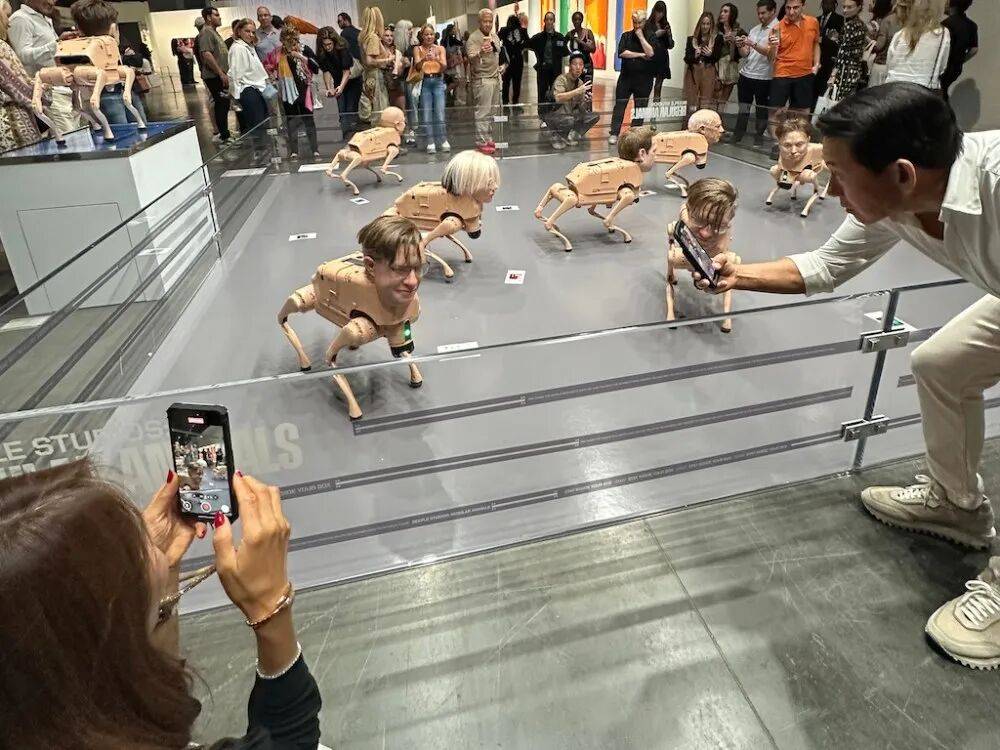
Core Viewpoint - The artist Beeple has unveiled a provocative installation at Art Basel Miami Beach, featuring robotic dogs wearing hyper-realistic masks of tech billionaires and artists, critiquing the power dynamics of contemporary visual culture [1][5]. Group 1: Artwork Description - The installation includes robotic dogs that wear masks of figures like Elon Musk, Mark Zuckerberg, and Jeff Bezos, as well as the artist Picasso [1]. - These robotic dogs wander aimlessly within a fenced area and periodically "excrete" printed photographs, which are styled differently based on the character they represent [3]. - A total of 1,028 printed works were produced, with 256 of them containing scannable barcodes for NFT redemption [3]. Group 2: Artistic and Commercial Value - Beeple's work serves as a sharp critique of the shift in visual power from artists to tech giants, who now dictate online content through algorithms [5]. - Despite its satirical nature, the installation has significant commercial value, with each robotic dog priced at $100,000 (approximately 708,000 RMB) for private collectors, contingent on allowing global exhibitions [5]. - The exhibition raises profound questions about who defines reality in the digital age, highlighting the intersection of technology and art [5].
马斯克十年OKR曝光:12大魔鬼关卡,活该他万亿美元薪酬
3 6 Ke· 2025-11-12 10:44
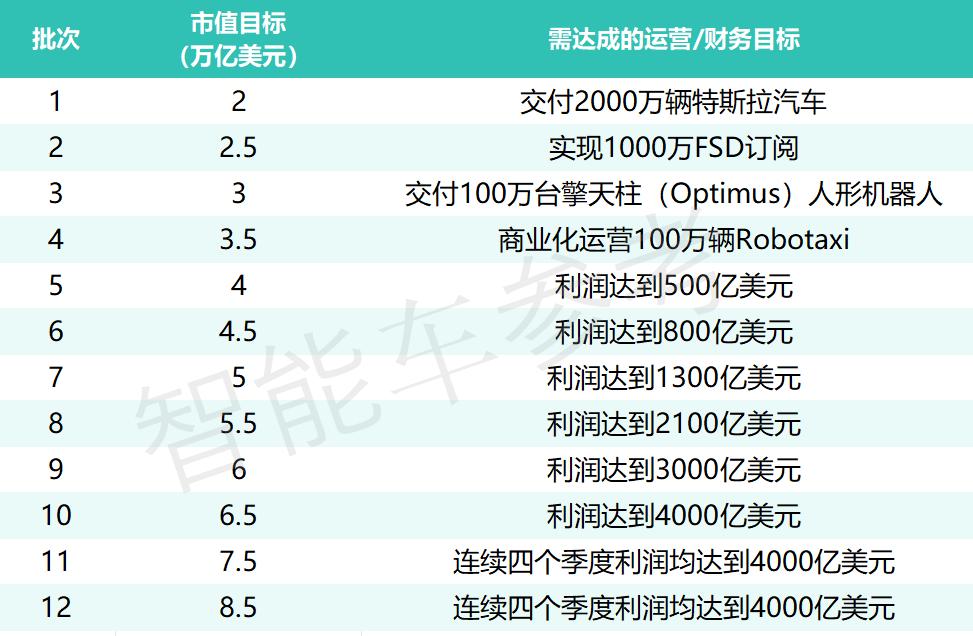
Core Viewpoint - Tesla's new compensation plan for Elon Musk, approved with 75% support at the shareholder meeting, requires him to meet 12 performance targets to unlock his potential $1 trillion compensation, raising questions about the feasibility of achieving these goals [1][2][3]. Group 1: Compensation Structure - The compensation plan is structured around 12 levels, each with specific market capitalization and operational/financial targets that Musk must achieve to earn his compensation [2][5]. - The first batch requires Tesla to reach a market cap of $2 trillion and deliver 20 million vehicles, while the final batch demands a market cap of $8.5 trillion and consistent profits of $400 billion over four quarters [2][5][7]. Group 2: Performance Targets - Initial targets focus on product delivery, including vehicle deliveries, Full Self-Driving (FSD) subscriptions, and the deployment of humanoid robots and Robotaxi fleets, which are crucial for Tesla's growth trajectory [3][5]. - Later targets shift to profitability, requiring adjusted EBITDA to reach $800 billion initially, increasing to $4 trillion, which is significantly higher than current industry leaders [5][7]. Group 3: Historical Context - Musk's previous compensation plan from 2018, which was based on performance metrics, has yet to be fully realized despite achieving all targets, highlighting the challenges in executing such ambitious plans [9][11][15]. - The current plan's ambitious nature is underscored by the comparison to Saudi Aramco's profits, with Musk needing to increase Tesla's profits by 223 times within ten years [7][9]. Group 4: Industry Implications - The unique compensation structure has drawn attention within the automotive industry, with other companies beginning to adopt similar performance-based incentives for their executives [17][19]. - Domestic competitors like Li Auto and Xpeng are implementing their own performance-based compensation plans, focusing on sales and market capitalization, reflecting a trend in the industry towards aligning executive incentives with company performance [19][27].
马斯克可能真觉得,造车没意思了
3 6 Ke· 2025-11-09 05:19
Core Viewpoint - Elon Musk's $1 trillion compensation plan was approved by over 75% of Tesla shareholders, highlighting his significance to the company [1] Group 1: Compensation Plan Details - The compensation plan includes two ambitious targets related to Tesla's market value and operational metrics, divided into 12 milestones [3][4] - If Musk meets all targets, Tesla's market value could reach $8.5 trillion, and he would own 25% of the company [8][9] Group 2: Operational Challenges - Tesla's delivery numbers have been declining, with a 13% drop in Q1 and a 13.5% drop in Q2 of 2025 [11][12] - The company aims to deliver 2 million vehicles cumulatively, with current deliveries exceeding 800,000 [7][12] Group 3: Future Growth Strategies - Tesla plans to transition from a car manufacturer to a technology company focused on AI and robotics [15] - Musk set ambitious production targets, aiming for 2.6-5 million vehicles by 2028, which represents a 50% growth from previous years [17] Group 4: Full Self-Driving (FSD) Developments - The latest FSD version includes advanced features like language understanding and improved navigation capabilities [19][24] - FSD's sales model faces challenges, with only about 1% of Tesla's revenue coming from it, indicating consumer reluctance to pay for ongoing services after purchasing a vehicle [25] Group 5: Robotaxi and Optimus - Tesla is set to begin production of its Robotaxi, CyberCab, in April 2024, which could revolutionize its business model [28] - The Optimus robot aims to integrate into daily life and replace human labor, with a target production of 1 million units to reduce costs [30][33] Group 6: Supply Chain and Production Challenges - Tesla is addressing past battery shortages by developing its own battery production lines and considering partnerships for chip manufacturing [36]
超达装备(301186) - 2025年9月15日投资者关系活动记录表
2025-09-15 09:50
Group 1: Company Overview - The company is a leading domestic supplier of automotive interior and exterior molds, focusing on the research, production, and sales of molds, automotive inspection tools, automation equipment, and components [2][3]. - The company holds a significant position in the automotive soft trim and foam mold sector, with capabilities in R&D, design, and production [2][3]. Group 2: Market Position and Competition - The company's molds are primarily for forming, cutting, and foaming, which differ significantly from competitors' plastic and stamping molds [3]. - The company has developed several leading technologies in the industry, including soft interior cutting molds and foam product shrinkage control technology [3]. Group 3: Financial Performance - In 2024, the revenue from mold products accounted for approximately 58.63% of total revenue, with a gross margin of 37.78% [4]. - The company has a strong customer base, including both international giants like Faurecia and local manufacturers such as Geely and BYD [4]. Group 4: Production and Order Status - The company currently has sufficient orders and operates under a customized production model, with CNC machining capacity utilization nearly at full capacity [4][6]. - The production cycle for molds ranges from 1 to 3 months, while automotive inspection tools take 2 to 4 months [6]. Group 5: International Sales and Strategy - In 2024, international sales accounted for 43.46% of total revenue, with stable export operations despite global trade tensions [6]. - The company is actively exploring AI and robotics through its newly established subsidiary, Jiangsu Chaoda Intelligent Technology [6][8]. Group 6: Recent Changes and Future Plans - In February 2025, the company underwent a change in control, with Nanjing Youxu becoming the new controlling shareholder [7]. - The timeline for the completion of major investment projects has been extended to June 30, 2026, due to various factors affecting project implementation [8].