
多层次医疗保障体系

Search documents
首版商保创新药目录共纳入19种药品,涵盖阿尔茨海默病等治疗药
Sou Hu Cai Jing· 2025-12-07 14:30
Core Insights - The National Healthcare Security Administration has added a commercial health insurance innovative drug directory, including 19 new drugs, supplementing the traditional medical insurance drug list [1][3]. Group 1: Commercial Health Insurance Innovative Drug Directory - The commercial health insurance innovative drug directory serves as an effective supplement to basic medical insurance, allowing patients access to innovative drugs not covered by basic insurance [3]. - The drugs included in the commercial health insurance innovative drug directory do not affect the self-pay rate of basic medical insurance and are not included in centralized procurement monitoring indicators or disease-based payment ranges [5]. - The directory focuses on highly innovative drugs with significant clinical value and benefits for patients that exceed the coverage of basic medical insurance [7]. Group 2: Specific Drugs and Conditions - The 19 drugs encompass CAR-T therapies and immunotherapy drugs for liver cancer, which is prevalent in China, providing more treatment options for cancer [9]. - The directory also includes drugs for rare diseases such as Gaucher's disease and short bowel syndrome, as well as treatments for Alzheimer's disease, marking their first inclusion in the commercial insurance directory [9]. Group 3: Market Impact and Growth - In 2024, the original insurance premium income for commercial health insurance in China is projected to reach 977.3 billion yuan, reflecting an 8.2% year-on-year growth, nearing the total funding level of resident medical insurance for that year [11]. - The backing of the state for commercial health insurance through the innovative drug directory is expected to attract more participants, effectively reducing customer acquisition costs for commercial health insurance [13]. - The innovative drug directory allows basic medical insurance to maintain a universal coverage baseline while commercial insurance takes on high-value innovative drugs, encouraging companies to focus more on clinical innovation [15].


基本医保和商保创新药目录发布,19种药纳入首版商保创新药目录
Xin Jing Bao· 2025-12-07 13:36
Core Insights - The 2025 National Basic Medical Insurance, Maternity Insurance, and Work Injury Insurance Drug Catalog was released, adding 114 new drugs, including 50 innovative drugs, with an overall success rate of 88%, significantly up from 76% in 2024 [1][2] - The first version of the Commercial Health Insurance Innovative Drug Catalog was also published, including 19 drugs, such as CAR-T therapies and treatments for rare diseases, complementing the basic medical insurance [4][5] Group 1: National Basic Medical Insurance Catalog - The 2025 National Basic Medical Insurance Catalog is the 8th adjustment since the establishment of the National Medical Insurance Bureau, increasing the total number of drugs to 3,253, with 1,857 Western medicines and 1,396 traditional Chinese medicines [2][3] - The new catalog includes drugs that fill gaps in basic medical insurance coverage for major diseases like triple-negative breast cancer and pancreatic cancer, as well as treatments for chronic diseases such as diabetes and autoimmune diseases [2][3] - The adjustment also removed 29 drugs that are either not clinically available or can be replaced by better alternatives [2] Group 2: Commercial Health Insurance Innovative Drug Catalog - The first version of the Commercial Health Insurance Innovative Drug Catalog will be implemented on January 1, 2025, focusing on innovative and cutting-edge drugs, including CAR-T and TCE therapies [4][6] - The catalog aims to clarify the boundary of basic medical insurance coverage and promote the development of a multi-tiered medical insurance system [4][7] - The National Medical Insurance Bureau emphasizes the importance of supporting innovative drugs while maintaining the basic insurance's focus on essential and reliable treatments [6][7] Group 3: Support for Innovation and Market Dynamics - The National Medical Insurance Bureau has been actively supporting innovative drugs, holding multiple meetings to discuss the integration of innovative drugs into insurance coverage [3][6] - The commercial health insurance market has been growing rapidly, with a premium income of 977.3 billion yuan in 2024, reflecting an 8.2% year-on-year increase [7] - The establishment of the Commercial Health Insurance Innovative Drug Catalog is expected to provide a stable outlet for innovative drugs, enhancing their accessibility [7][8]
141进19!首部商保创新药目录公布 支付迈入“双轨制”
Nan Fang Du Shi Bao· 2025-12-07 13:09
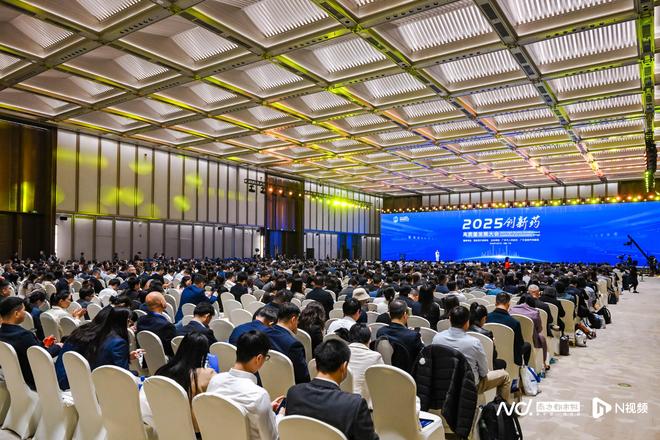
12月7日上午,2025创新药高质量发展大会在广州召开。会上,2025年《国家基本医疗保险、生育保险 和工伤保险药品目录》和首部《商业健康保险创新药品目录》(简称"商保创新药目录")同步发布。 其中,首次亮相的"商保创新药目录"一举纳入19款前沿药品,既有CAR-T等肿瘤治疗药品,也有神经母 细胞瘤、戈谢病等罕见病治疗药品、阿尔茨海默病治疗药品。 南都N视频记者注意到,会场内外的讨论十分热烈,而支付端的变革则是其中的关键词。"这不仅仅是 增加一个目录,更是一种根本性的支付创新。"一位参与大会的创新药企代表道出行业心声。 双目录同步发布 2025年国家基本医疗保险、生育保险和工伤保险药品目录是国家医保局成立以来的第8次调整,已形成 常态化、规范化、科学化的调整机制。 樊琳指出,对于企业而言,参与目录虽意味着提供一定价格折让,但也能借助商保渠道提升药品可及 性。"随着企业自主研发进程推进,如成本较低的国产慢病毒载体即将投入使用,未来药品成本有望大 幅下降,降价空间将进一步惠及患者。" 强生创新制药代表在登台发言时也难掩心情激动。她谈到,"首个商保创新药目录对于行业是非常关键 性的举措。它能够让具有突破性创新、高临 ...
首版商保创新药目录出炉,健康险求得新“药”匙
Bei Jing Shang Bao· 2025-12-07 12:29
Core Insights - The "Commercial Health Insurance Innovative Drug Directory" has been officially released, marking a significant development in the industry, with 19 drugs included, such as CAR-T therapies and treatments for rare diseases like neuroblastoma and Gaucher disease [1][3][4] Group 1: Directory Features - The directory emphasizes three main characteristics: support for innovation, focus on key areas like Alzheimer's and rare diseases, and the distinction between basic medical insurance and commercial insurance [4] - The inclusion of five CAR-T cell therapies in the directory represents a breakthrough for high-cost drugs that have previously been excluded from national insurance negotiations [3][4] Group 2: Impact on Insurance Industry - The establishment of the directory is expected to open new growth opportunities for commercial health insurance, which has seen a slowdown in premium income in recent years [5] - The directory is anticipated to enhance the market recognition of commercial health insurance, potentially expanding its business scale towards the regulatory goal of exceeding 2 trillion yuan by 2025 [5] Group 3: Implementation Challenges - Successful implementation of the directory requires collaboration among medical insurance, pharmaceutical companies, and insurance firms, with commercial insurance bearing the most pressure [7] - Challenges such as pricing risks, adverse selection, and insufficient data sharing among institutions need to be addressed for effective implementation [7][8] Group 4: Patient Access and Usage - The directory's drugs must be effectively integrated into hospital practices, with policies in place to alleviate concerns about cost assessments that may deter prescriptions [9] - There is a need for improved collaboration among commercial insurance, hospitals, and pharmaceutical companies to streamline payment processes and enhance patient access to the listed drugs [9][10]
2025国谈结果公布:“药王”进医保 5款百万抗癌药进商保
经济观察报· 2025-12-07 12:13
Core Viewpoint - The recent adjustments to the national basic medical insurance directory and the introduction of the commercial insurance innovative drug directory mark significant steps towards enhancing access to innovative treatments in China, particularly for high-cost therapies like CAR-T drugs [2][6]. Summary by Sections National Basic Medical Insurance Directory Adjustments - A total of 114 new drugs were added to the basic medical insurance directory, including 50 first-class innovative drugs [2]. - The total number of drugs in the basic medical insurance directory has increased to 3,253, comprising 1,857 Western medicines and 1,396 traditional Chinese medicines [3]. - New inclusions cover various fields such as oncology, chronic diseases, mental health, and pediatric medications, with several rare disease treatments also added [3]. Commercial Insurance Innovative Drug Directory - The commercial insurance innovative drug directory aims to include high-innovation drugs that exceed the basic insurance scope but offer significant clinical value and patient benefits [6]. - A total of 121 drugs underwent formal review for the commercial insurance directory, with 24 entering price negotiation, ultimately resulting in 19 drugs from 18 companies being included [6]. - Notable inclusions are five CAR-T therapies, which previously cost over one million yuan per injection, making them unaffordable for many patients [6]. Performance of Pharmaceutical Companies - Several leading pharmaceutical companies have reported their successes in the 2025 national medical insurance negotiations, with Heng Rui Pharmaceutical having 20 drugs included, contributing 7.554 billion yuan to their total revenue [5]. - Innovent Biologics announced that 7 of its new drugs were included in the updated national medical insurance directory, with 12 of its 17 innovative drugs now covered [5]. Specific Drug Inclusions - The directory includes drugs for Alzheimer's disease, such as the monoclonal antibodies from Eisai and Eli Lilly, and several rare disease treatments [7]. - Some high-profile drugs, like Novo Nordisk's semaglutide and Bristol-Myers Squibb's nivolumab, were not included despite passing the formal review [8]. Implementation Timeline - The new directory is set to be officially implemented nationwide on January 1, 2026 [9].




2025医保药品目录公布:新增药品114种,胰腺癌、肺癌等用药,纳入医保
Yang Shi Xin Wen· 2025-12-07 08:31
记者今天(7日)从国家医保局获悉,2025年国家医保药品目录及首版商保创新药目录在广东广州发 布。2025年国家医保药品目录成功新增114种药品,有50种是一类创新药,总体成功率88%,较2024年 的76%明显提高。19种药品纳入首版商保创新药目录。 此次调整后,国家医保药品目录内药品总数增至3253种,其中西药1857种、中成药1396种,肿瘤、慢性 病、精神疾病、罕见病、儿童用药等重点领域的保障水平得到明显提升。 国家医保局、人力资源社会保障部印发《国家基本医疗保险、生育保险和工伤保险药品目录》以及《商 业健康保险创新药品目录》(2025年)。其中提出,积极推动商保创新药目录纳入商业健康保险保障范 围。 各地医保部门要会同有关部门推动多层次医疗保障体系建设,积极支持普惠型商业健康保险发展,商保 创新药目录推荐商业健康保险、医疗互助等多层次医疗保障体系参考使用。支持商保机构根据商保创新 药目录设计新产品、更新赔付范围、调整赔付方式,更好满足患者用药需求,切实减轻患者医疗费用负 担。鼓励有条件的地区探索开展医保、工伤保险与商保"一站式"结算。 文章来源:央视新闻 2025年国家医保药品目录纳入了一些弥补基本 ...
两部门:进一步推动商业健康保险与基本医保的有效衔接
Bei Jing Shang Bao· 2025-12-07 05:14
Core Viewpoint - The National Healthcare Security Administration and the Ministry of Human Resources and Social Security have issued new guidelines for the integration of commercial health insurance with the national basic medical insurance system, focusing on innovative drugs and their accessibility for patients [1][2] Group 1: Policy Implementation - Provincial healthcare security departments are required to implement the measures outlined in the notification regarding the support for high-quality development of innovative drugs [1] - The commercial health insurance directory for innovative drugs will not be covered by the medical insurance fund and will not be included in the self-pay rate indicators for designated medical institutions [1] Group 2: Support for Innovative Drugs - The application cases of innovative drugs listed in the commercial health insurance directory will not be included in the payment scope under the disease-based payment system, but can be reimbursed after review [1] - Provincial departments may explore the support for retail pharmacies to stock innovative drugs from the commercial health insurance directory and monitor pricing at medical institutions and retail pharmacies [1] Group 3: Multi-layered Medical Security System - Local healthcare departments are encouraged to promote the construction of a multi-layered medical security system and support the development of inclusive commercial health insurance [2] - Commercial insurance institutions are encouraged to design new products and adjust compensation methods based on the commercial health insurance directory to better meet patient medication needs [2]
健全多层次医疗保障体系 筑牢民生保障底线——访国家医保局局长章轲
Xin Hua She· 2025-12-03 14:22
Core Viewpoint - The article emphasizes the importance of establishing a multi-tiered medical insurance system to enhance public health security and improve the accessibility and affordability of healthcare services in China [1][2]. Group 1: Progress in Medical Insurance Reform - Since the 18th National Congress, the reform of the national medical insurance system has significantly improved the quality of insurance coverage, enhancing public satisfaction [2]. - The "1+3+N" multi-tiered medical insurance system has been continuously promoted, with hospitalization reimbursement rates reaching approximately 80% for employee insurance and 70% for resident insurance [2]. - Cumulatively, over 13 trillion yuan has been spent from the medical insurance fund during the 14th Five-Year Plan, benefiting nearly 20 billion patient visits [2]. Group 2: Future Directions for Medical Insurance Development - The 15th Five-Year Plan will focus on strengthening the medical insurance system, addressing gaps, and promoting the participation of various social forces in medical assistance [4][8]. - The plan includes enhancing the coordination of medical, insurance, and pharmaceutical services, utilizing data and funding to support innovation in drug development [5][6]. - A nationwide unified medical insurance information platform will be established to support the construction of a multi-tiered medical insurance system [8]. Group 3: Specific Initiatives and Reforms - The reform will include deepening payment methods, optimizing the use of surplus funds, and enhancing the management of medical service prices [6][7]. - The government aims to improve the efficiency of medical insurance fund usage by expanding immediate settlement and increasing the coverage of medical institutions [9]. - Continuous optimization of drug procurement processes will be implemented to ensure that medications are accessible and affordable for the public [9].
贯彻落实党的二十届四中全会精神权威访谈|健全多层次医疗保障体系 筑牢民生保障底线——访国家医保局局长章轲
Xin Hua She· 2025-12-03 08:41
Core Insights - The article discusses the ongoing reforms in China's medical insurance system, emphasizing the establishment of a multi-tiered medical security system and the need for provincial coordination in basic medical insurance [1][9]. Group 1: Medical Insurance Reform Progress - Since the 18th National Congress, the reform of the national medical insurance system has significantly improved the quality of insurance coverage, enhancing public satisfaction [2]. - The "1+3+N" multi-tiered medical security system has been continuously promoted, with hospitalization reimbursement rates reaching approximately 80% for employee insurance and 70% for resident insurance [2]. - Over the "14th Five-Year Plan" period, medical insurance funds have cumulatively spent over 13 trillion yuan, benefiting nearly 20 billion patient visits [2]. Group 2: Future Directions for Medical Insurance - The "15th Five-Year Plan" will focus on strengthening the medical insurance system, addressing gaps, and promoting the development of commercial health insurance [4][9]. - The plan includes enhancing the basic medical insurance system and expanding funding channels, including encouraging social forces to participate in medical assistance [4]. - The establishment of a national unified medical insurance information platform is planned to support the construction of a multi-tiered medical security system [9]. Group 3: Payment and Service Improvements - The article highlights the need for further reforms in medical payment systems, focusing on total budget management and value-based payment [7][10]. - There will be an emphasis on optimizing the management of medical service prices and enhancing the collection and application of real-world data [7][8]. - The expansion of instant settlement reforms and the increase in the coverage of medical institutions for instant settlement funds are also key focuses for the upcoming period [11]. Group 4: Drug and Medical Service Management - The article mentions the ongoing efforts to improve the management of the medical insurance drug catalog, including dynamic adjustments and support for innovative drugs [8]. - The continuous optimization of drug procurement policies is highlighted, with a focus on ensuring quality and supply security for the public [11]. - The plan includes the establishment of a unified catalog for medical consumables and services across provinces to streamline processes [8].
国家医保局局长章轲:健全多层次医疗保障体系 筑牢民生保障底线
Xin Lang Cai Jing· 2025-12-03 08:35
Core Viewpoint - The article emphasizes the importance of establishing a multi-tiered medical insurance system to enhance public health security, as outlined in the recommendations from the 20th Central Committee of the Communist Party of China [1][2]. Group 1: Progress in Medical Insurance Reform - Since the 18th National Congress, the reform of the national medical insurance system has significantly improved the quality of insurance coverage, enhancing public satisfaction [2][3]. - The "1+3+N" multi-tiered medical insurance system has been continuously promoted, with hospitalization reimbursement rates reaching approximately 80% for employee insurance and 70% for resident insurance [2][3]. - Cumulatively, over 13 trillion yuan has been spent from the medical insurance fund during the 14th Five-Year Plan, benefiting nearly 20 billion medical visits [2][3]. Group 2: Future Directions for Medical Insurance Development - The "15th Five-Year Plan" will focus on strengthening the medical insurance system, addressing gaps, and promoting the participation of flexible employment and new employment forms in basic medical insurance [4][5]. - The plan aims to enhance collaboration among medical services, medical insurance, and pharmaceuticals, utilizing data and funding as dual engines for development [5][6]. - A nationwide unified medical insurance information platform will be established to support the construction of a multi-tiered medical insurance system [20][21]. Group 3: Payment and Pricing Reforms - The reform of medical insurance payment methods will continue, focusing on total budget management and value-based payment systems [17][18]. - The article highlights the need for dynamic adjustments to the medical insurance drug list and the establishment of a unified management system for medical consumables and services [18][21]. - The expansion of instant settlement reforms will be prioritized, aiming to enhance the efficiency of medical insurance fund usage and support high-quality development of medical institutions [21][22].