夜经济

Search documents
进博“夜”品静安,全球CEO共赴“心动时分”
Guo Ji Jin Rong Bao· 2025-11-05 14:05
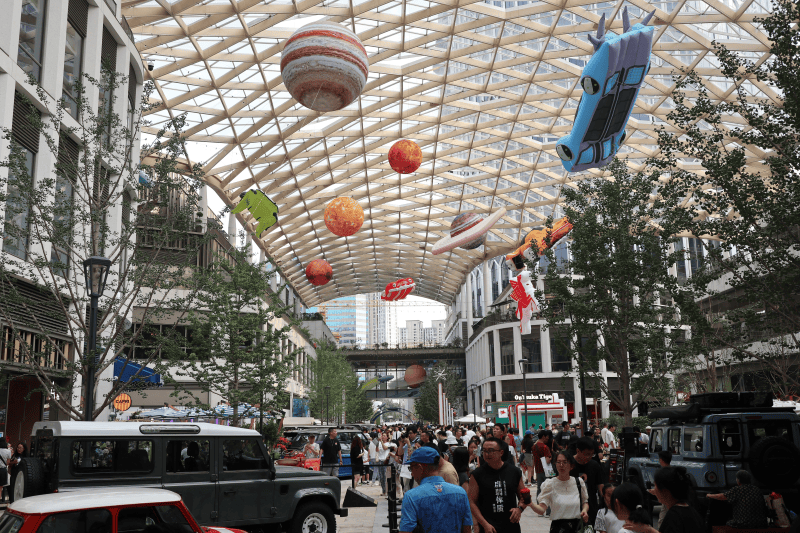
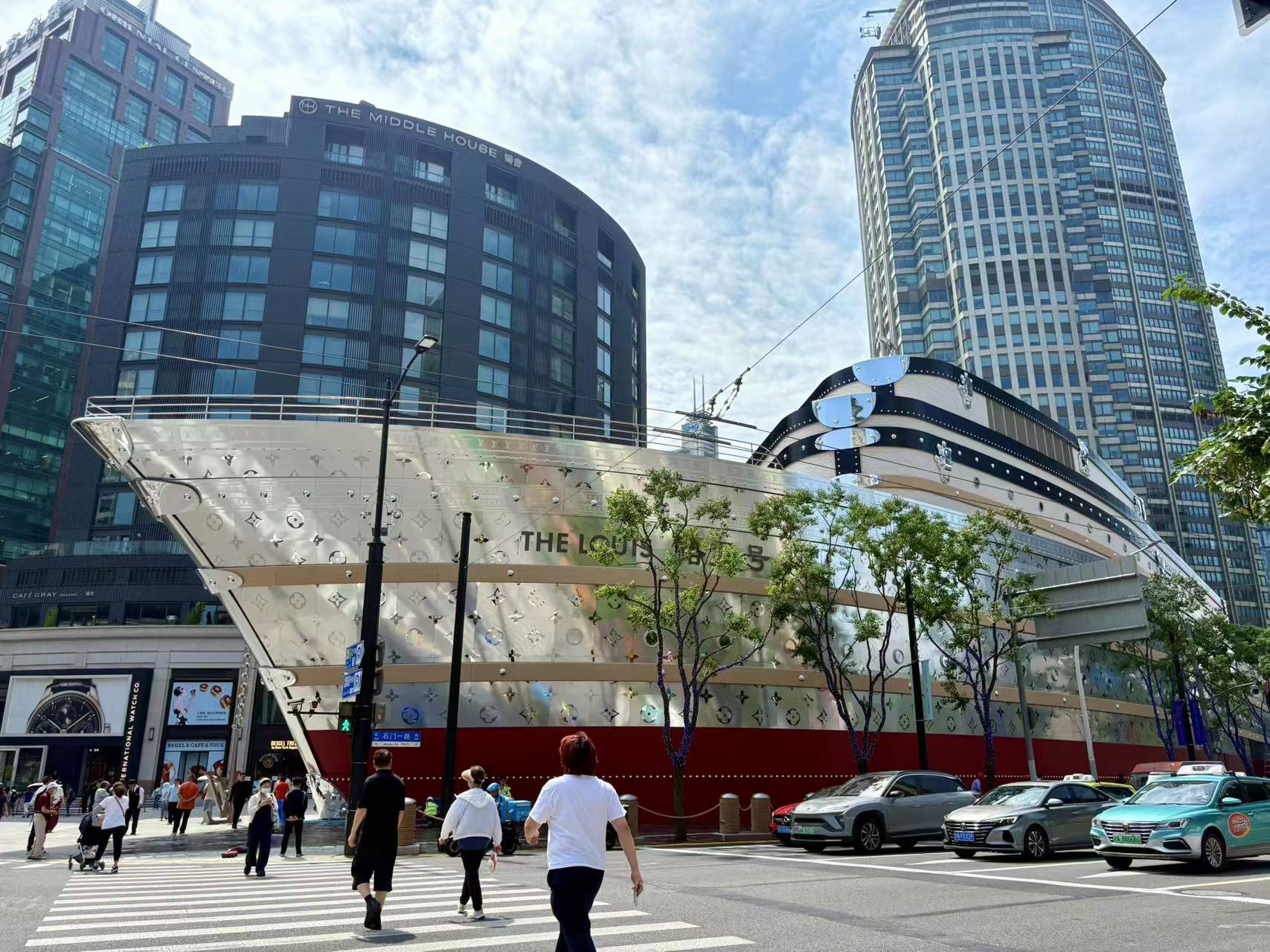
Core Viewpoint - The "Global CEO Look at Jing'an" event during the 8th China International Import Expo highlights Jing'an's commitment to becoming a hub for international business and investment opportunities, showcasing its efficient service and vibrant commercial environment [1][6]. Group 1: Event Overview - The event featured nearly 20 global CEOs and executives who explored Jing'an's investment potential and discussed future cooperation [1]. - The "Louis Number" exhibition, a significant project by Louis Vuitton, exemplifies Jing'an's ability to attract international brands and create a high-end consumer ecosystem [2][4]. Group 2: Commercial Landscape - Jing'an's Nanjing West Road, known as the "first commercial street in China," is evolving into a world-class shopping district, housing over 2,000 domestic and international brands, with more than 70% being international [5]. - The presence of luxury giants like LVMH, Kering, and Richemont underscores Jing'an's status as a global fashion showcase [5]. Group 3: Night Economy and Cultural Integration - The Zhang Garden, a cultural landmark, is enhancing Jing'an's night economy by blending historical charm with modern commercial activities, featuring local brands and international products [5][6]. - The "first launch + bonded" model at Zhang Garden facilitates a streamlined entry for international brands into the Chinese market, attracting interest from global fashion companies [6]. Group 4: Strategic Invitations - Jing'an is inviting global enterprises to invest and establish a presence in the district, emphasizing its open and innovative environment [6]. - Local leadership expresses a commitment to fostering partnerships and enhancing Jing'an's competitiveness and attractiveness as an international business hub [6].

湖南江永:夜经济多点开花让消费“热”起来
Sou Hu Cai Jing· 2025-10-30 13:05
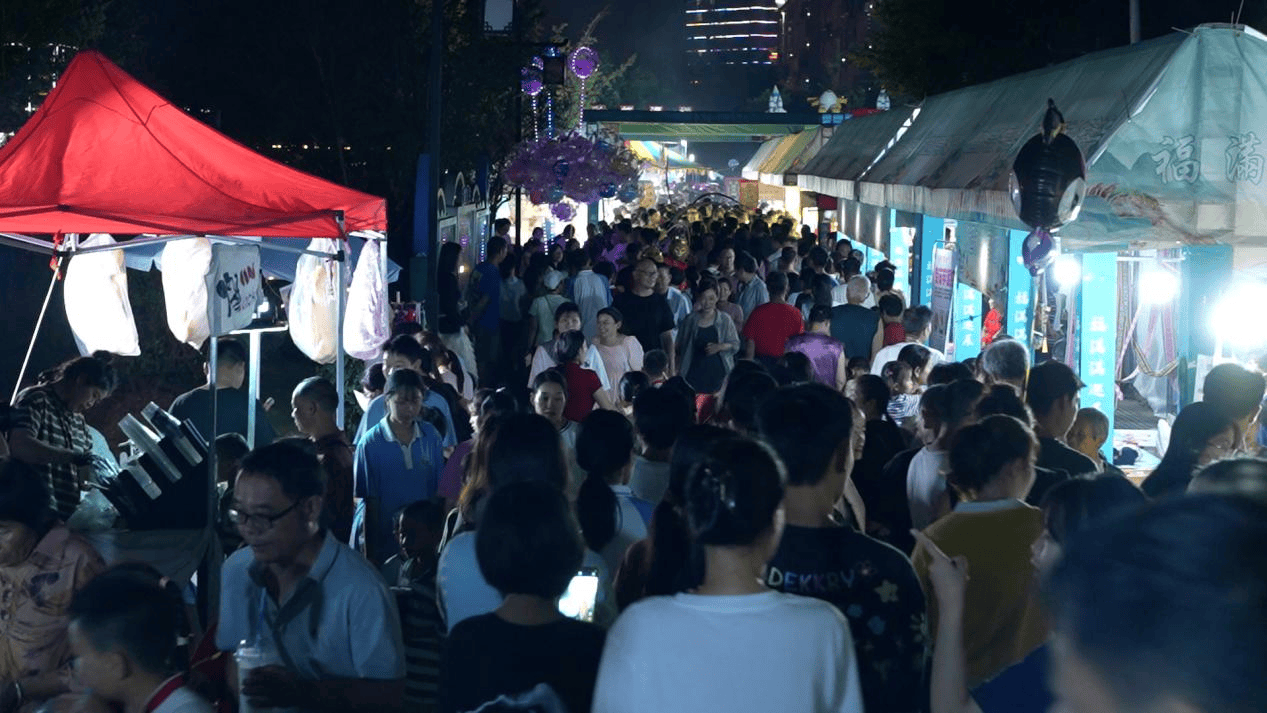
Core Viewpoint - The event held in Jiangyong County, Hunan Province, from October 17 to 28, features a unique agricultural product promotion and intangible cultural heritage food festival, attracting significant public interest and participation [1][4]. Group 1: Event Highlights - The festival includes four main segments: product exhibitions, intangible cultural heritage performances, family entertainment, and specialty food [4]. - The opening night attracted over 5,000 visitors, showcasing a vibrant atmosphere with a mix of sales and entertainment [4]. - A drone show featuring over a thousand drones illuminated the night sky, integrating local culture and sports themes, which received positive feedback from attendees [4]. Group 2: Economic Impact - The local economy is benefiting from the festival, with the night market for Yao Mountain oil tea becoming a popular destination for both residents and tourists [4]. - During the National Day and Mid-Autumn Festival, the Guolan Yao Village scenic area received 83,000 visitors, with an average accommodation rate of 95.3%, marking a 56.1% increase year-on-year [6]. - Total tourism revenue during the holiday reached 942,500 yuan, reflecting a 31.3% year-on-year growth, highlighting the significant impact of the night economy [6]. Group 3: Future Development - The local cultural tourism authority plans to continue leveraging the unique cultural assets of the region, such as "Nüshu" culture and Yao ethnic traditions, to enhance the night economy [6]. - There is a focus on integrating cultural tourism with agriculture and innovation to extend consumer engagement and expand economic opportunities [6].
粤夜粤美 畅赏湾区 2025年广东省夜间文旅消费促进活动启动
Guang Zhou Ri Bao· 2025-10-28 07:44
Core Insights - The "Yue Night Yue Beautiful" cultural and tourism consumption promotion event was launched in Guangzhou, aiming to enhance the night economy and integrate various sectors such as culture, tourism, sports, and food [1] Group 1: Night Economy Development - The event is positioned as a bridge for the night economy, promoting the integration of cultural and tourism sectors, especially with the upcoming 15th National Games [1] - A report released during the event highlighted that during the National Day and Mid-Autumn Festival holiday, Guangdong's night tourism-related online posts reached 118,400, ranking first in the country [2] - In the first three quarters of this year, Guangdong led the nation in film box office, screening sessions, and audience attendance, showcasing the region's vibrant night economy [2] Group 2: Night Consumption Growth - Nighttime consumption has become a key driver for growth in the cultural and tourism sectors, with a year-on-year increase of 11.41% in nighttime visitors to representative cultural and tourism businesses in 20 consumption clusters [2] - The report indicated that 15 national-level consumption clusters experienced a 6.79% increase in nighttime foot traffic year-on-year [2] - Cities like Guangzhou, Shenzhen, and Foshan ranked among the top ten in the 2025 China Urban Night Economy Index, reflecting their strong nighttime vitality [2] Group 3: Special Events and Promotions - Guangzhou introduced the "All Sports Night" series of activities, integrating sports and city nightscapes, featuring five themed night tour routes [3] - The event included performances that provided a visual and auditory feast for attendees, enhancing the overall experience [4] - A partnership with Didi Chuxing was established to offer a taxi discount package covering ten cities, promoting easier access to nighttime activities [5]
为创建国际大都市“夜经济新构架”夯实基础
Guo Ji Jin Rong Bao· 2025-10-28 05:39
Core Insights - Shanghai's nighttime consumption has exceeded 88 billion yuan (approximately 12.26 billion USD) since June 2025, covering various sectors including dining, entertainment, shopping, and cultural tourism [1] - The city has been recognized as the "most vibrant nighttime economy city" in China for several consecutive years, but there remains a gap compared to developed international cities [1] Group 1: Development Stages of Shanghai's Nighttime Economy - The nighttime economy in Shanghai has evolved through four stages since the 1990s: 1. **Emerging Exploration Period (1990s to early 2000s)**: Characterized by the Bund lighting project and the rise of bar streets and night markets, with dining as the primary consumption focus [2] 2. **Scale Formation Period (2004 to 2016)**: Marked by the upgrade of landmark business districts and the impact of e-commerce, leading to increased nighttime tourism [3] 3. **Policy Empowerment Period (2017 to 2022)**: Driven by national policies and the establishment of the "15-minute nightlife circle," enhancing cultural and commercial integration [4] 4. **Ecosystem Initial Construction Period (2023 to present)**: Focused on digitalization and internationalization, with a diverse range of nighttime activities [4] Group 2: Current Diverse Nighttime Economic Models - The 2025 Shanghai Nightlife Festival features 130 themed summer activities, including esports and food festivals, promoting cross-industry integration [5] - Notable nightlife hubs include Taipinghu Xintiandi, Nanchang Road bar street, and West Bund Dream Center, each offering unique experiences and events [5][6] Group 3: Challenges Facing Shanghai's Nighttime Economy - The nighttime economy faces four major challenges: high costs, fragmentation, inefficient operations, and low international service standards [7] - High operational costs, including rent and labor, significantly pressure small businesses, with commercial center rents reaching 73 yuan per square meter per day [8] - Fragmented data and policies lead to a lack of unique cultural offerings, with over 60% of new night markets focusing on similar food and craft themes [9] - Inefficient nighttime transportation services and high surge pricing for taxis and rideshares hinder accessibility [10] - Low international service standards, including language barriers and payment accessibility, reduce the attractiveness for international tourists [11] Group 4: International Best Practices for Nighttime Economy - London’s cultural-driven model and "Night Czar" management effectively coordinate various sectors to enhance nighttime economy [12] - Berlin’s low-cost development model allows for temporary use of spaces for cultural projects, fostering community engagement [13] - Singapore’s refined management and international service standards have led to significant growth in nighttime spending [14] Group 5: Recommendations for Enhancing Shanghai's Nighttime Economy - Strategies include reducing costs through technology, simplifying approval processes, and increasing financial support for small businesses [15][16] - Establishing a strong cross-department coordination mechanism and creating a self-governing industry association can enhance operational efficiency [17] - Implementing data-driven governance and improving international service standards will elevate the overall nighttime experience [18][19] - Balancing vibrancy with tranquility, and integrating traditional and modern elements will create a more harmonious nighttime economy [20]
五棵松商圈:旧时歇脚地 变身繁华新地标
Bei Jing Ri Bao Ke Hu Duan· 2025-10-27 23:41
Core Viewpoint - The article highlights the transformation of the Wukesong business district in Beijing into a vibrant hub for culture, sports, and entertainment, attracting a younger demographic and becoming a key destination for both locals and tourists [1][10][17]. Group 1: Development of Wukesong Business District - Wukesong has evolved from a suburban traffic node to a modern sports and cultural landmark, showcasing Beijing's urban transformation [1][8]. - The area features diverse spaces such as Wukesong Sports Center, Huaxi LIVE, and Wanda Plaza, creating a new cultural and entertainment highland in the city [1][9]. - The historical significance of the name "Wukesong" dates back over 200 years, originally associated with a notable landmark of five ancient pine trees [7][8]. Group 2: Popularity Among Young People - Wukesong has become a favored destination for young people, offering a mix of dining, shopping, and entertainment options [8][10]. - The area is easily accessible via the Wukesong subway station, enhancing its appeal as a social gathering spot [8][9]. - The vibrant atmosphere includes various sports facilities and entertainment options for children and adults alike, contributing to its popularity [10][11]. Group 3: Economic Impact and Nightlife - Wukesong has emerged as a new "nightlife capital" in Beijing, attracting significant foot traffic during evening hours [11][17]. - The area has seen a notable increase in consumer spending, particularly during events, with restaurants and entertainment venues experiencing a surge in business [16][17]. - The "ticket economy" concept allows consumers to enjoy discounts at nearby businesses when attending events, further driving local consumption [16][17]. Group 4: Urban Renewal and Future Prospects - Urban renewal initiatives have significantly enhanced the Wukesong area, with the newly opened Wanda Plaza serving as a key component of this transformation [12][13]. - The integration of cultural, commercial, and recreational activities is expected to continue driving growth and attracting diverse consumer groups [17][18]. - The ongoing development of Wukesong reflects broader trends in consumer preferences and urban lifestyle changes, positioning it as a dynamic and evolving commercial landscape [18][19].

“夜经济”,我们在消费什么?
Sou Hu Cai Jing· 2025-10-27 19:12
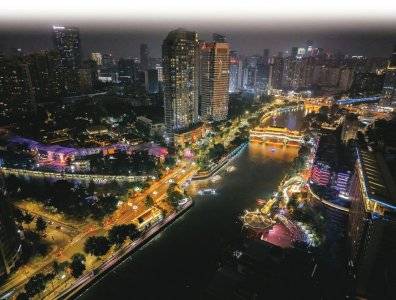
Core Viewpoint - The article emphasizes the significance of "night economy" in urban settings, highlighting its role in enhancing city vibrancy and economic growth through various consumer activities that occur from 6 PM to the early morning hours [7][10]. Summary by Sections Definition and Importance of Night Economy - "Night economy" refers to consumer activities and spending that take place from 6 PM to the next morning, showcasing the city's operational dynamics and social engagement [7][10]. - Over 60% of consumer activities occur after 6 PM, indicating a shift in lifestyle where evenings are dedicated to dining, shopping, and entertainment [7]. Night Economy in Chengdu - Chengdu, as a consumption hub in Southwest China, boasts a vibrant night economy with diverse offerings, including hotpot restaurants, bars, 24-hour bookstores, and late-night theaters [8]. - The "Night Tour of Jinjiang" project has significantly contributed to the city's nightlife, attracting approximately 360,000 visitors and generating around 2.85 million yuan in tourism revenue during the recent National Day and Mid-Autumn Festival holidays [9]. Evolution of Night Consumption Habits - Chinese consumers are transitioning from a "daytime-centric" lifestyle to one where nighttime is a key period for socializing, entertainment, and cultural experiences [10]. - The night economy is evolving beyond food offerings, incorporating various cultural and creative activities, such as traditional crafts and themed events, enhancing the overall consumer experience [10]. Competitive Landscape of Night Economy - Various venues are competing to attract nighttime visitors, with notable examples including the Palace Museum's night openings and Chengdu's unique museum night events, which have seen high demand [10]. - The success of new night economy formats is attributed to their ability to leverage the unique advantages of offline experiences, creating vibrant urban spaces that encourage nighttime spending [10].
龙华崛起 “航母级” 集群商业标杆
Nan Fang Du Shi Bao· 2025-10-27 07:38
Core Insights - The "Longhua Super Commercial Circle" has been identified as a key area for development in the recently released "Shenzhen Commercial Outlet Planning (2025 - 2035)" with significant growth in retail sales [1] - The project "Yifang Tiandi," a 600,000 square meter experiential commercial cluster, has played a crucial role in driving regional consumption and urban development, marking its 8th anniversary [1][2] Group 1: Development and Impact - Yifang Tiandi has evolved alongside Longhua's urban upgrade, filling the high-end consumption gap and becoming a core engine for the international consumption center city [2] - The project has established a diverse matrix of business formats, including first-store economy, night economy, and event economy, catering to various consumer needs [2][3] Group 2: Differentiated Layout - Yifang Tiandi is divided into five themed commercial areas (A, B, C, D, E) to meet different demographic and consumption needs, such as family entertainment, youth socializing, and high-end retail [2] - The project includes over 7,000 parking spaces, addressing consumer concerns about parking and enhancing the overall shopping experience [2] Group 3: First-Store Economy and Unique Offerings - The project emphasizes the "first-store economy" by introducing a high density of first stores, including over 90% regional first stores and notable brands like CHANEL and DIOR [4][5] - In 2022, the D area added over 70 first stores, including 8 national first stores, enhancing the appeal to the young demographic in Longhua [5] Group 4: Innovative Business Models - Yifang Tiandi is expanding its commercial value through innovative models such as "Commercial + Events," "Commercial + Night Economy," and "Commercial + Popular IP," which activate consumer potential and promote high-quality development [6][7] - The project hosts various events and activities, such as sports competitions and themed festivals, to create unique consumer experiences and foster community engagement [6][7] Group 5: Regional Significance - Yifang Tiandi has transformed into a "Bay Area Consumption Landmark," witnessing Longhua's commercial evolution and contributing to the area's economic growth [8] - The project is expected to attract an average daily footfall of over 200,000 by 2024, solidifying its position as a leading commercial hub in Shenzhen [8]
山东潍坊奎文区:激活城市新“夜”态 燃动消费新活力
Zhong Guo Jing Ji Wang· 2025-10-24 05:51
Core Insights - The article highlights the vibrant development of the night economy in Weifang's Kuiwen District, focusing on innovative consumption scenarios and enhanced services to meet urban consumption upgrade demands [1][2] Group 1: Night Economy Development - The "Xingguang Chaowan Night Street" in Kuiwen District features over 2,000 square meters of open space with various attractions, including food stalls, outdoor movie areas, and live performance stages, catering to diverse consumer needs [1] - Weekend night peak traffic can exceed 3,000 visitors, driven by promotional activities such as themed parties and group purchase deals [1] Group 2: Government and Business Collaboration - The district employs a collaborative approach involving government support, business participation, and community engagement to enhance night economy offerings [2] - The "Taihua City" shopping area has developed two major night consumption segments, attracting over 30 unique merchants and creating a "night consumption cluster effect" [2] Group 3: Consumer Experience and Safety - The district has implemented measures to ensure safety and convenience for night consumers, including relaxing outdoor seating restrictions and increasing nighttime patrols [2] - The night economy is not only retaining local residents but also attracting visitors from surrounding areas, contributing to the city's consumption upgrade [2]
Ye!西岸|徐汇夜经济热力迸发,多元联动激活滨江商圈消费新势能
Sou Hu Cai Jing· 2025-10-22 09:41
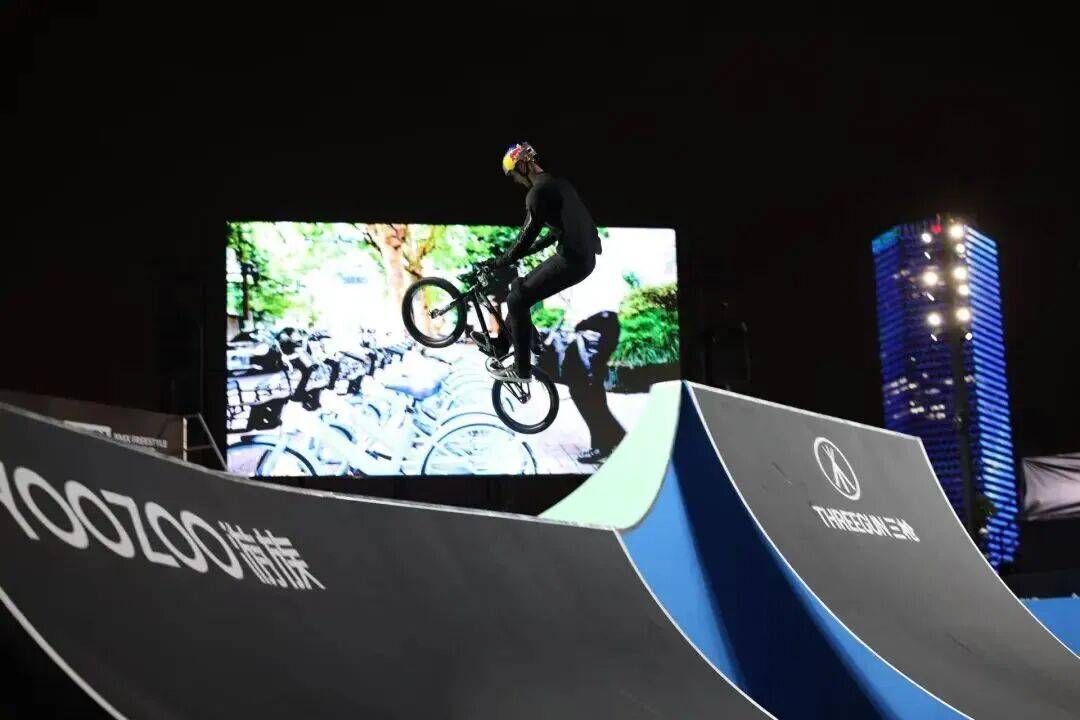
Core Insights - The Xuhui Riverside business district in Shanghai has experienced a surge in consumer activity during the National Day holiday, showcasing the vibrancy of "Night Shanghai" with significant increases in both foot traffic and sales [1] Group 1: Sales and Foot Traffic Data - During the National Day holiday from October 1 to October 8, the Xuhui Riverside business district recorded nearly 100 million yuan in sales, representing a year-on-year increase of 9.70% [1] - The total foot traffic exceeded 1.8 million, marking a year-on-year growth of 58.15% [1] - The Xuhui Dream Center was a key driver of this growth, with sales increasing by 125.44% and foot traffic soaring by 263.09% compared to the previous year [1] Group 2: Events and Promotions - The 2025 FISE Urban Sports Carnival, held from October 16 to 19, attracted hundreds of athletes from over 30 countries, further energizing the business district [3] - During the event, the Xuhui Dream Center saw a 69.5% increase in foot traffic and a 33.4% rise in sales compared to the previous week [3] - The Fourth Notes Shanghai and the First Beauty Shanghai exhibitions, held on October 19, gathered nearly 500 brands and attracted thousands of professional and general consumers, boosting nearby shopping mall traffic [5] Group 3: Night Economy and Consumer Experience - The Xuhui Zhengda City has positioned itself as a key node in the night economy, achieving a 7% year-on-year increase in overall foot traffic from October 1 to 19, with night-time traffic (18:00-02:00) surging by 23.5% [8] - Total sales at Zhengda City increased by 11.5%, with the entertainment services sector growing by 16.5% [8] - The introduction of the "Night Owl Exchange Voucher" has seen a redemption rate exceeding 90%, linking various entertainment and dining options to create a consumption ecosystem [8]
刺激需求政策与入境游火爆合力,上海消费市场持续回暖
Sou Hu Cai Jing· 2025-10-22 02:21
Economic Performance - Shanghai's total retail sales of consumer goods reached 12,302.77 billion yuan in the first three quarters, with a year-on-year growth of 4.3%, an increase of 2.6 percentage points compared to the first half of the year [1] - The growth rates for July, August, and September were 7.8%, 13%, and 9.2% respectively, indicating a recovery in the consumption market [1] Consumer Confidence and Spending - The significant increase in the durable goods consumption willingness index from Shanghai University of Finance and Economics supports the recovery of the consumption market, reflecting its resilience and vitality [1] - Key categories driving consumption included home appliances (28.2%), furniture (22.1%), new energy vehicles (27%), and communication equipment (9.2%) [1] Policy Impact - The Shanghai government allocated 500 million yuan for issuing consumption vouchers in sectors such as dining, tourism, and culture, with a leverage ratio of 1:3.25 for cultural vouchers [3] - Events like the "Shanghai Summer" international consumption season and the Shanghai Tourism Festival have significantly increased domestic and international tourist numbers, contributing to service consumption growth [3] Night Economy Development - The development of the night economy has created new consumption scenarios, with total night consumption reaching 880.09 billion yuan since June, a year-on-year increase of 3.3% [4] - The integration of traditional brands with contemporary trends has attracted younger consumers and enhanced their shopping experience [4] External Factors - The global economic recovery and the release of open policy dividends have positively influenced Shanghai's consumption, with inbound tourism numbers increasing by 37% year-on-year to 6.366 million in the first three quarters [4] - Shanghai's duty-free sales have also seen a significant increase, with a year-on-year growth of 83.8%, leading the nation in this sector [5] Recommendations for Future Growth - It is suggested that Shanghai should continue to strengthen consumption subsidy policies, expand their applicability, and enhance the integration of commerce, tourism, and culture to further unlock consumption potential [5]